AAC Toolkit
From Frustration to Communication
A child who wants to say:„I am thirsty.”„I need help.”„I am sad.”
But cannot find the words.
Too often, communication difficulties lead to frustration, social isolation, behavioural challenges and limited participation in daily activities. Teachers and parents frequently witness situations where children cry, become upset or withdraw simply because they cannot express their needs effectively.
This reality inspired the Erasmus+ project AAC-Inclusion – Augmentative and Alternative Communication for Inclusion, which developed the AAC-Inclusion Toolkit, a practical guide designed for teachers, parents and professionals working with children experiencing communication difficulties.
BEFORE AAC
❌ Frustration
❌ Isolation
❌ Limited participation
❌ Dependence on adults
❌ Difficulty expressing emotions
AFTER AAC
✅ Expressing needs
✅ Participating in class activities
✅ Emotional expression
✅ Increased autonomy
✅ Positive social interactions
The toolkit is built around a simple but powerful idea: every child deserves a way to communicate.
Based on a needs analysis involving teachers and parents from several European countries, the toolkit provides practical, ready-to-use resources that can be implemented both at school and at home.
What does the AAC-Inclusion Toolkit offer?
The toolkit includes:
✔ AAC Fundamentals Guide
✔ Visual Cards and Pictograms
✔ Communication Boards
✔ Step-by-Step Implementation Guides
✔ Digital AAC Tools
✔ Progress Monitoring Instruments
✔ School-Family Collaboration Strategies
✔ Practical Activities and Real-Life Scenarios
✔ Training Resources for Teachers and Parents
All resources are designed to be:
- practical,
- easy to use,
- adaptable to different educational contexts,
- immediately applicable.
Giving Children a Voice
AAC is not about replacing speech. It is about creating opportunities for communication.
A child who previously cried to ask for water can now point to a “DRINK” card. A student who struggled to participate in class can use a communication board to ask for help or express emotions. Small communication successes become major steps towards inclusion and independence.
A European Commitment to Inclusion
The AAC-Inclusion Toolkit promotes a collaborative approach involving teachers, parents and support professionals. By using common tools and shared strategies, schools and families can work together to create consistent communication environments that support every child’s development.
Communication is a fundamental human right.
When we remove communication barriers, we open the door to participation, learning, relationships and inclusion.
From frustration to communication. From silence to participation. From dependence to autonomy.
That is the mission of the AAC-Inclusion Toolkit.
EduZone_CAA_Curriculum_Integration_Guide_IT_interactive_TOC (1) EduZone_AAC_Implementation_Companion_Pack_IT_v2(1) (1) EduZone_AAC_Curriculum_Integration_Guide_PT_interactive_TOC EduZone_AAC_Implementation_Companion_Pack_PT_v1(1) EduZone_AAC_Curriculum_Integration_Guide_RO_interactive_TOC EduZone_AAC_Implementation_Companion_Pack_RO_v3_alt(1) EduZone_CAA_Guia_Integracion_Curricular_ES_interactive_TOC EduZone_AAC_Implementation_Companion_Pack_ES_v3(1)
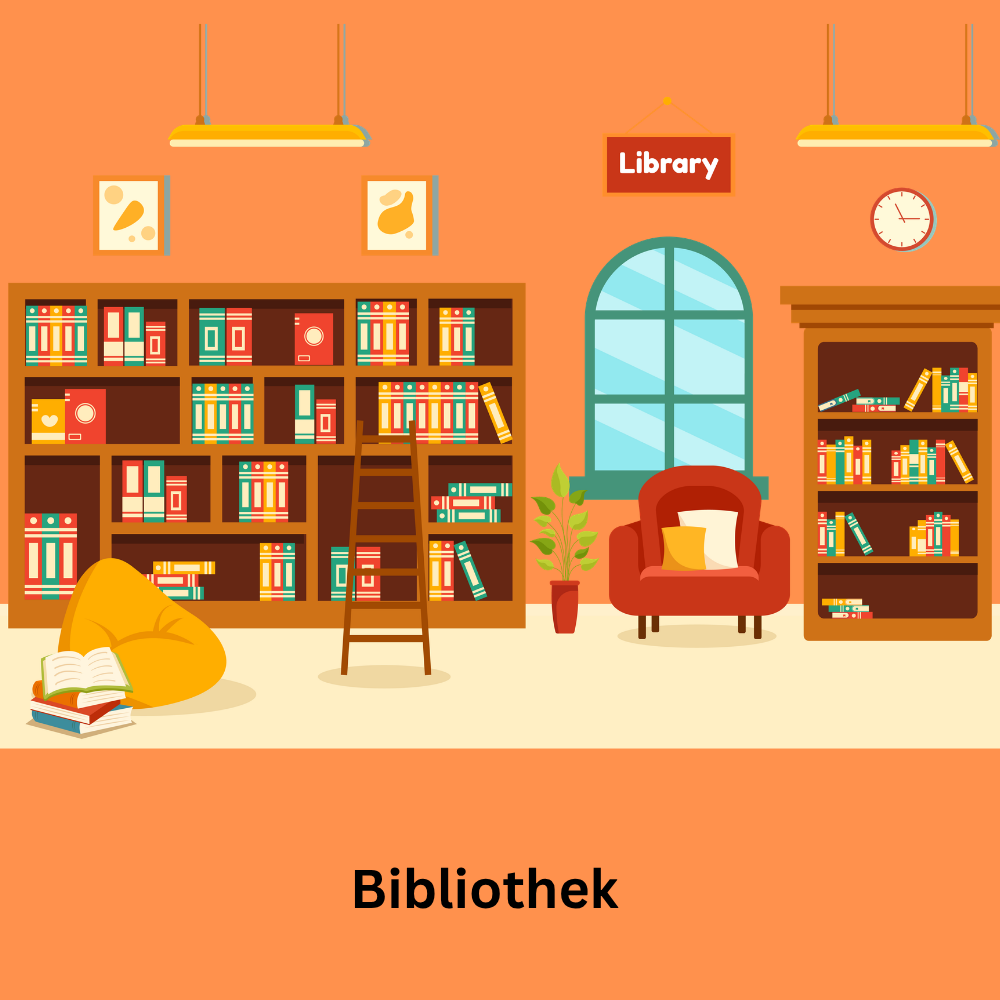
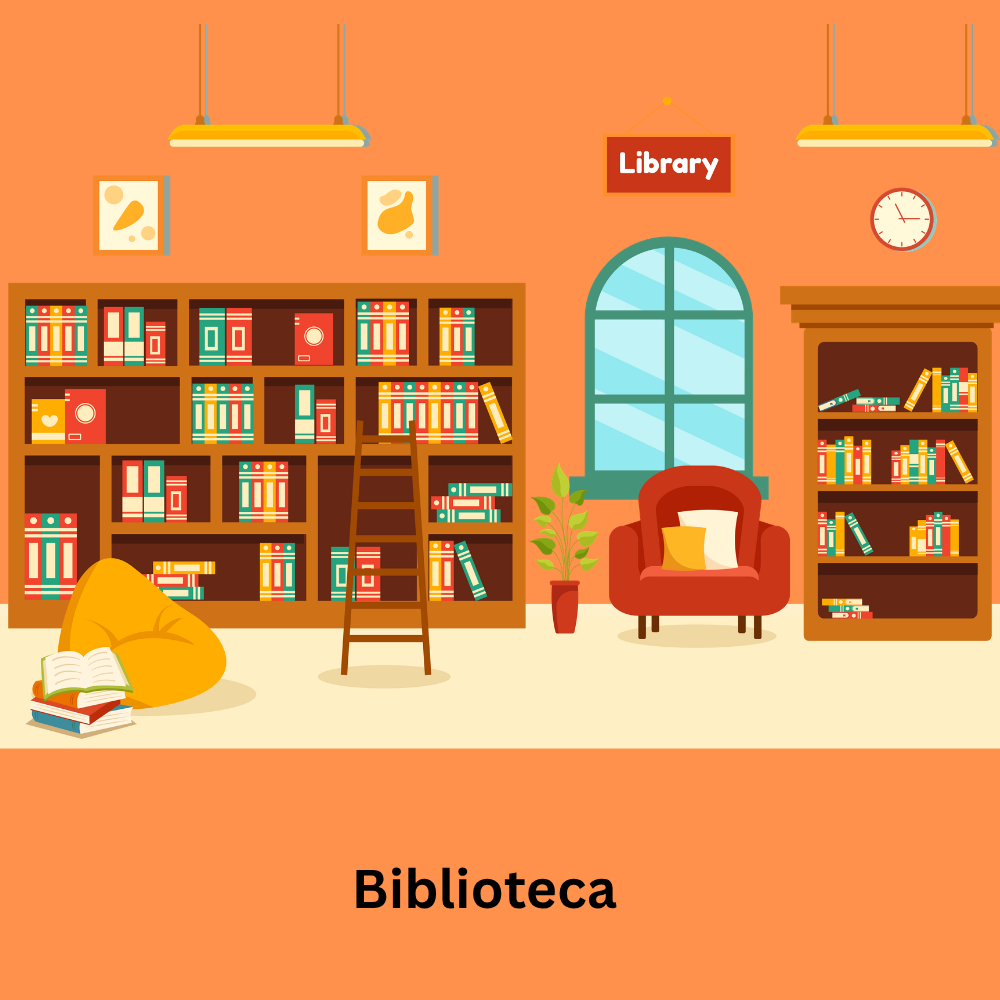
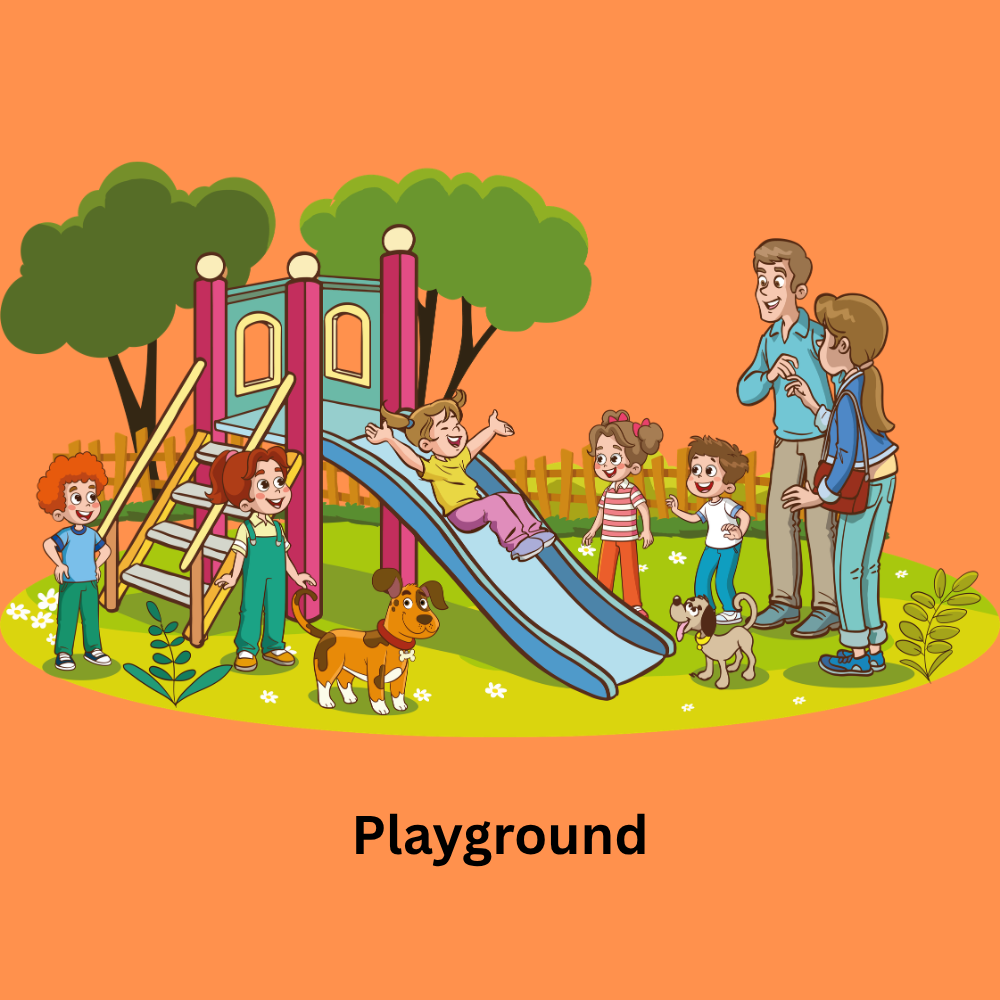
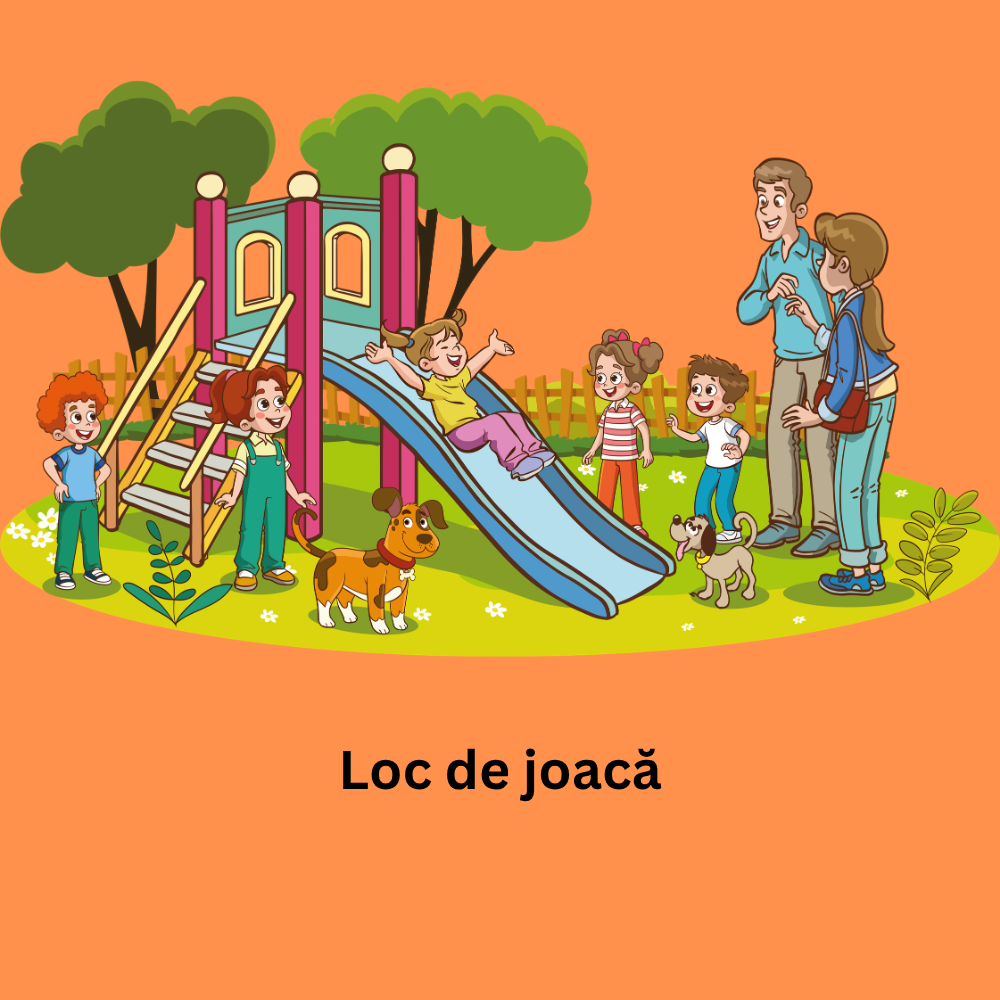
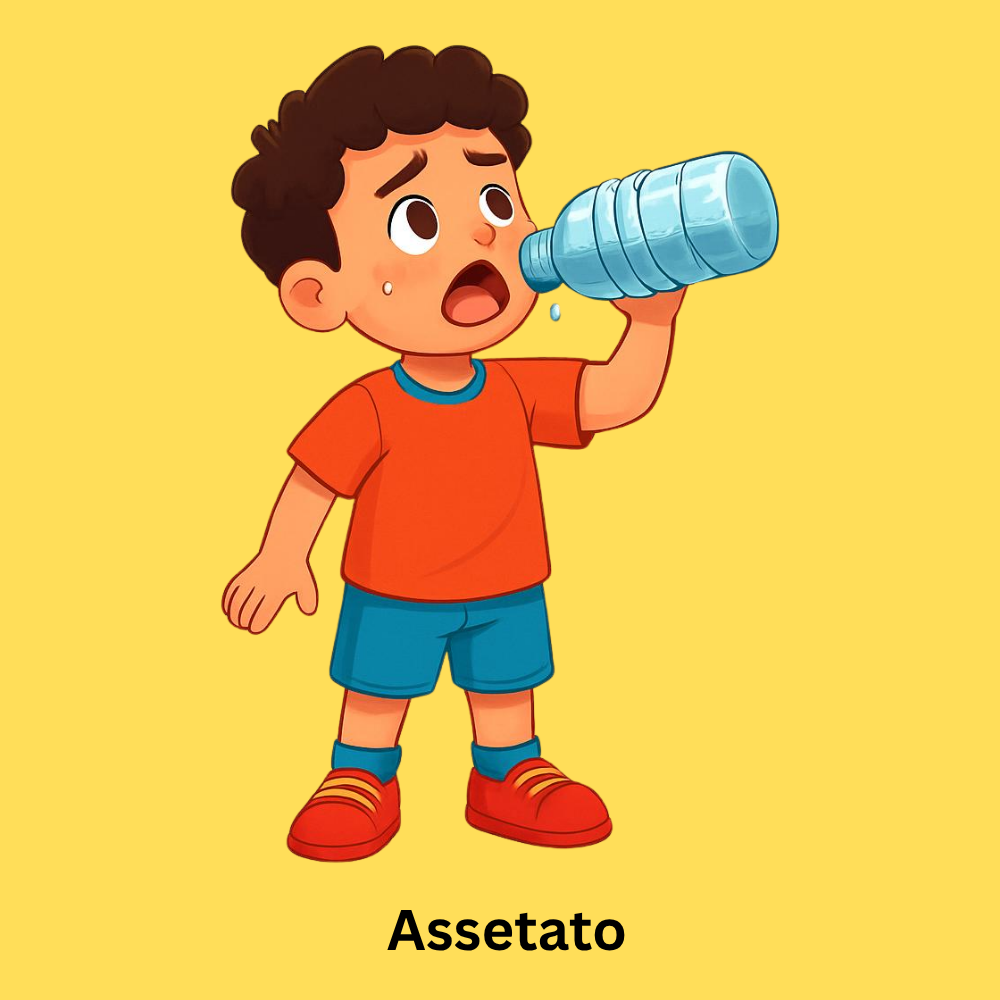
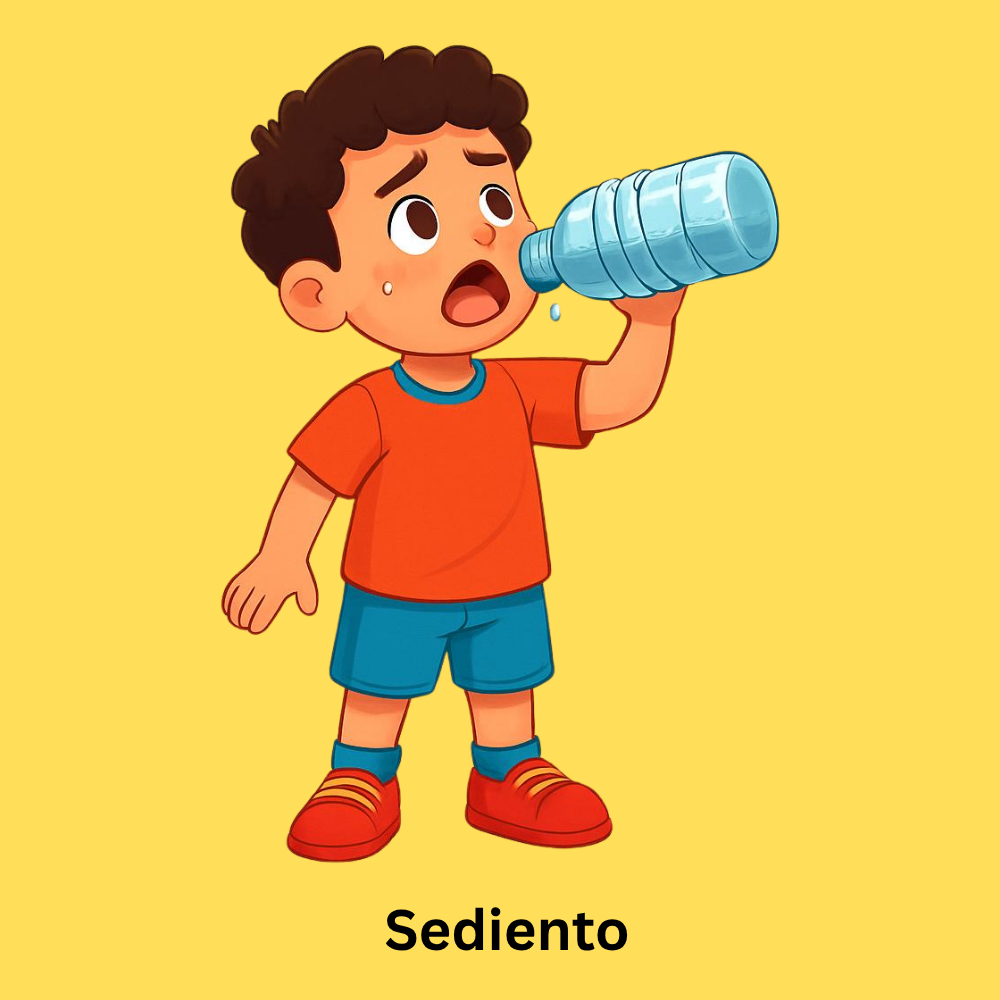
PICTOGRAMS
The Role of the Pictograms within the Project
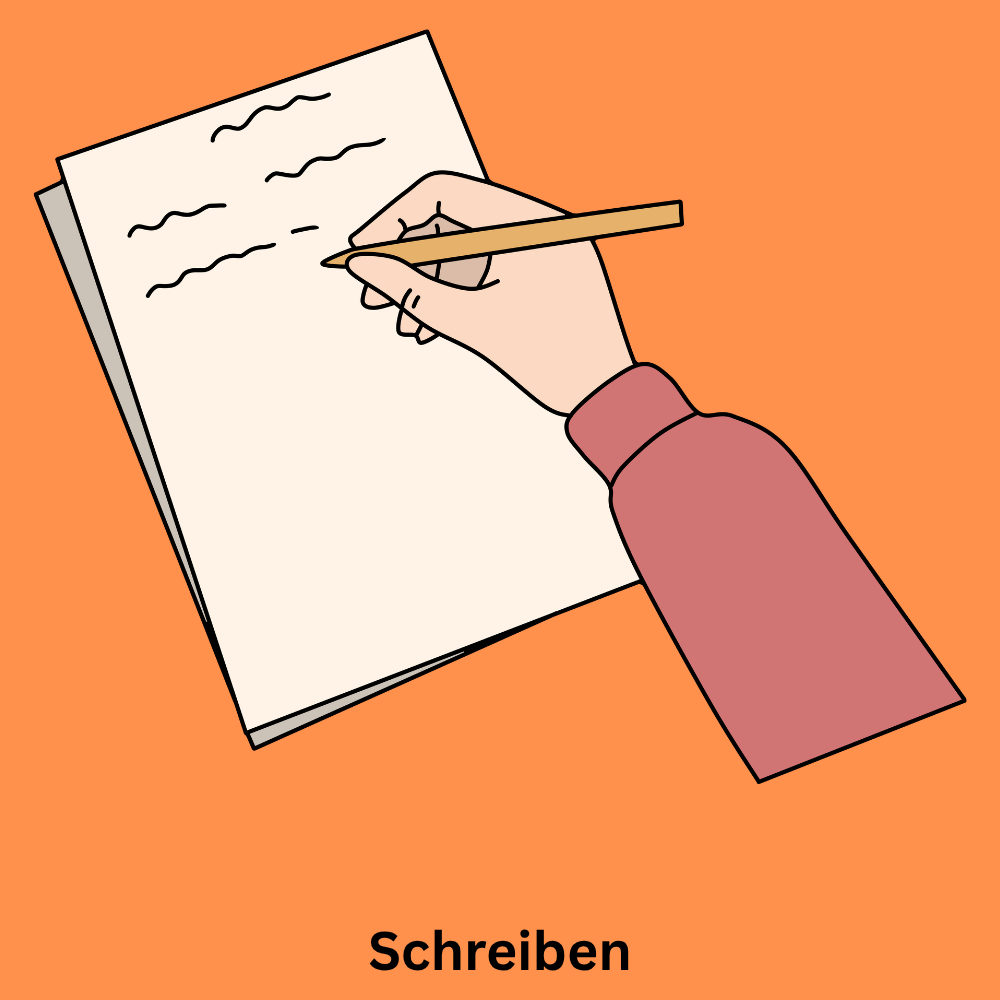
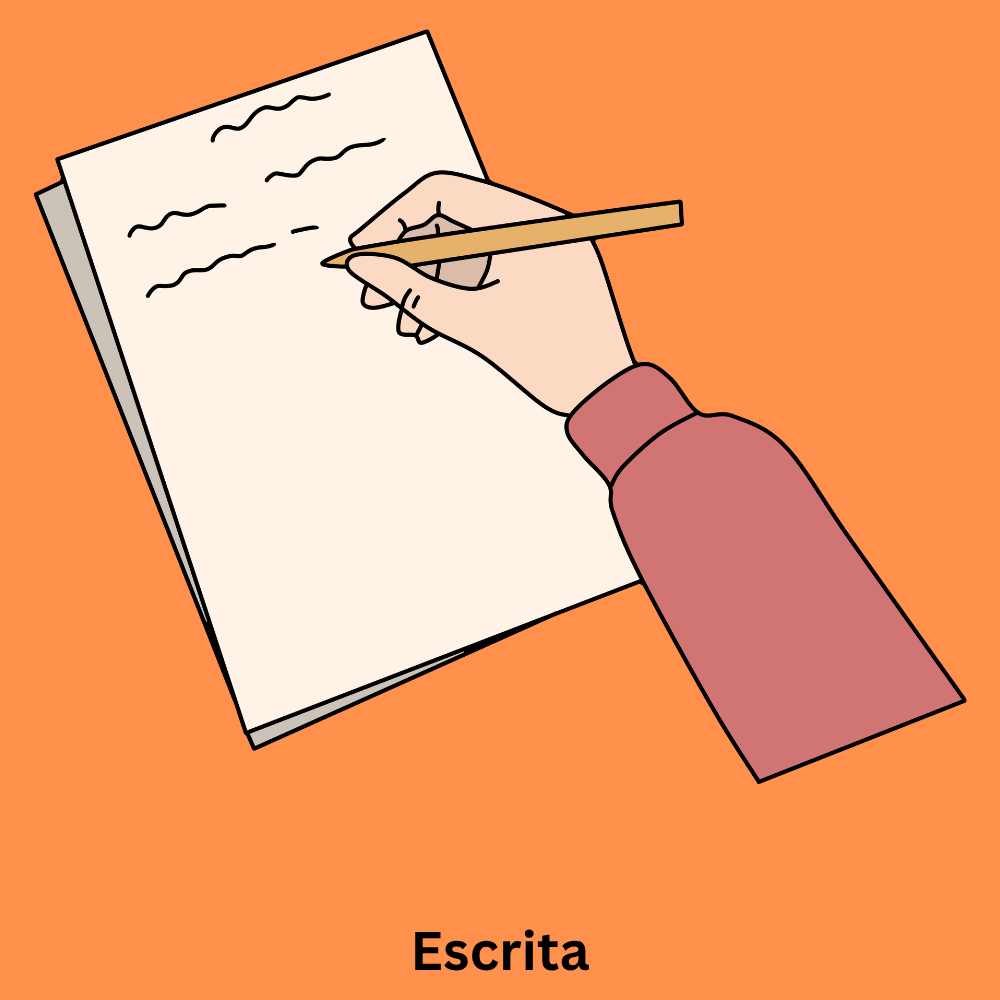
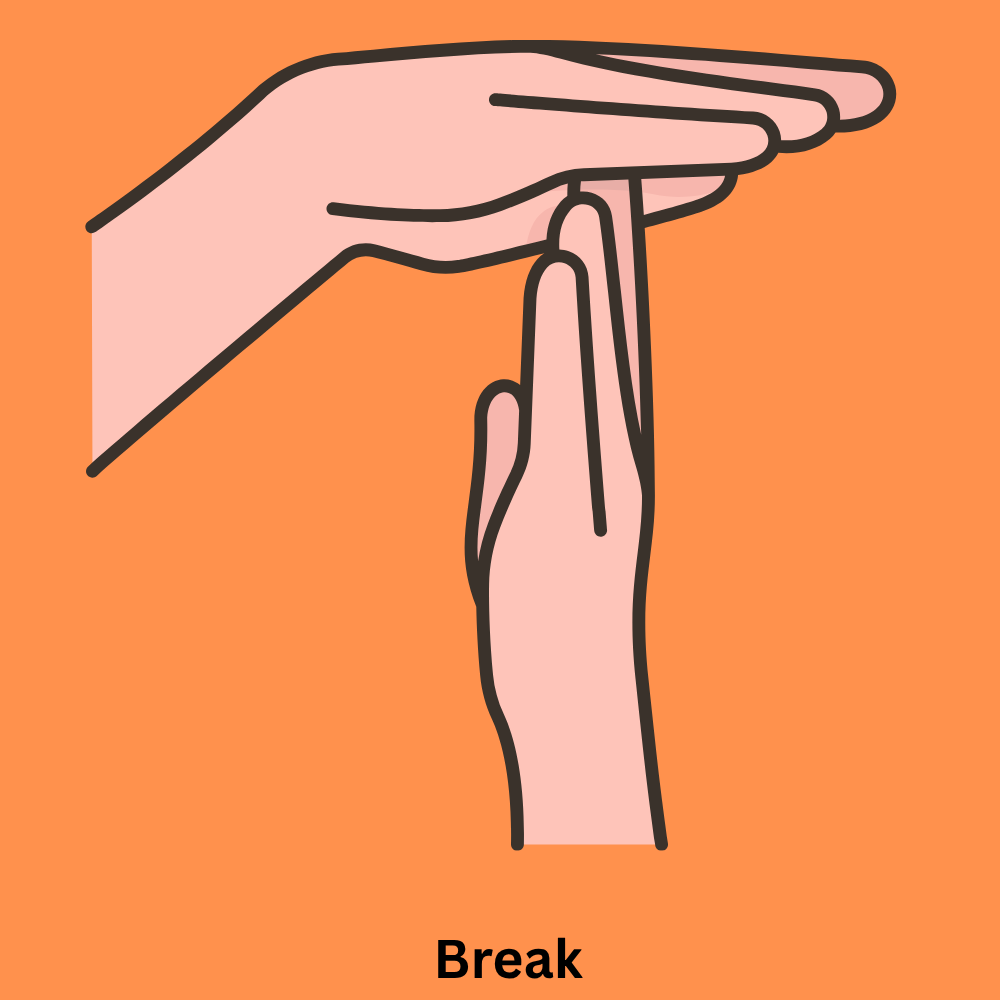
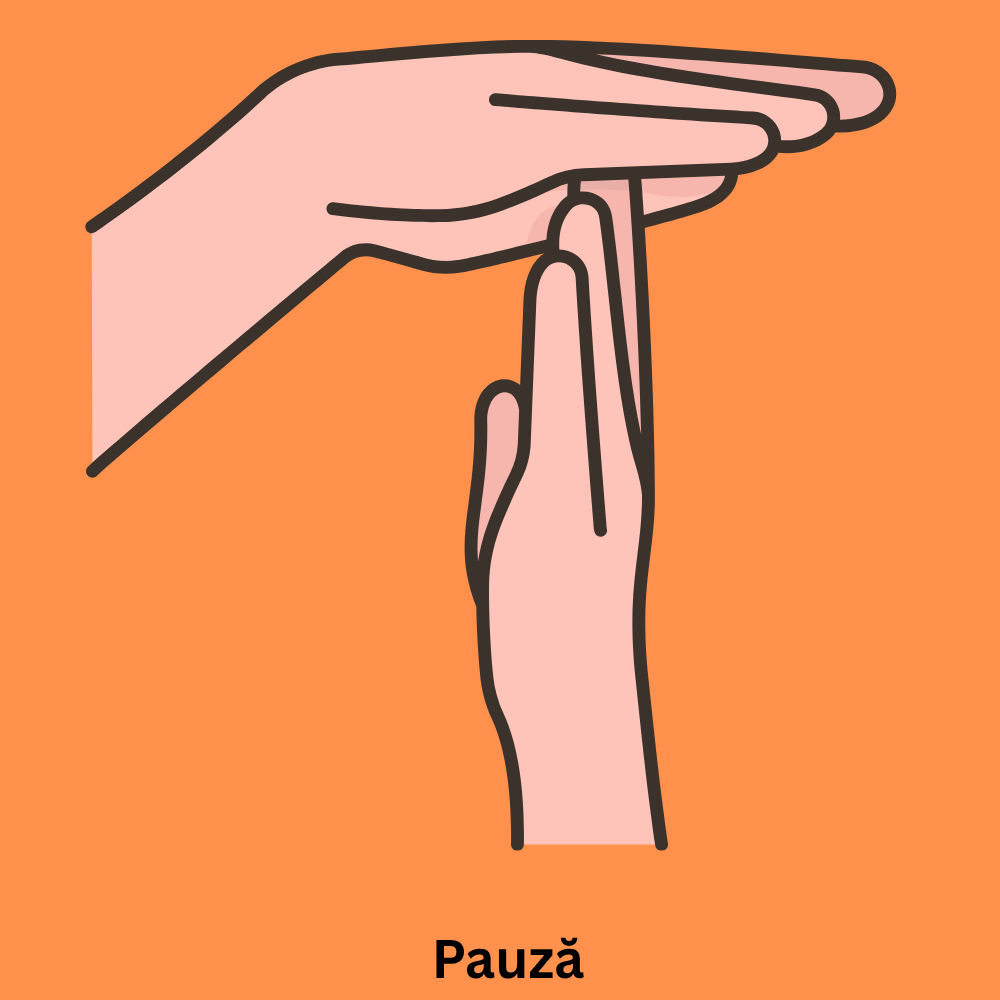
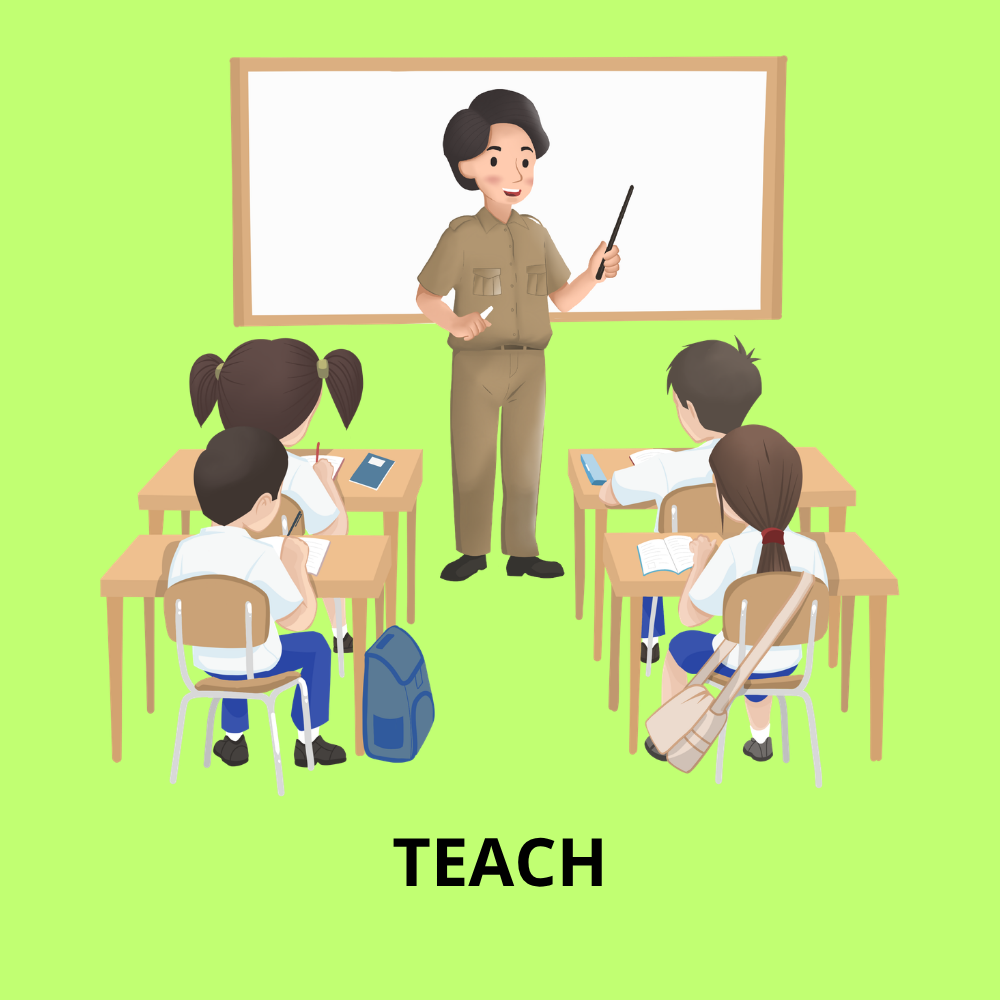
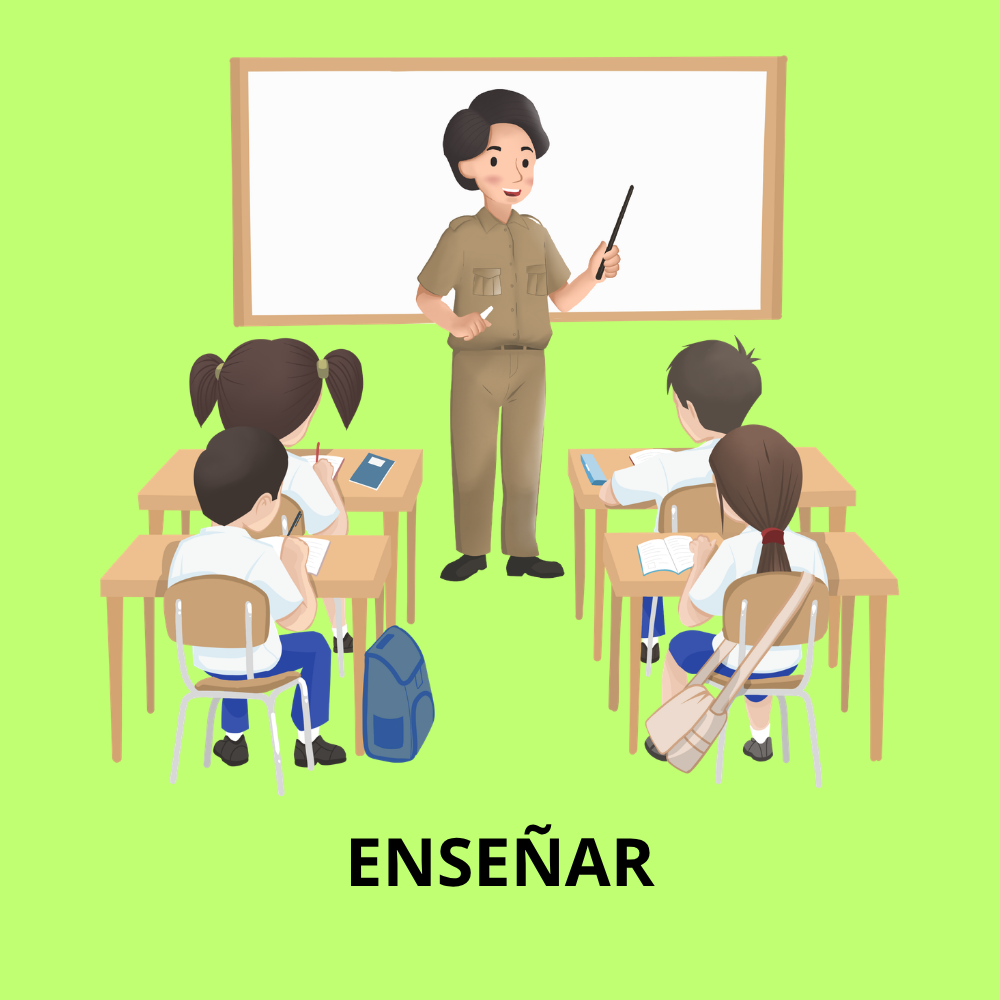
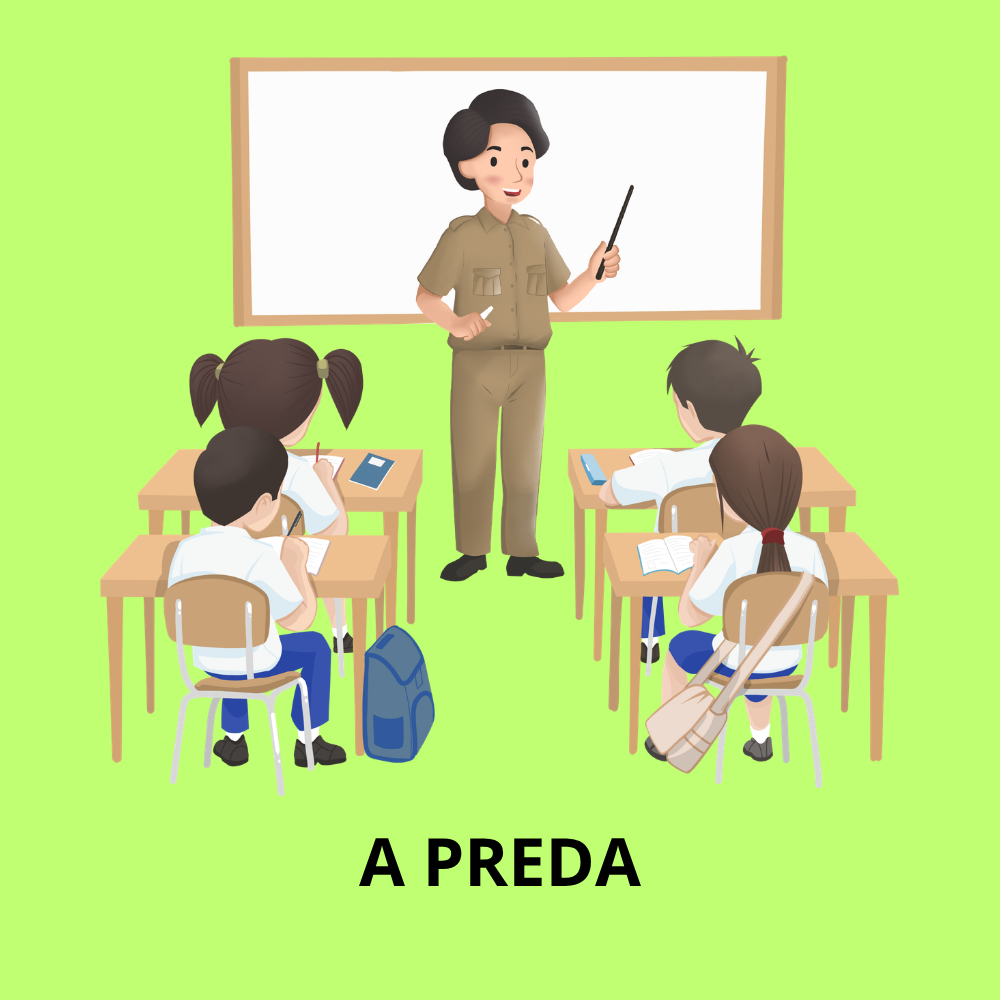
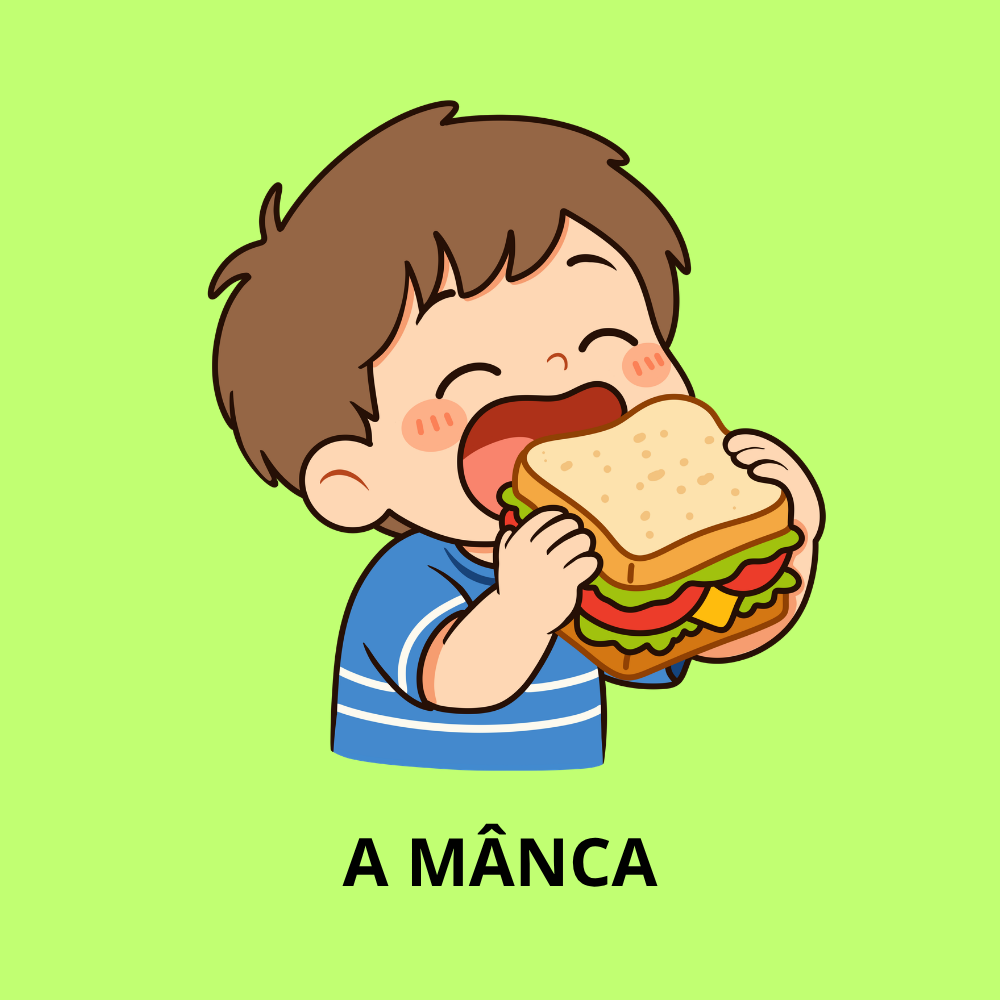
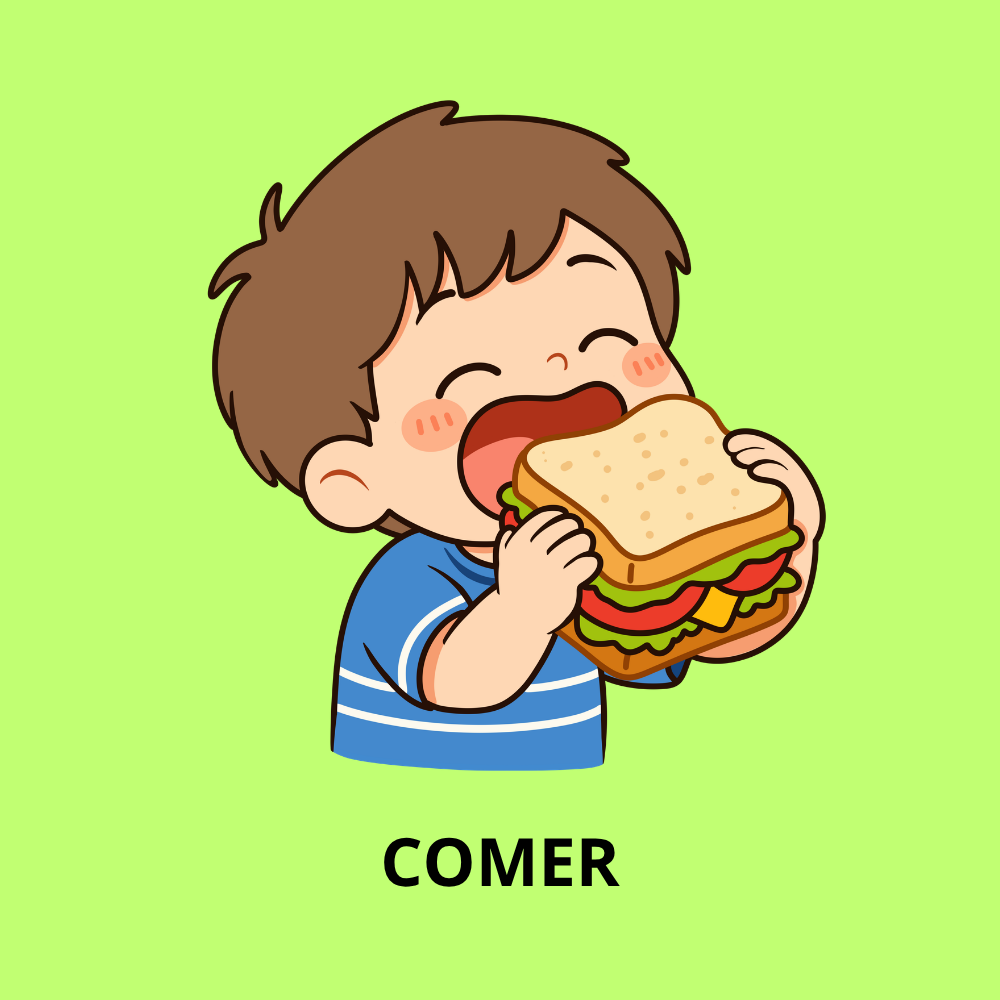
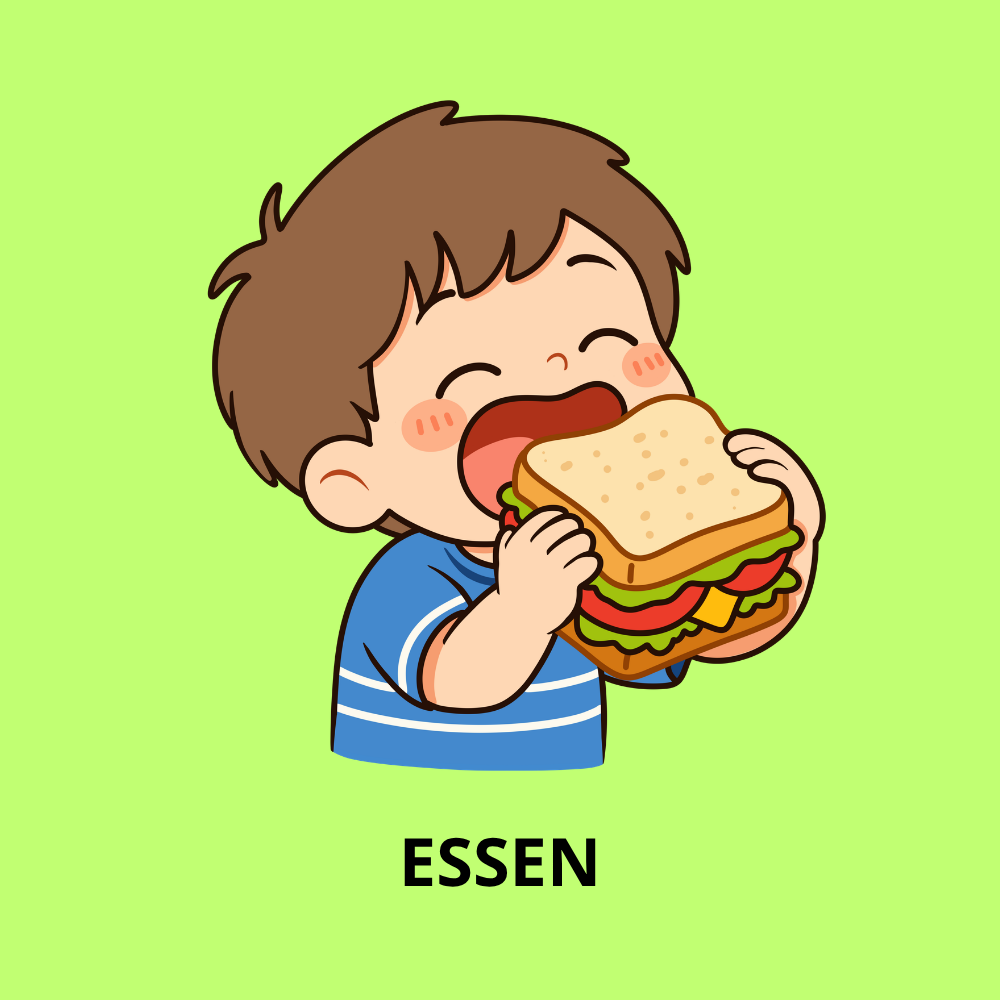
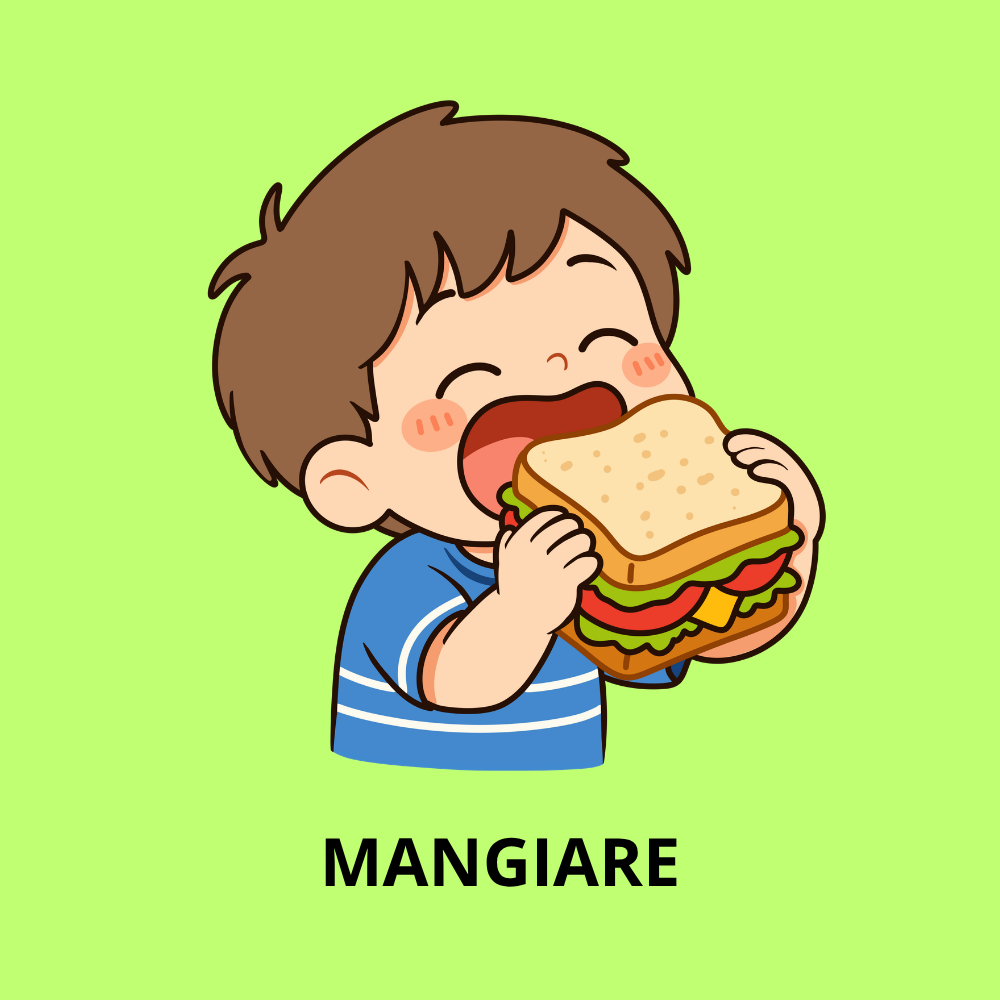
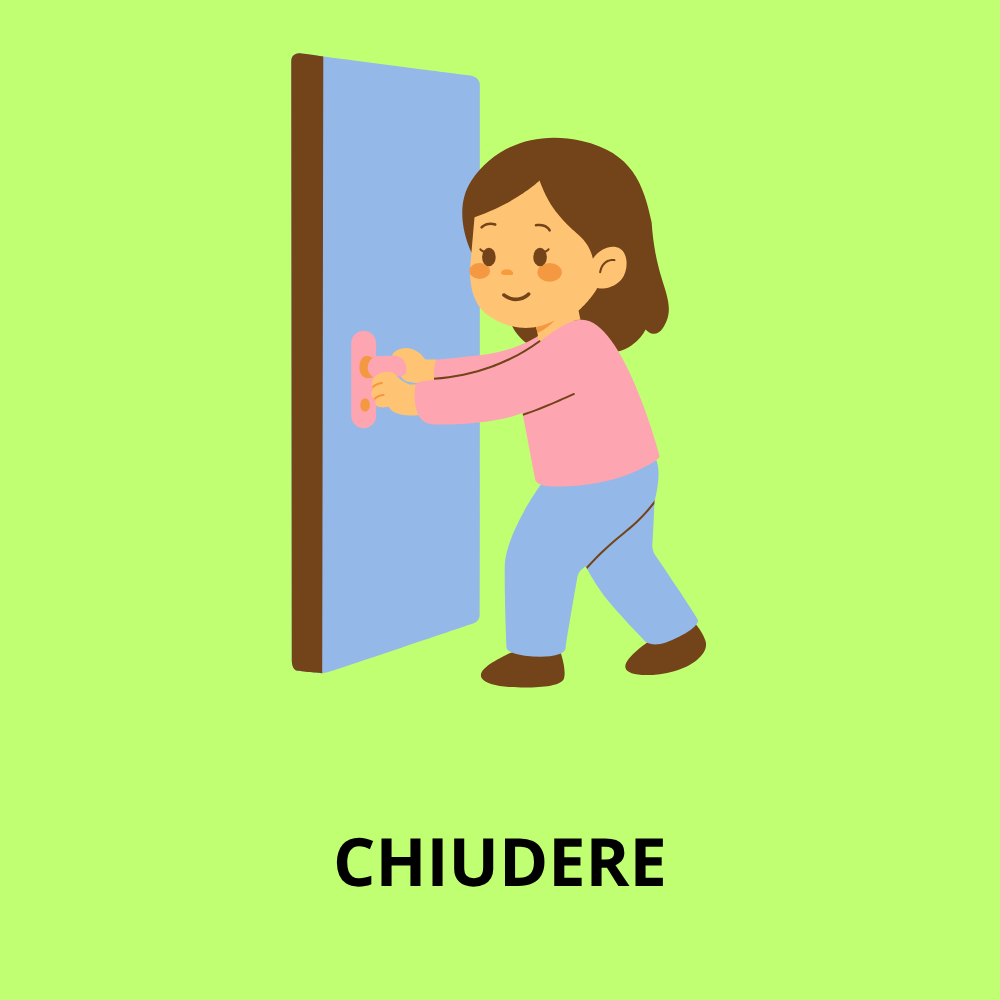
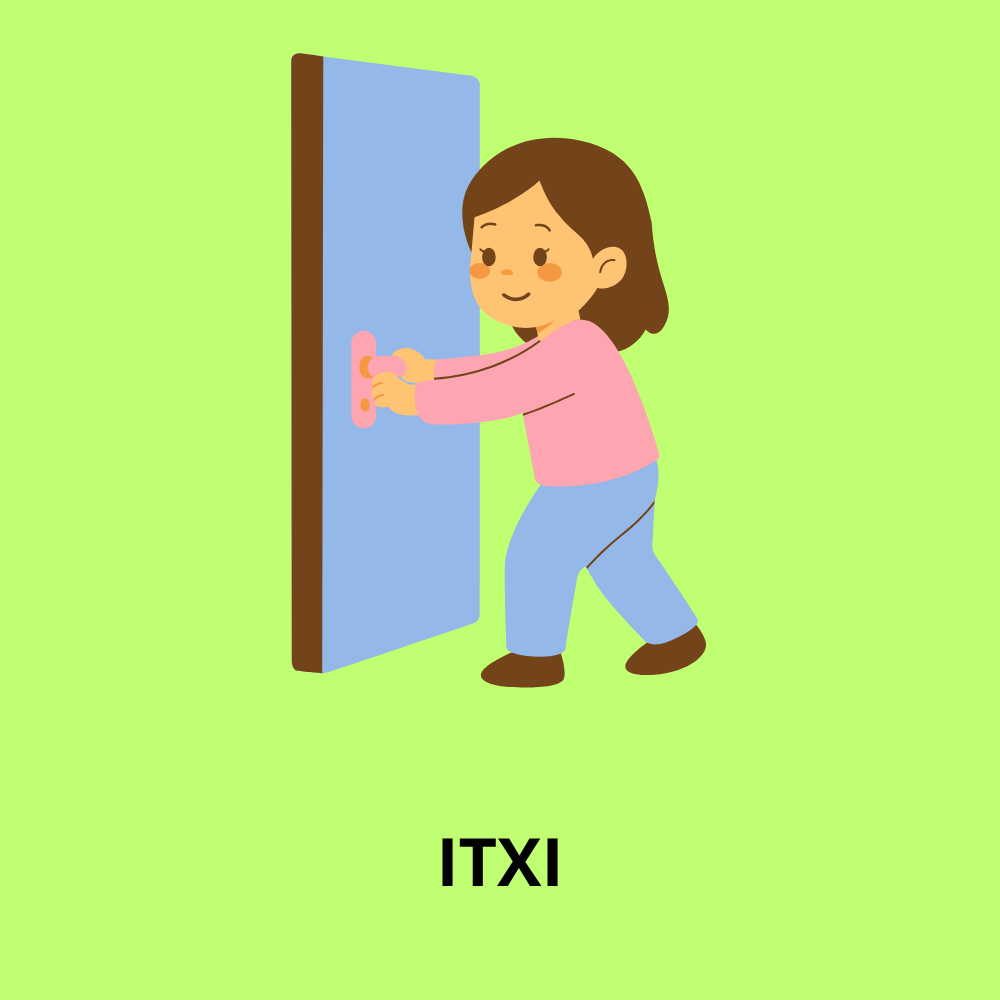
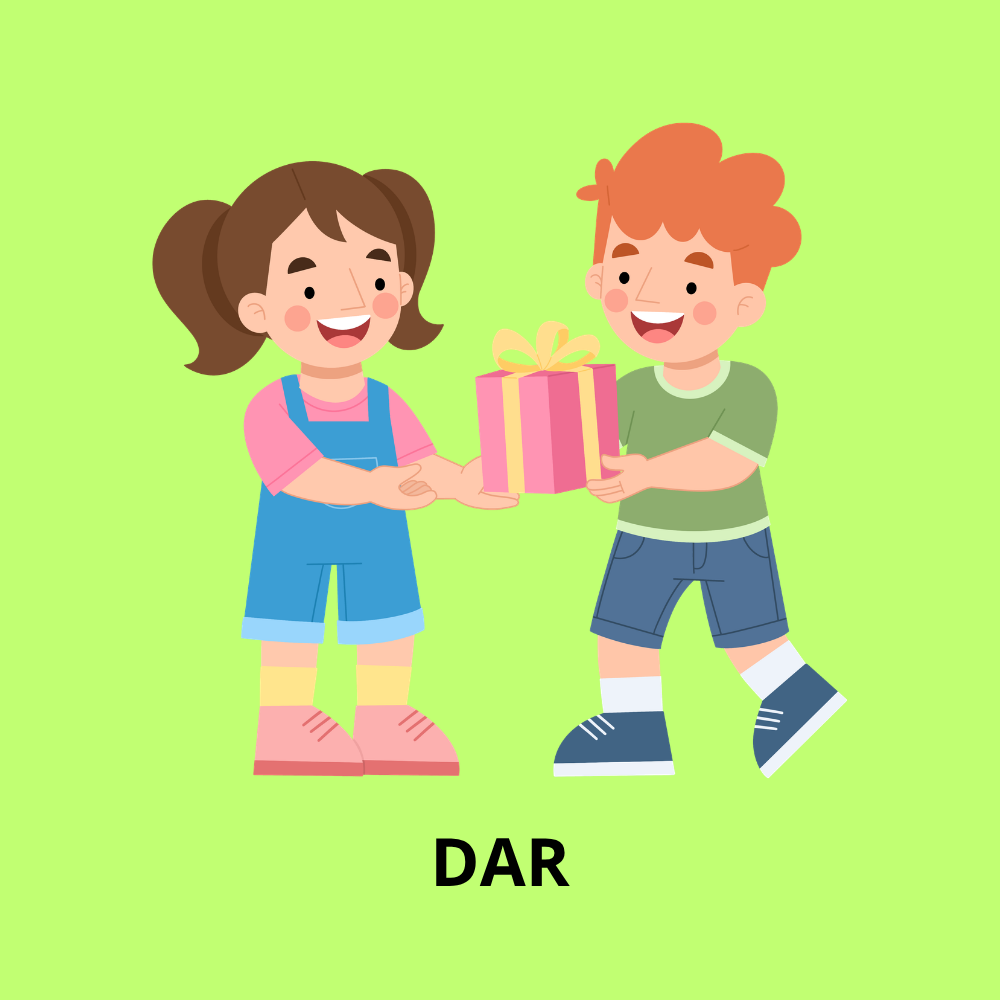
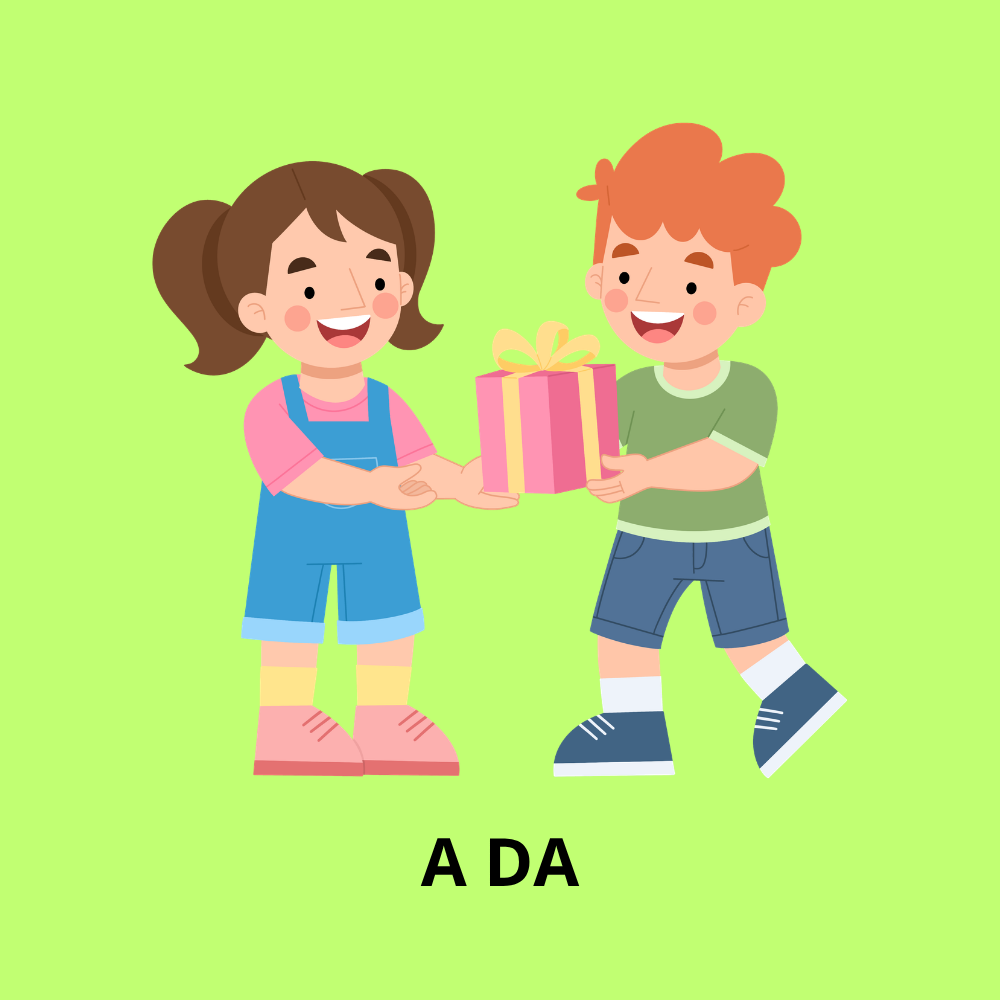
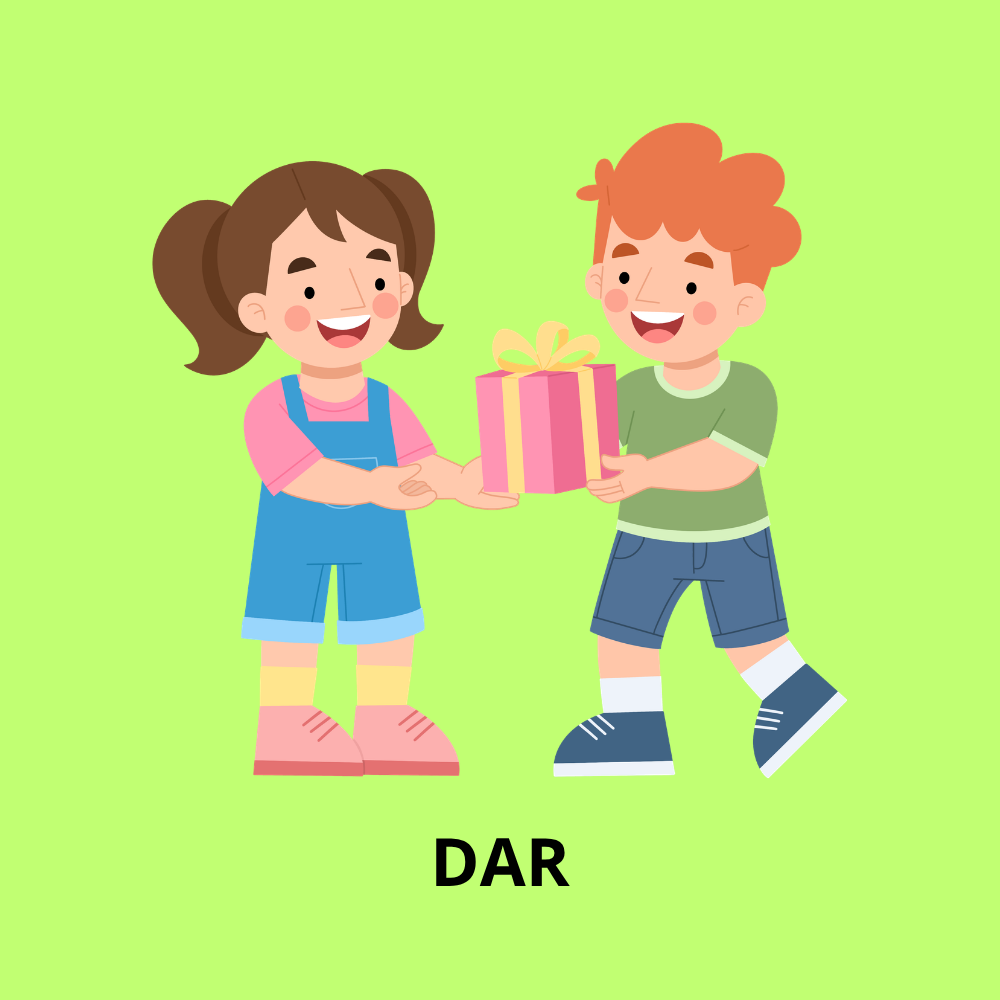
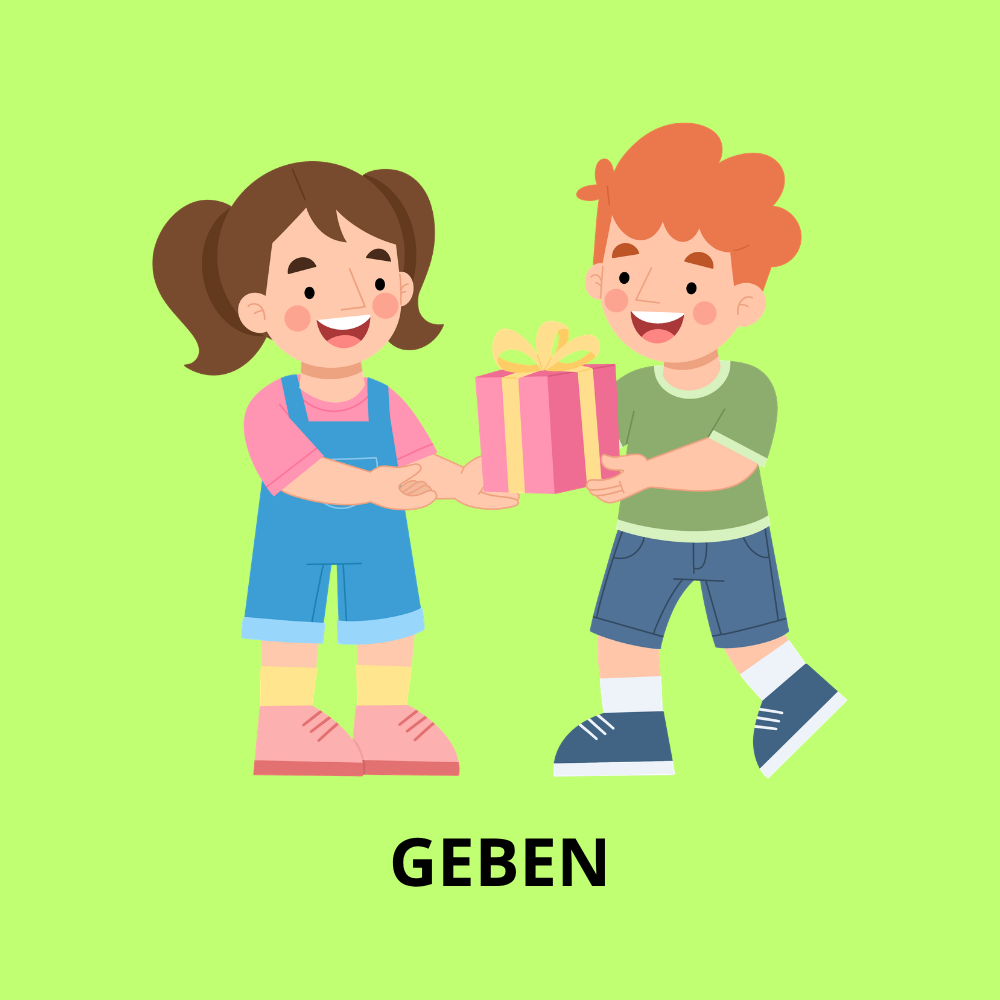
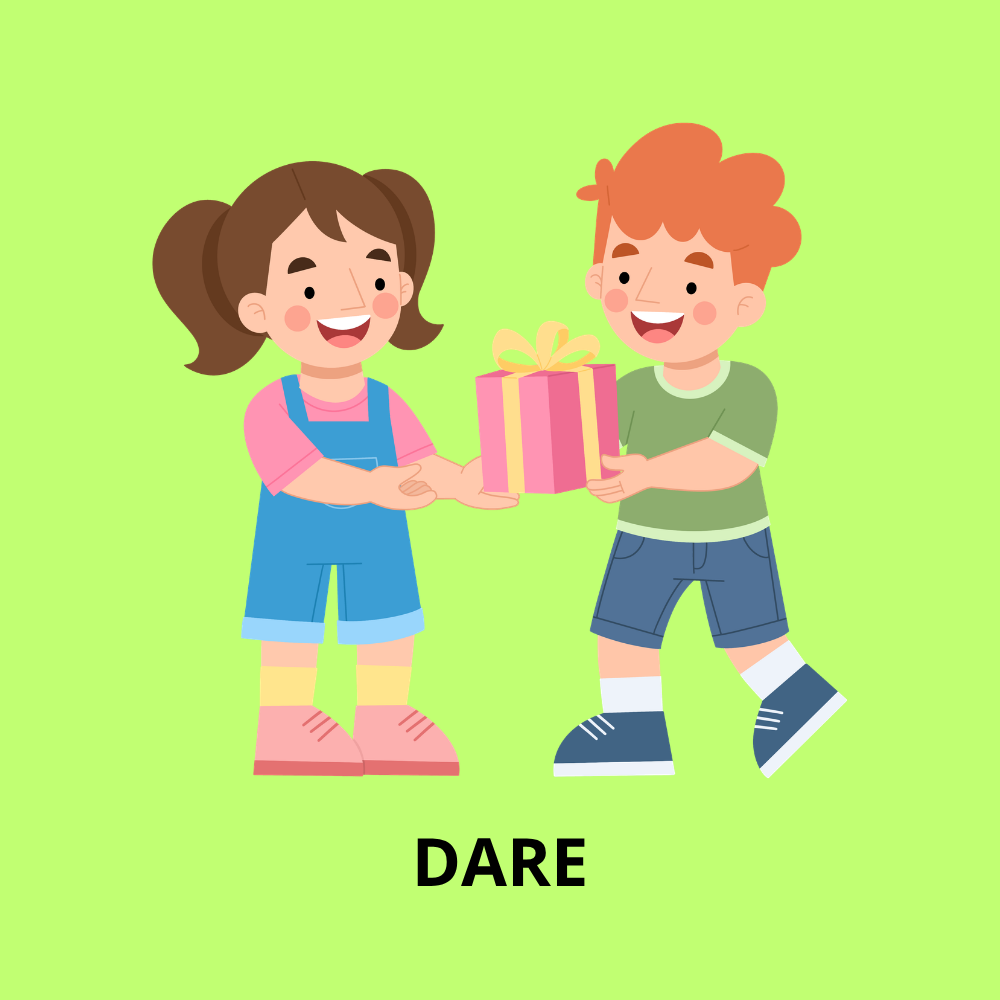
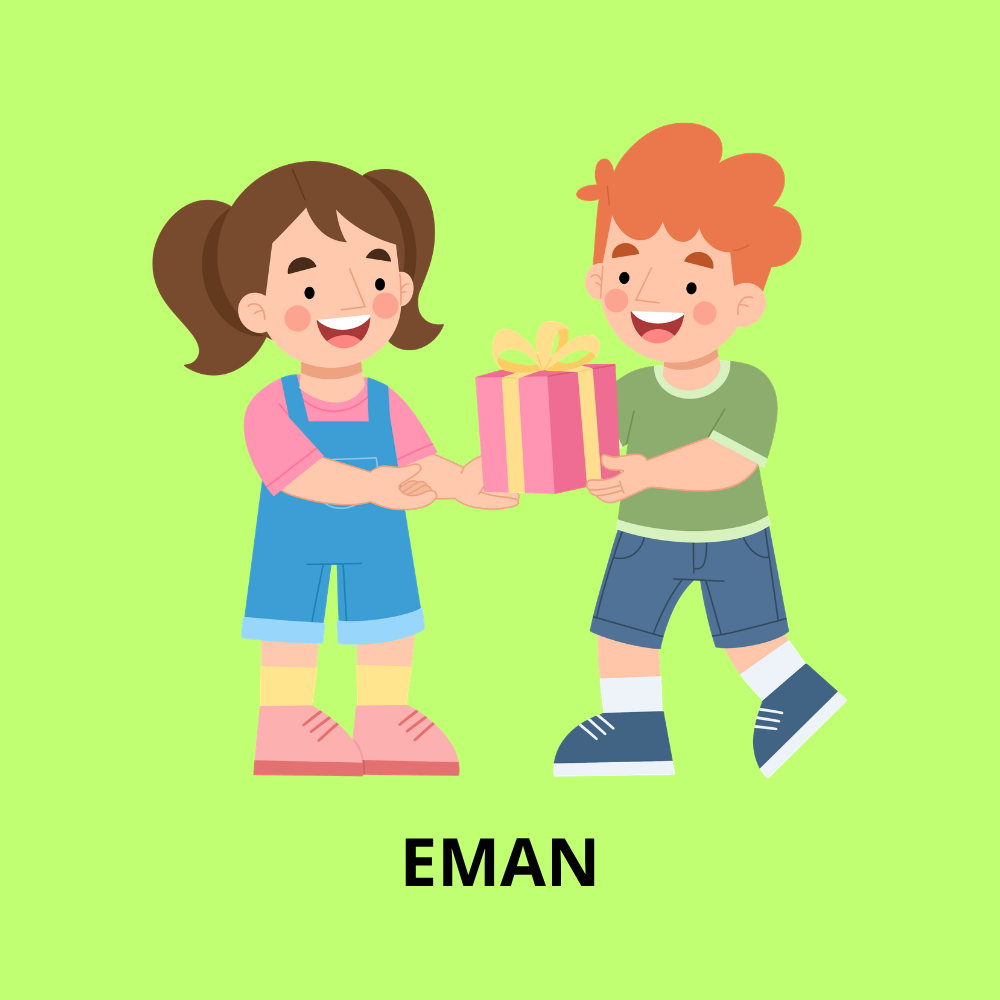
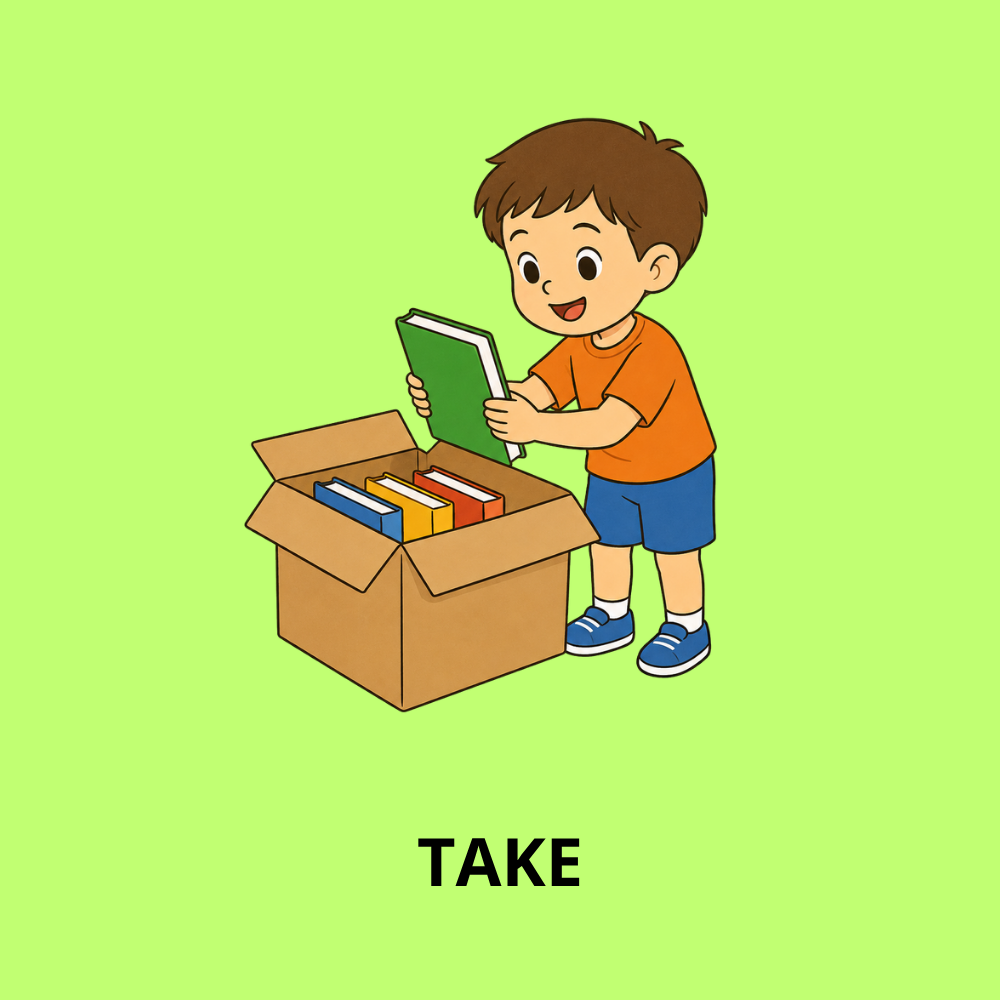
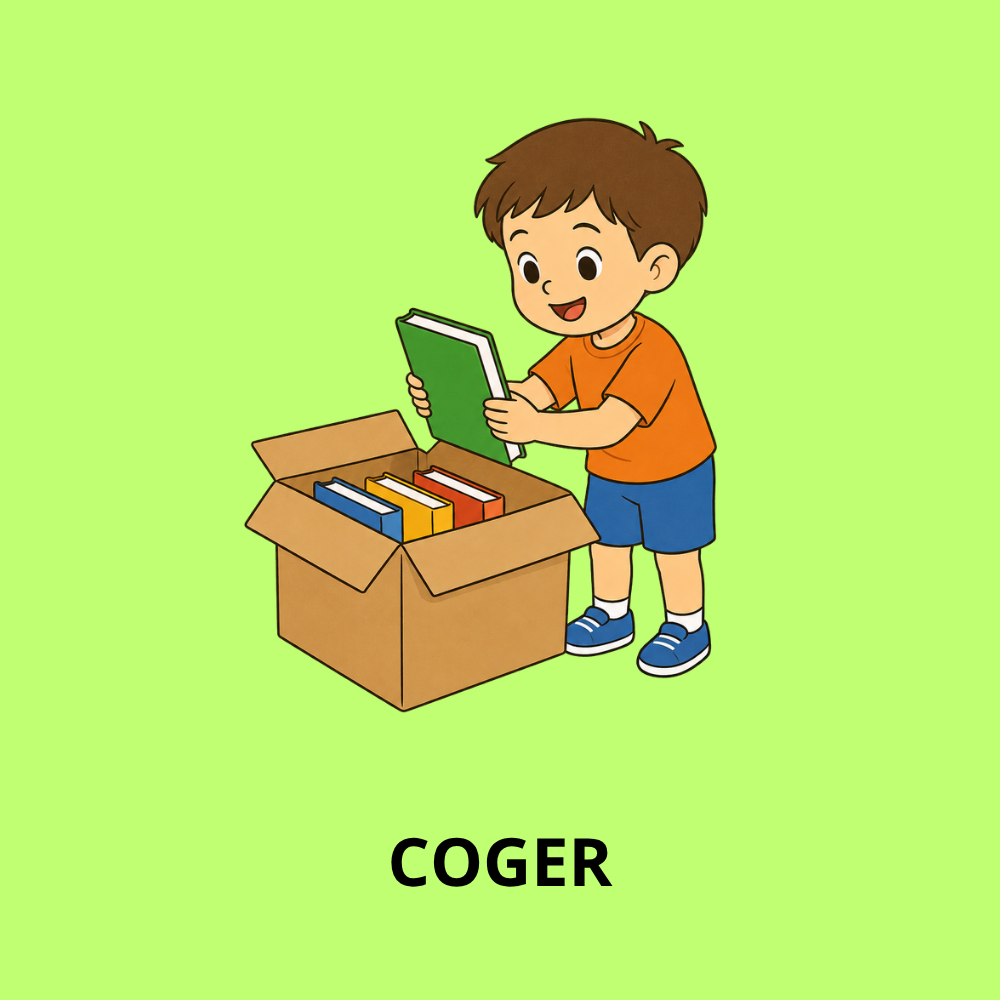
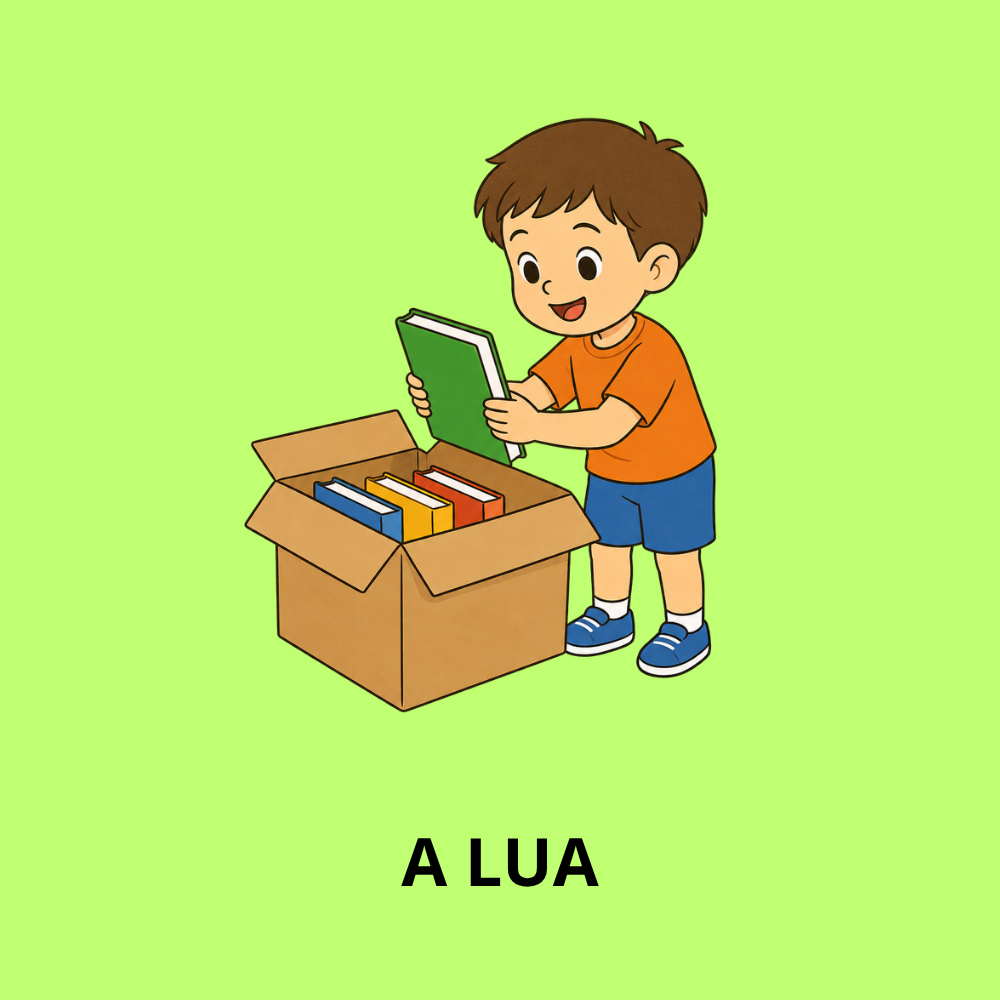
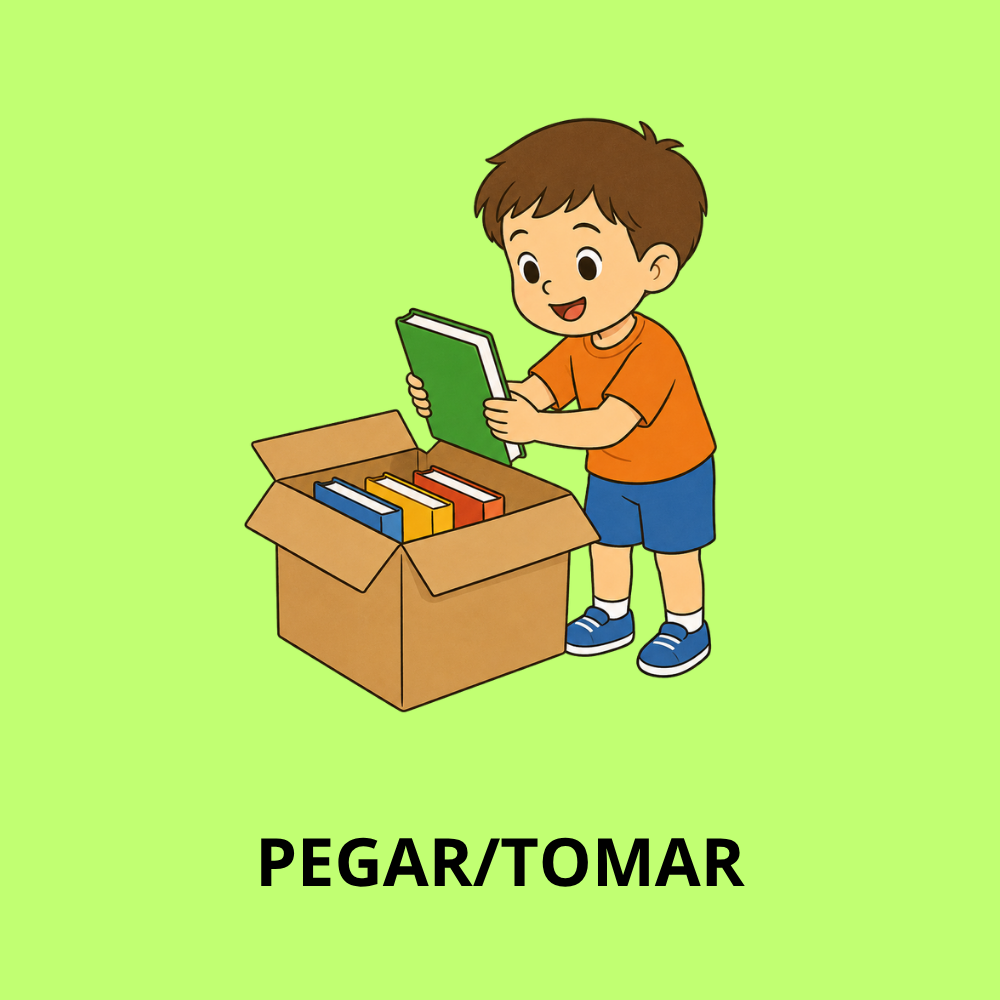
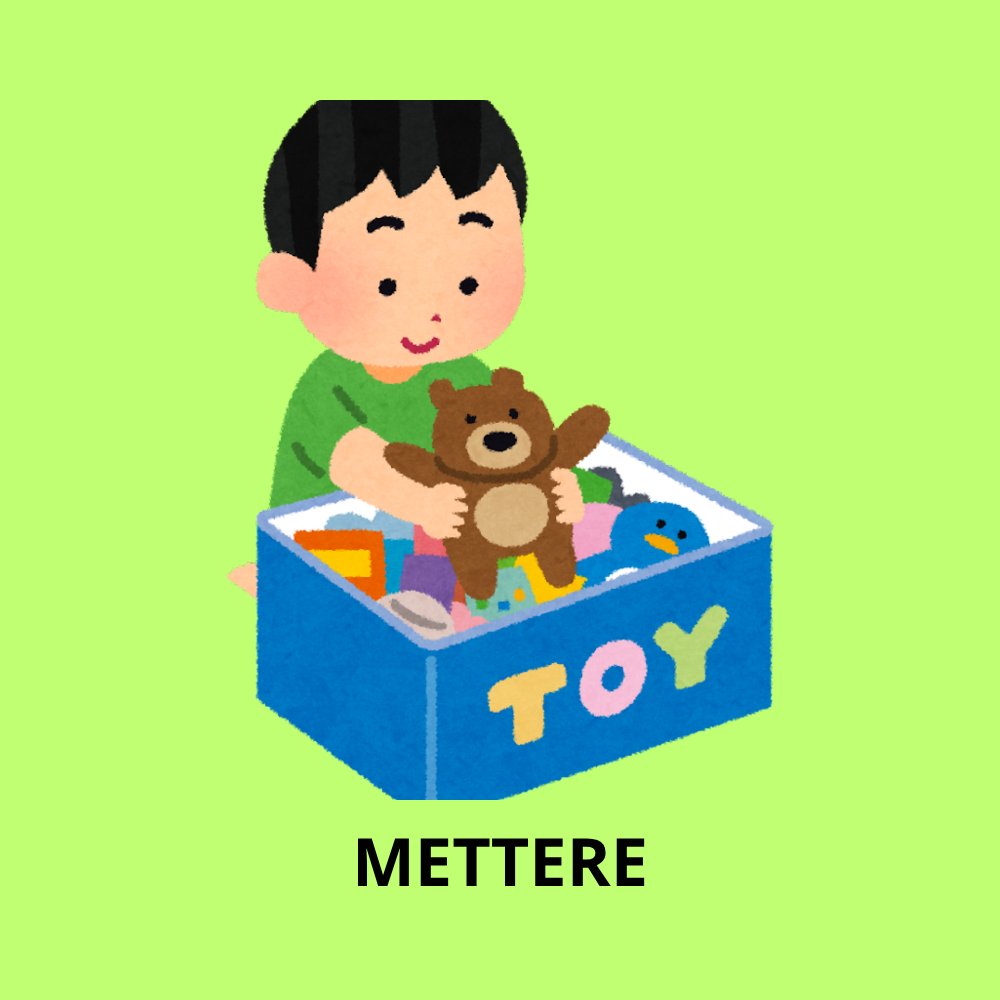
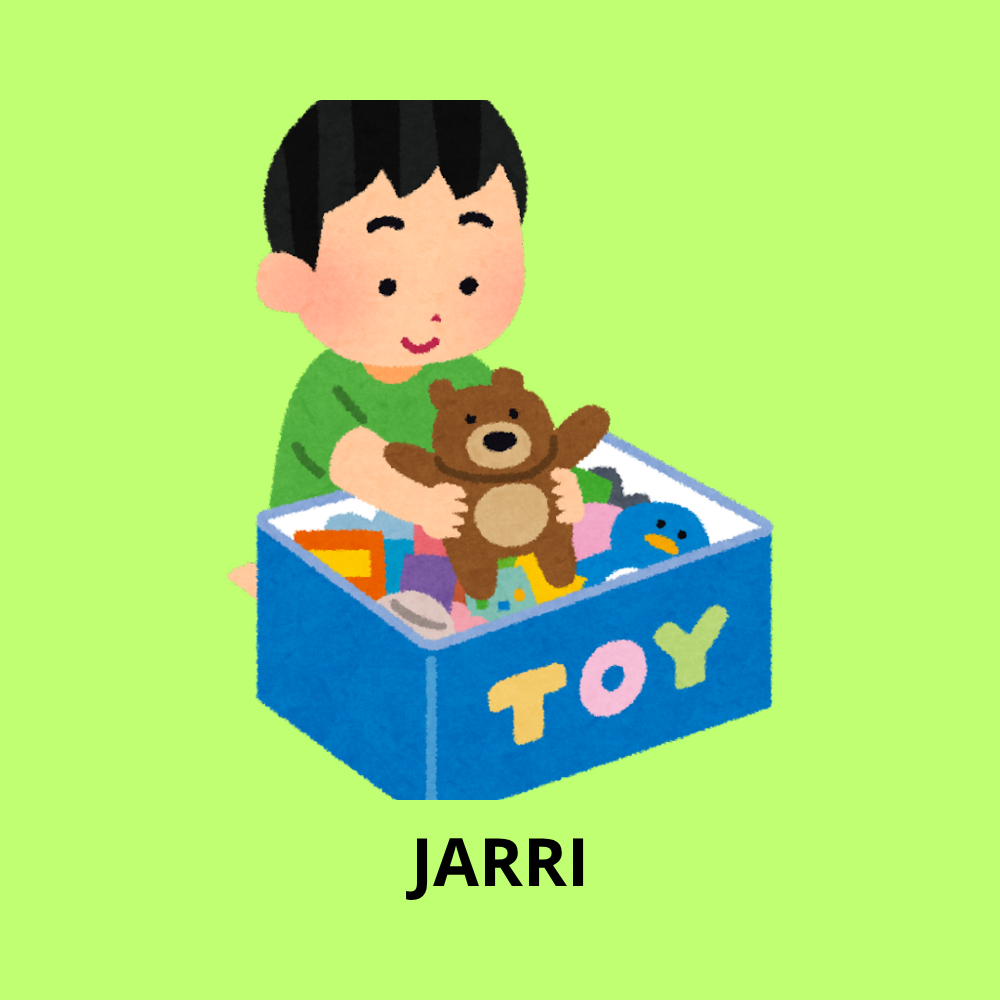
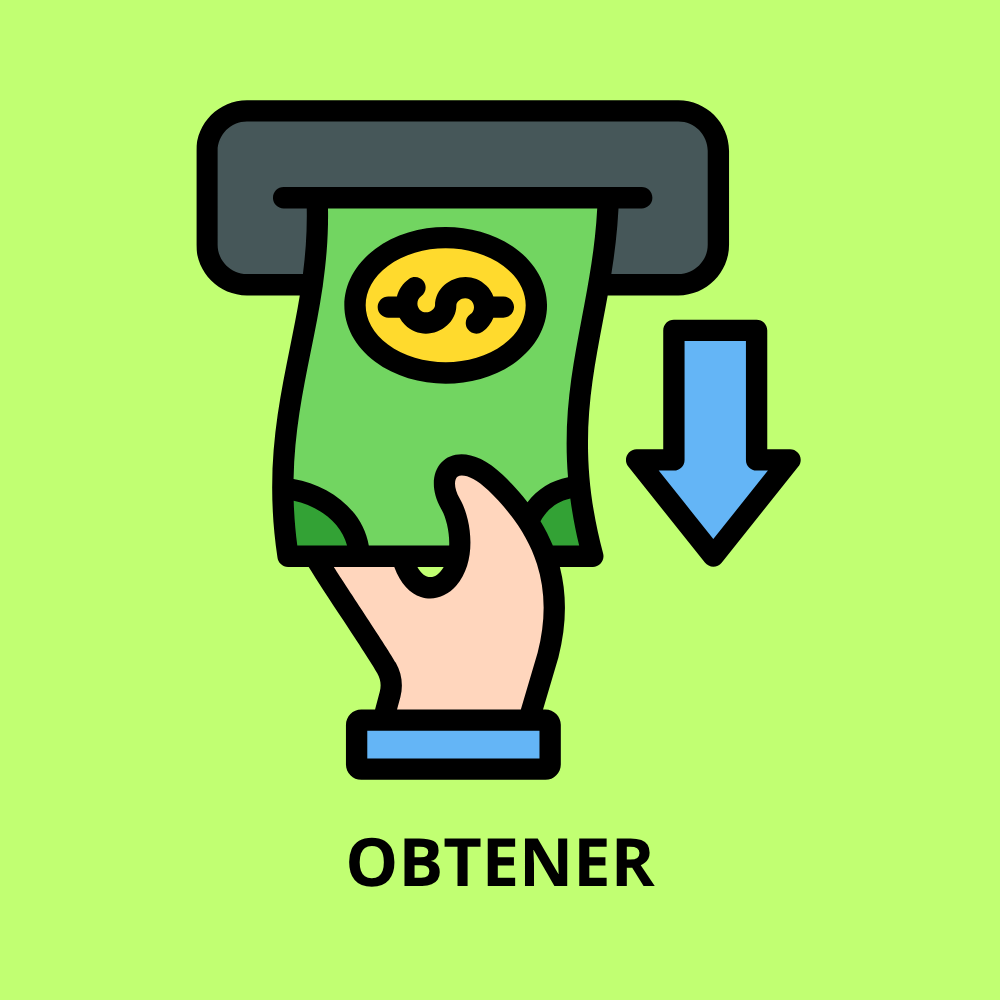
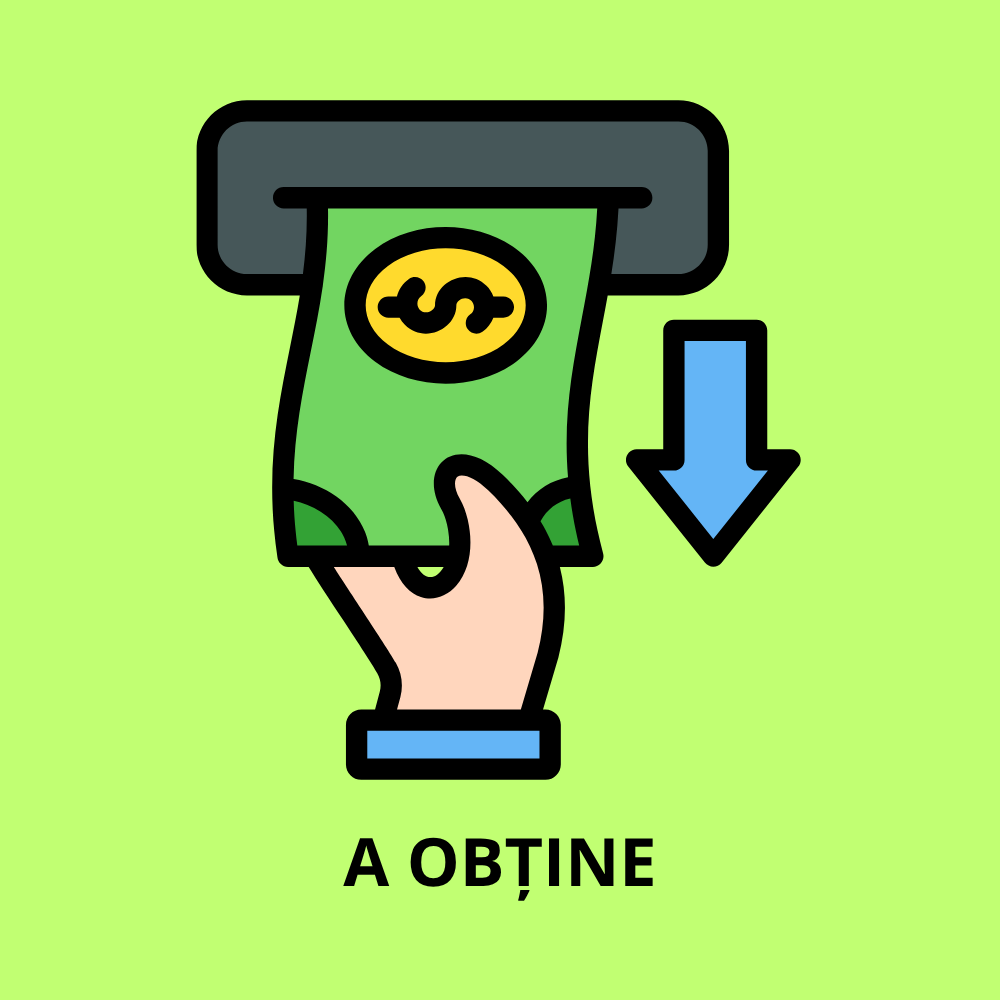
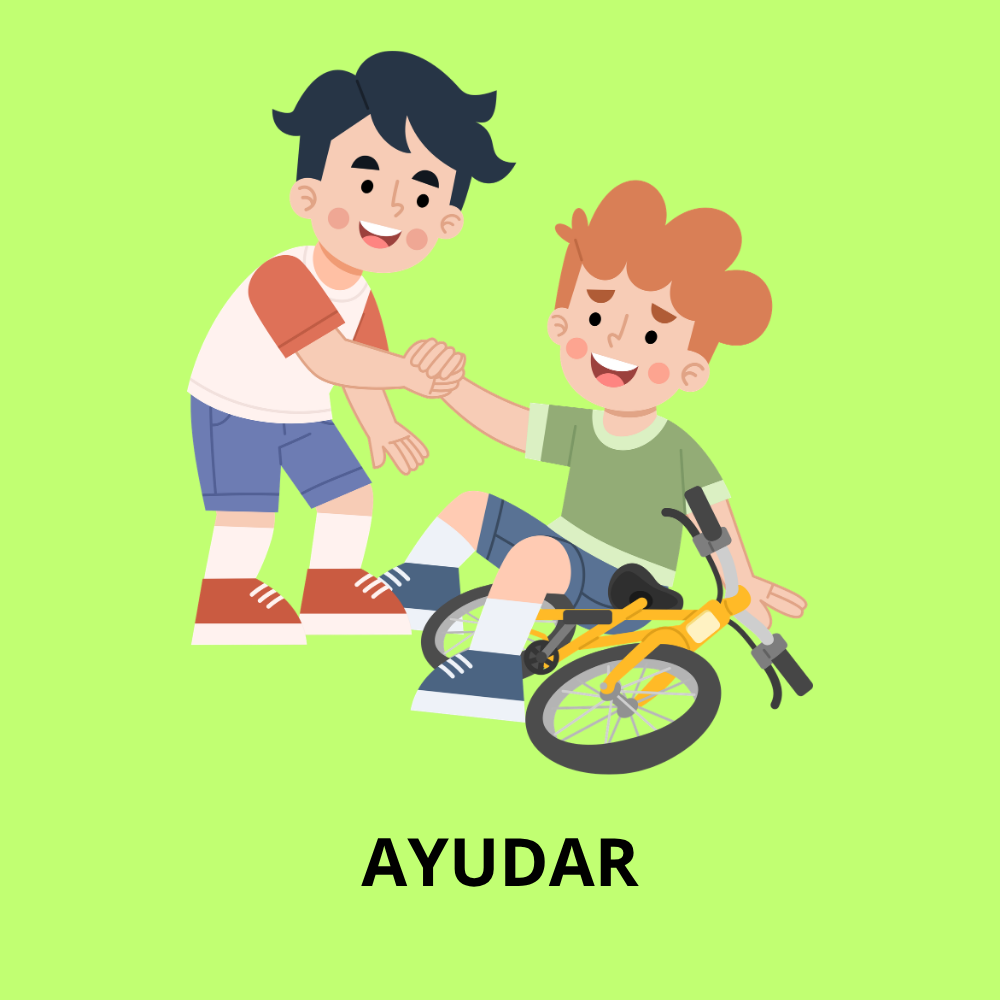
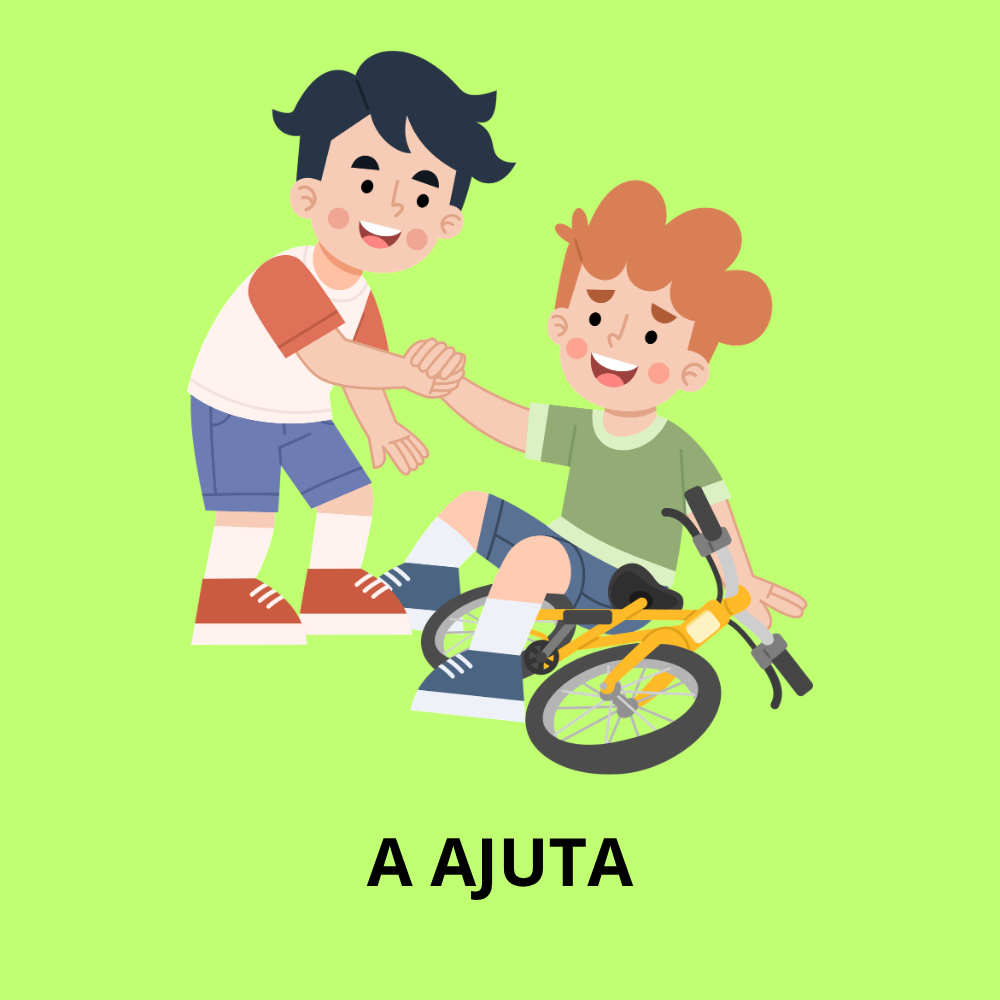
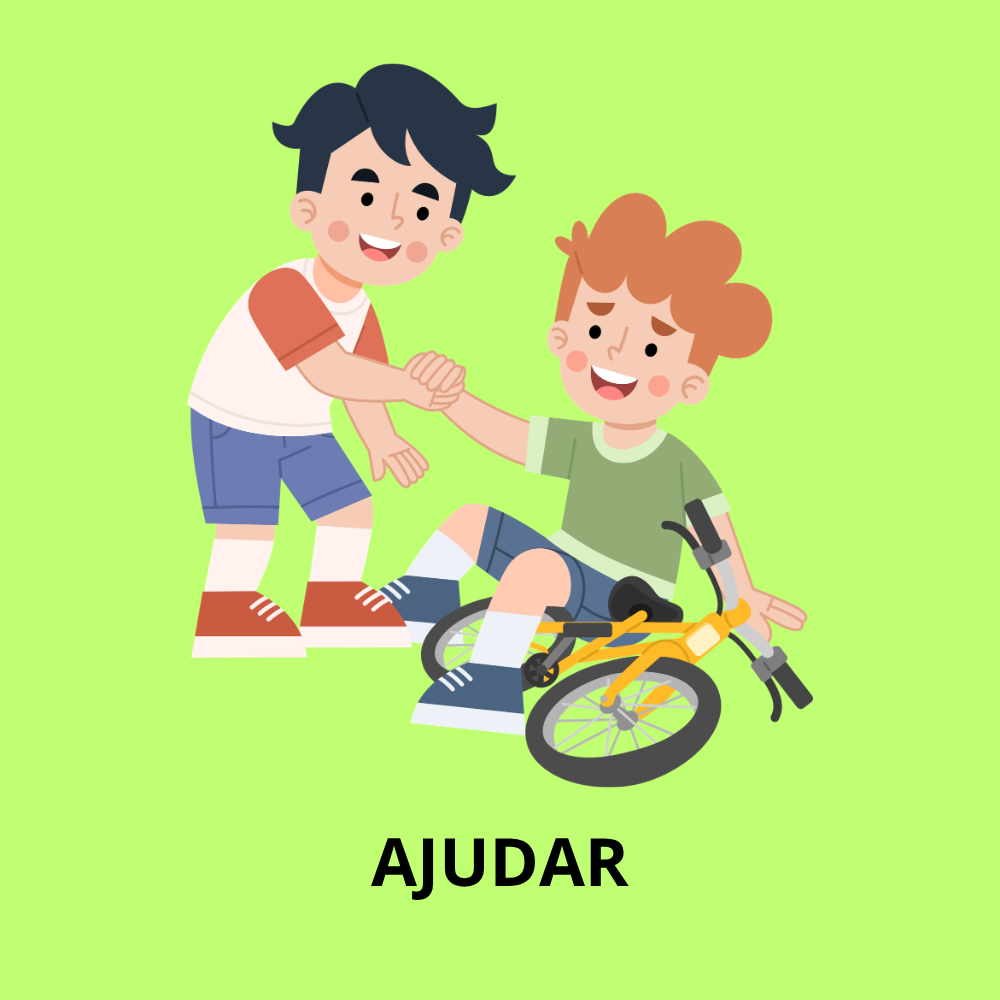
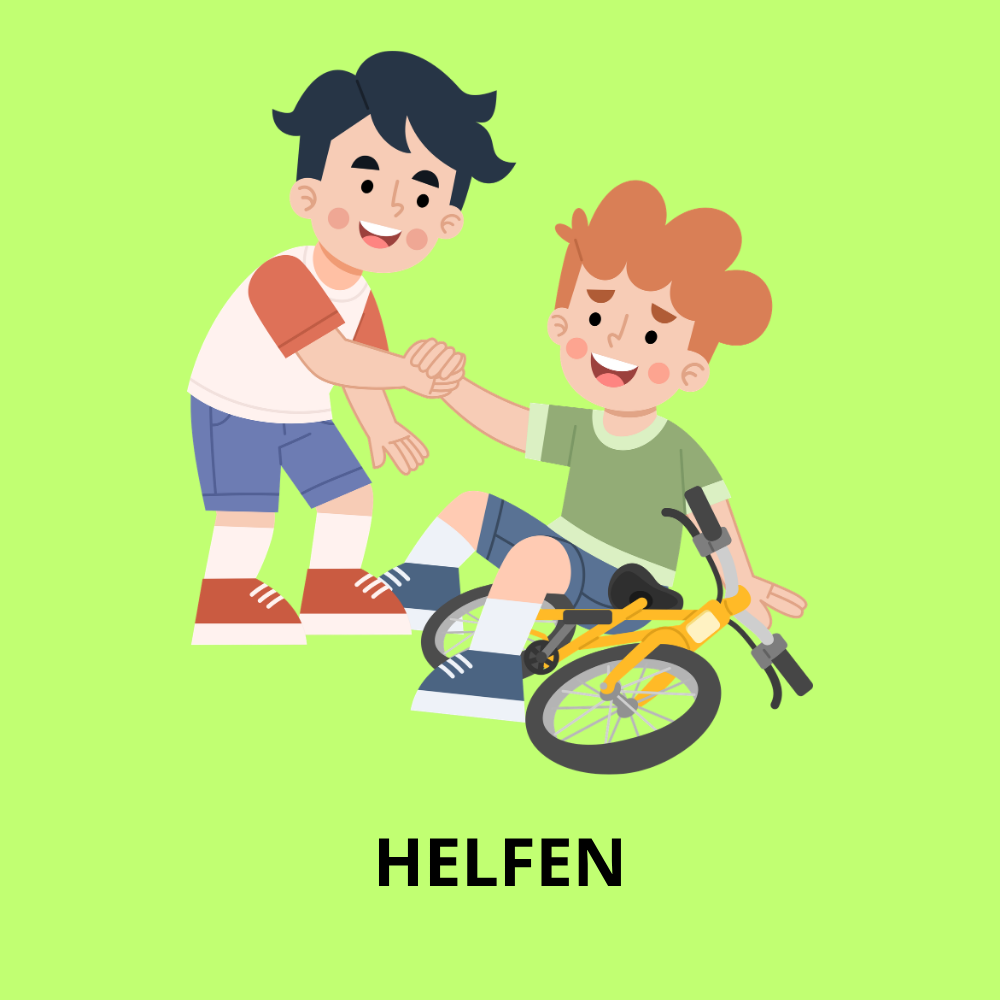
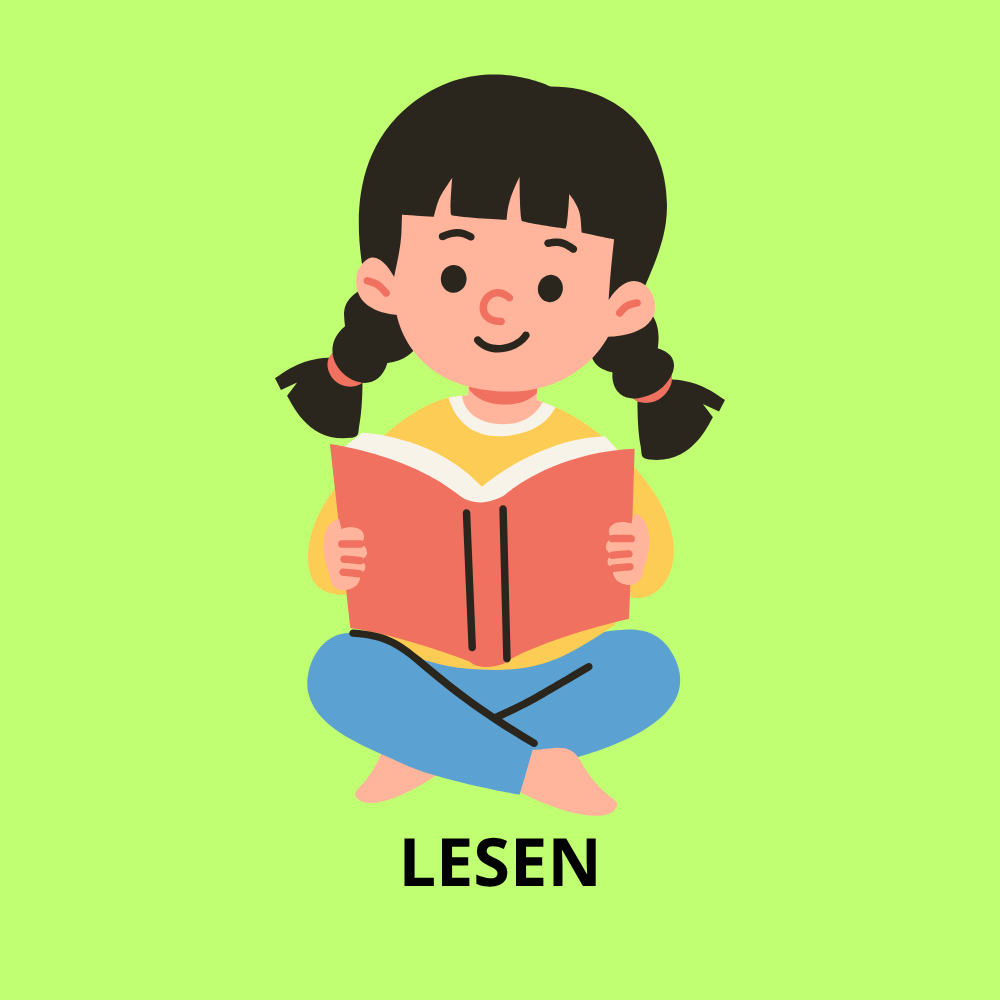
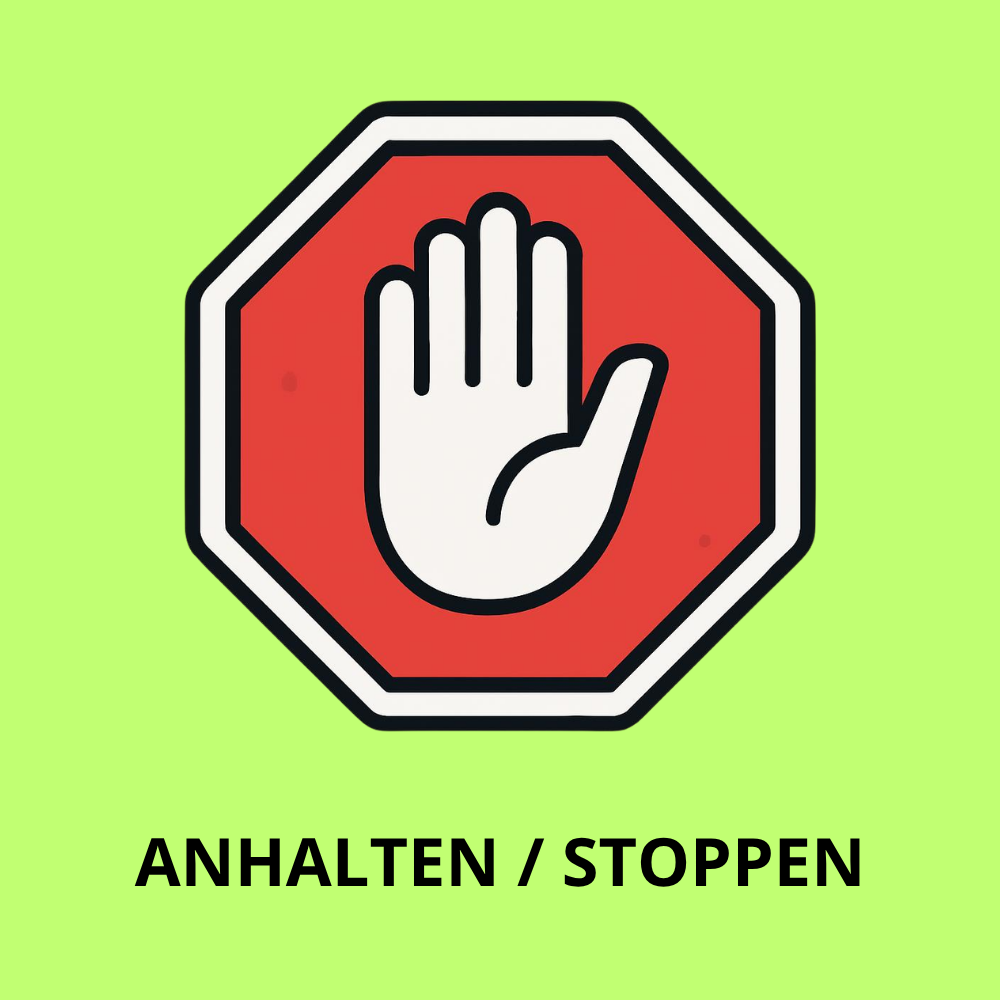
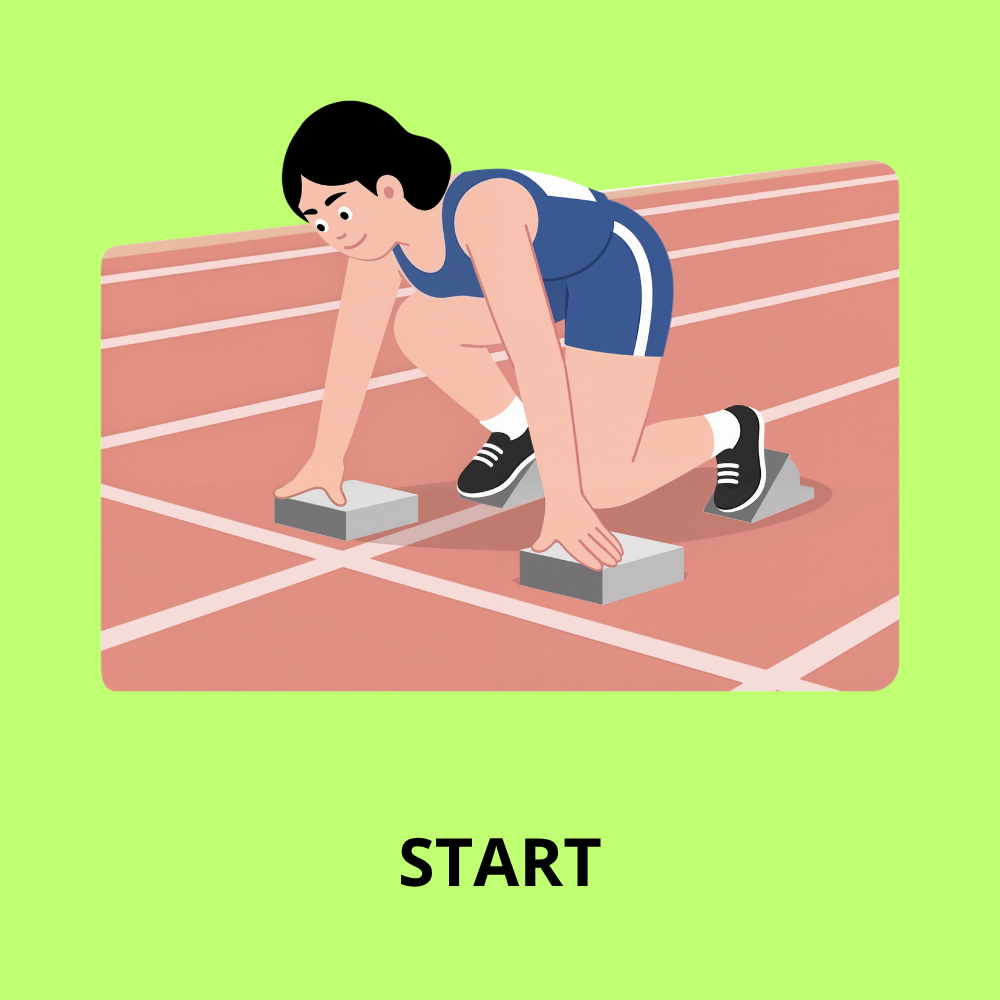
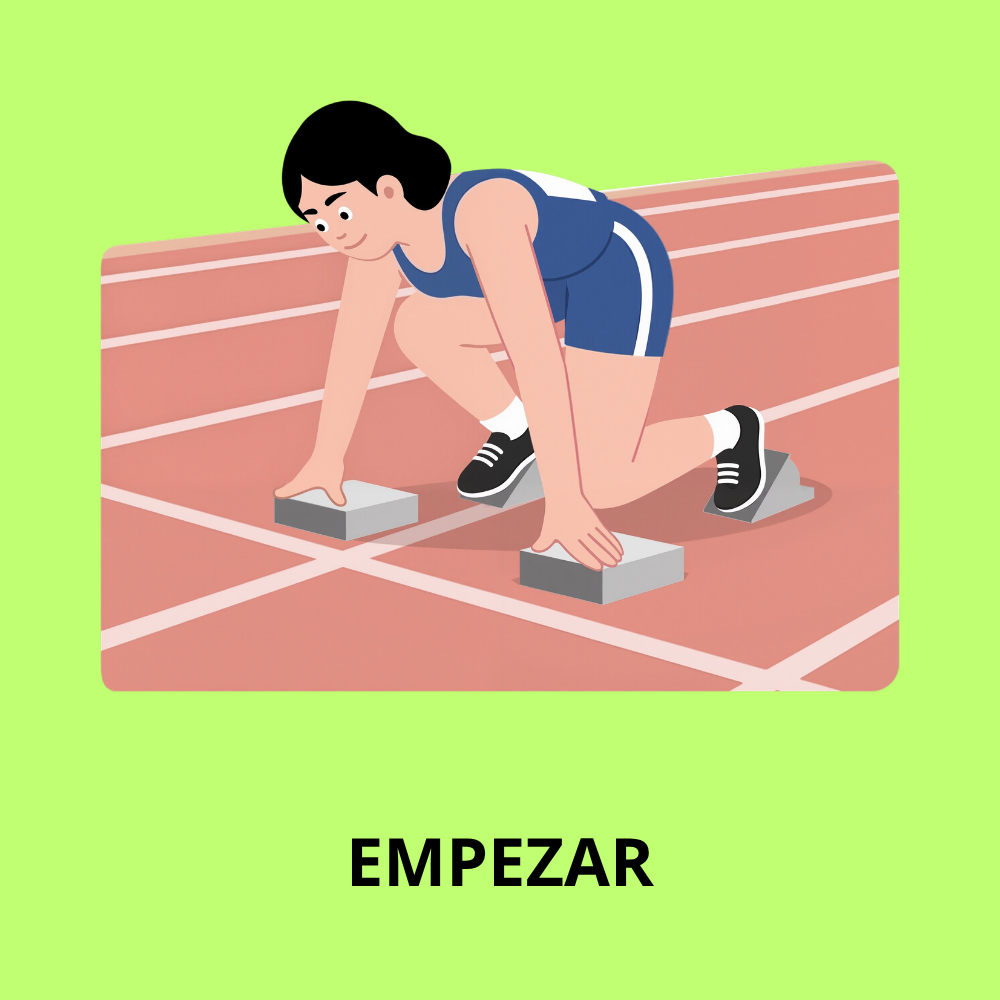
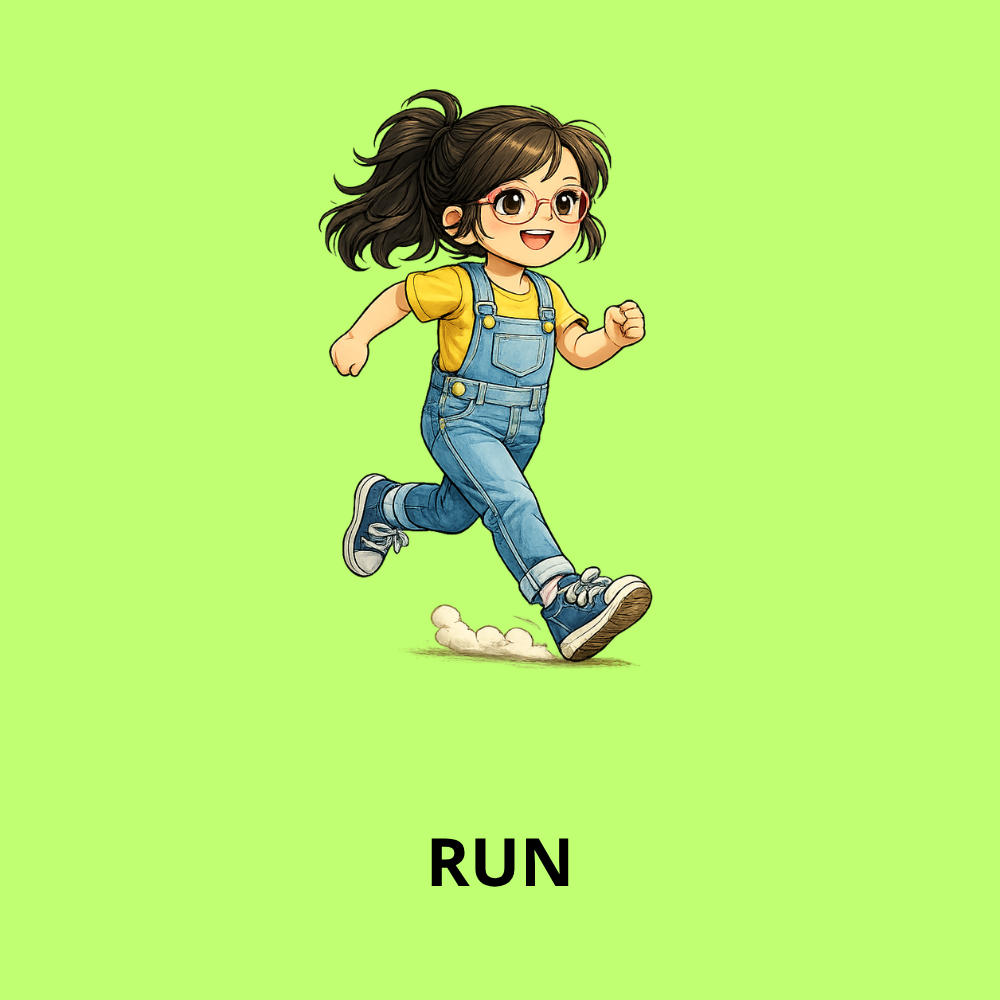
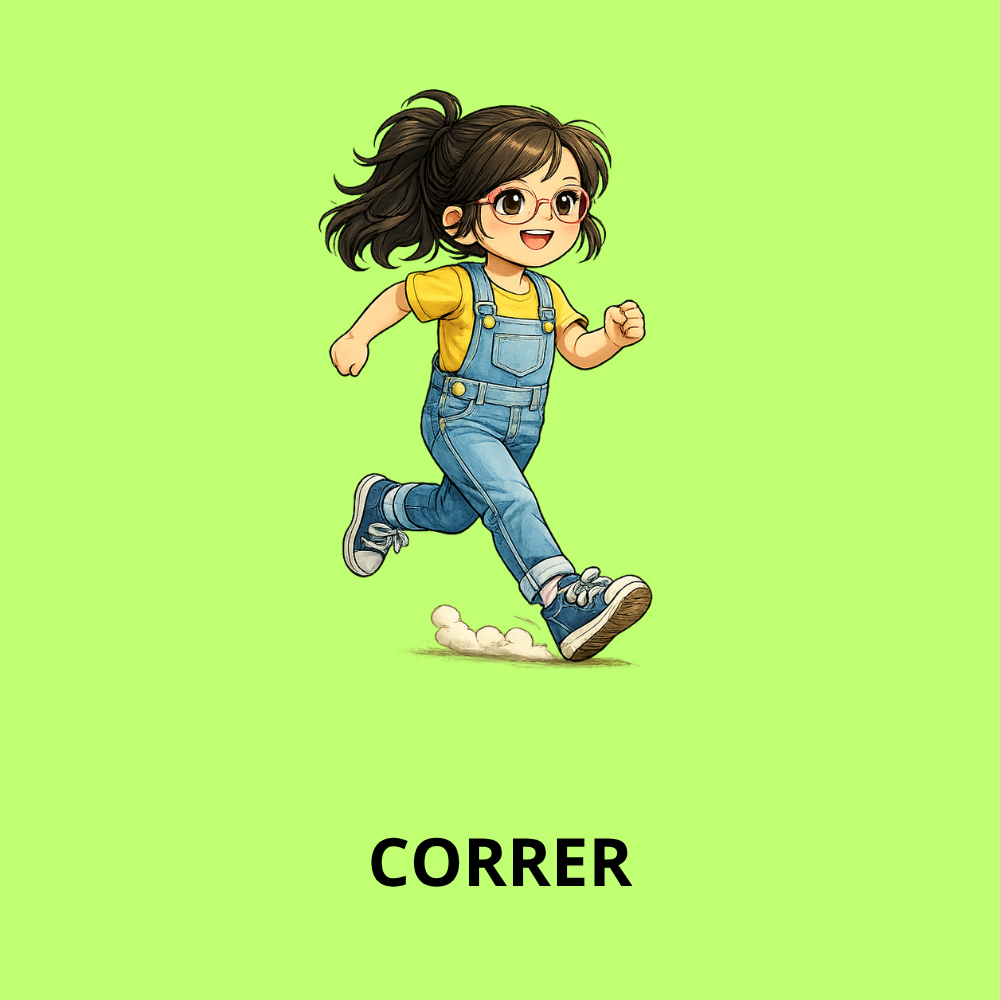
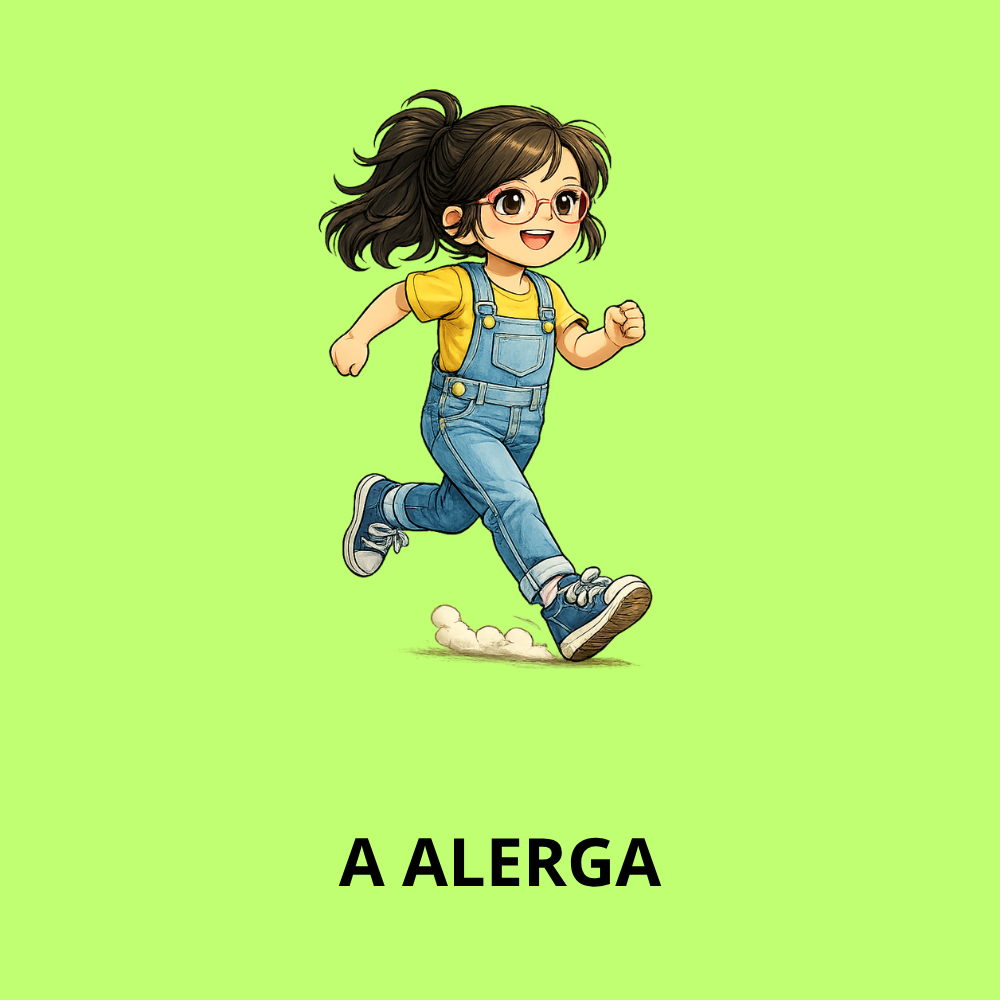
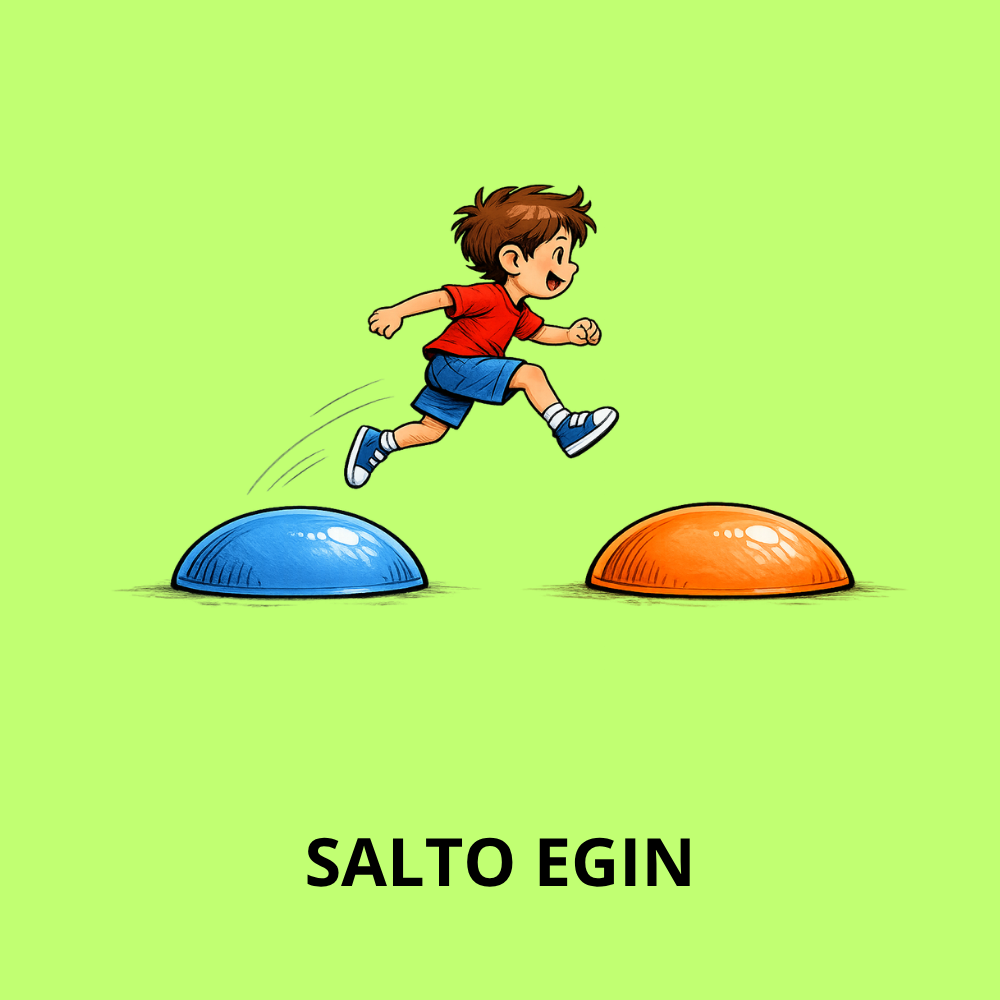
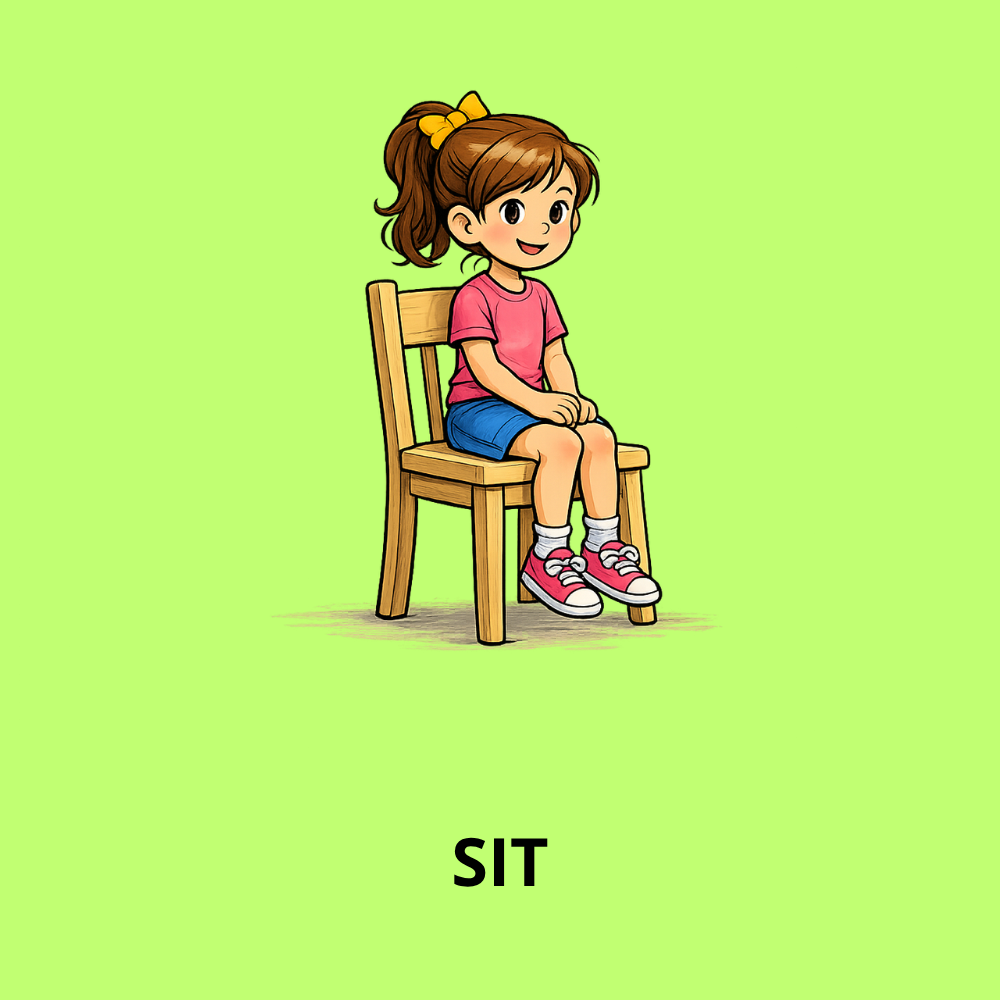
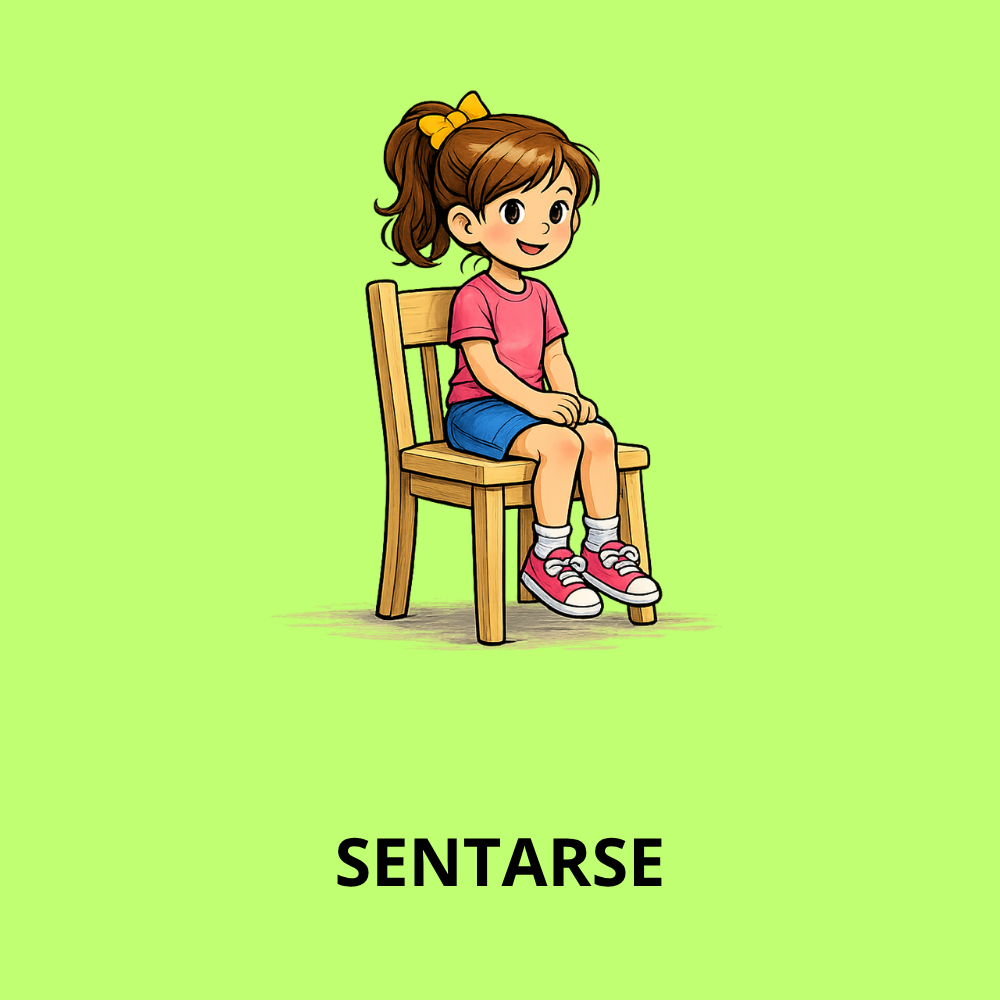
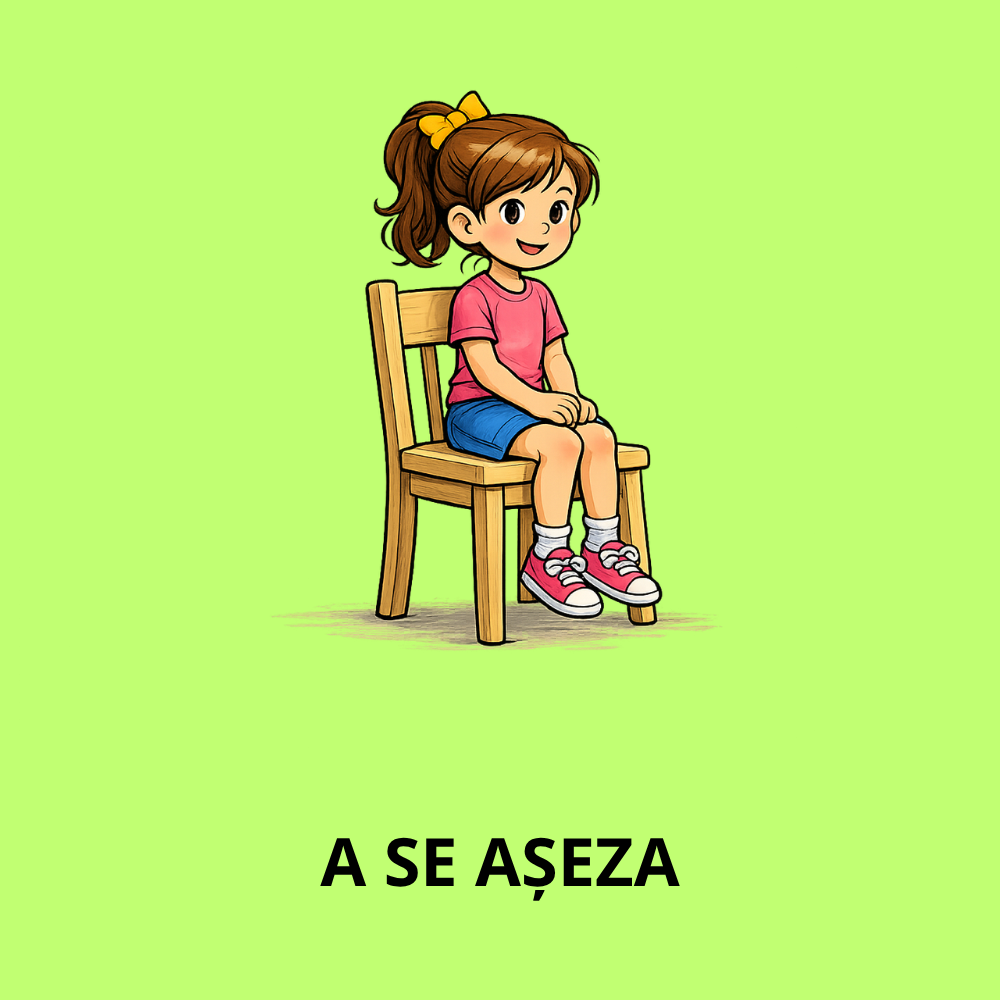
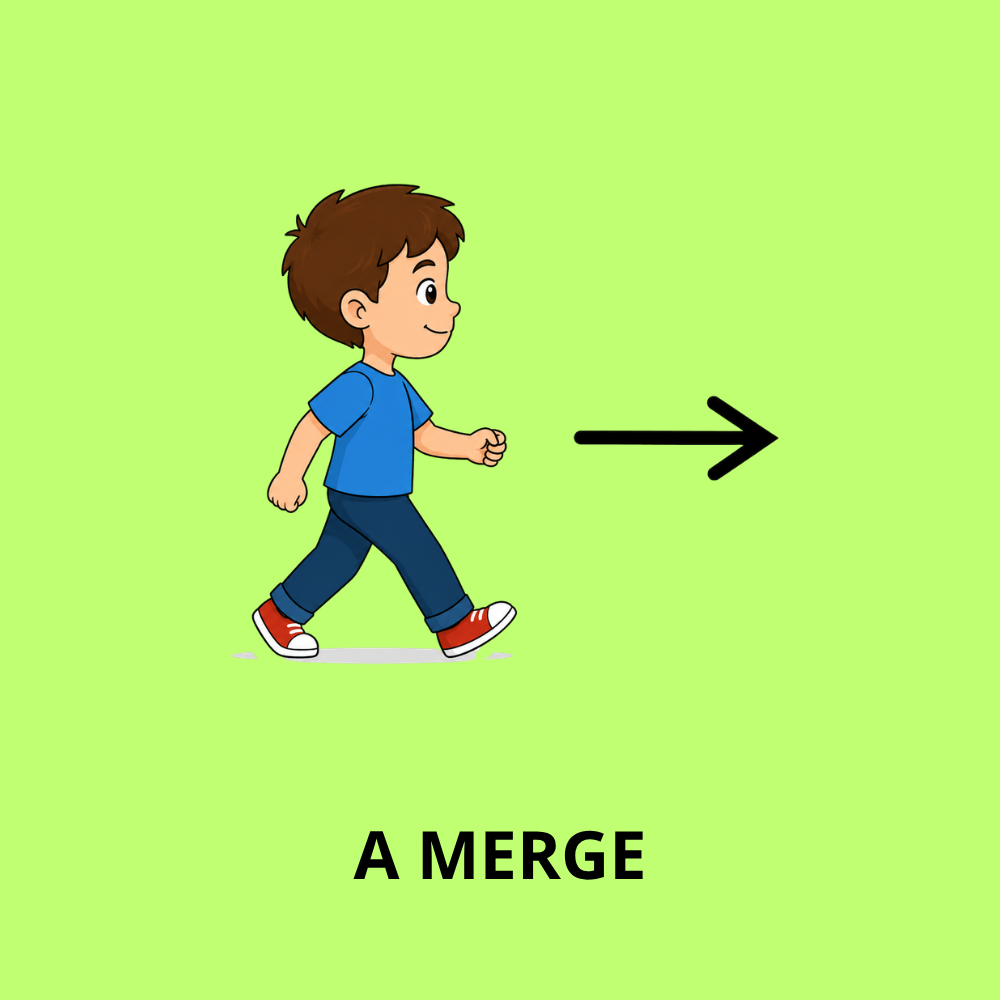
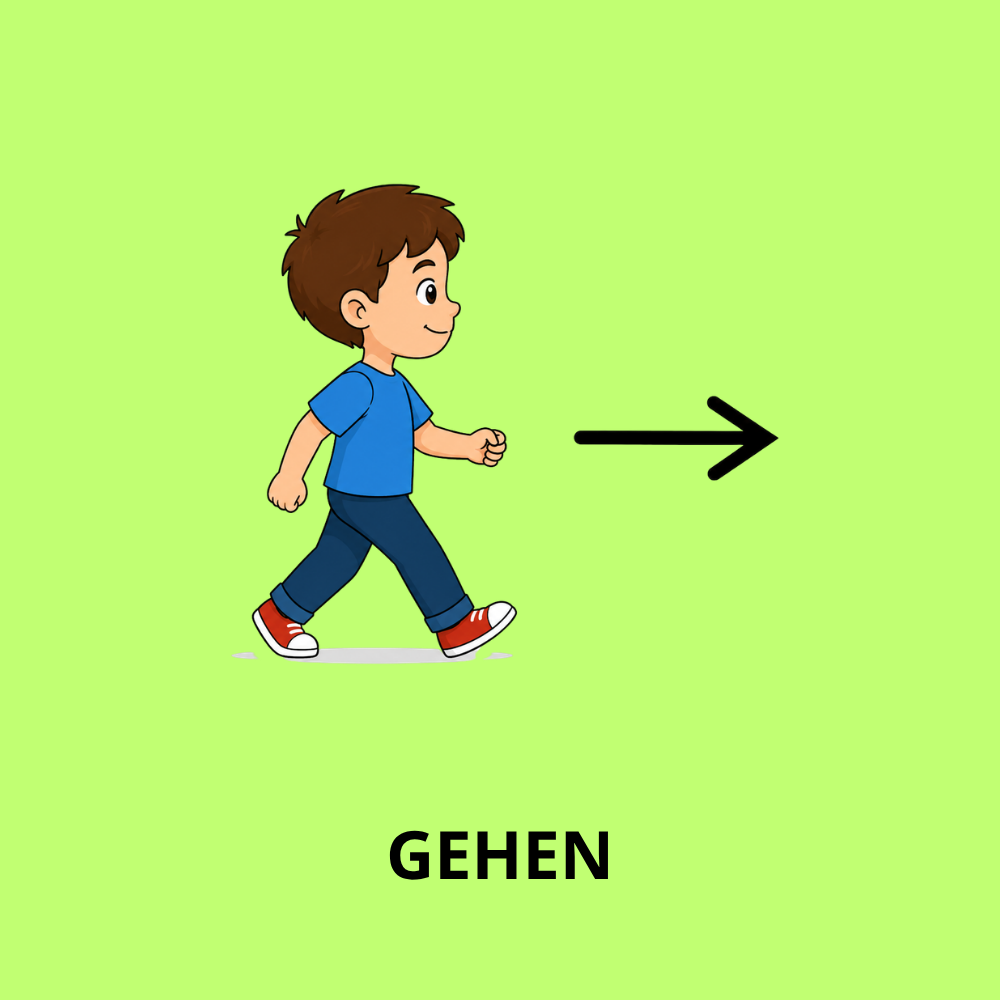
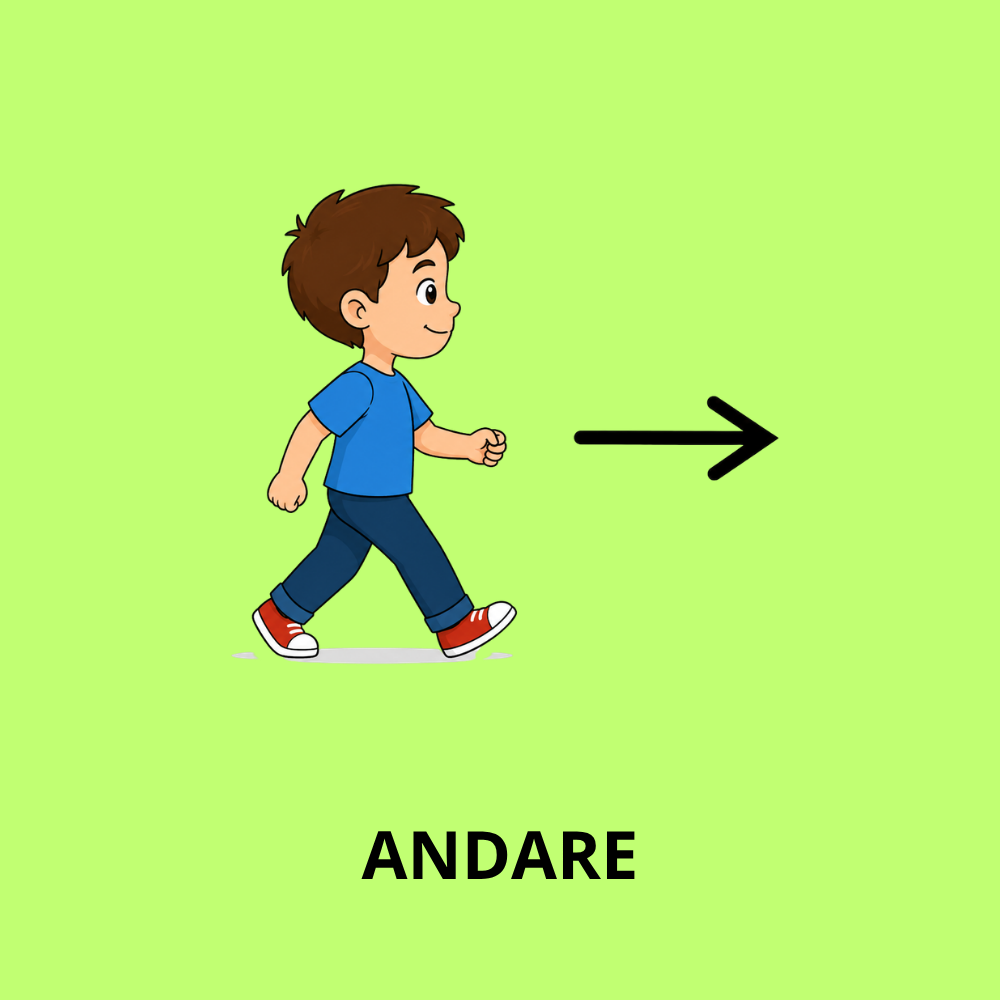
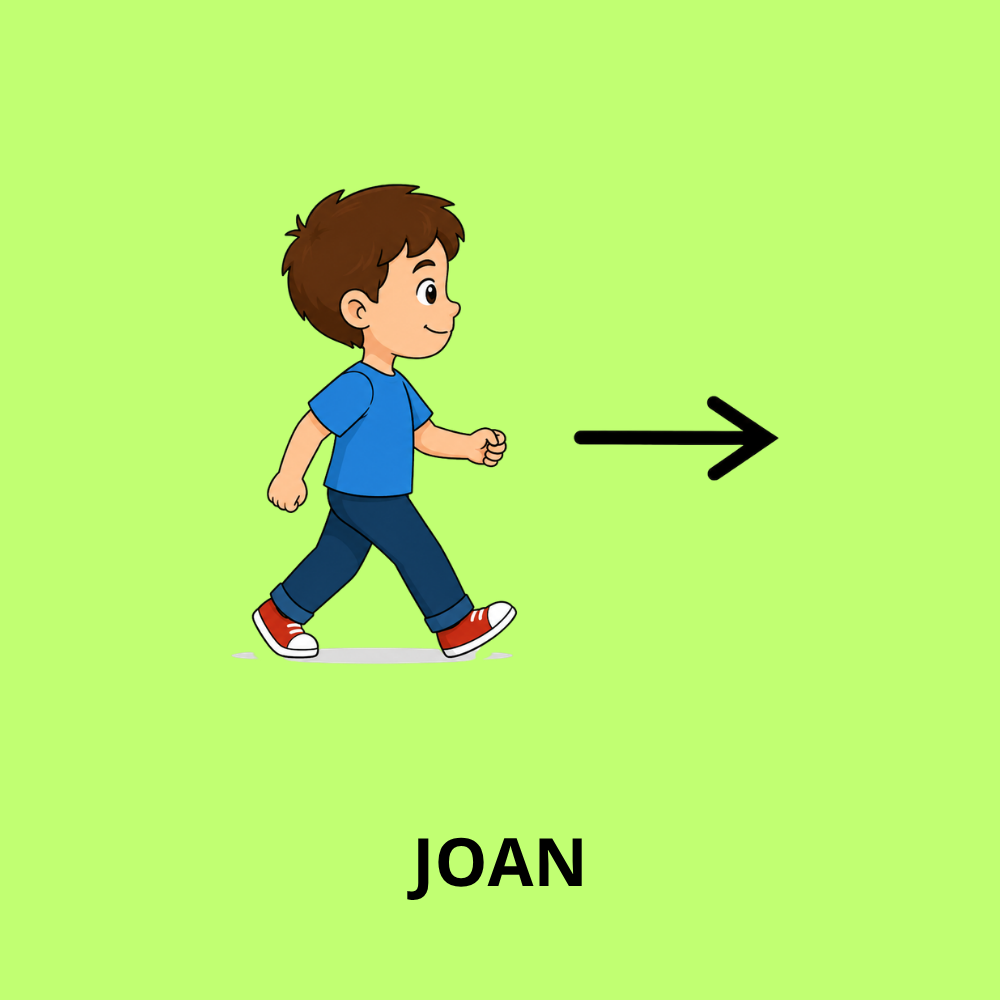
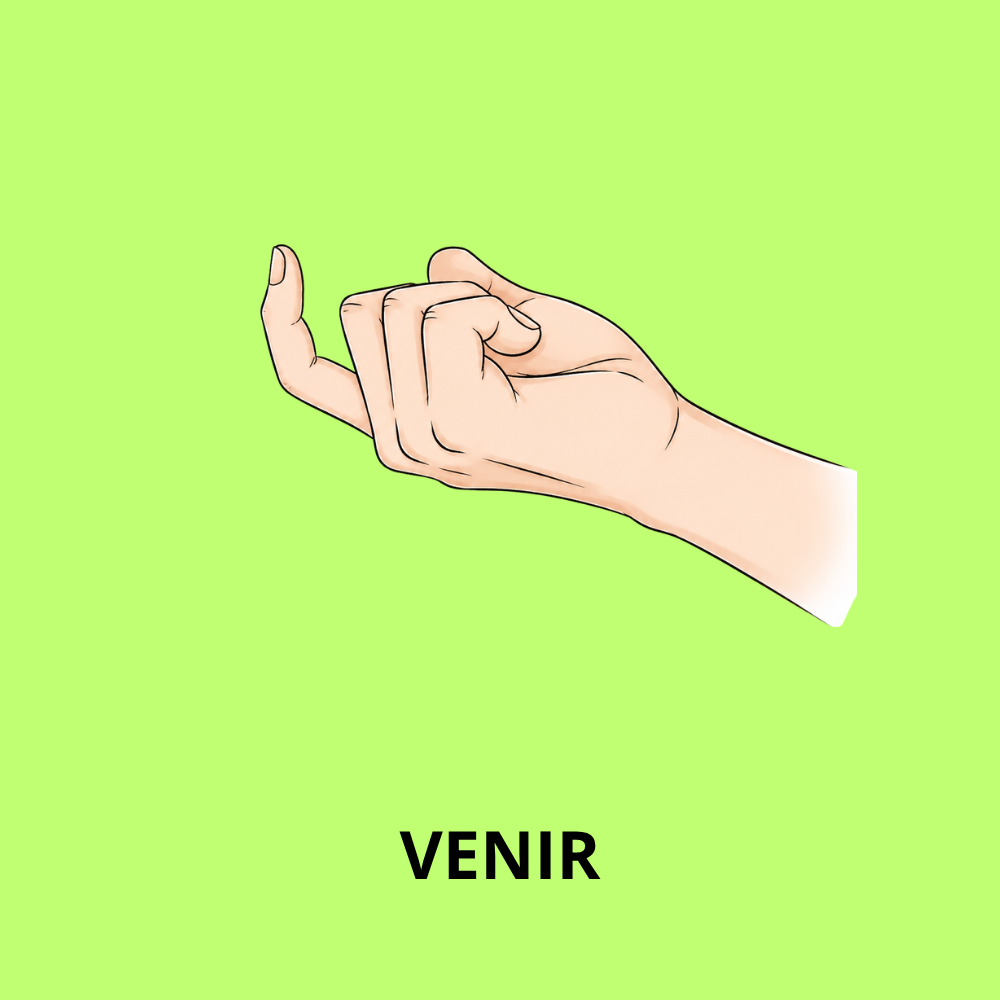
The development of the 300 Core Vocabulary Pictograms is not an isolated activity. These pictograms represent one of the fundamental resources that will support the implementation and sustainability of the AAC ZONE – EduZone: Inclusive Communication for All project.
Within Work Package 4 (WP4) – Creating an Interactive Digital Platform for AAC, the pictograms will form the core visual communication database of the platform and will be integrated into all digital AAC resources developed by the partnership.
Pronouns and People – CENTRUL SCOLAR DE EDUCATIE INCLUZIVA BUZAU Romania
Basic Verbs -COLEGIO P. ANDRÉS DE URDANETA Bilbao Spain
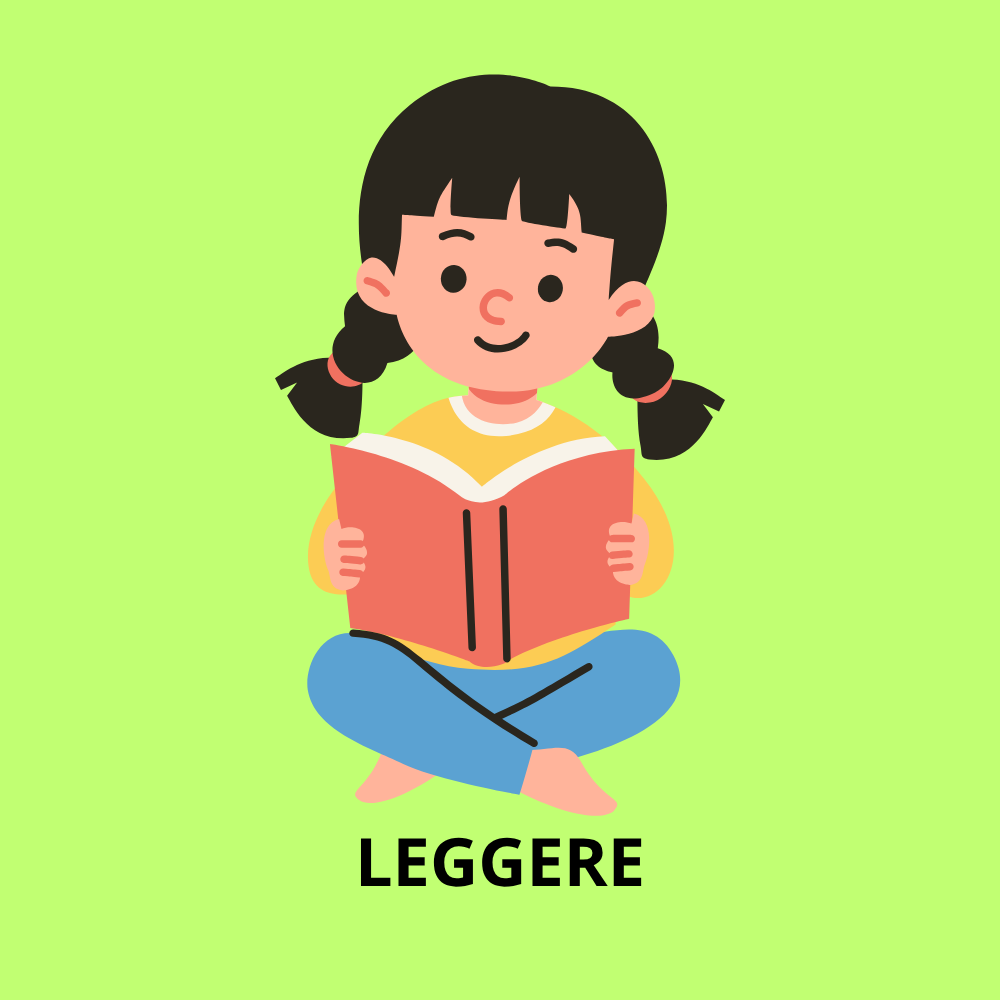
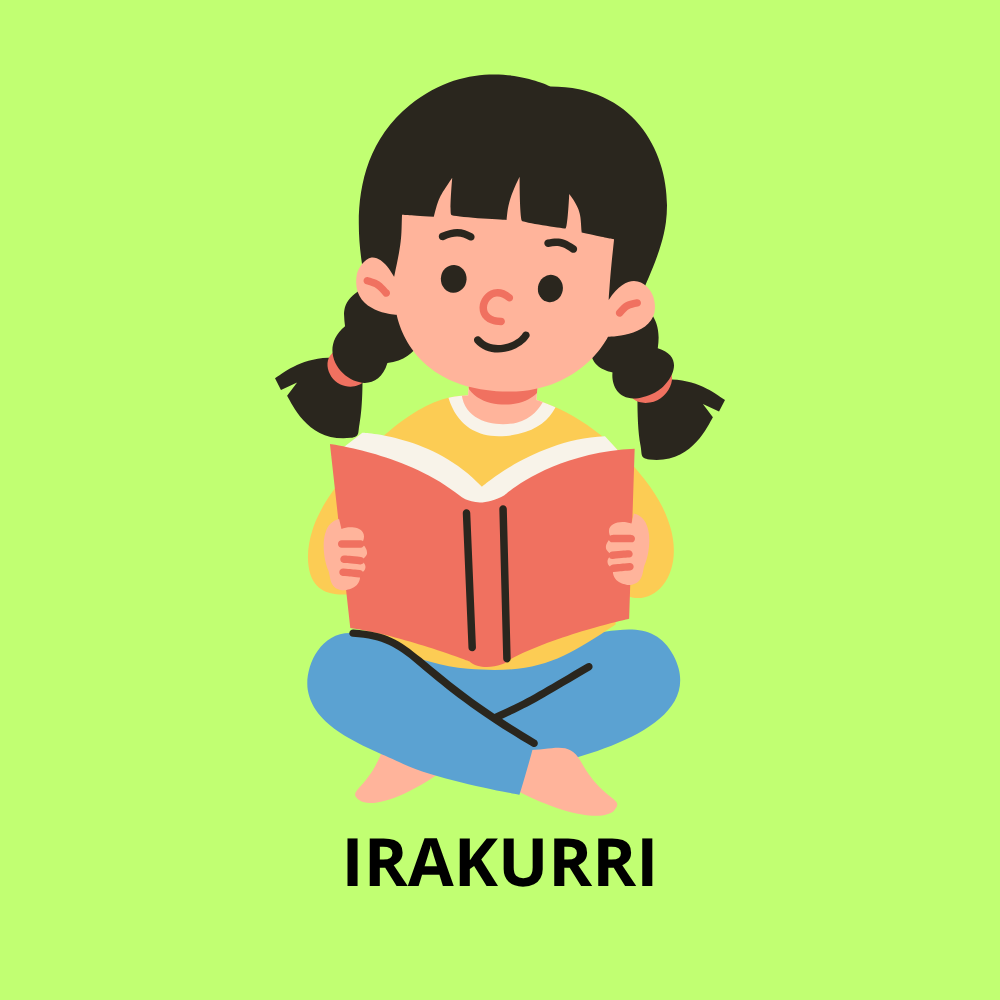

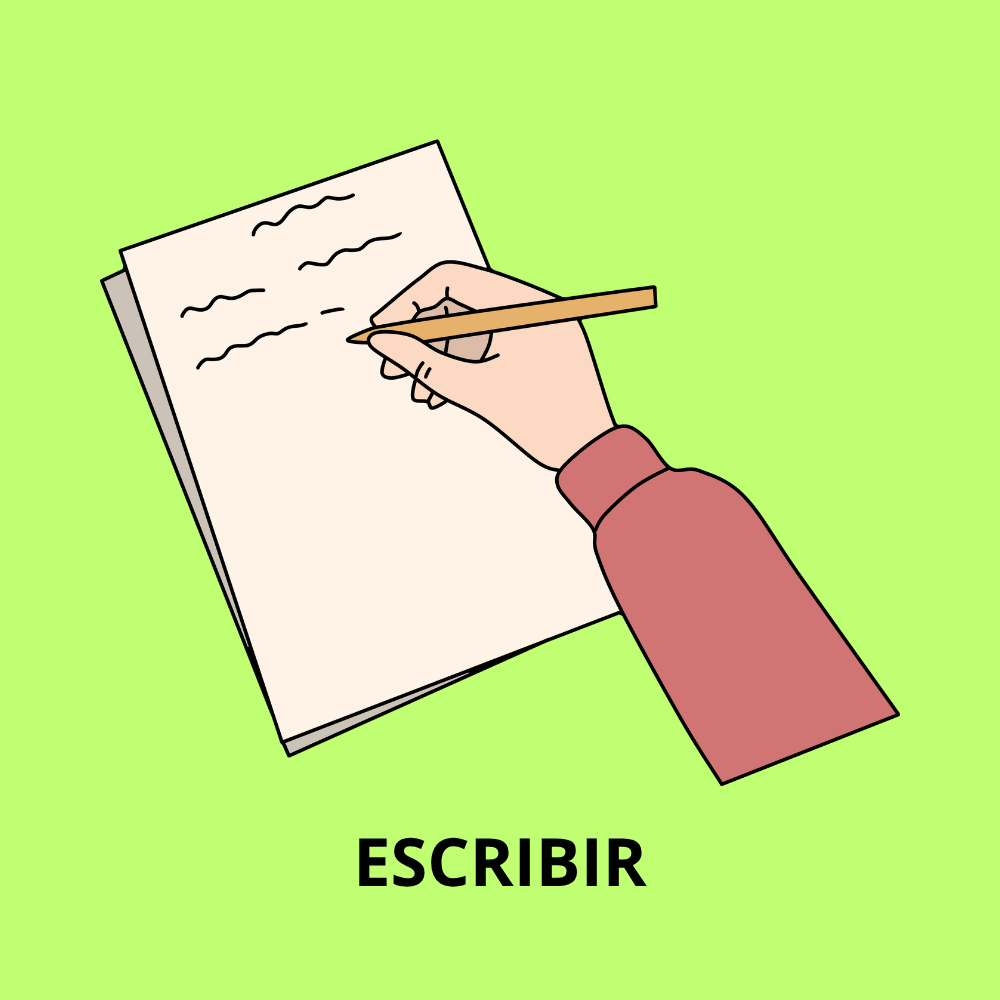
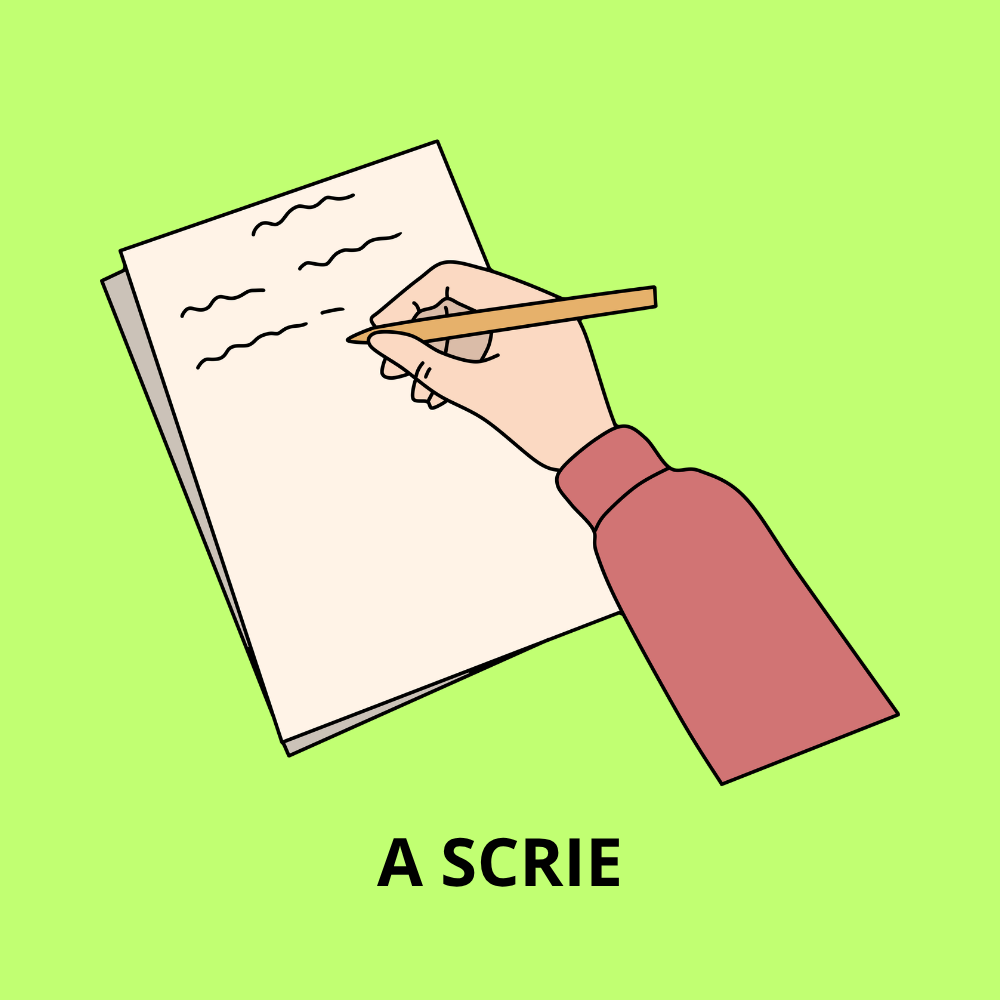
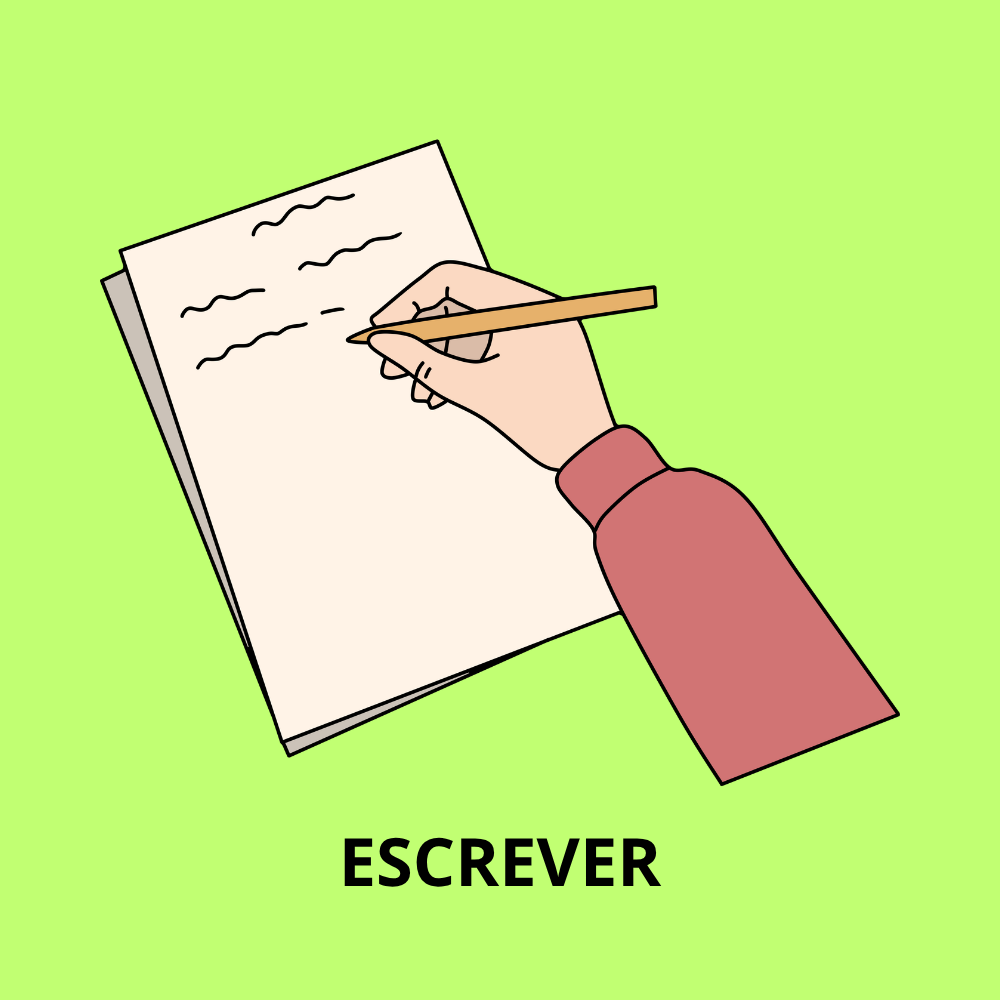
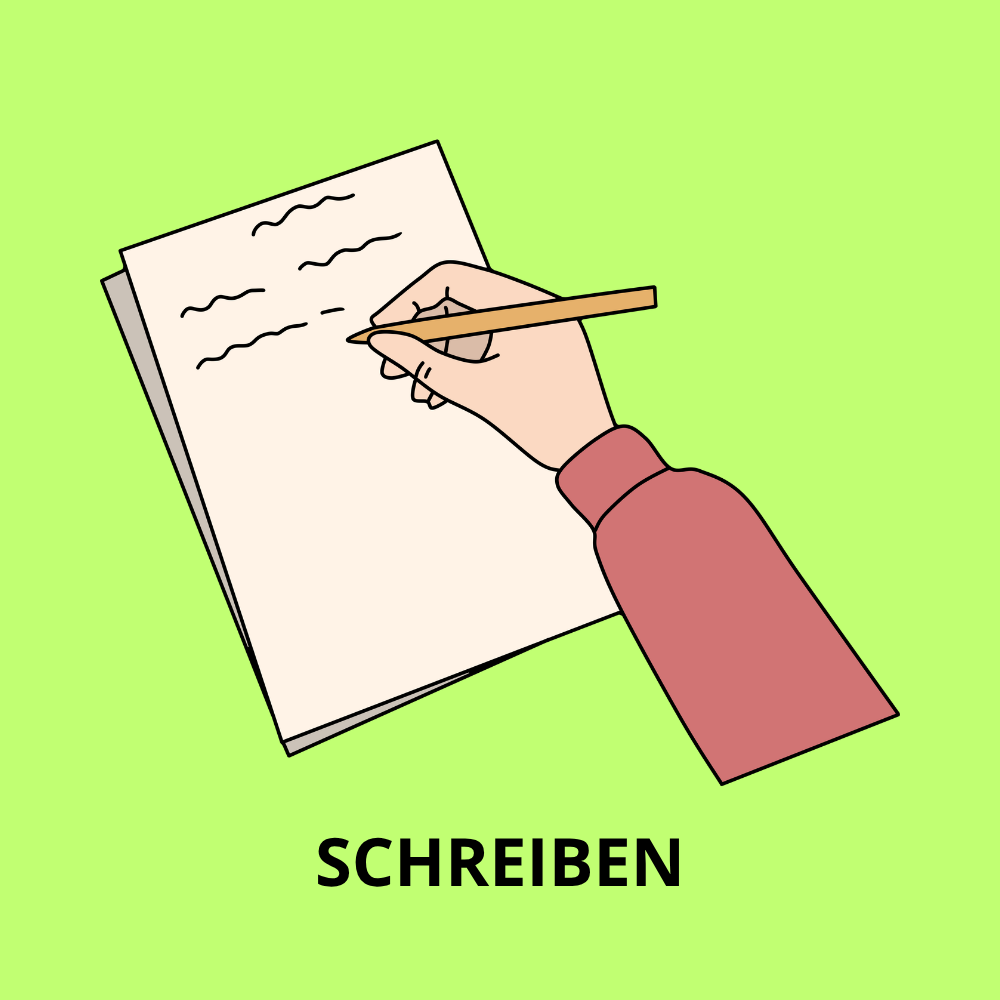
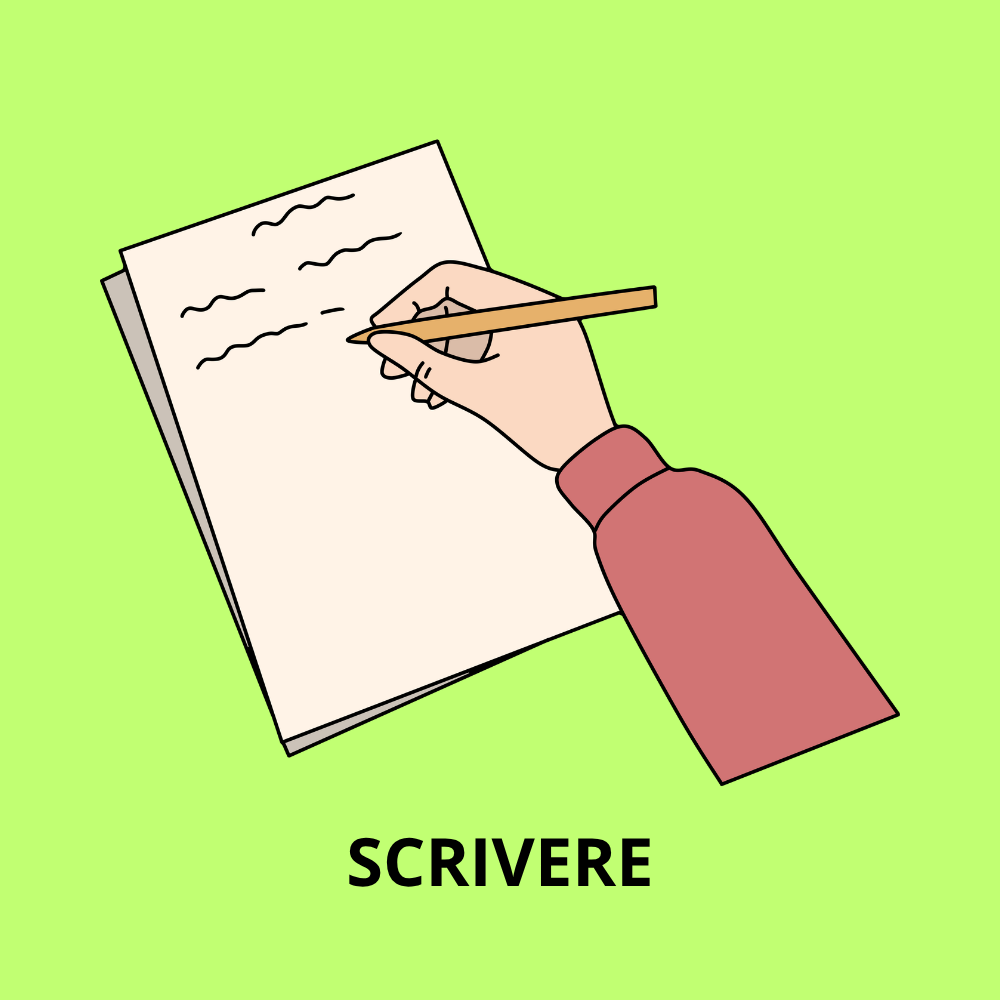
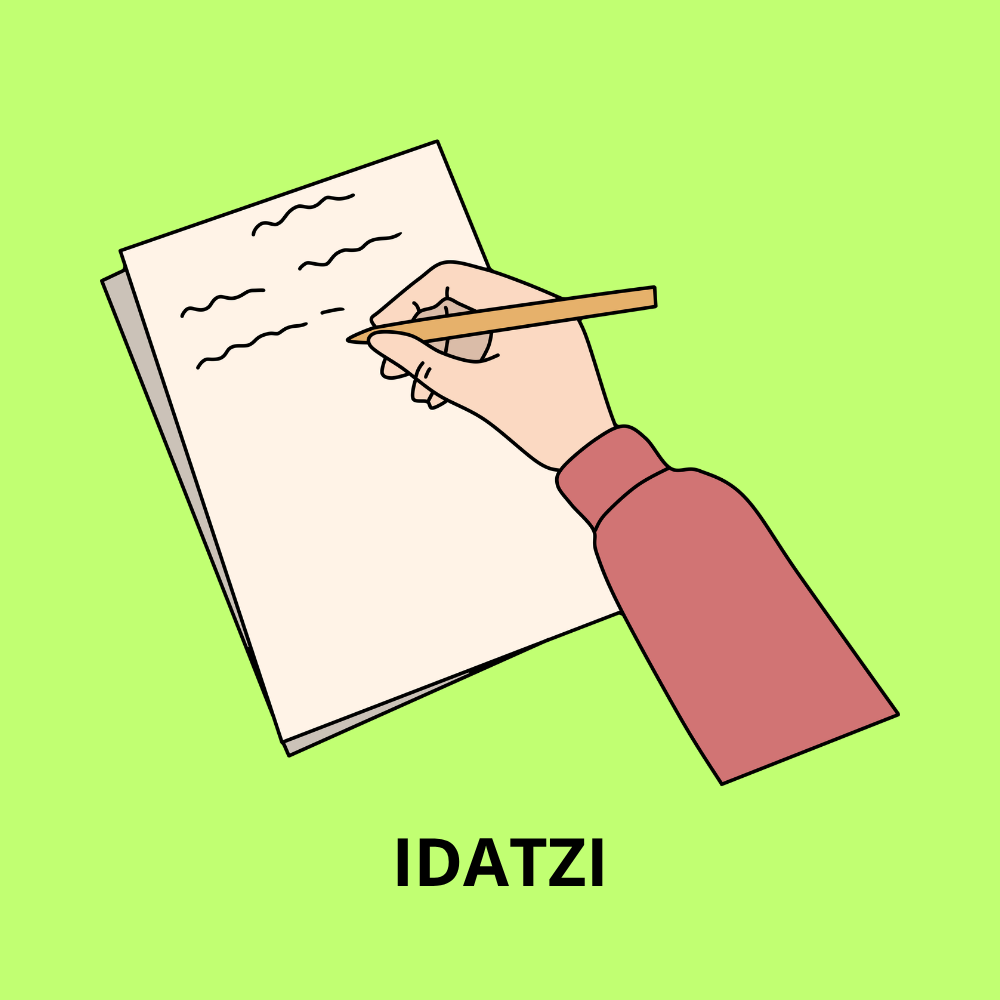
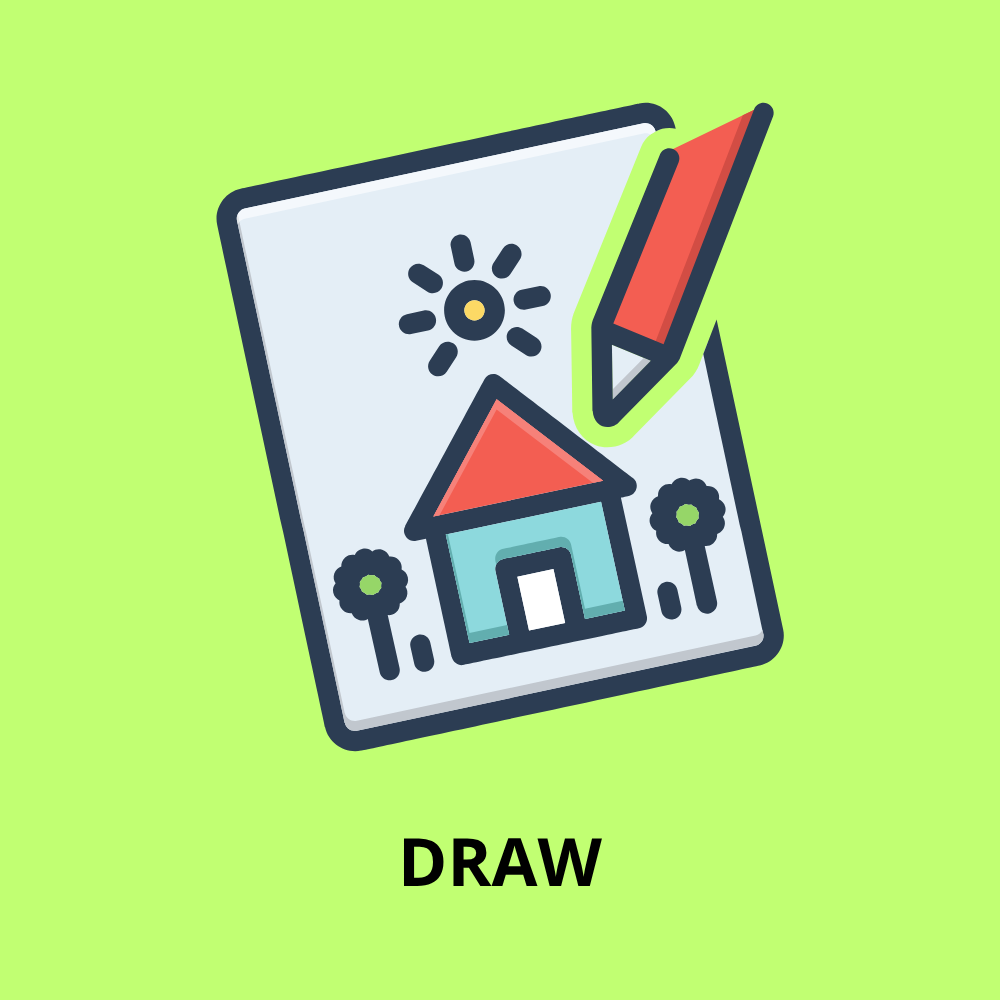
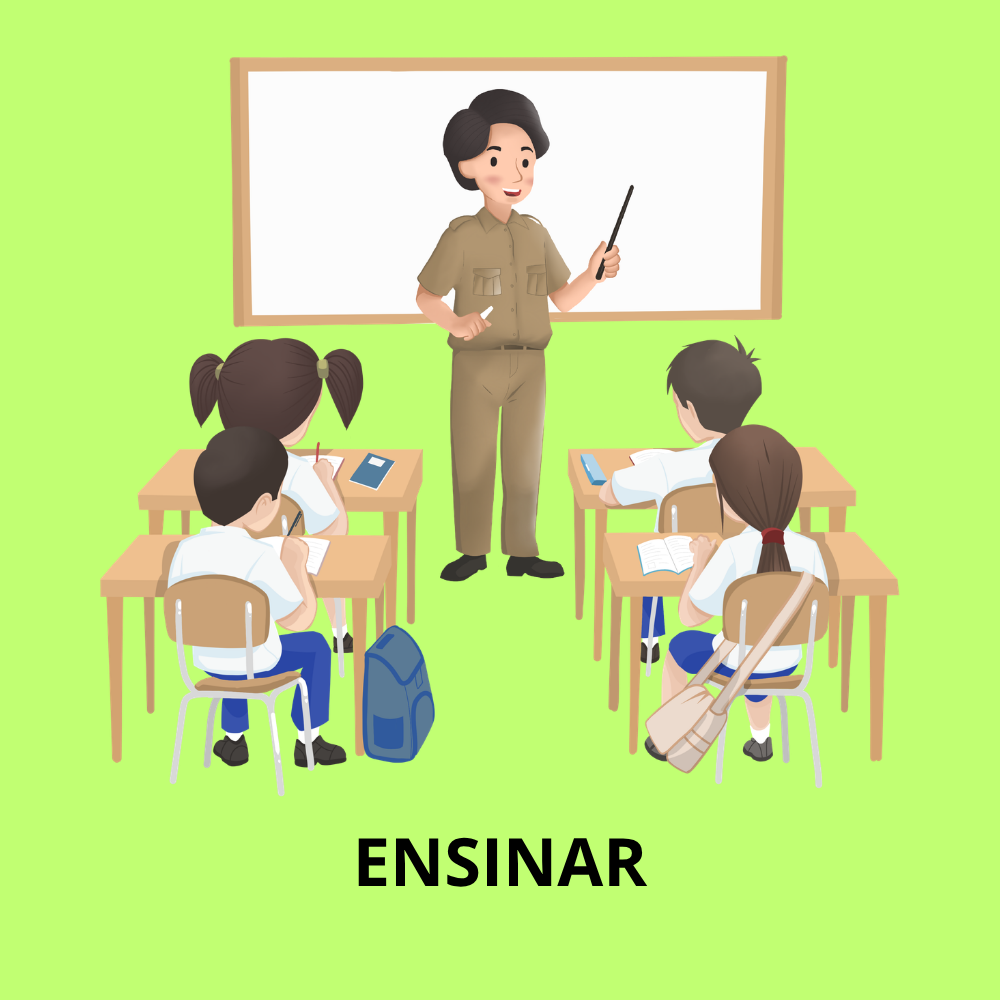
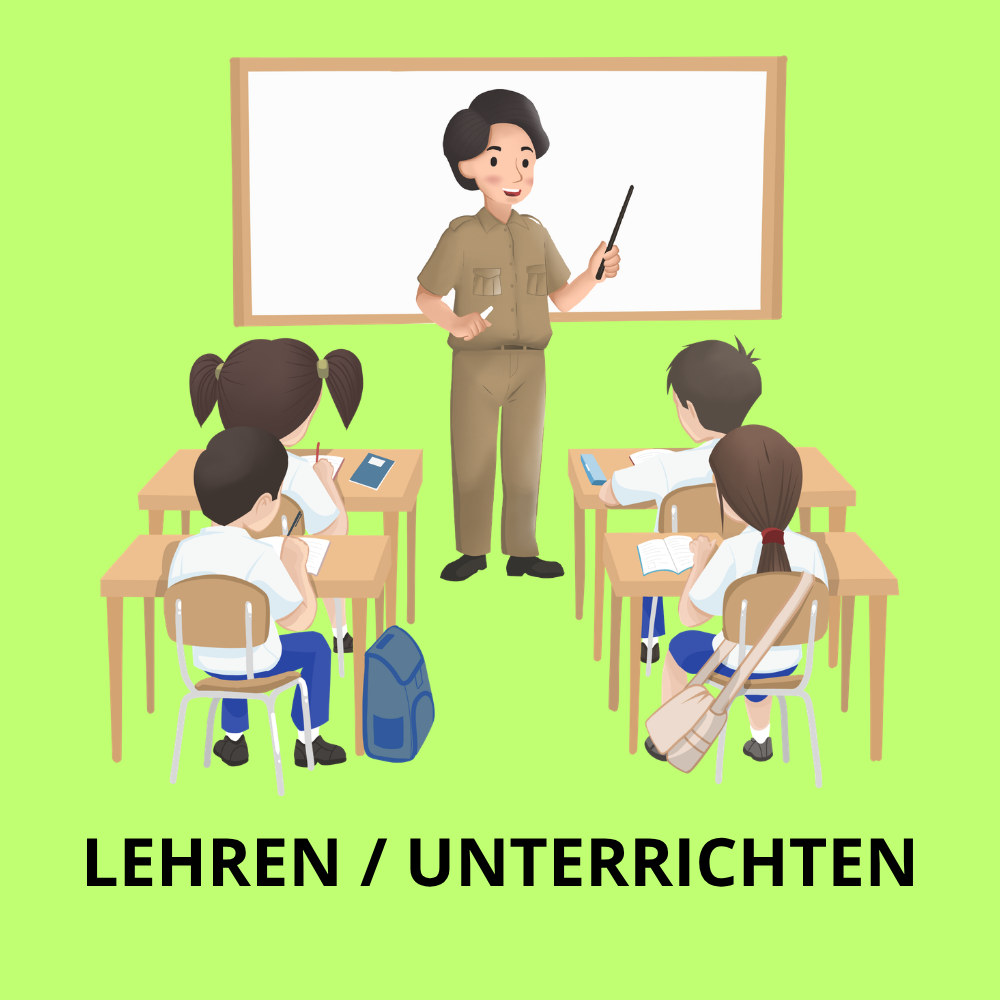
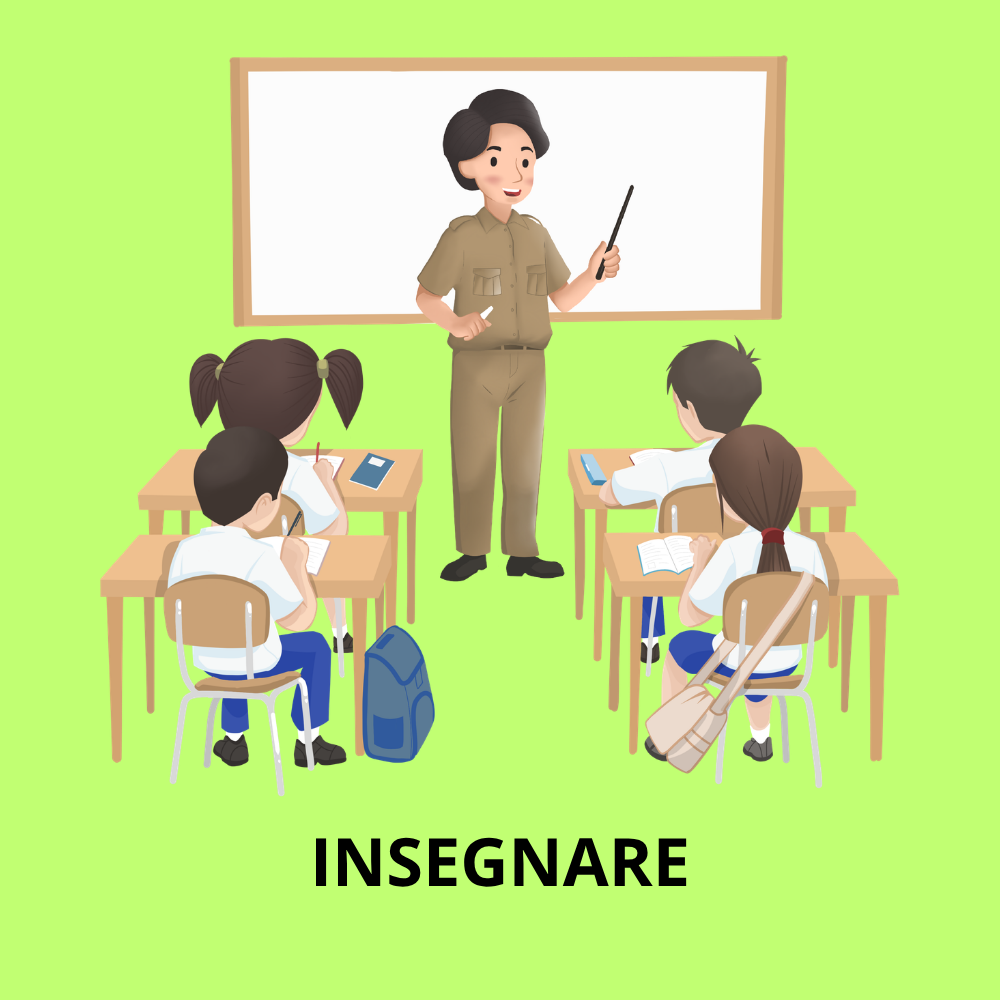
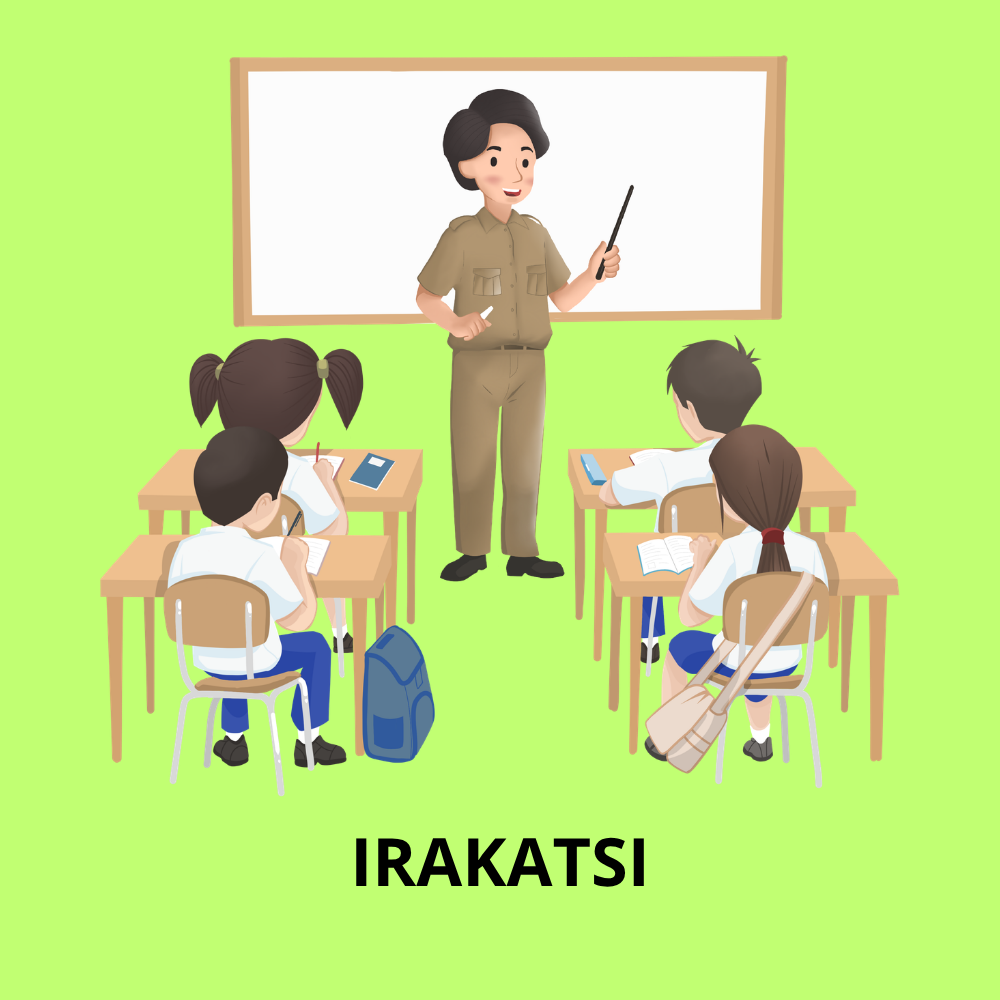

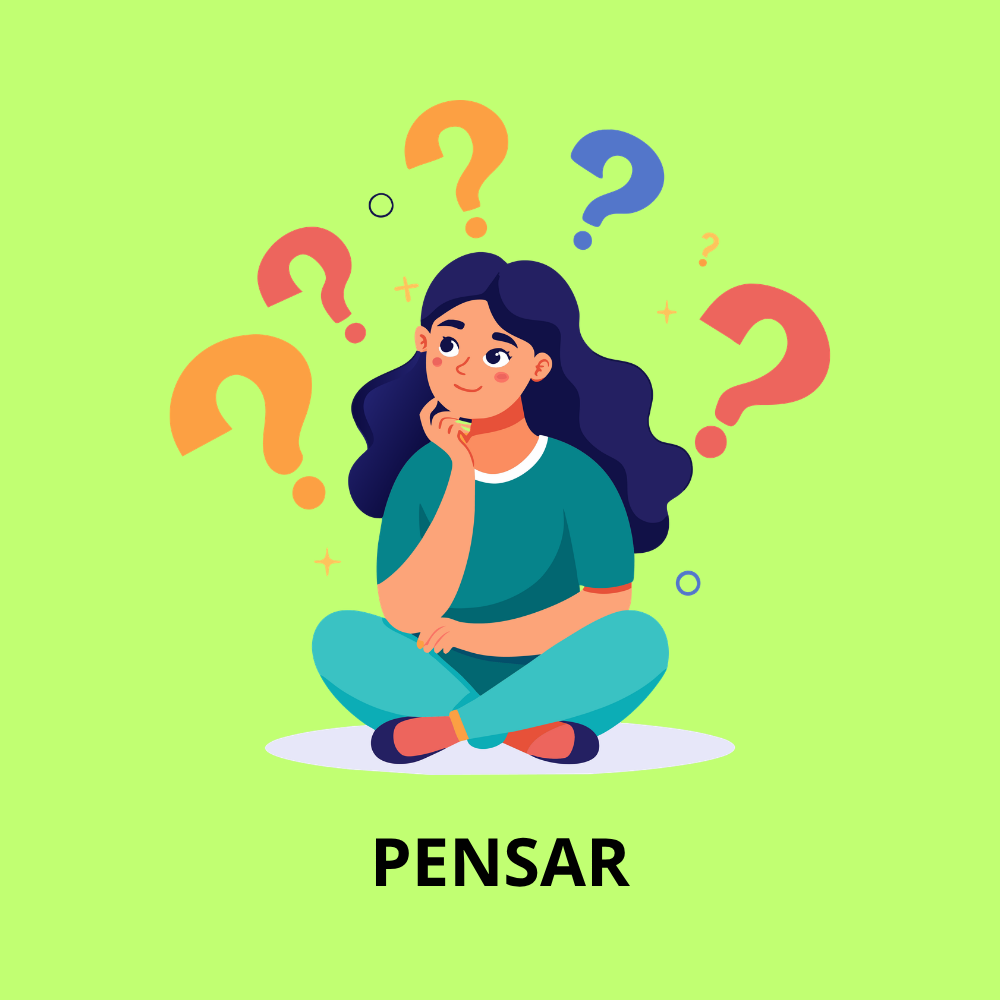
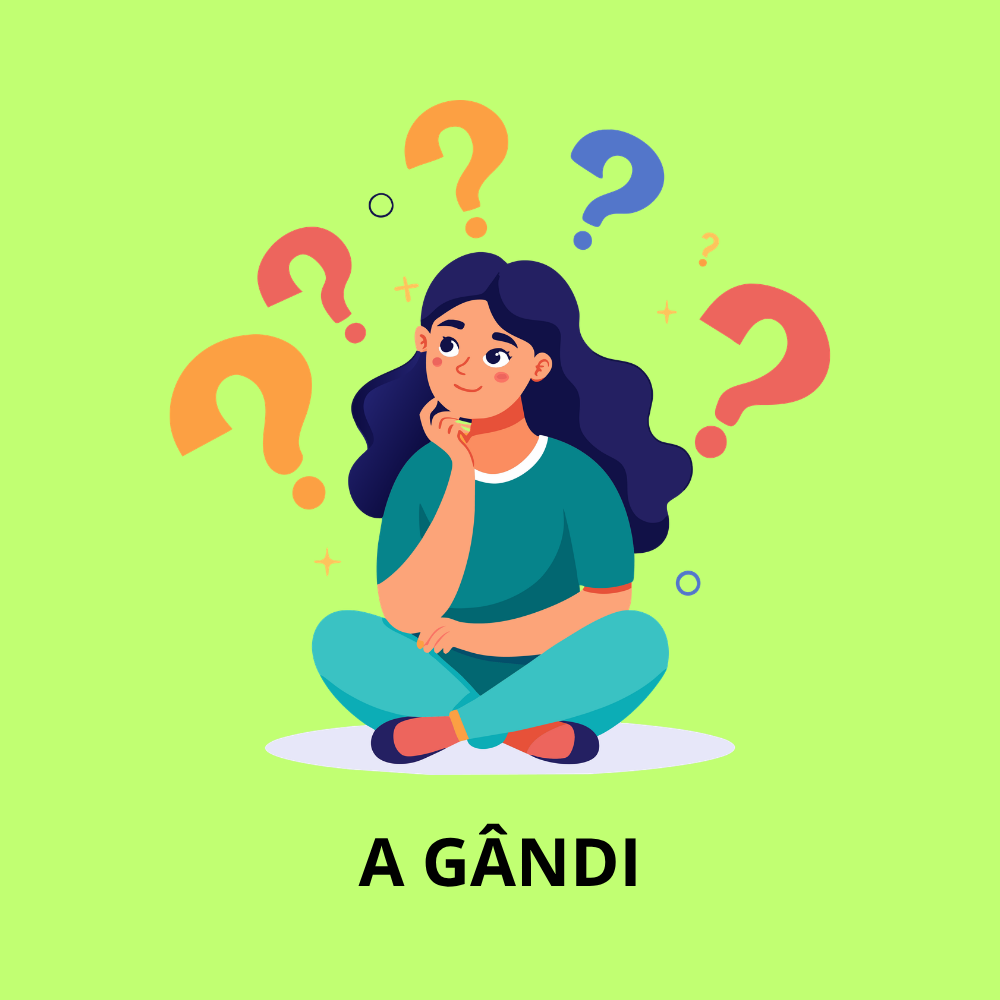
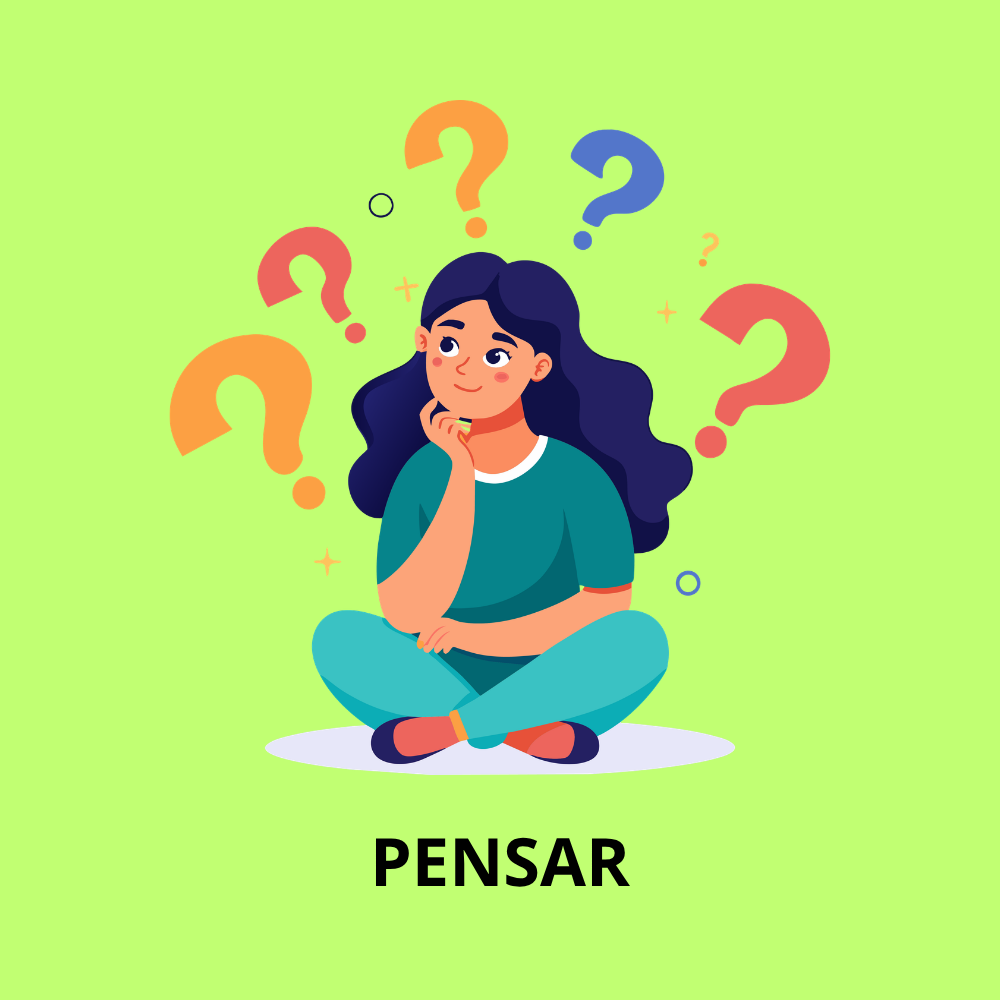
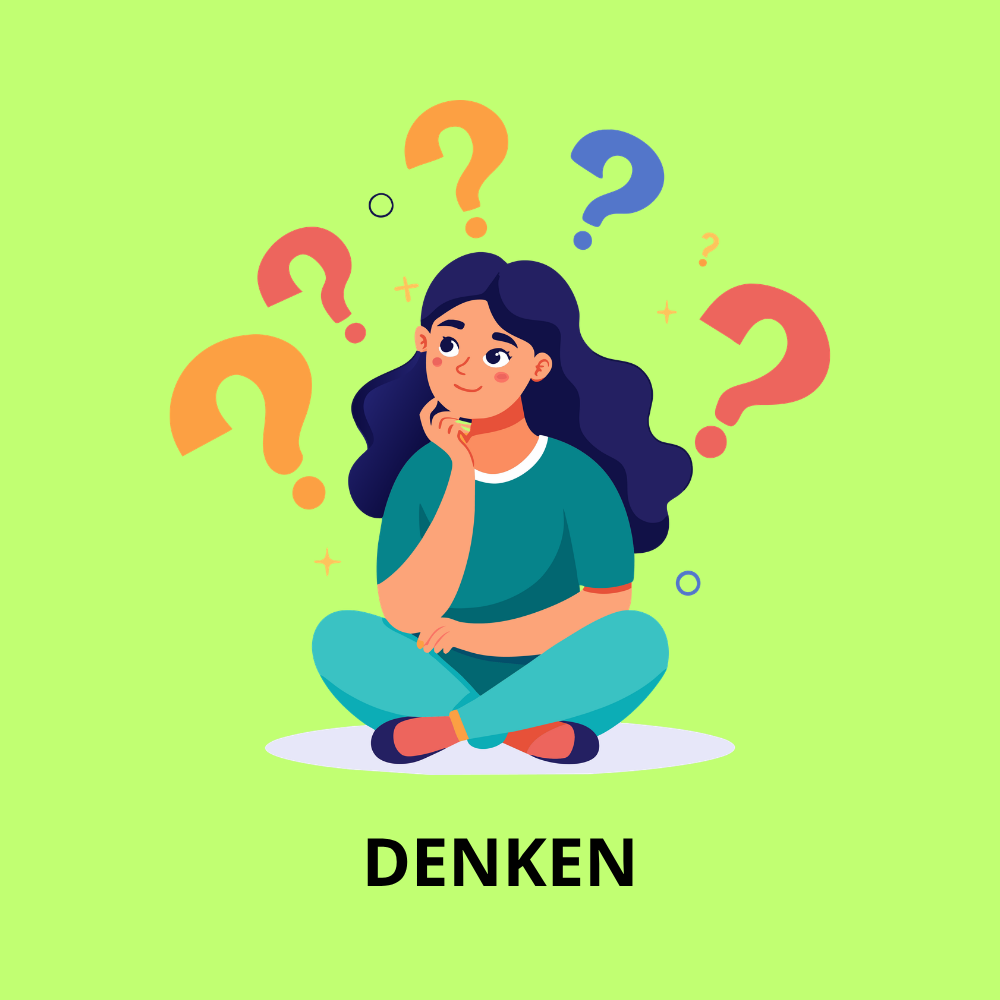
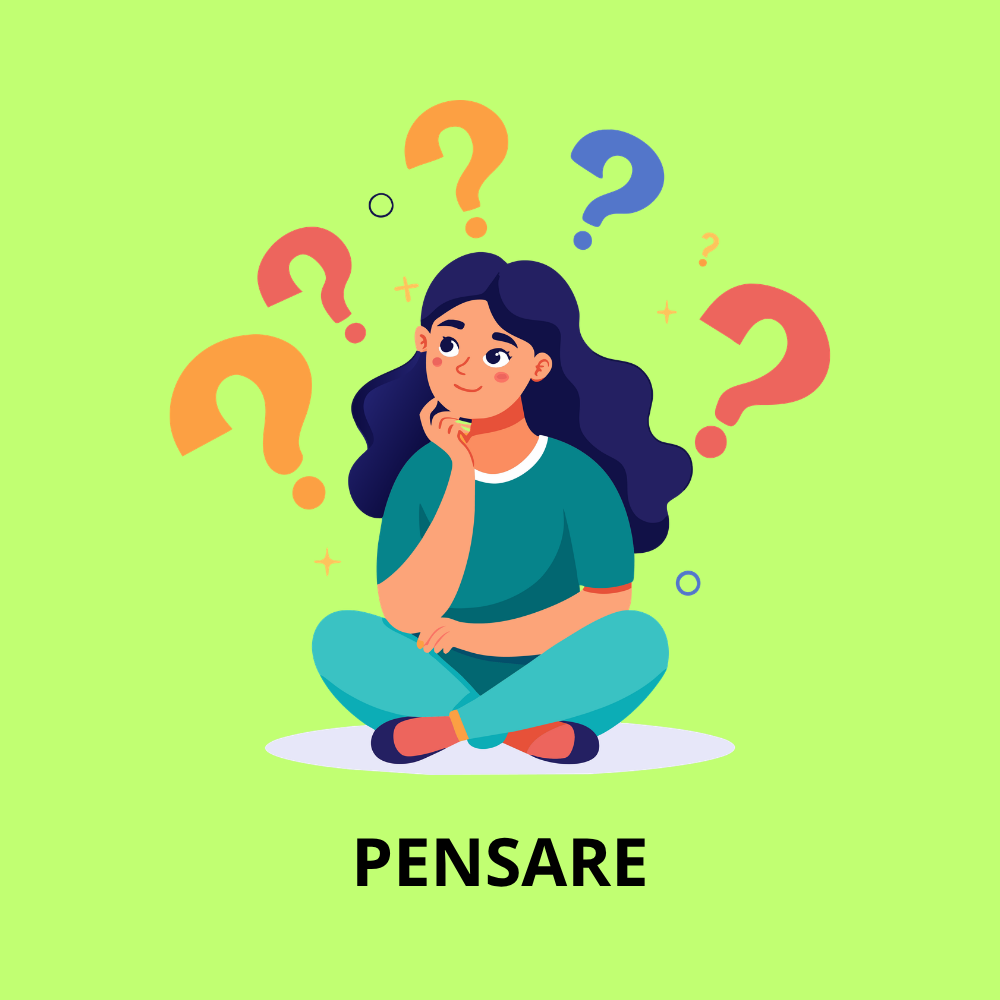
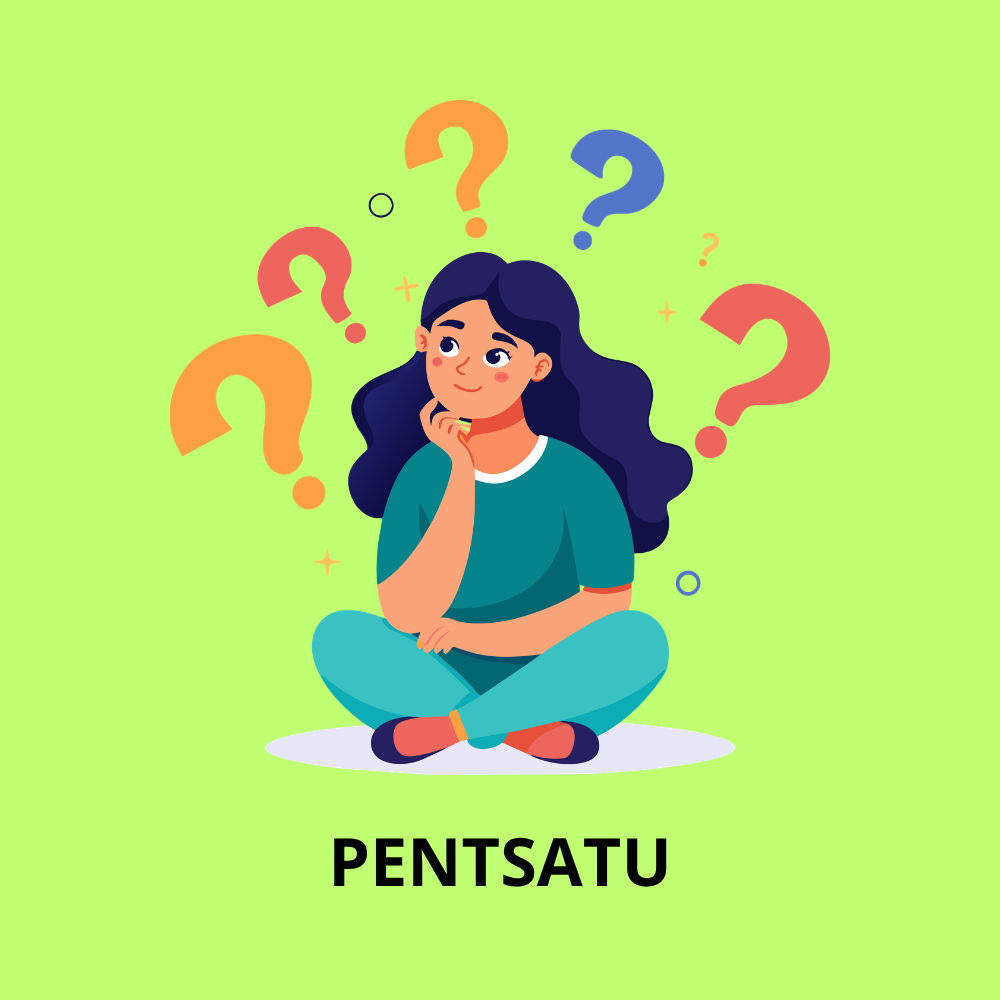
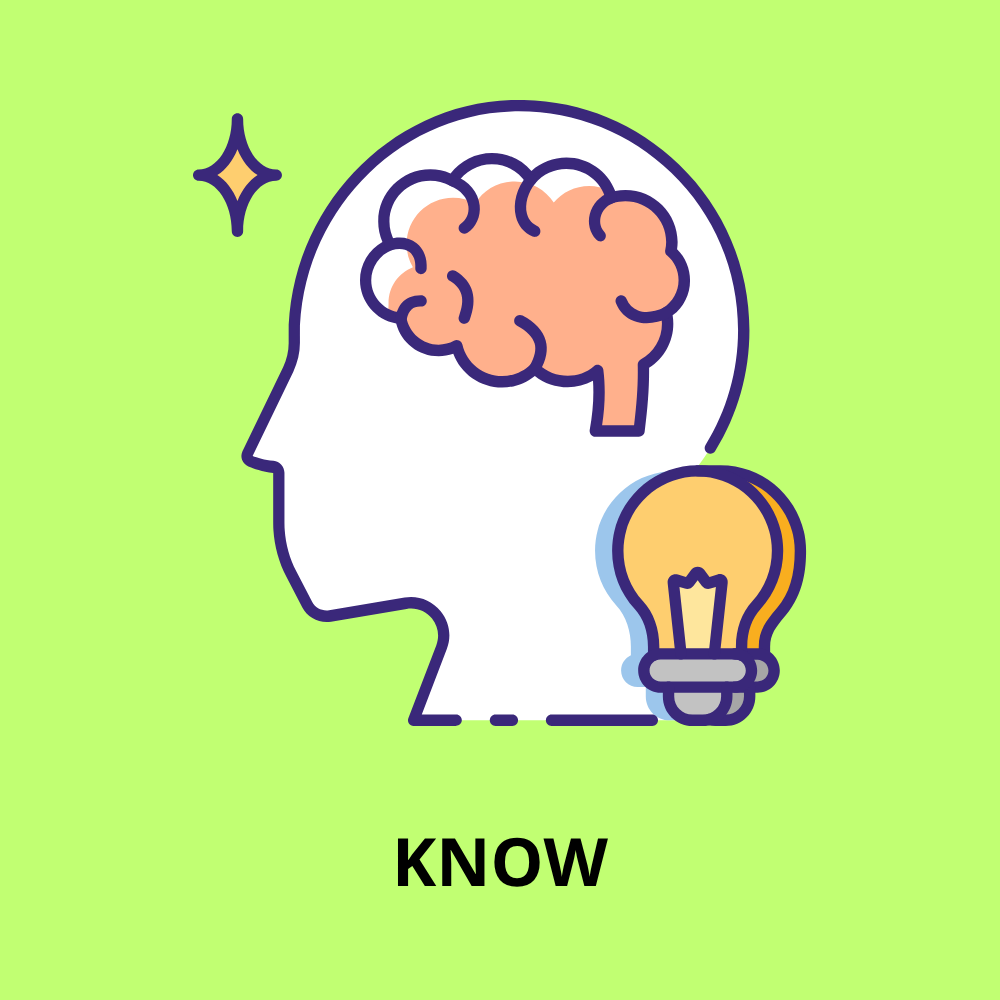
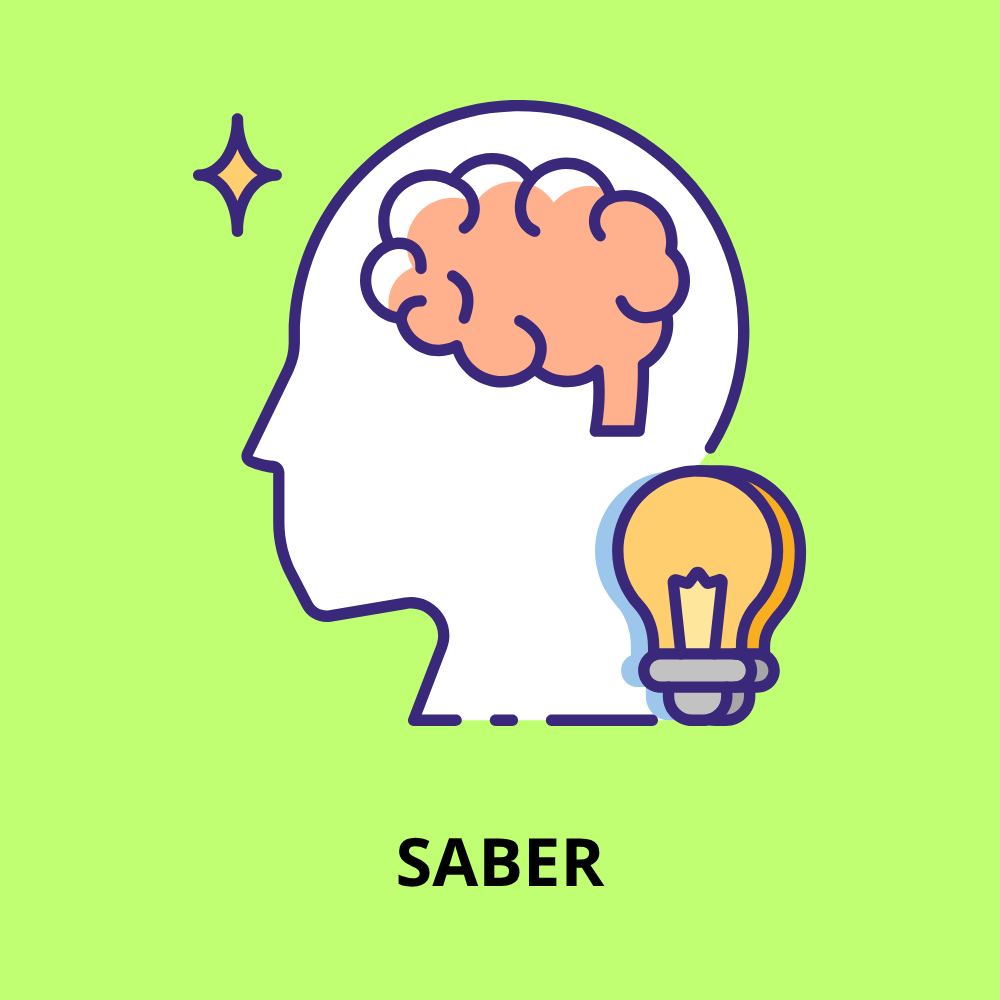
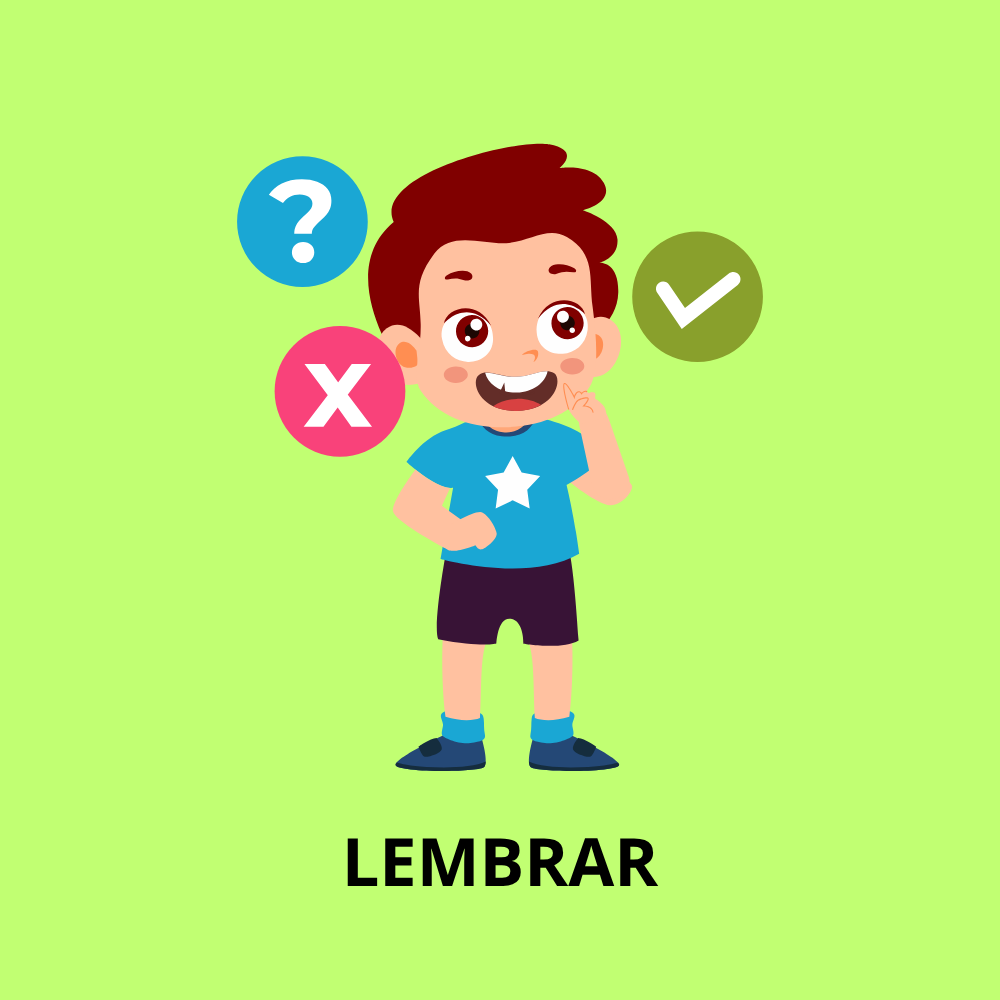
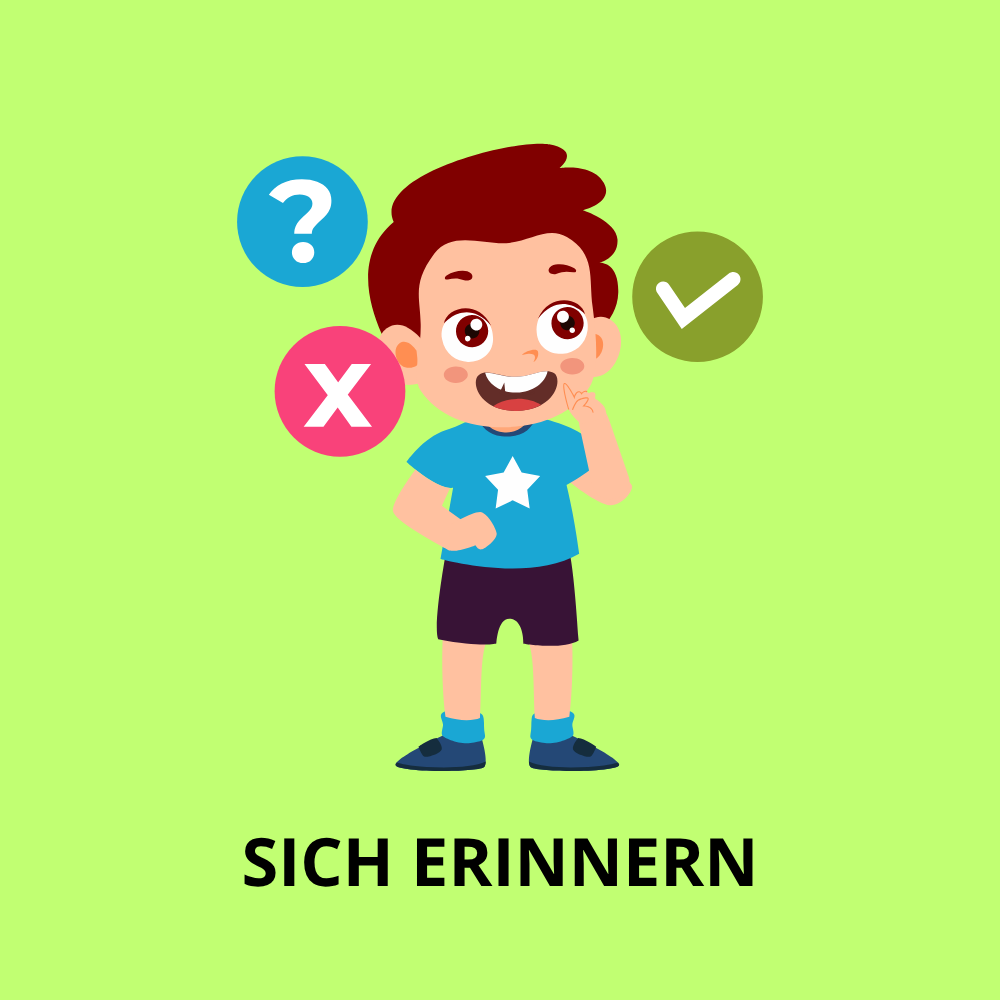
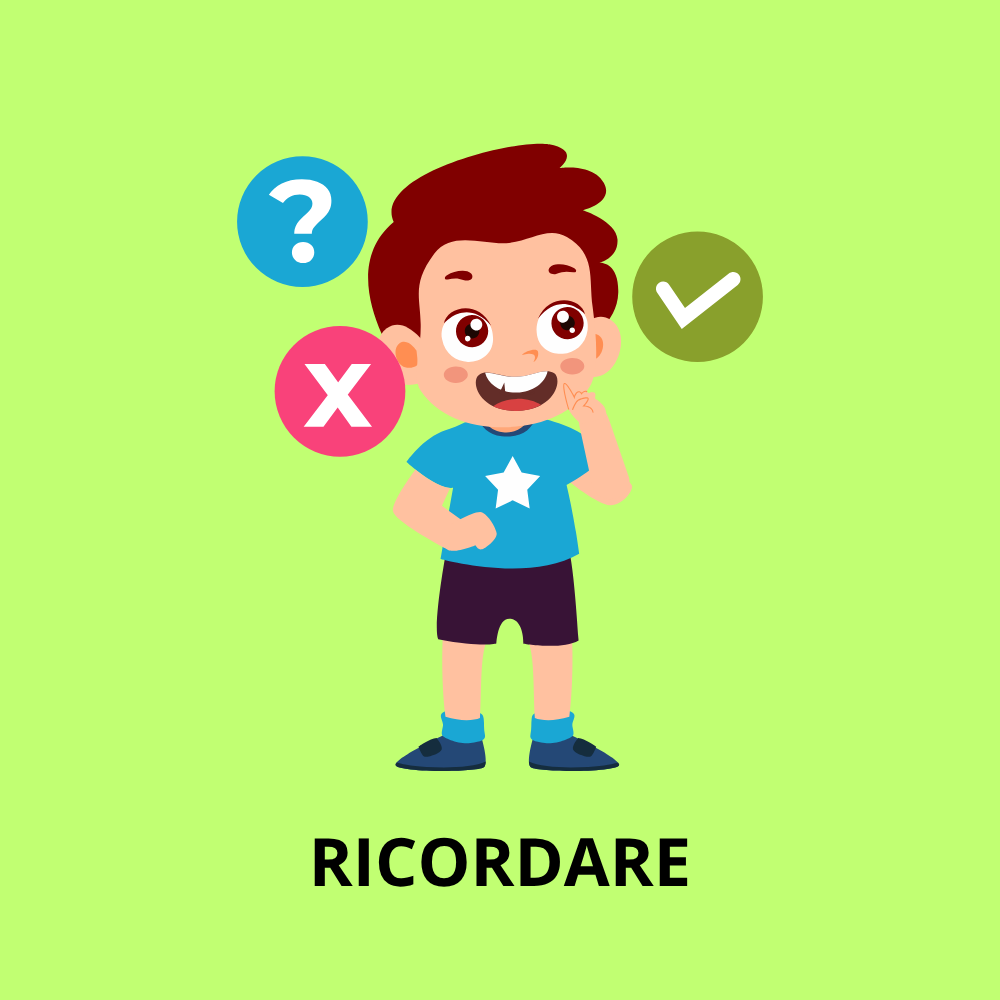
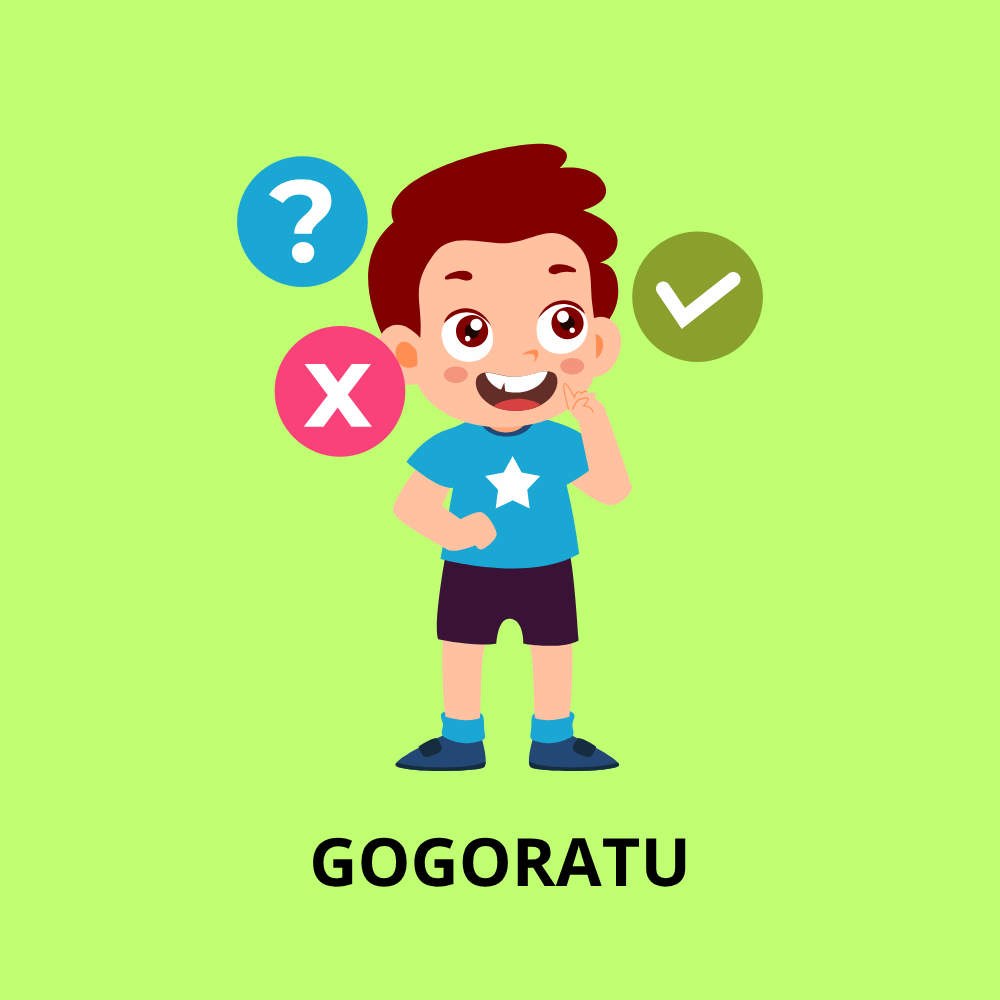
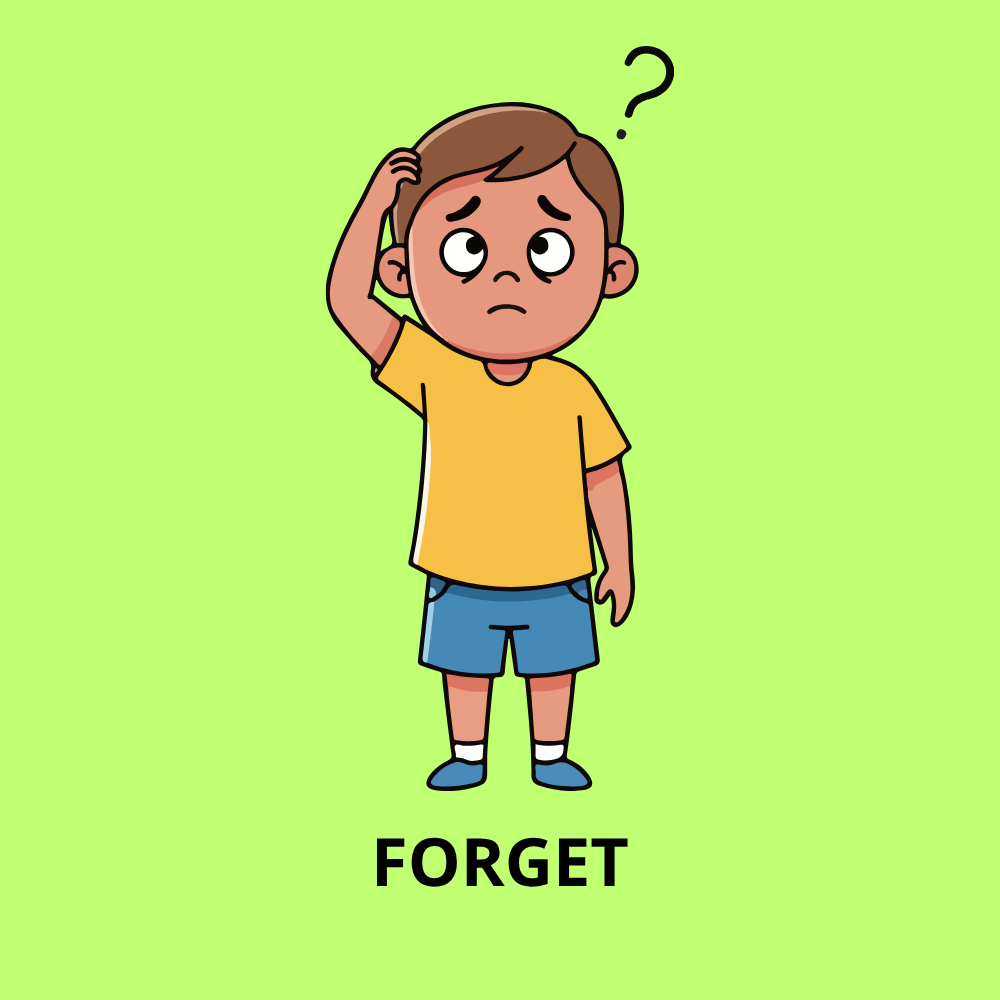
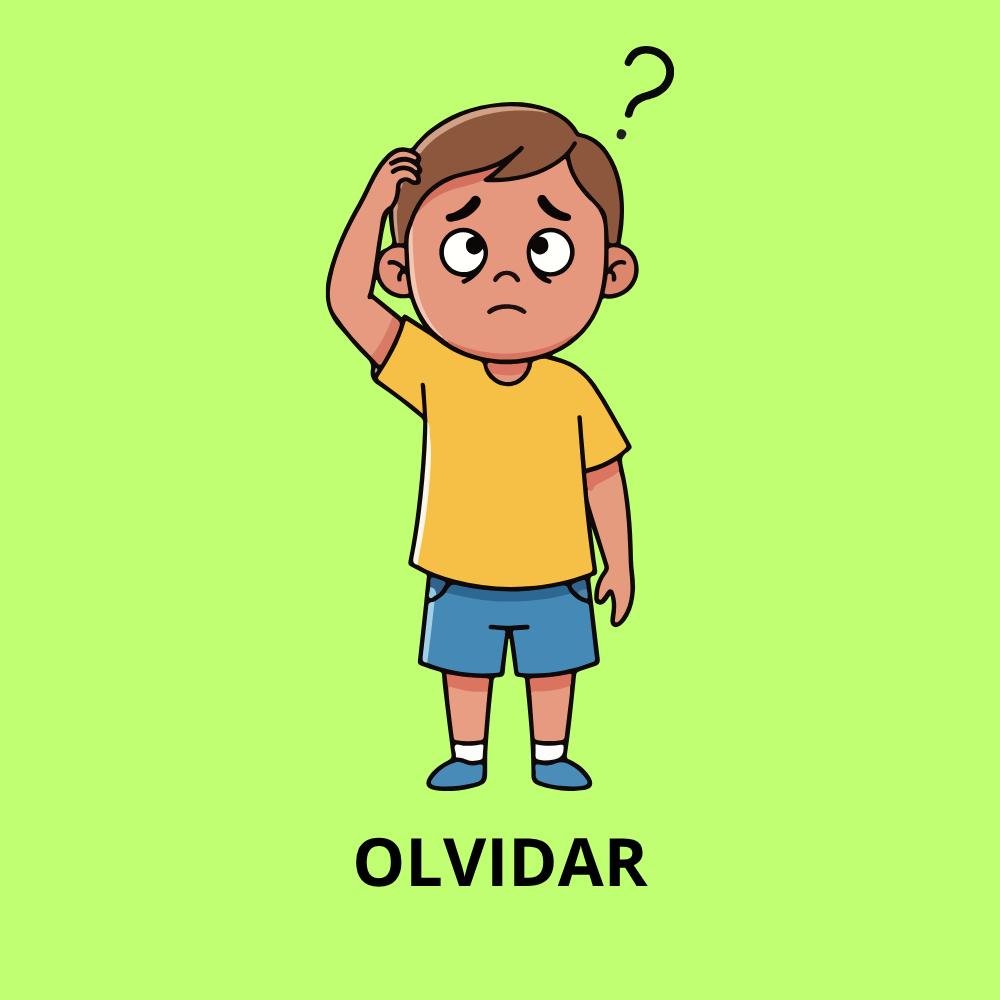
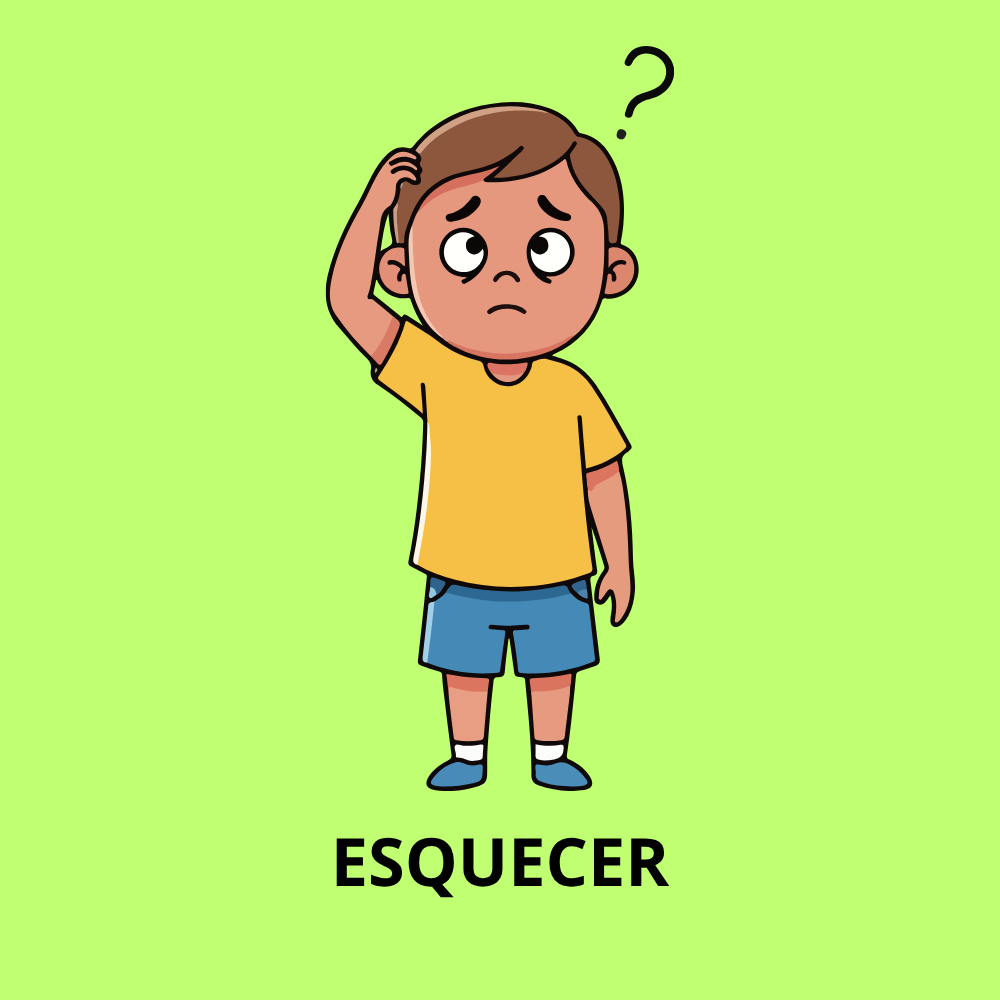
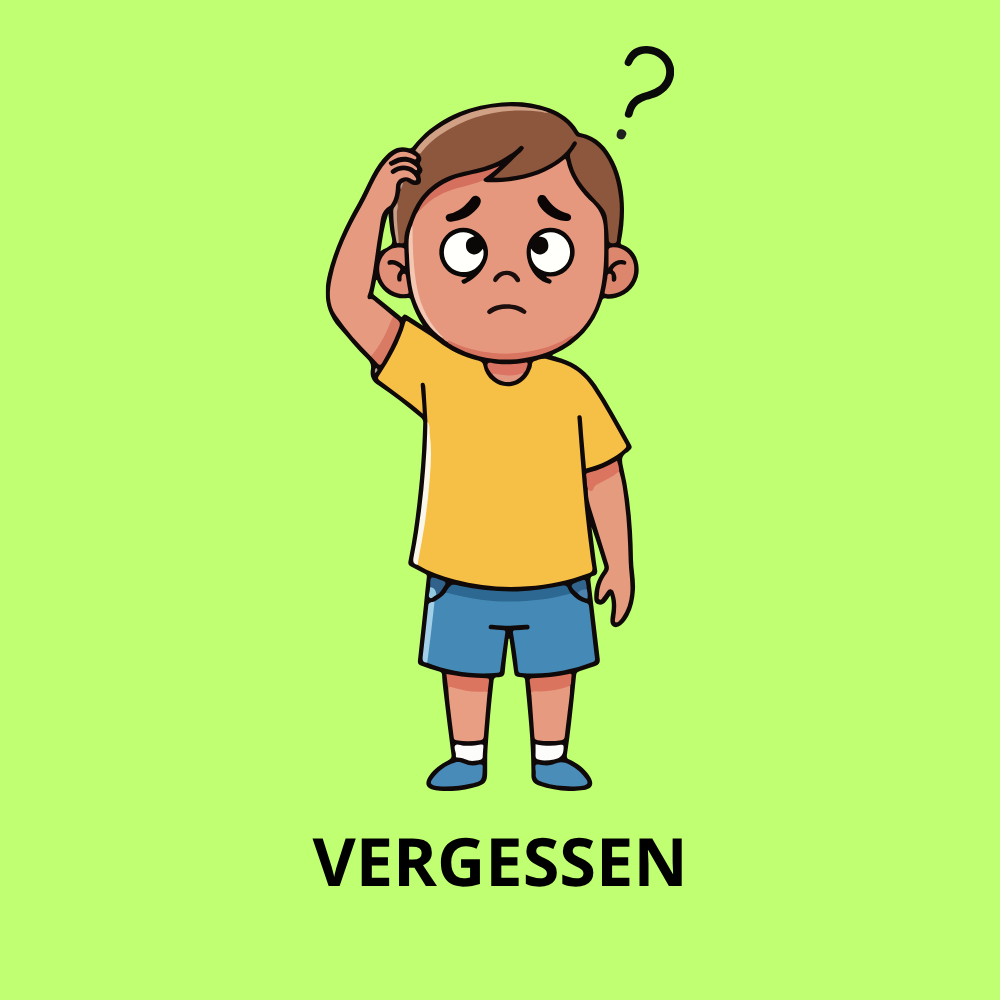
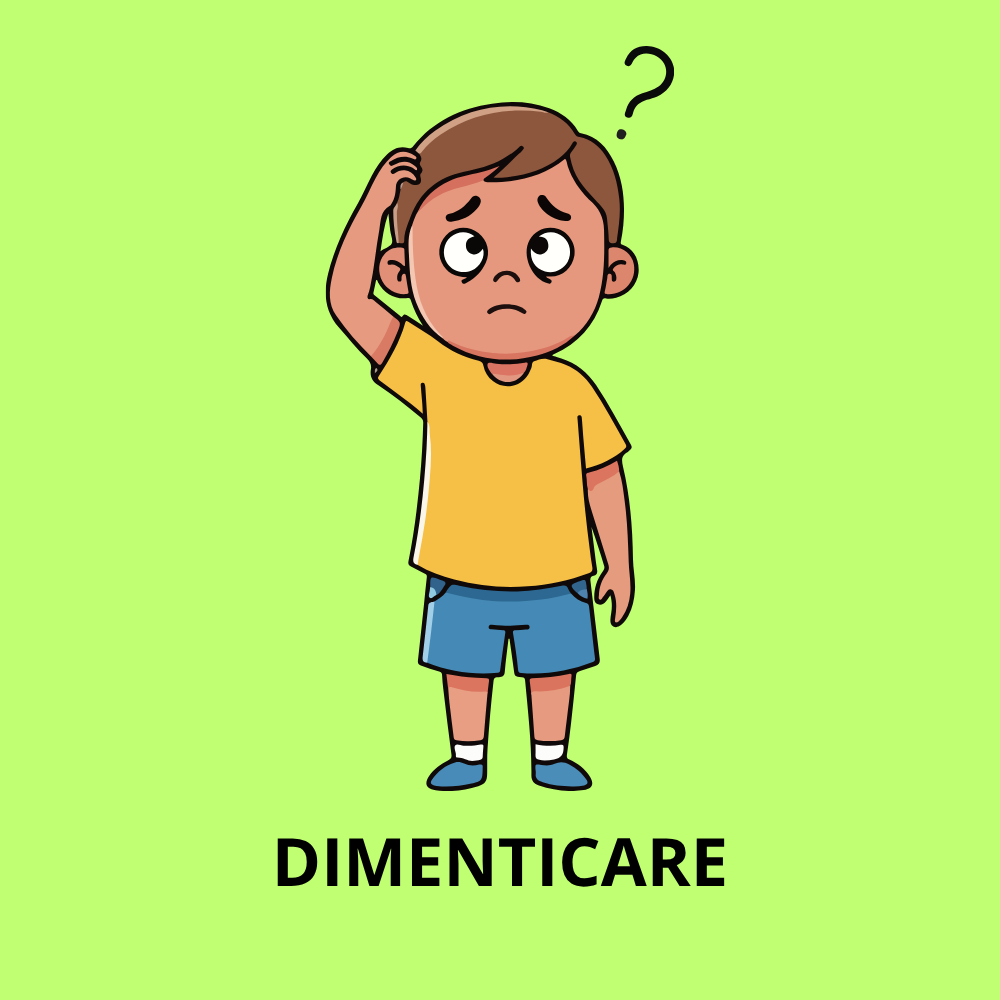
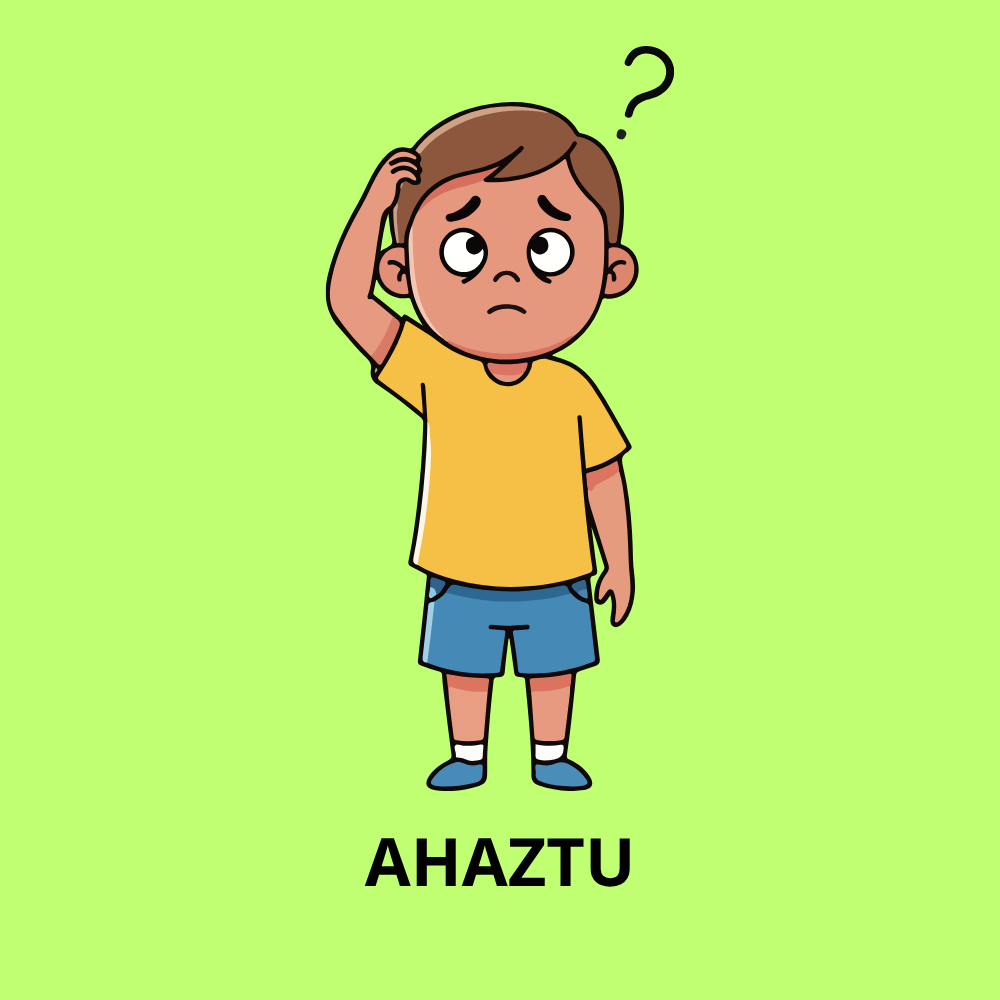


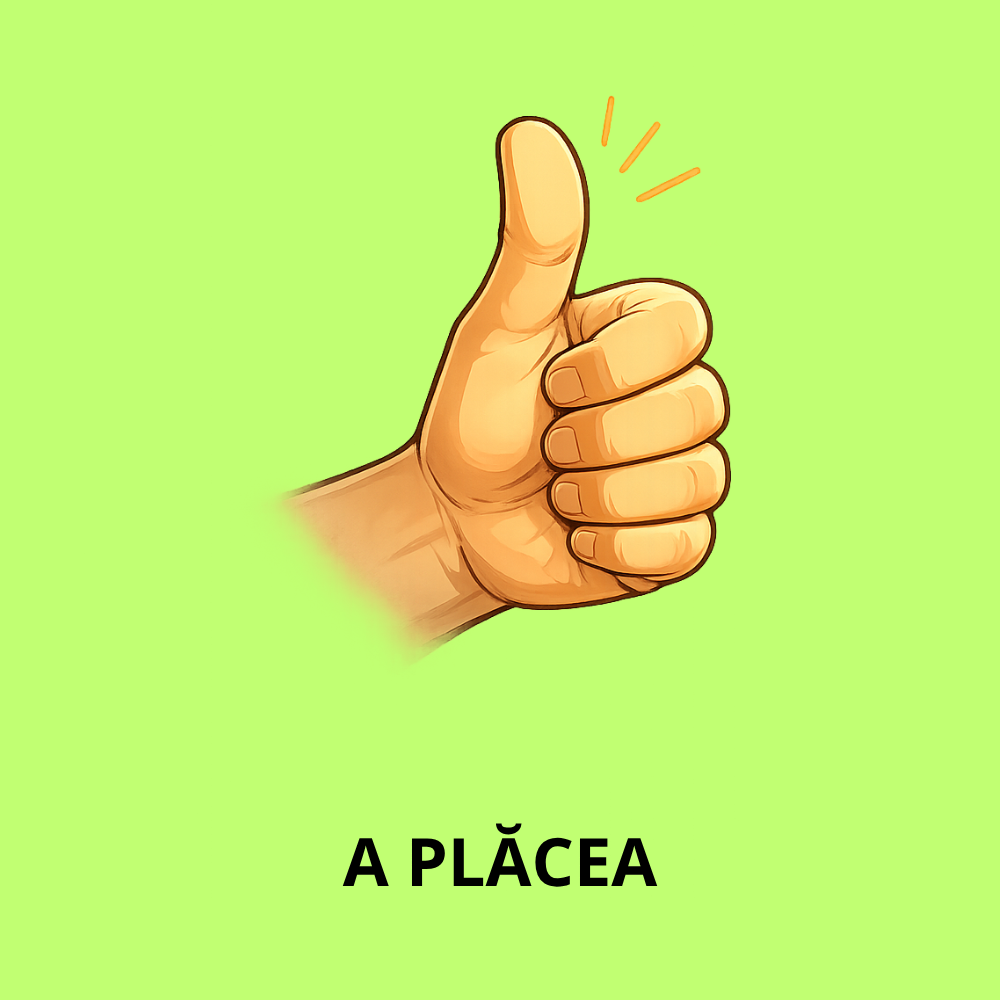

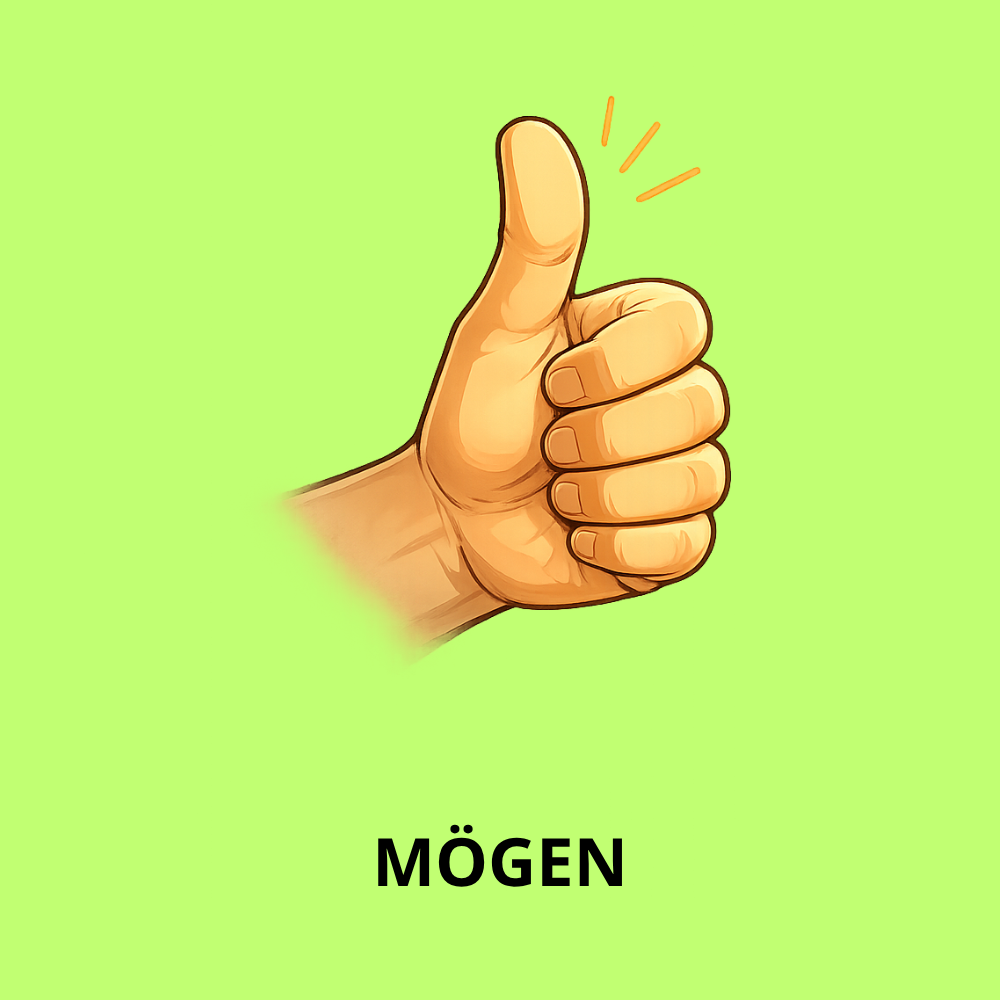
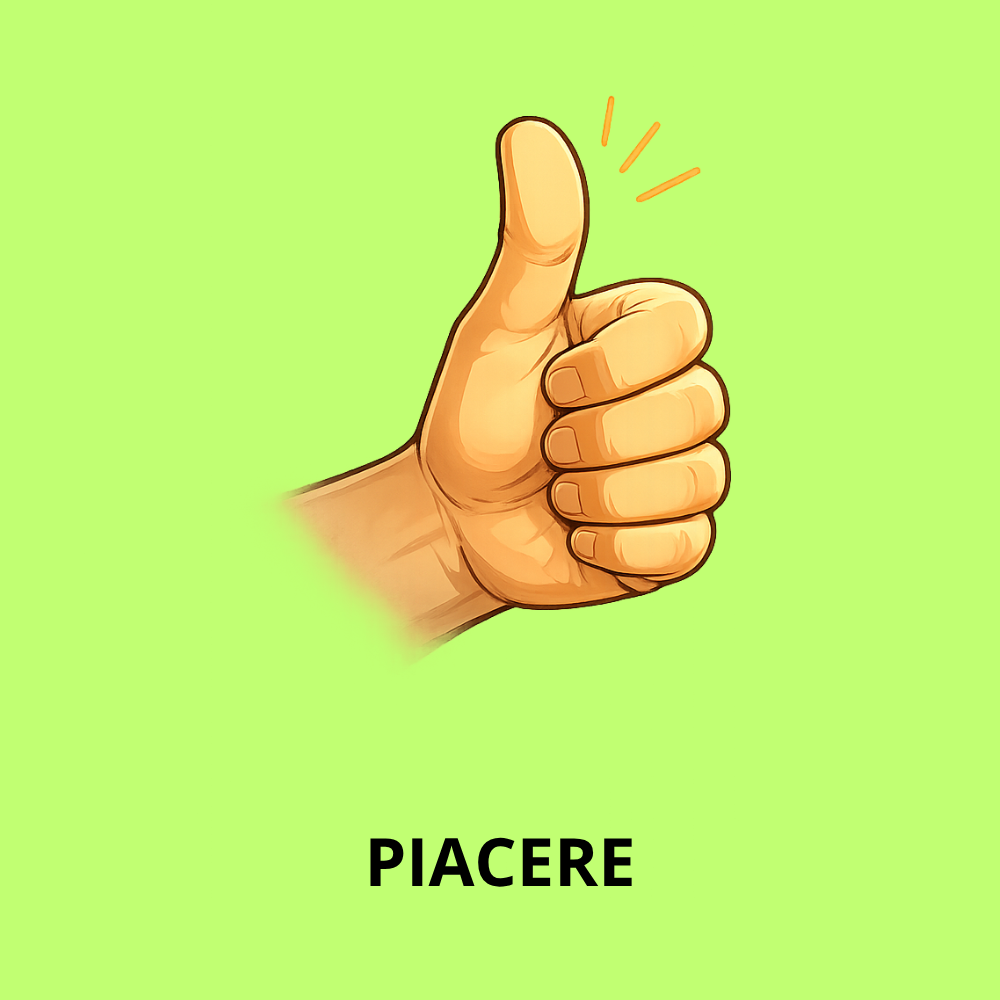


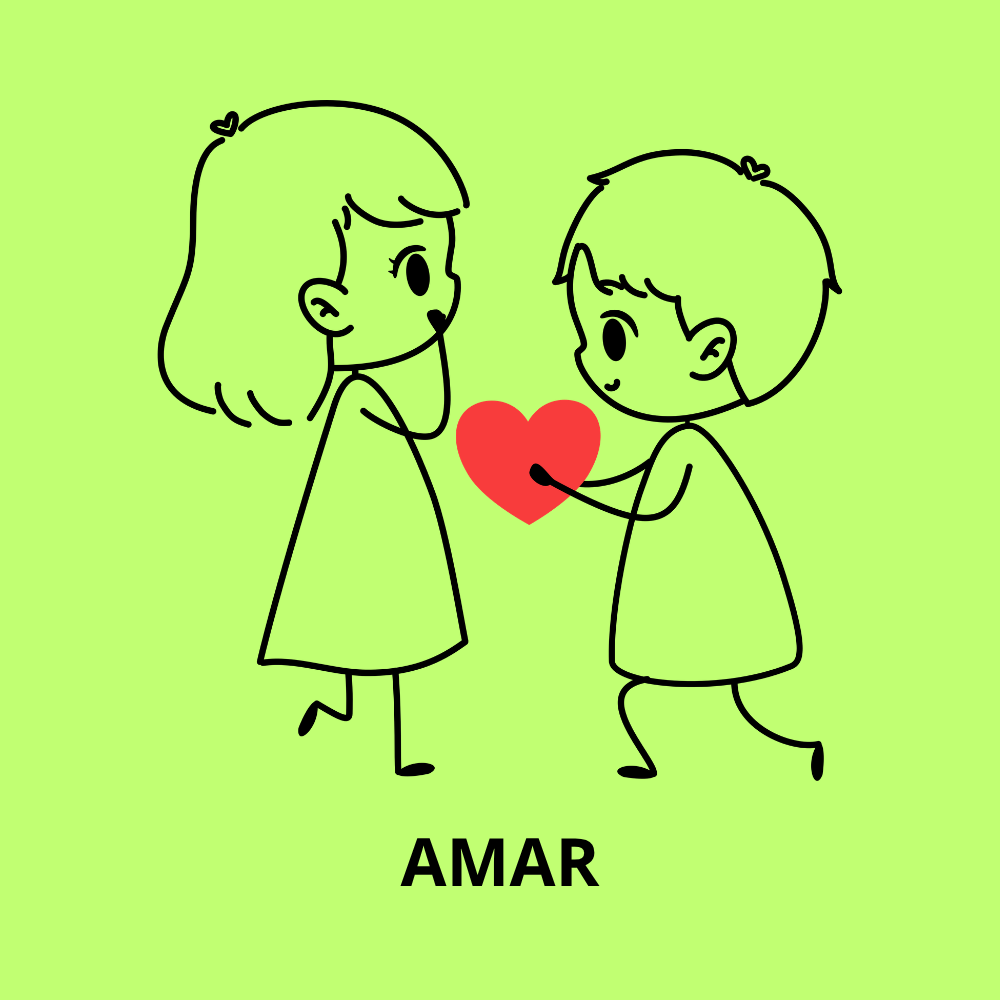
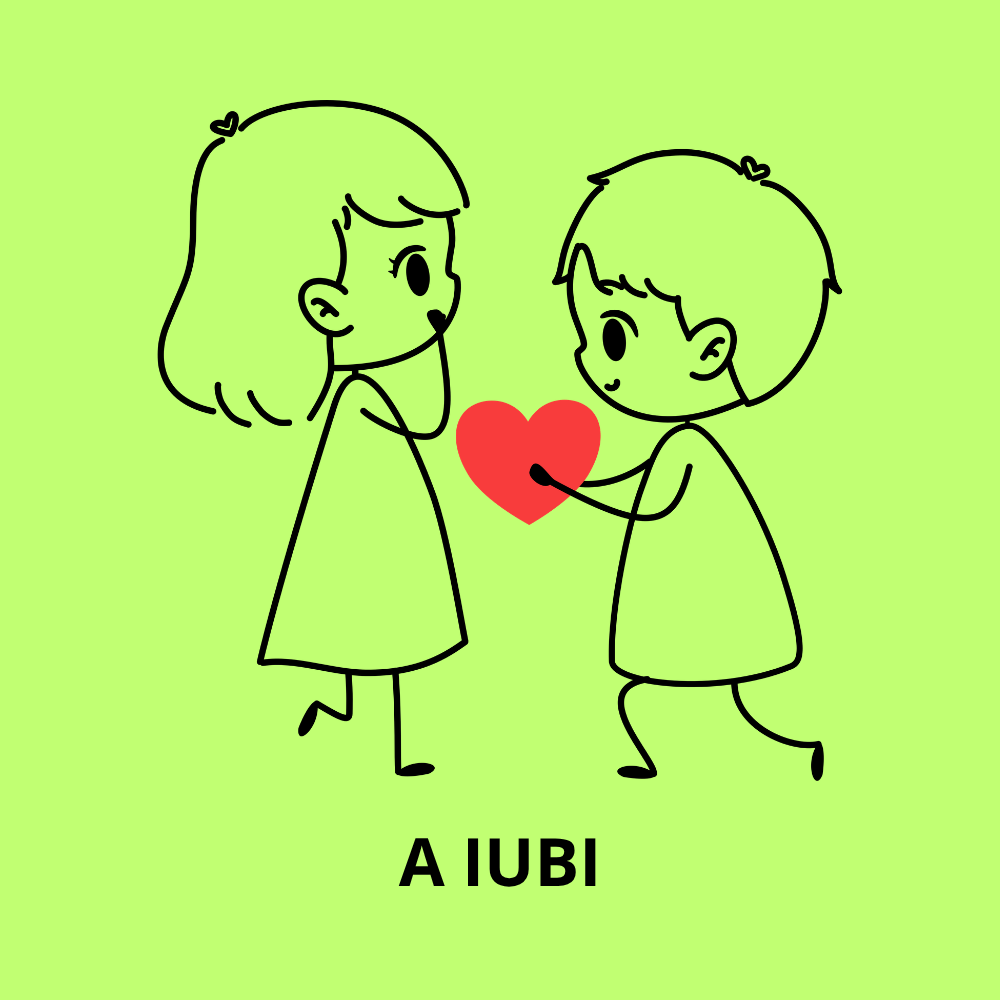
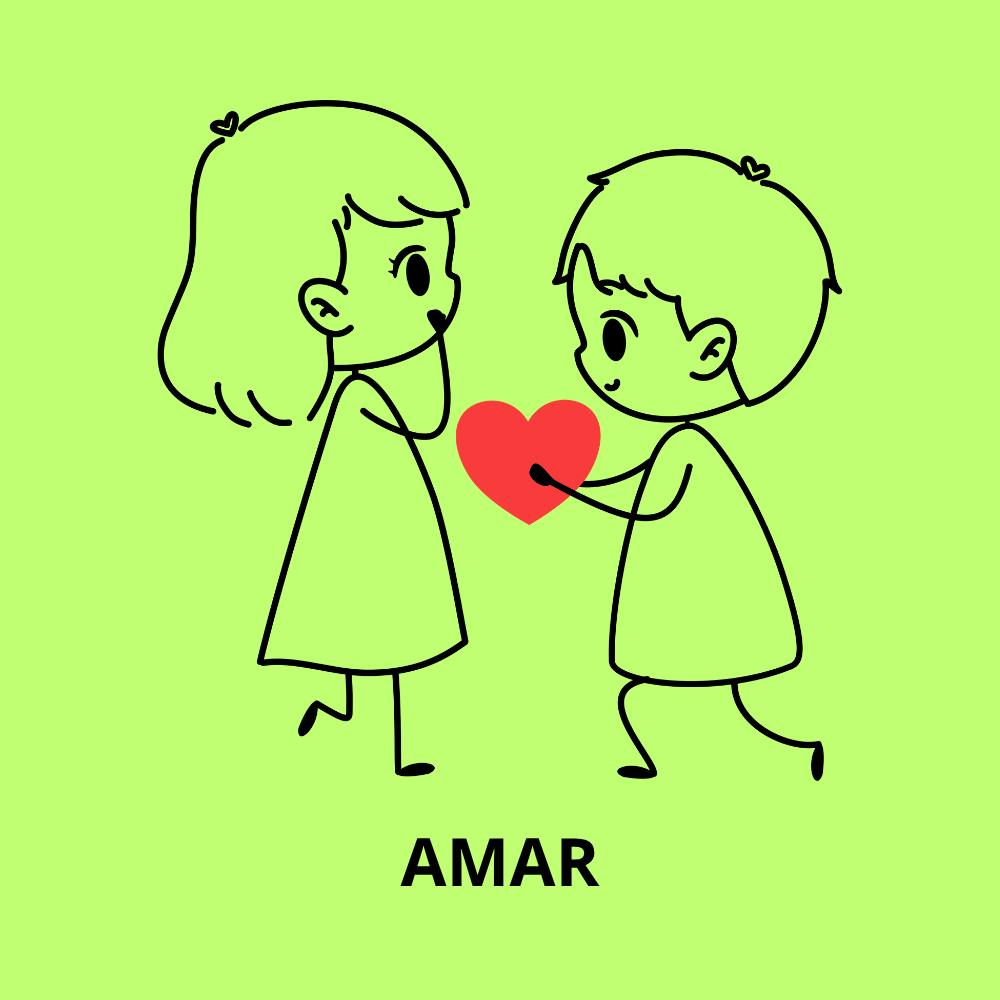
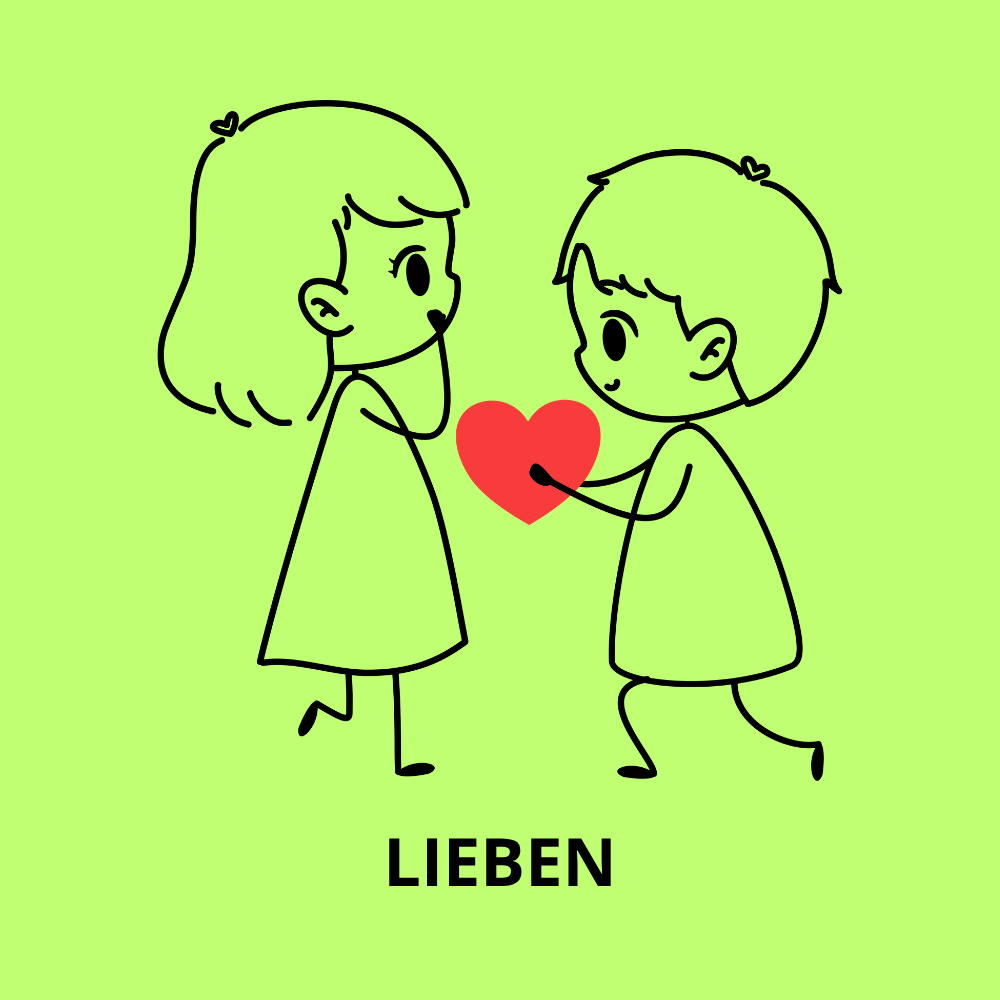
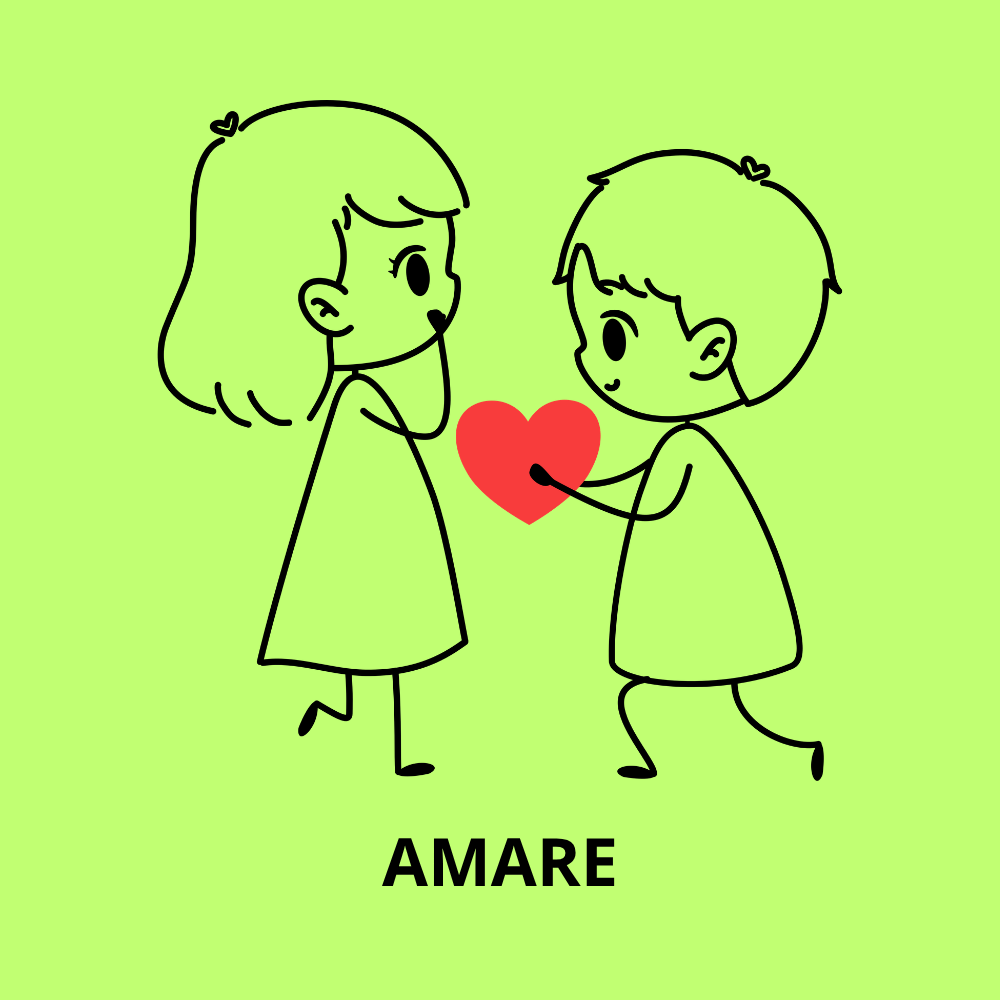

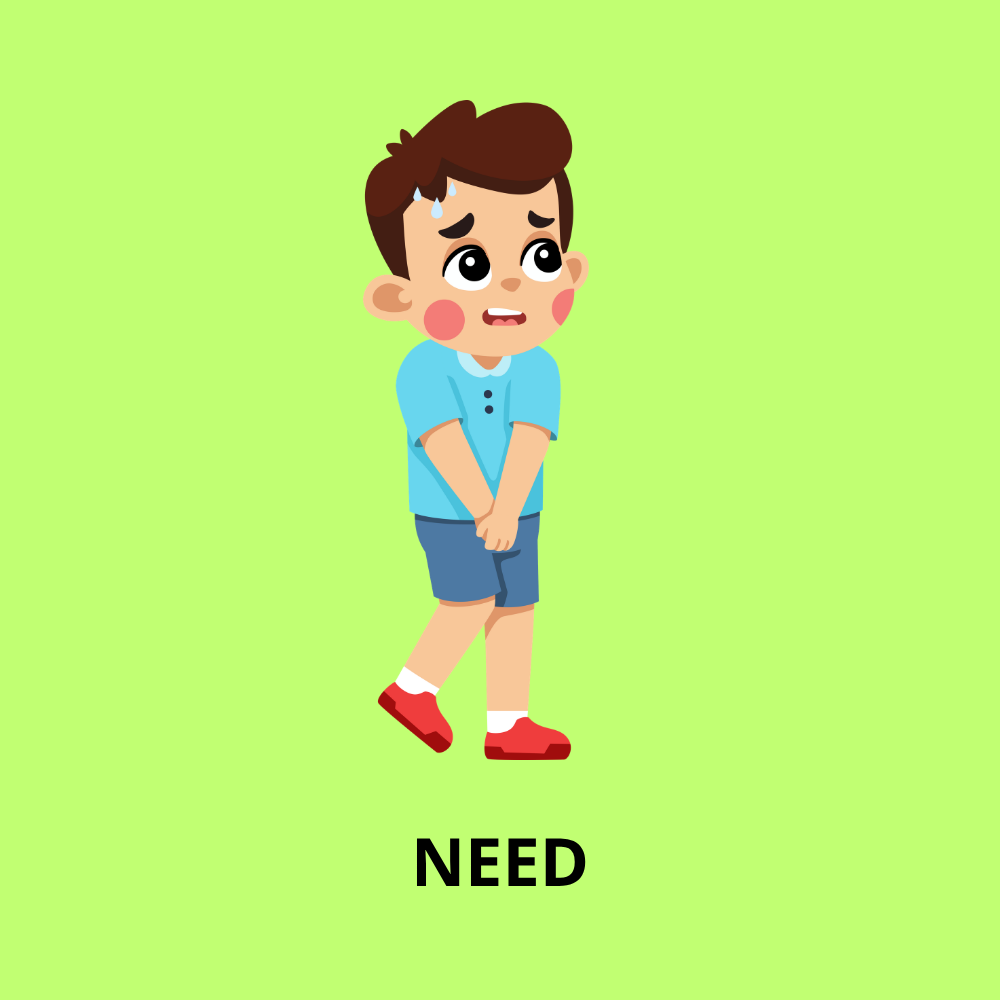
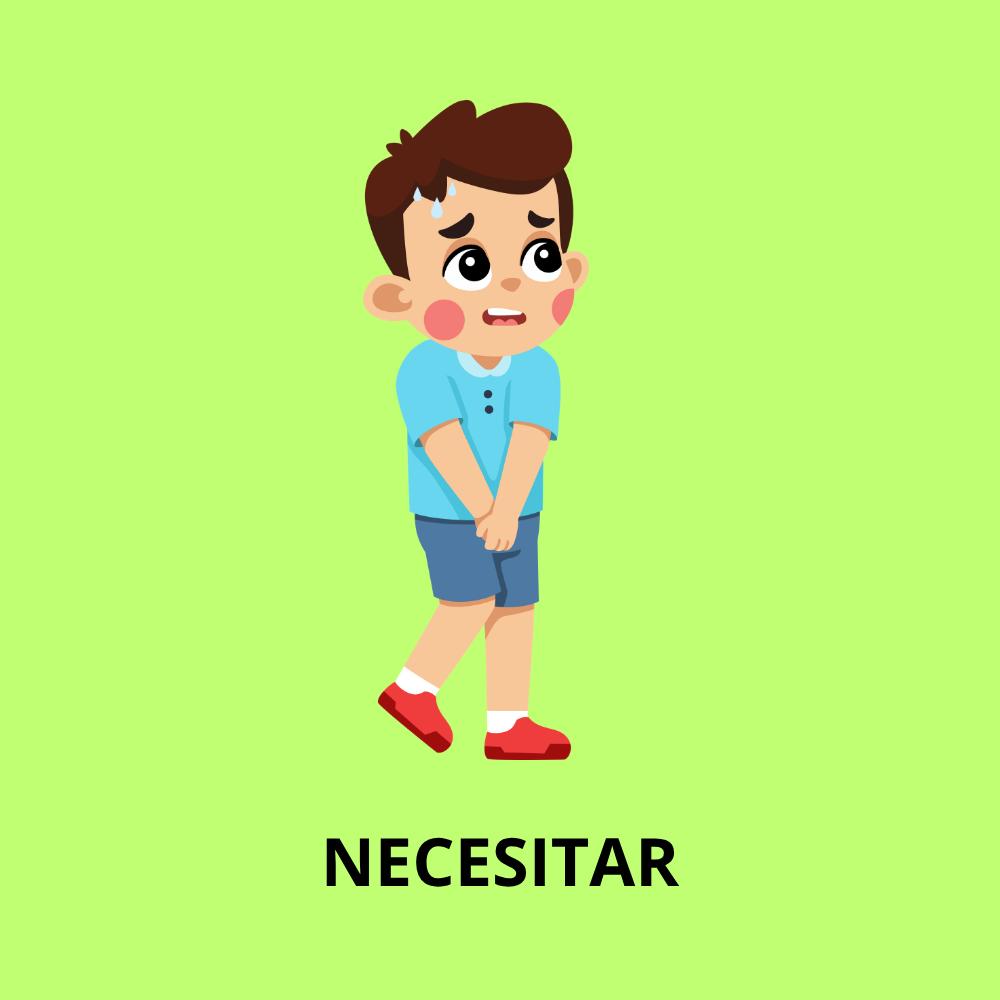
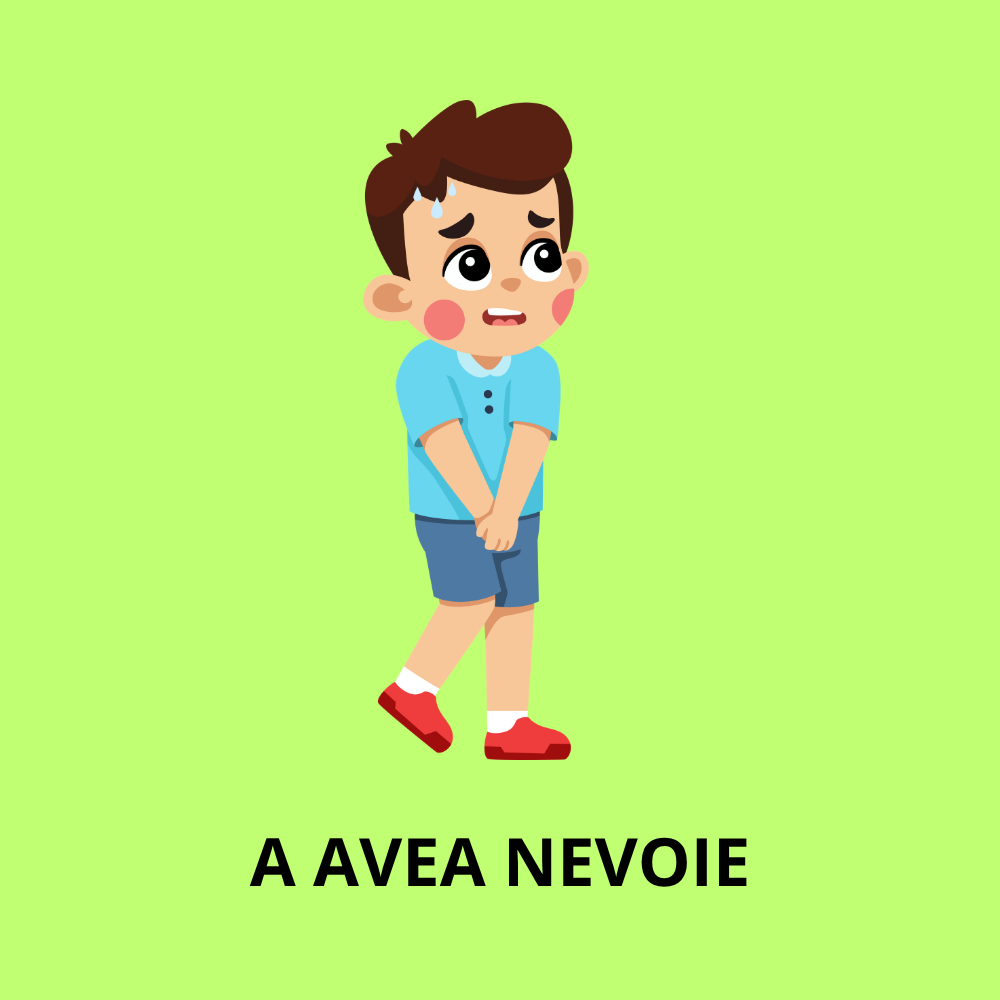
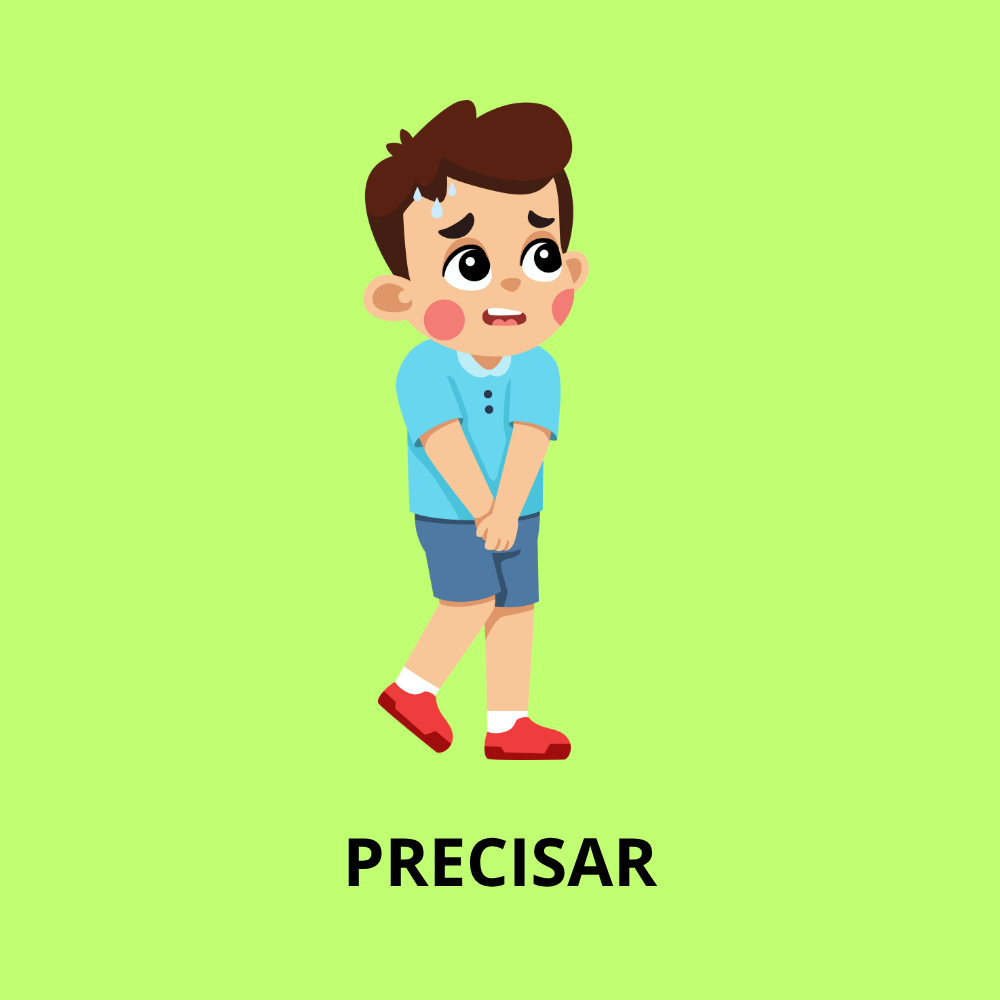
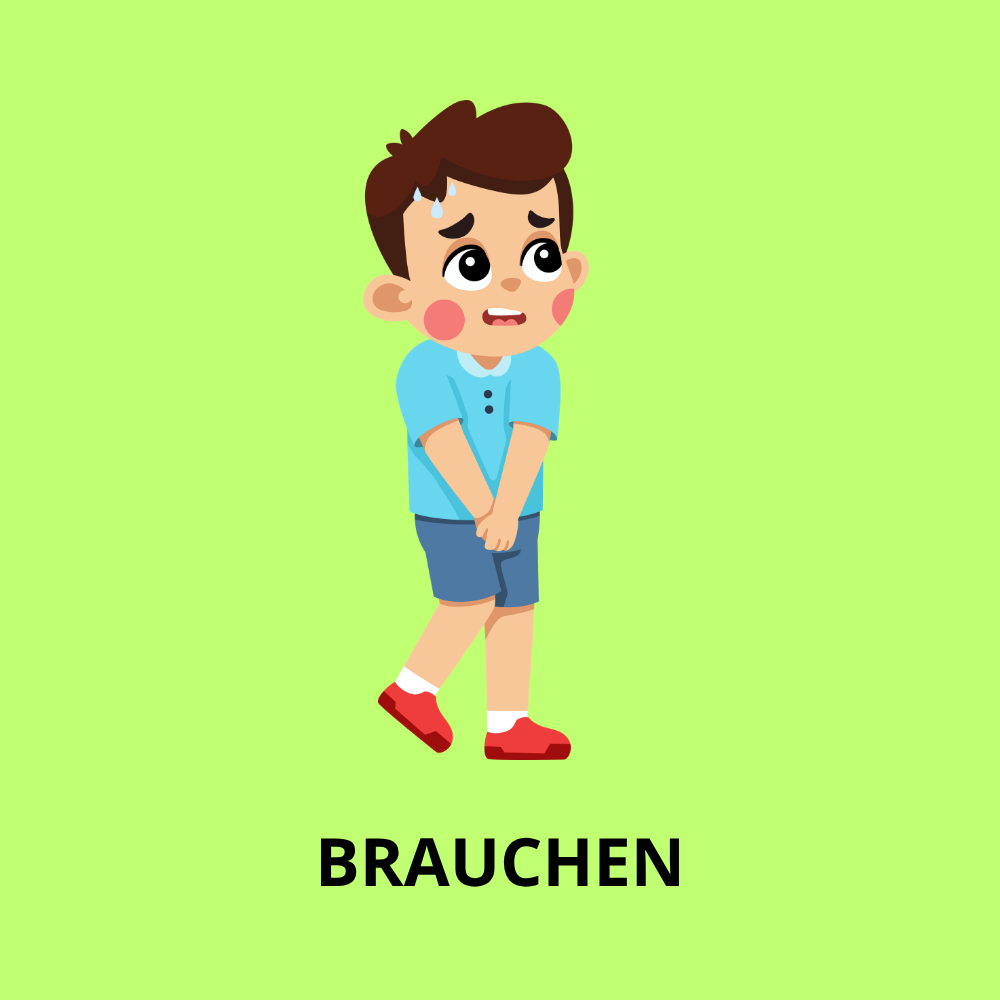
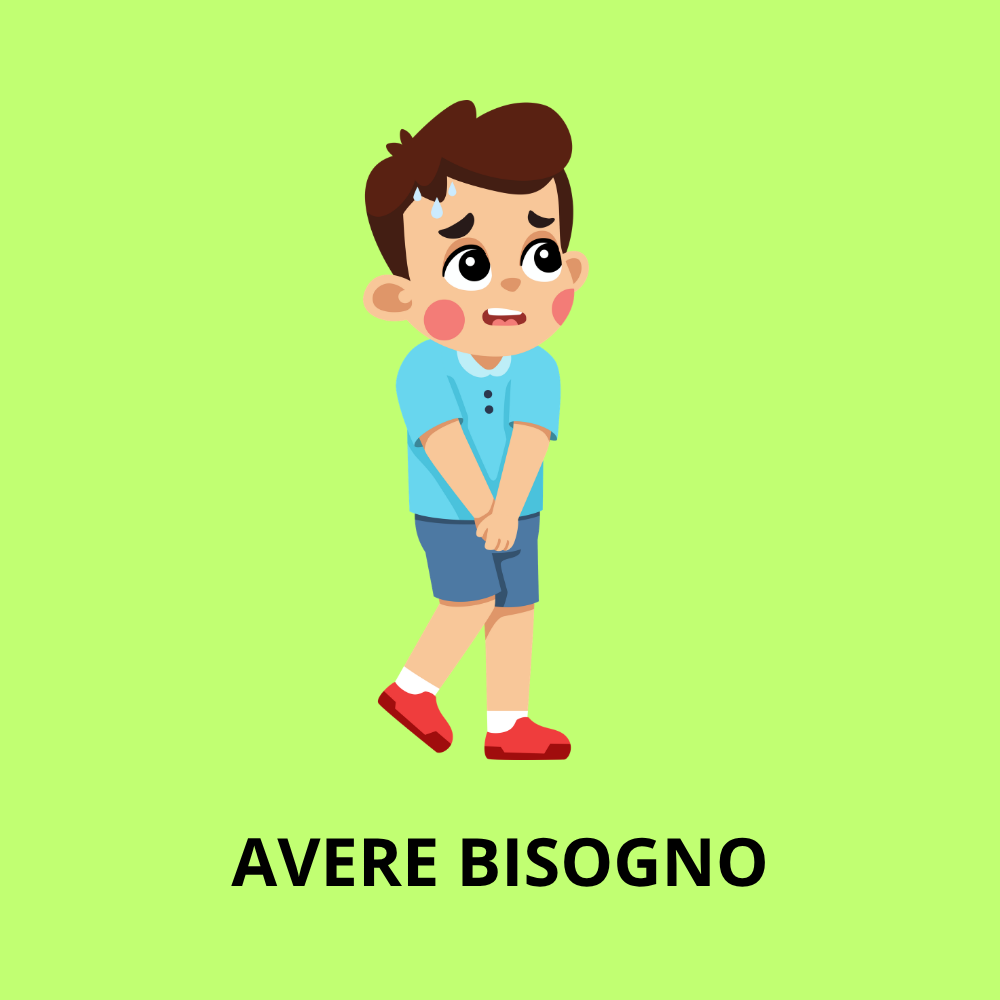
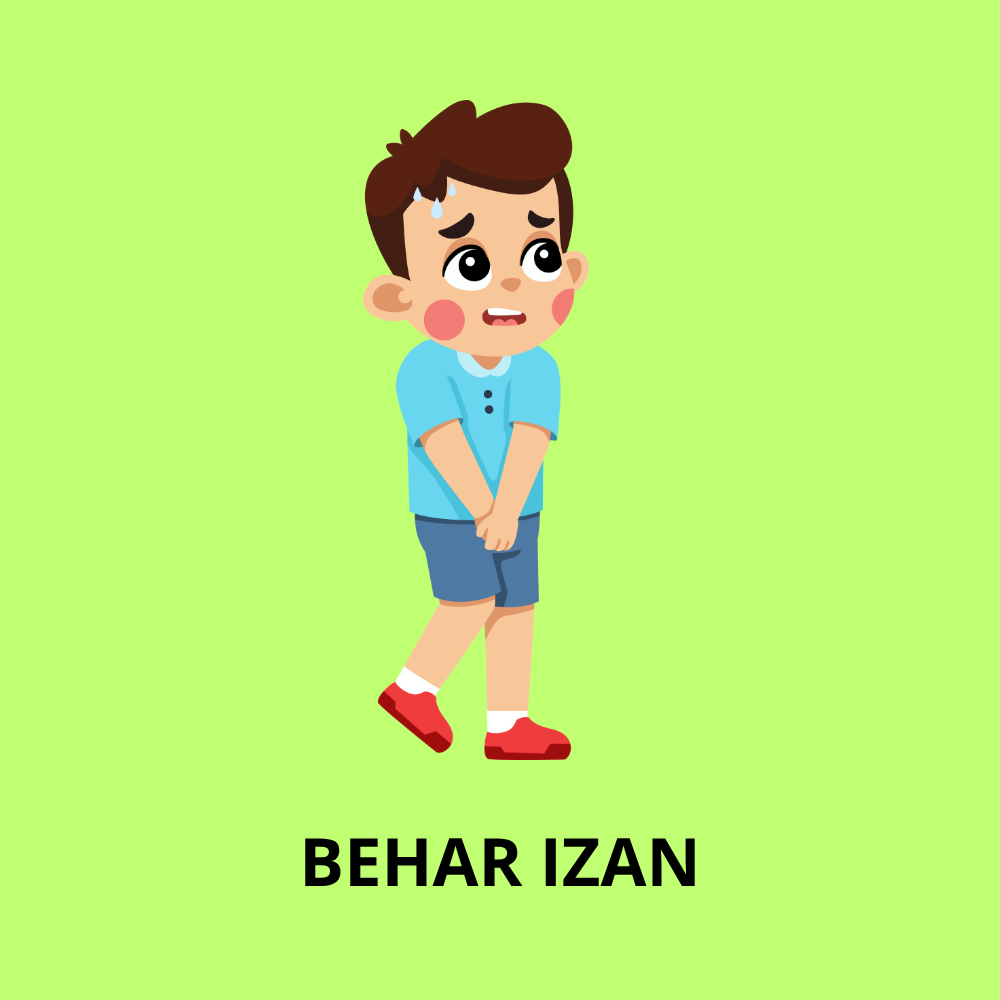

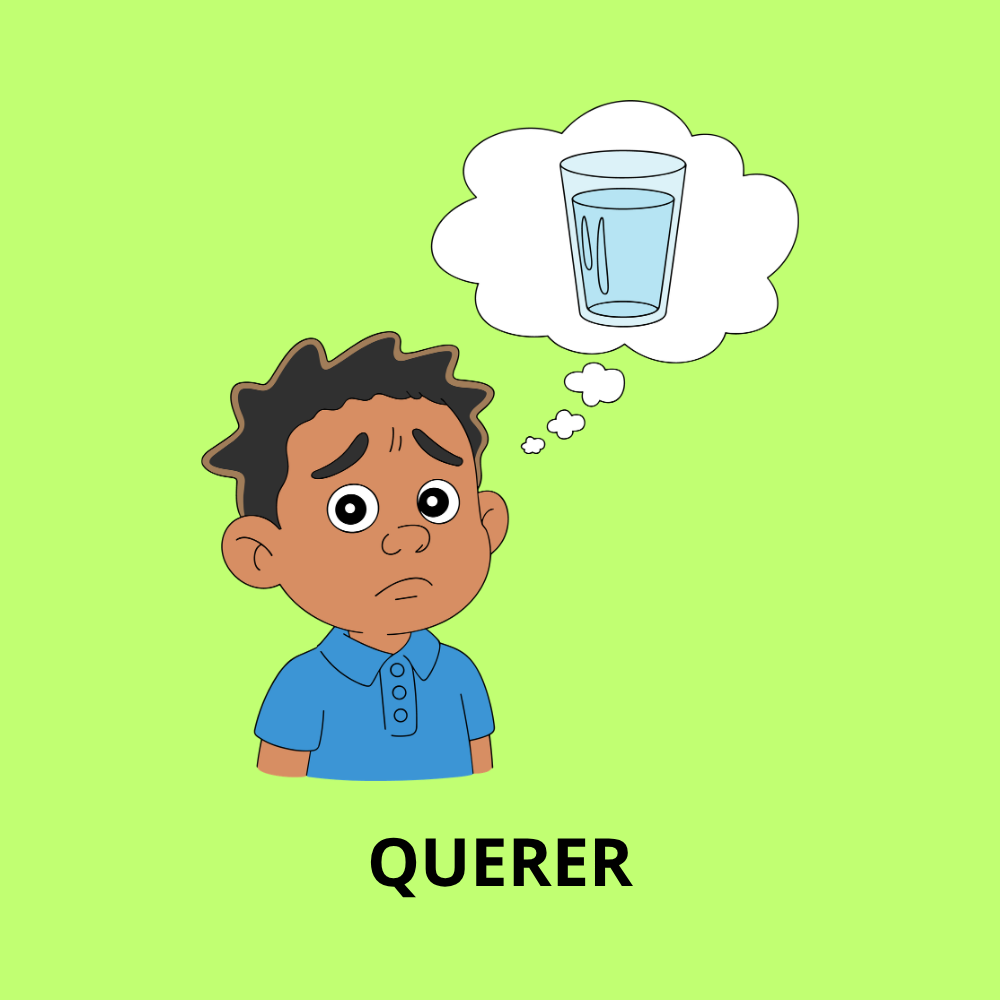
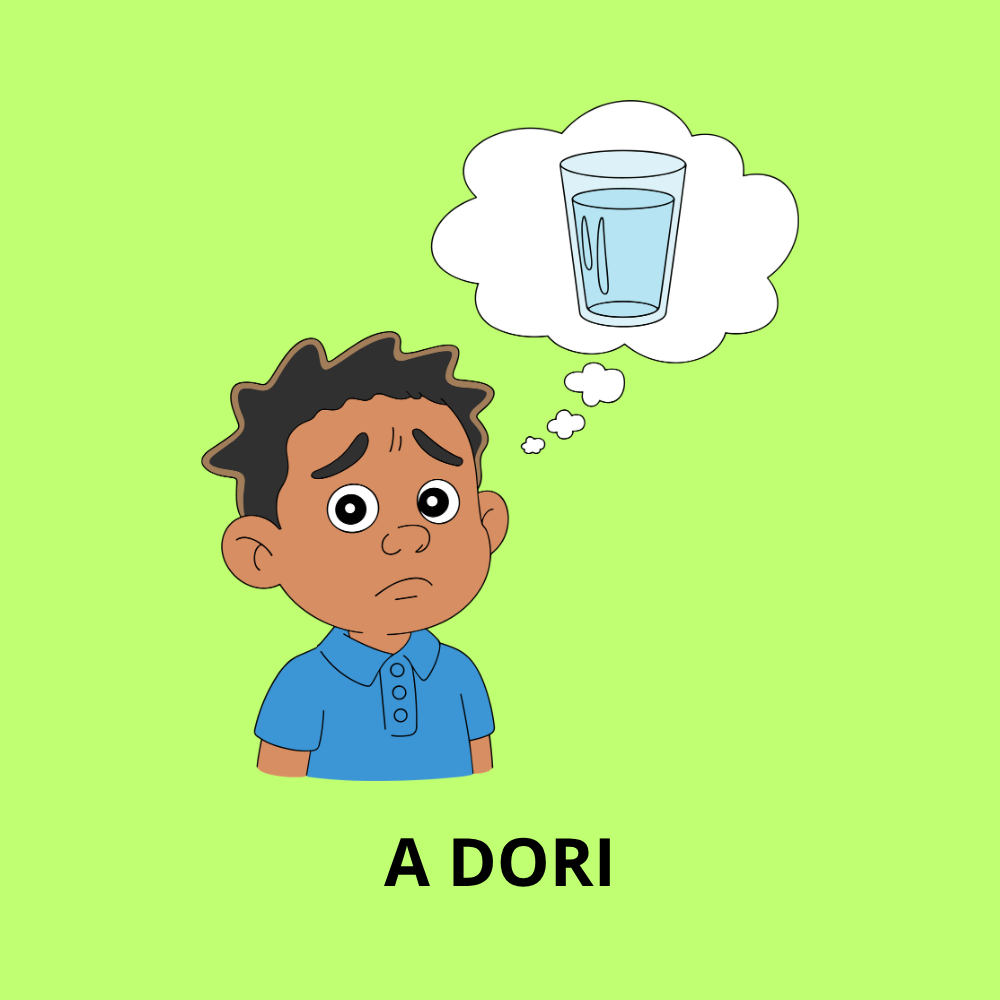
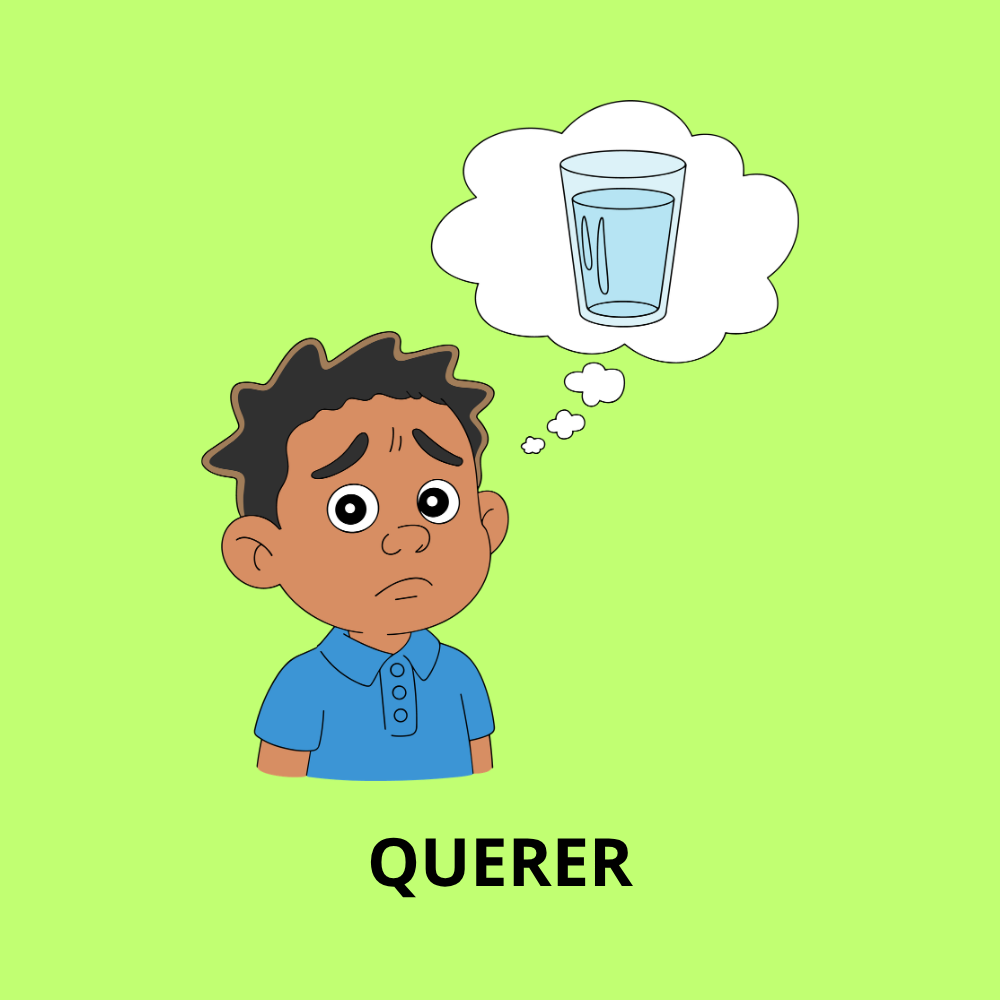
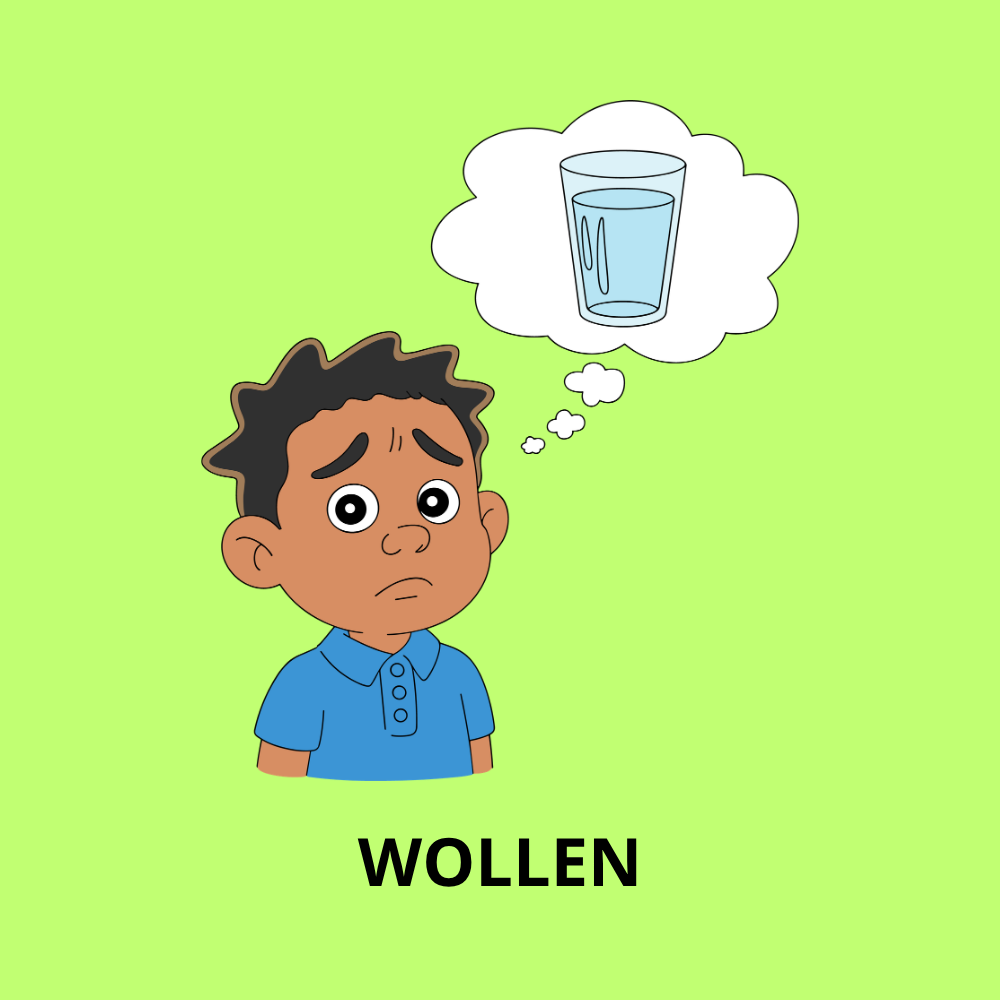
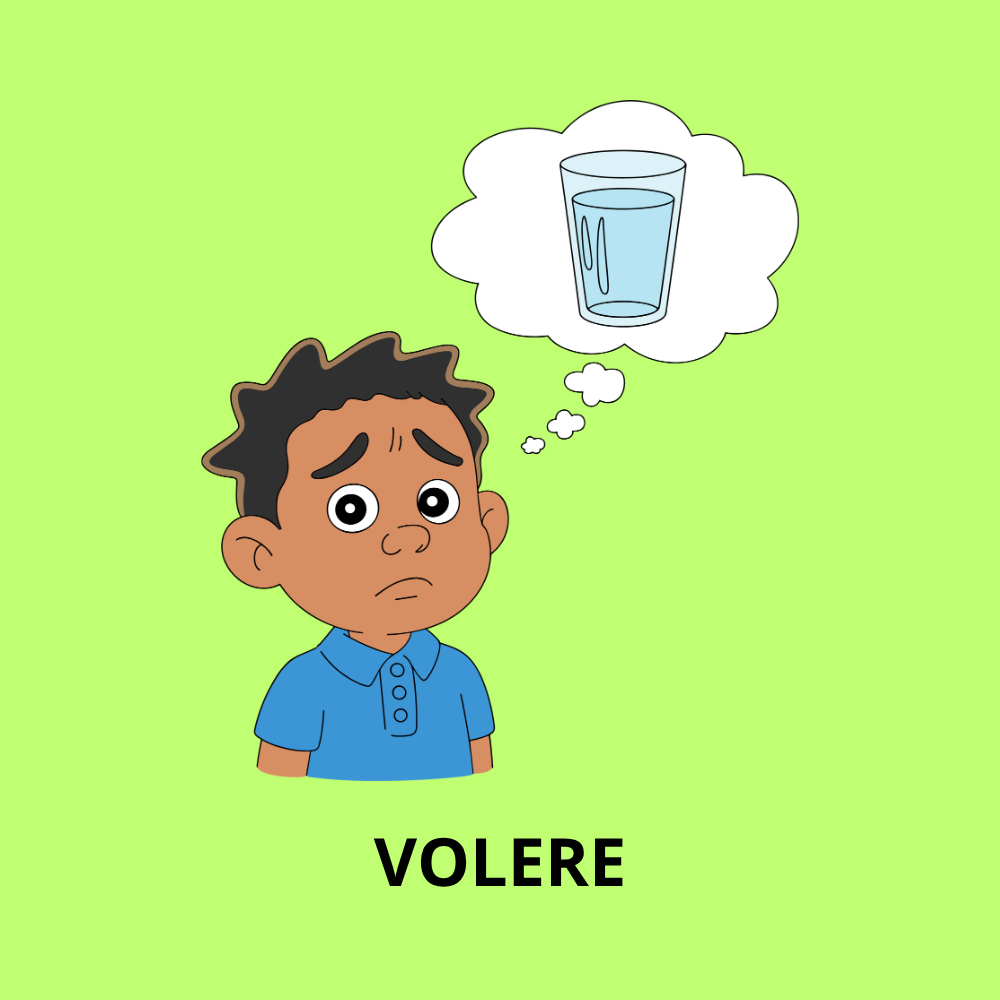
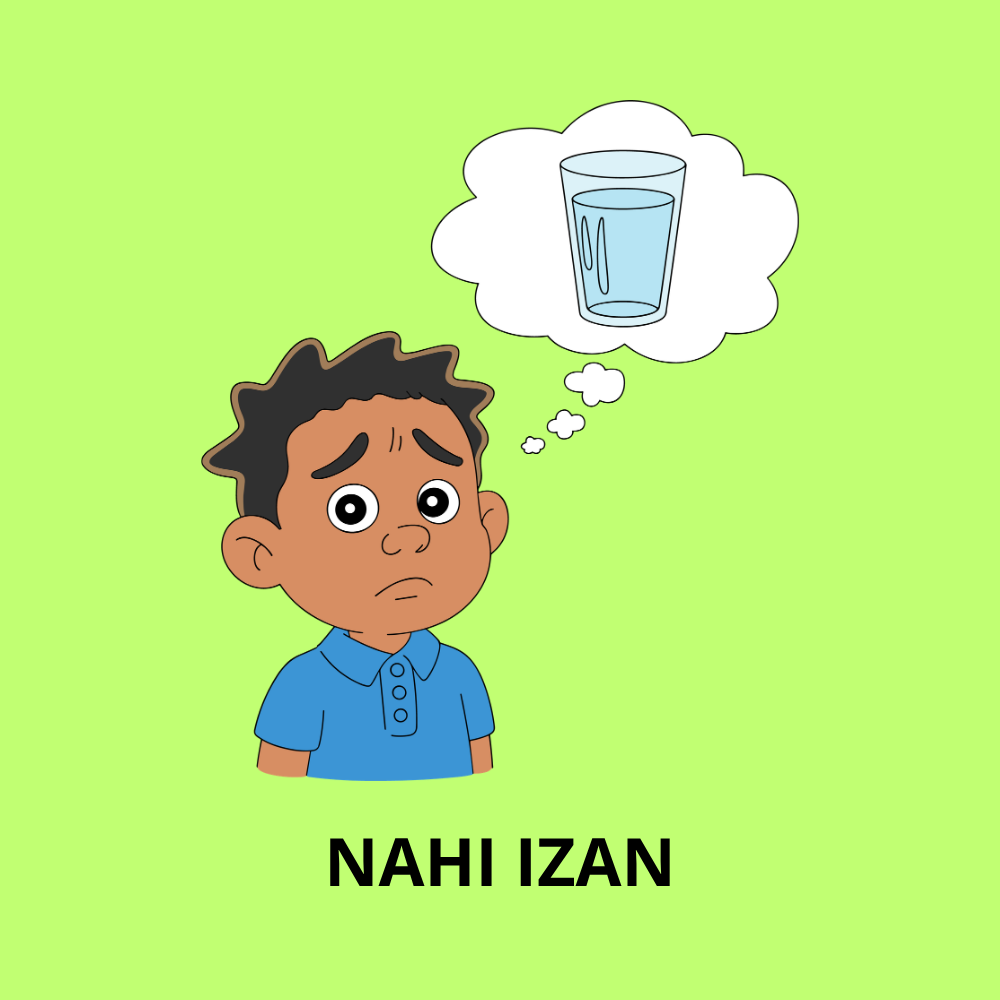

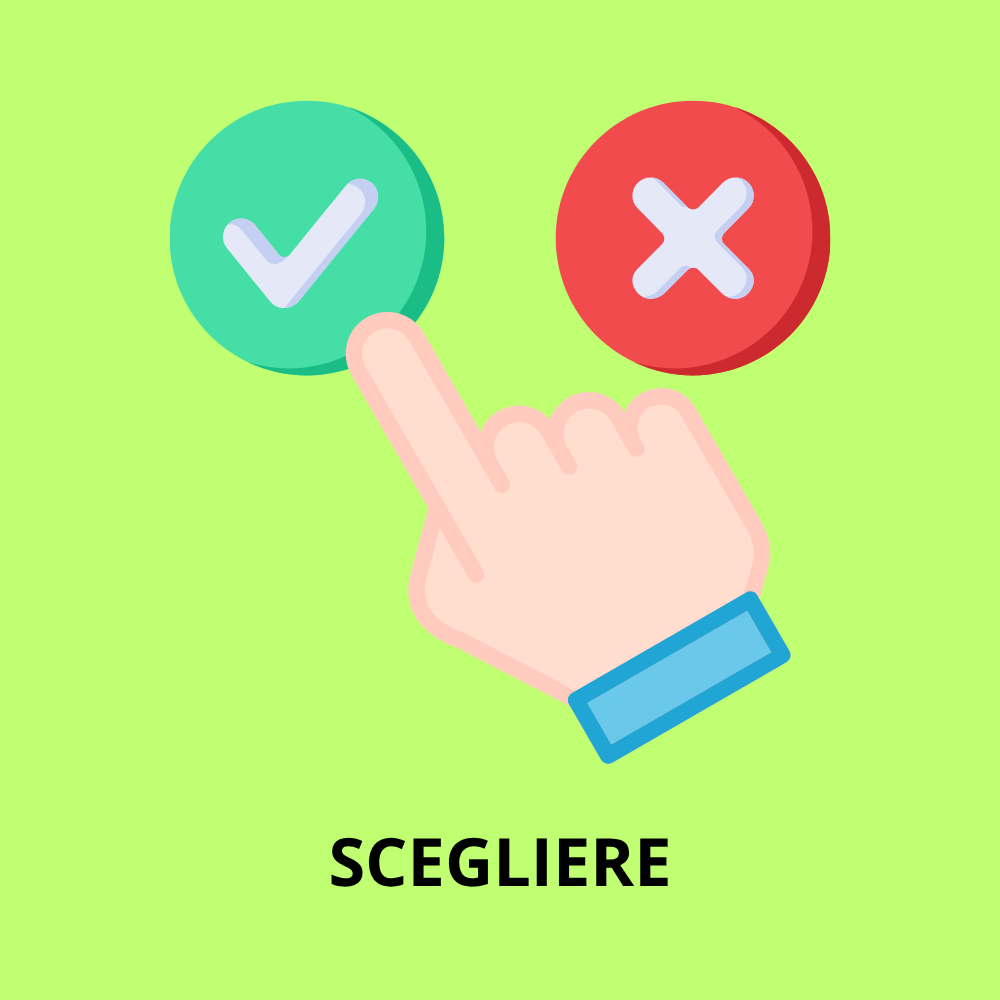
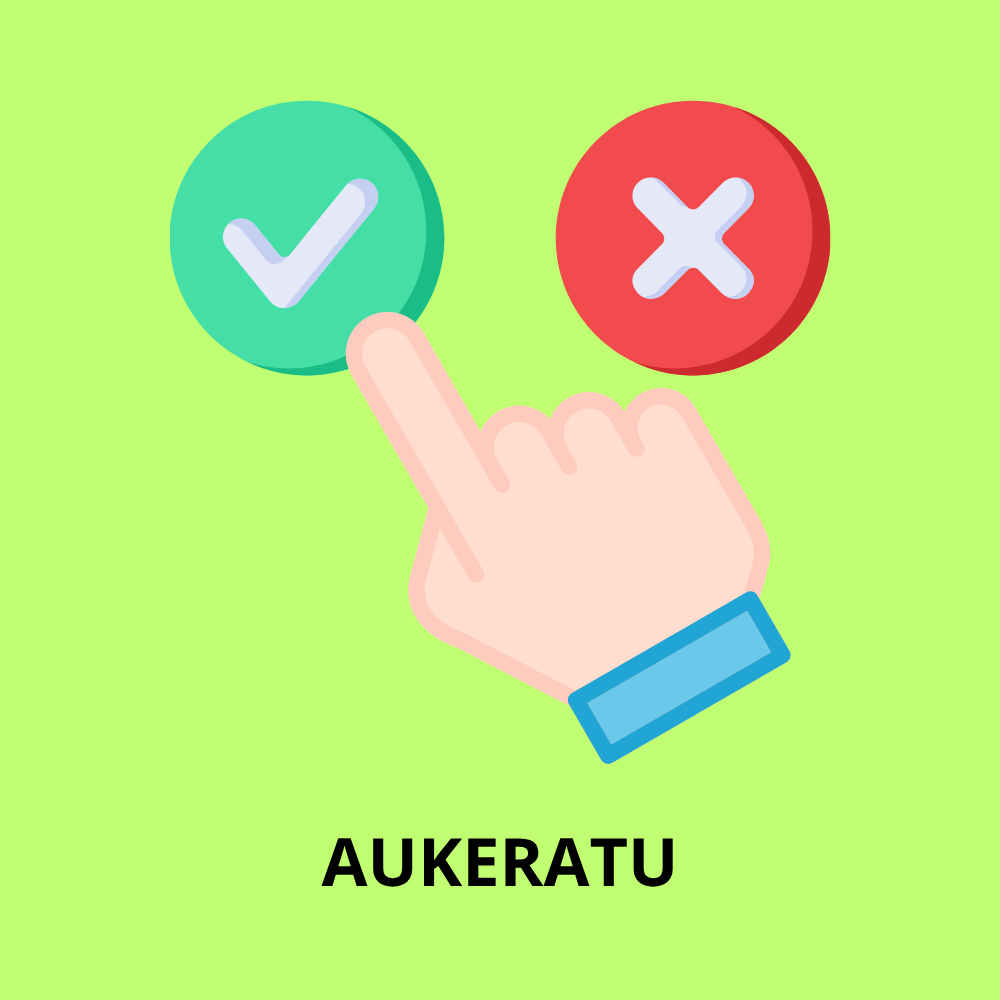

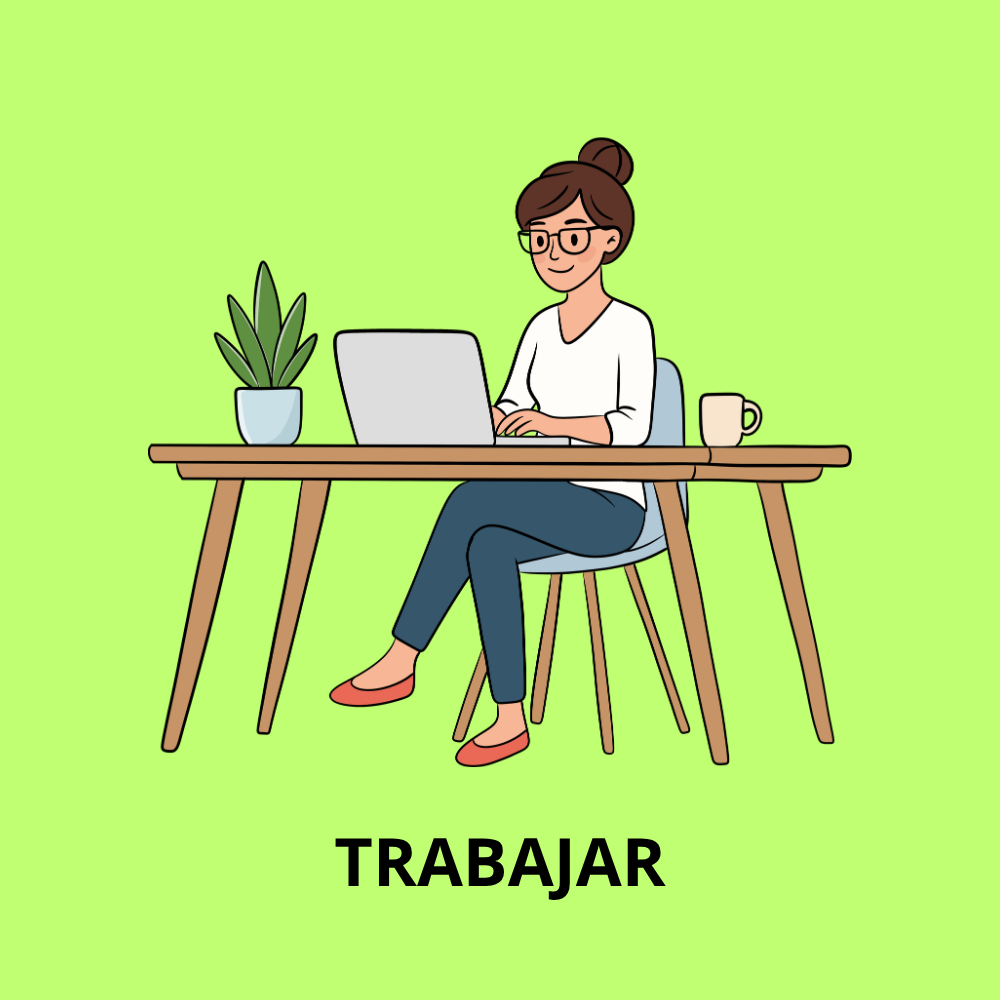
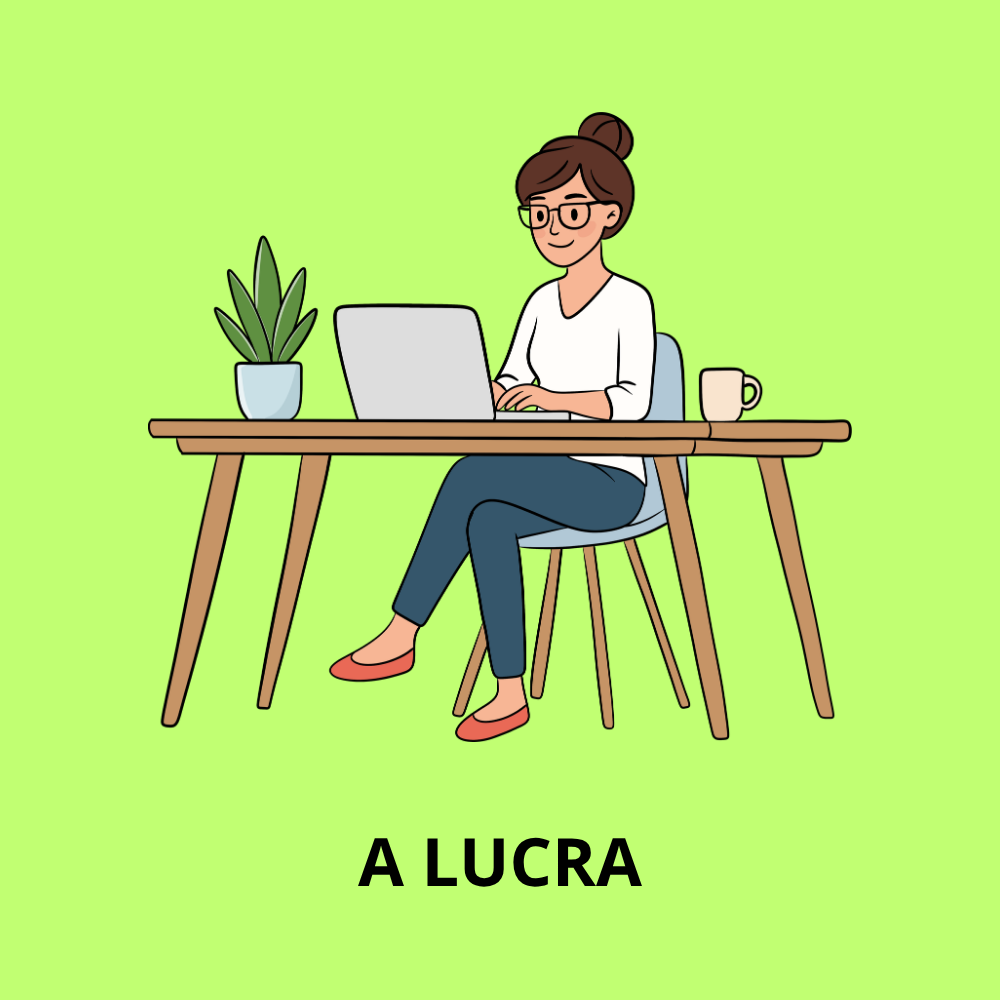

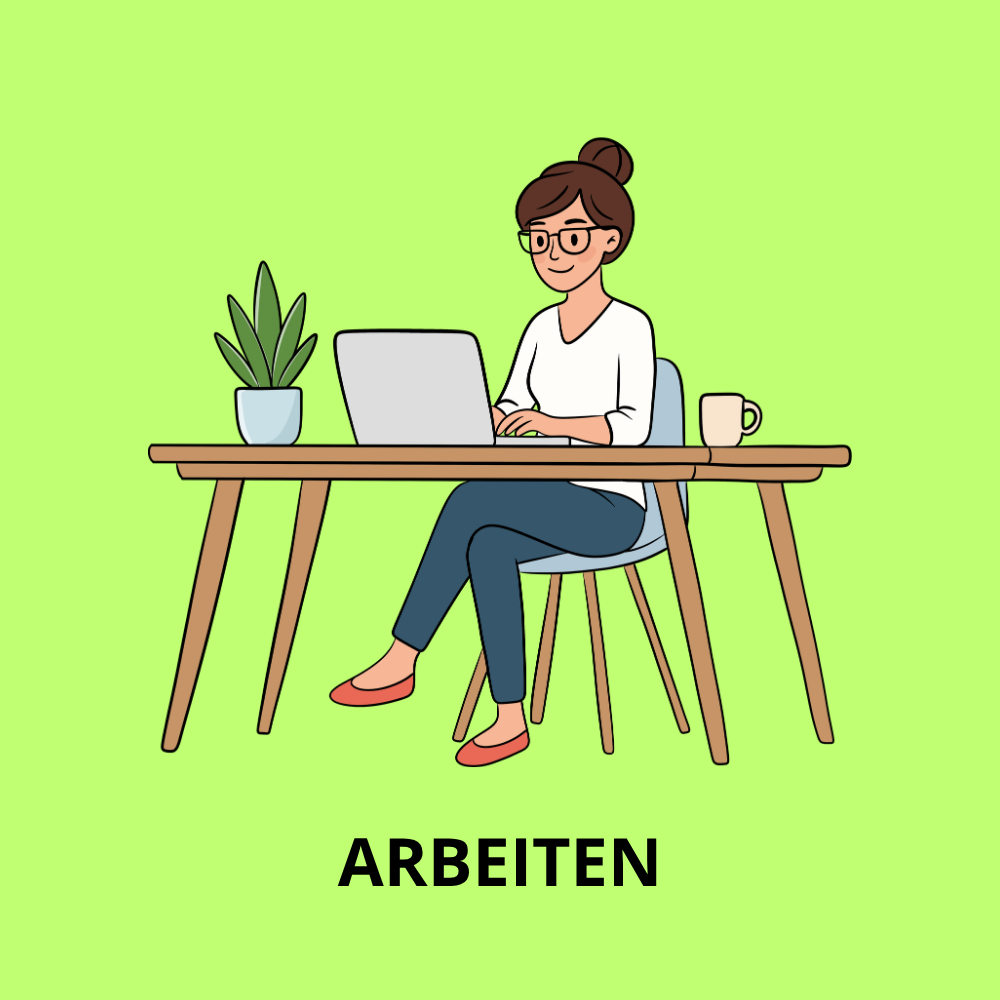
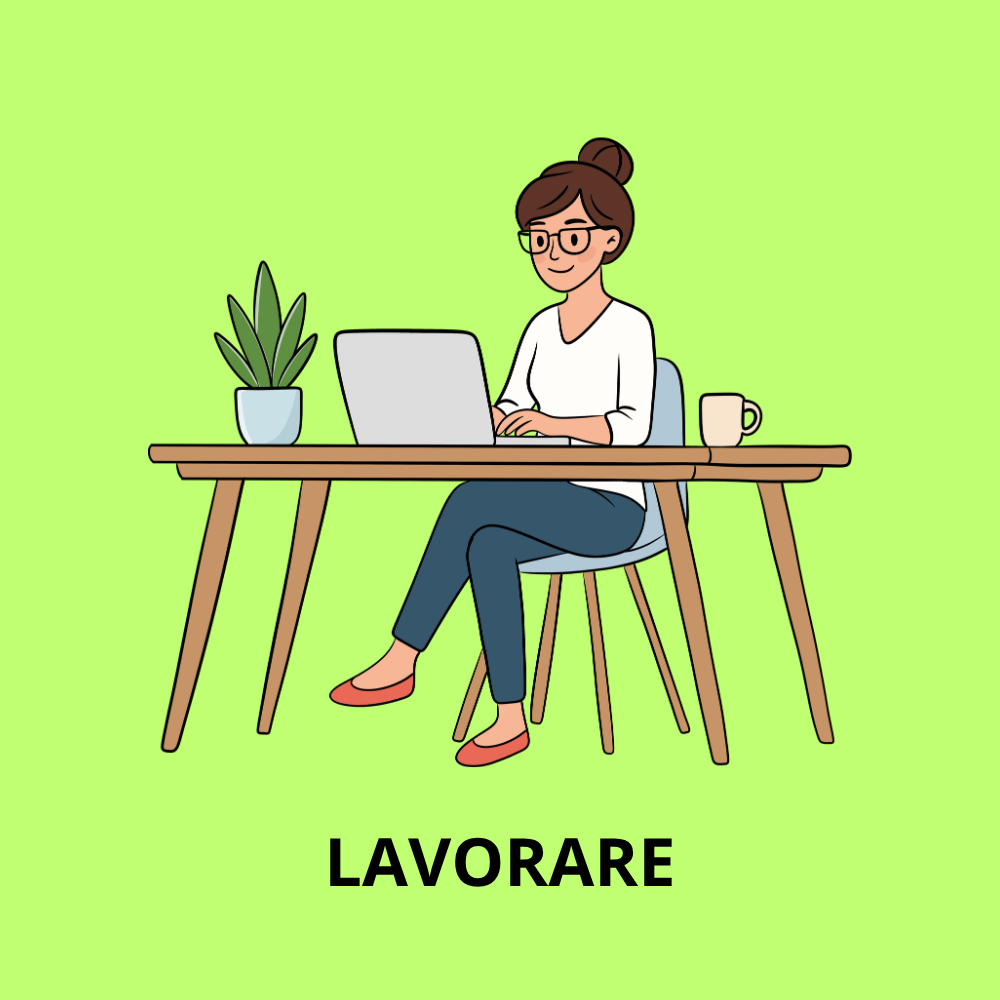
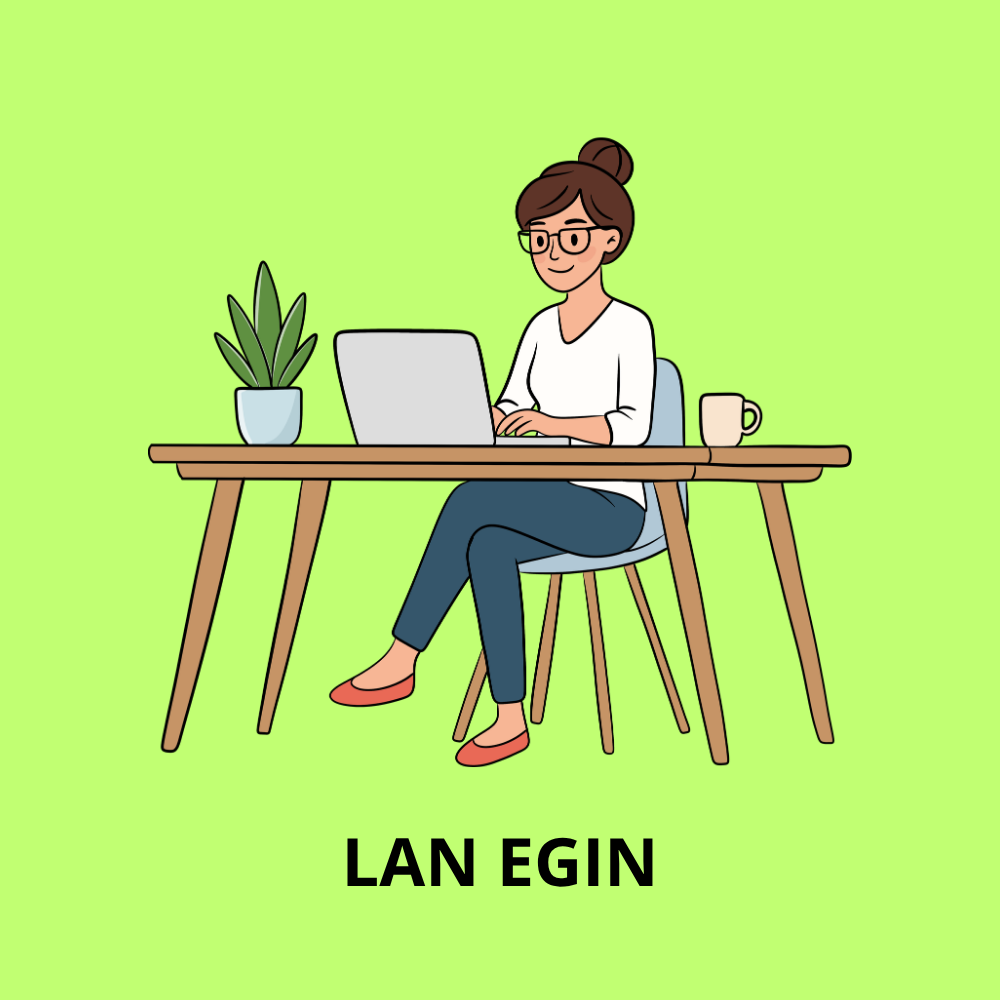
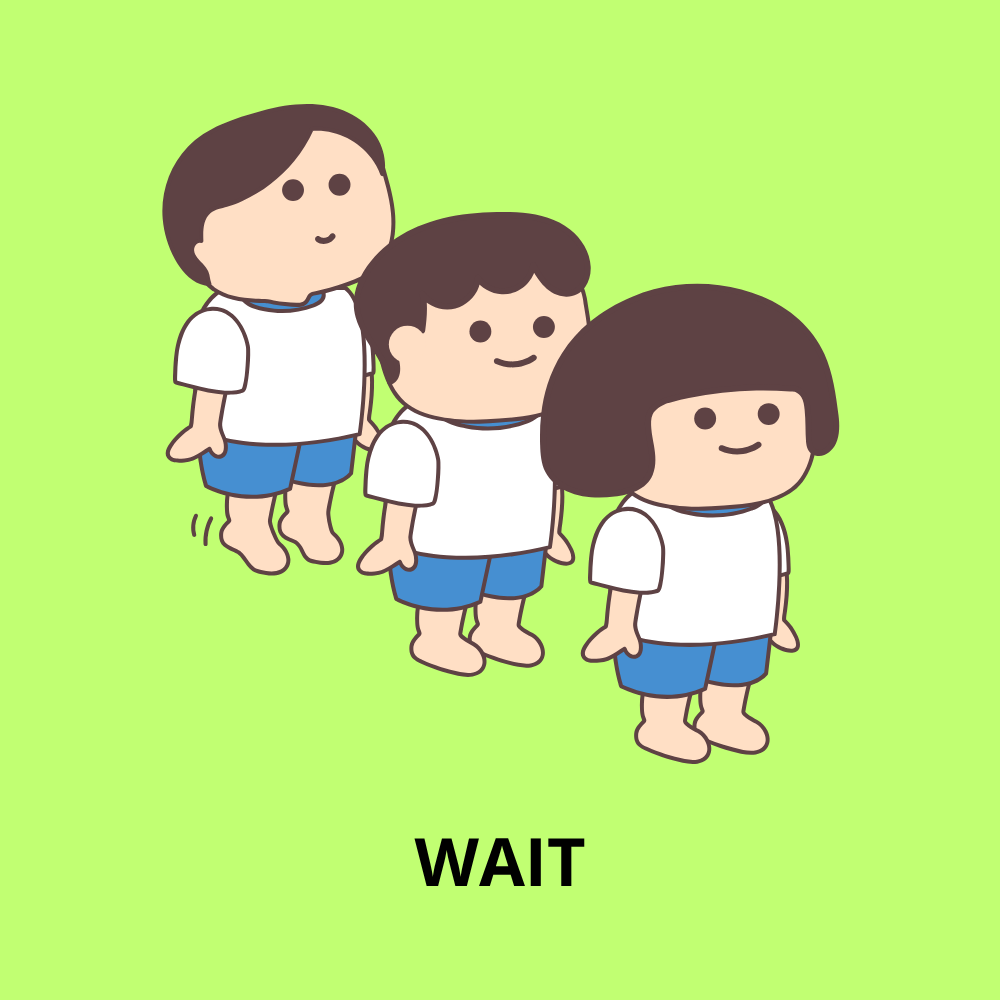
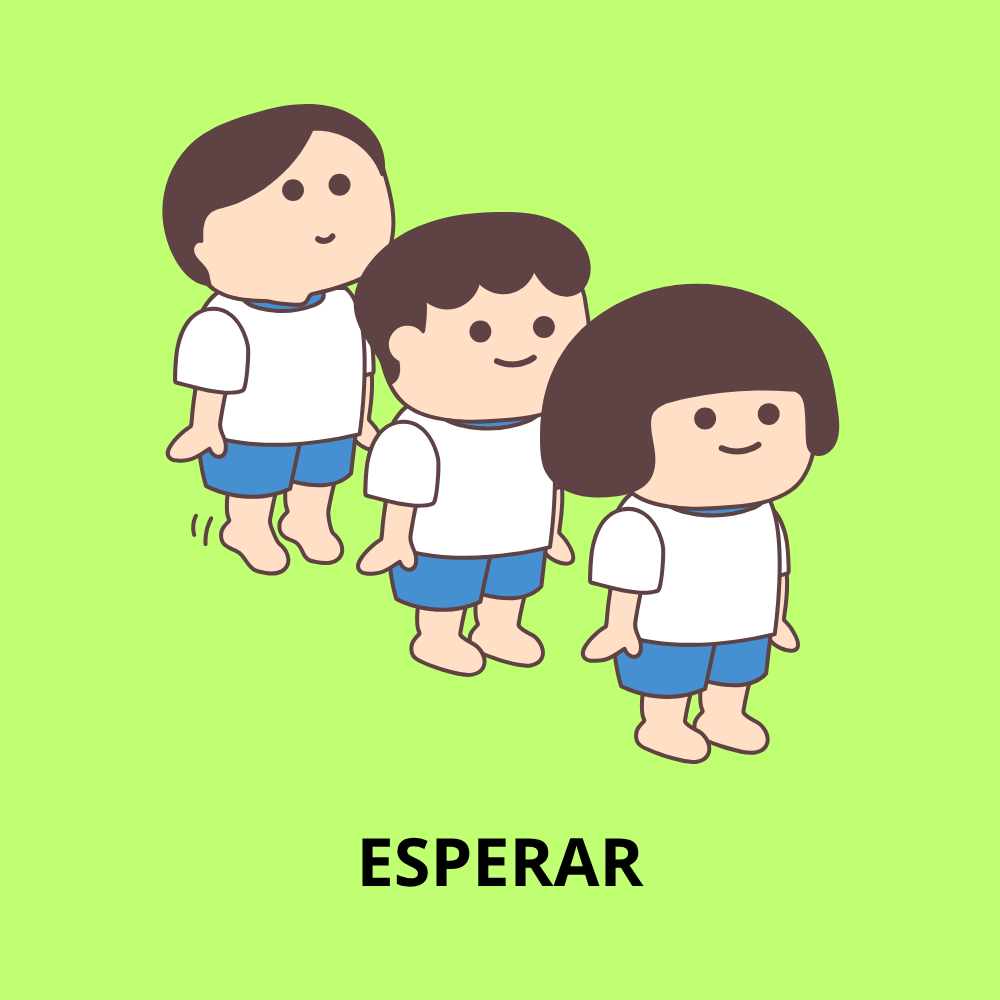
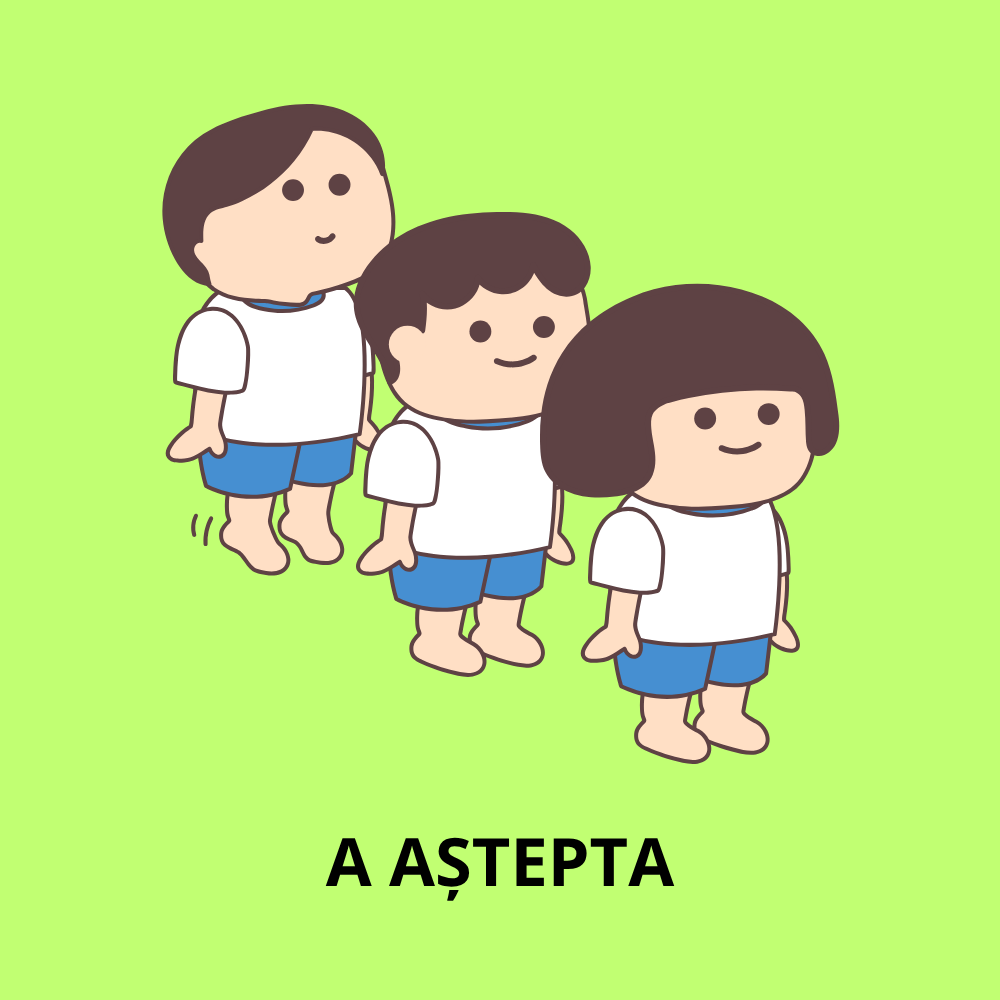
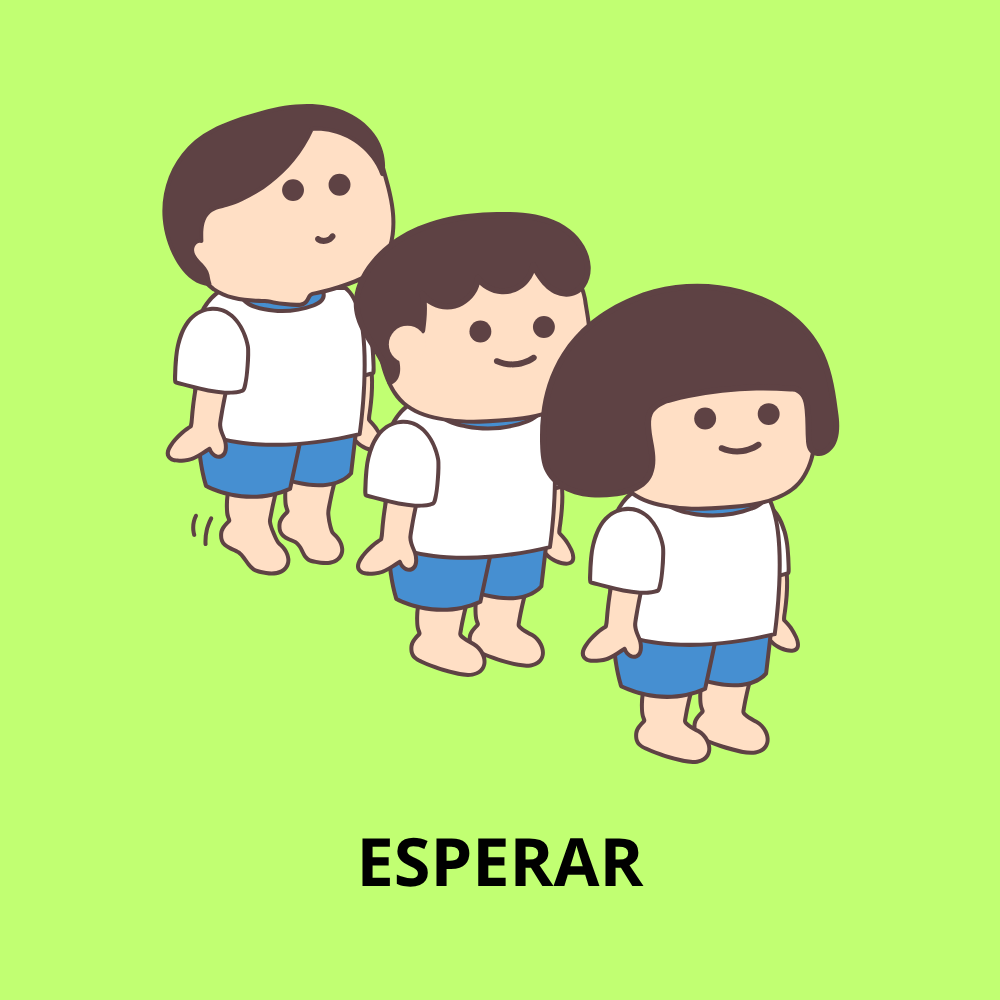
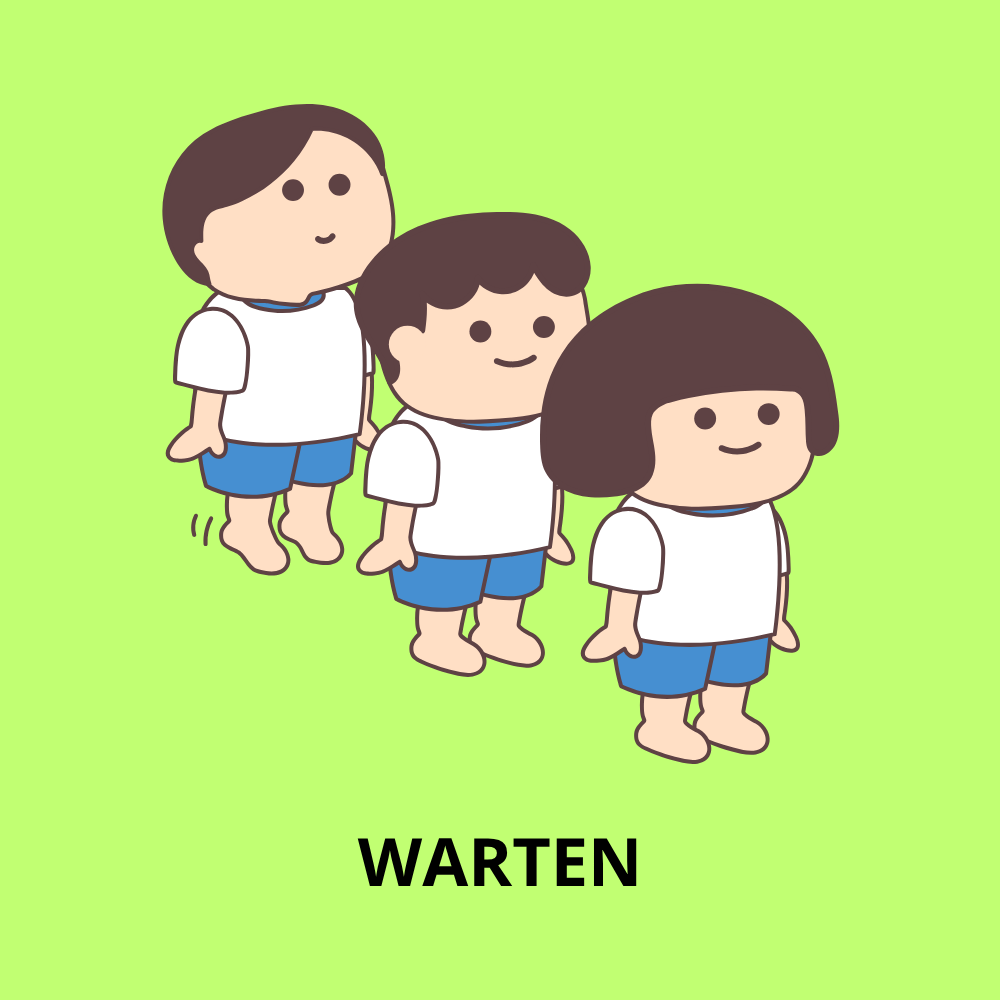
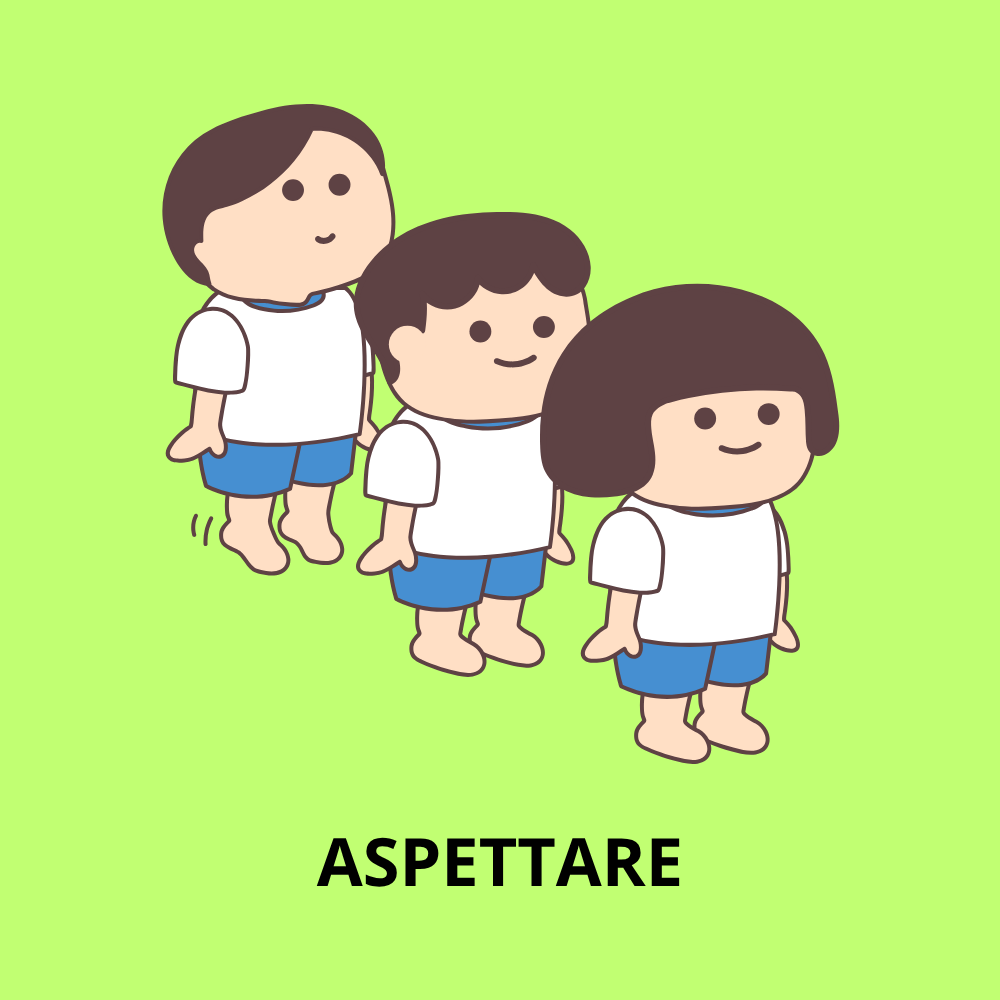
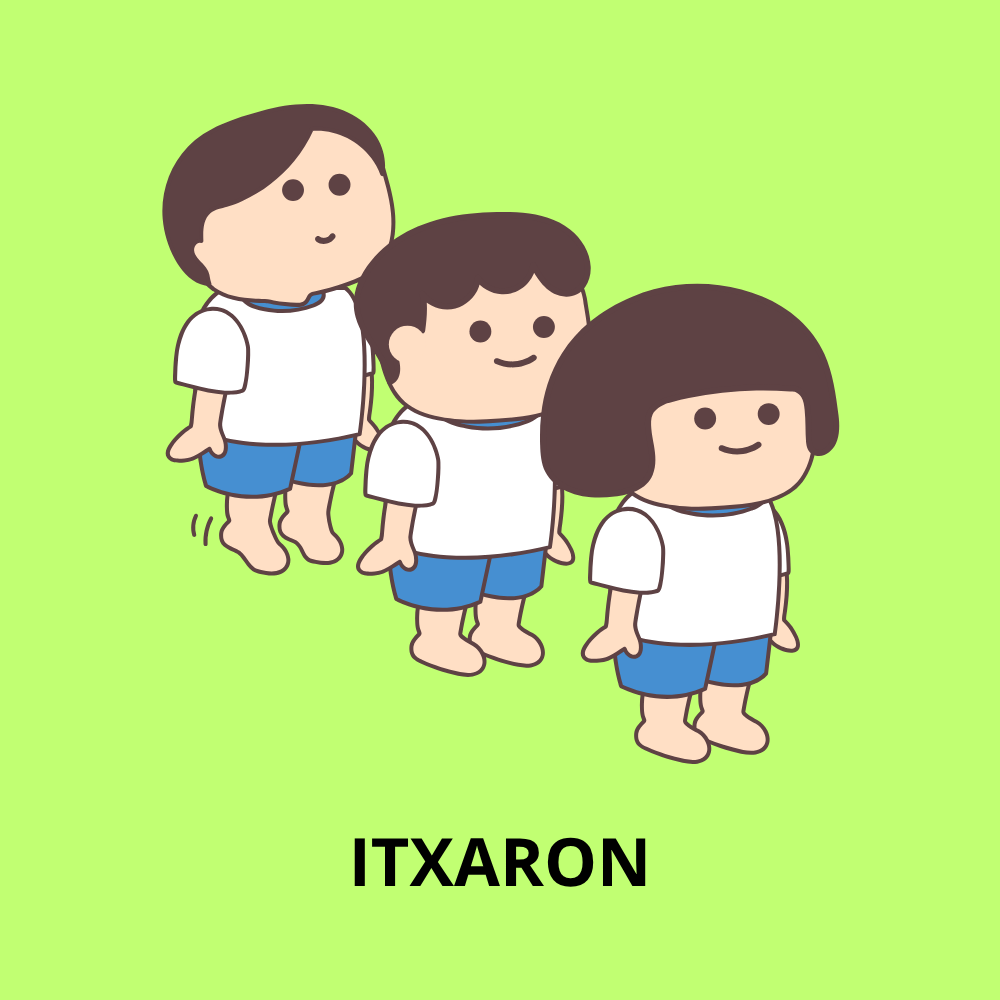

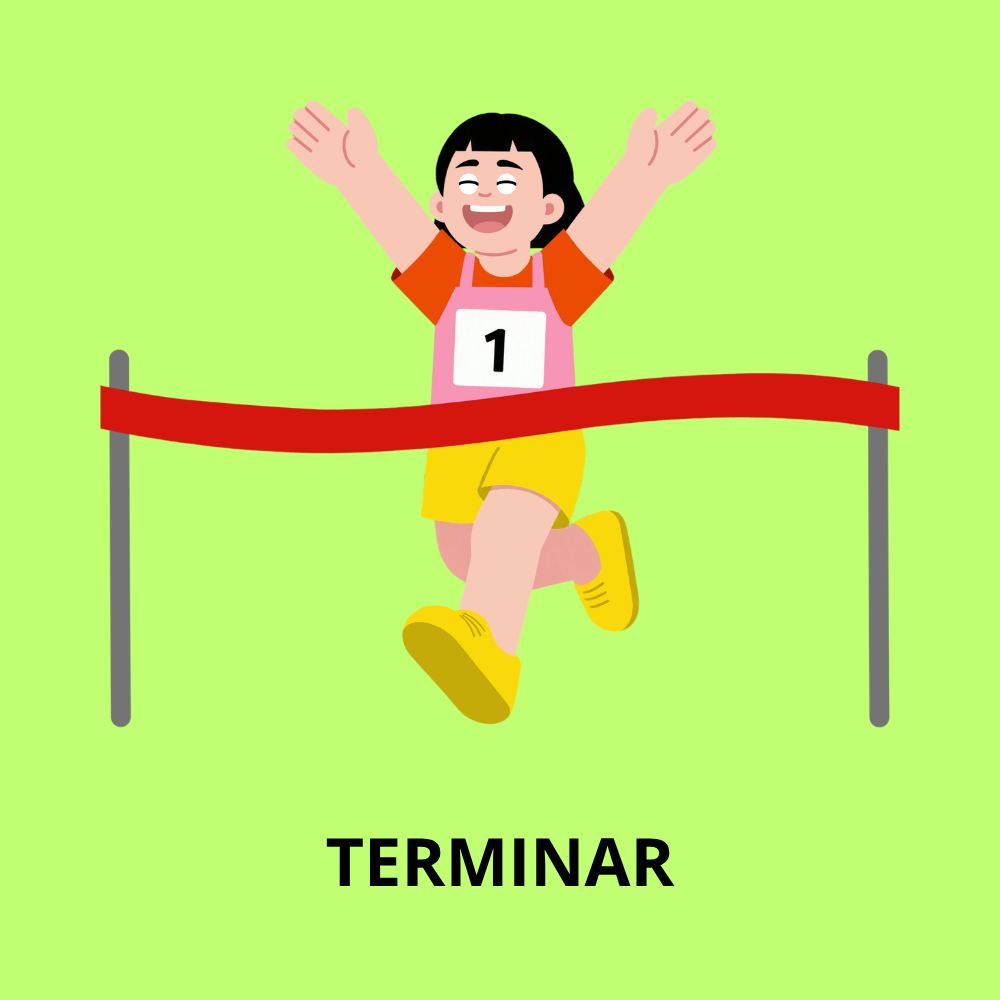
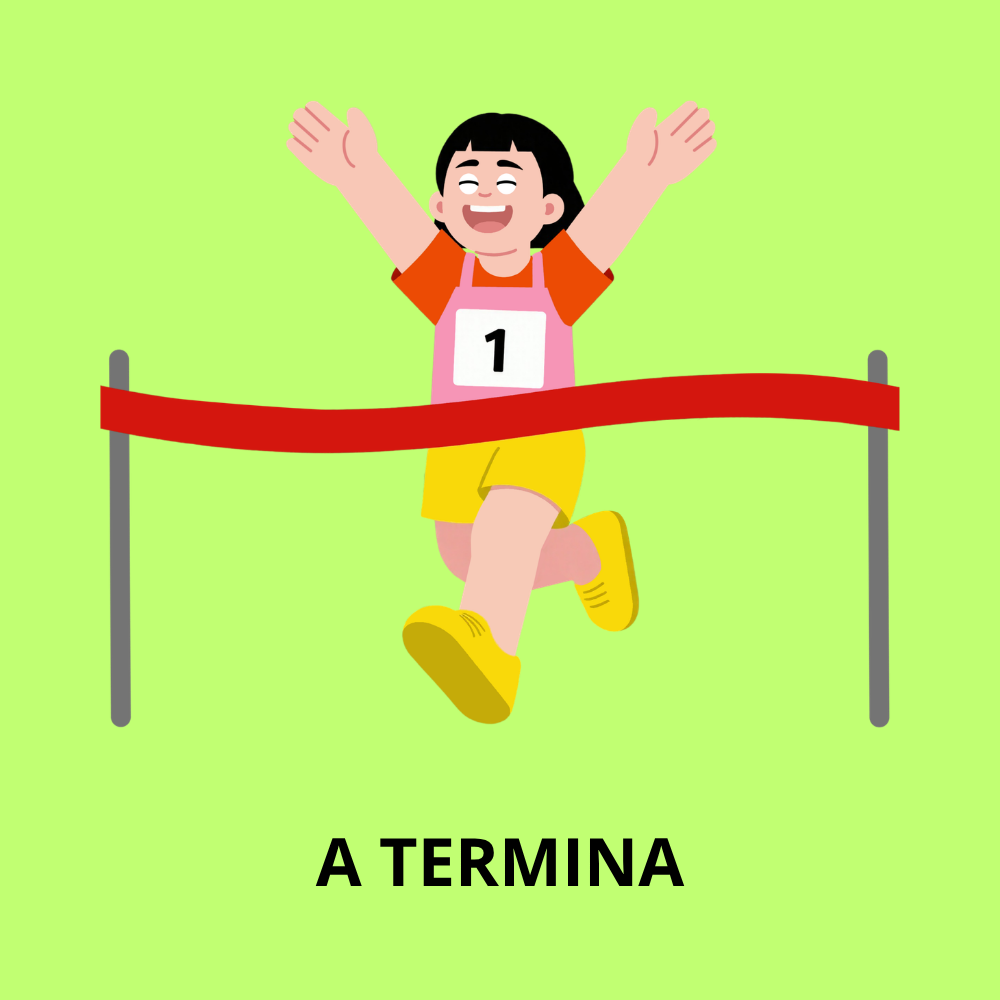
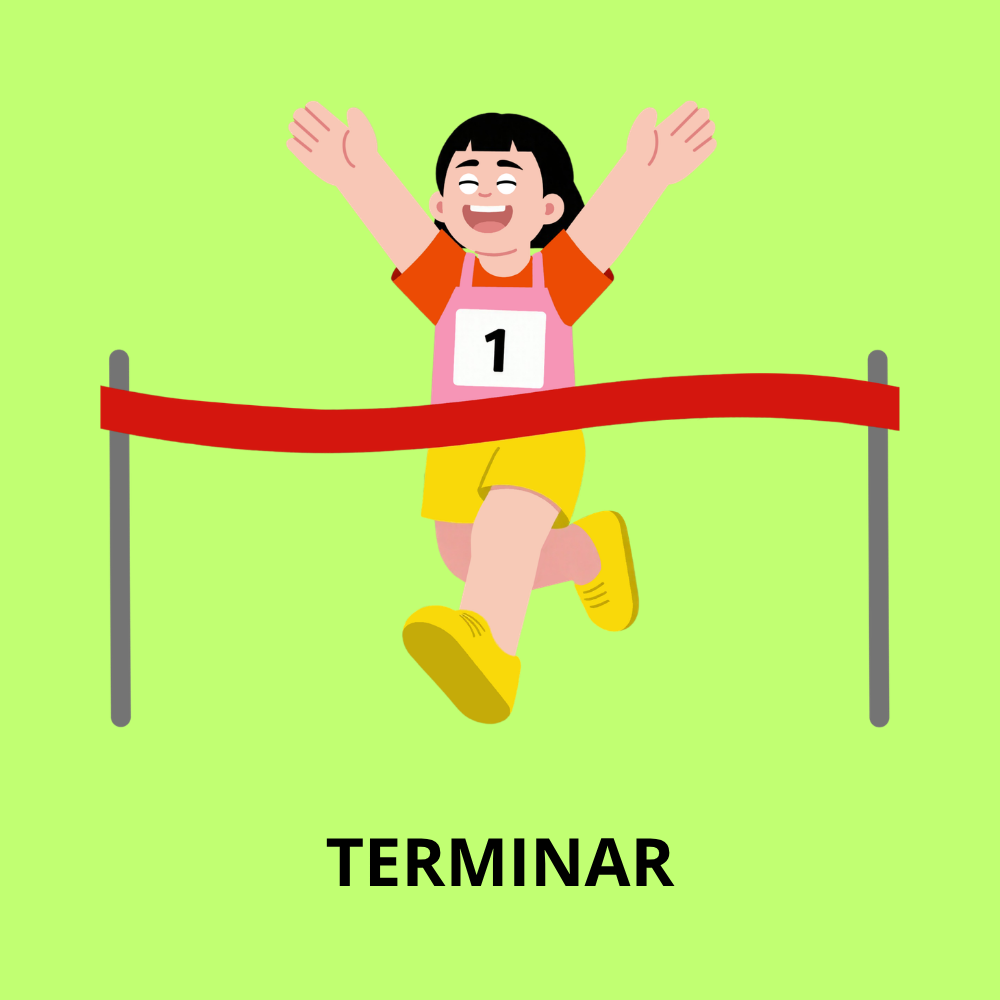
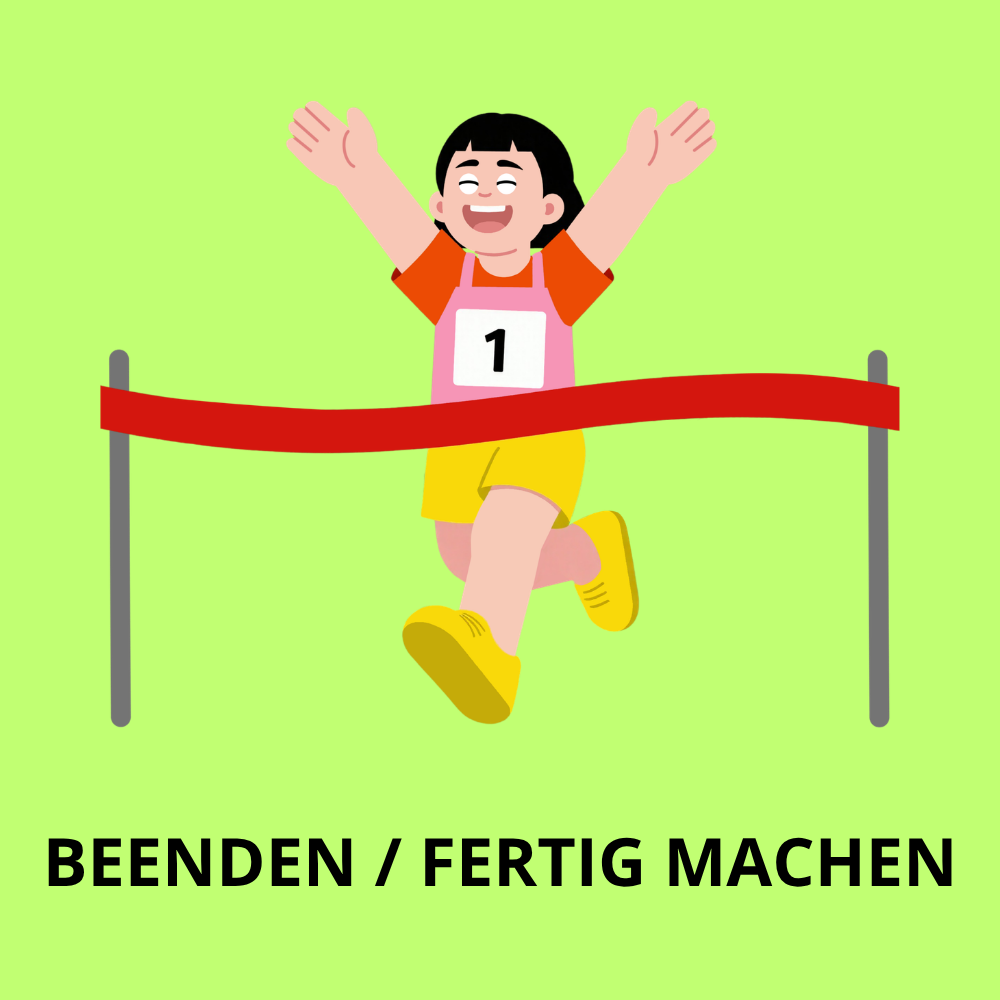
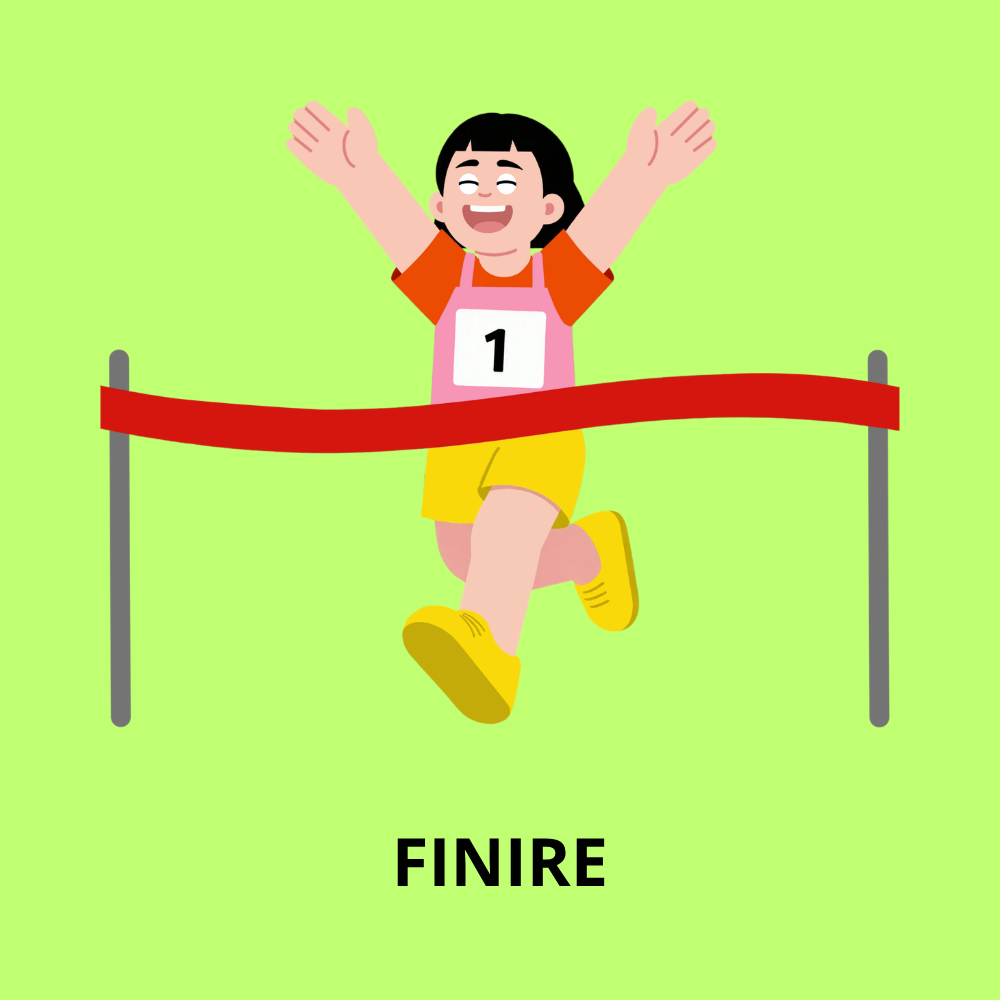
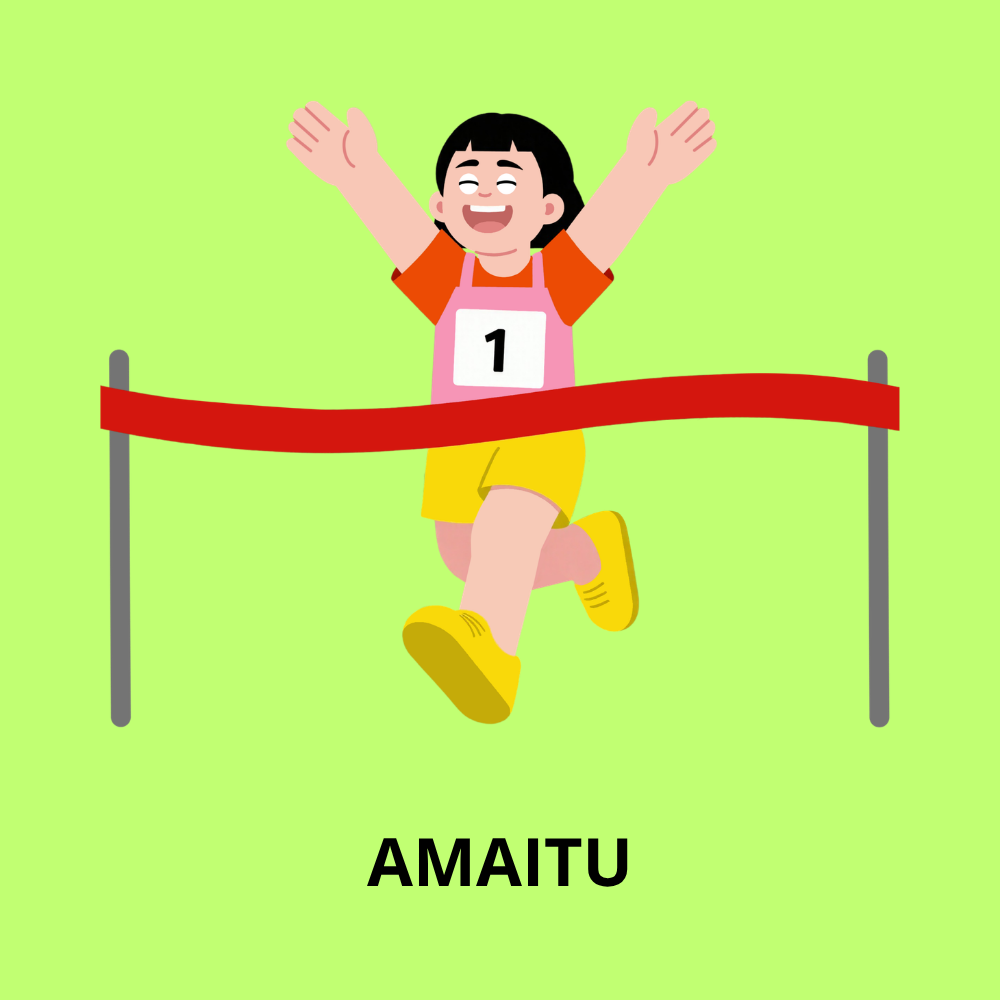
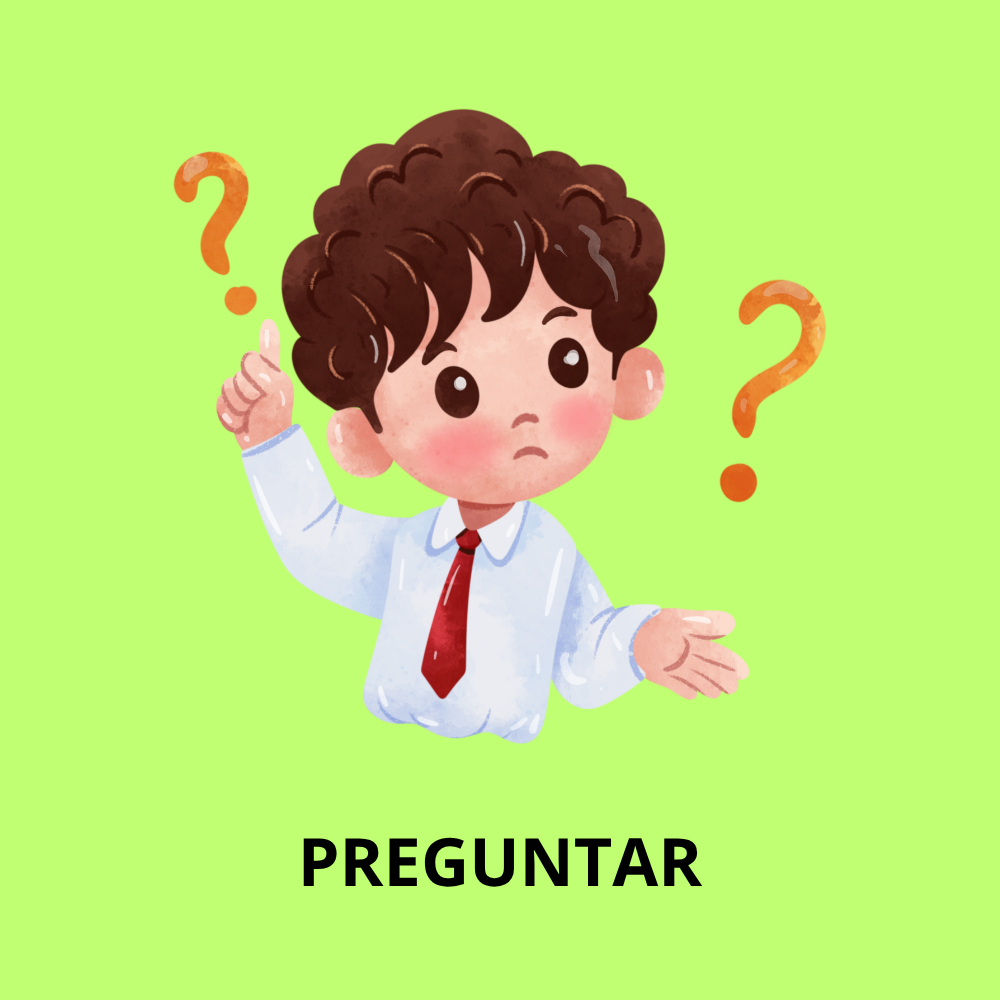
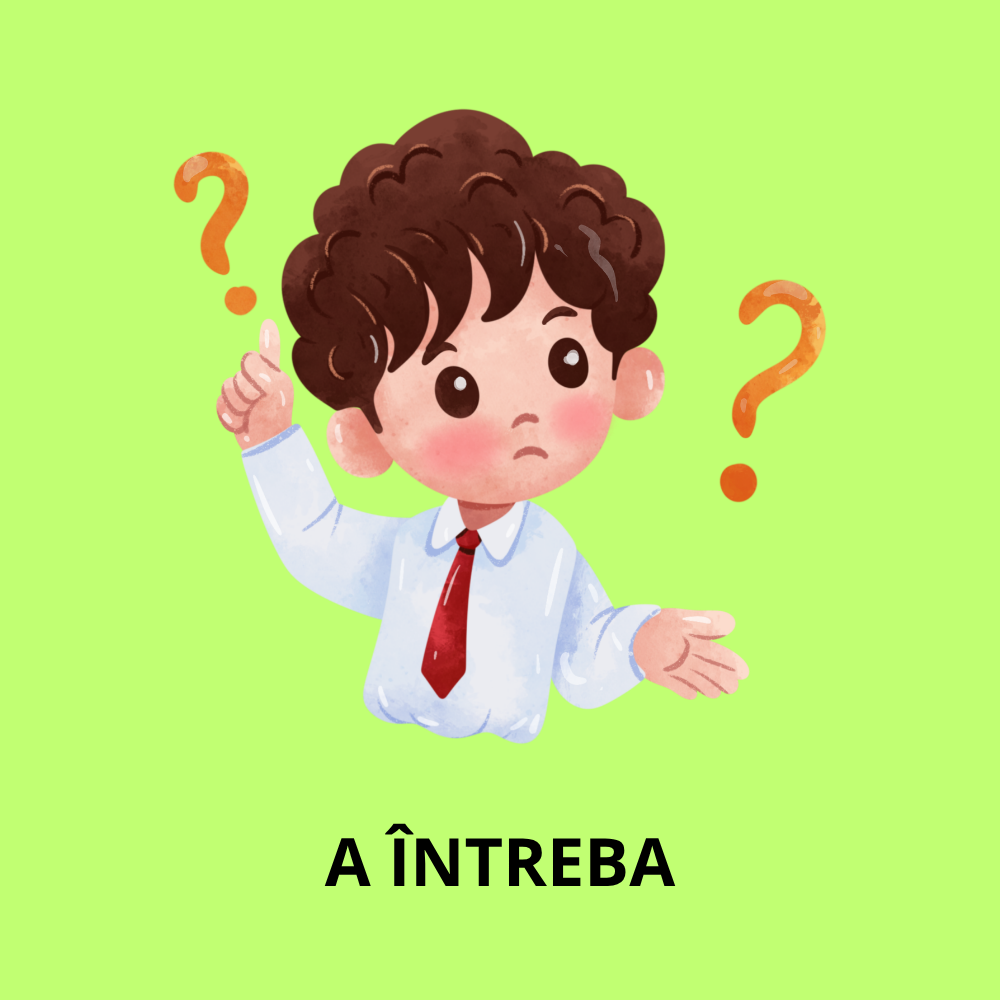

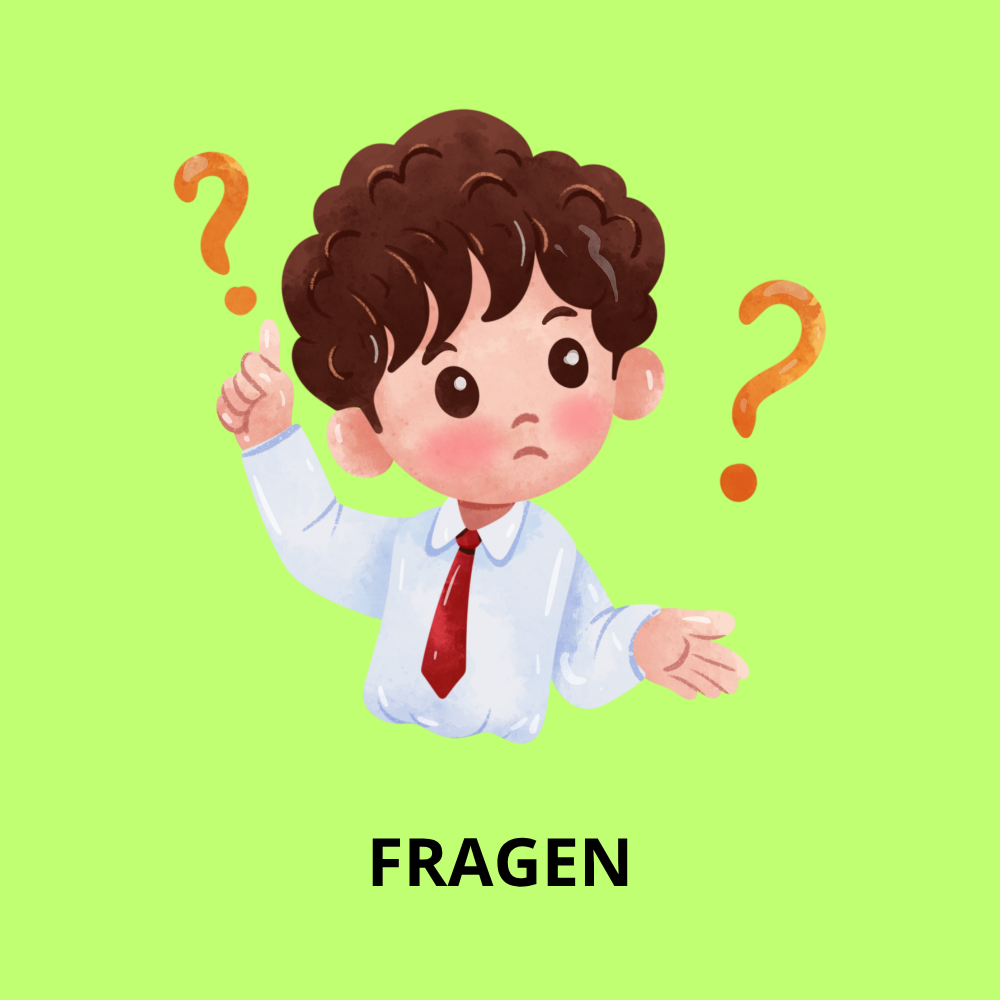


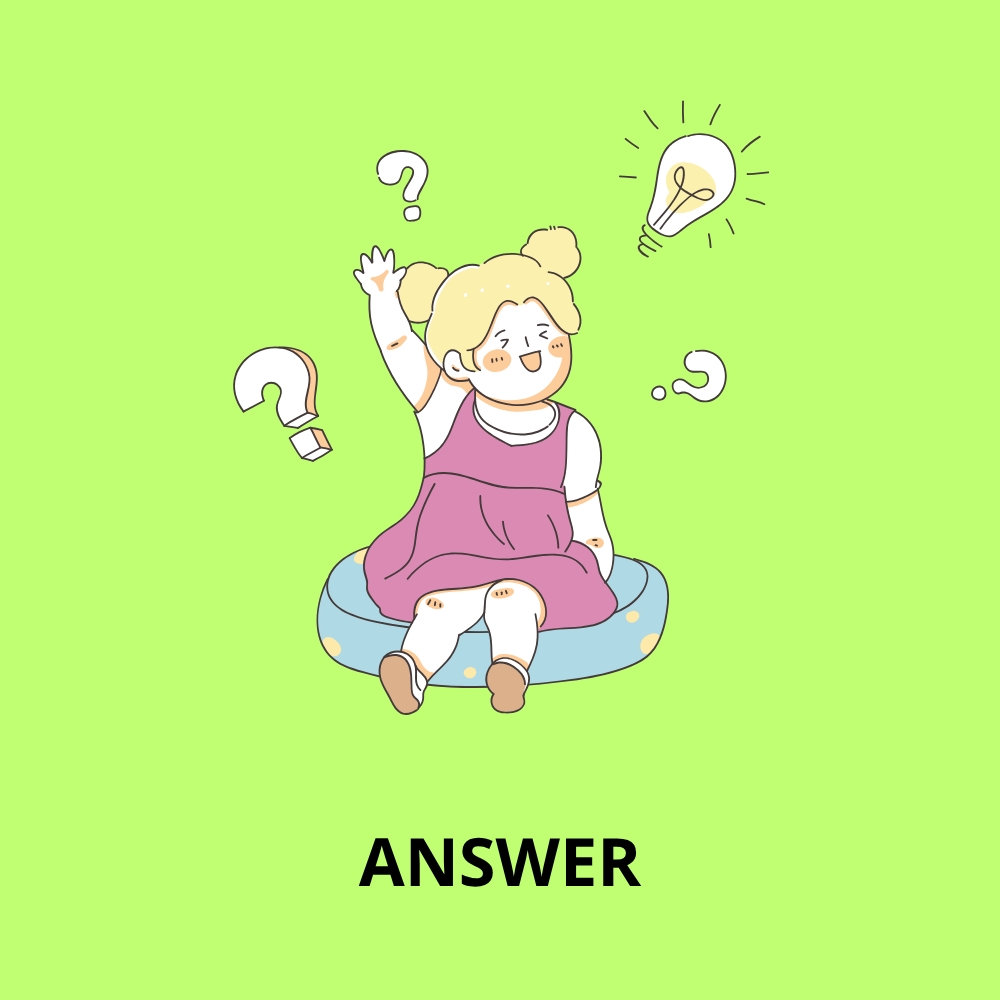
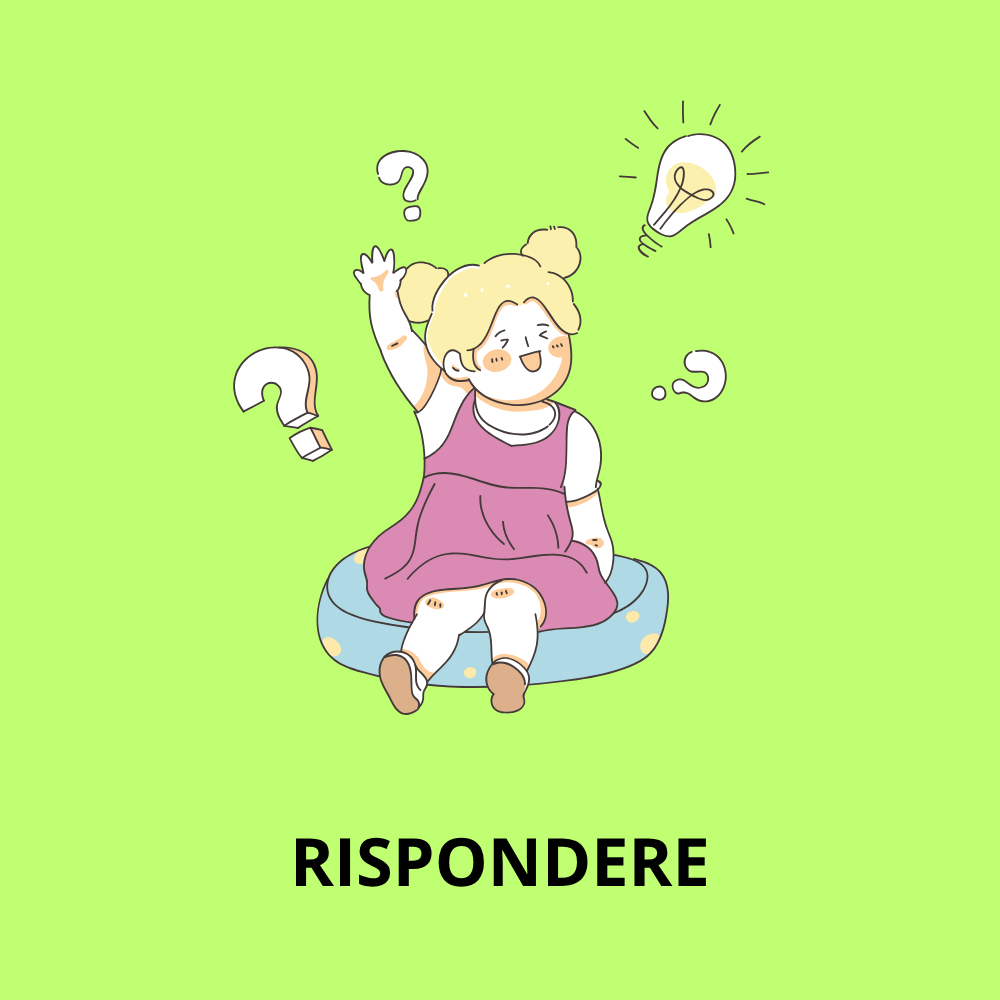
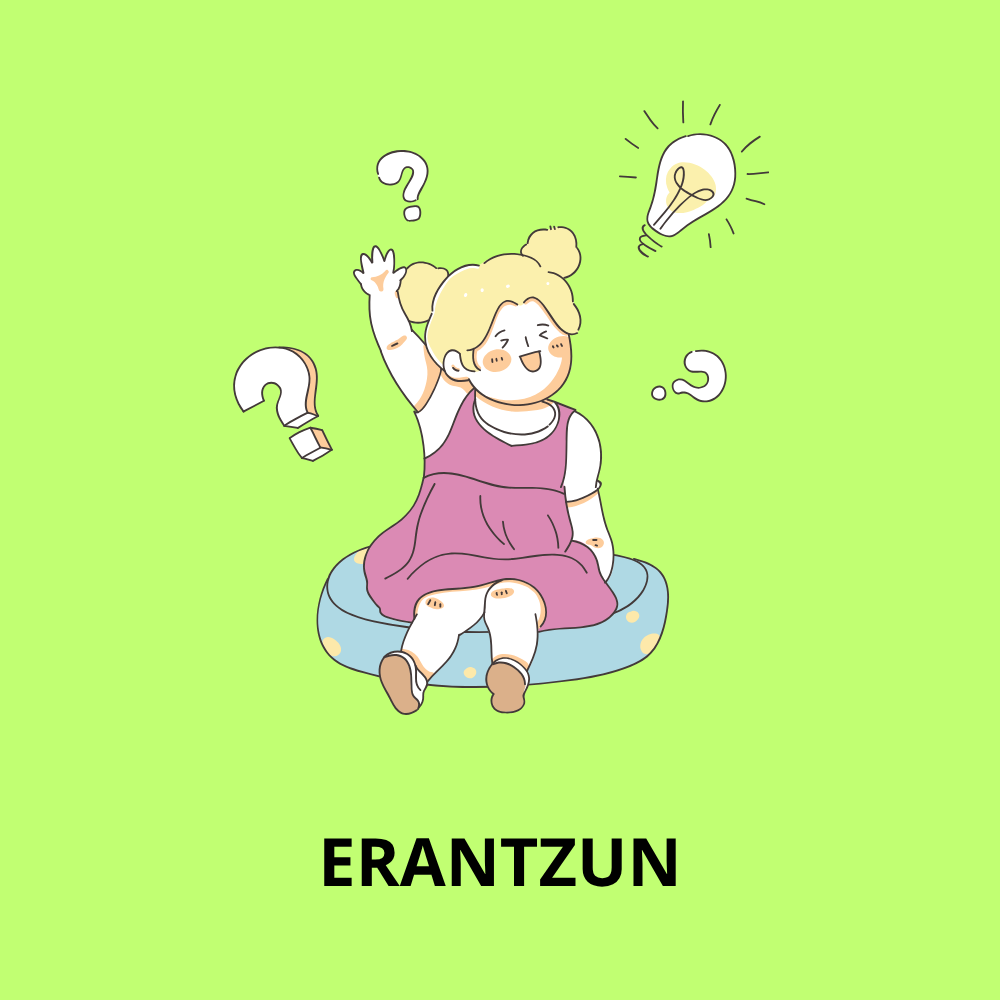
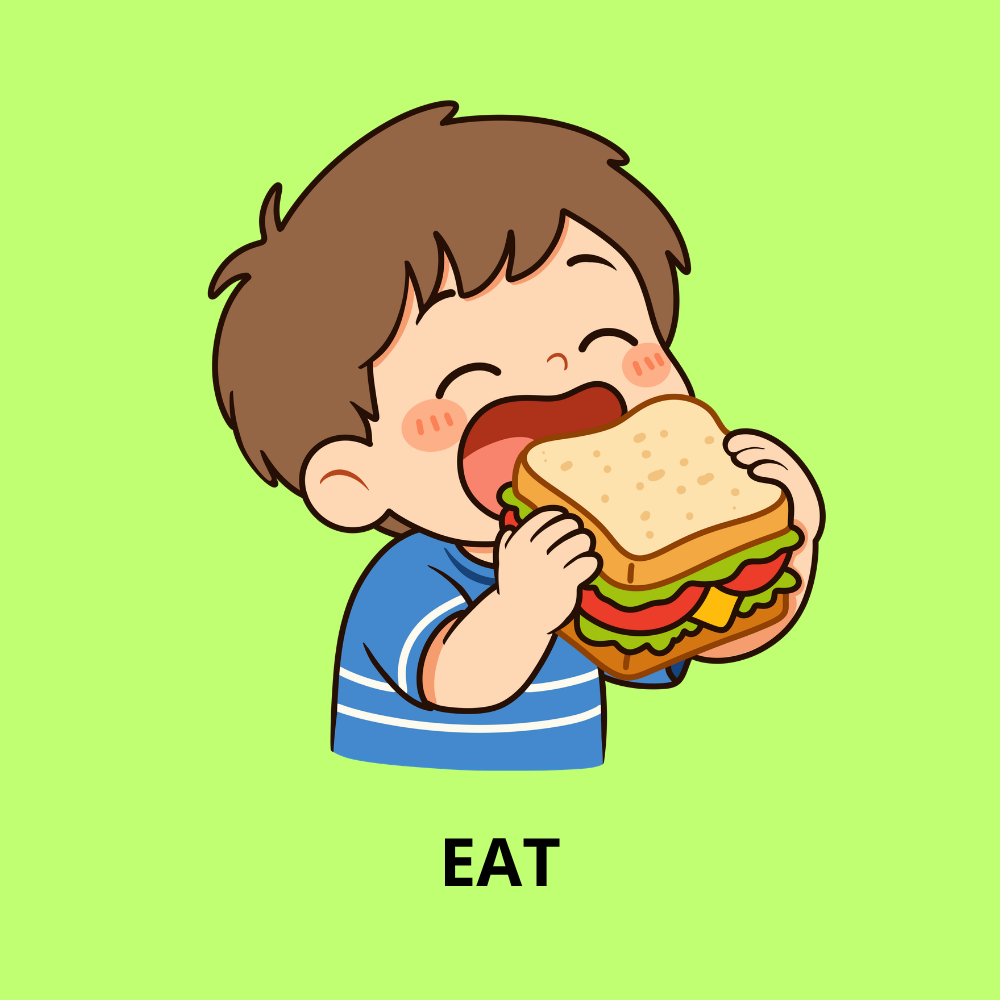
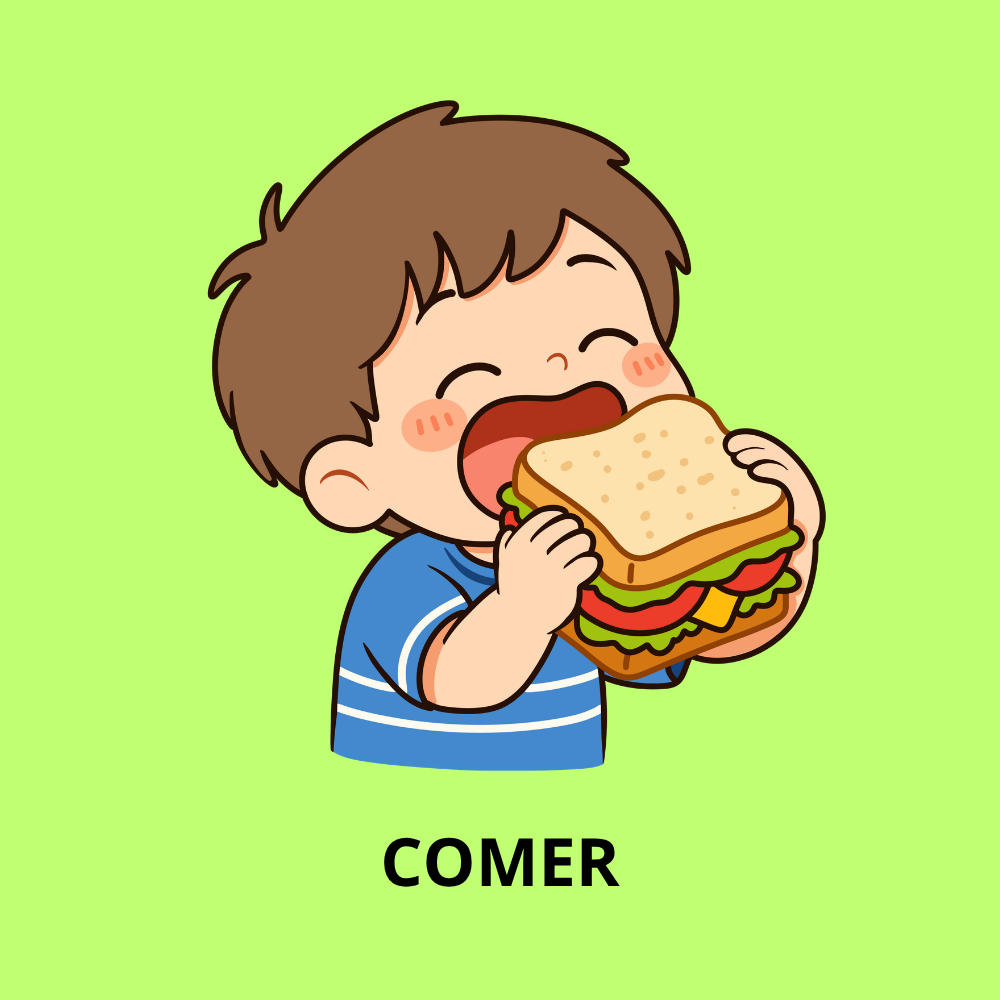
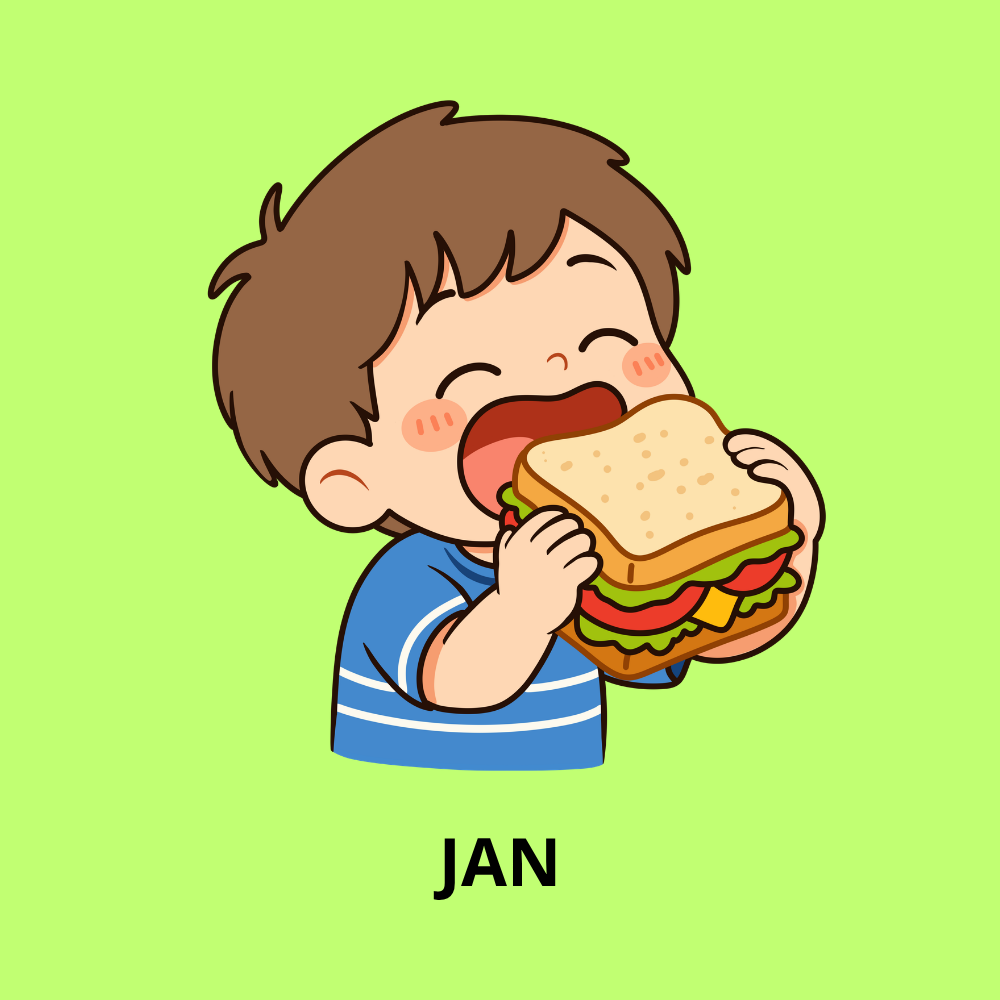
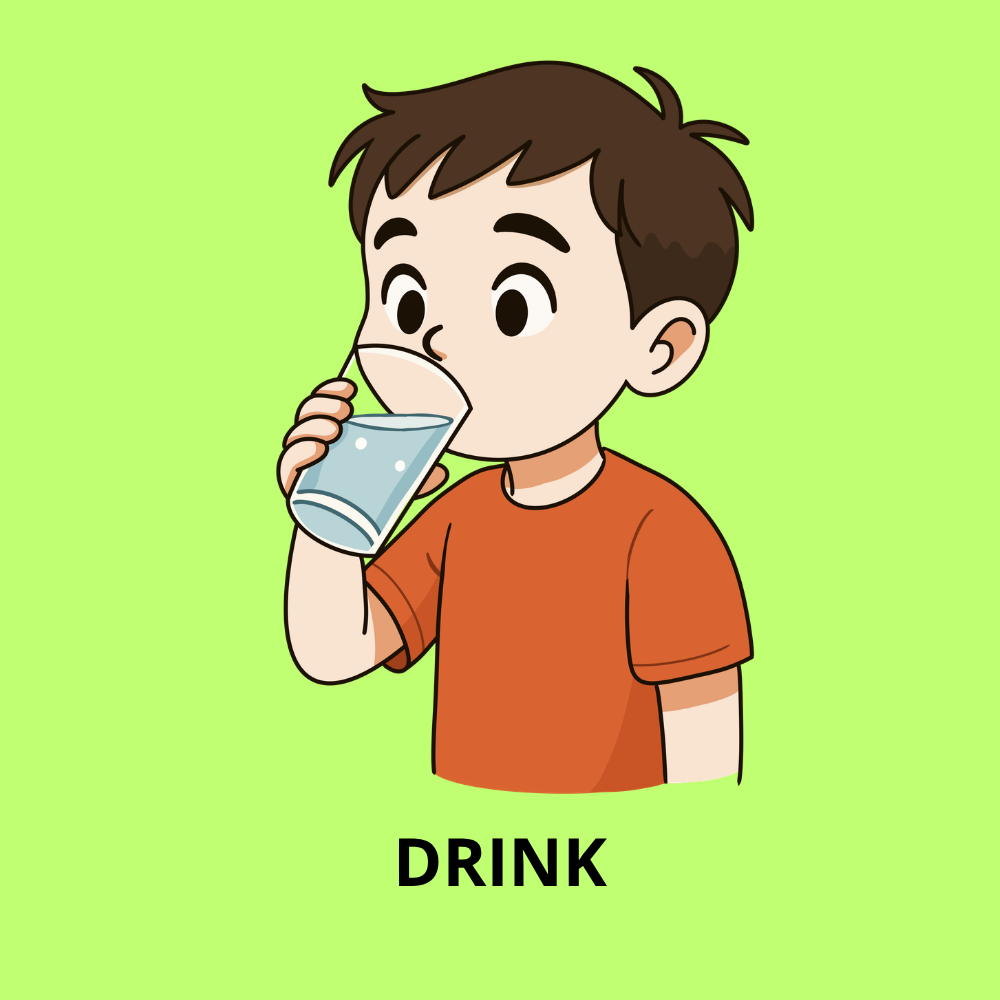
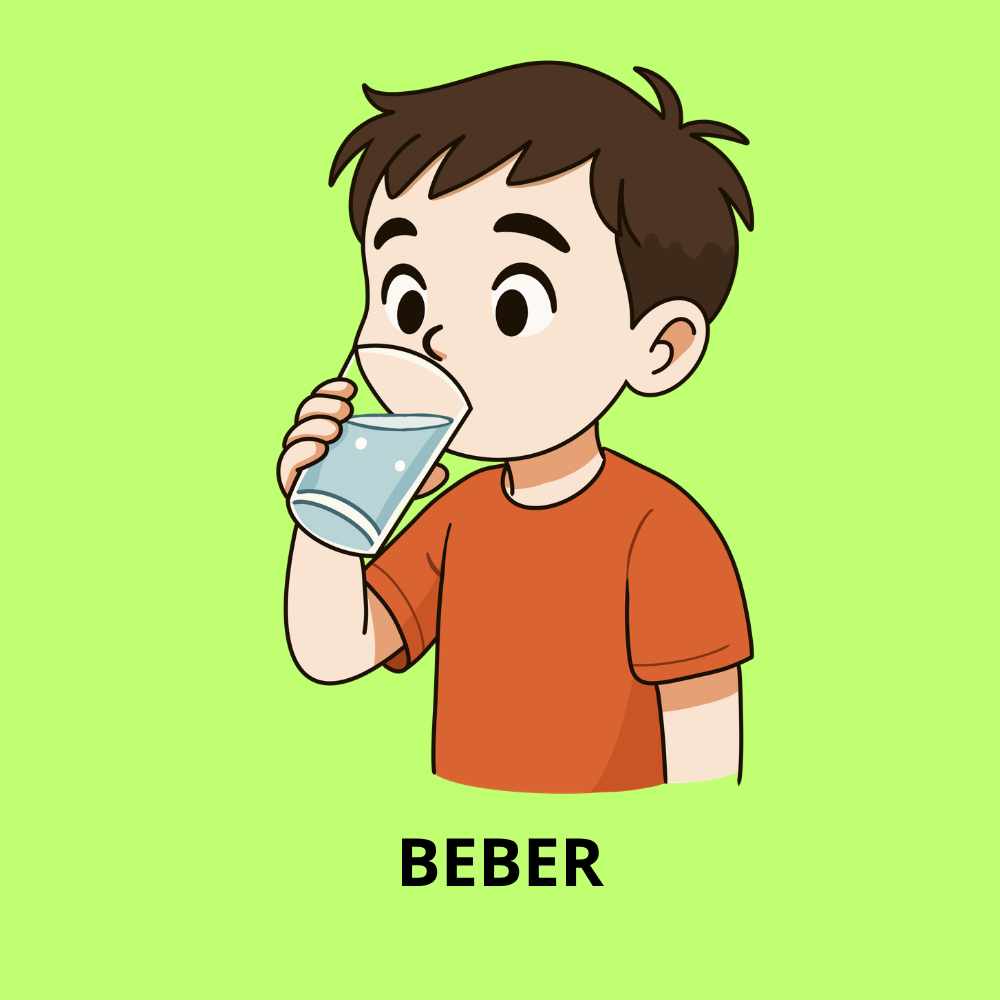
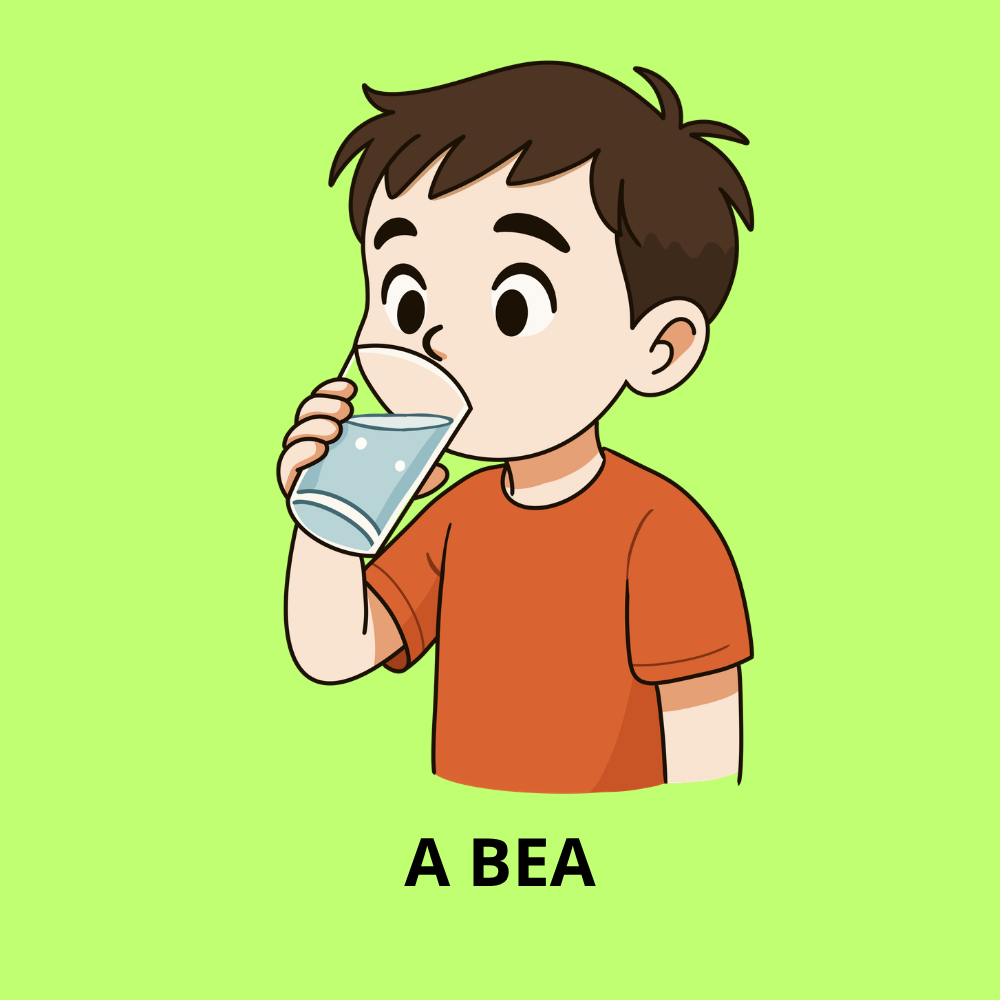
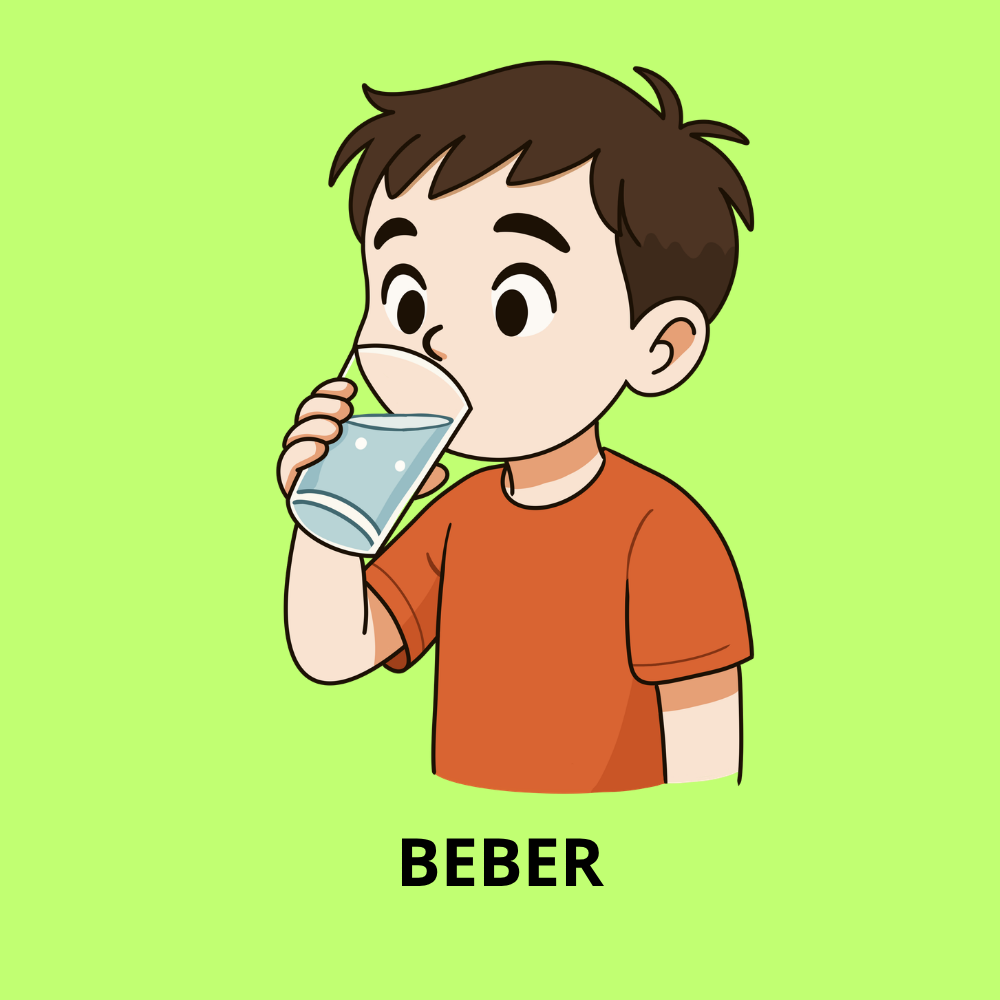
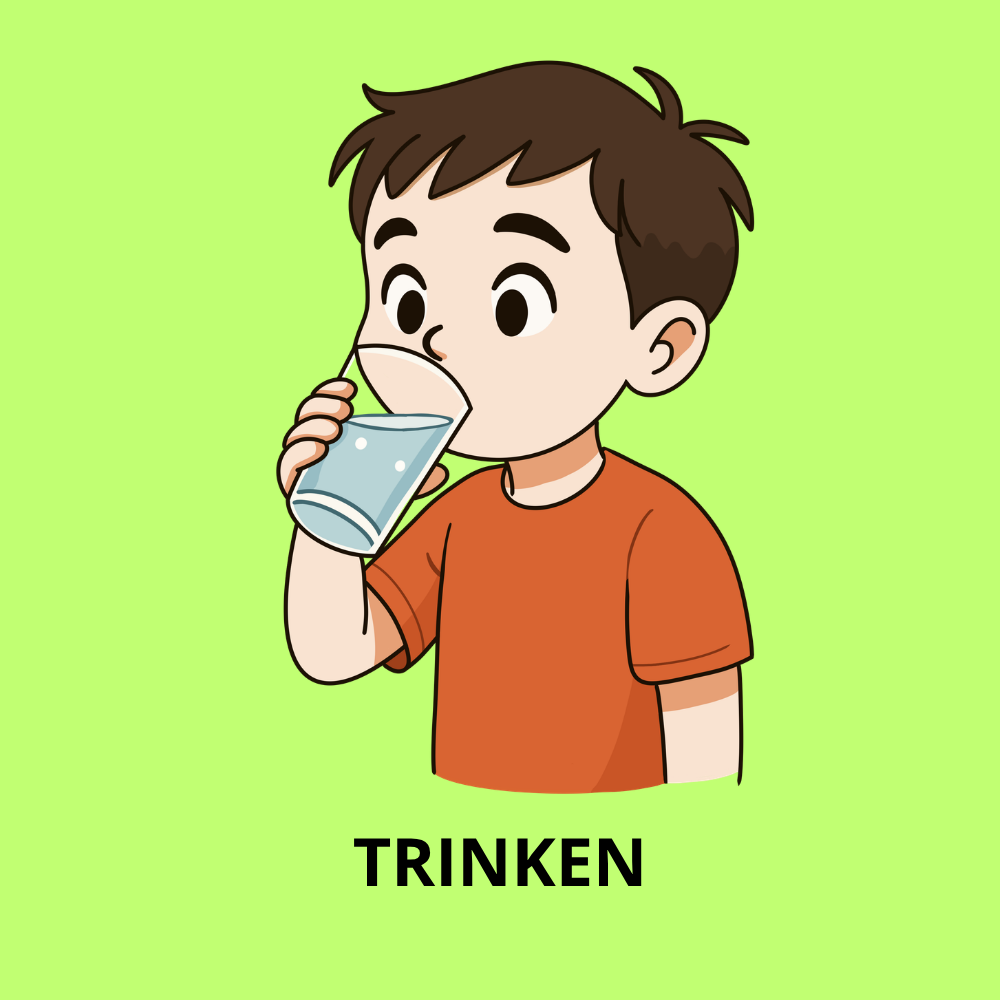
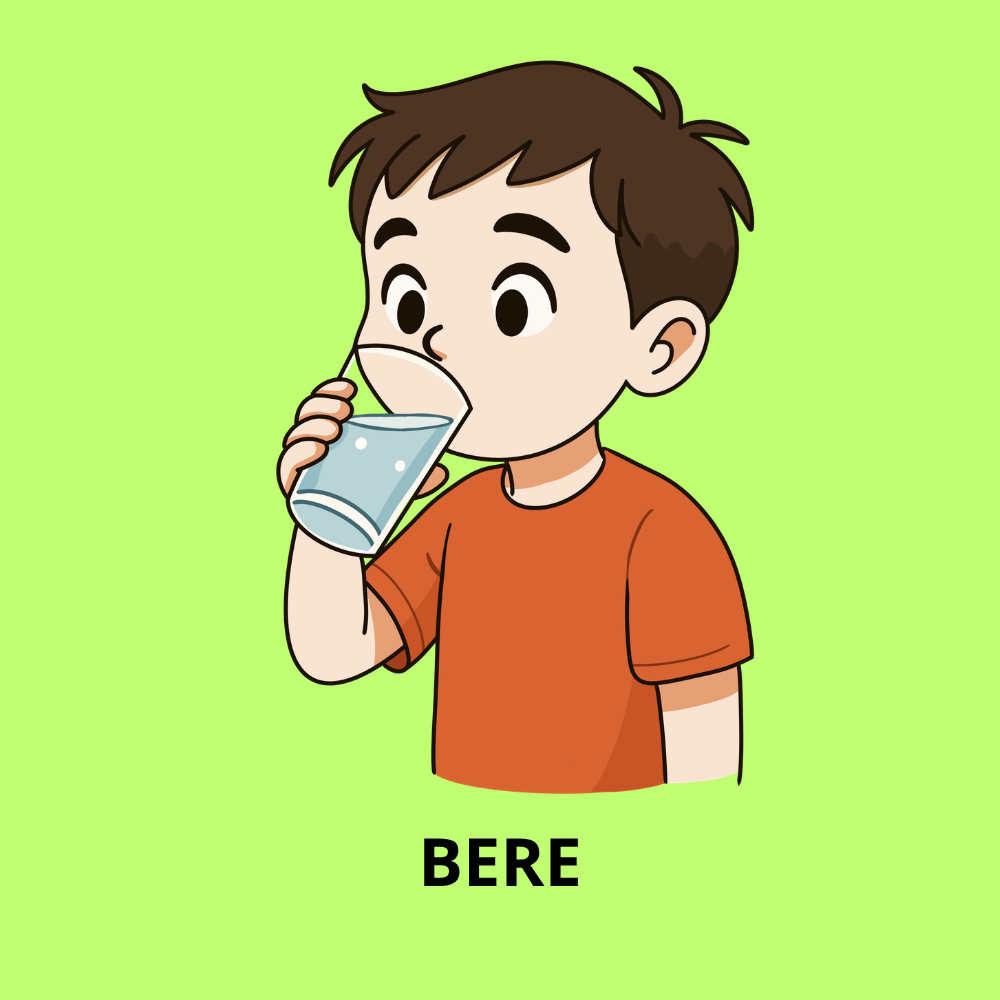
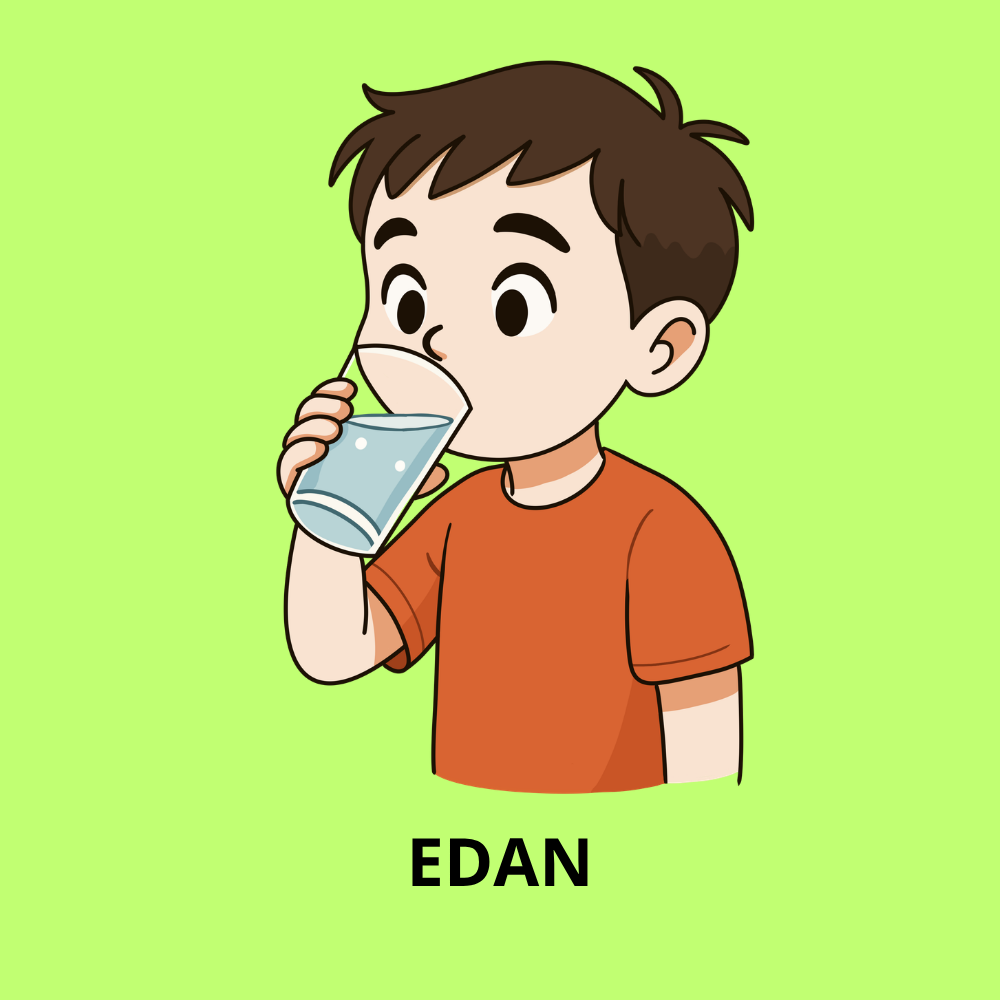

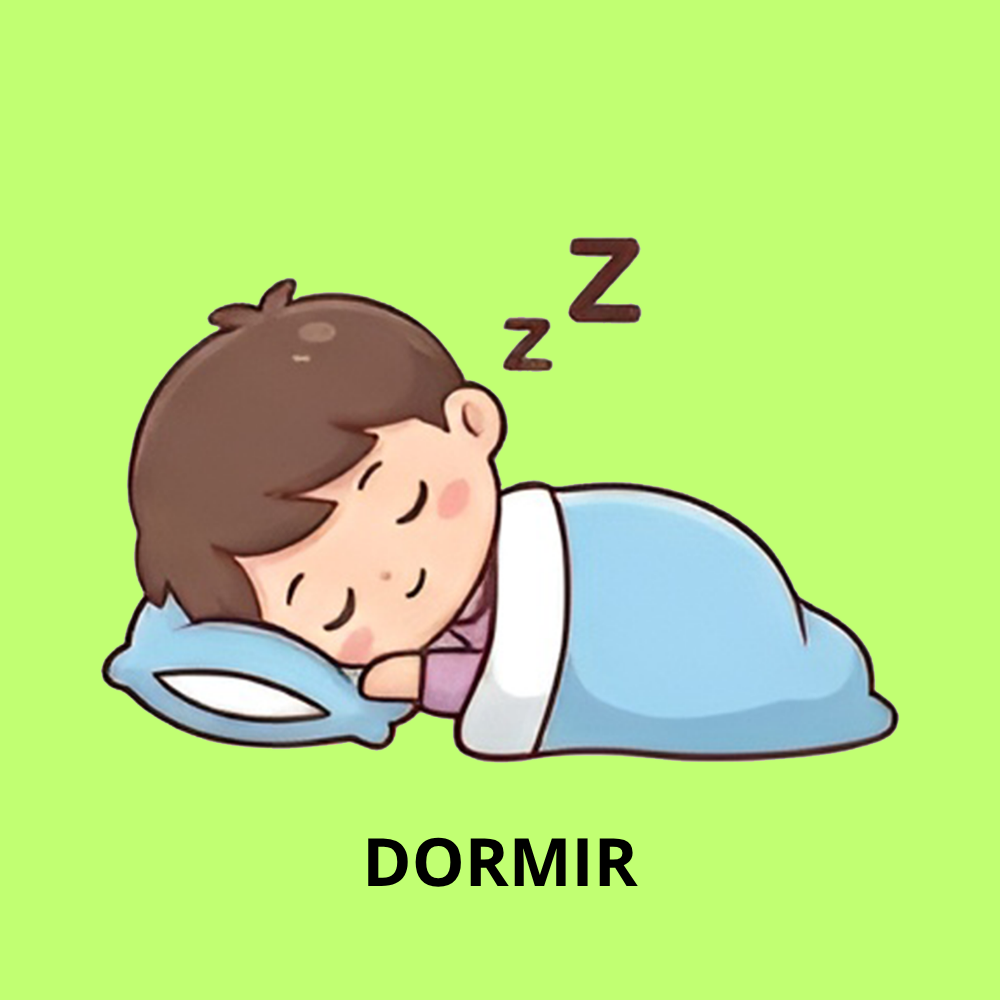
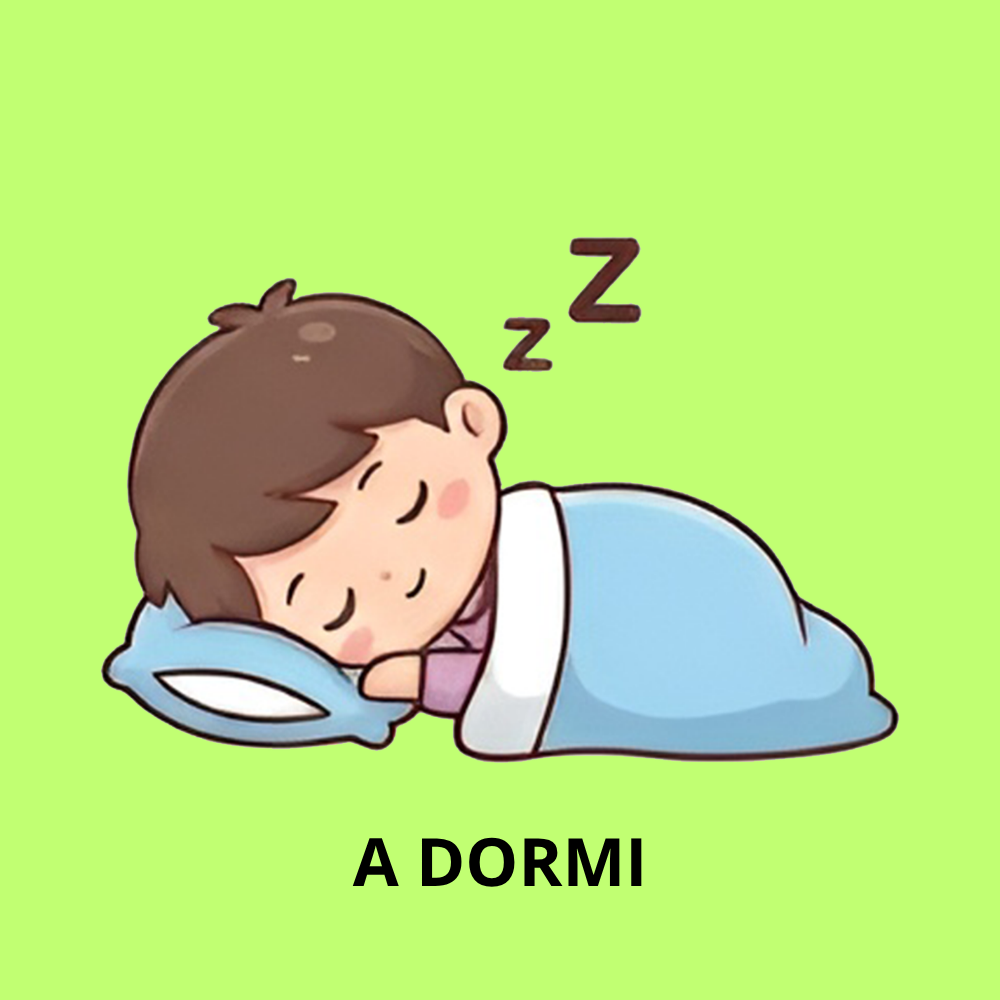
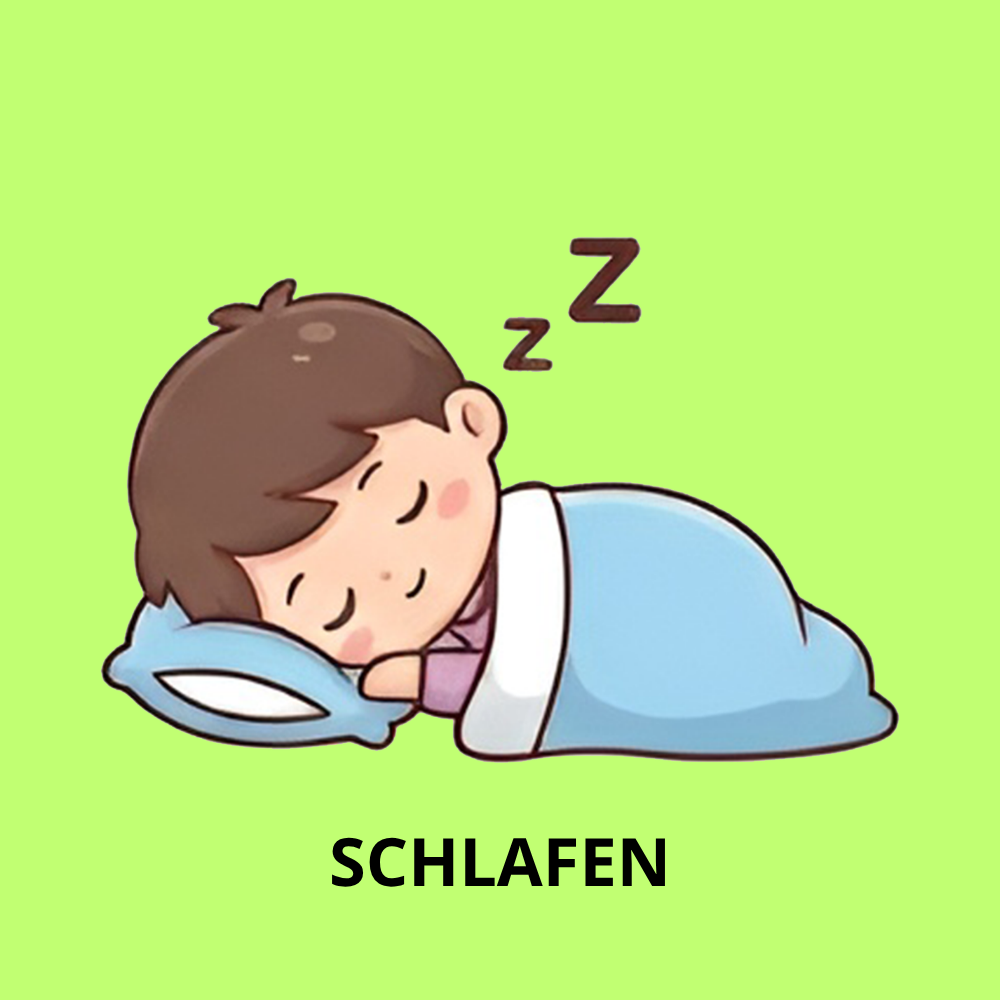
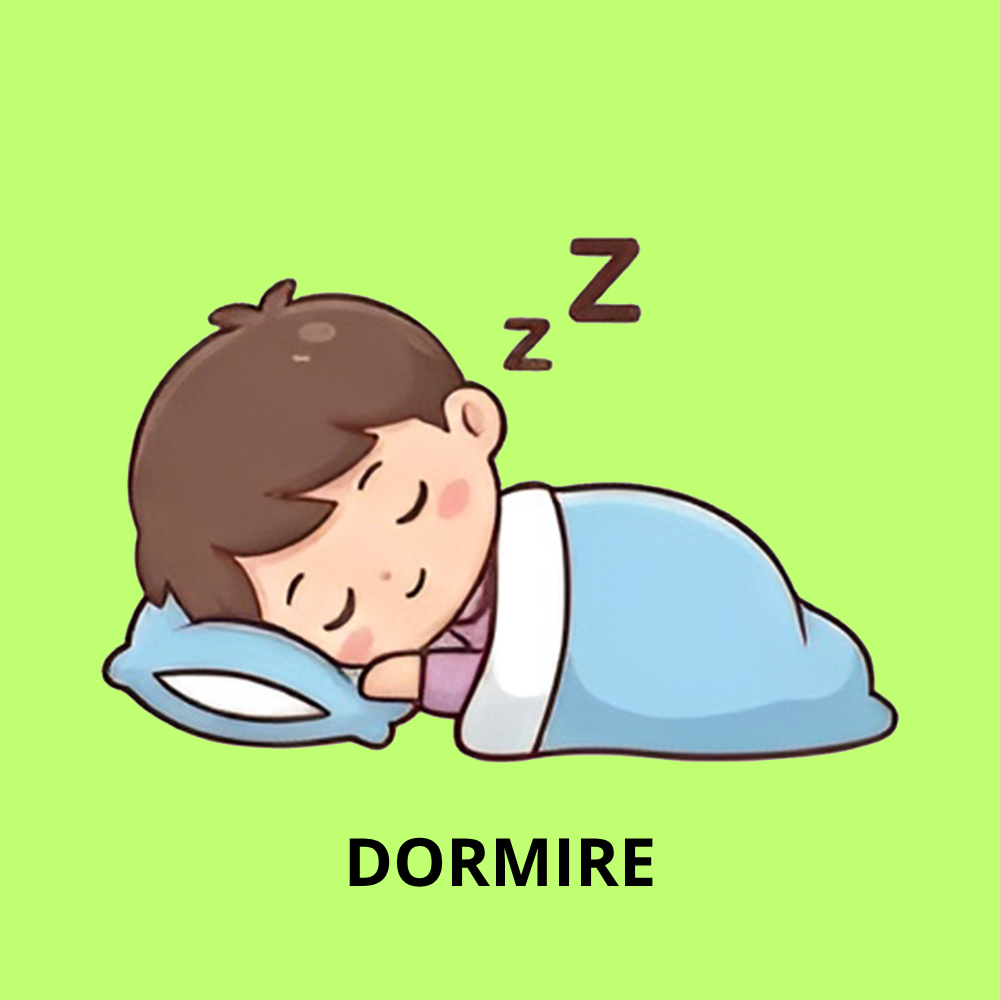
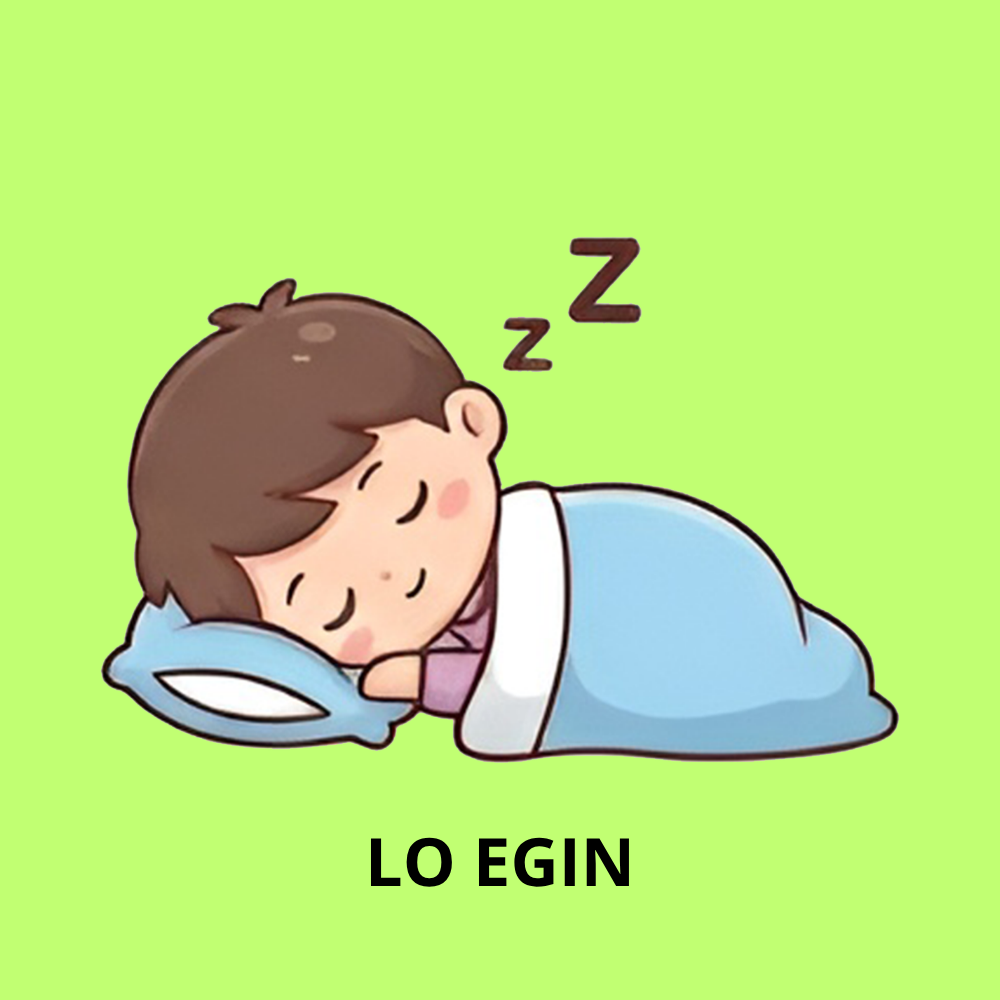

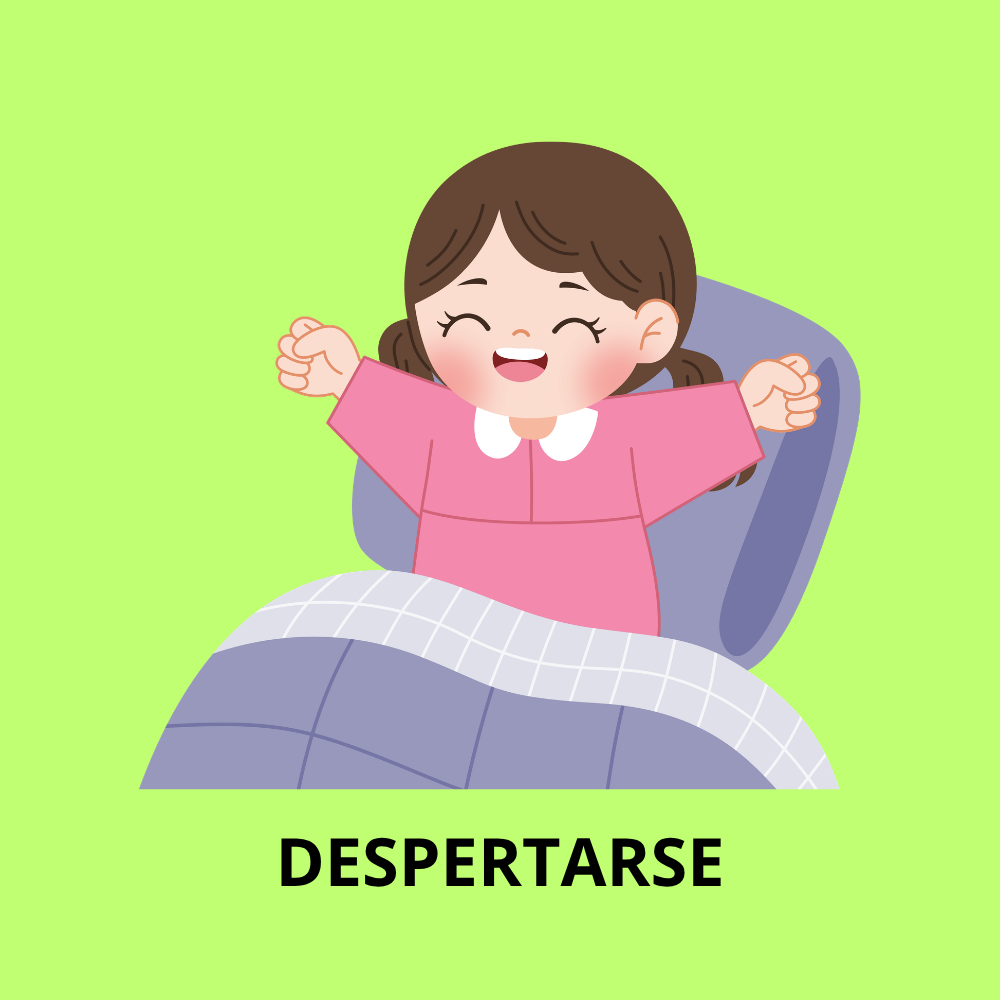
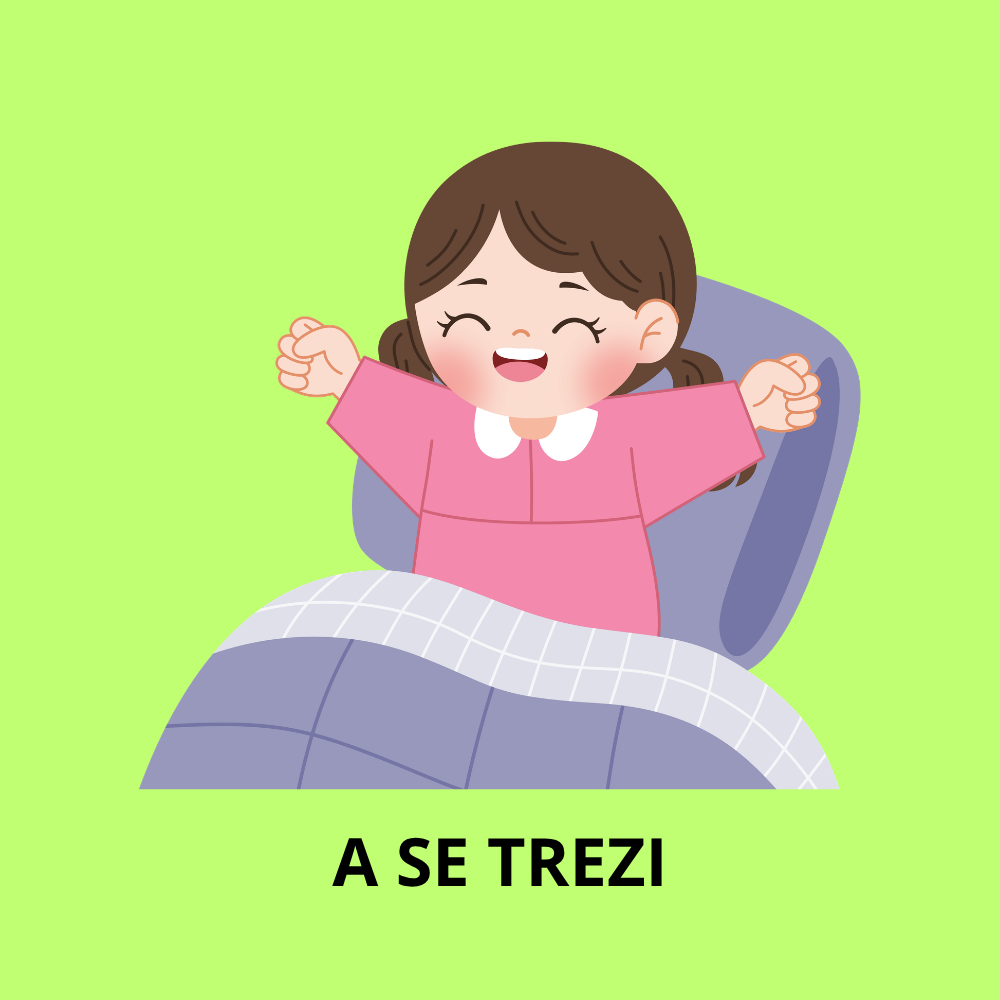
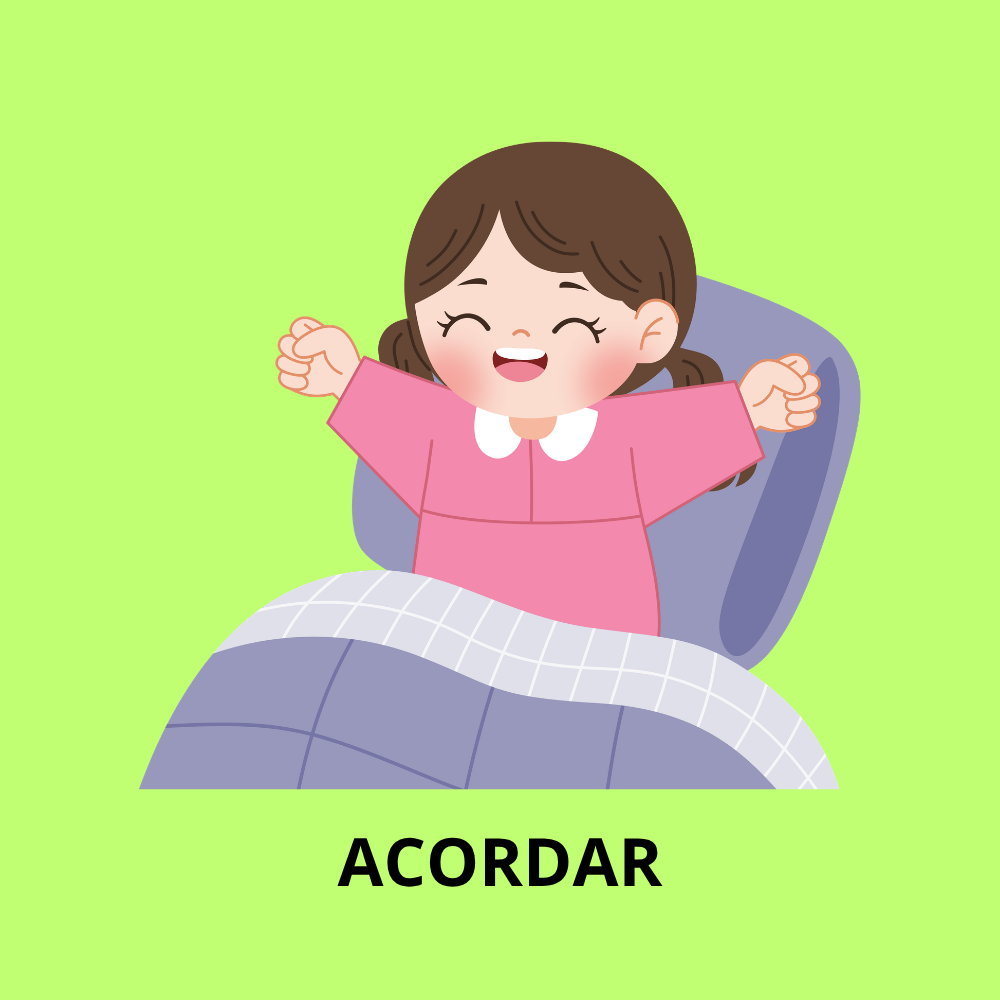
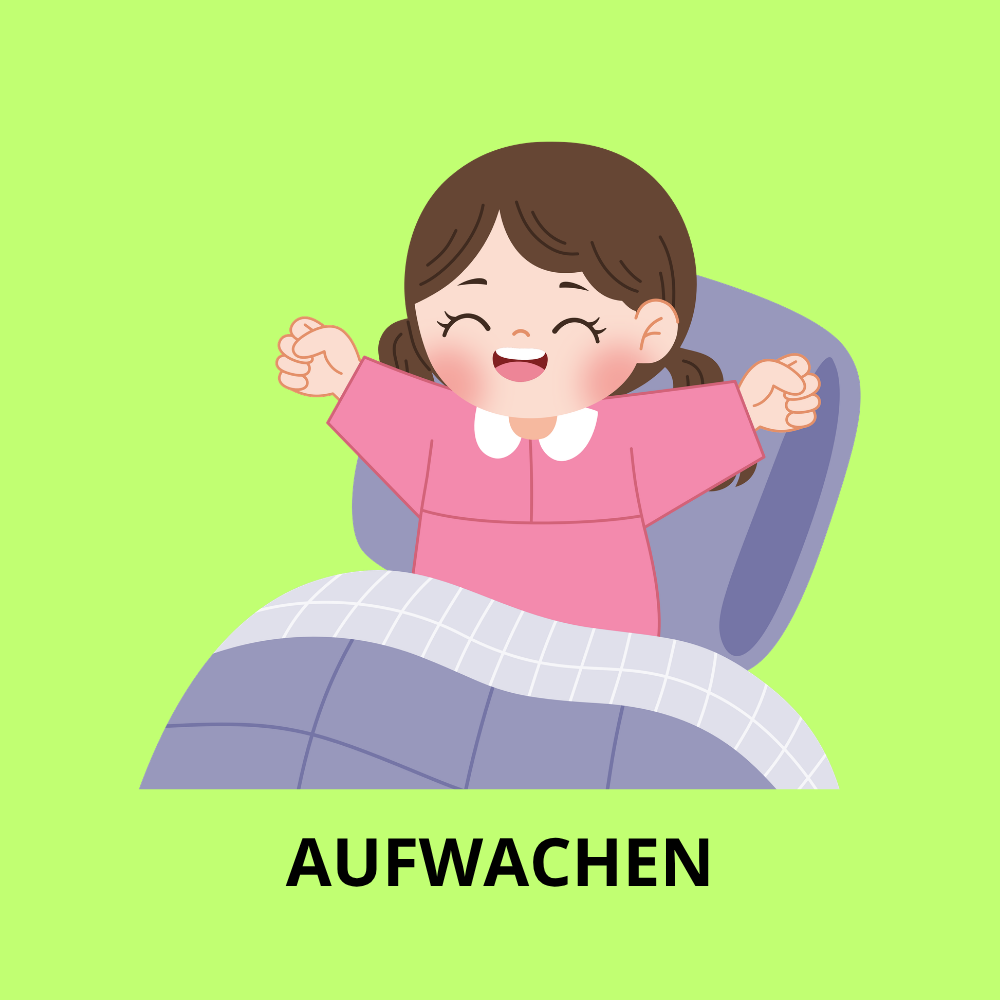
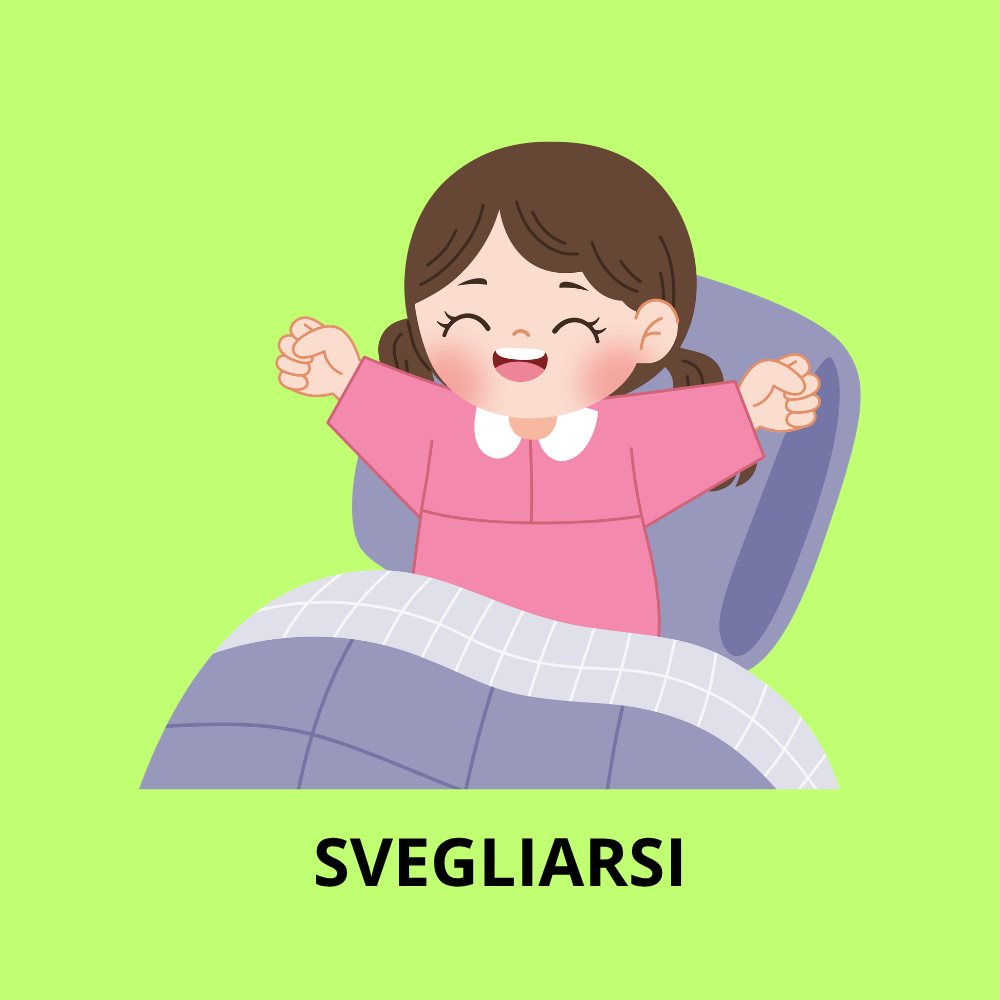
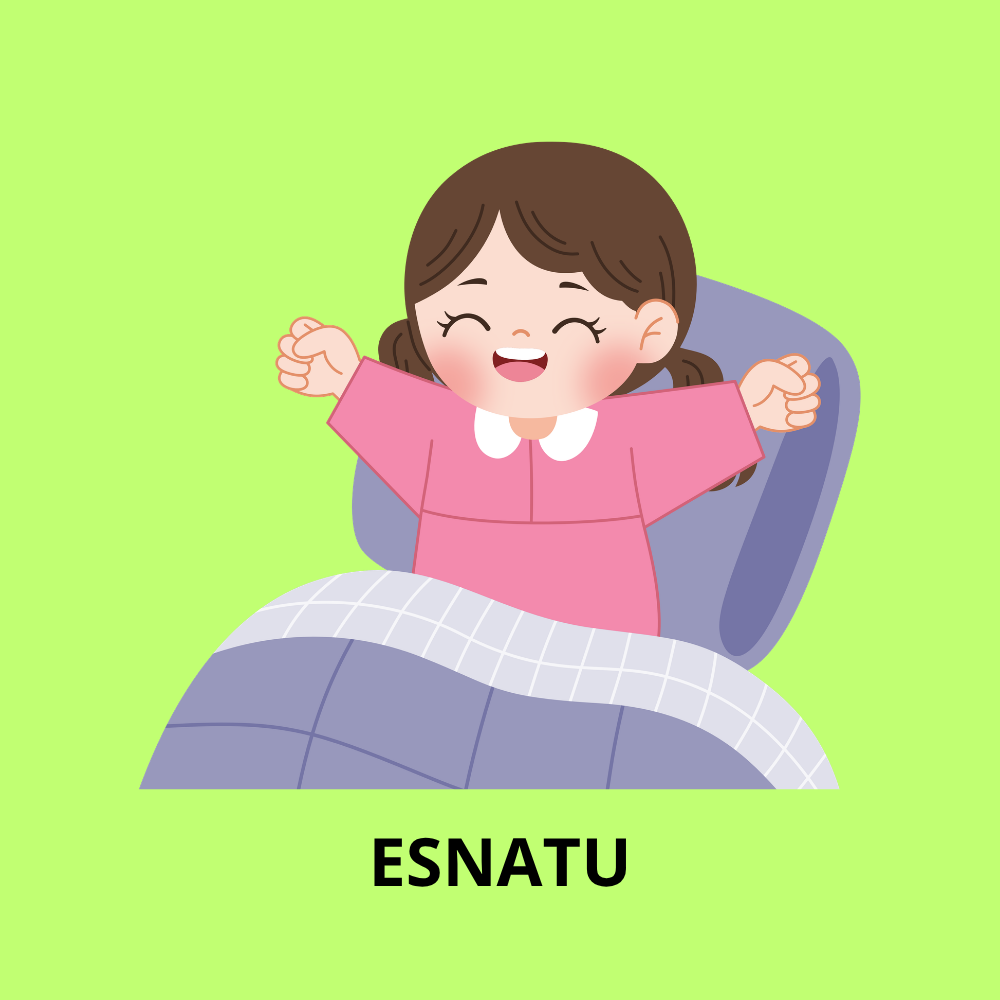
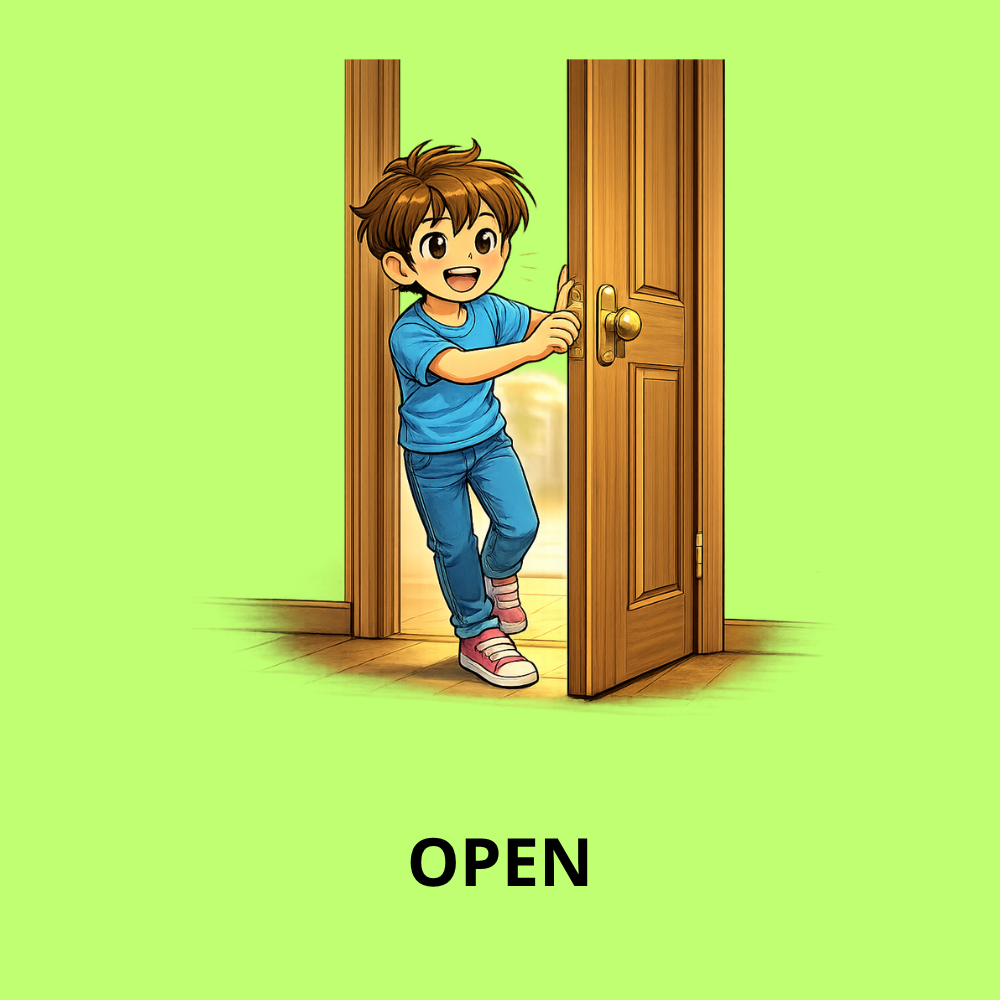
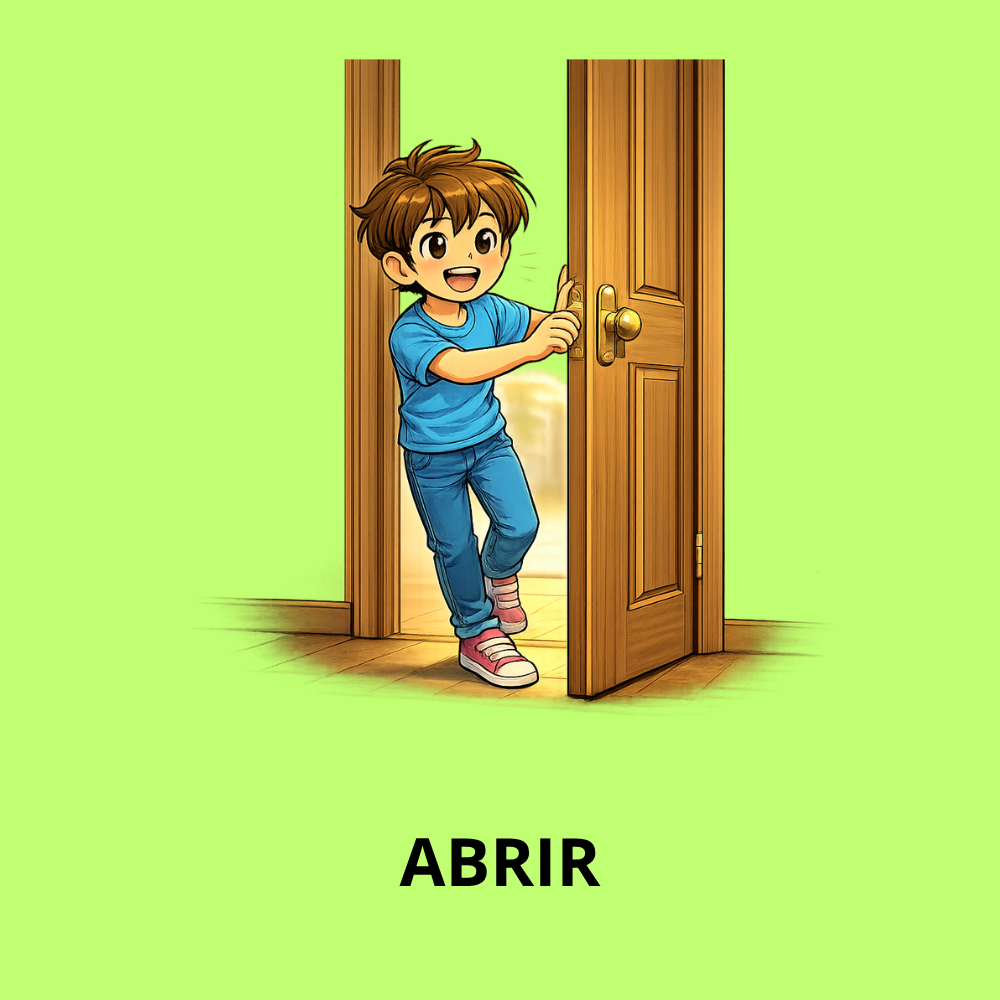
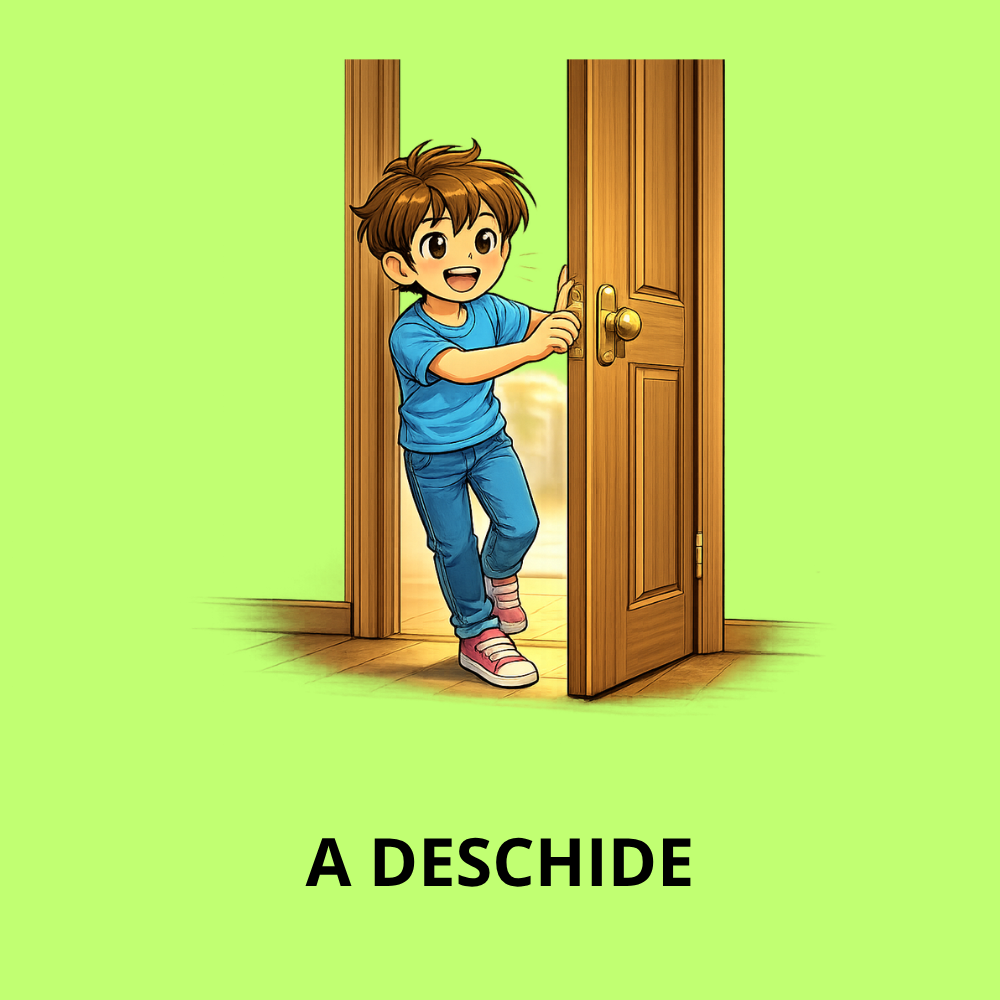
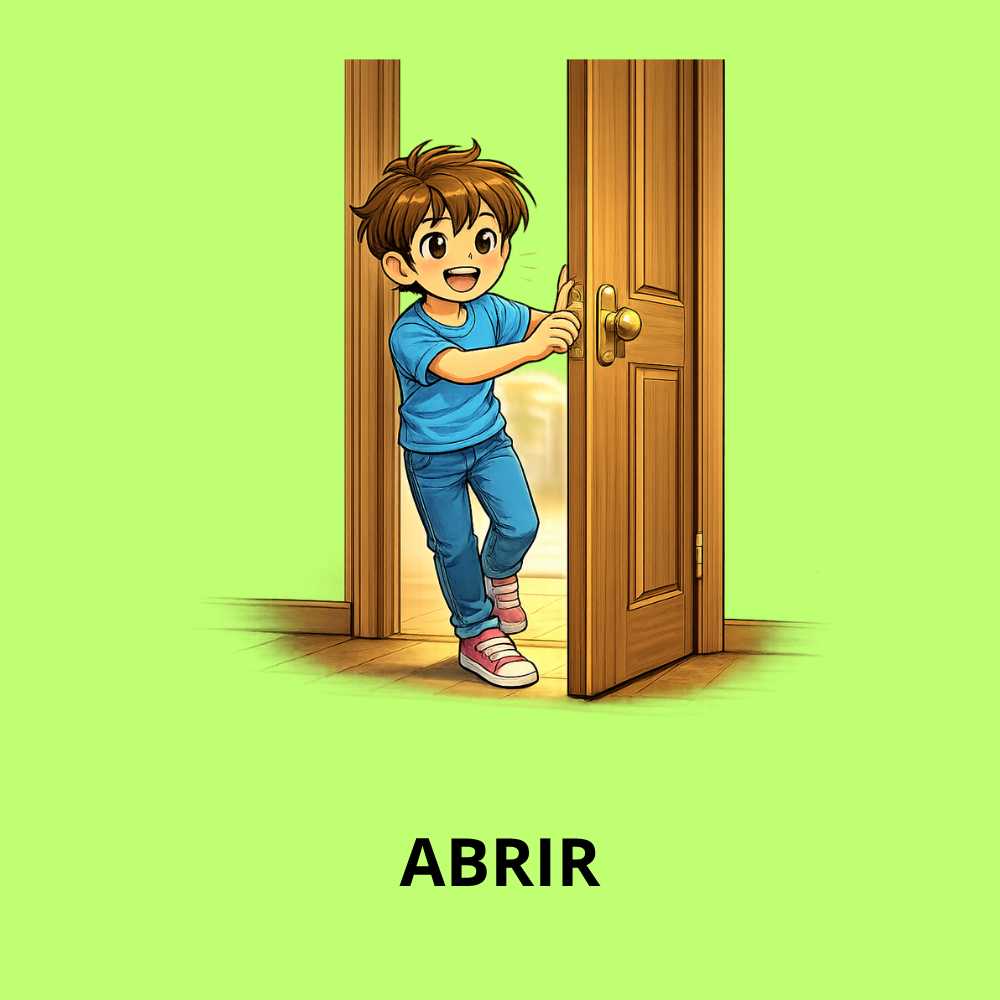
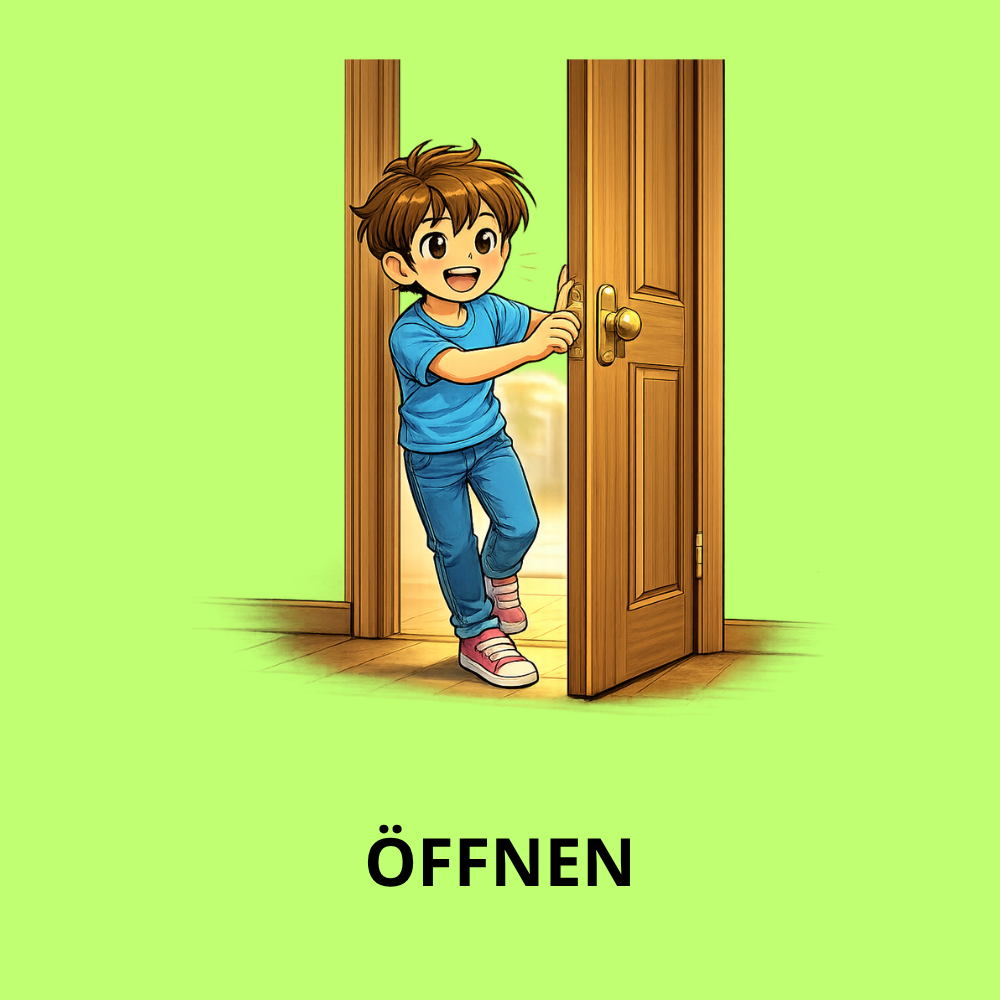
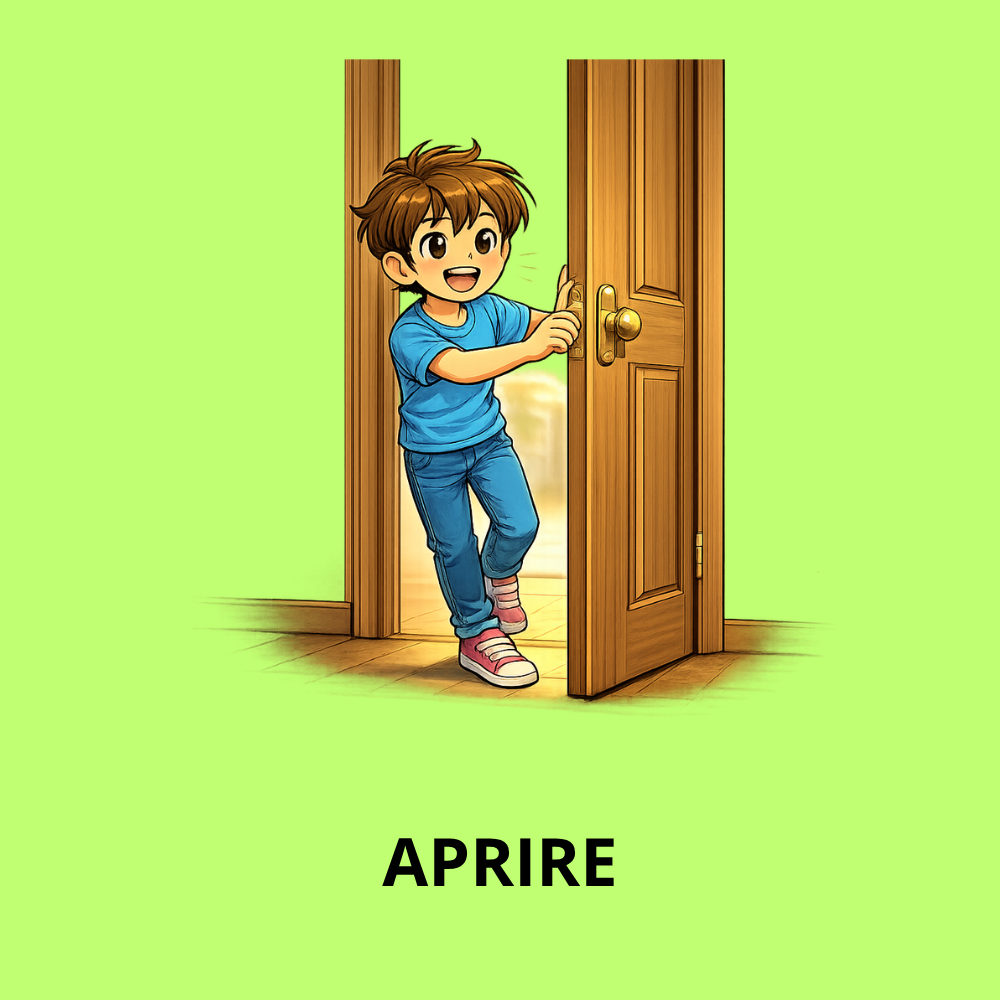
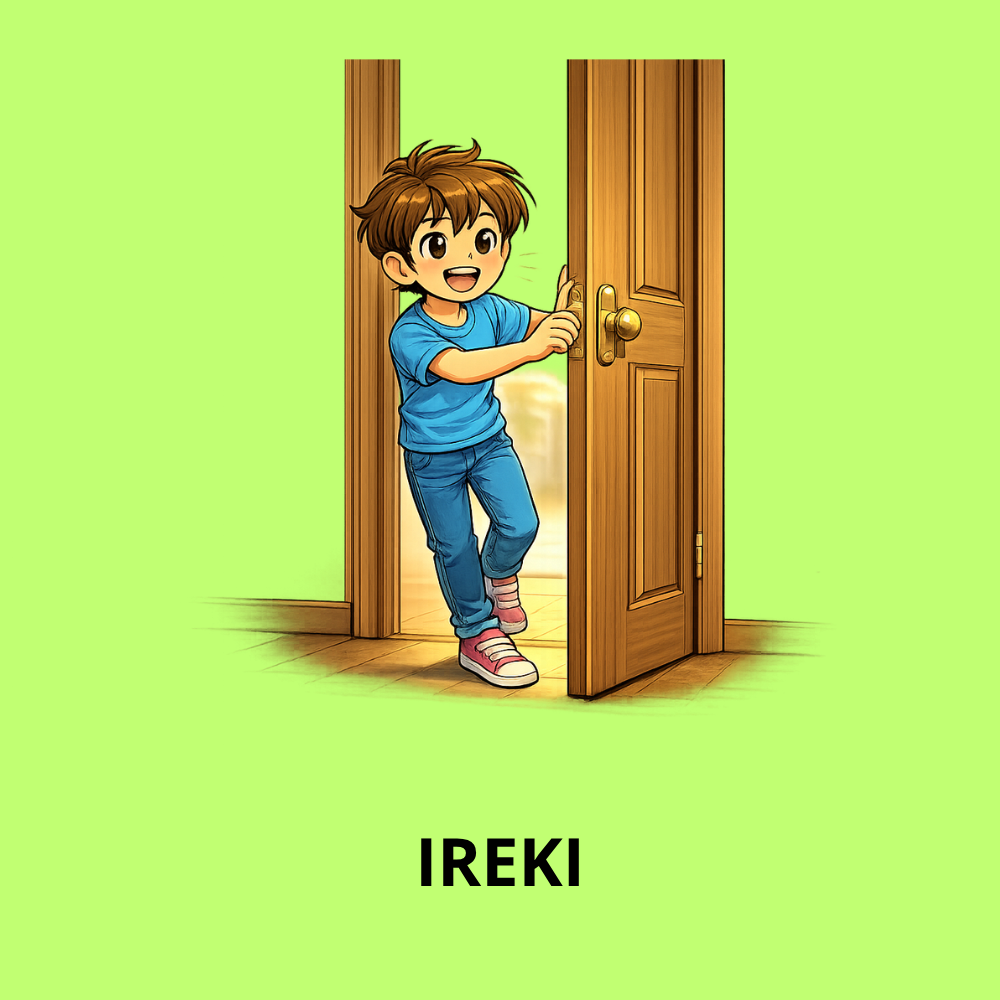
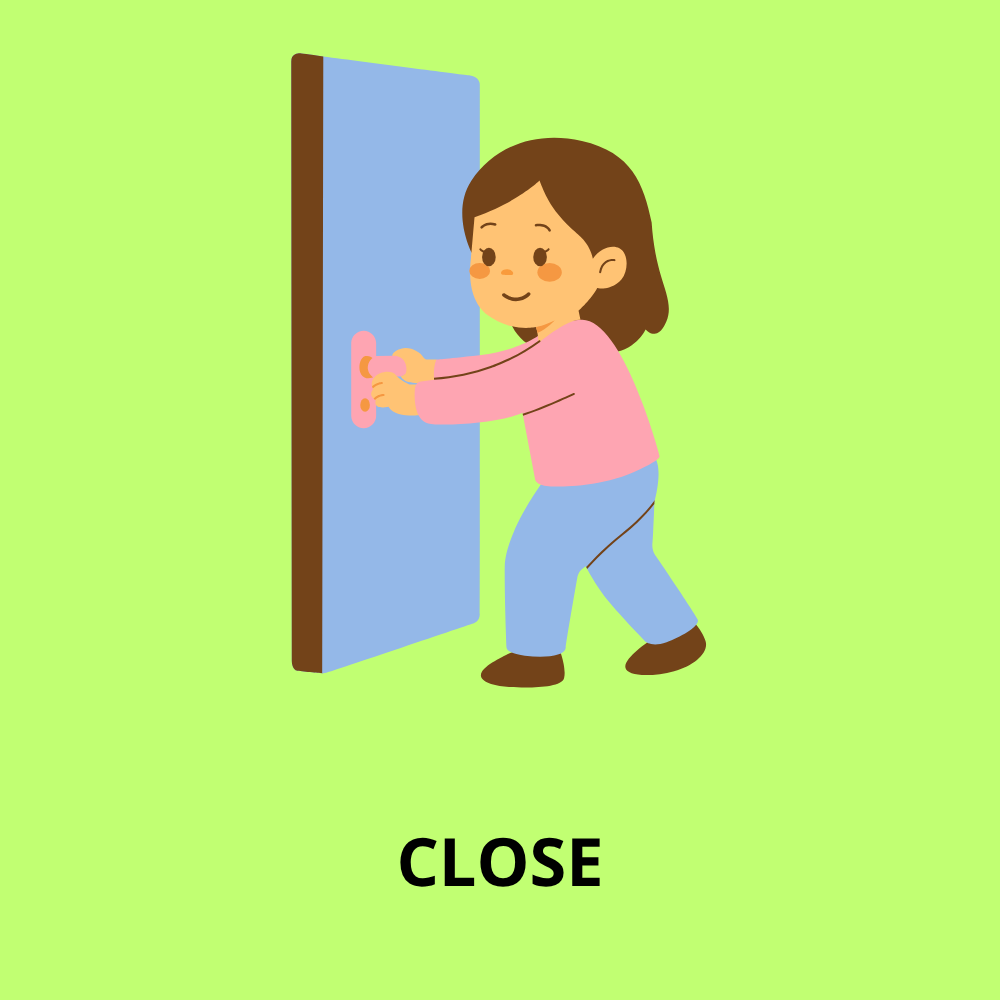
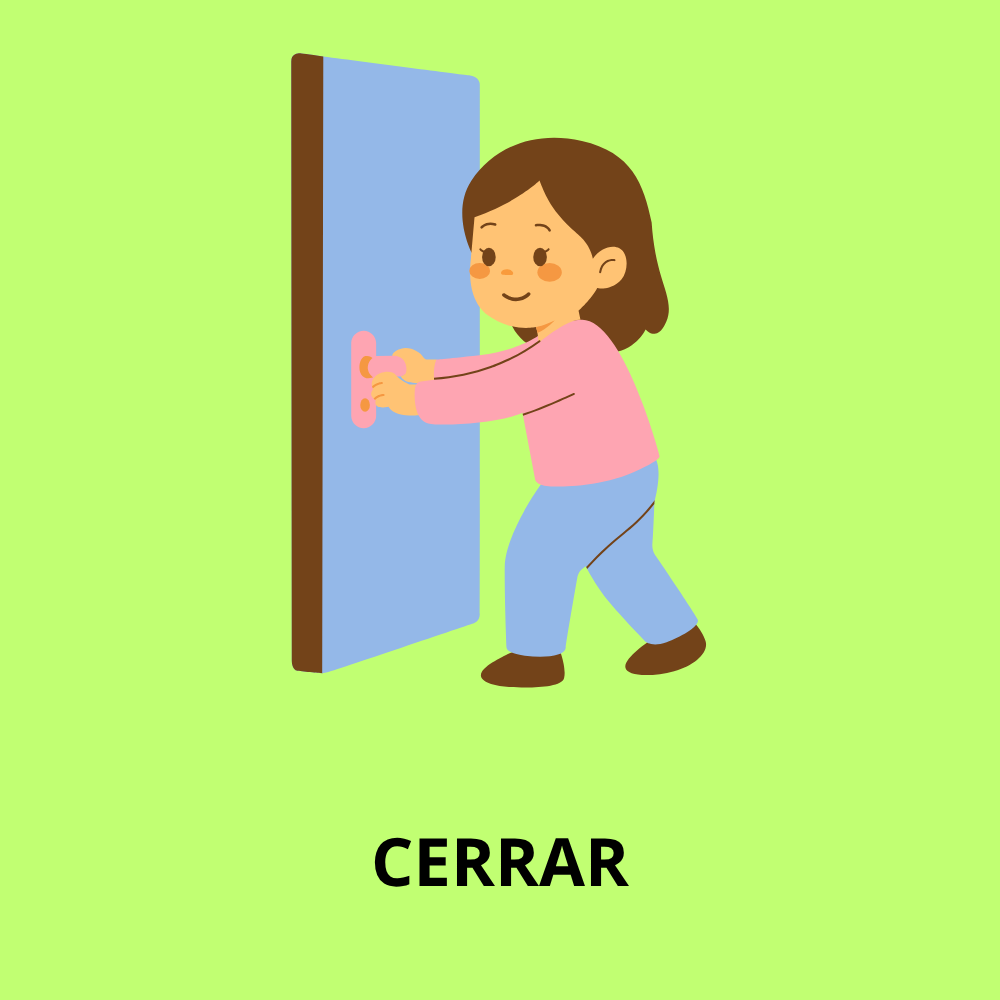
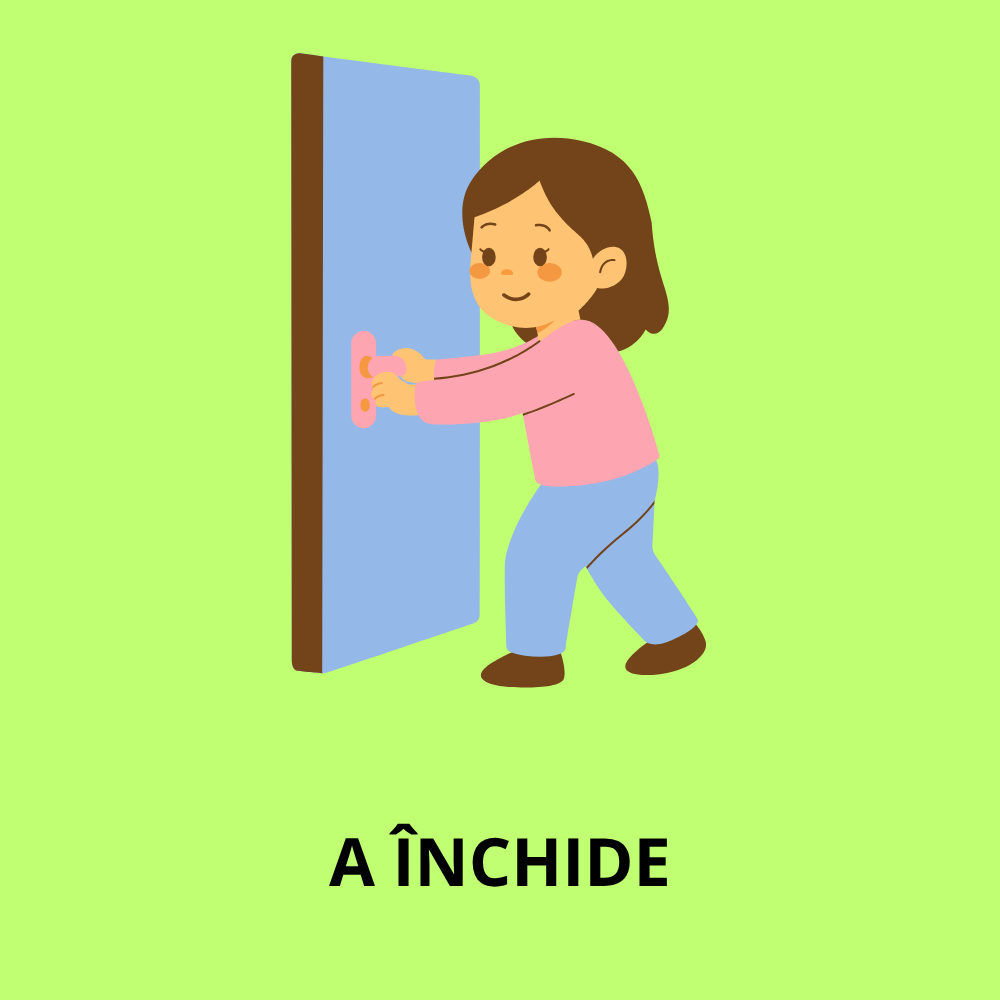
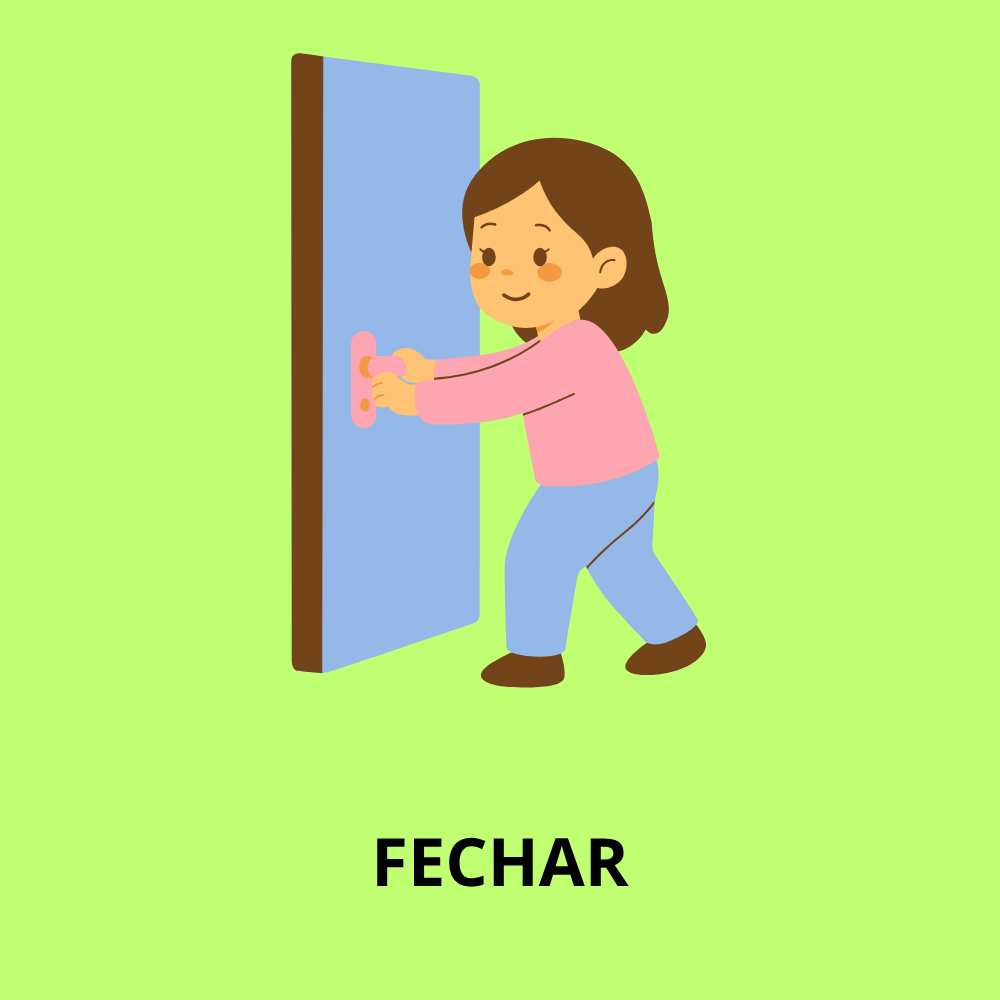
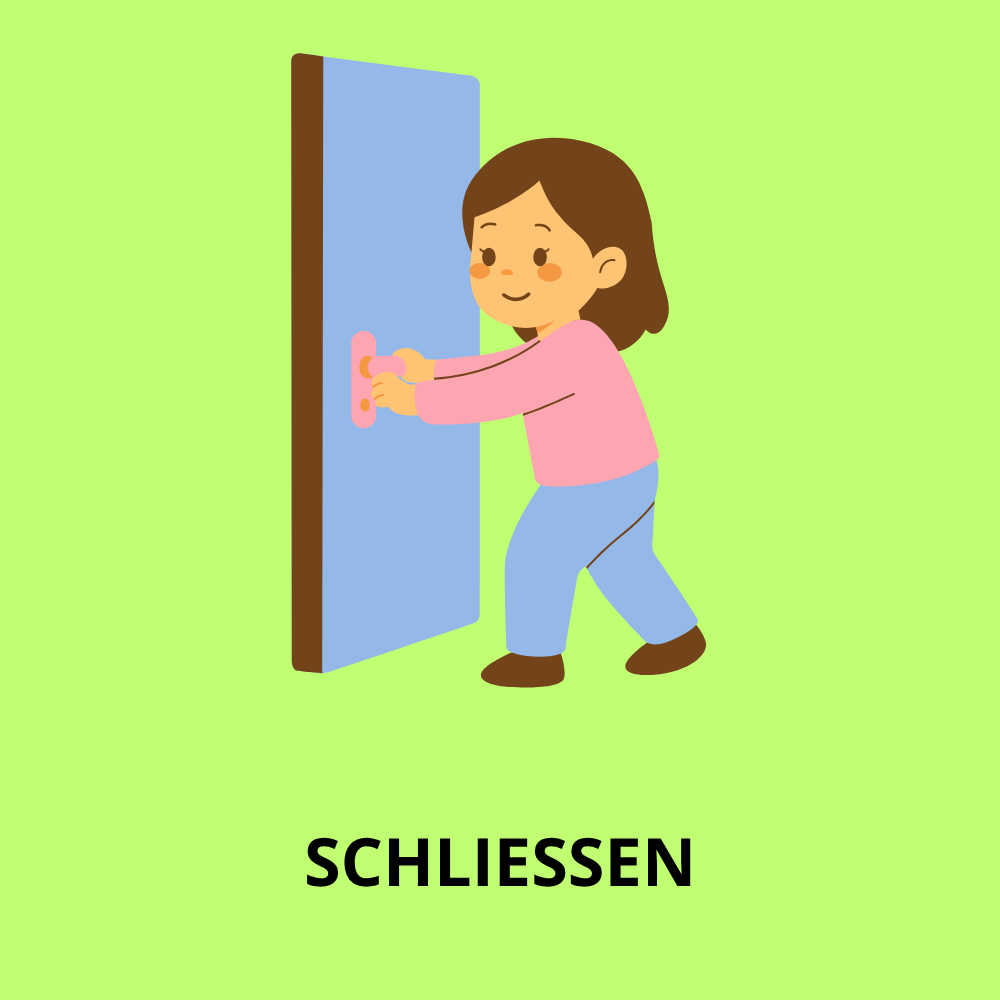

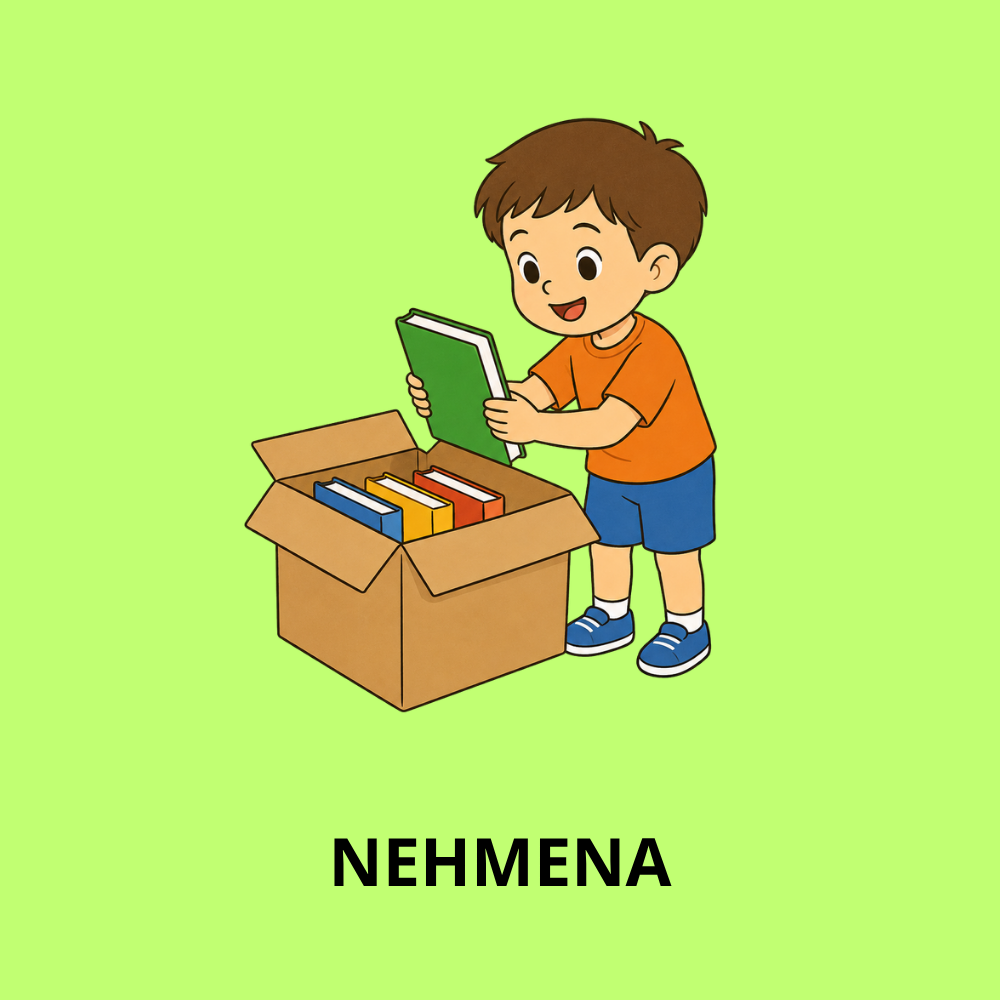
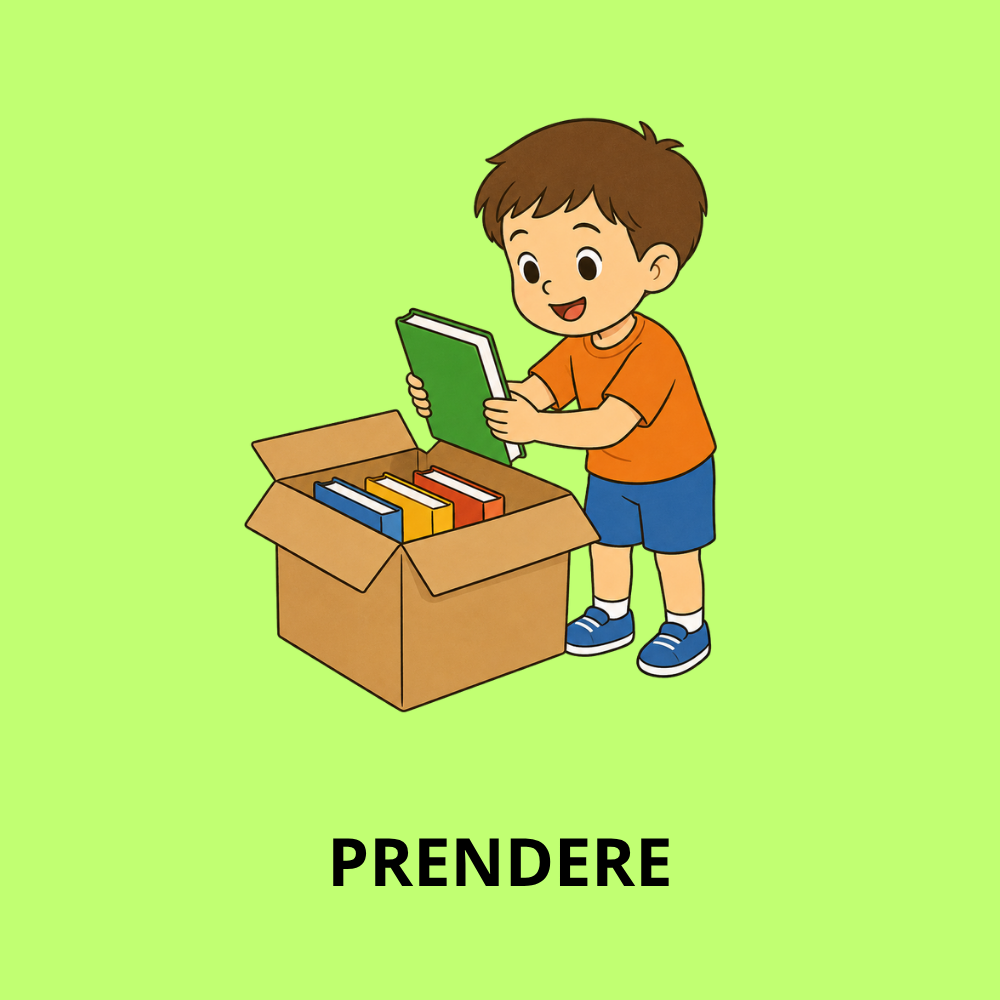
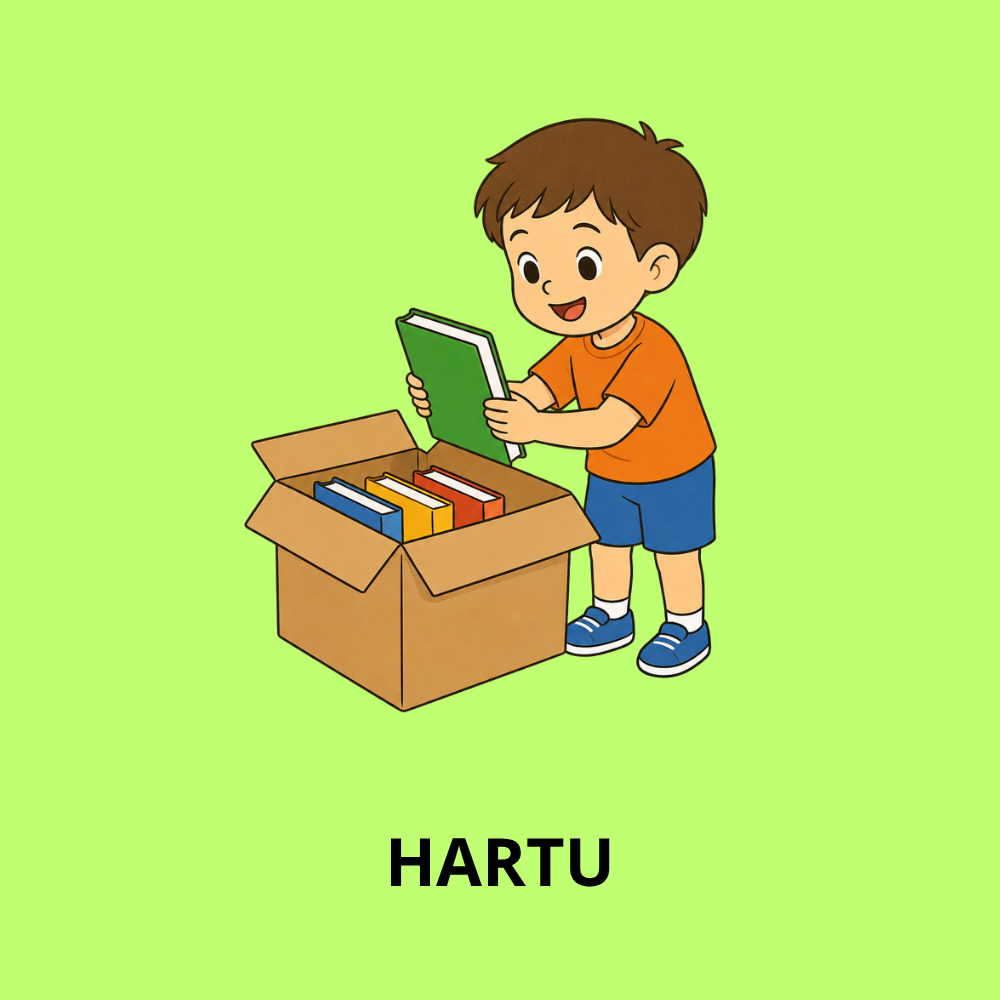
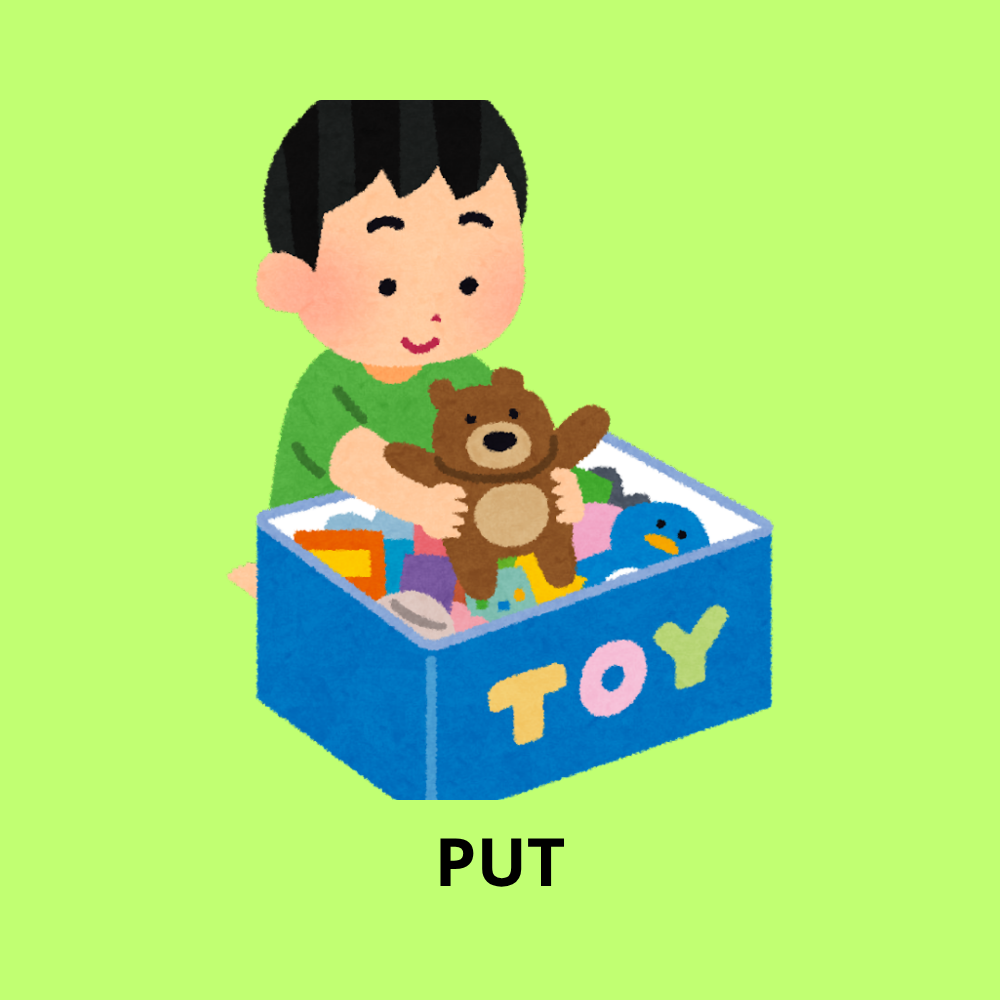
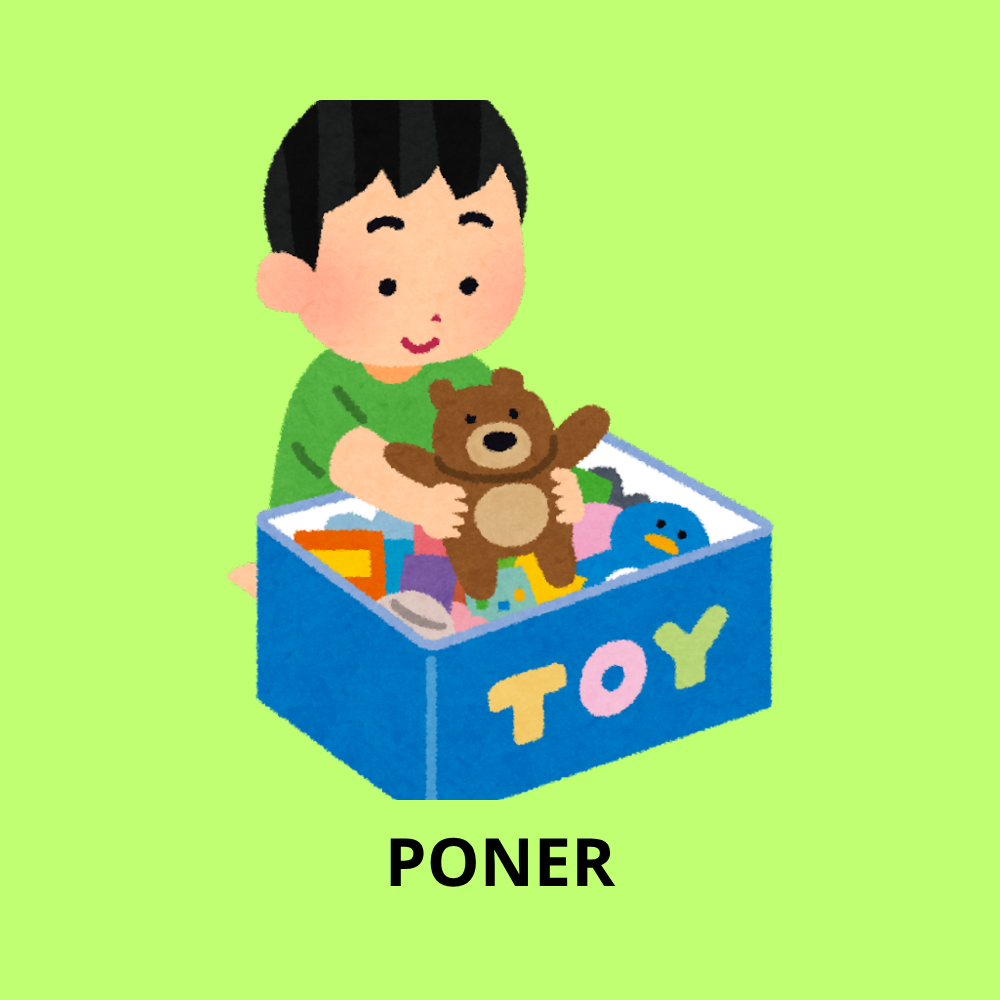
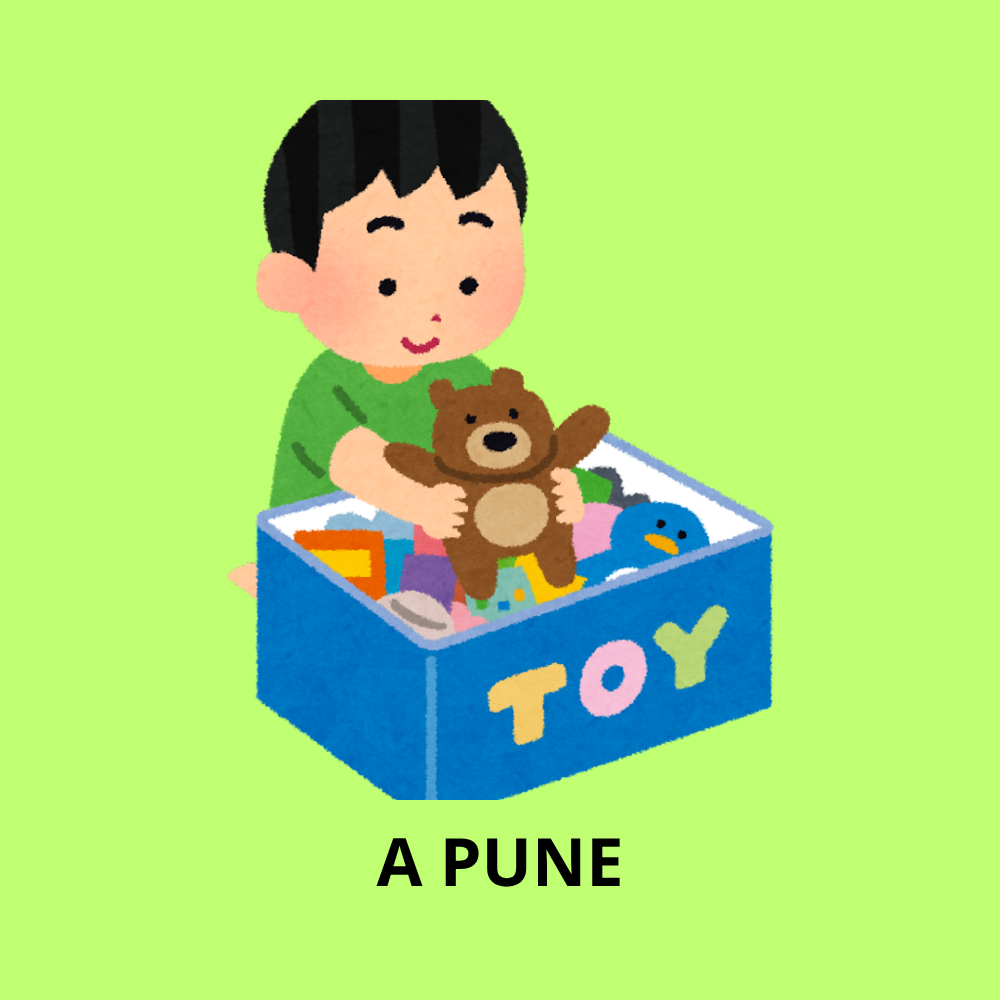
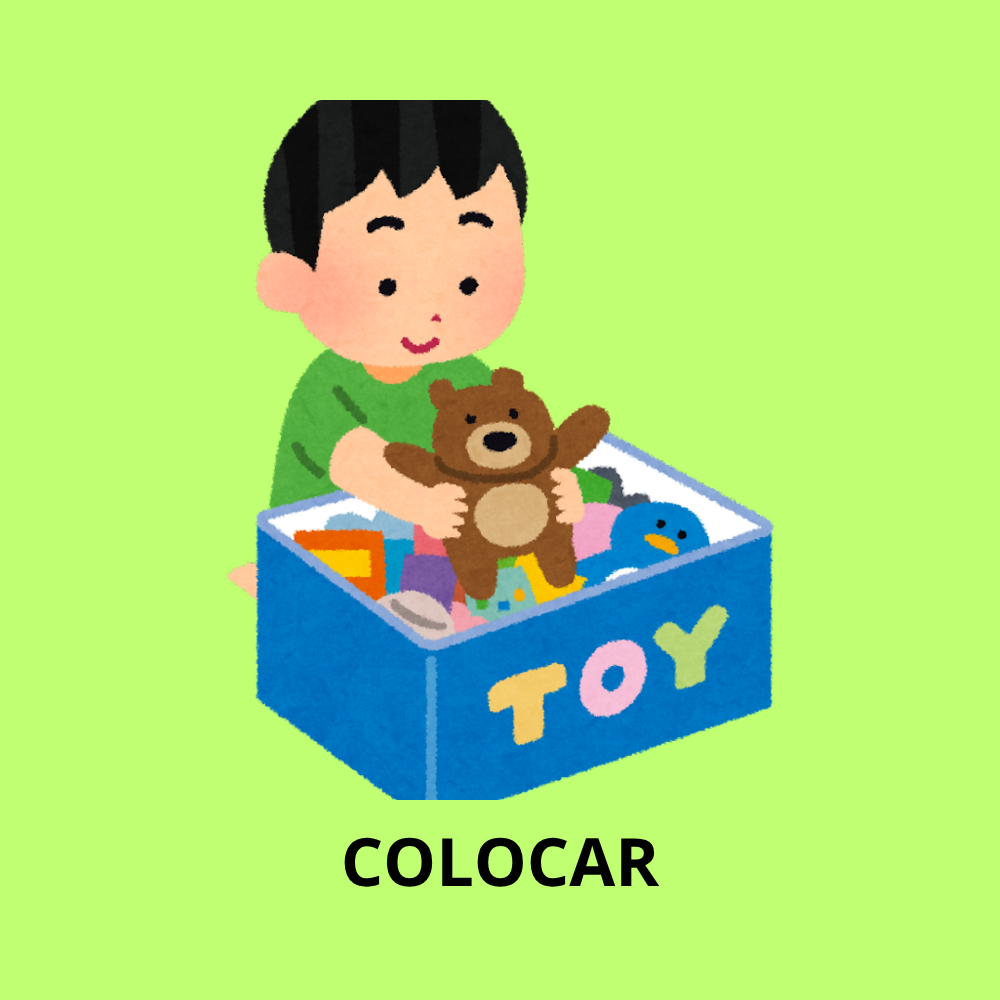
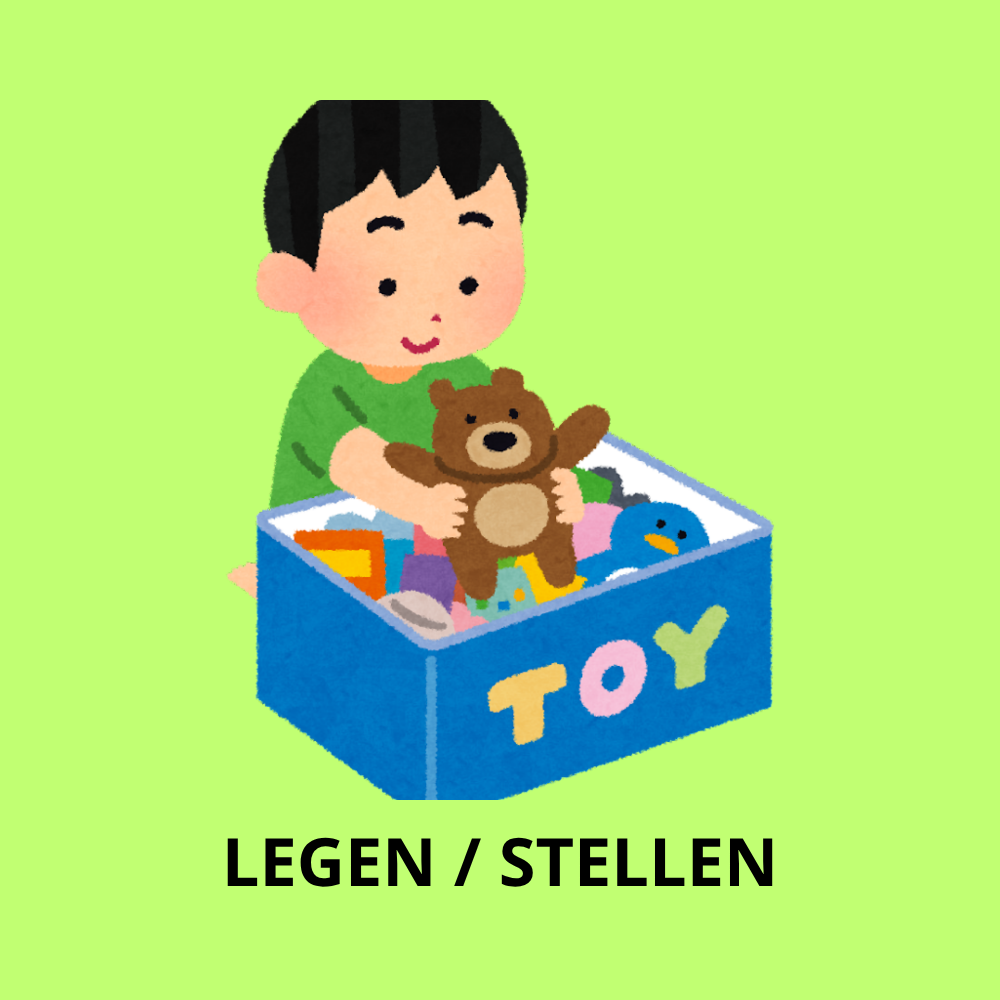

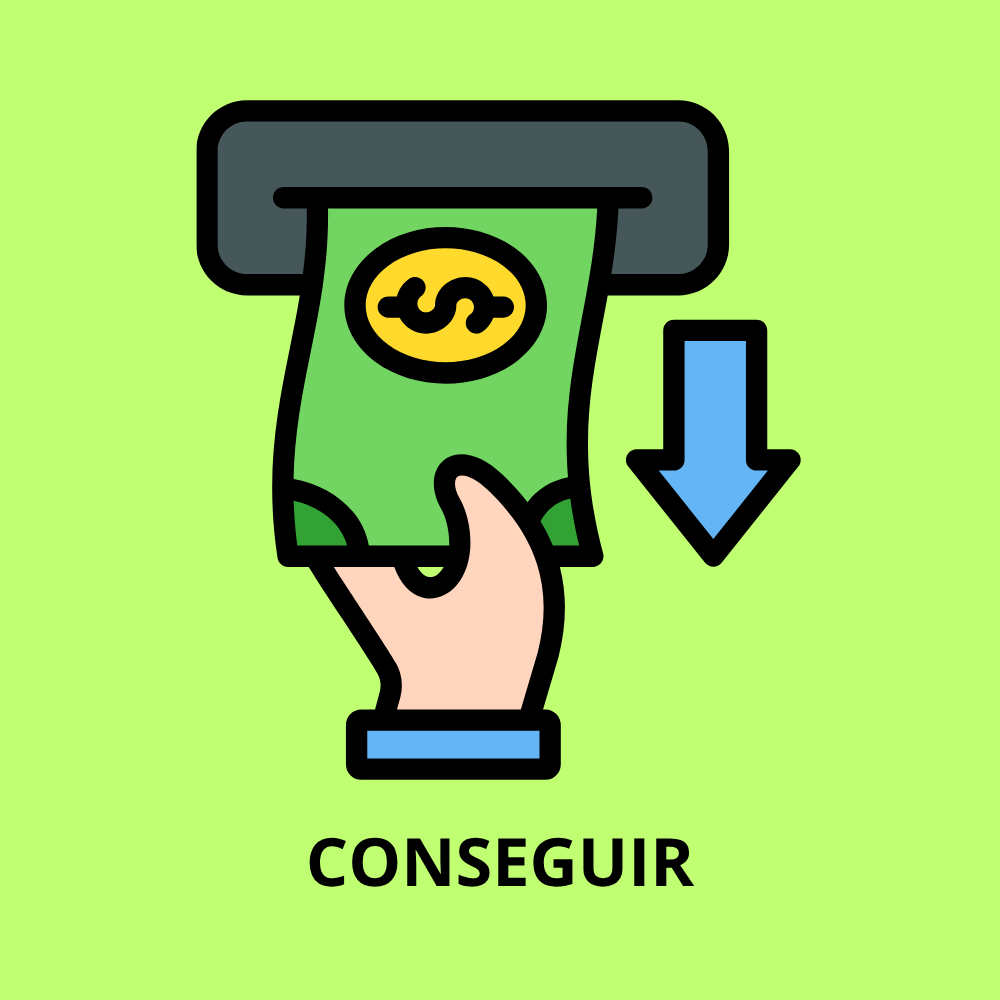
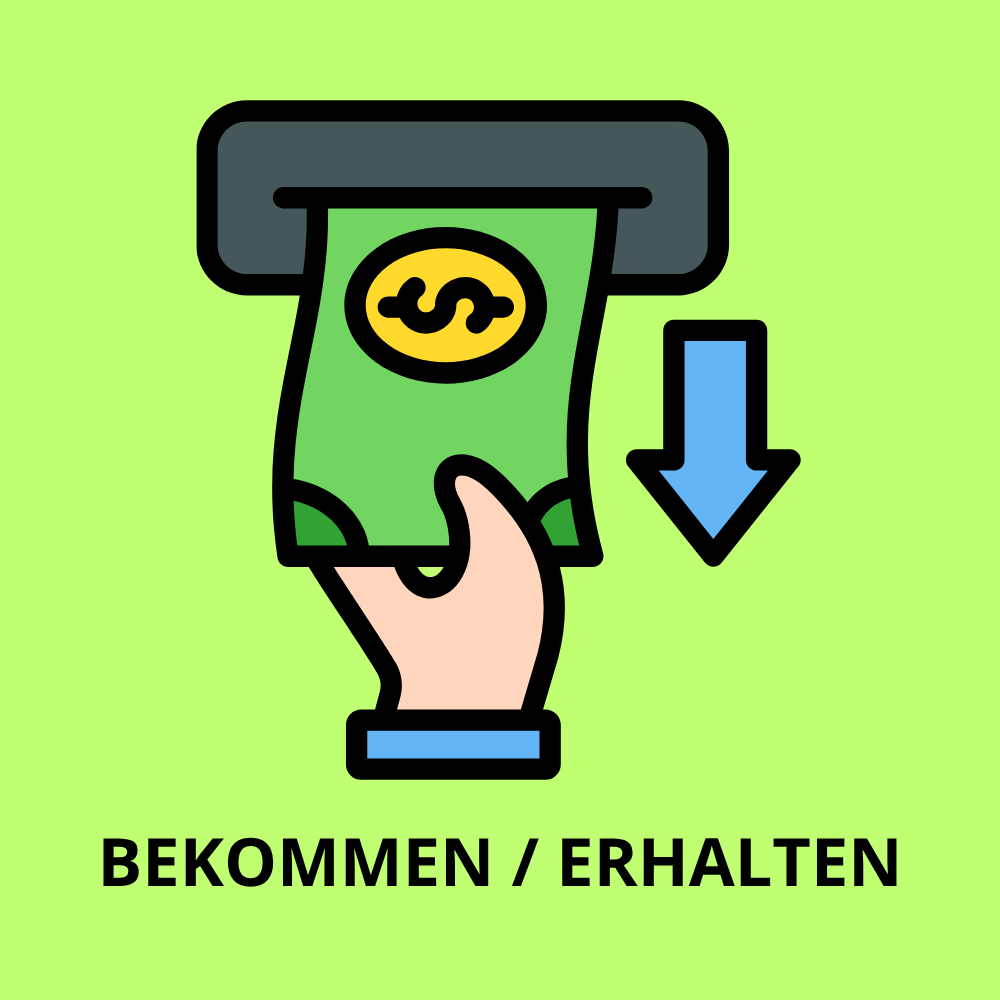
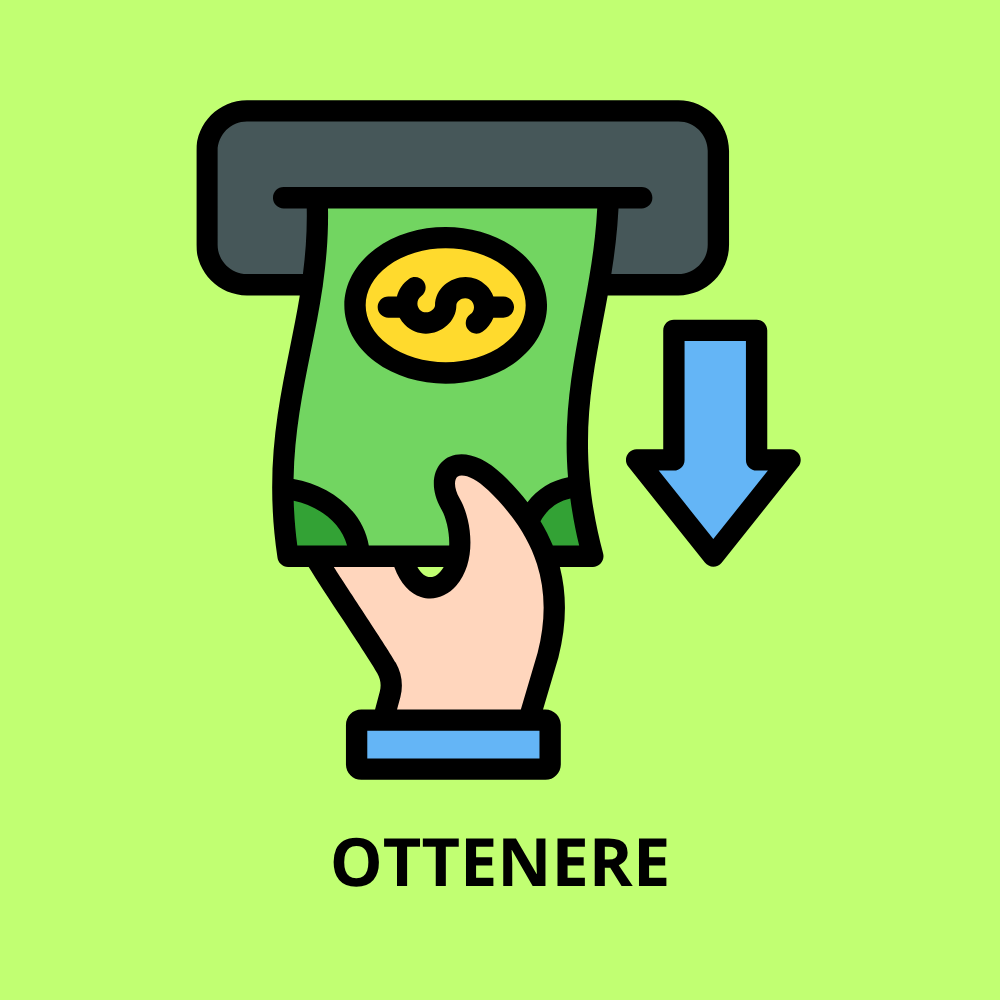
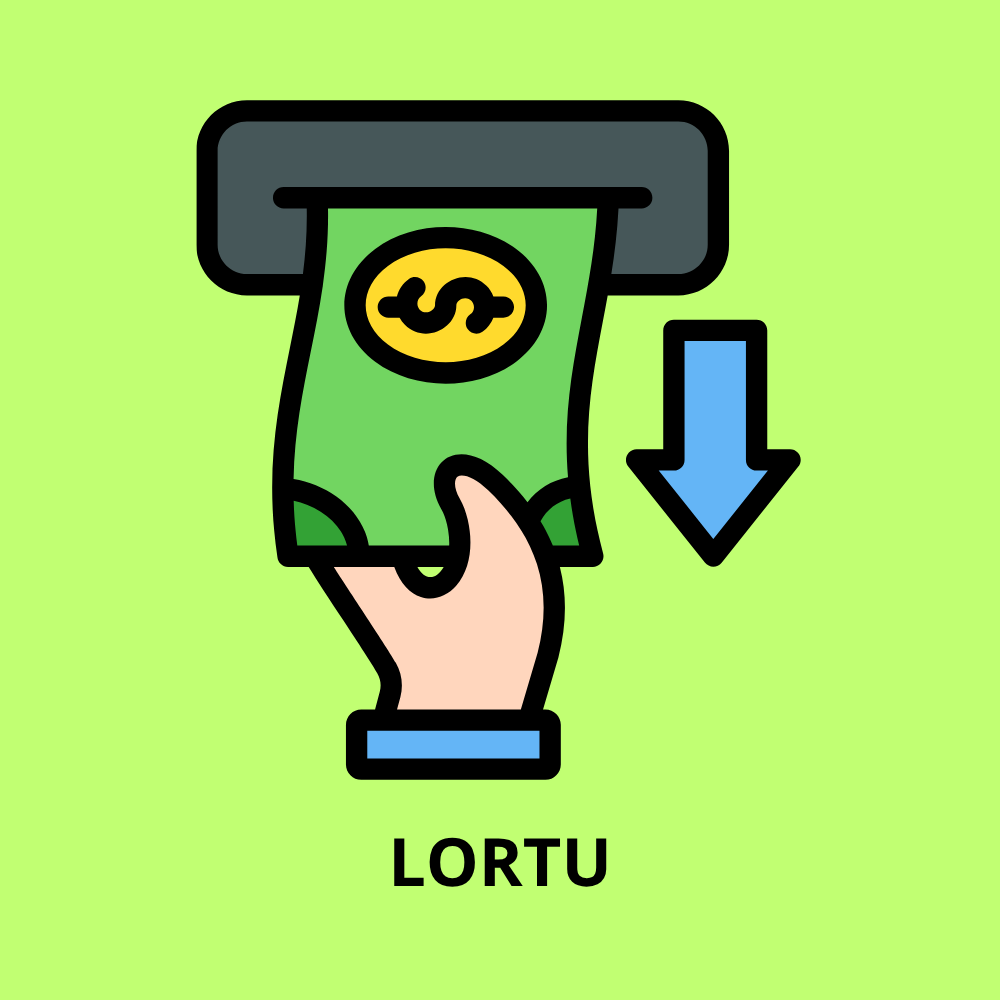
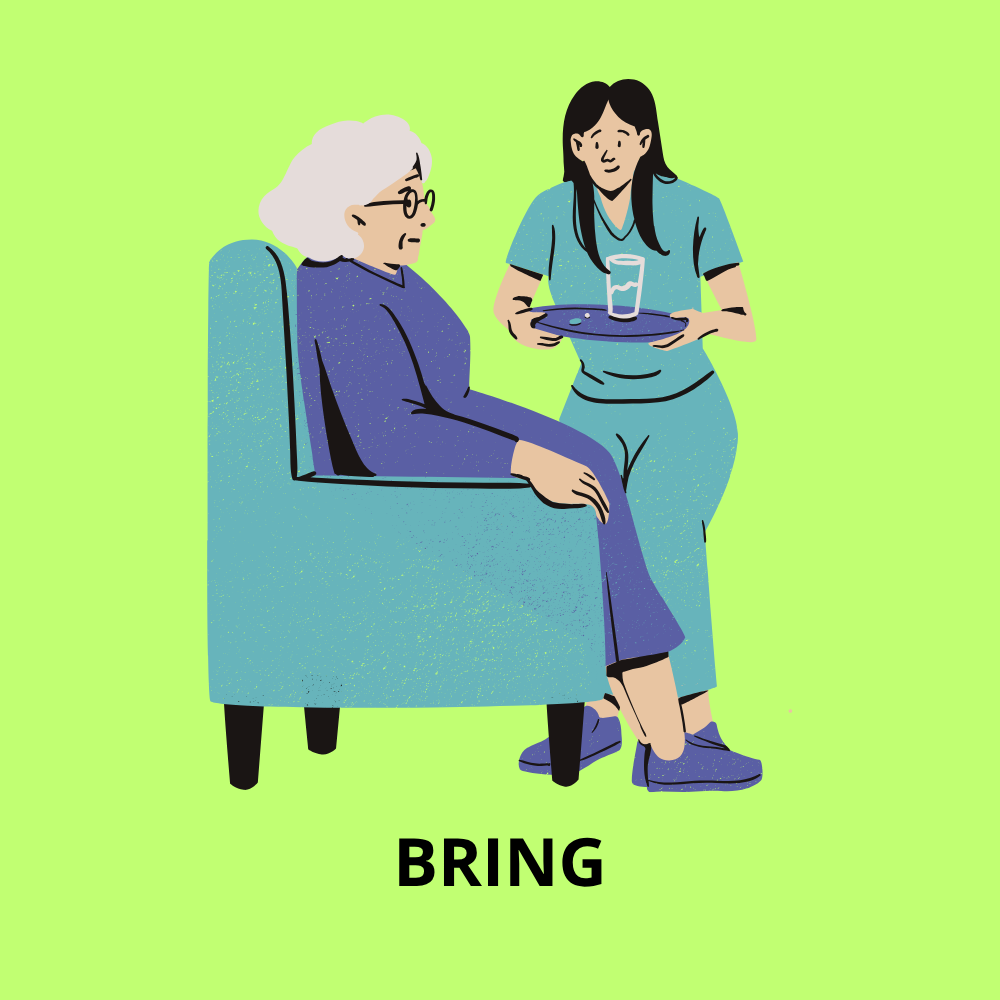
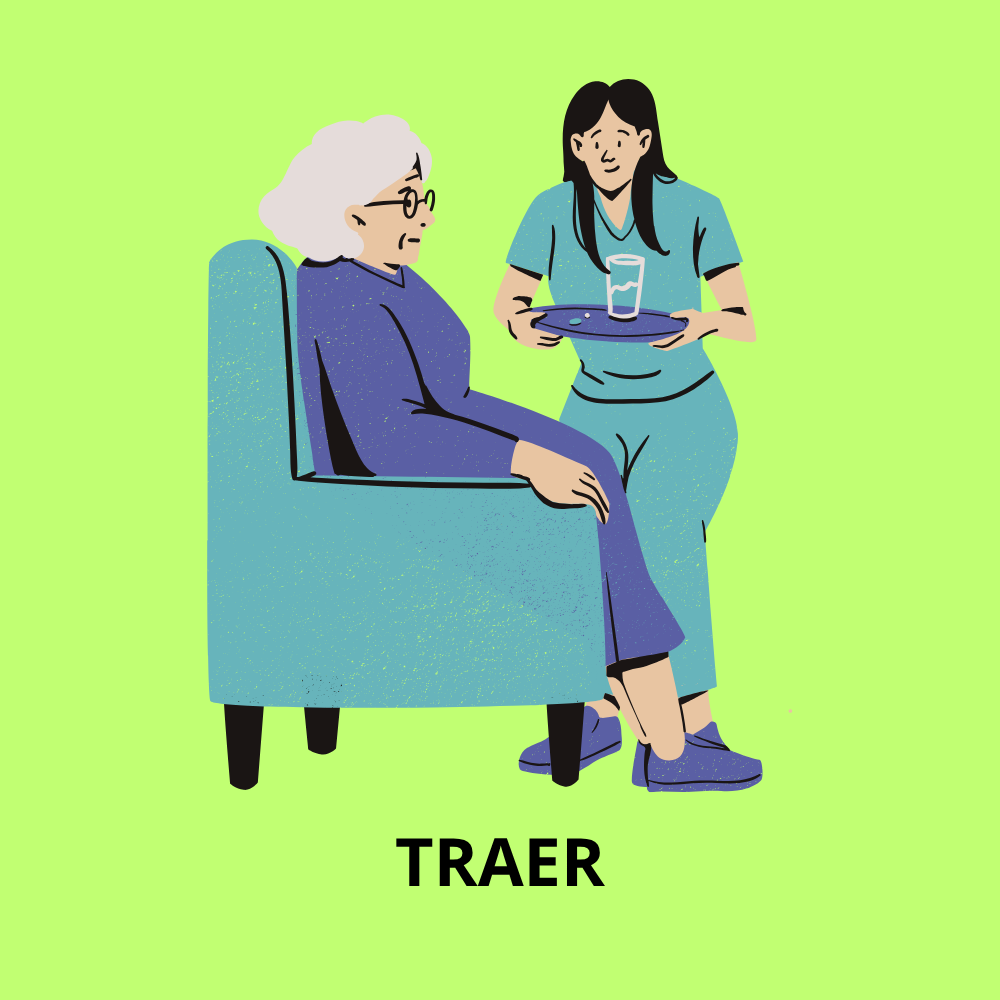
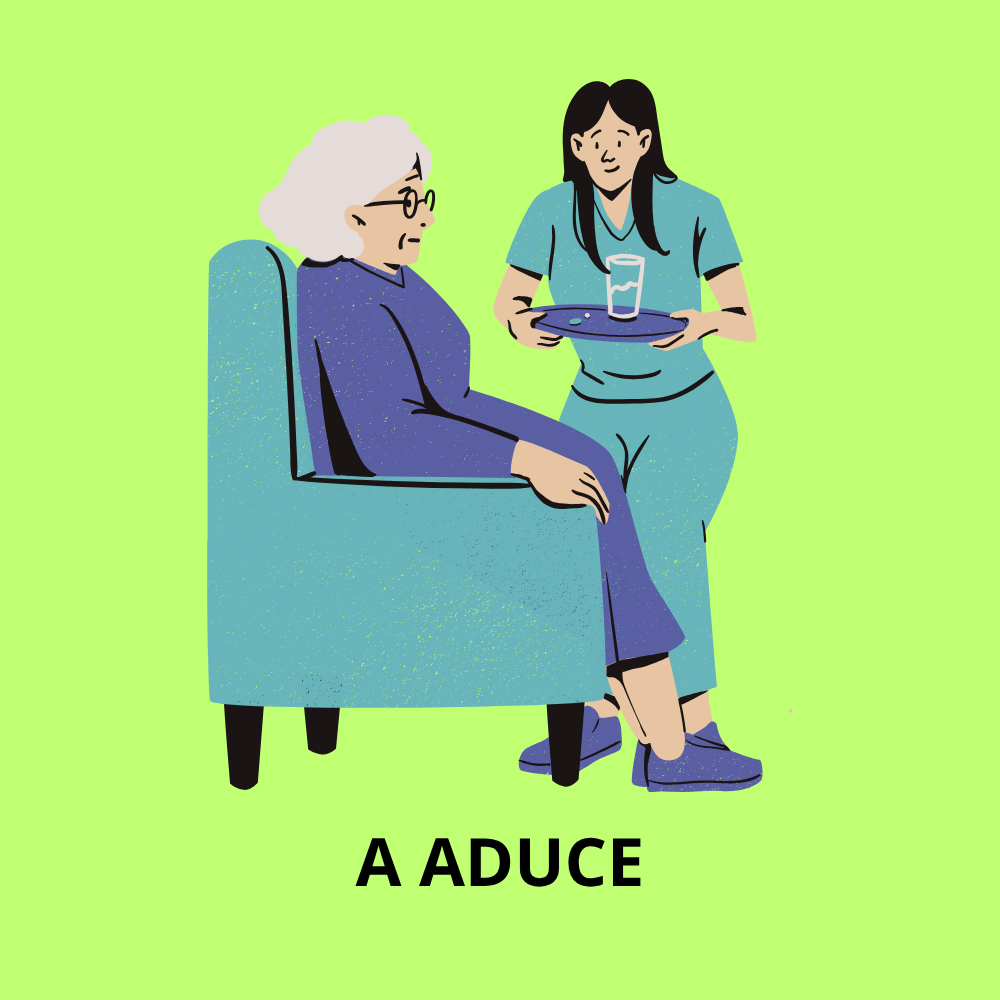
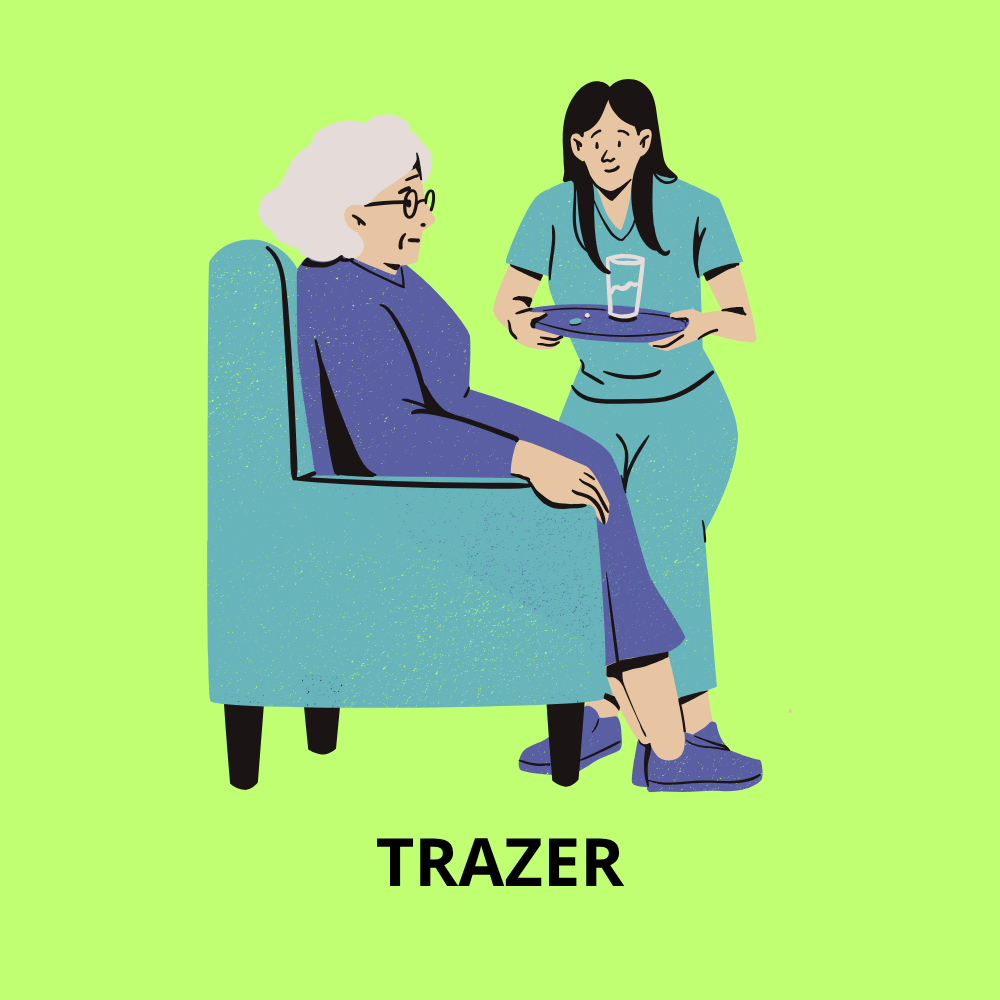
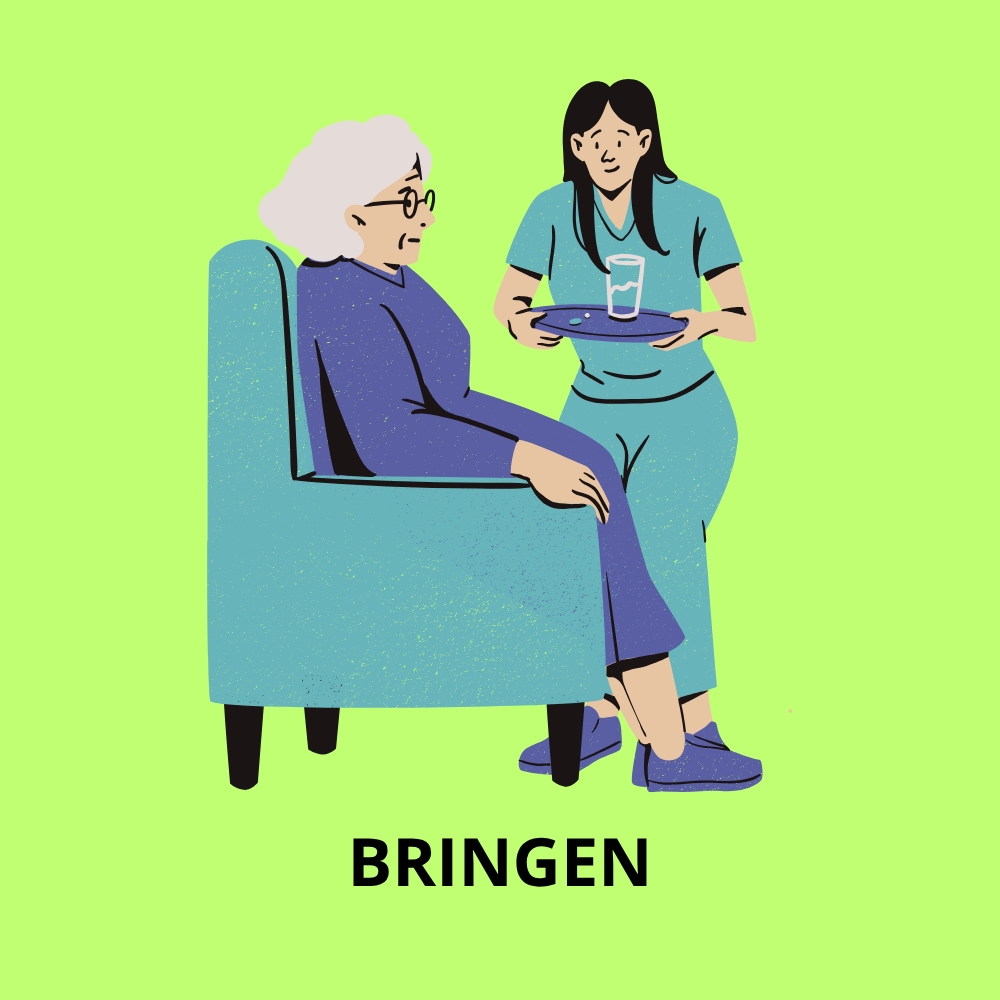
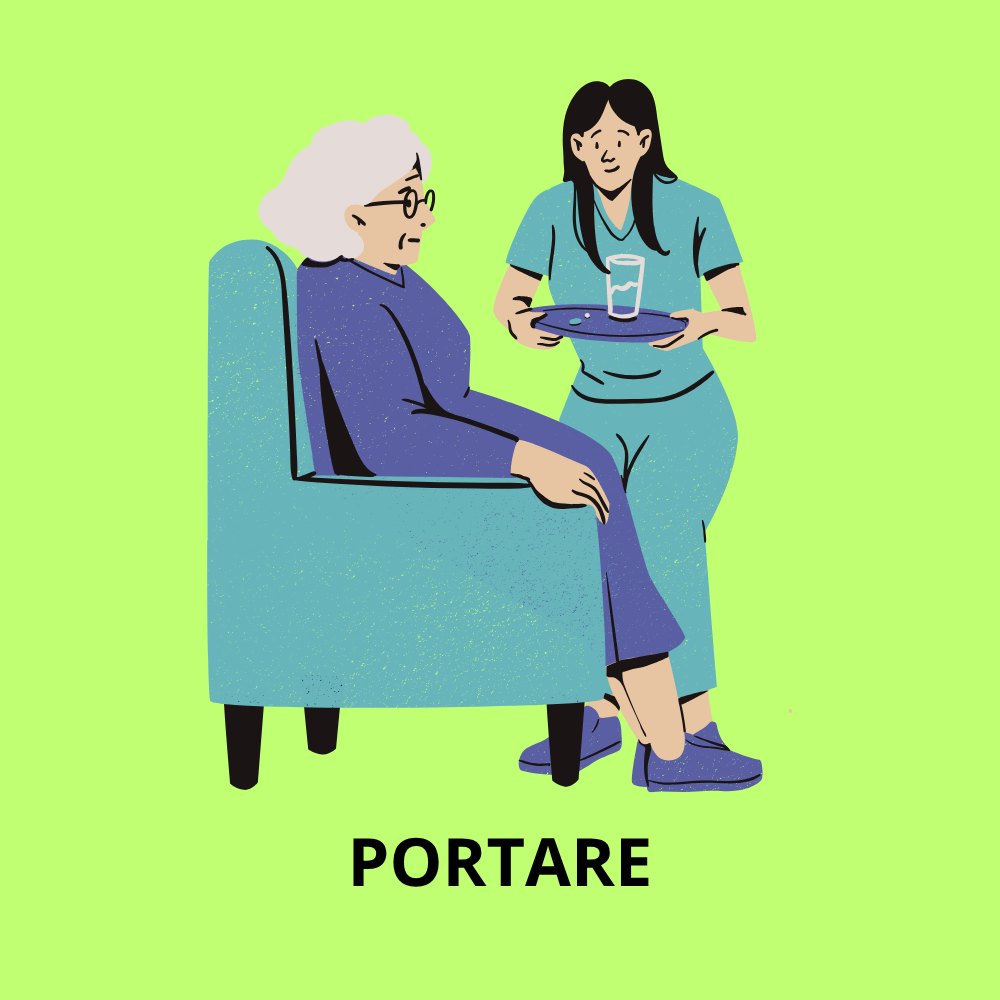
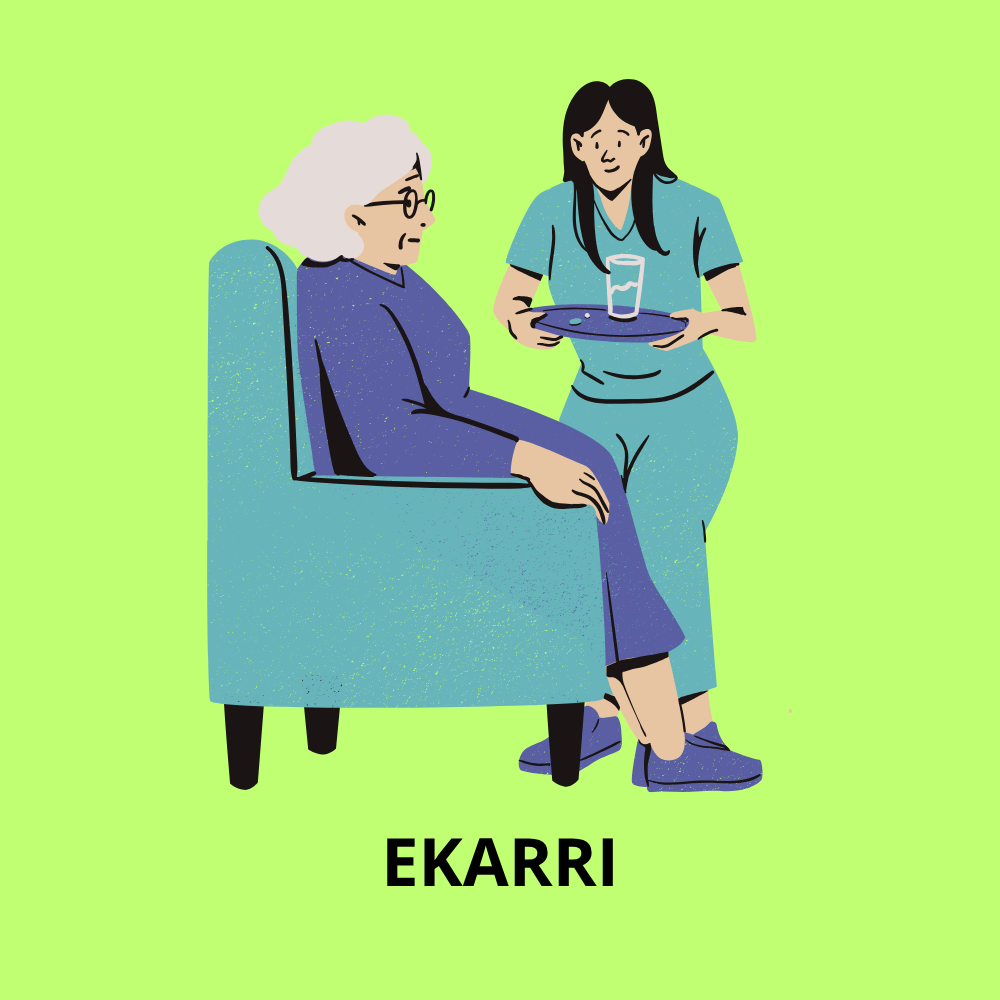
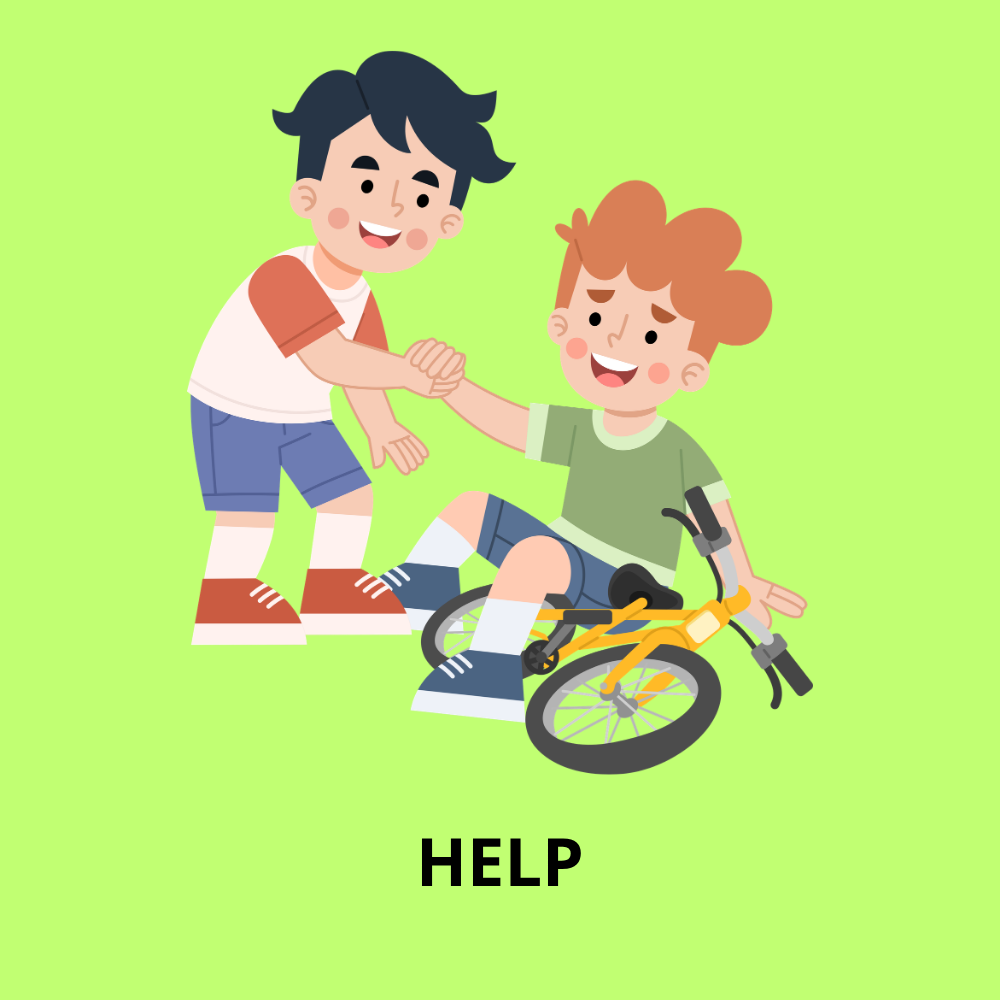
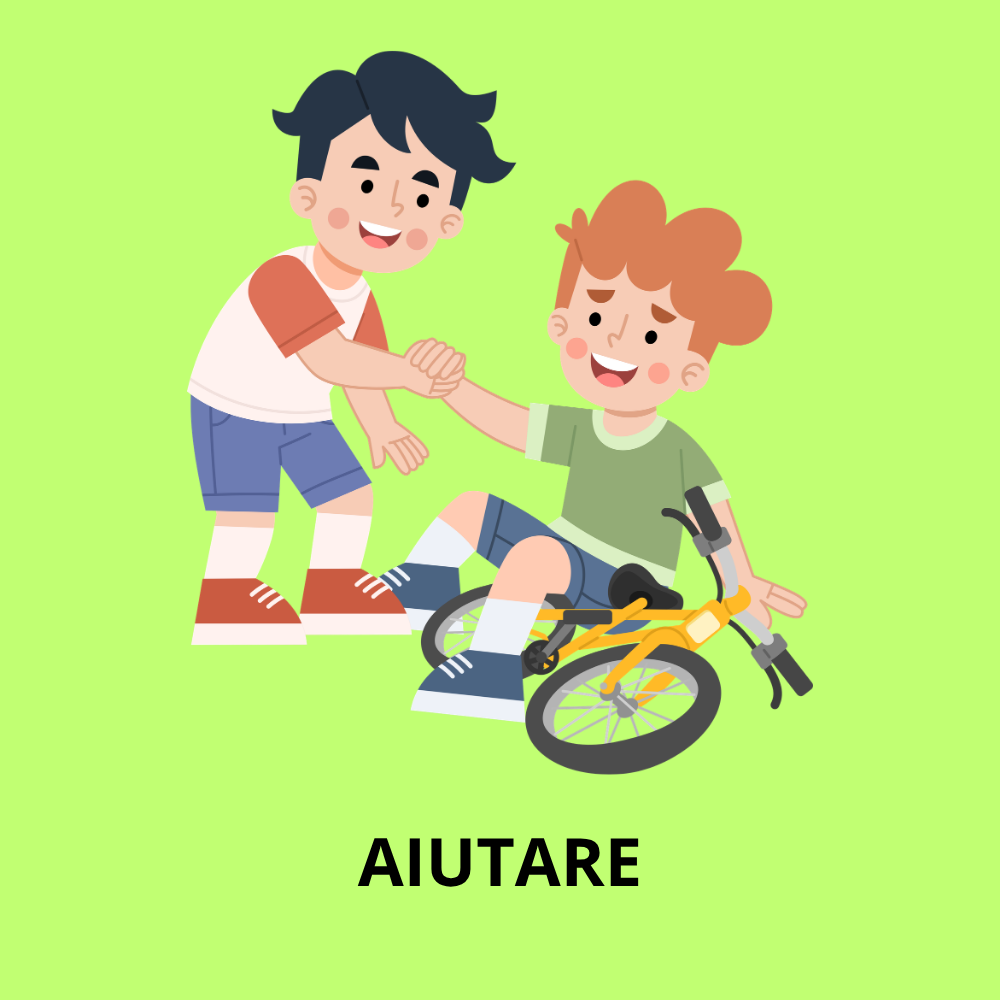
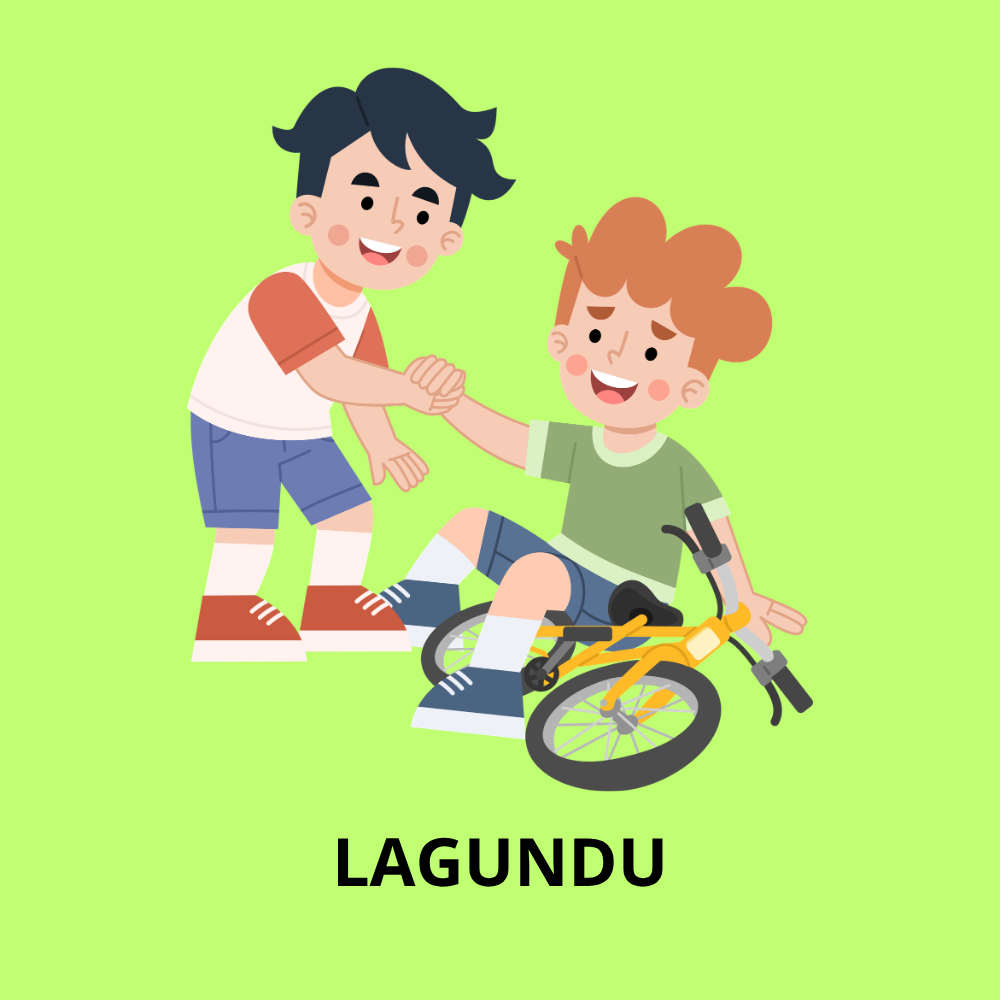
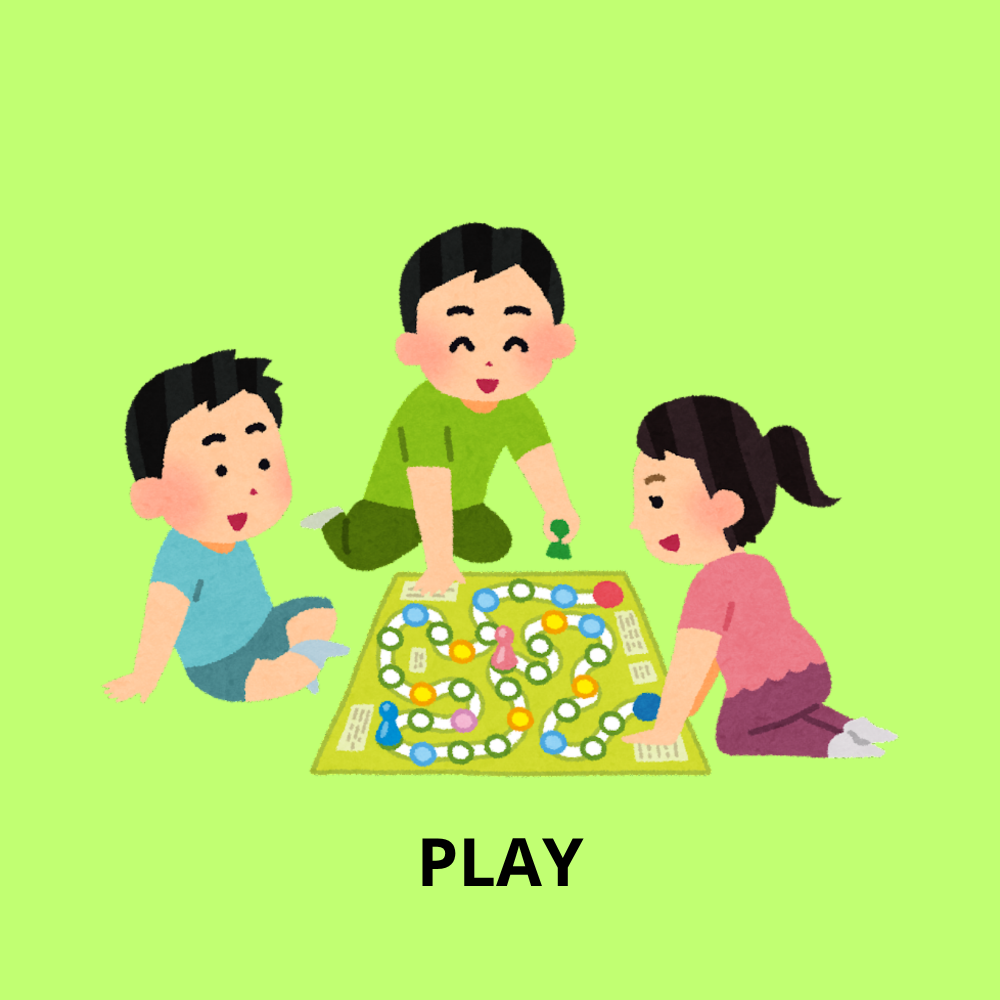
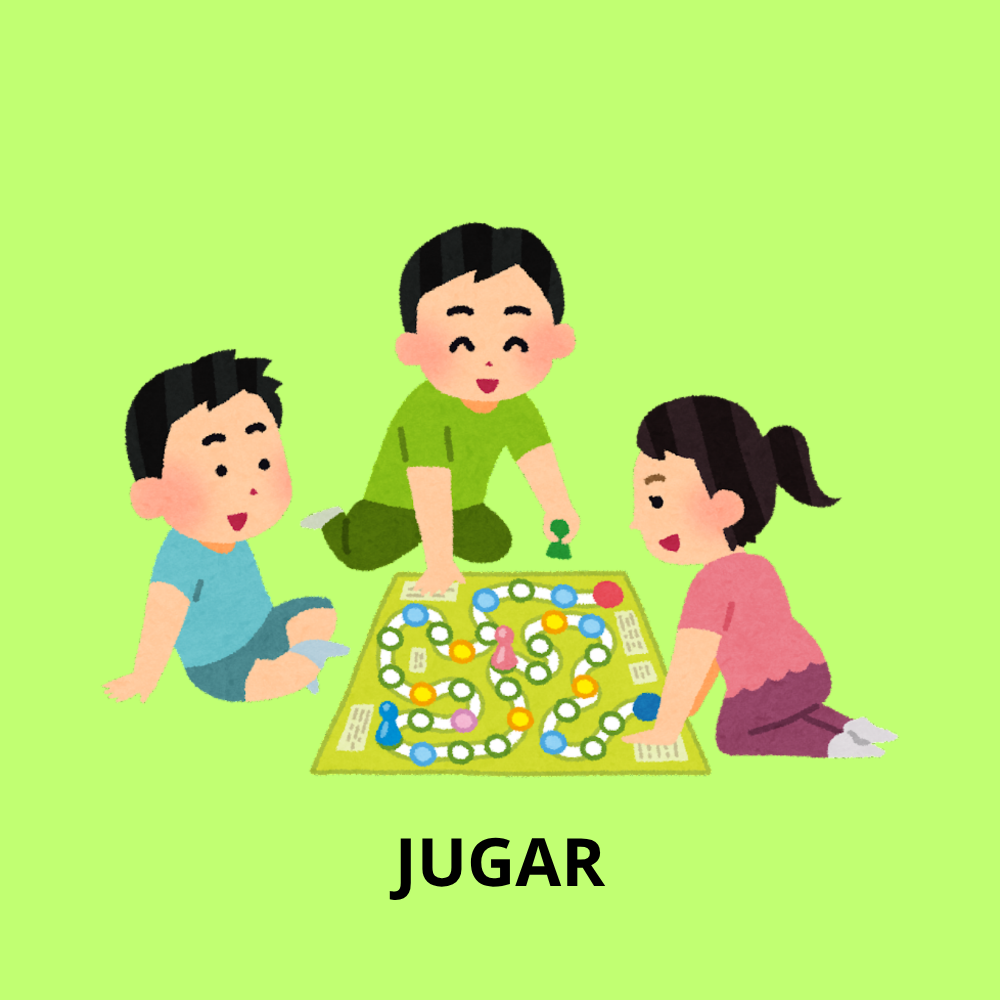
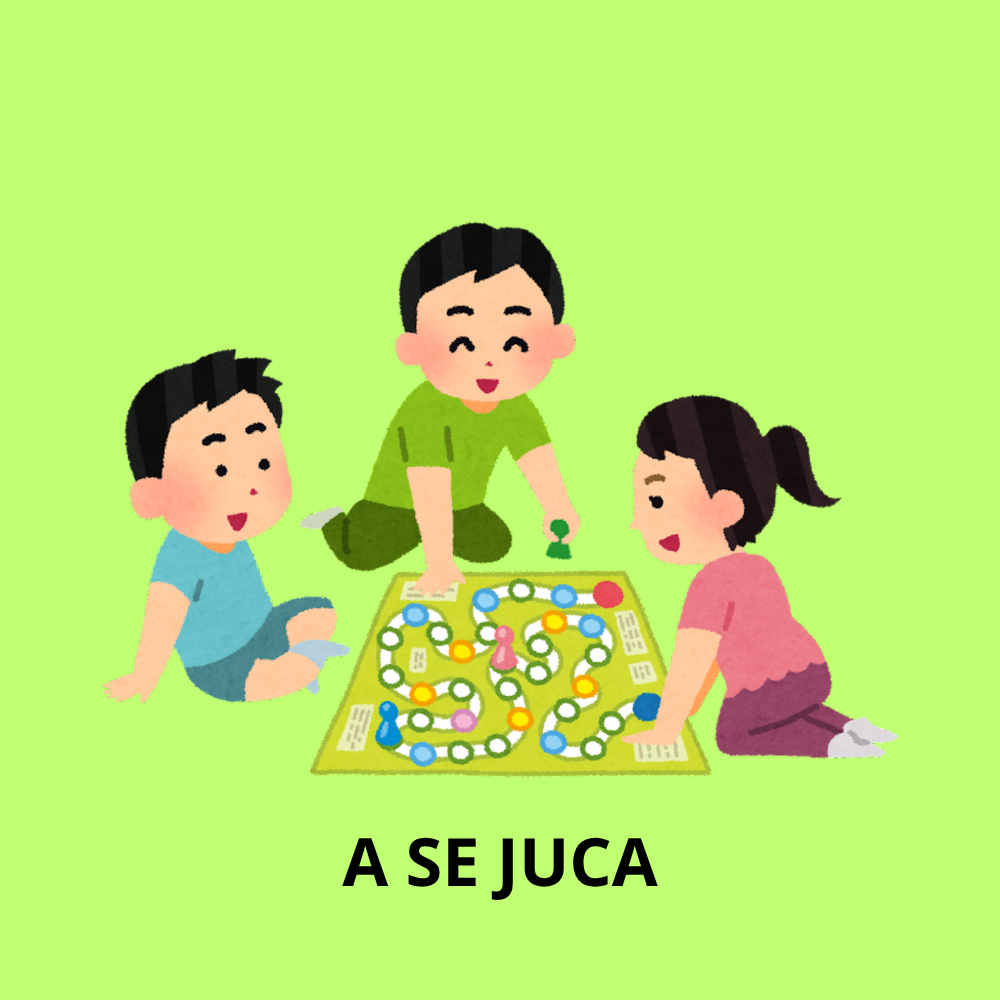
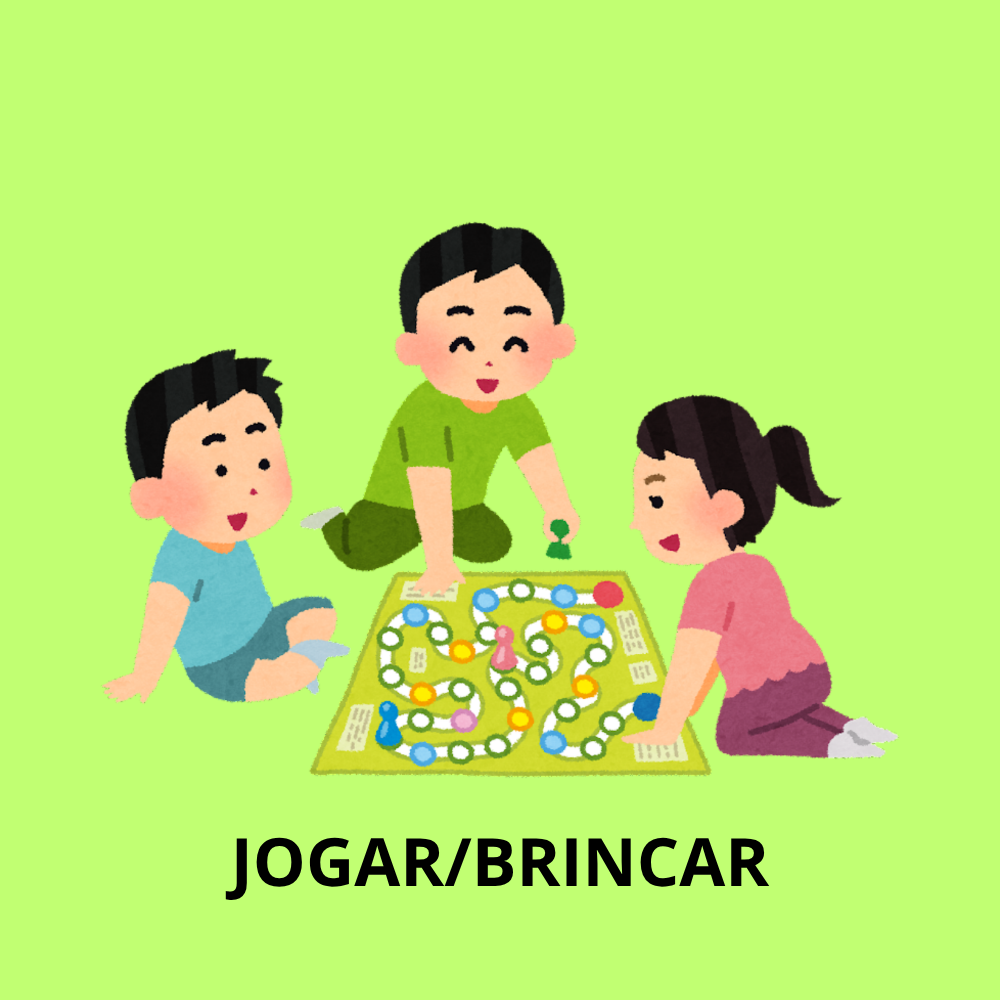
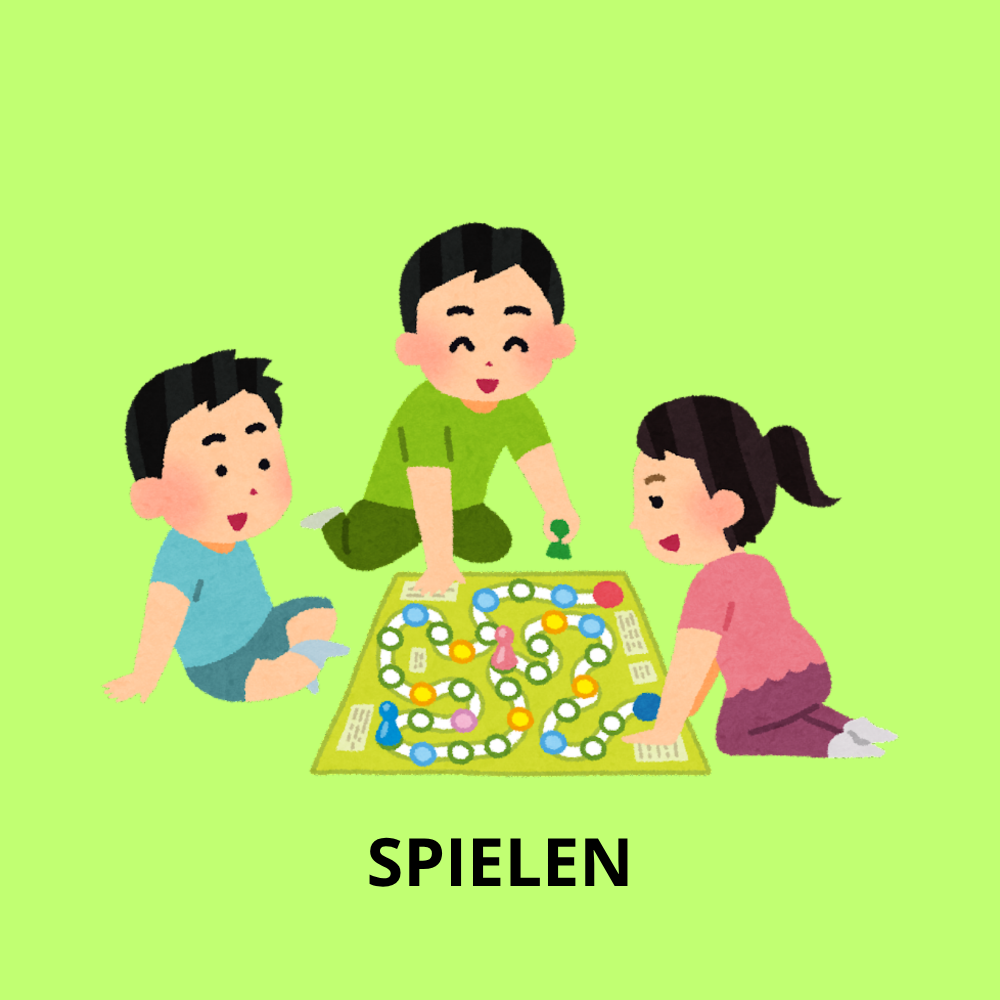
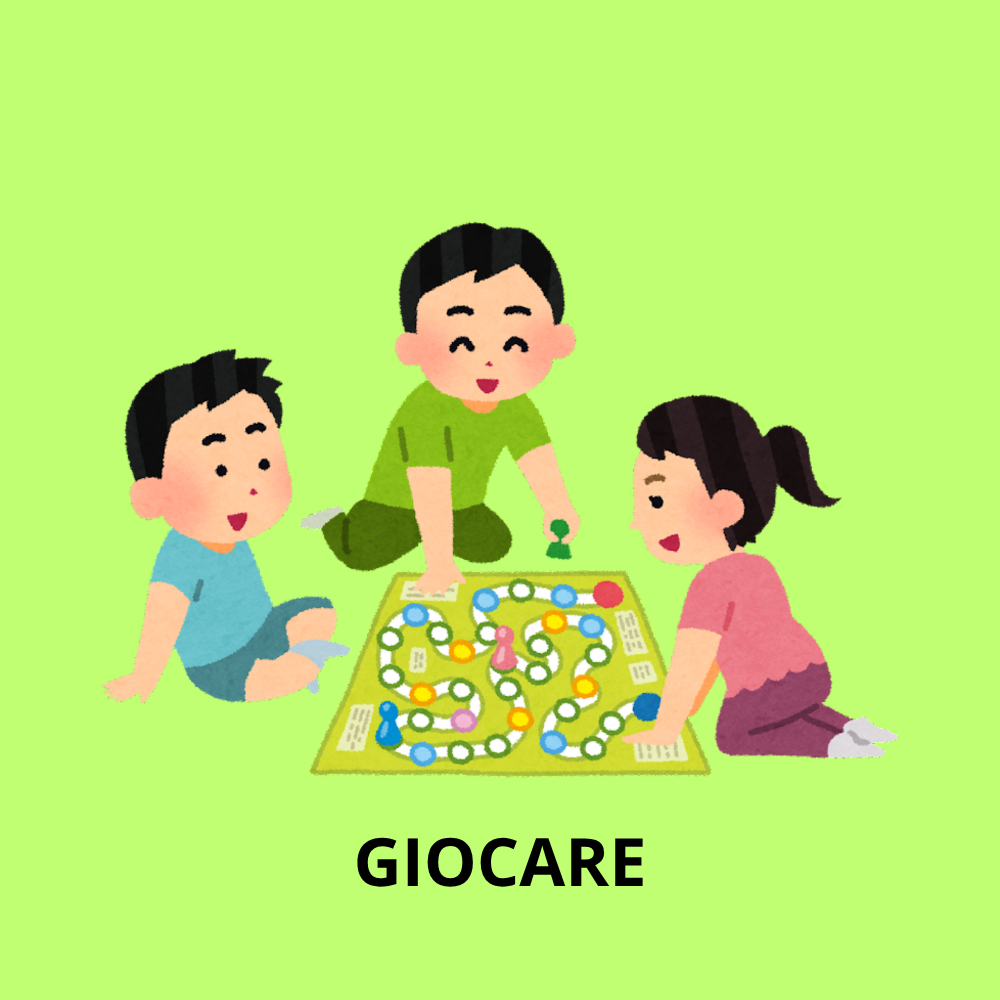
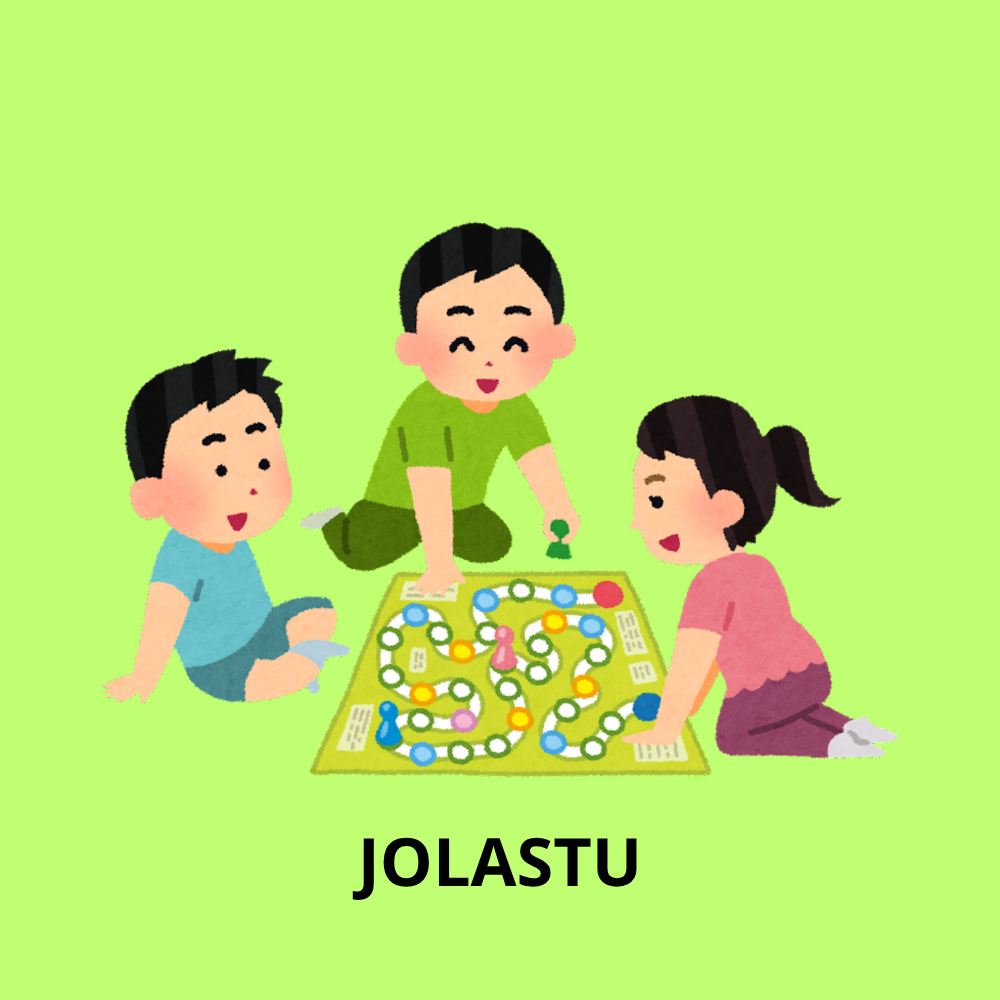

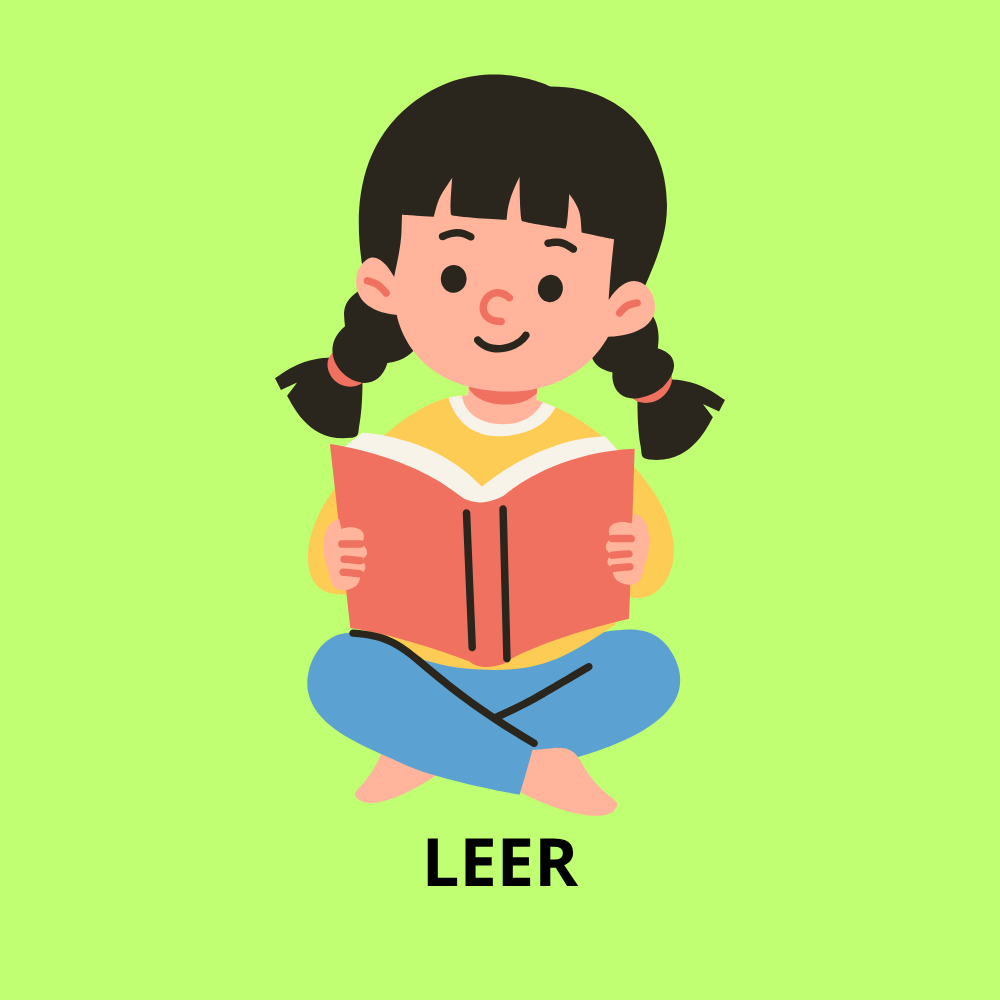
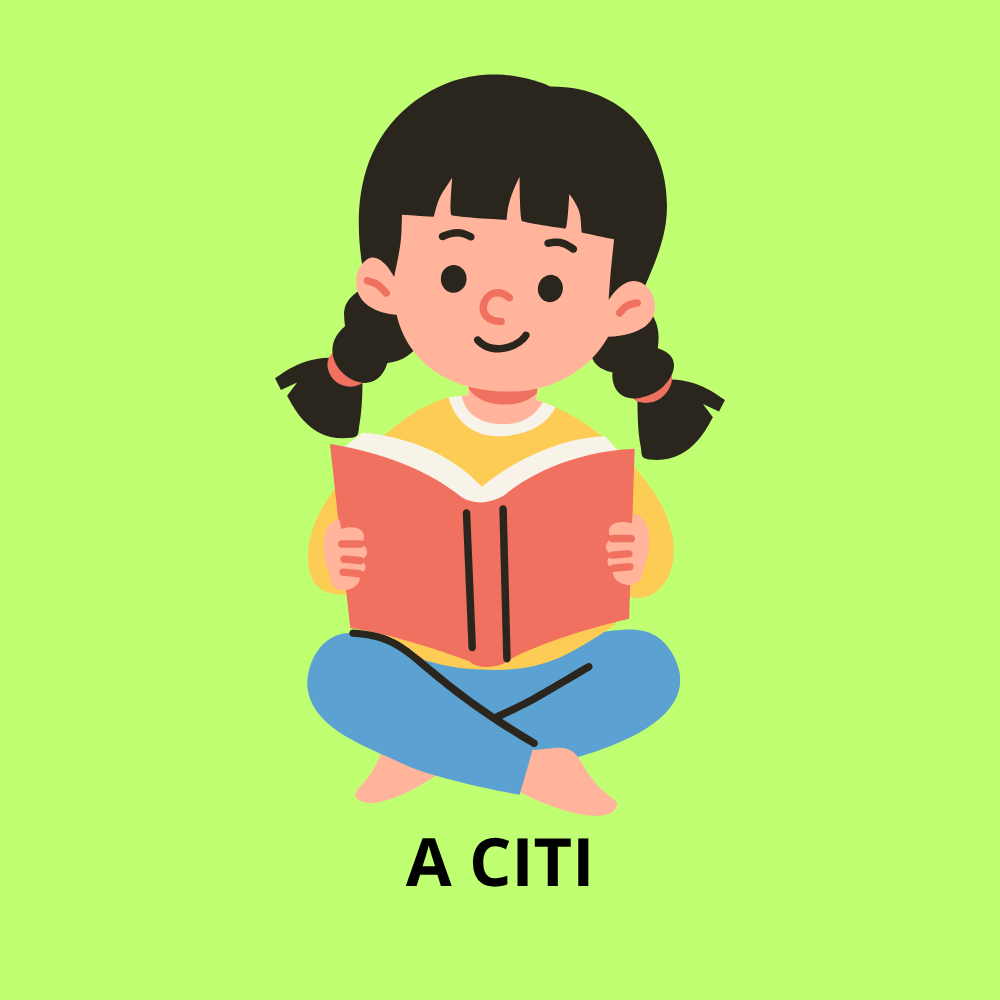
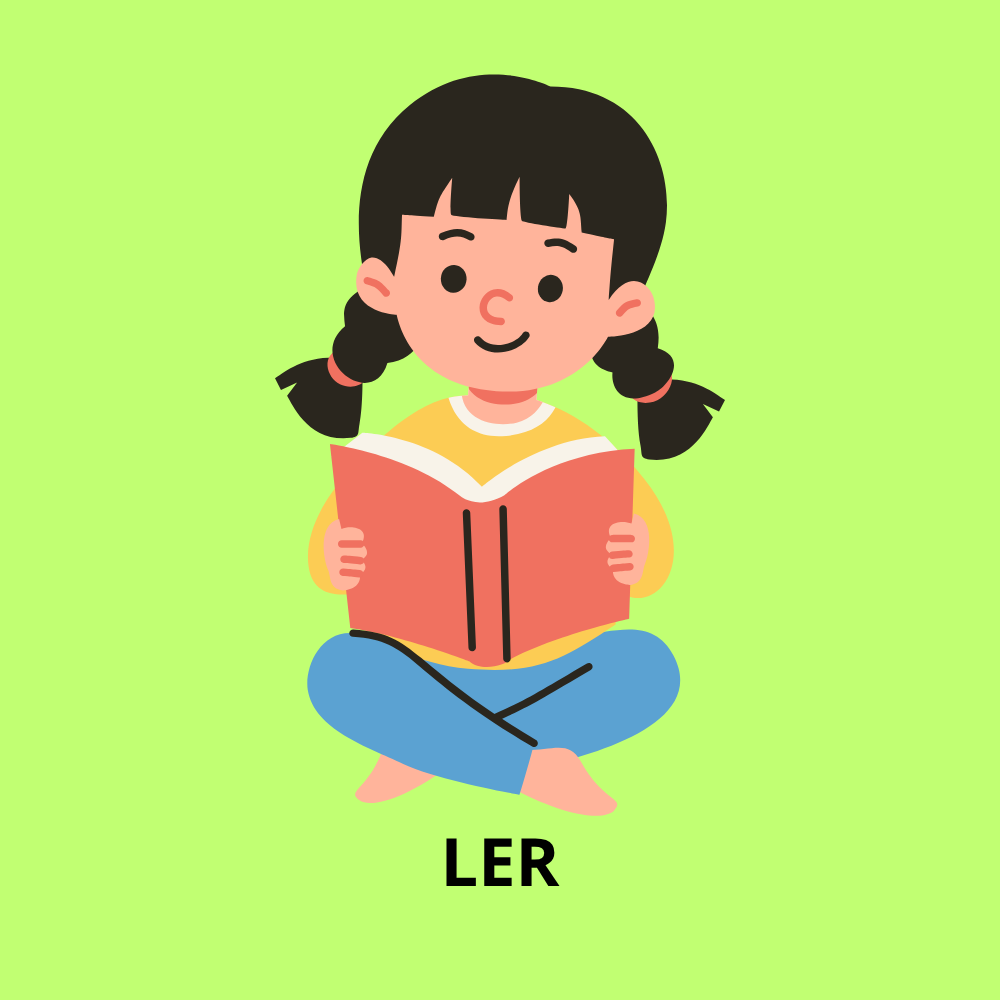



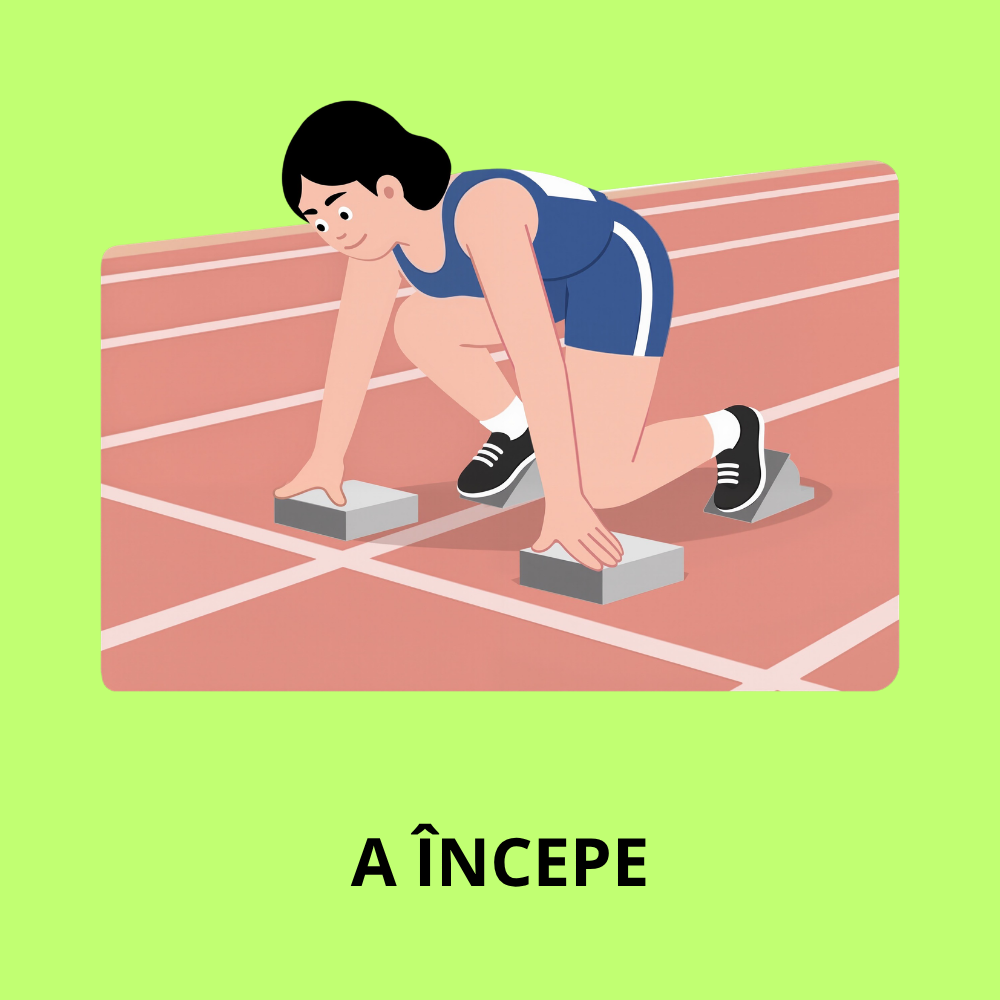
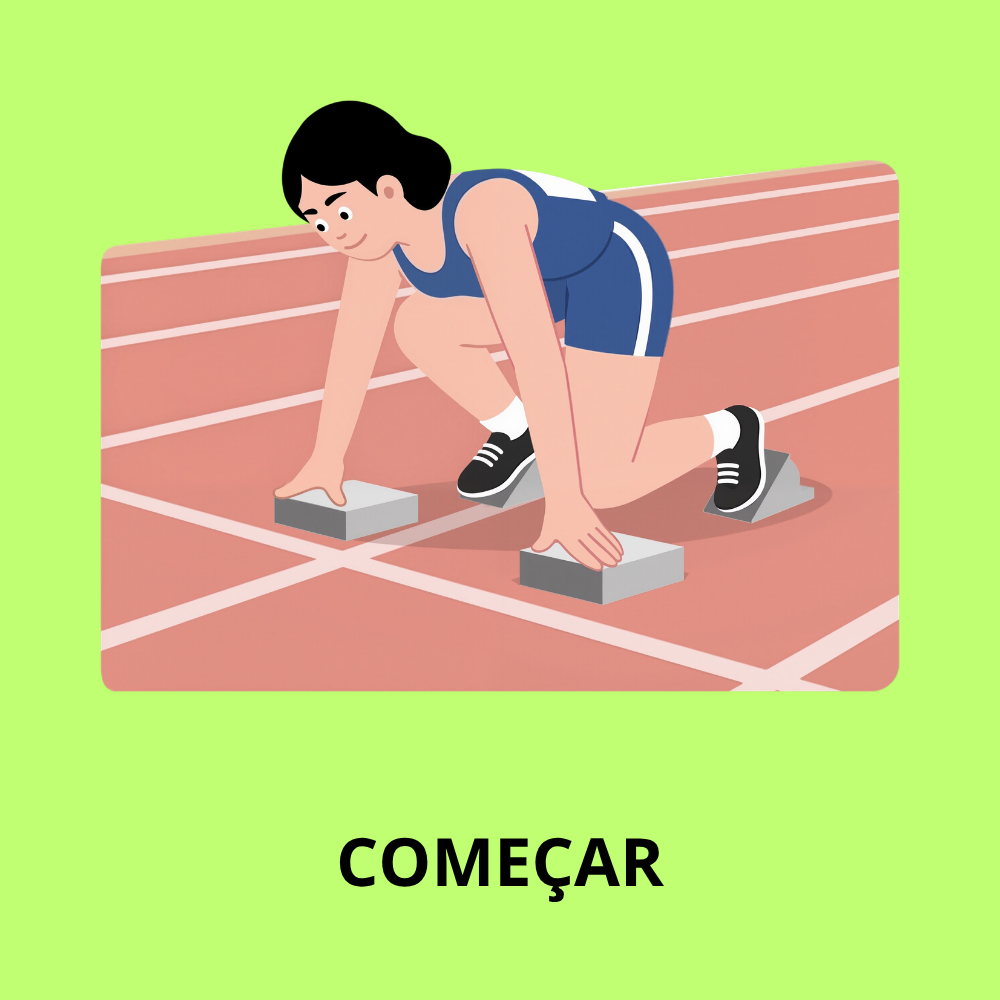
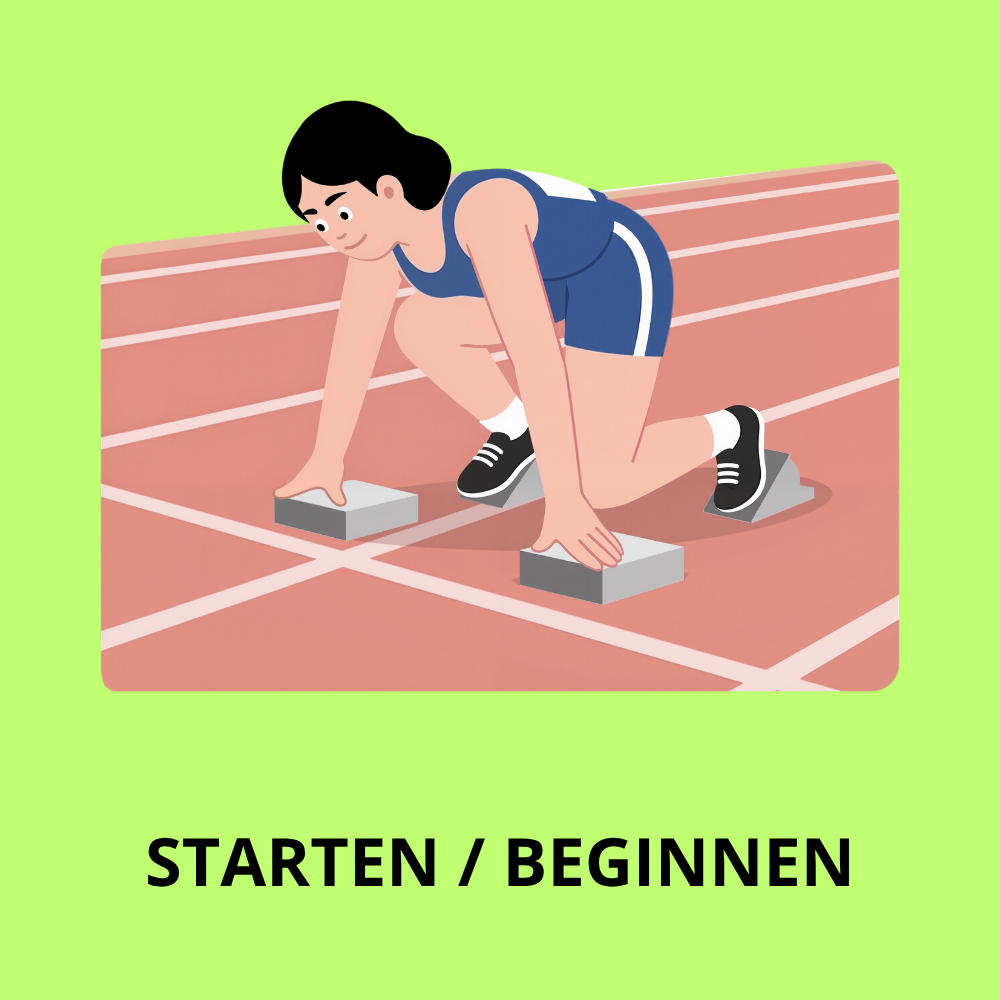
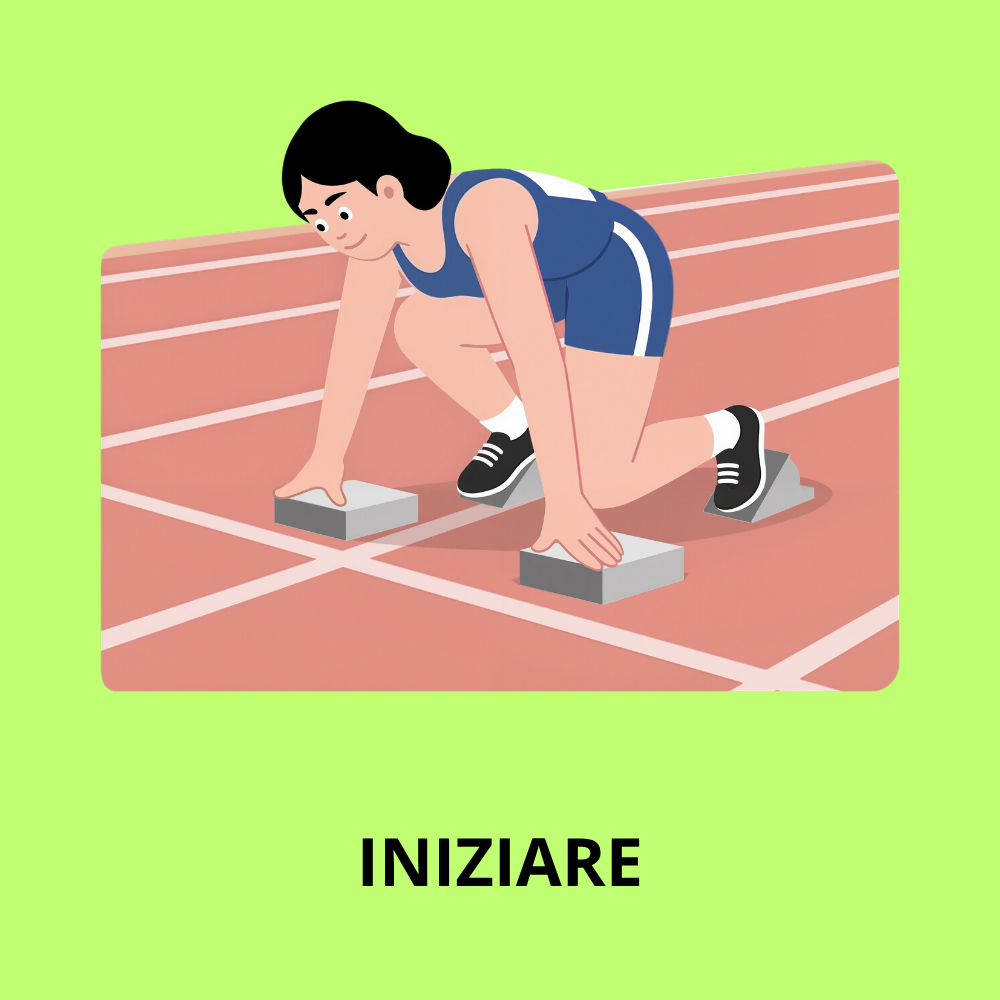
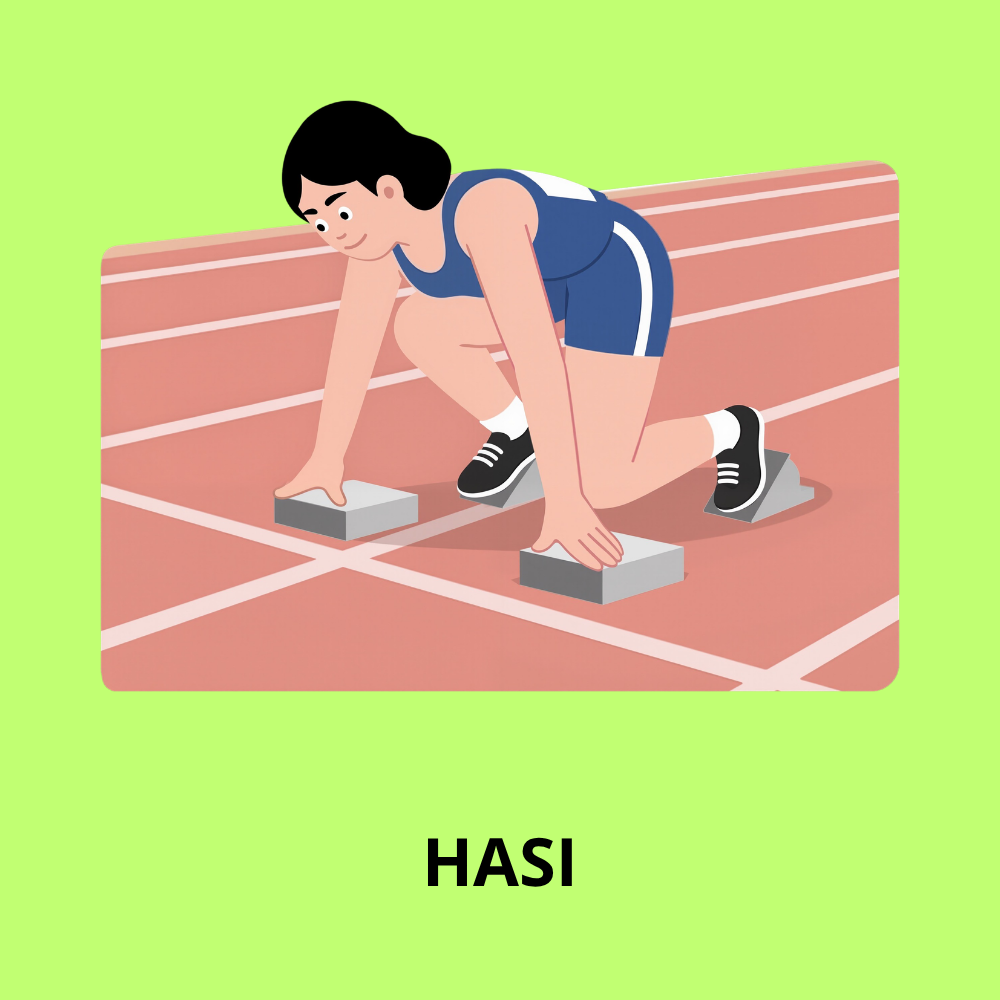
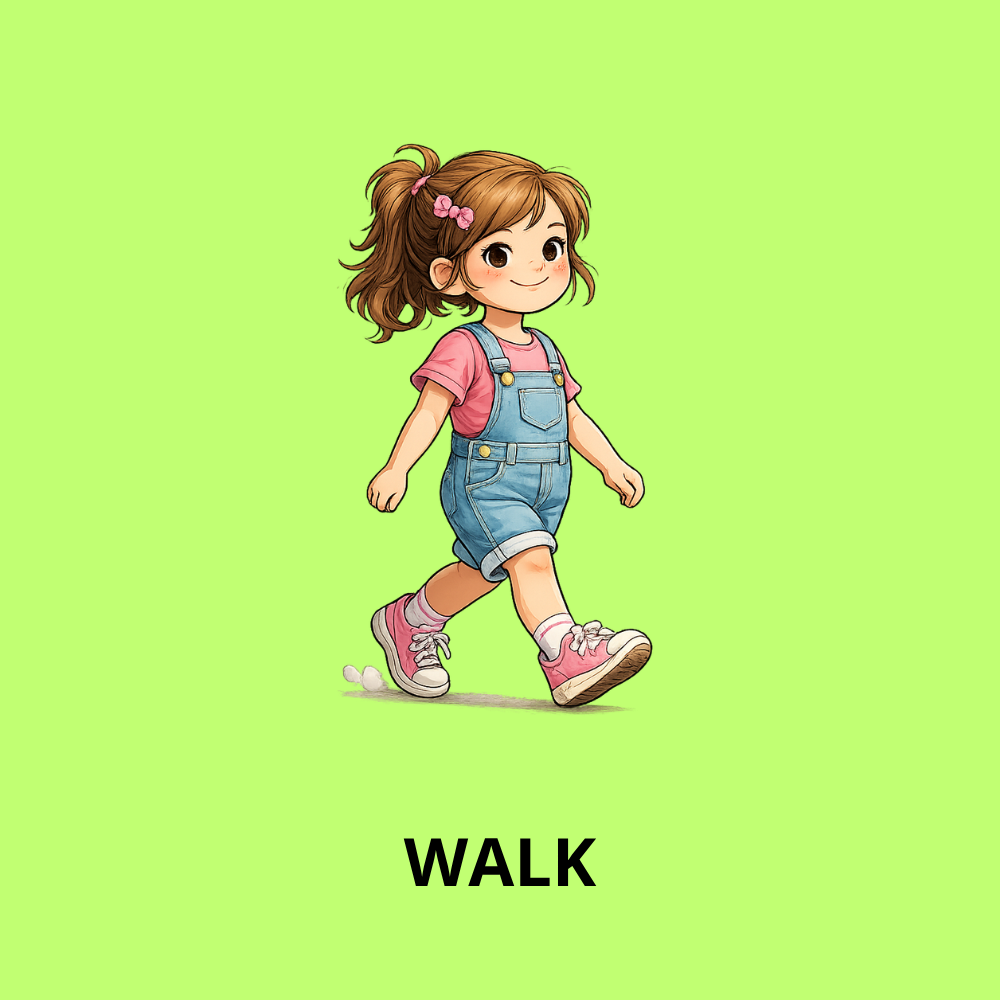
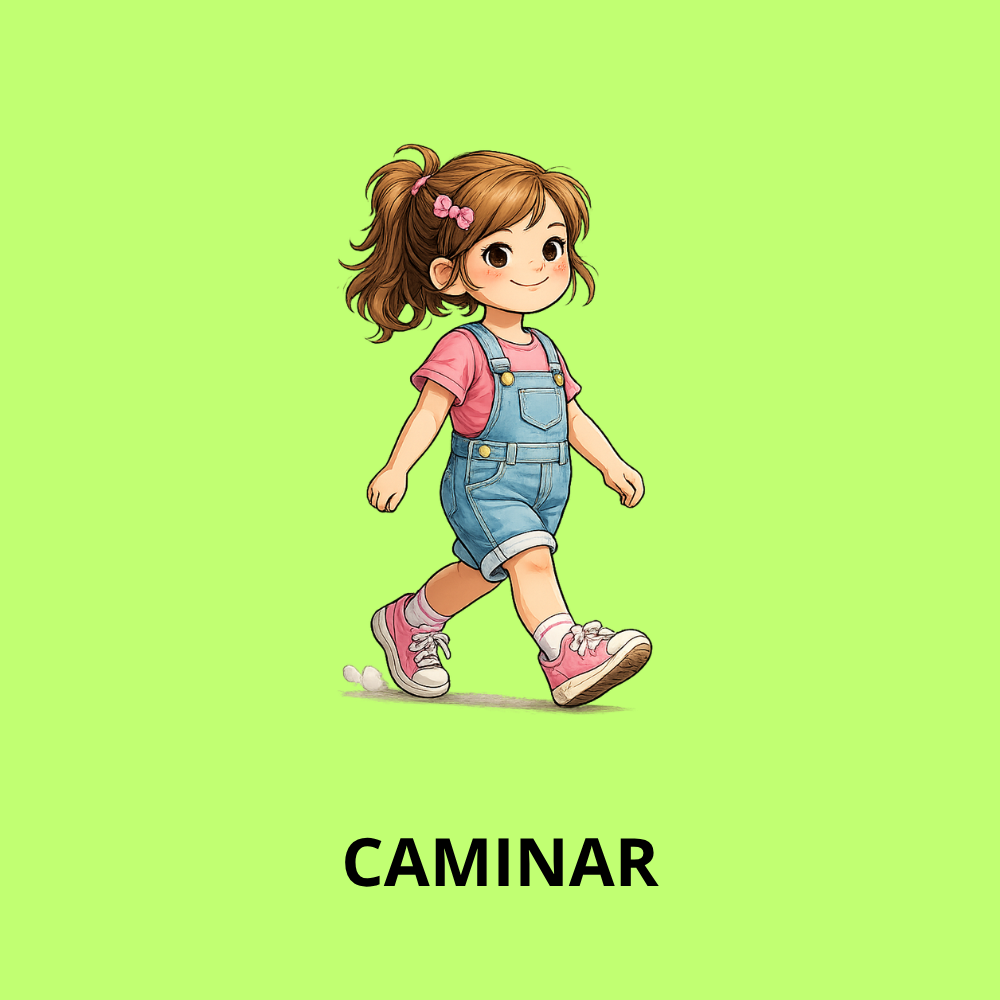
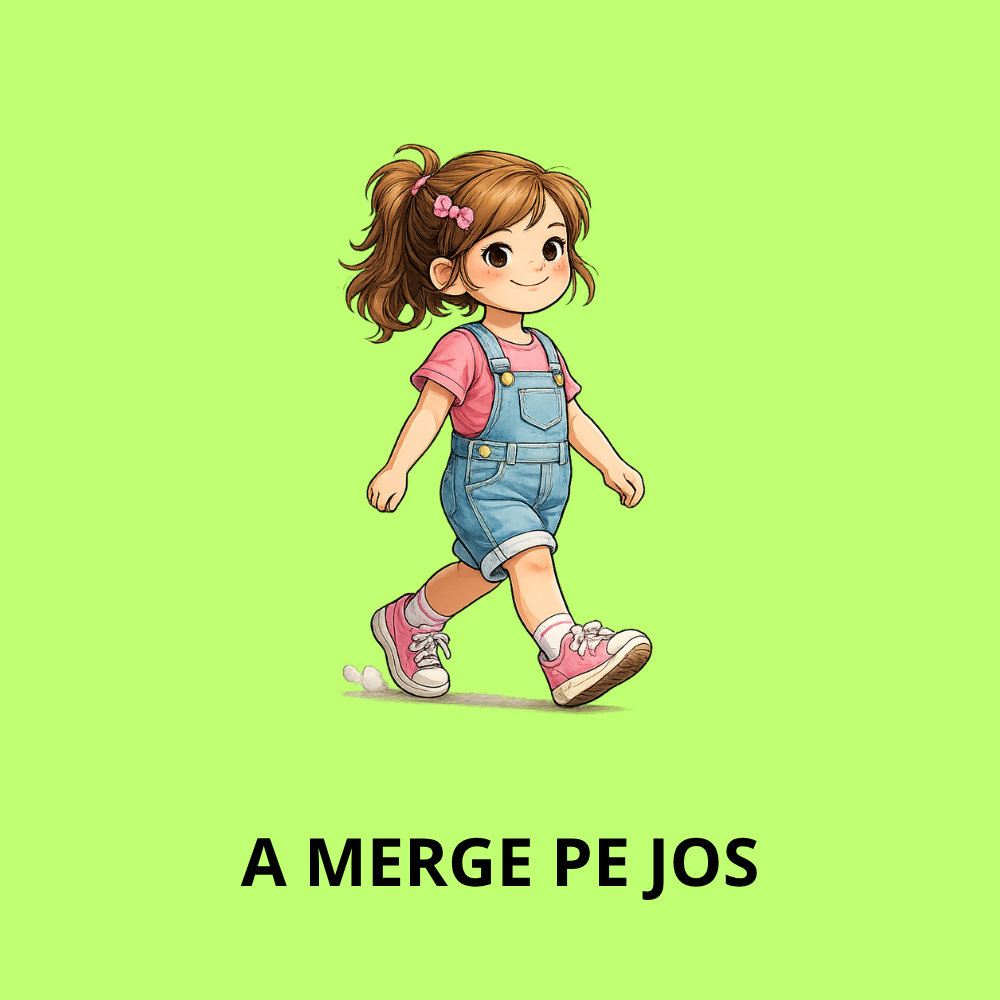
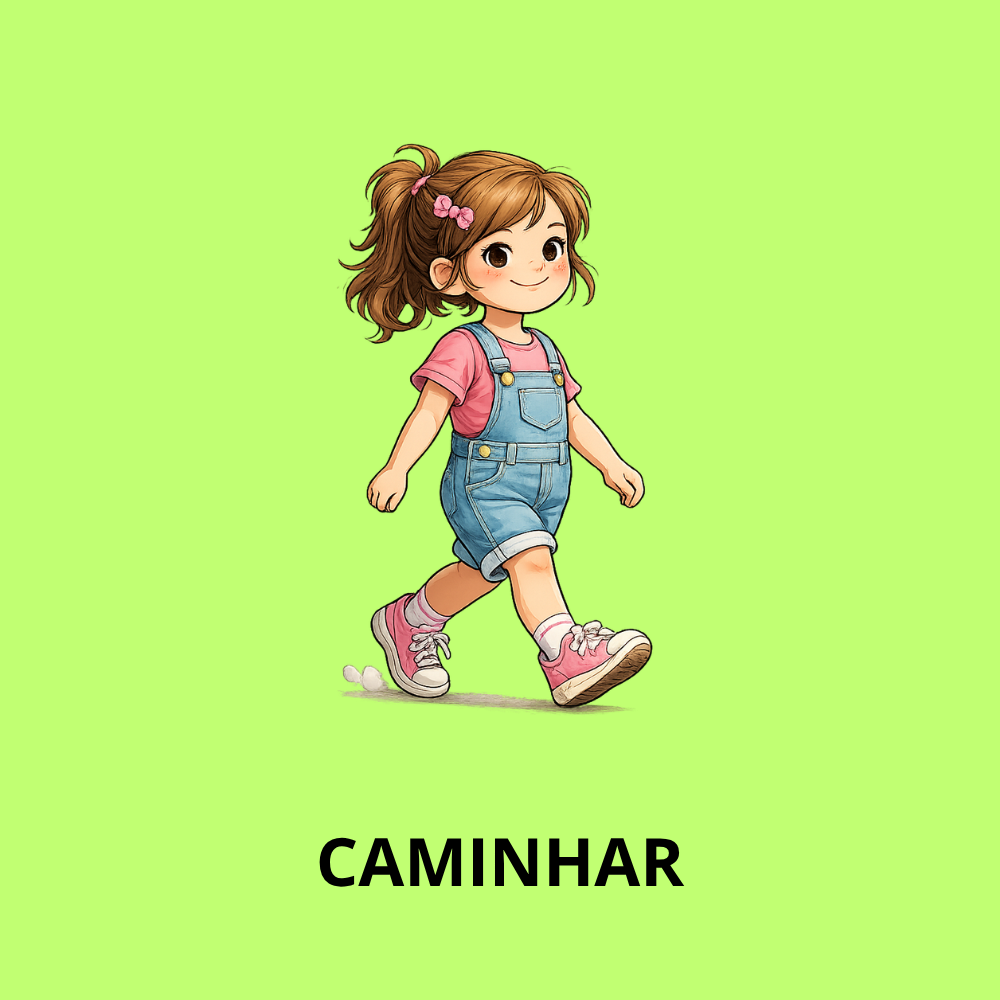
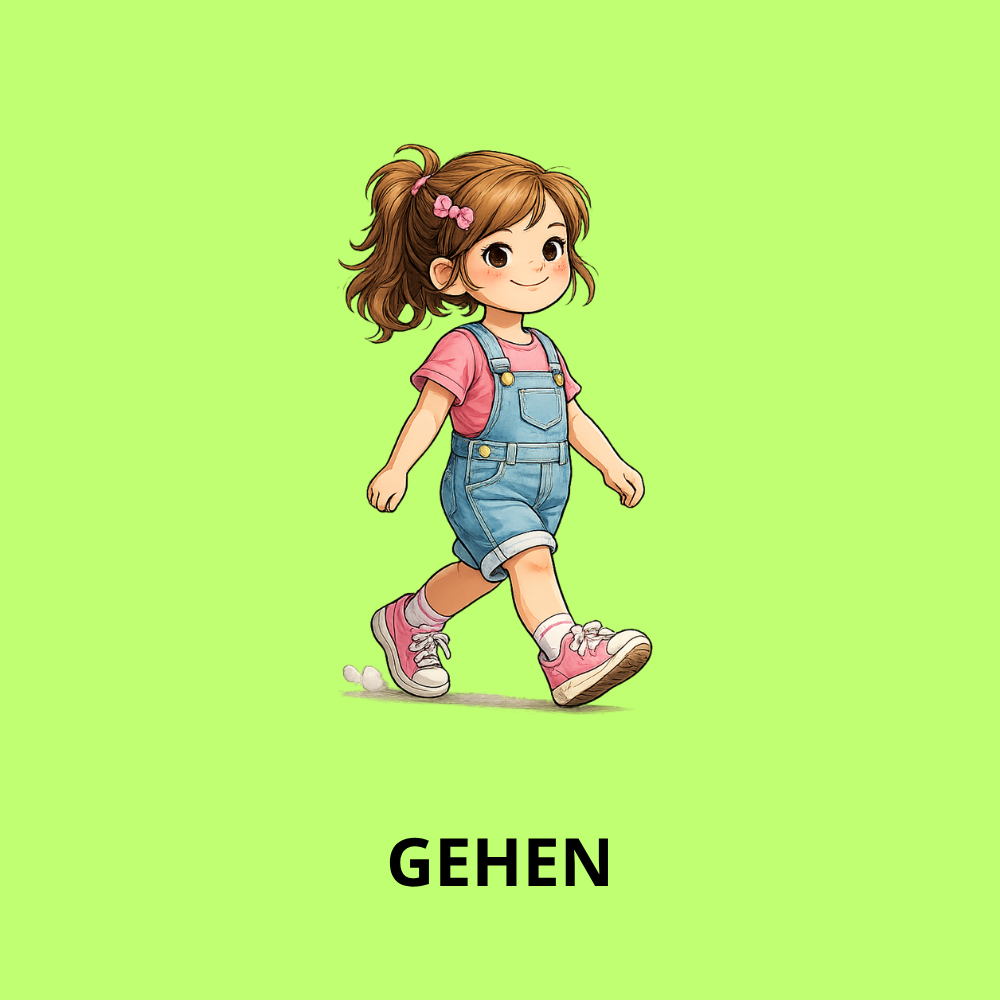
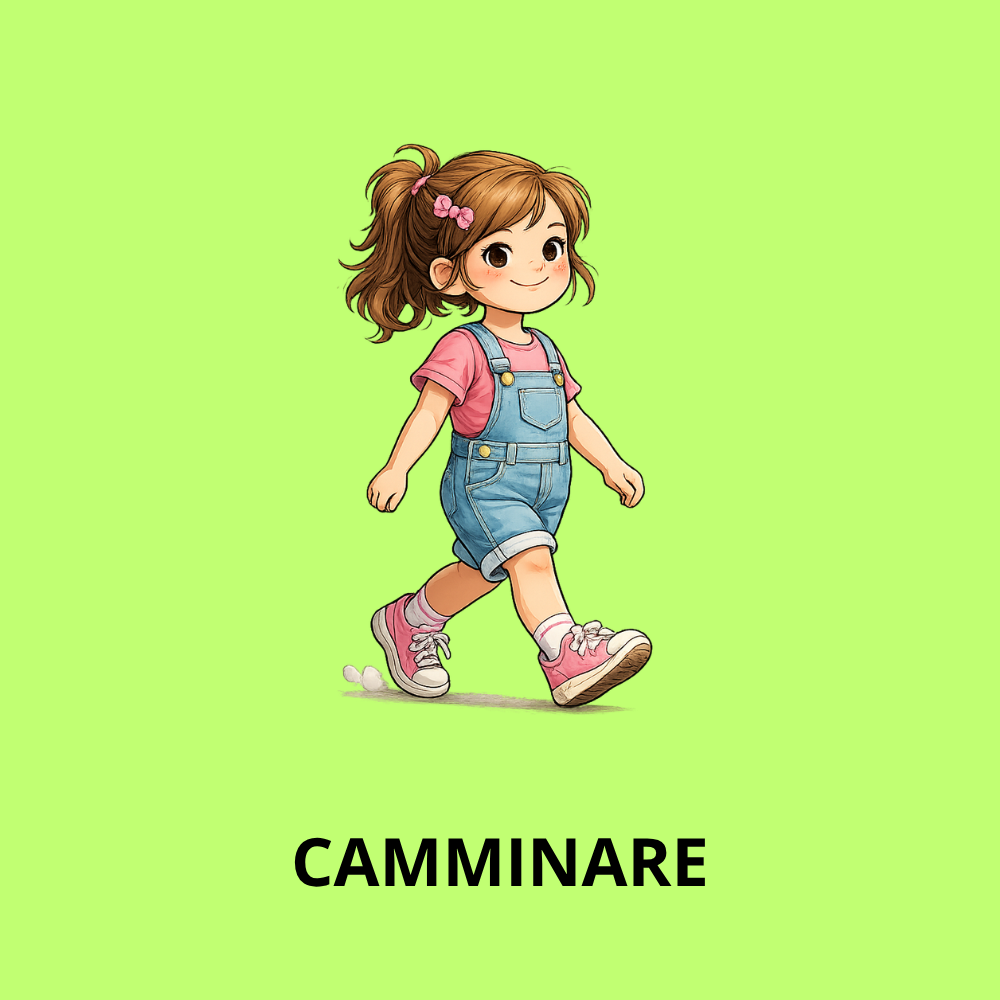
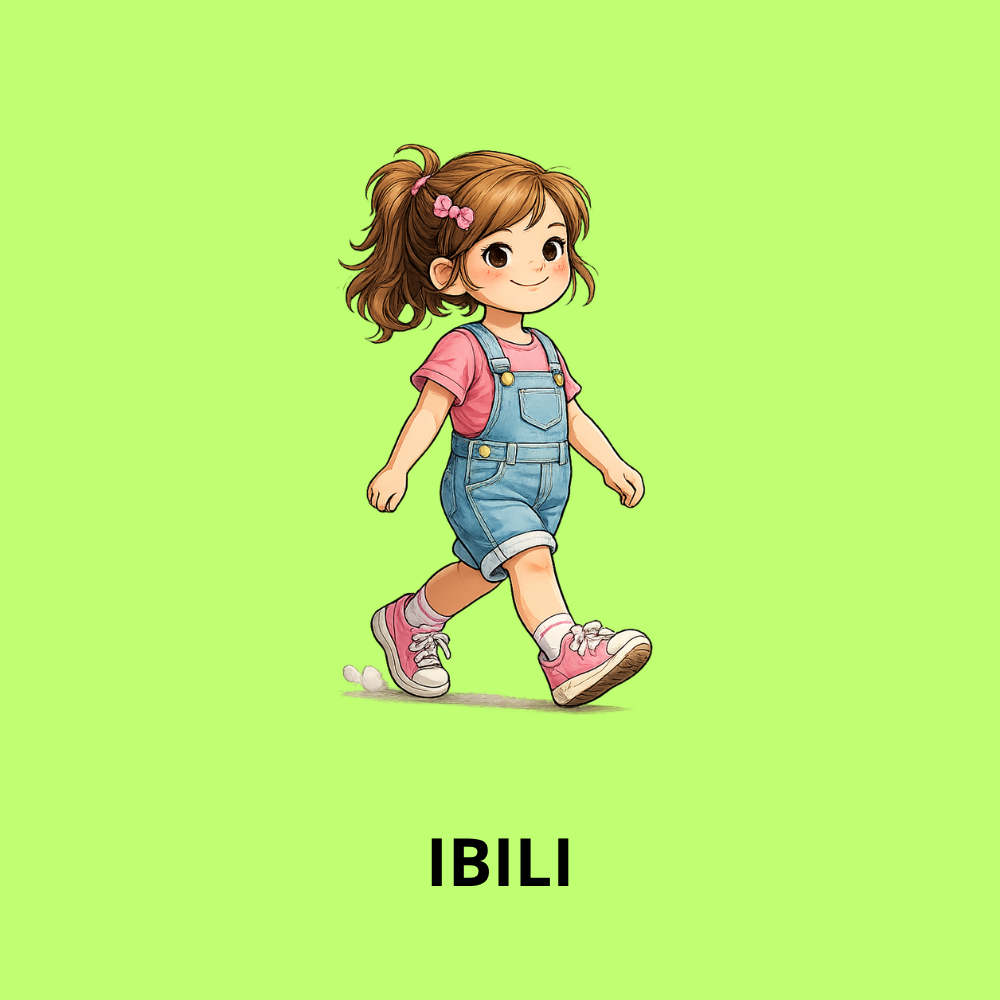
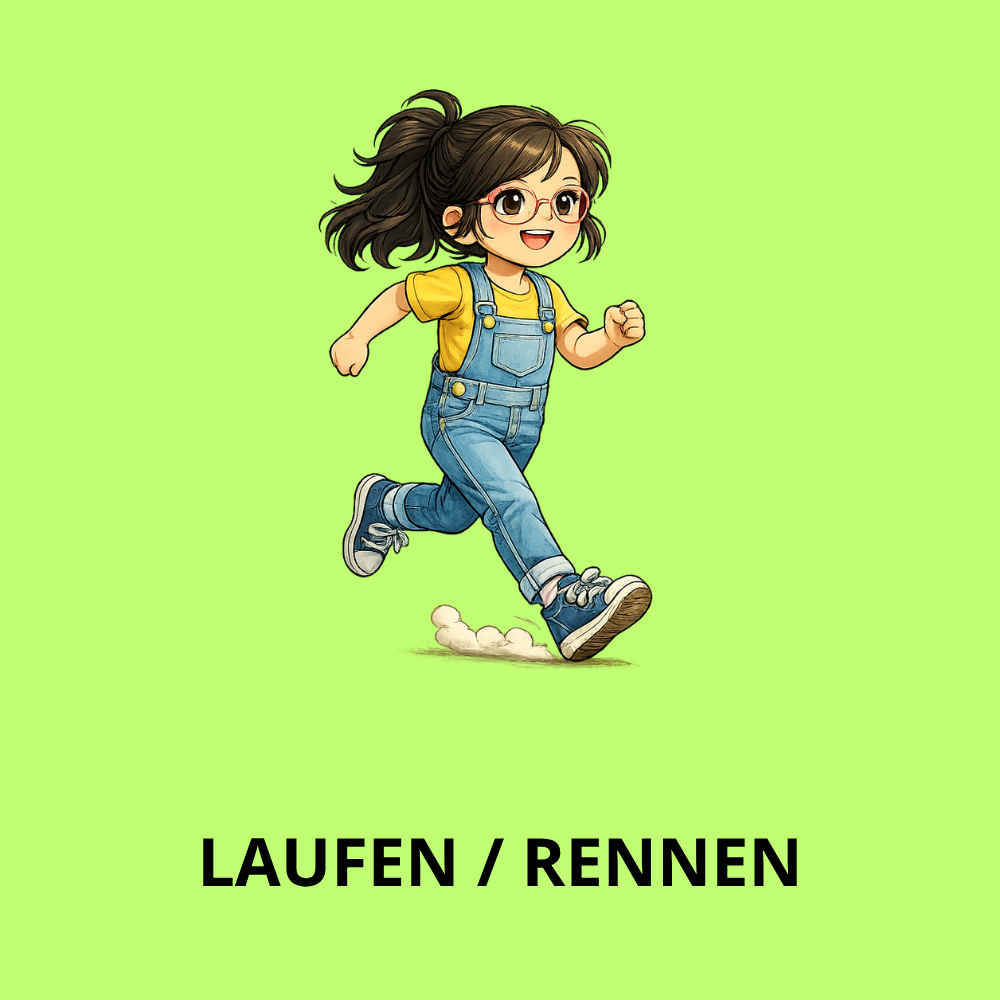
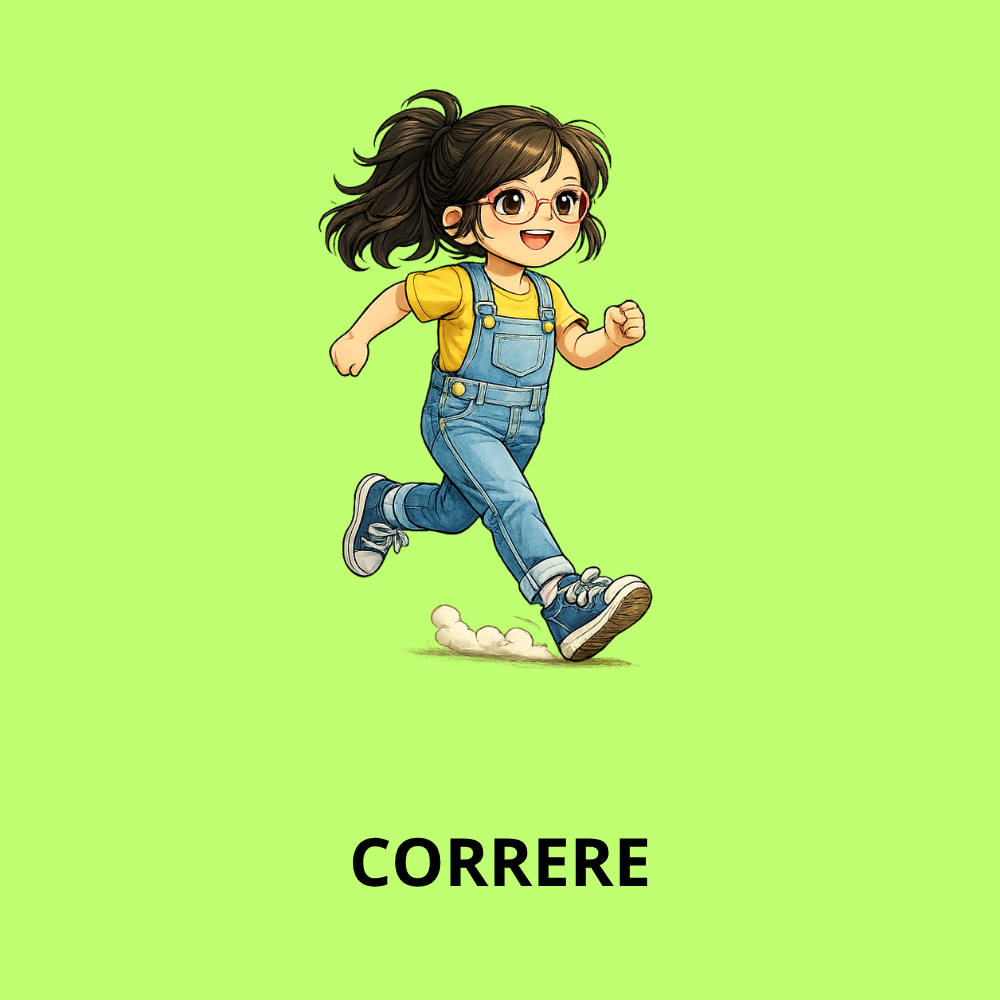

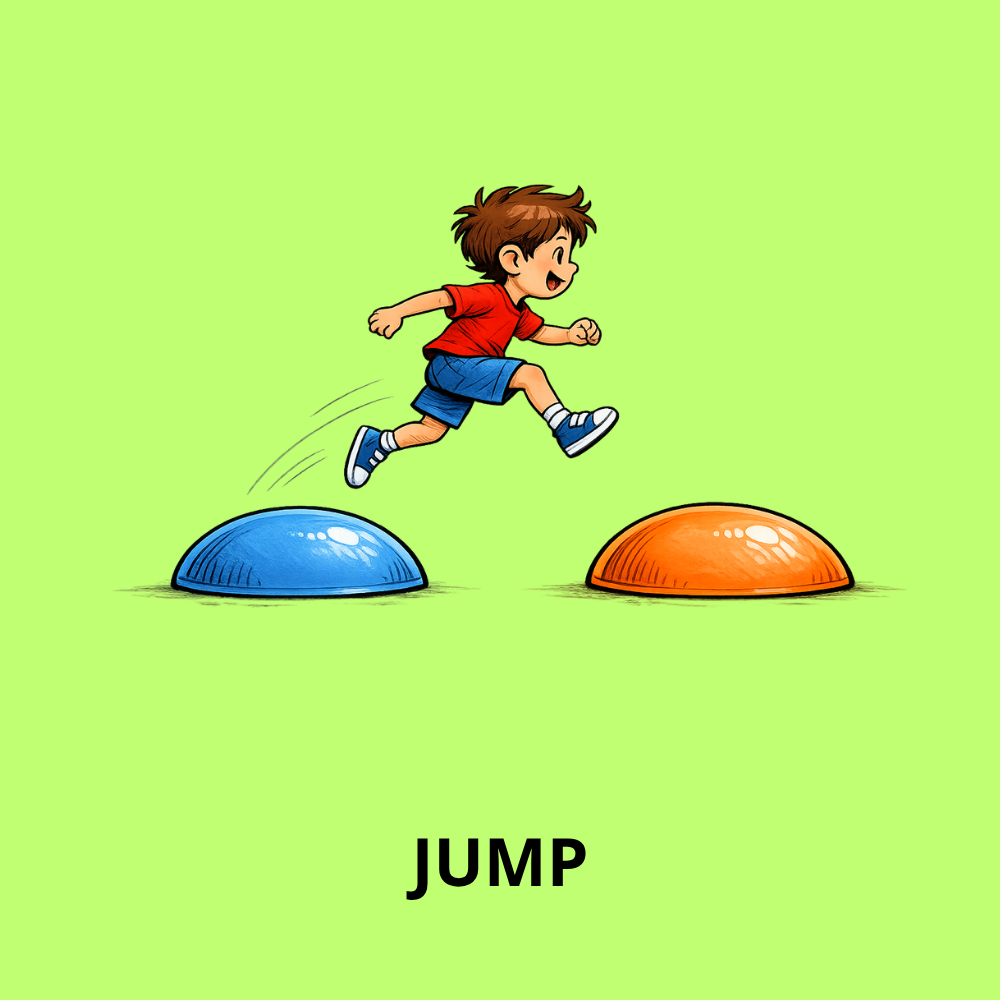
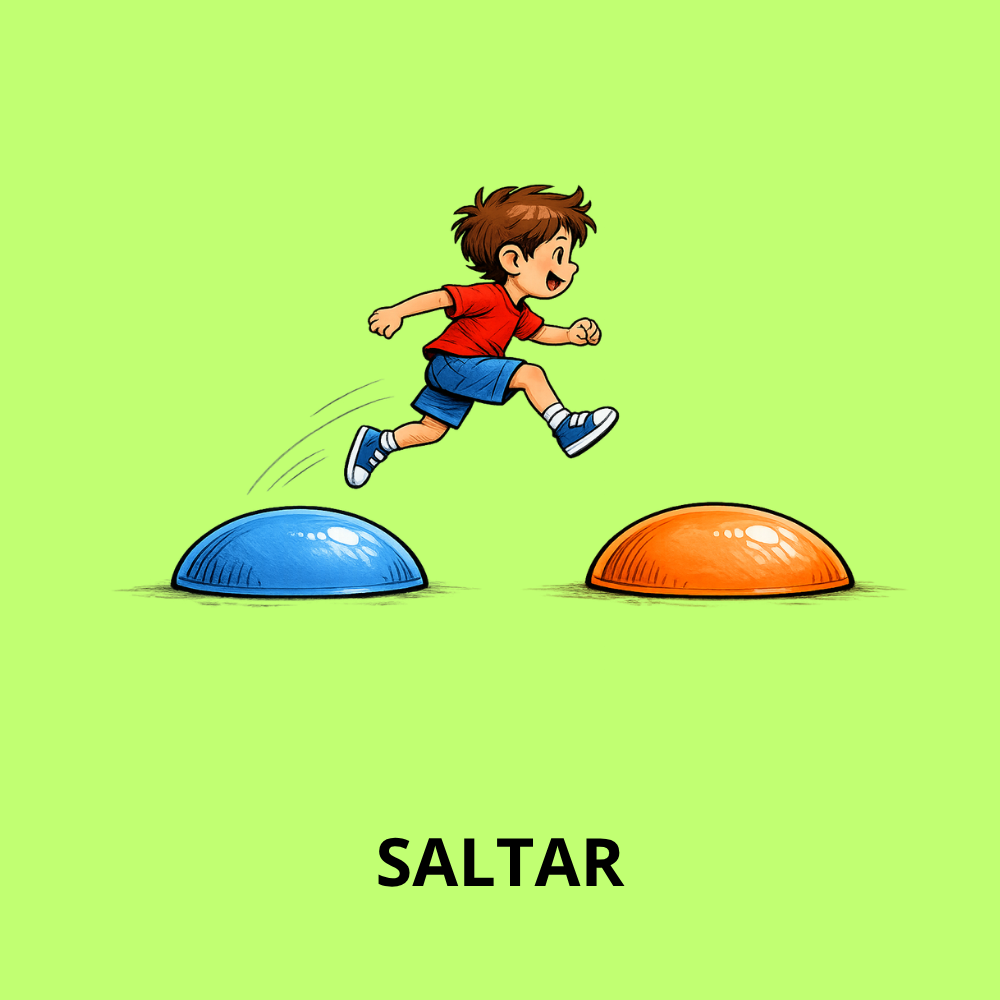
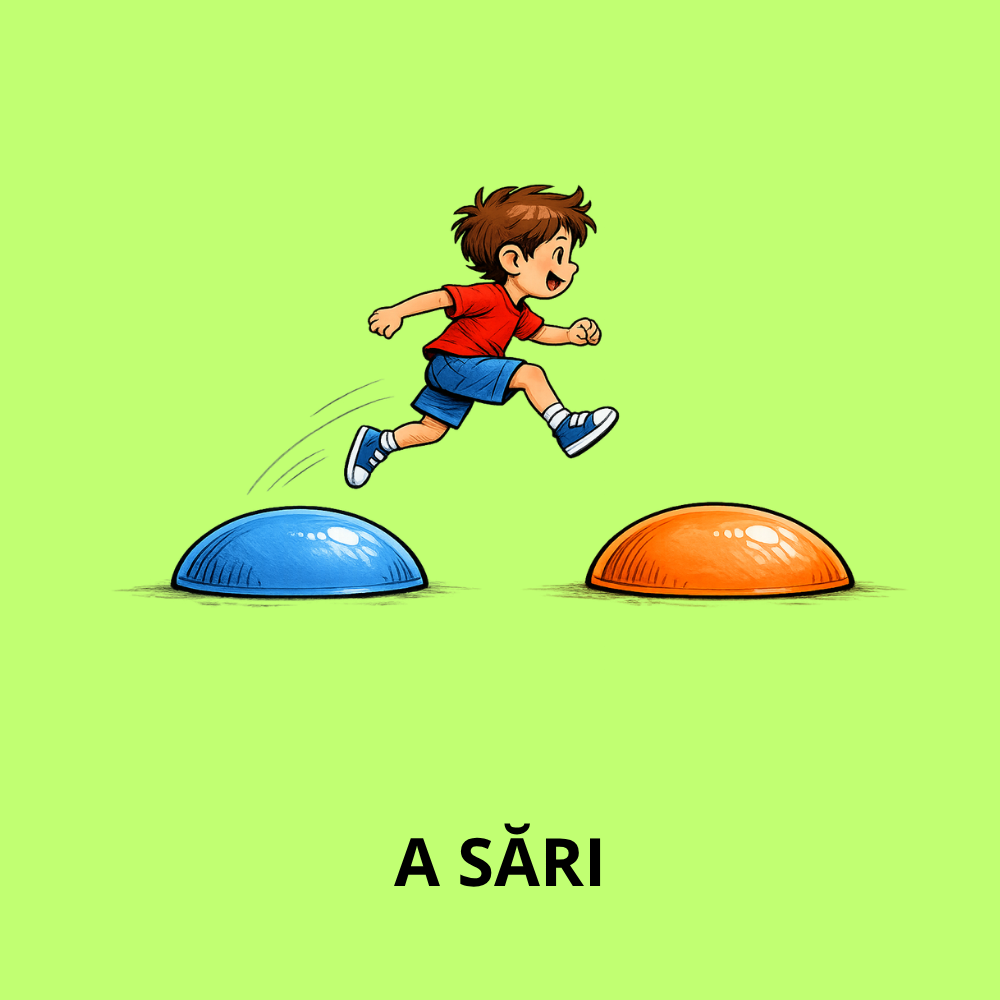
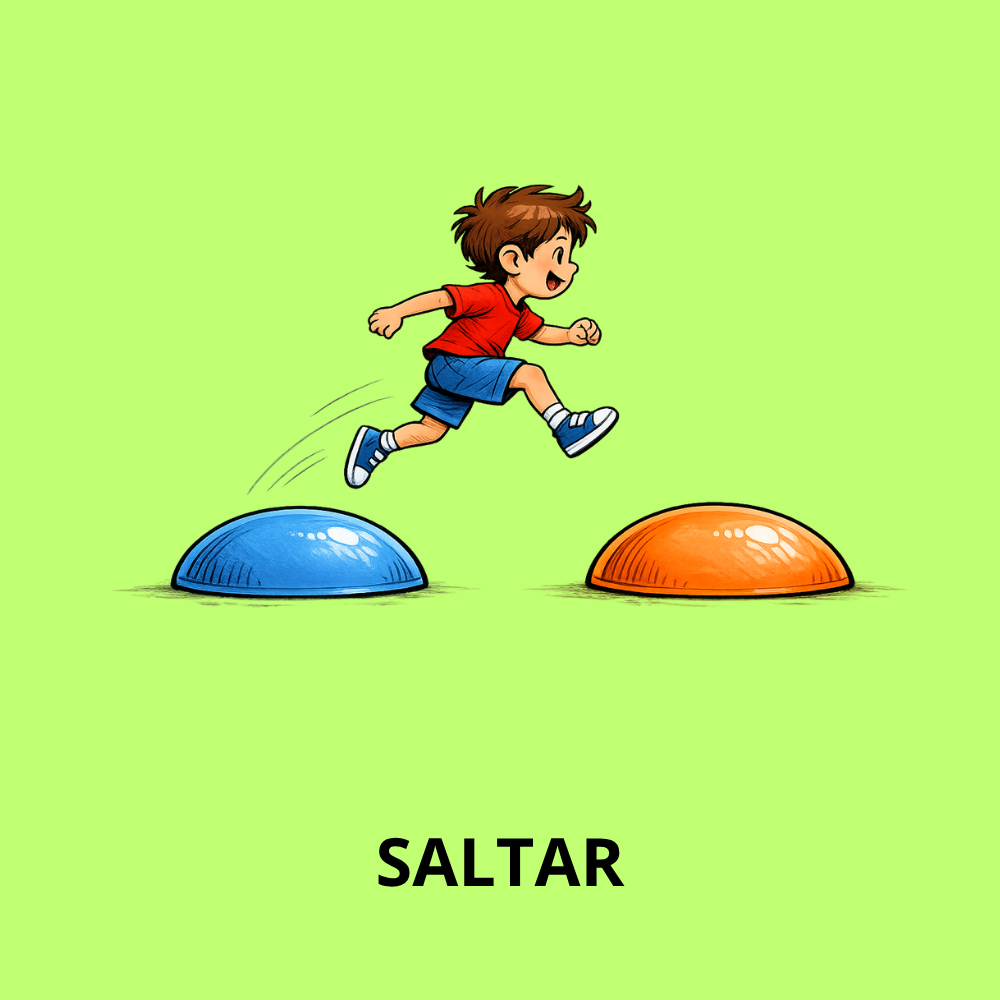
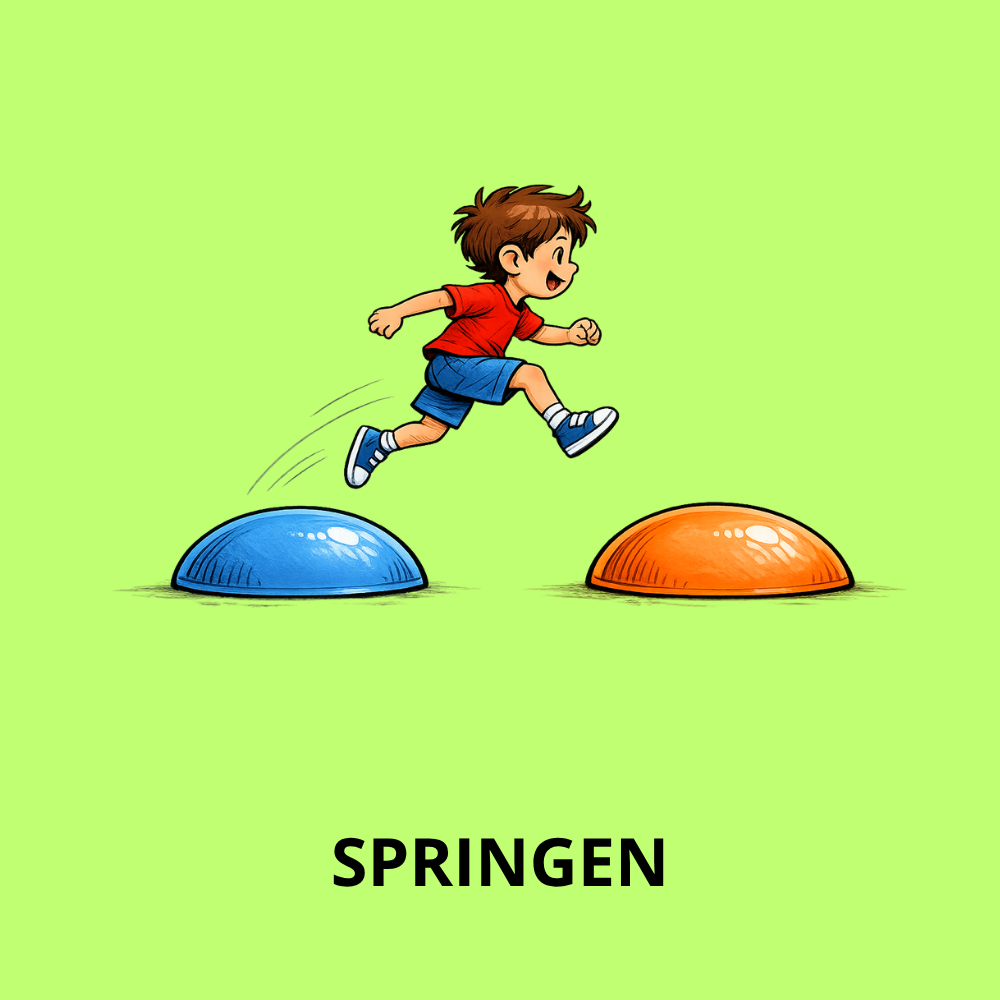
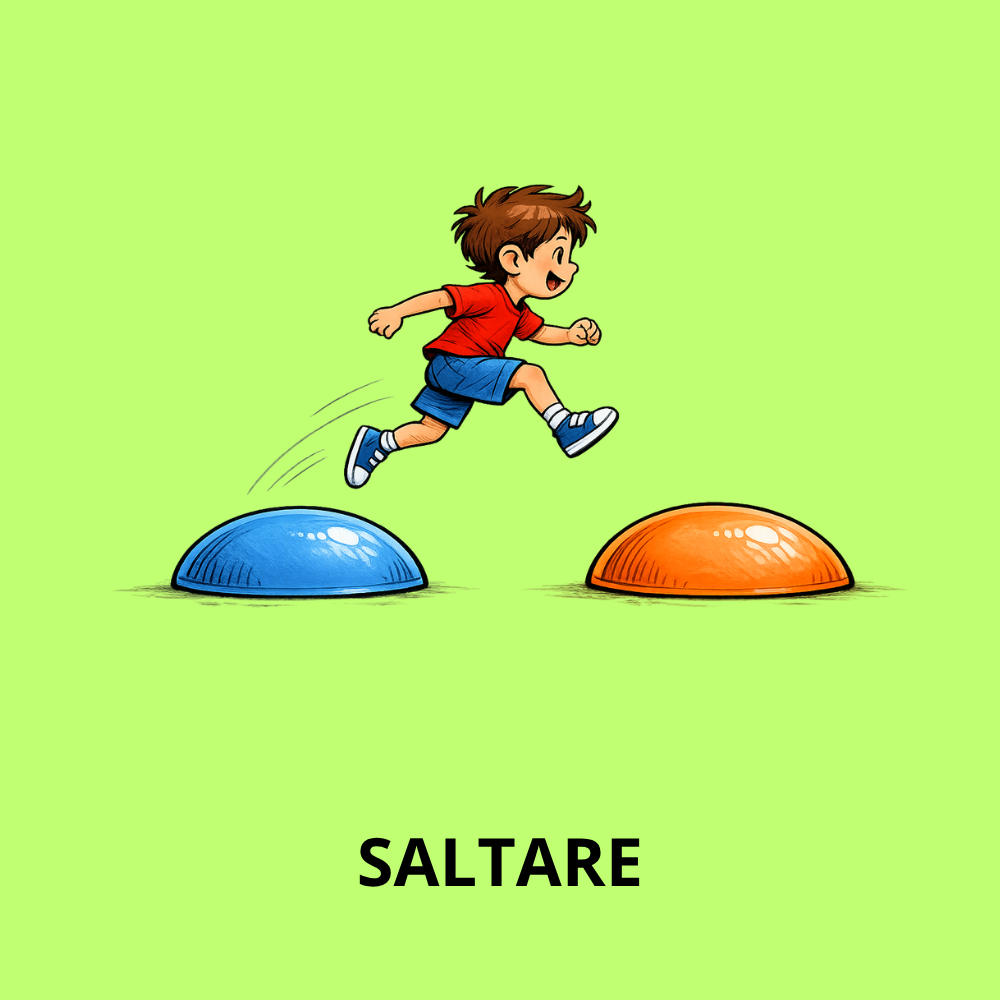
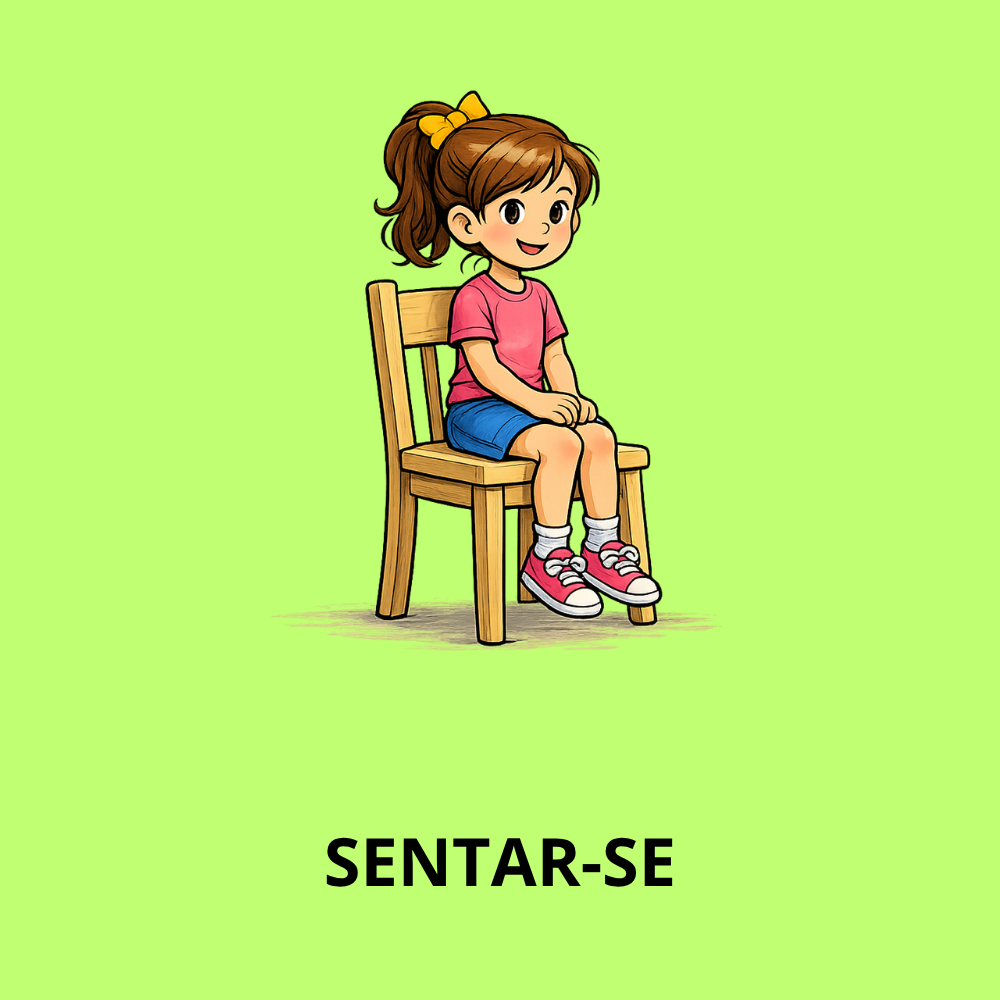
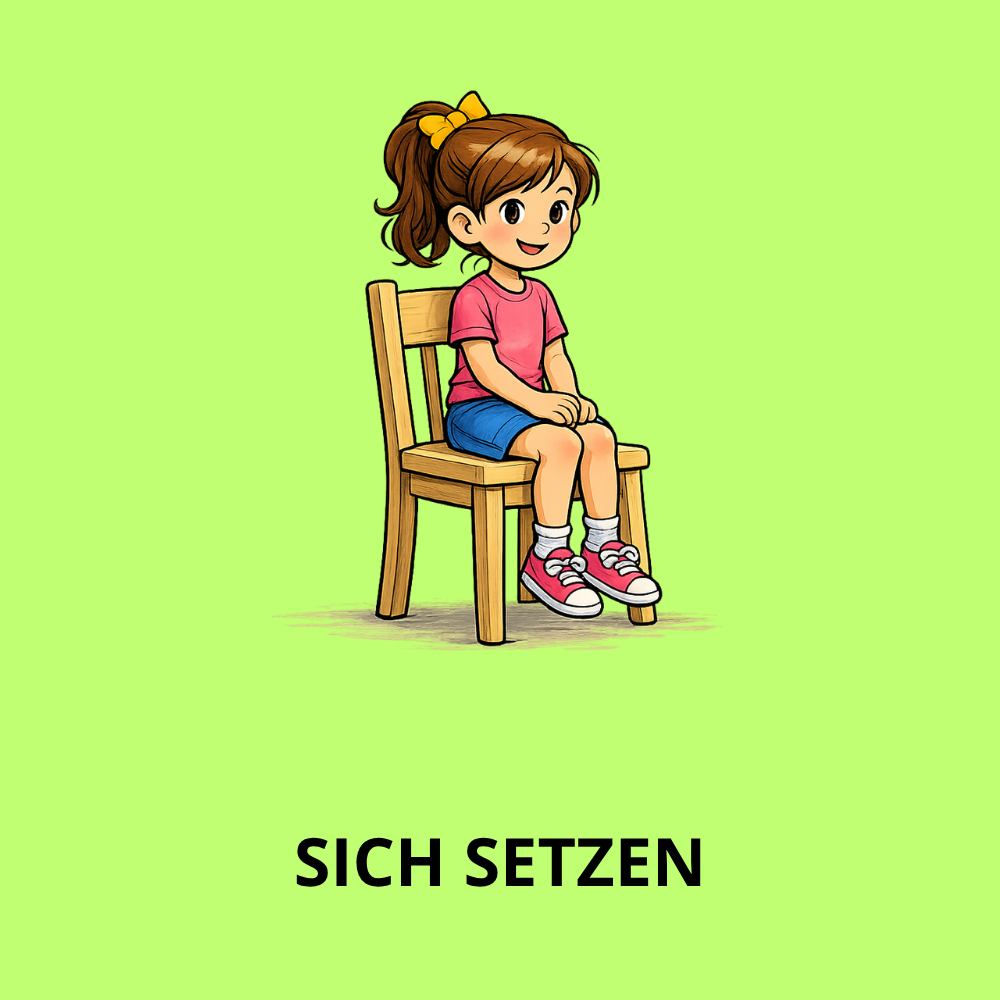
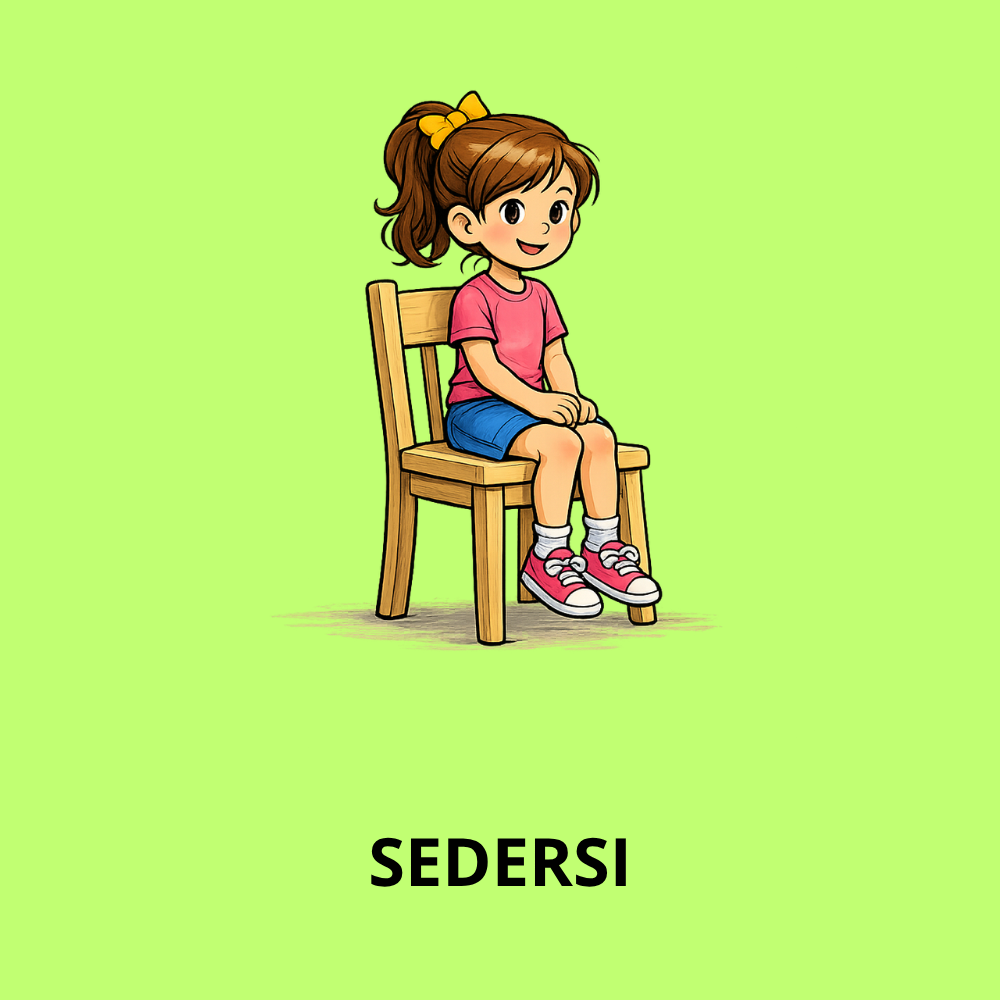
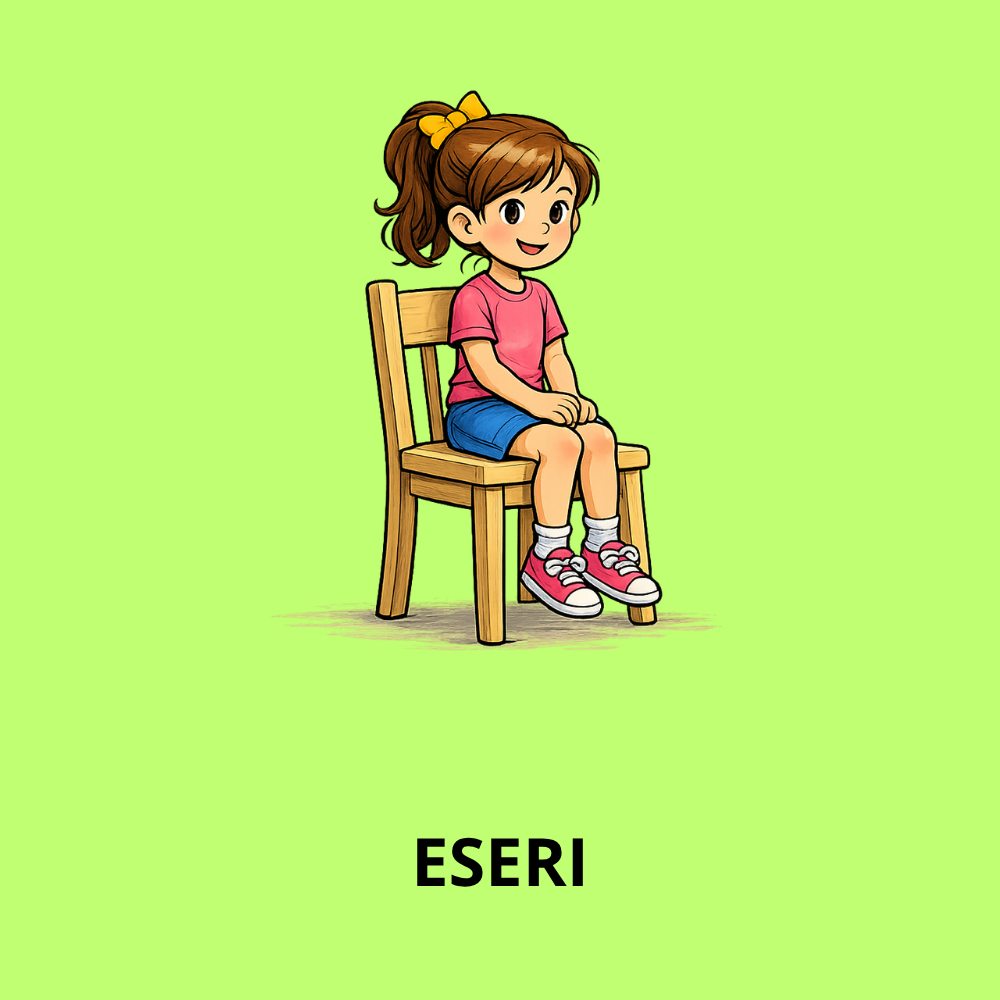
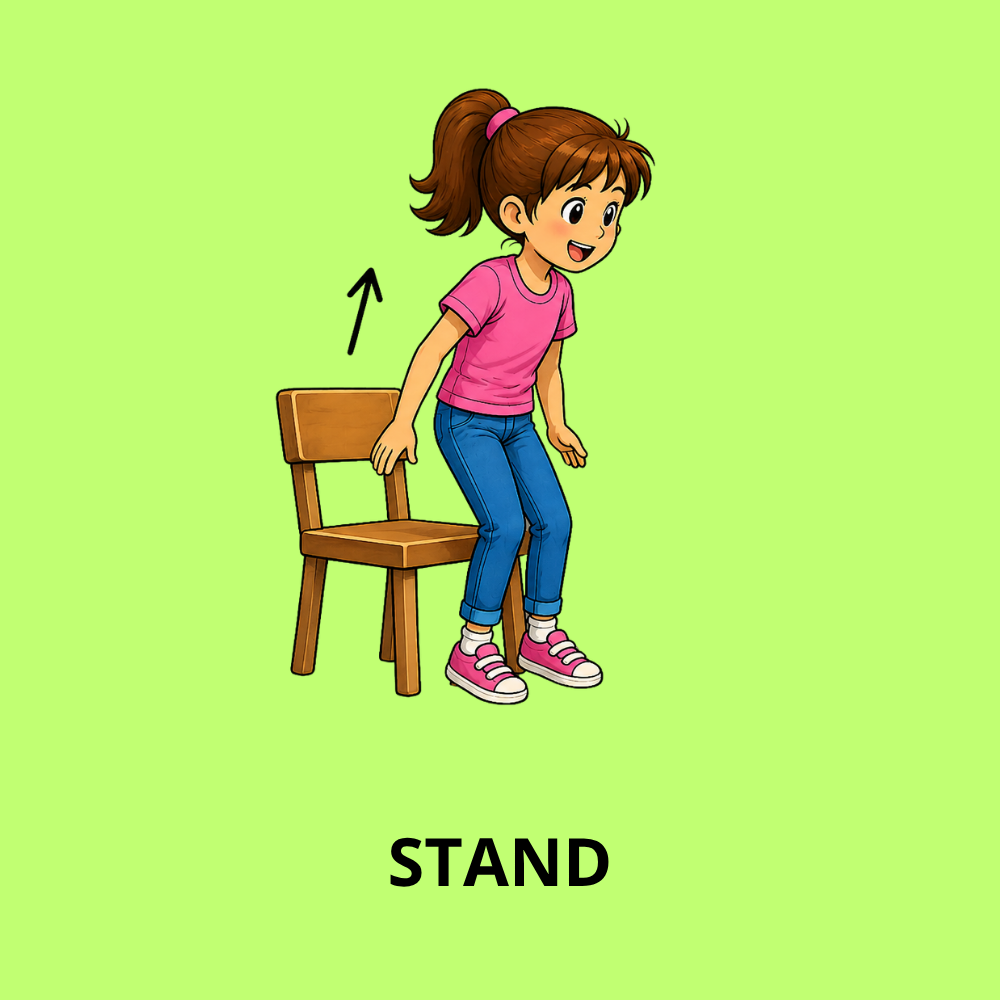
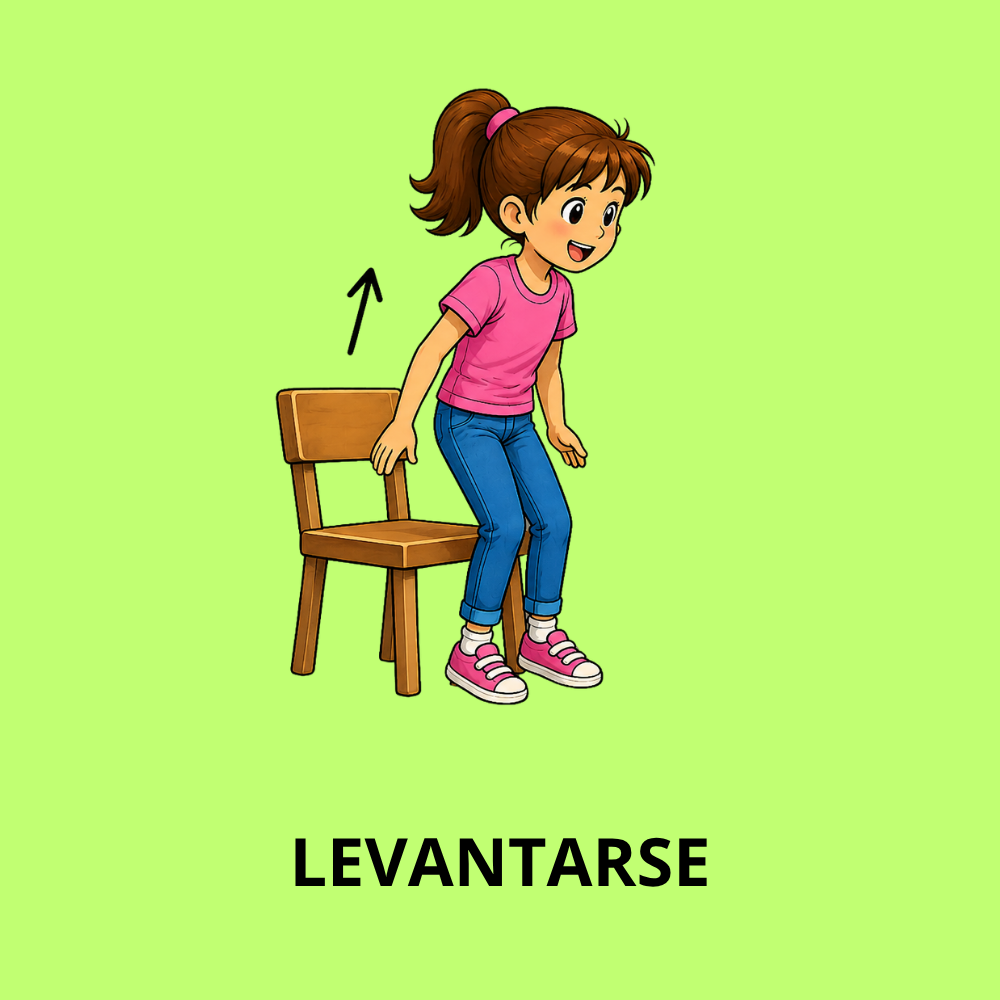
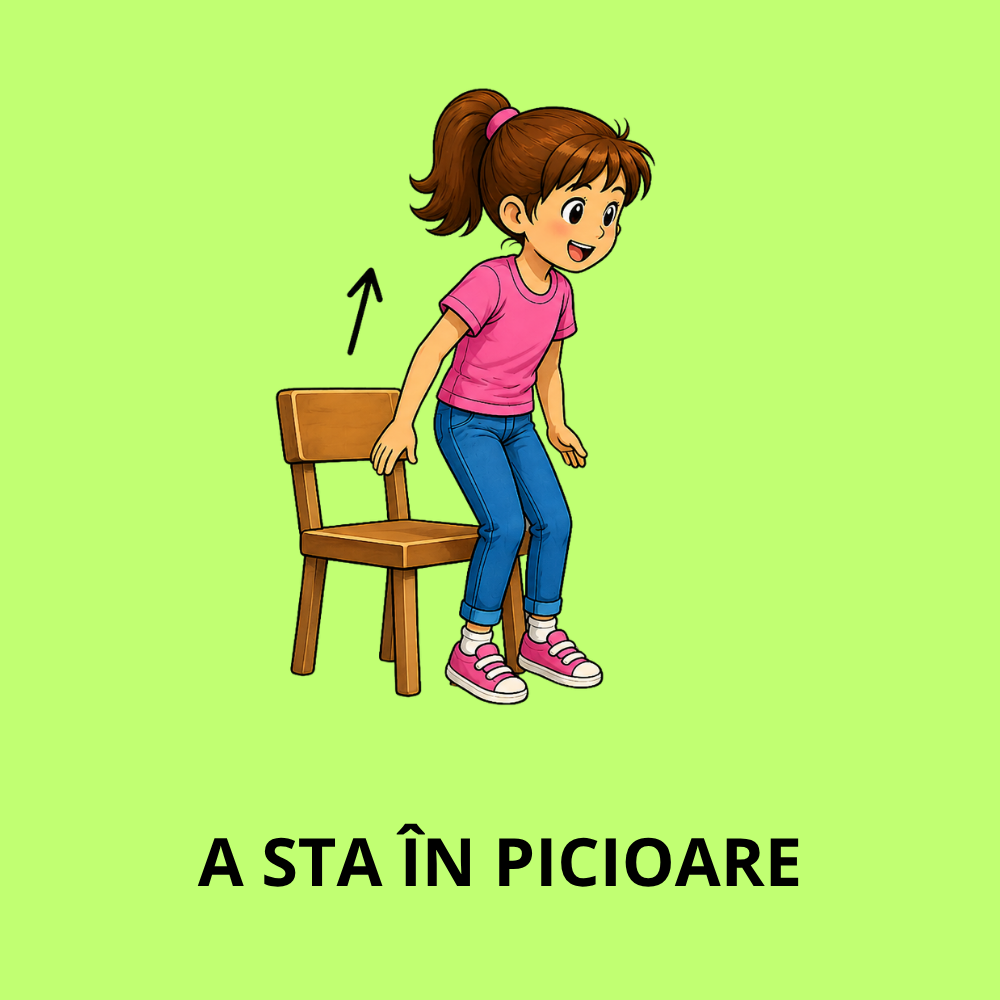
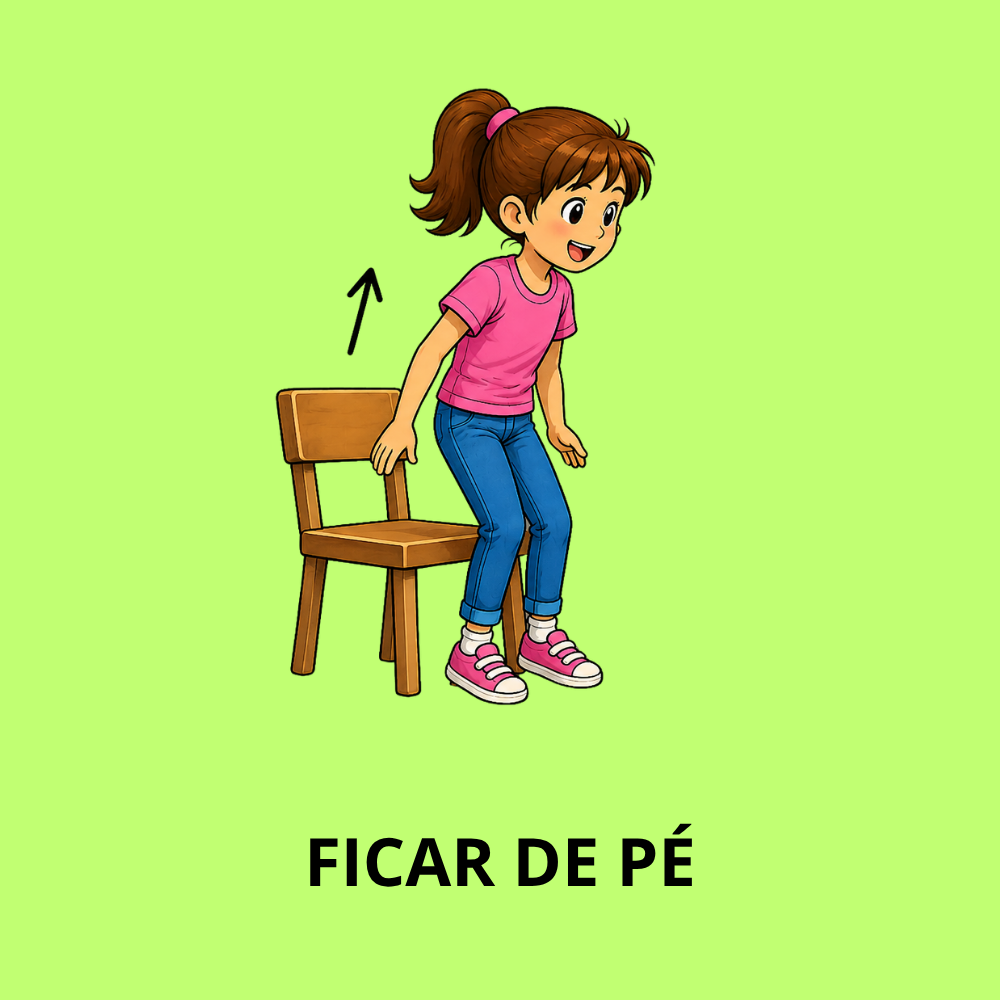
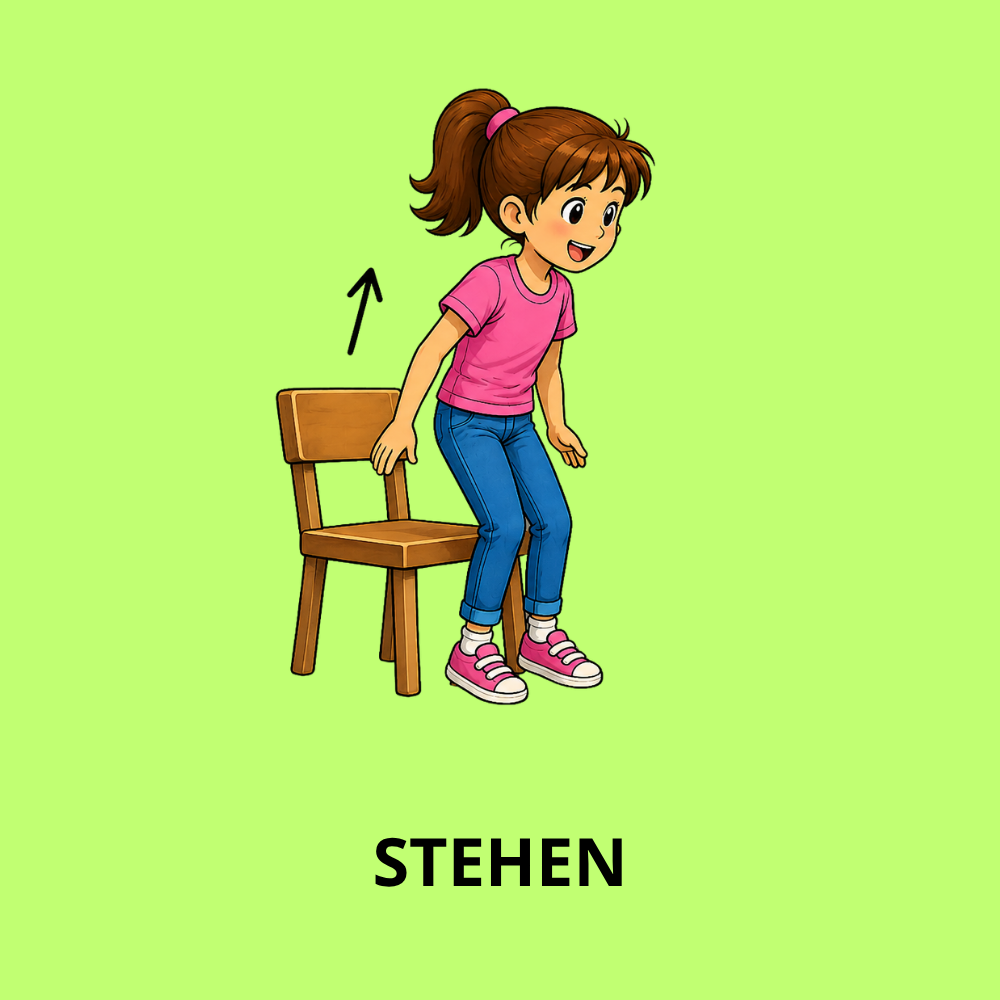
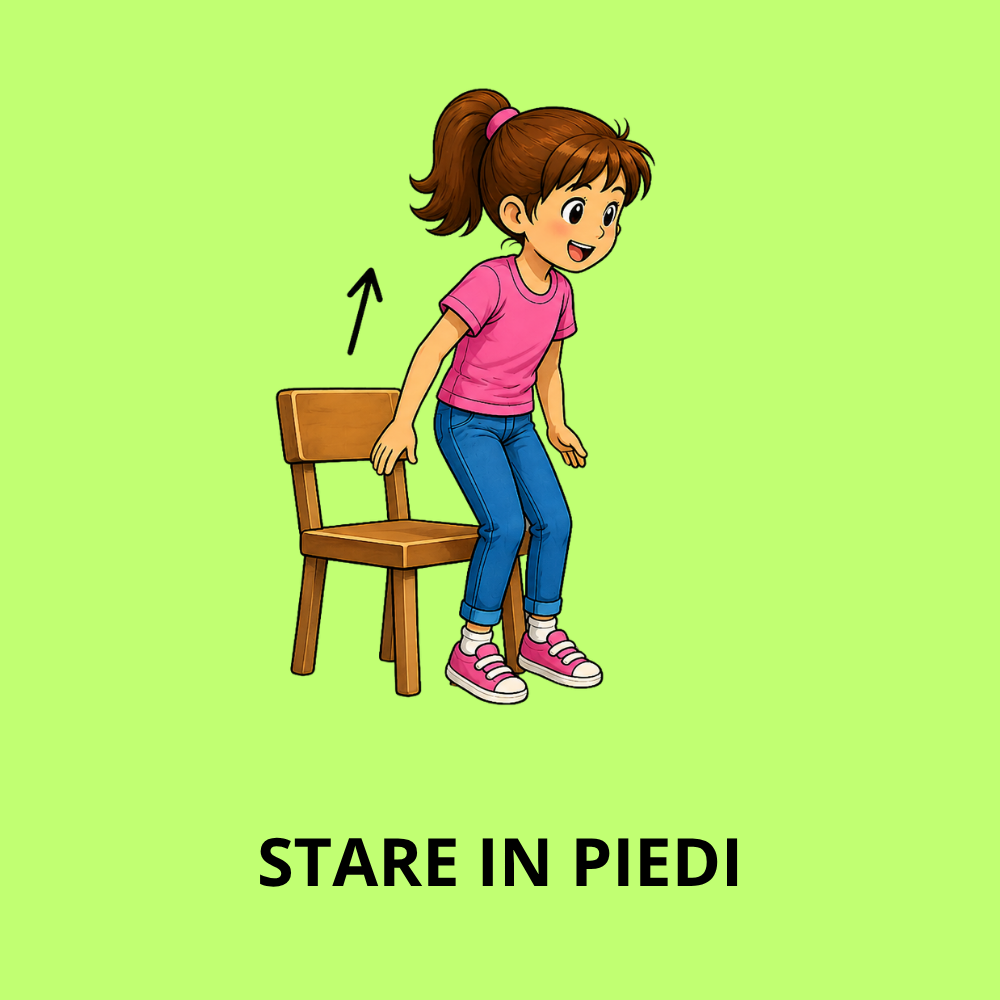
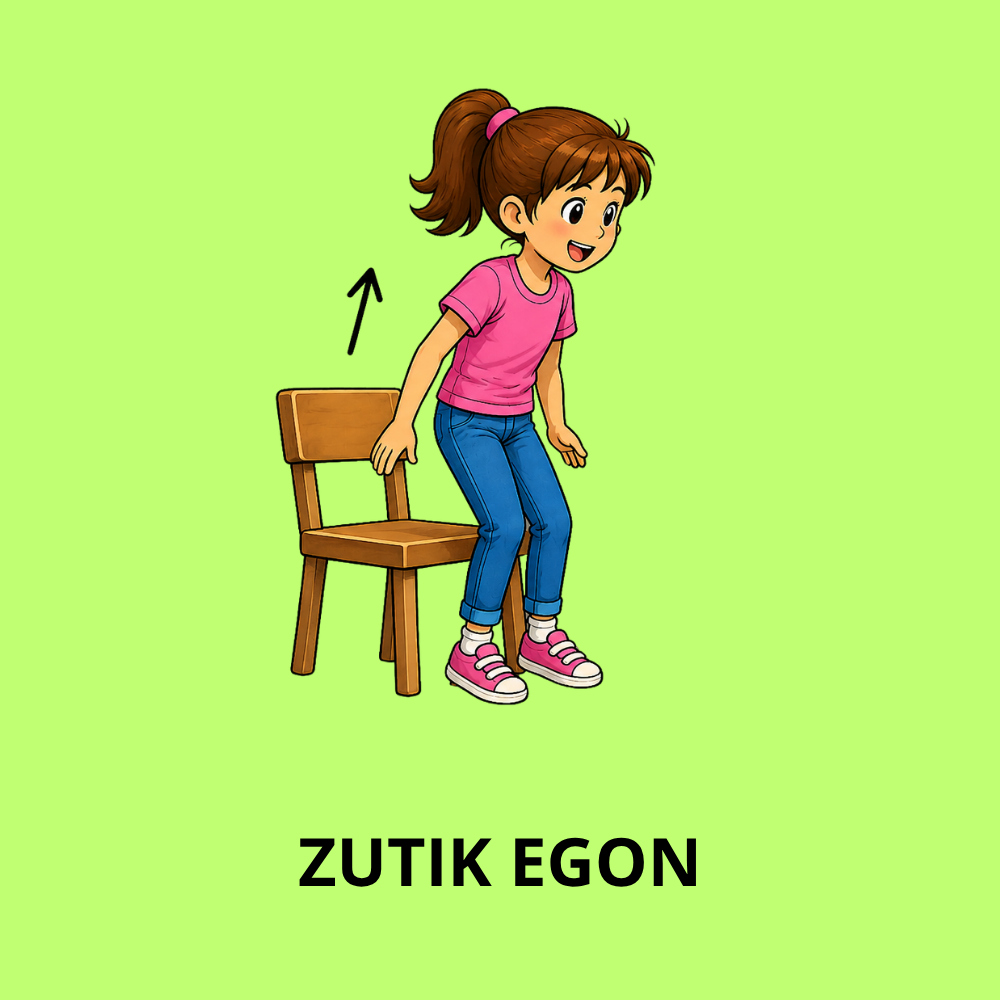


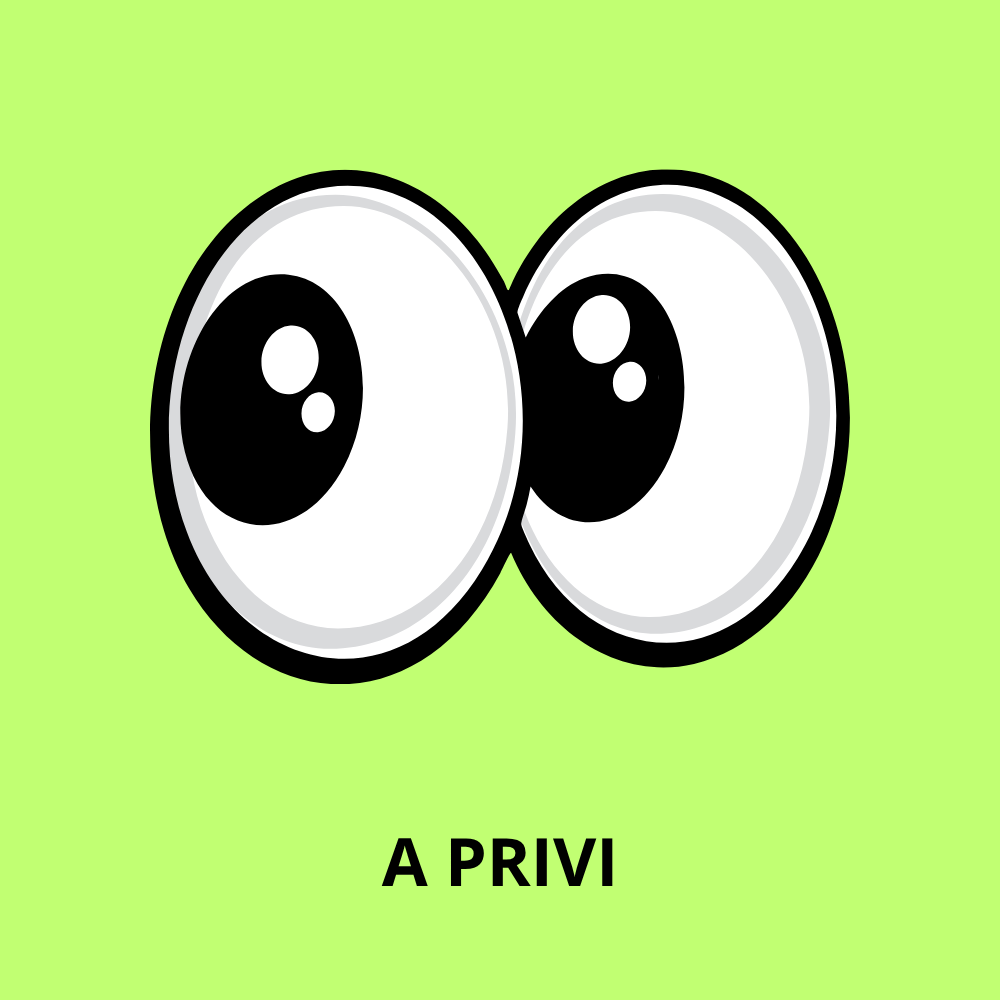
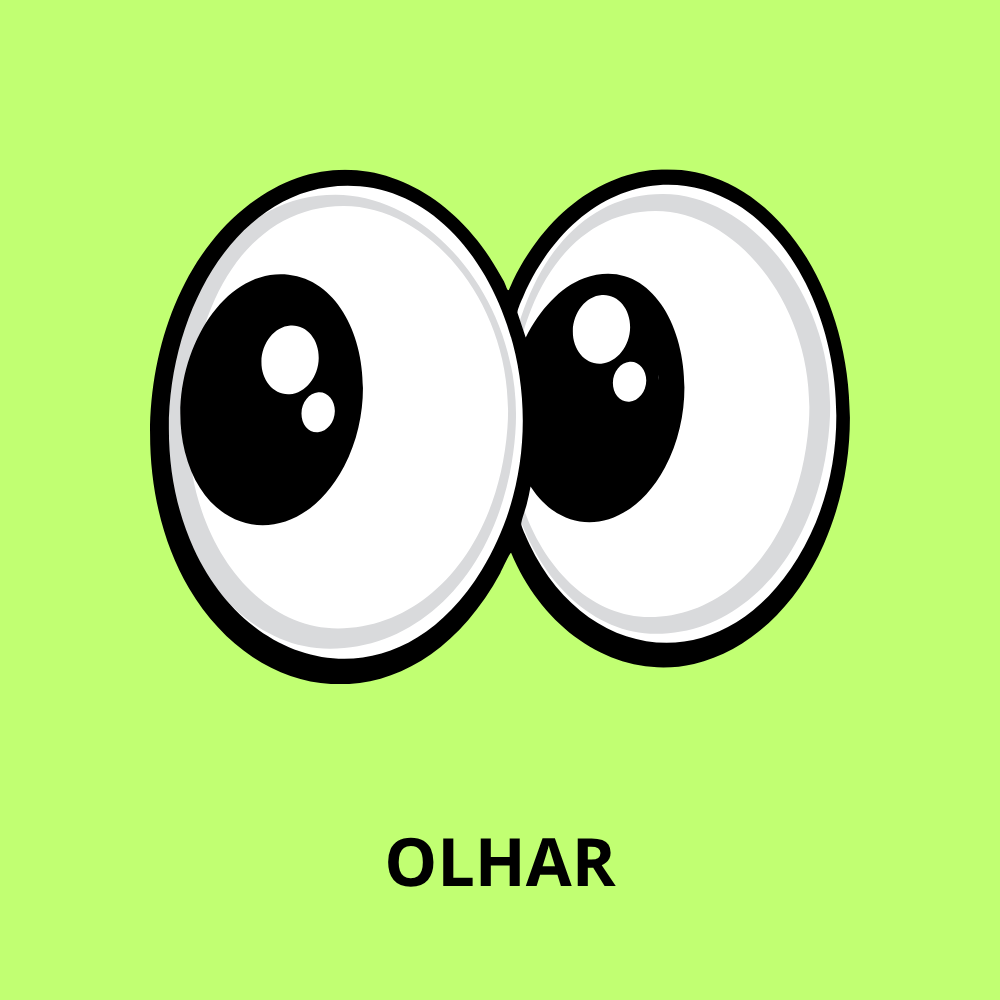
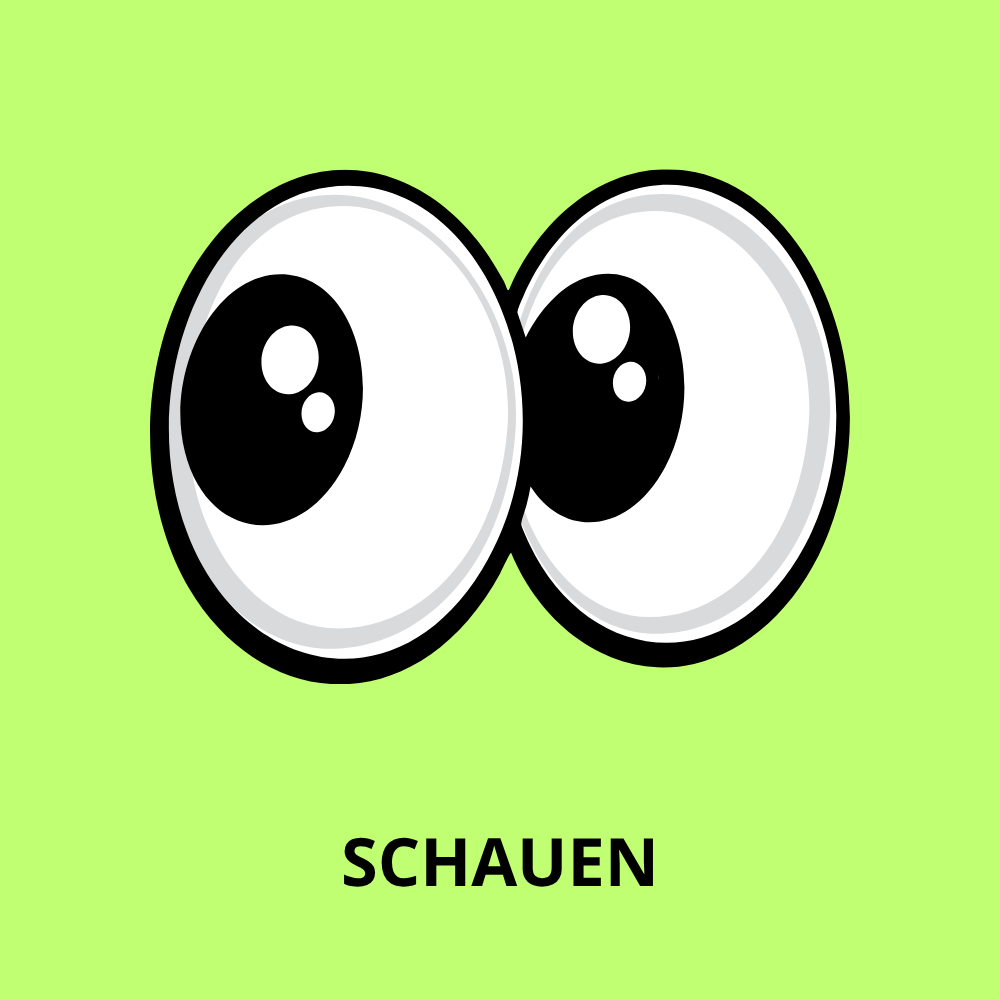

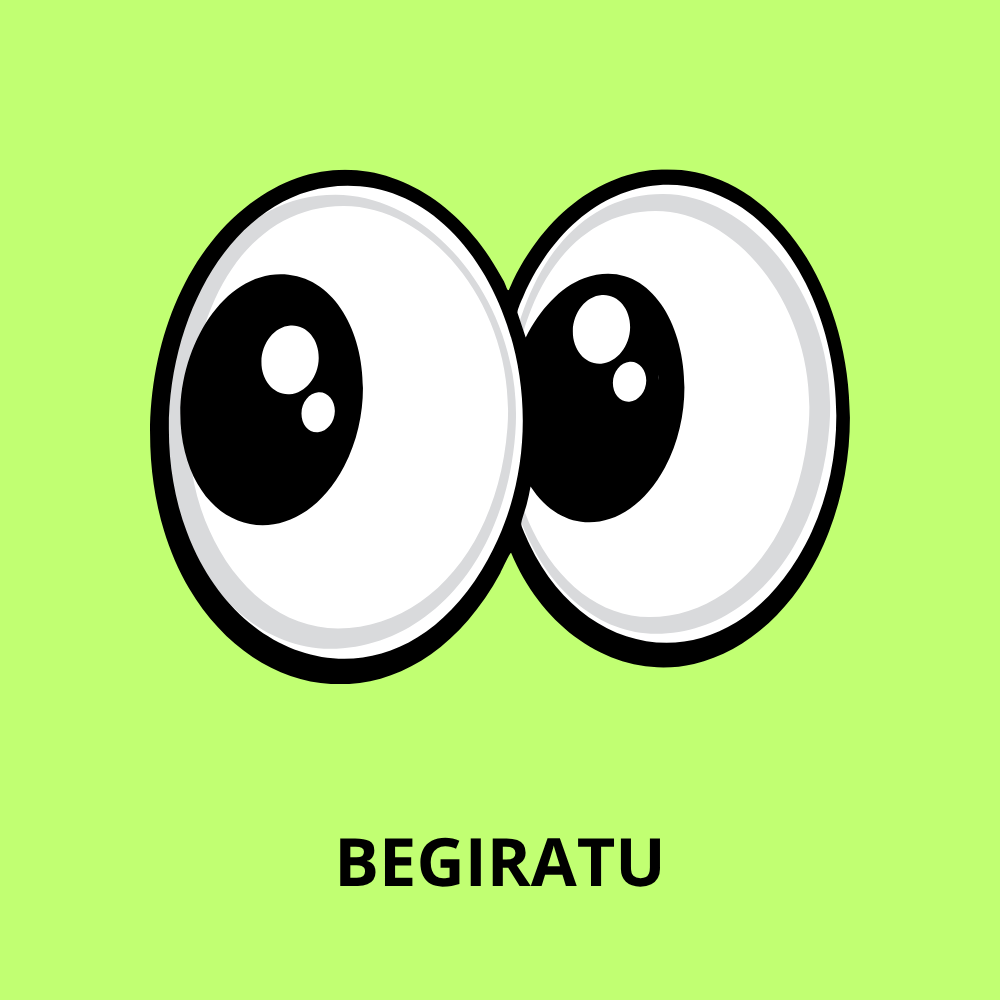
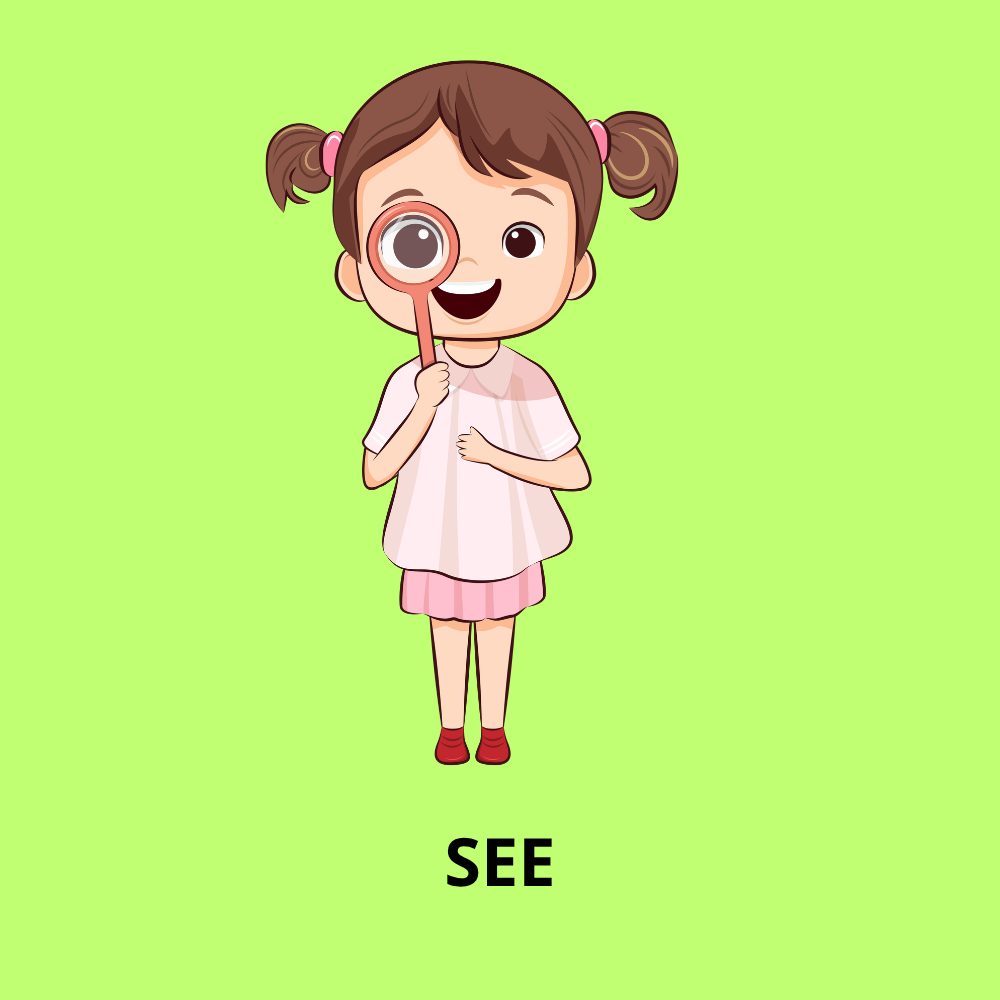
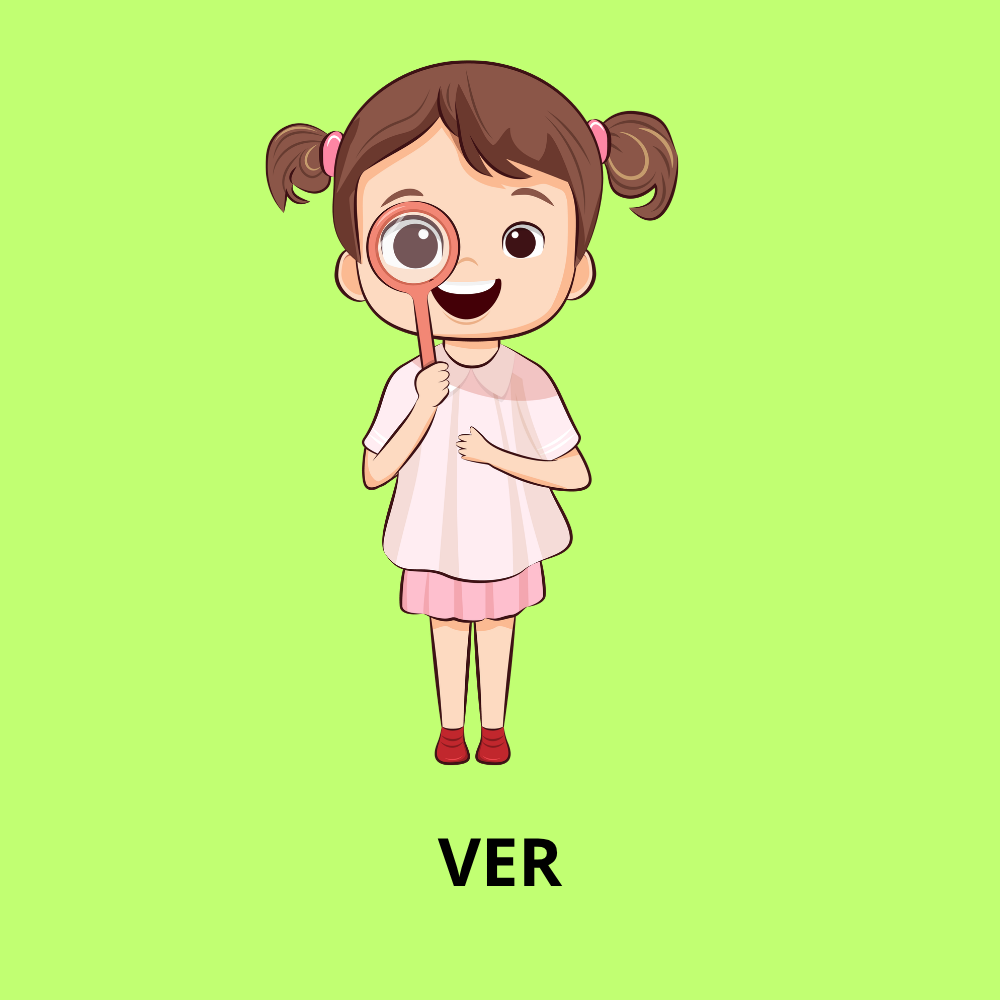
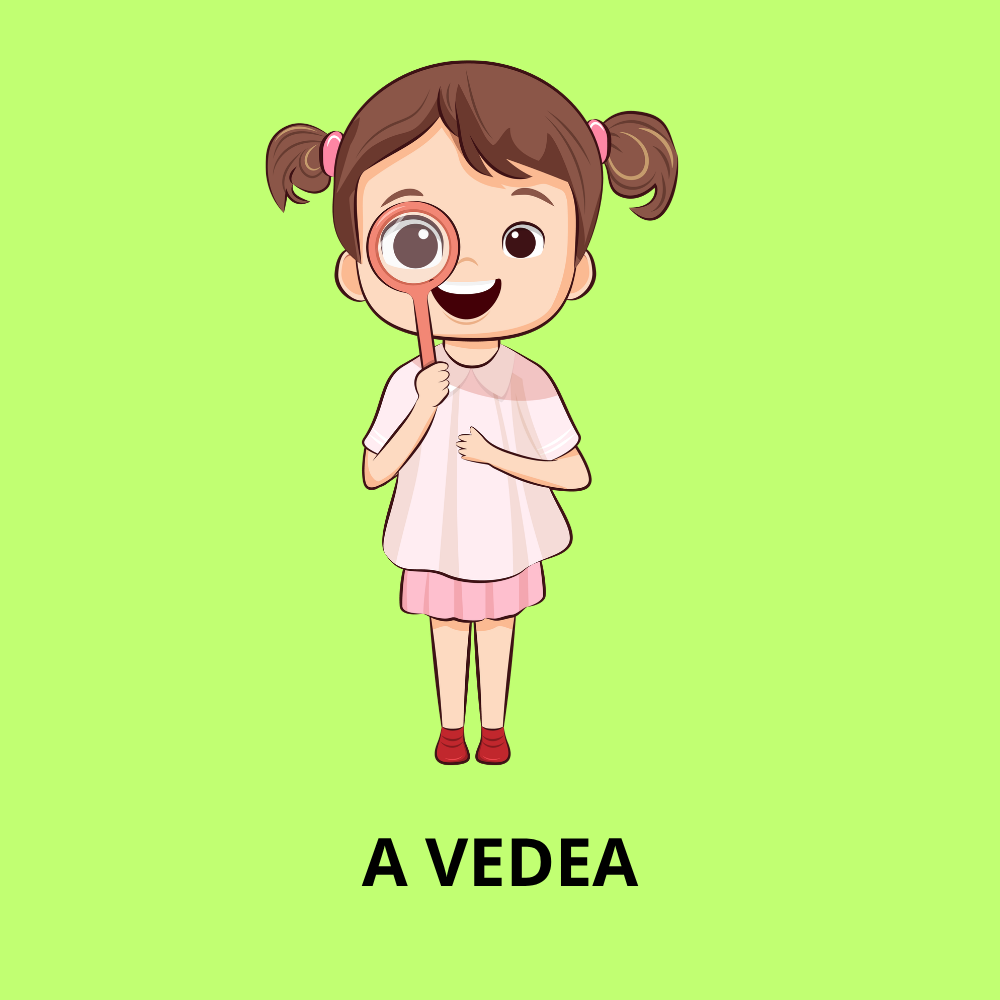
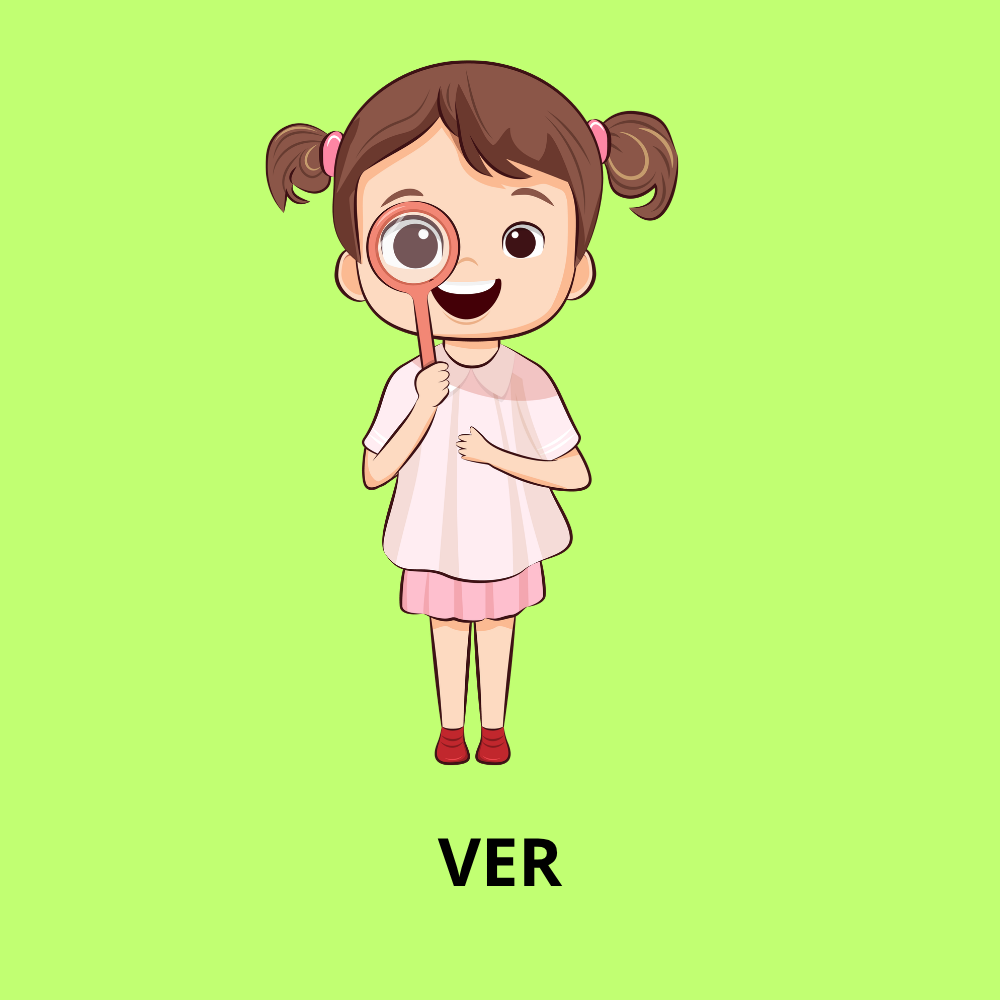
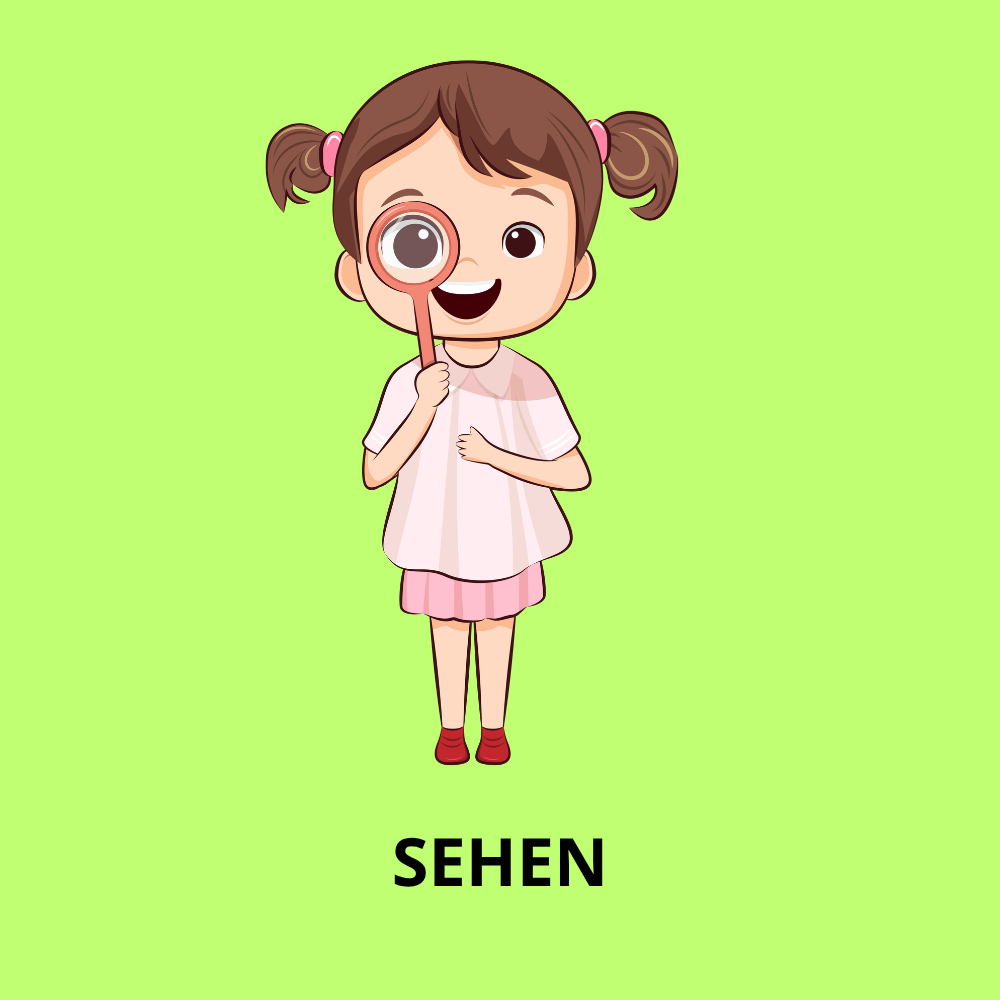
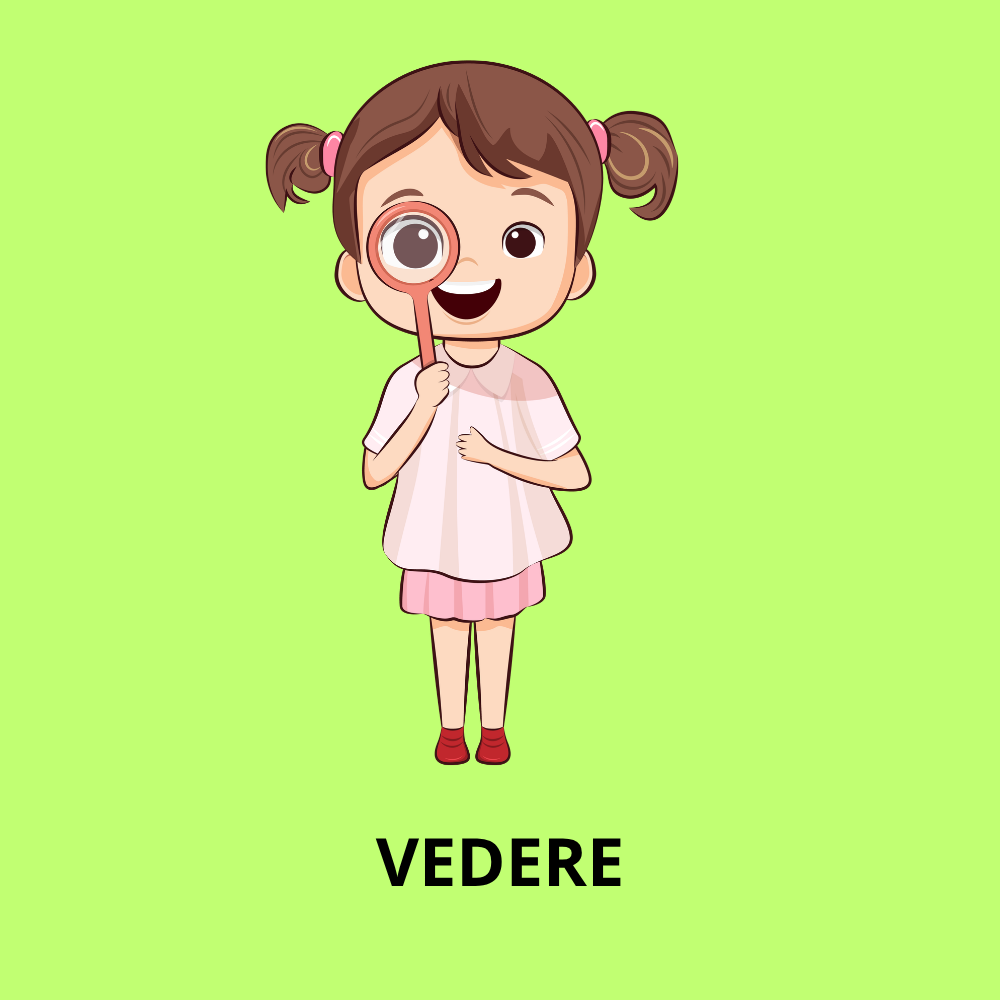
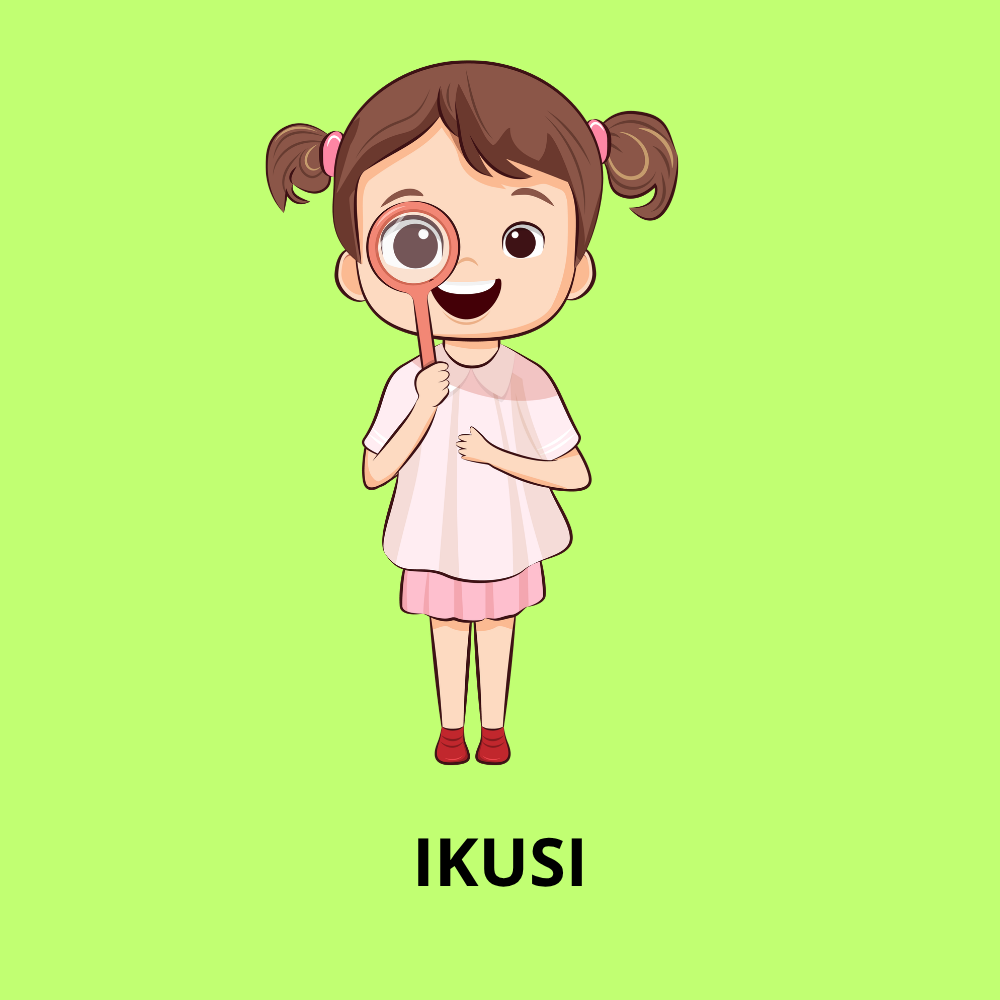

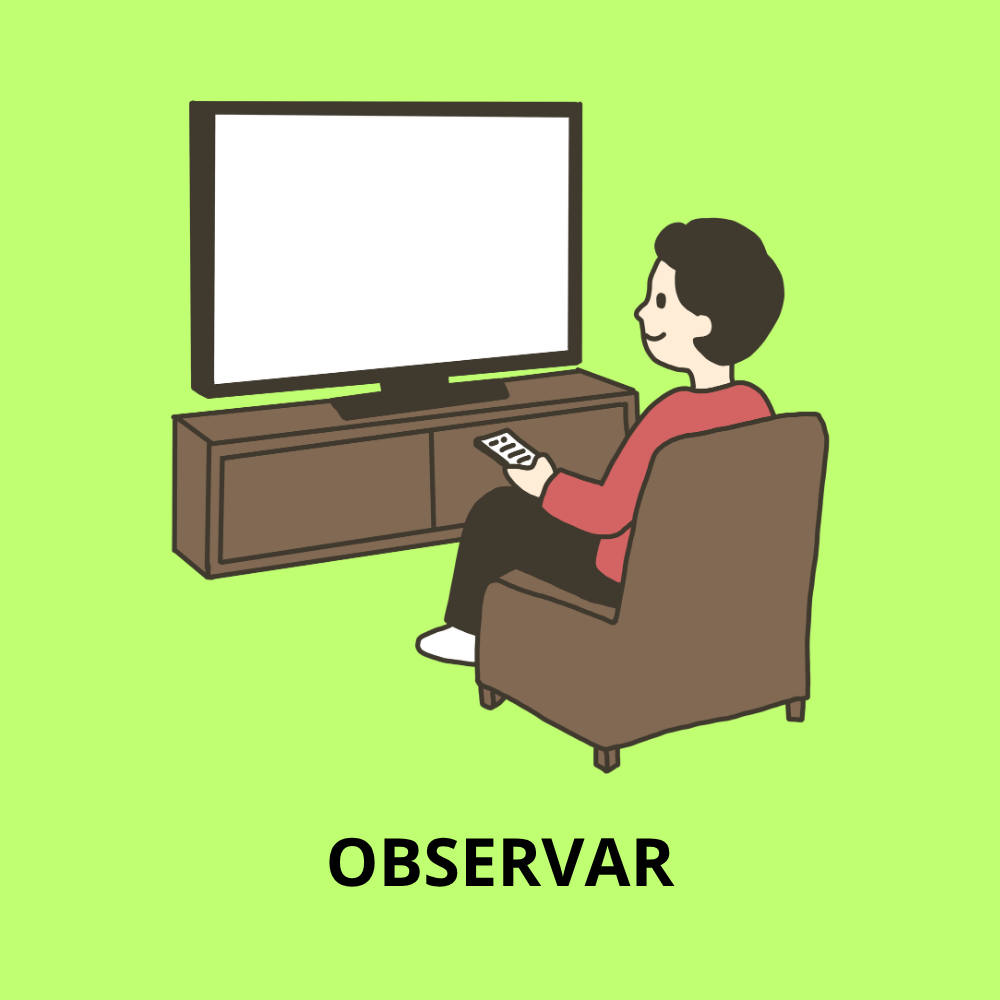
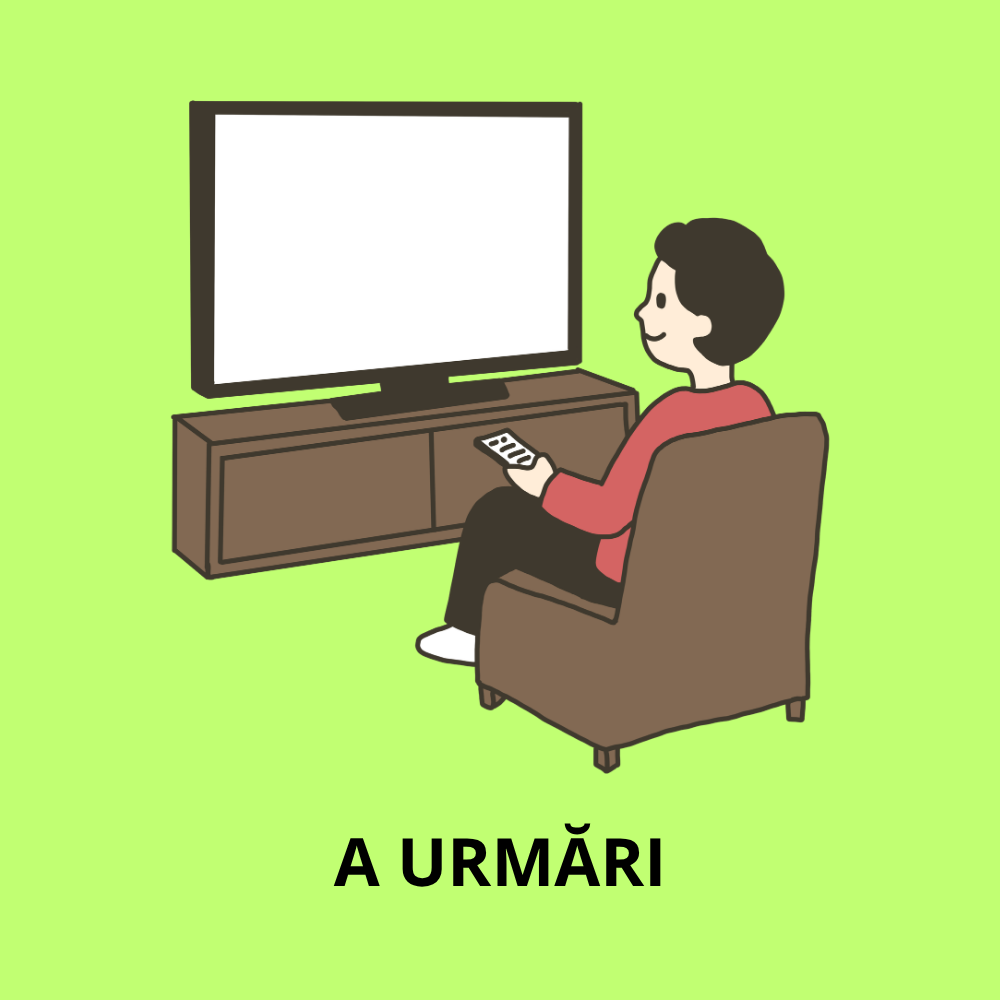
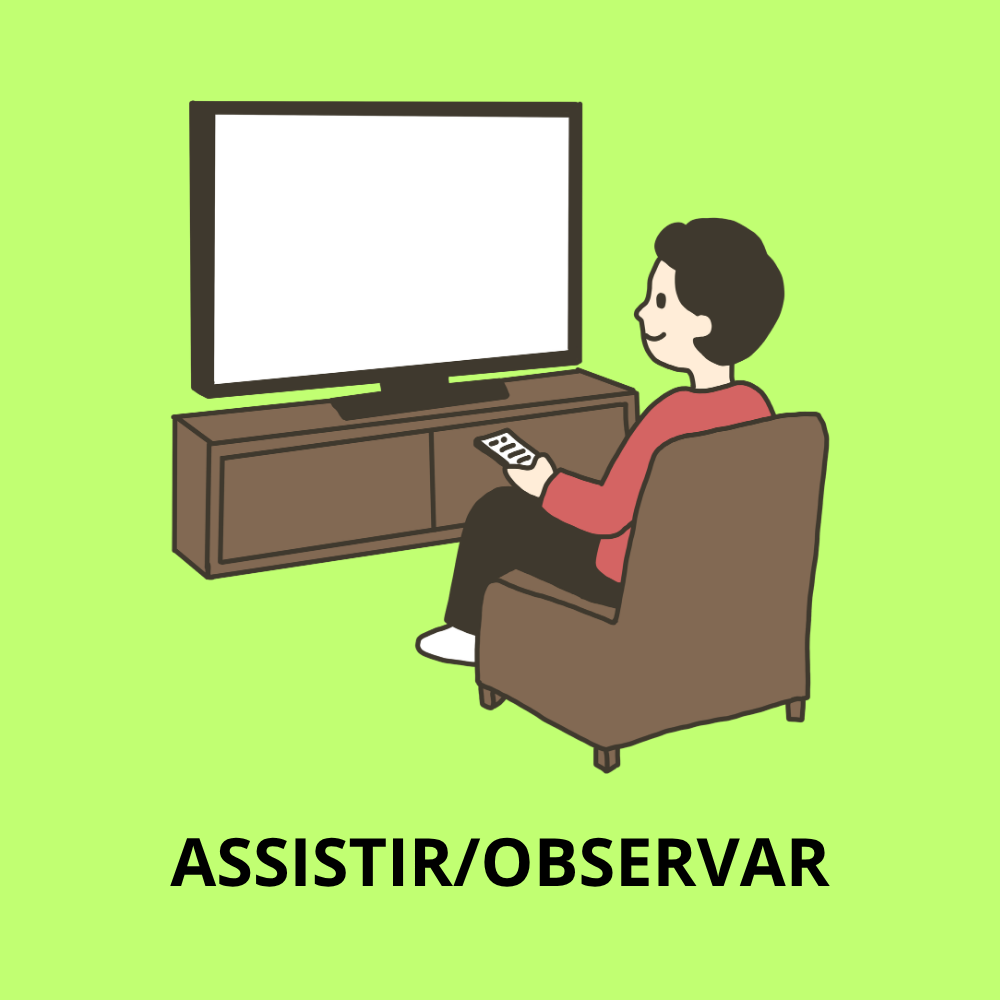
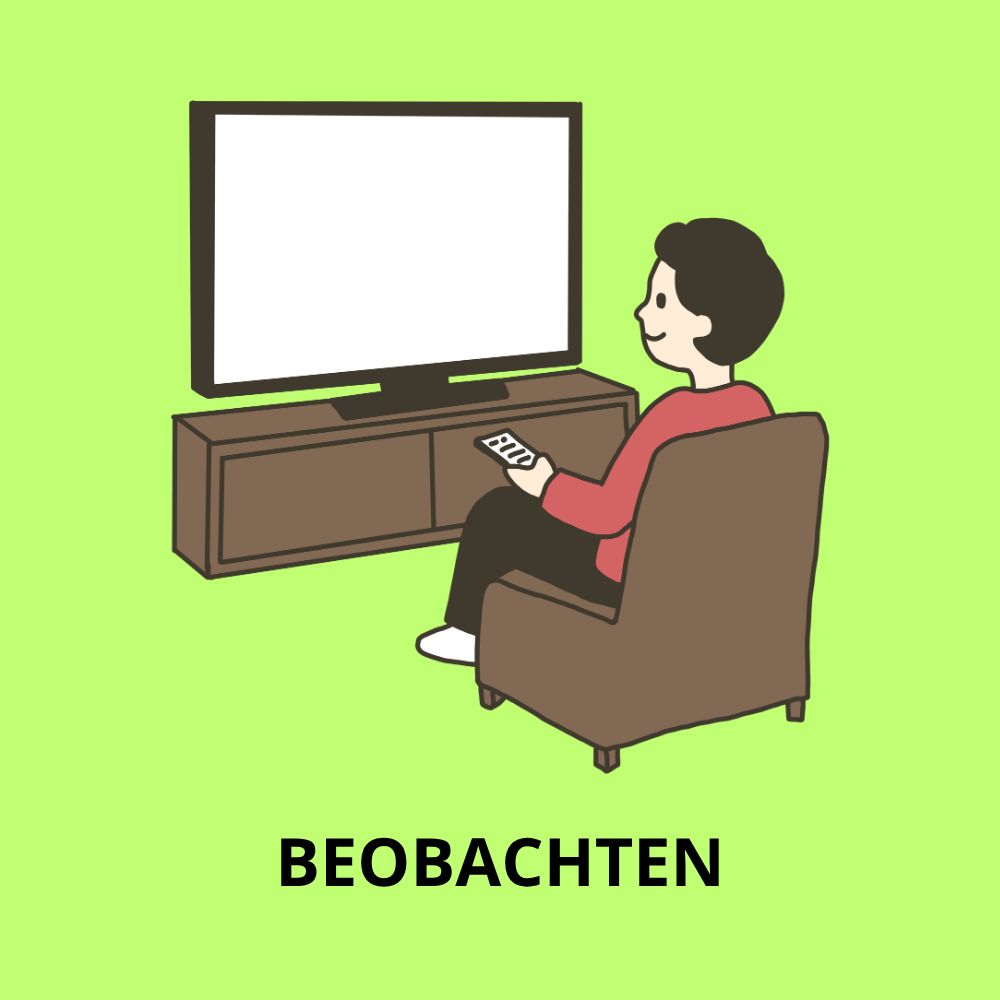
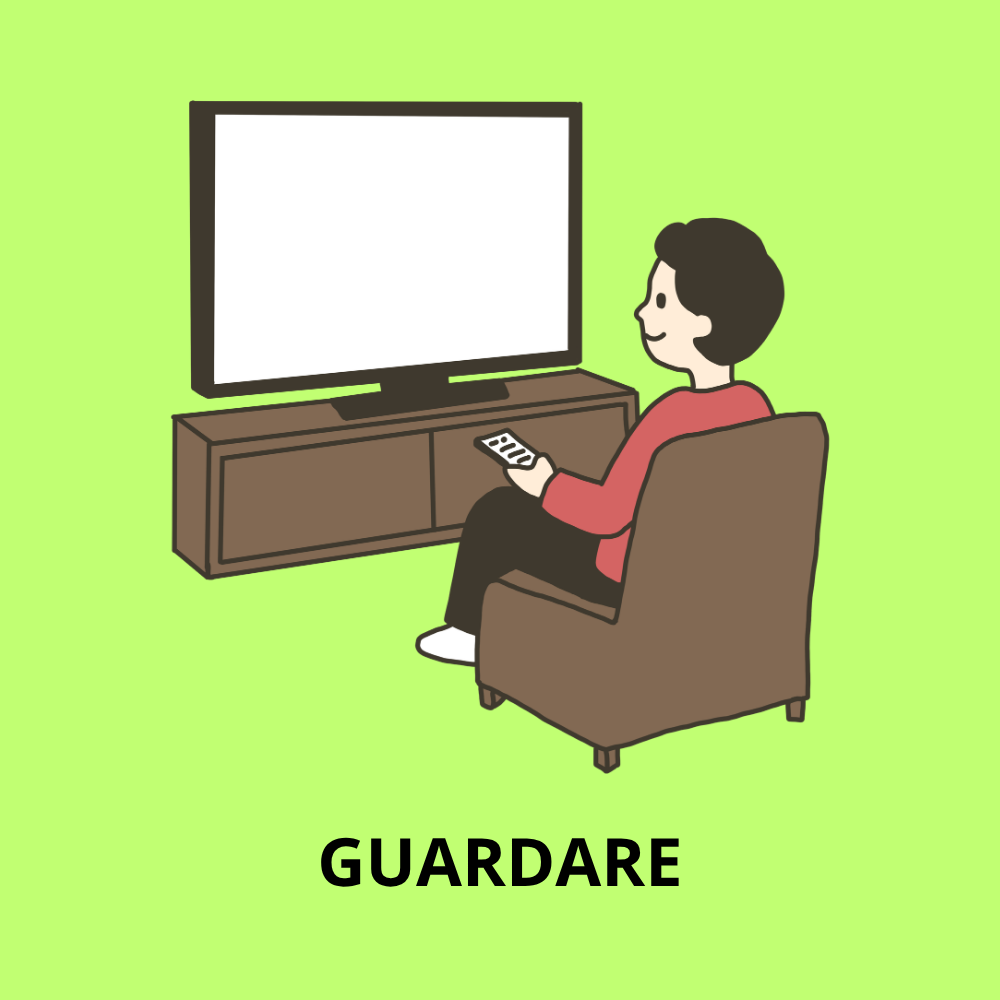
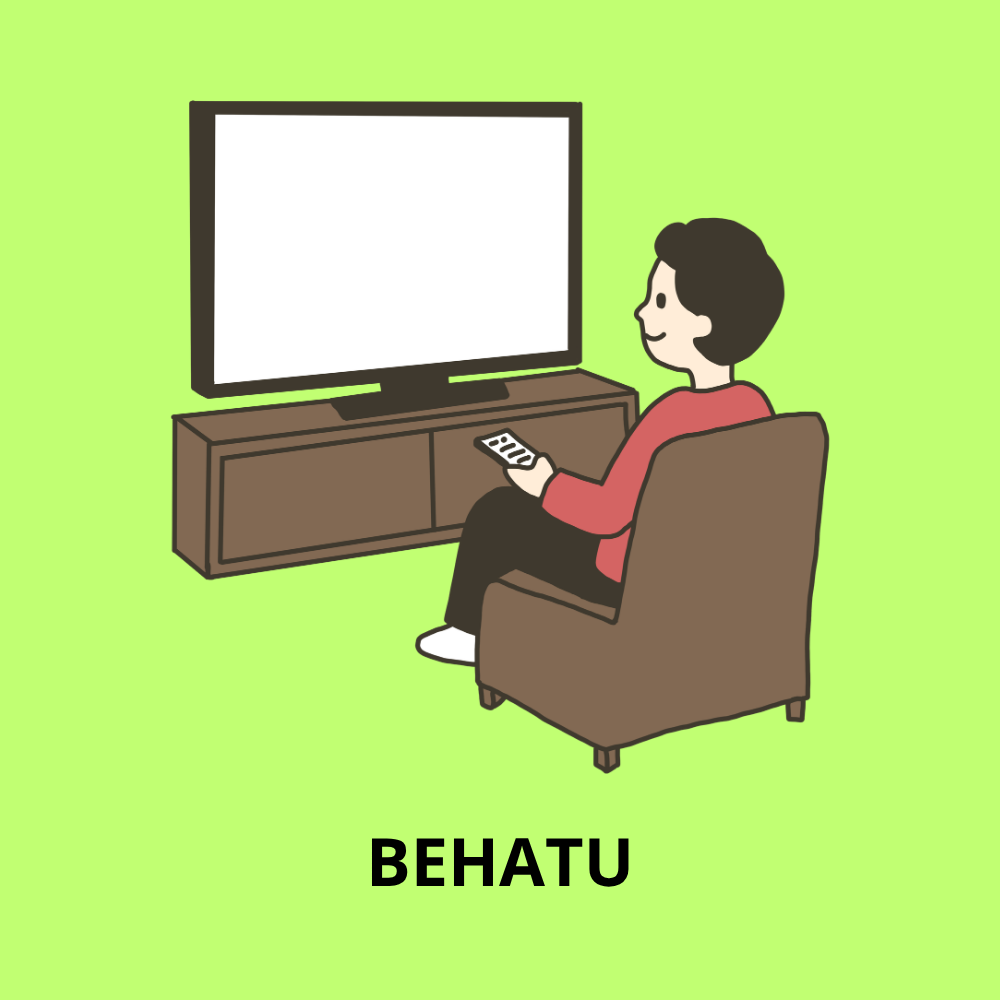
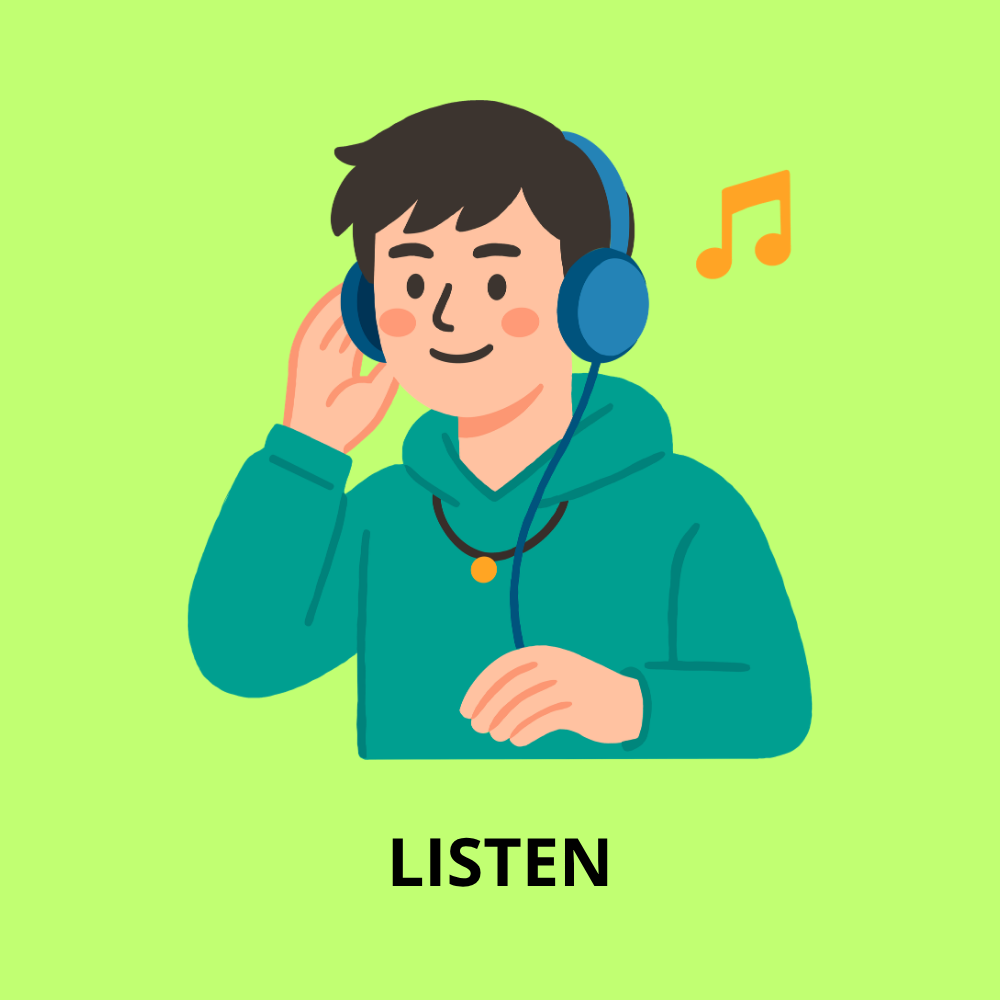
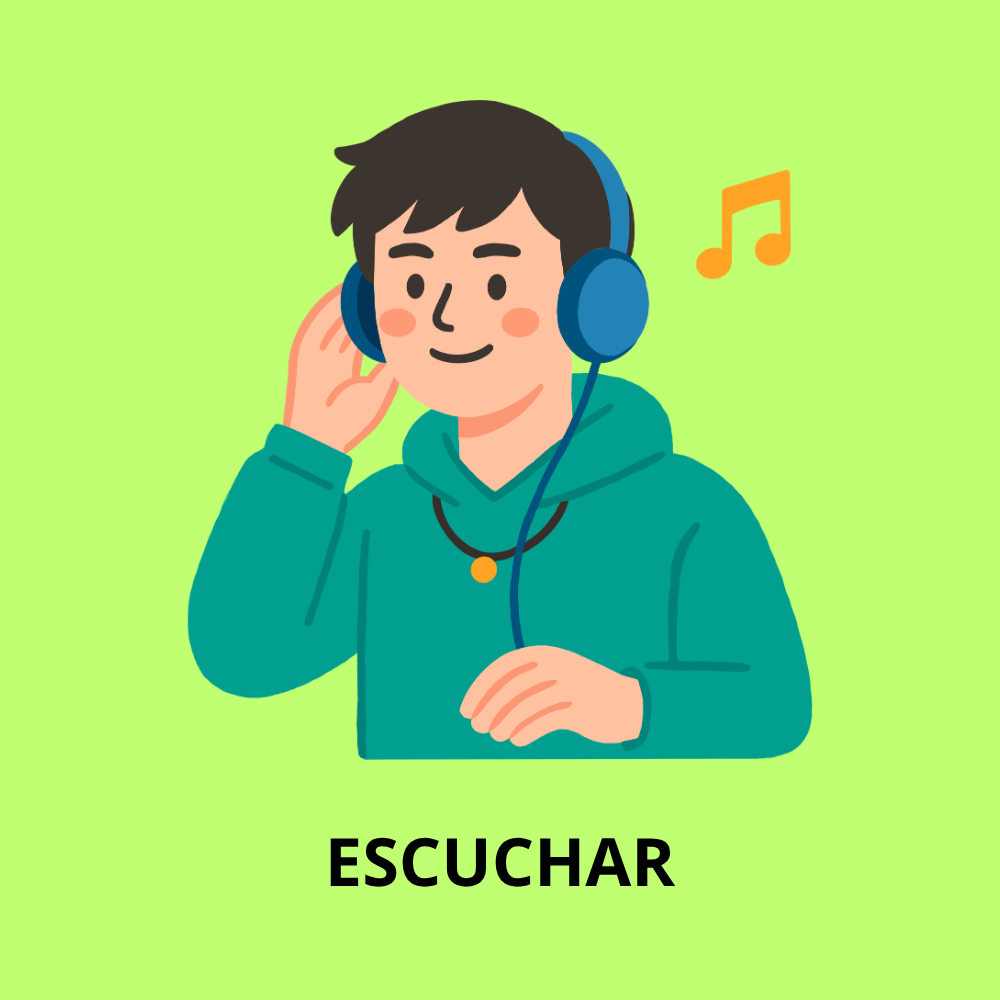
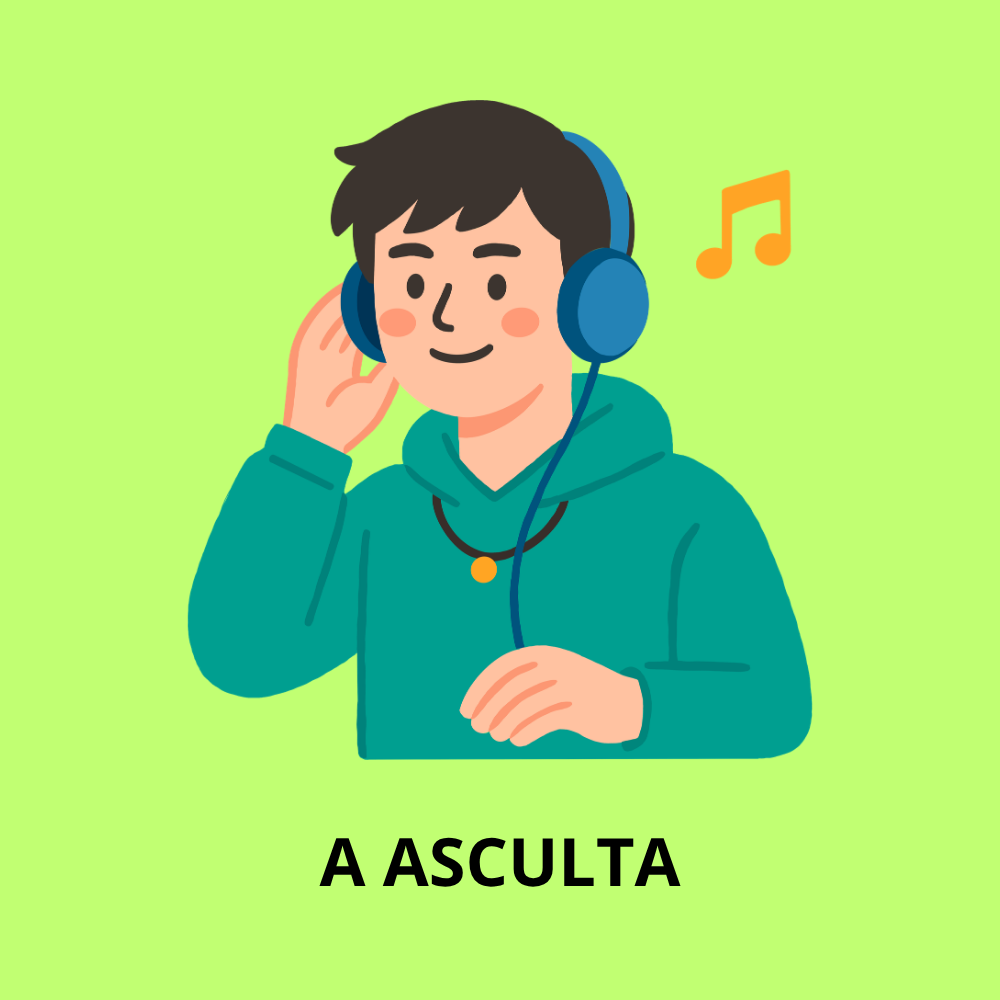
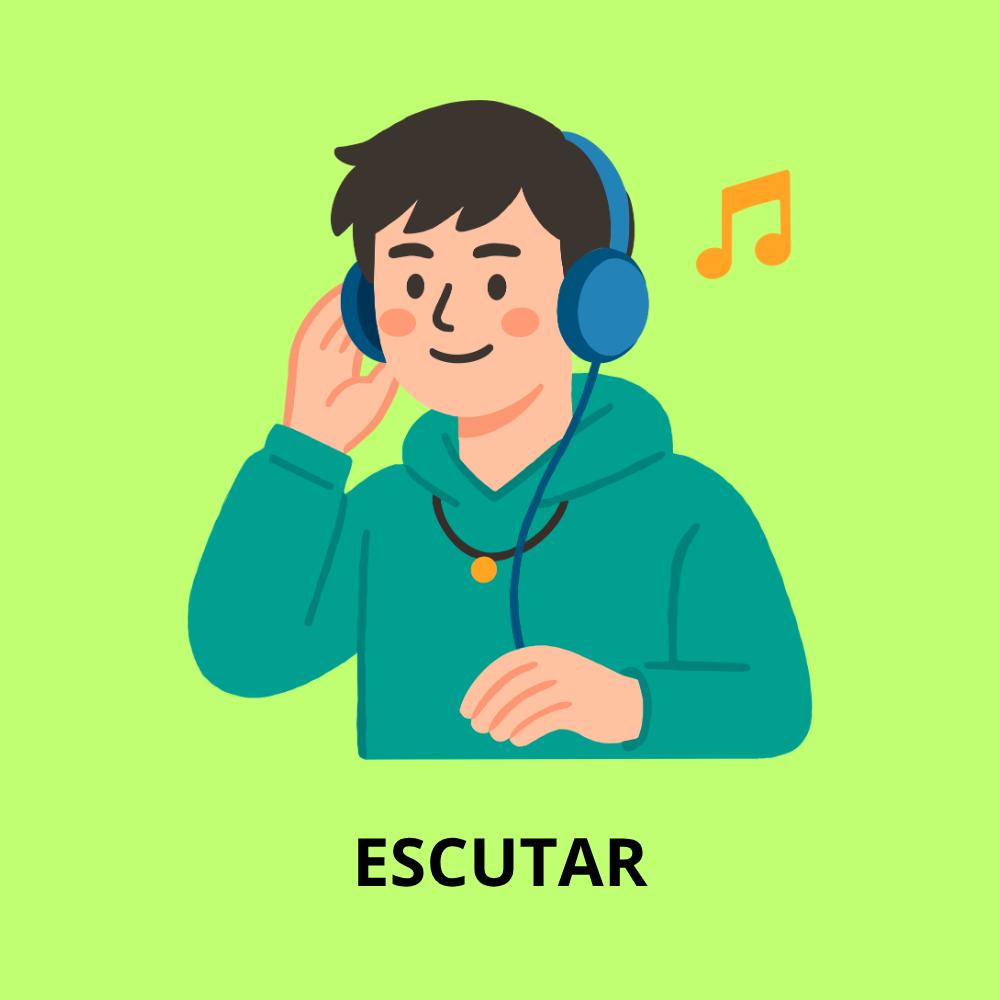
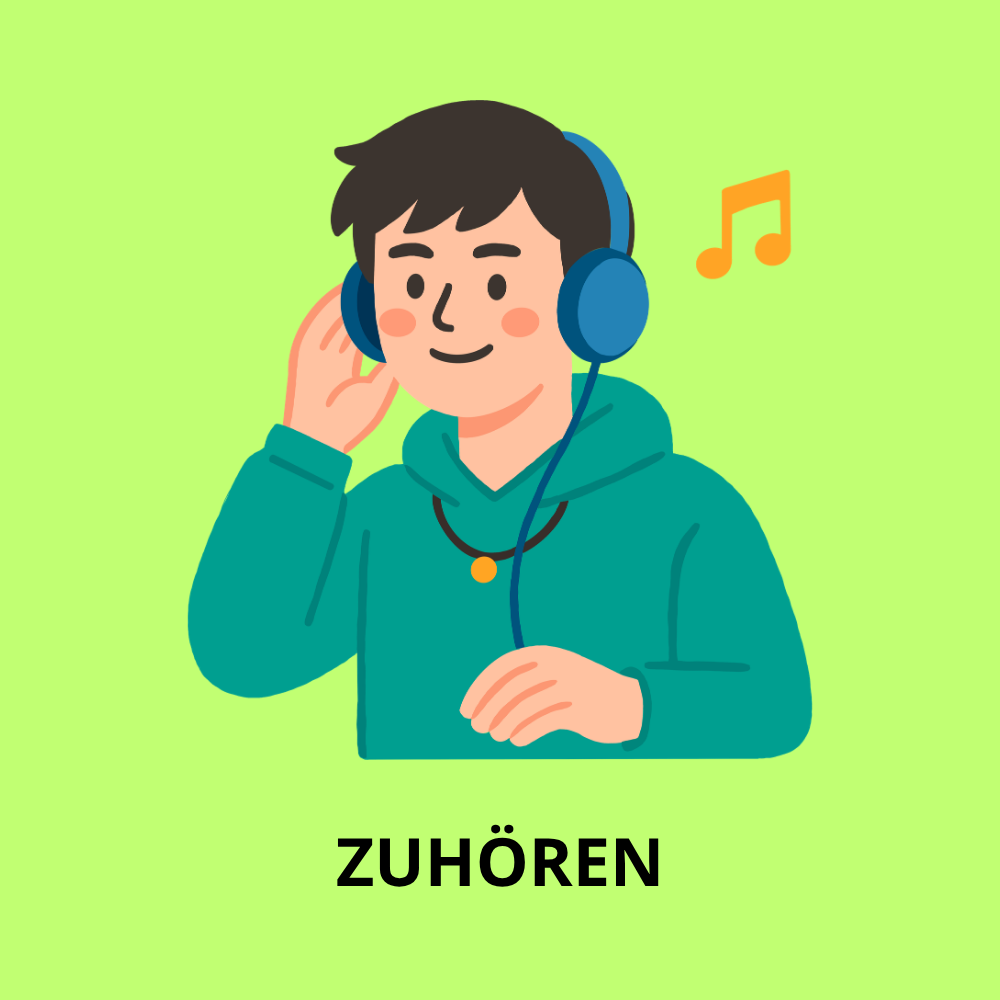
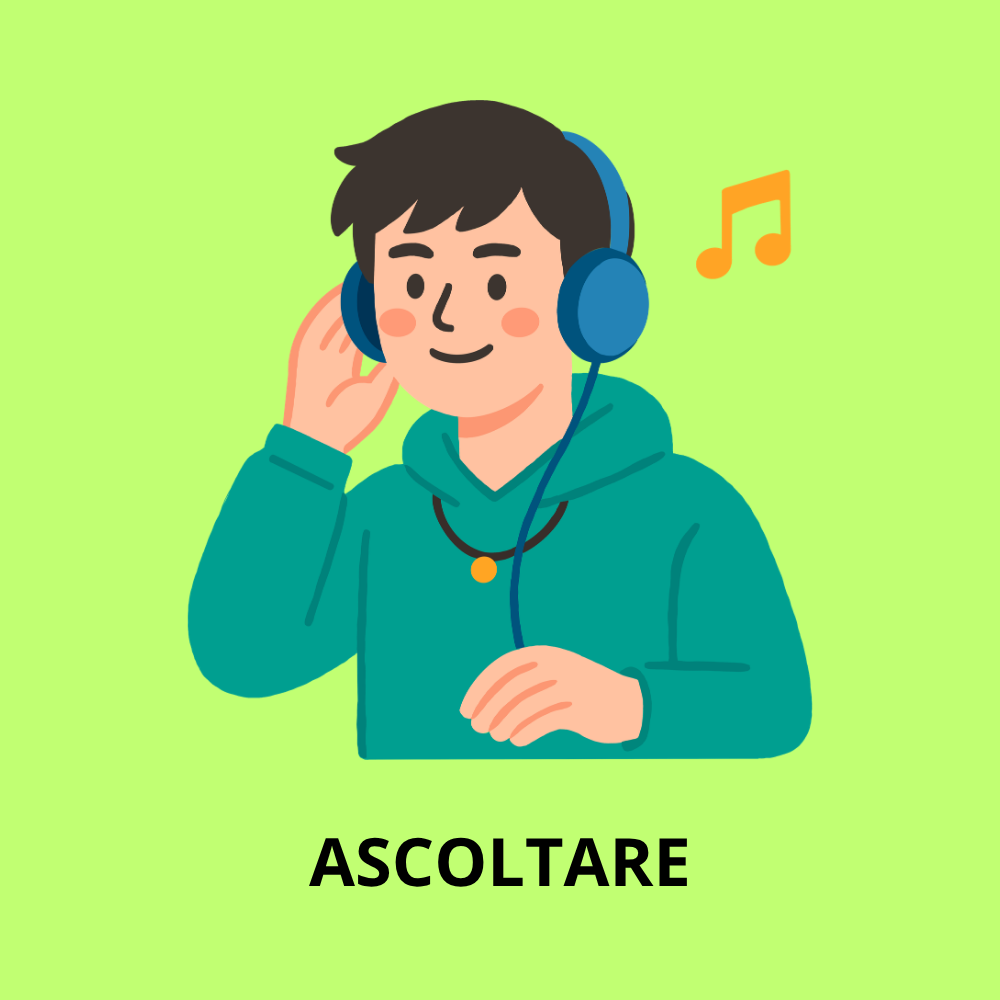
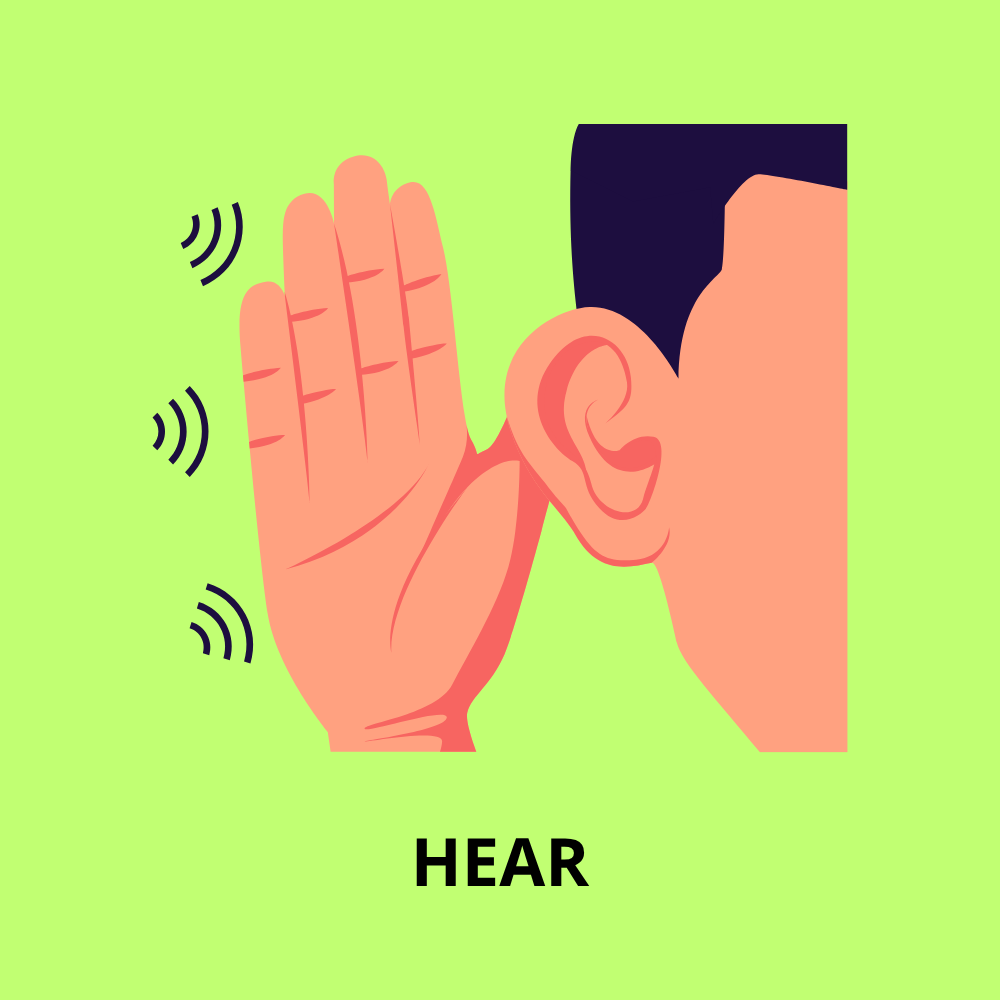
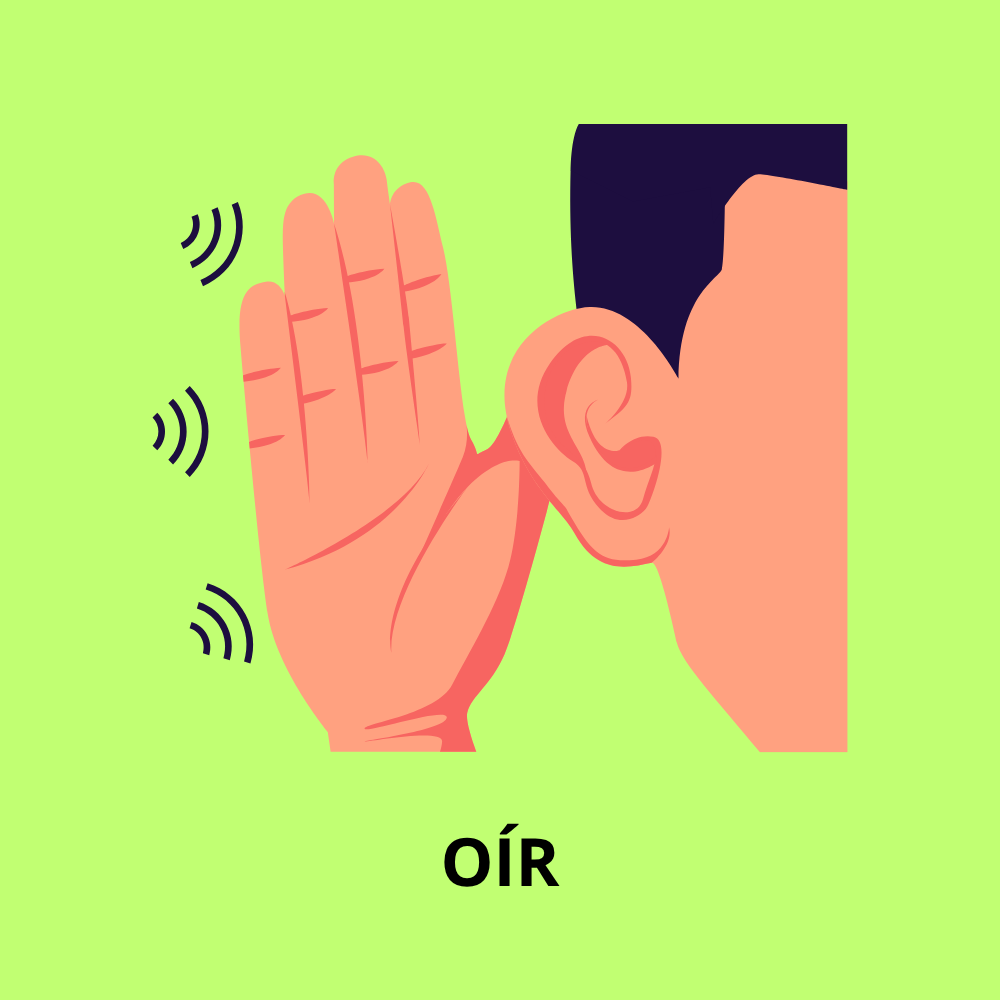
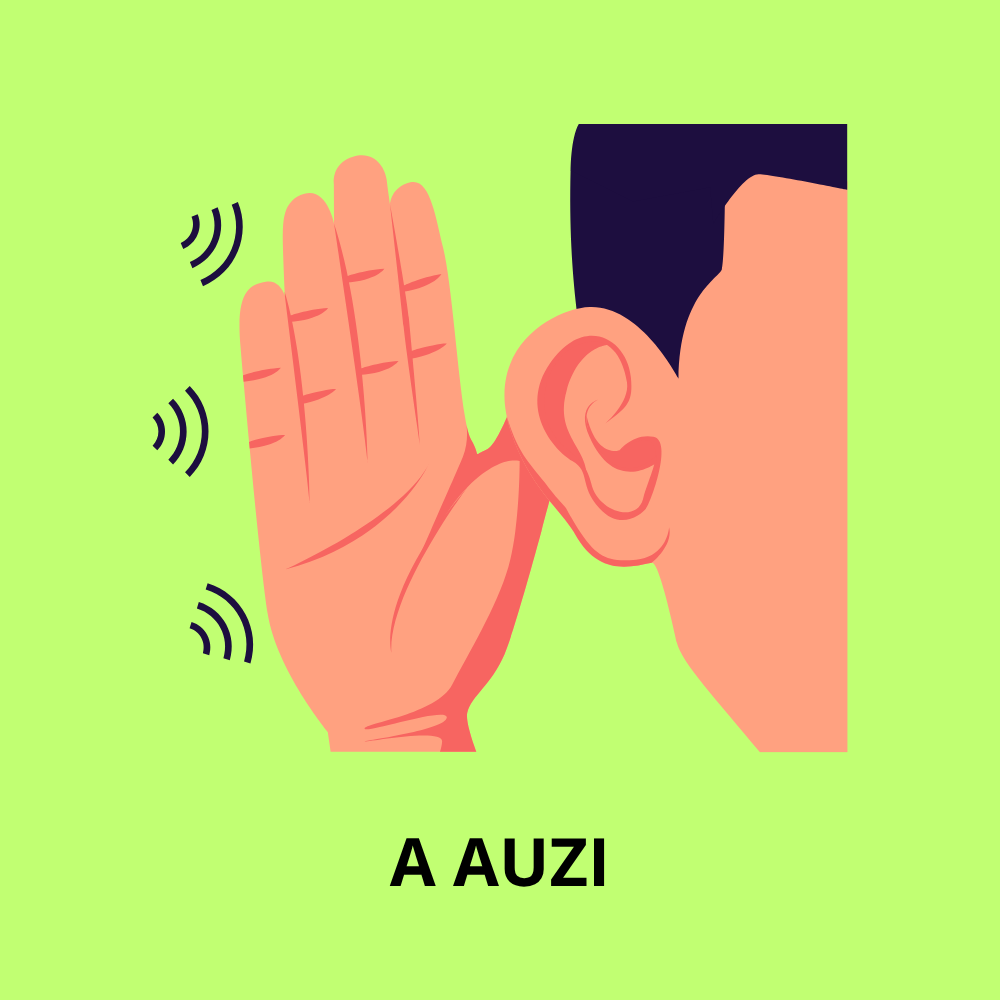
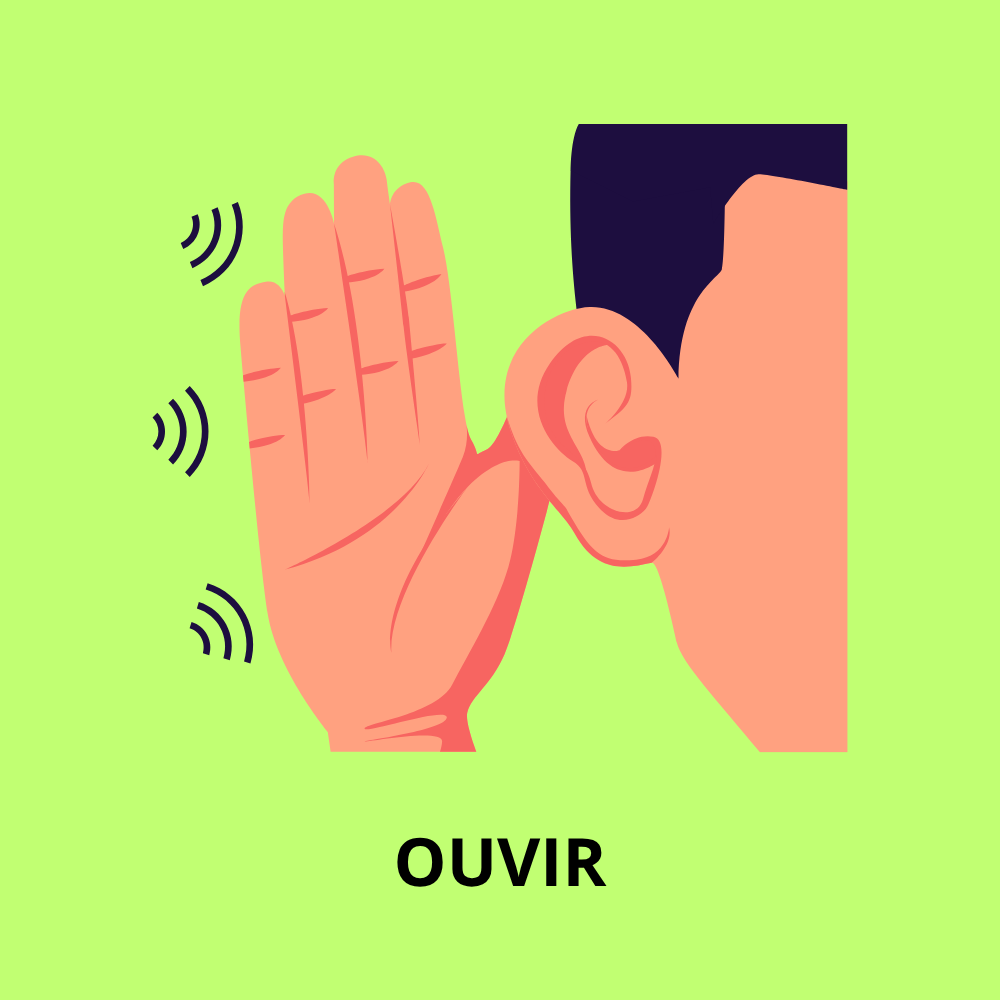
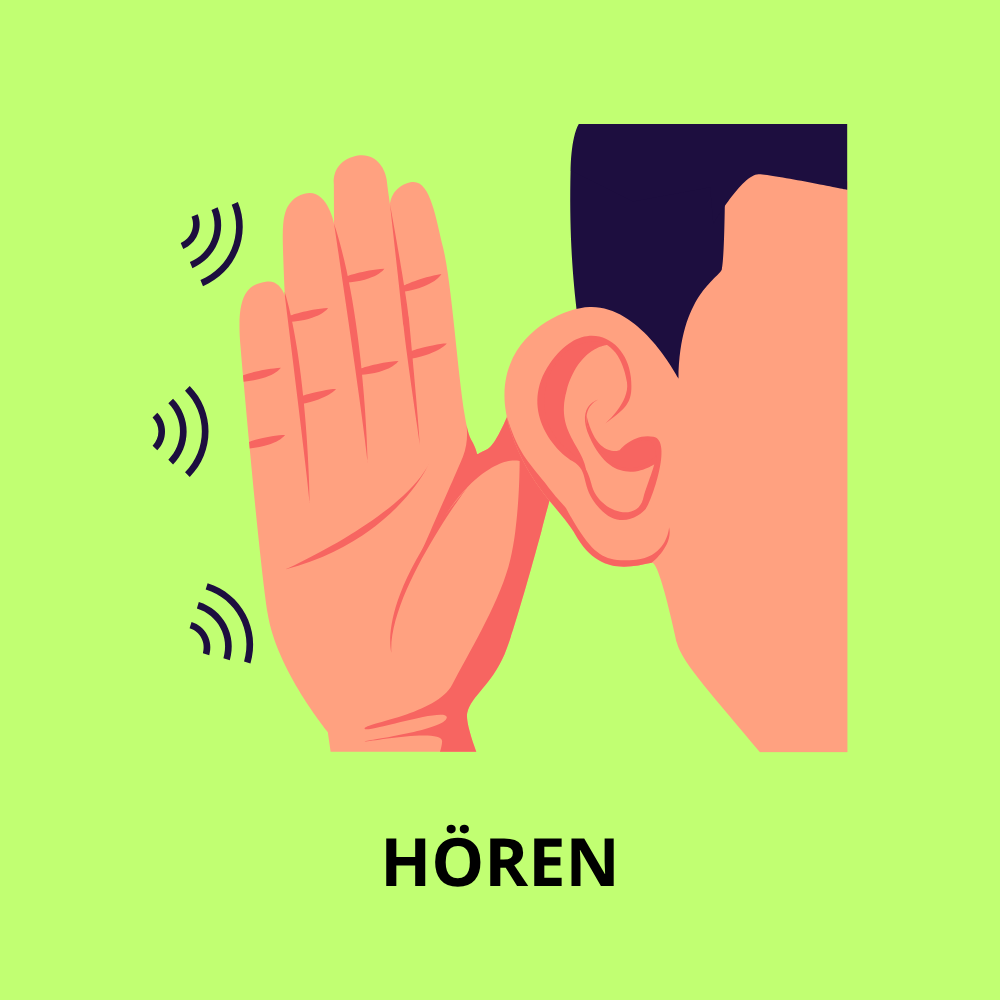
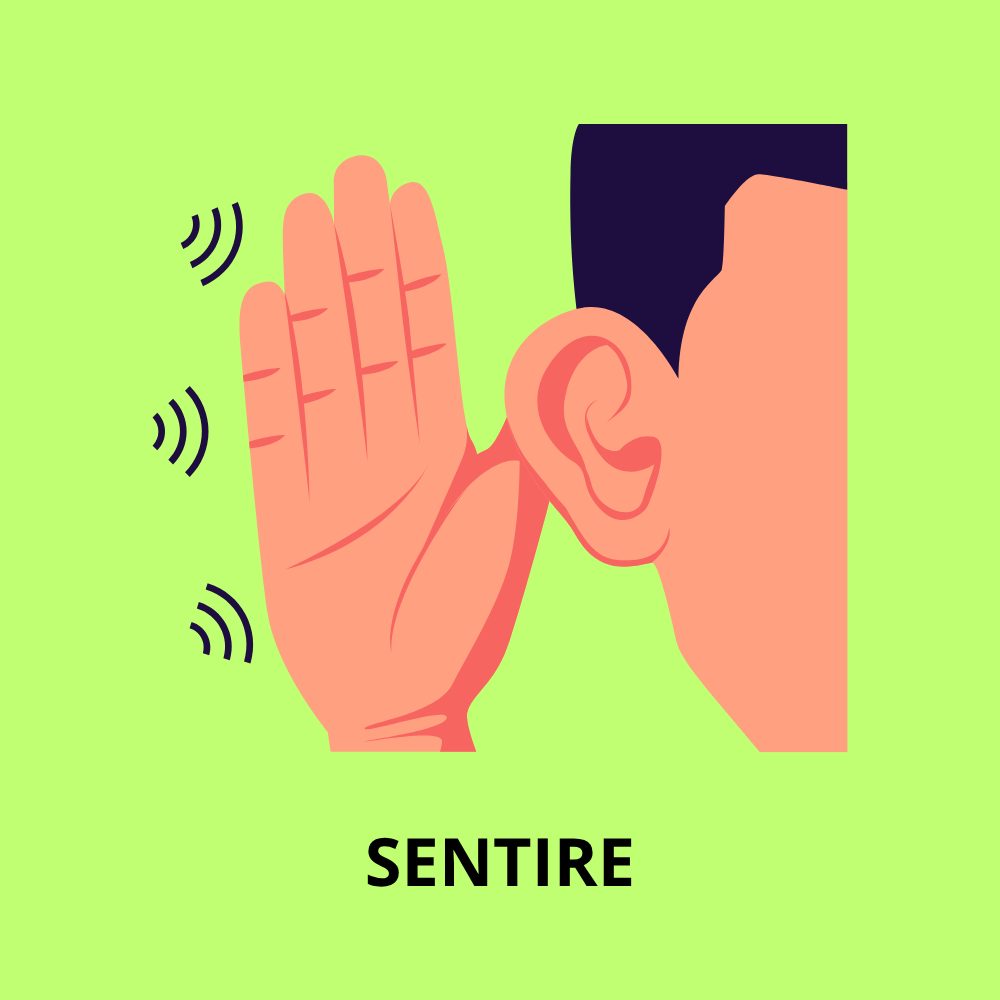
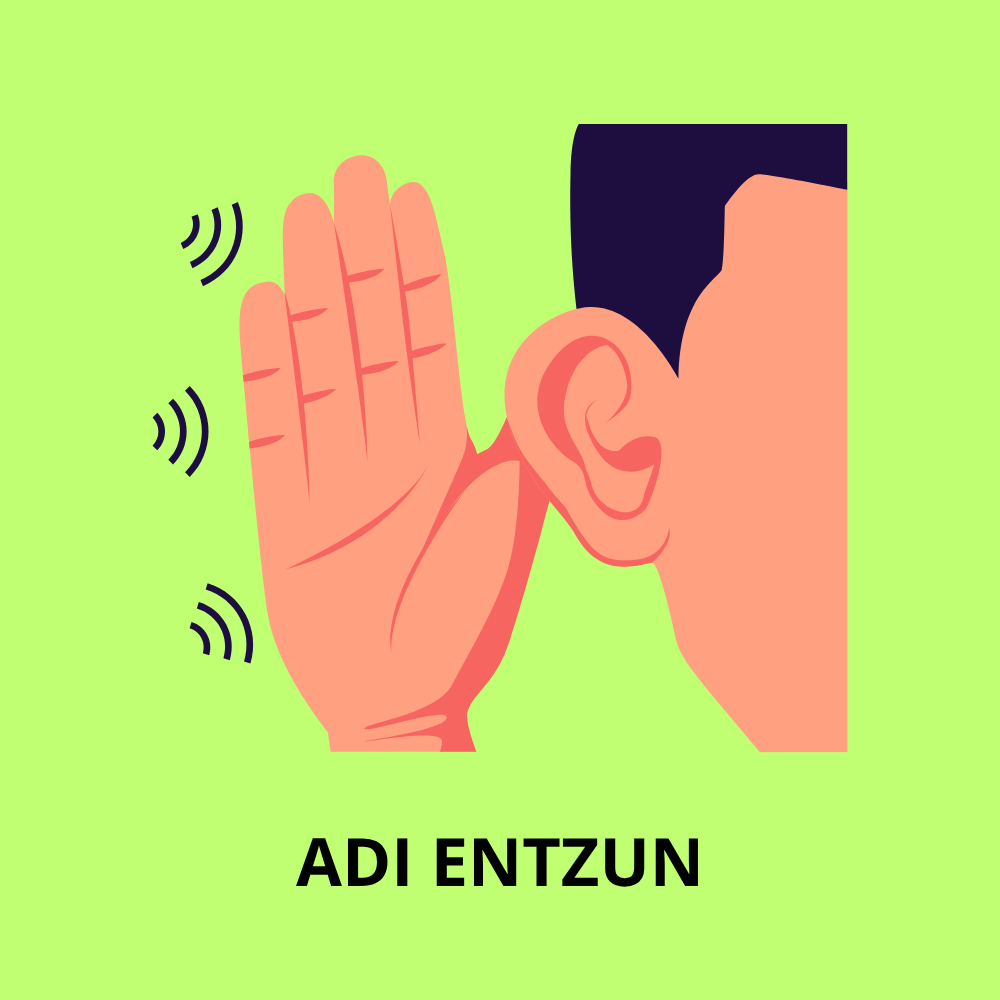
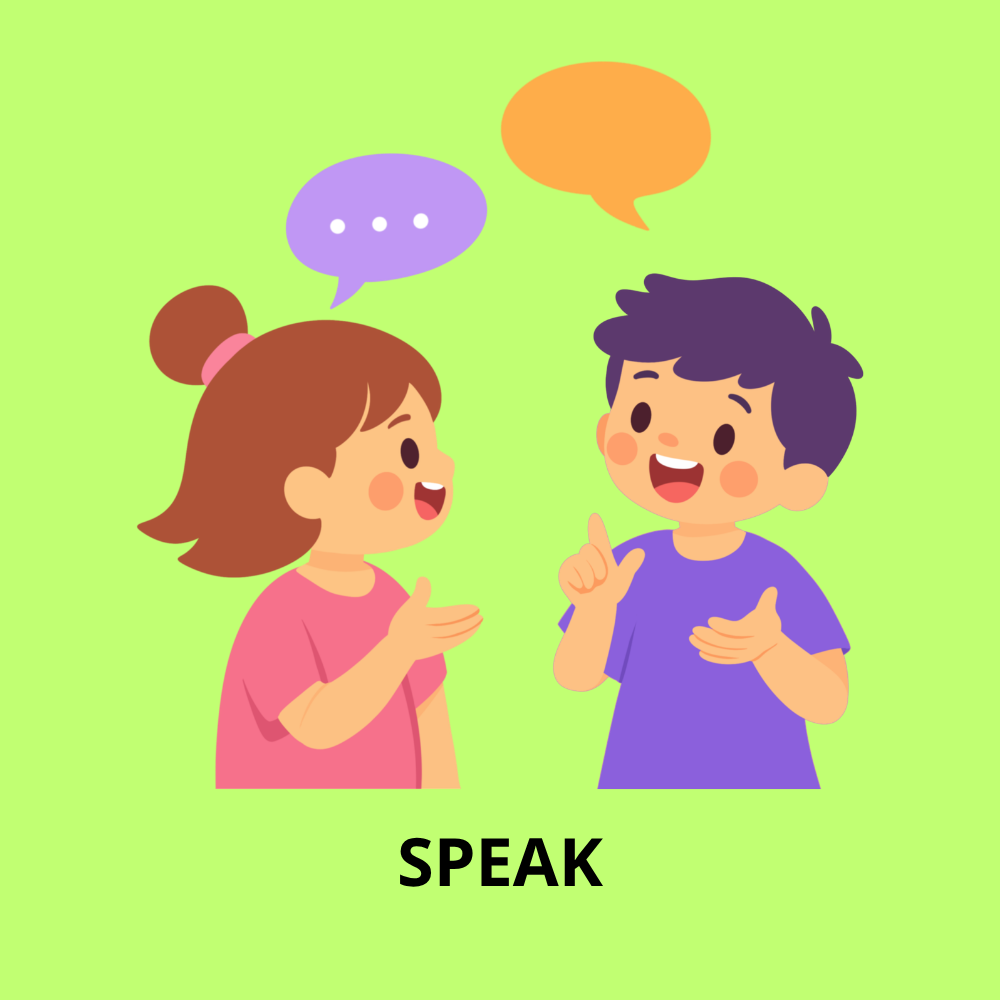
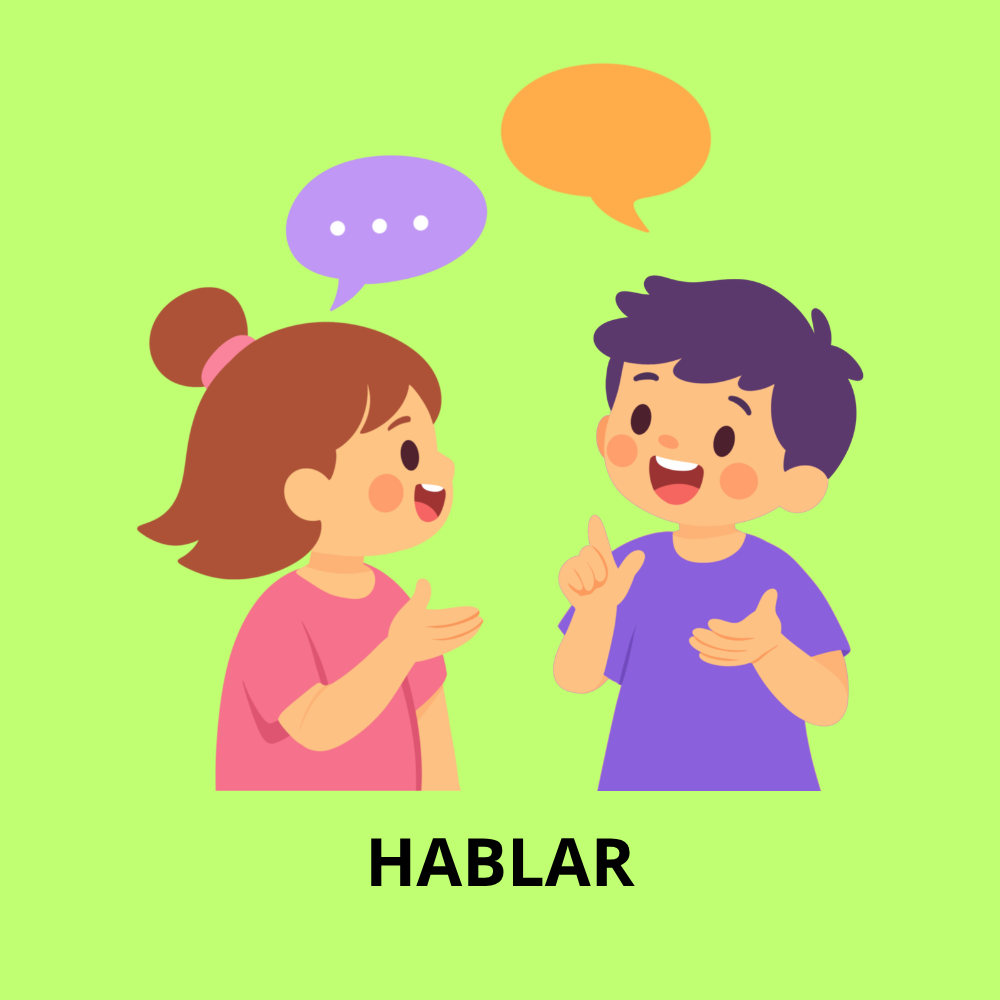
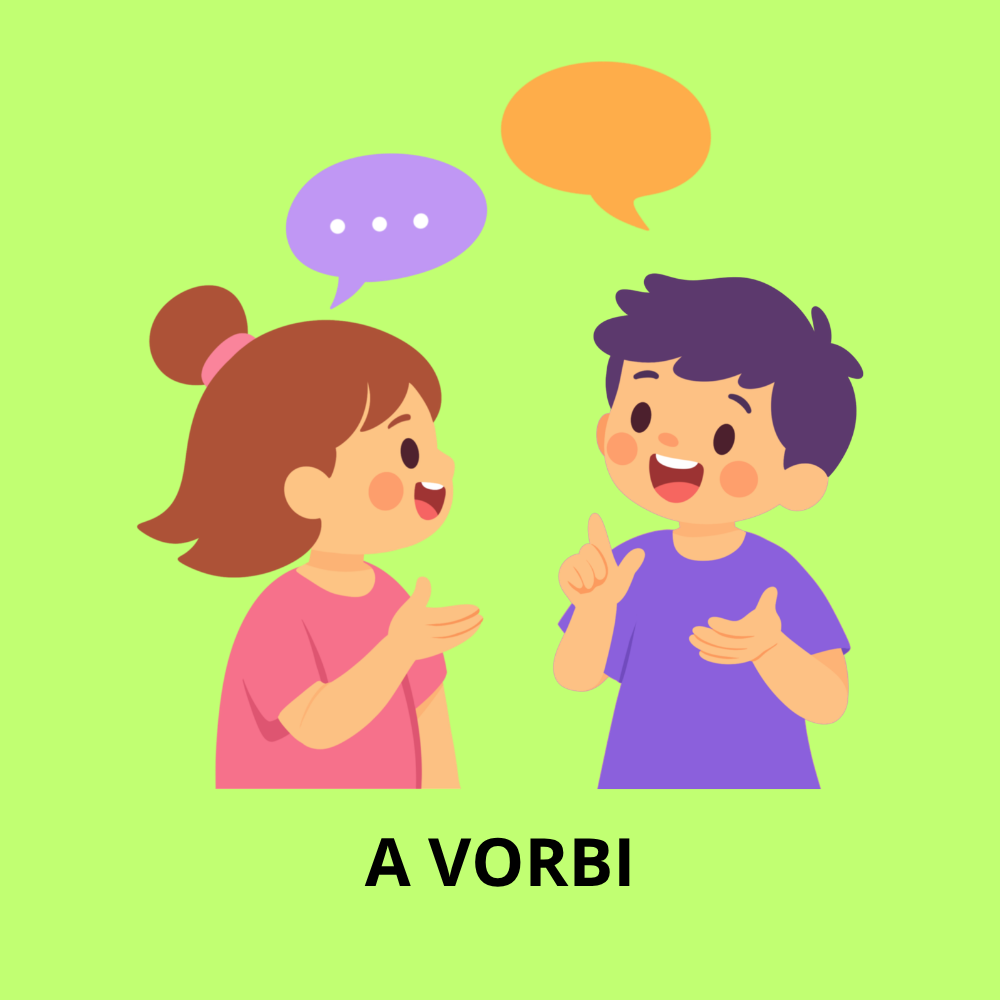
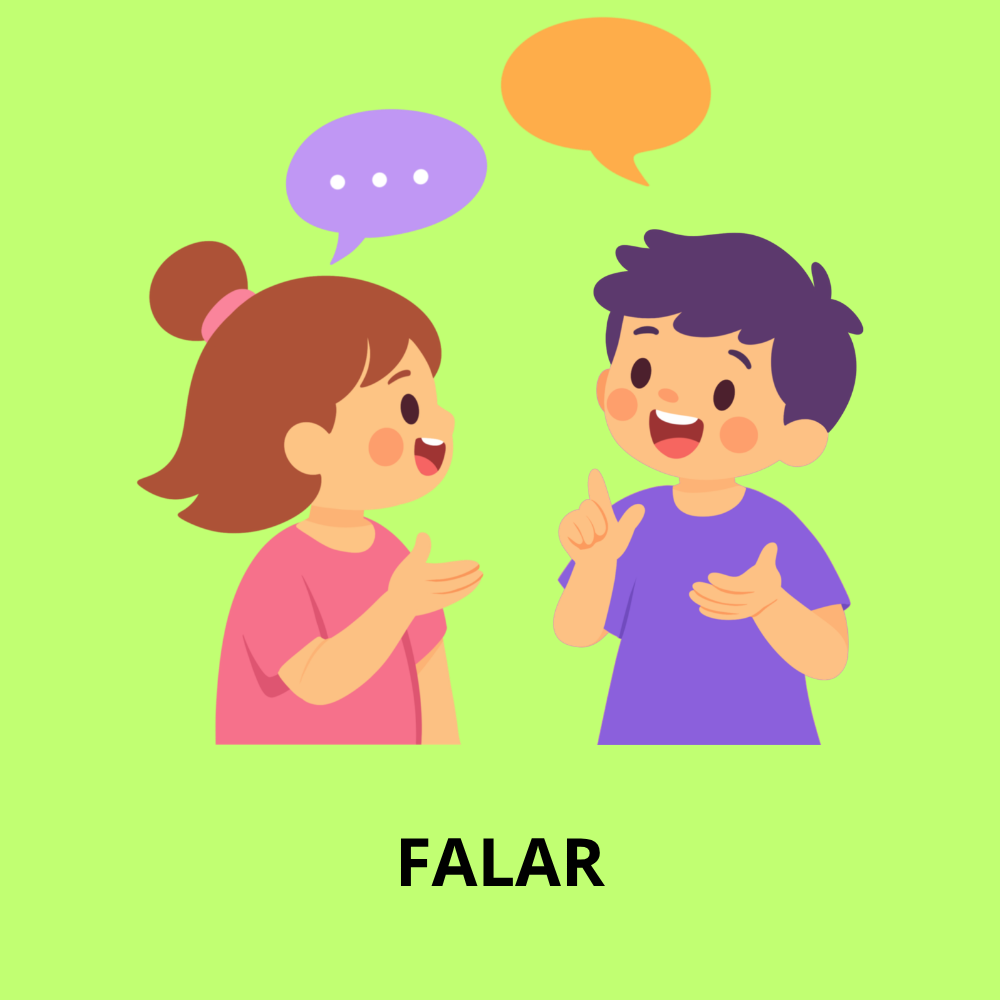
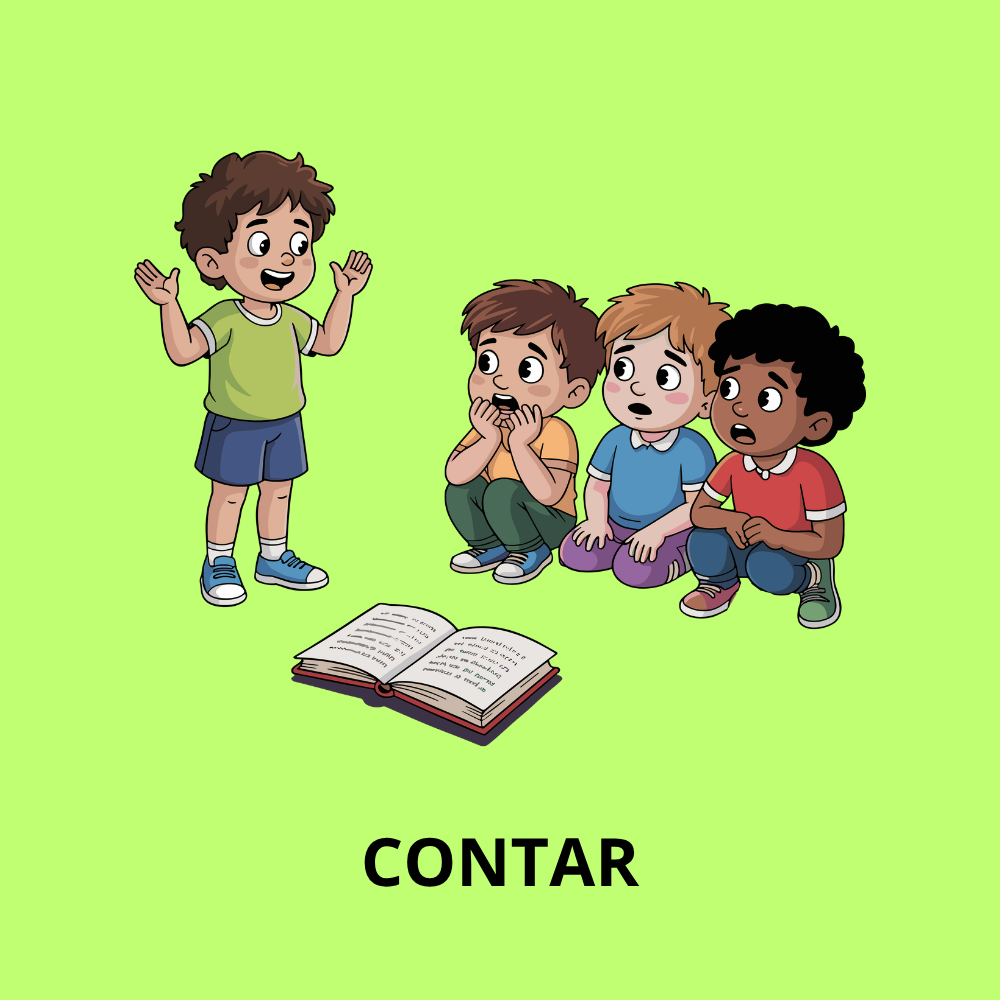
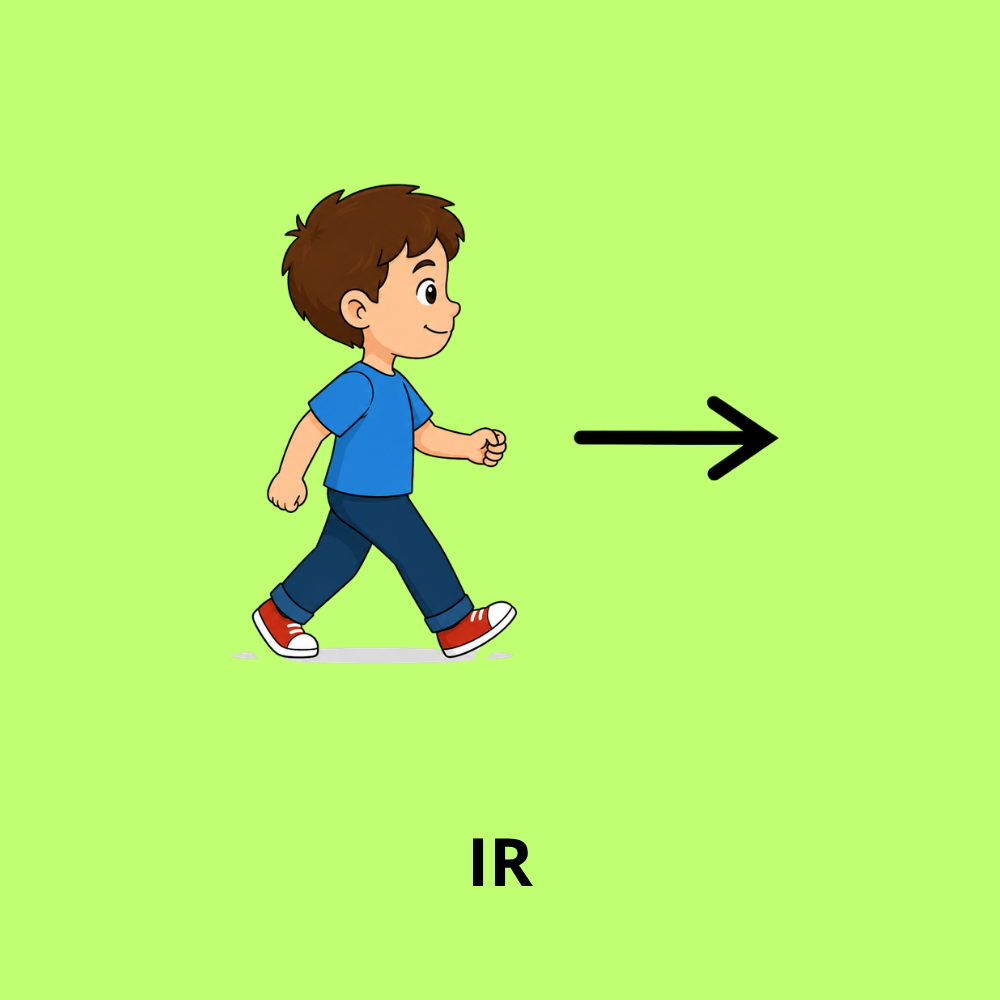

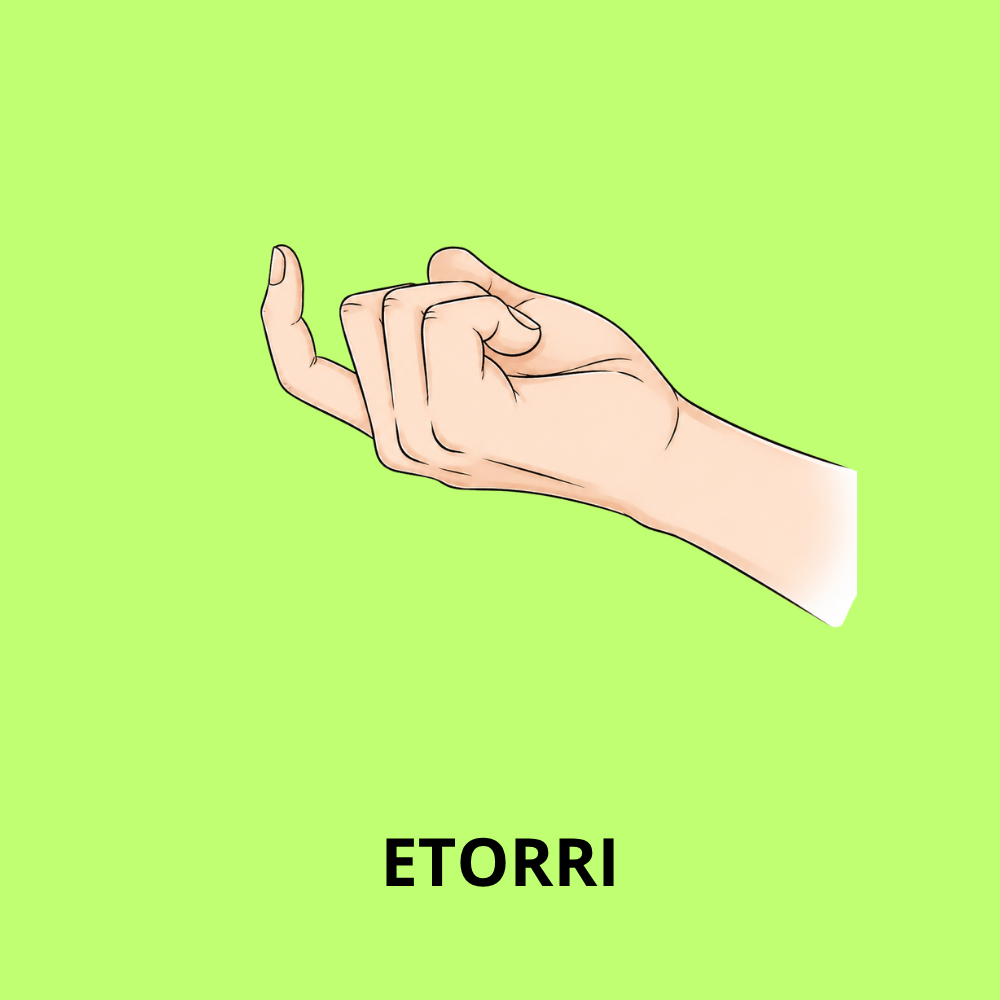


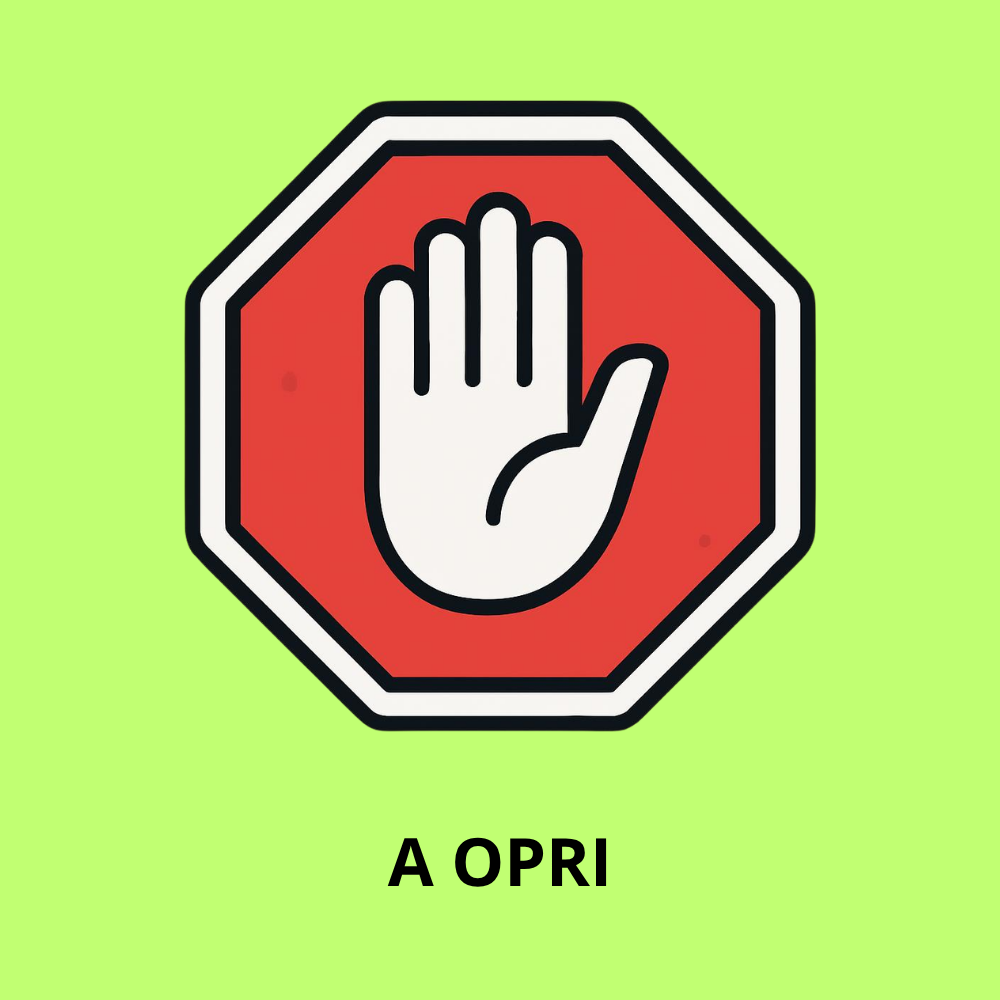
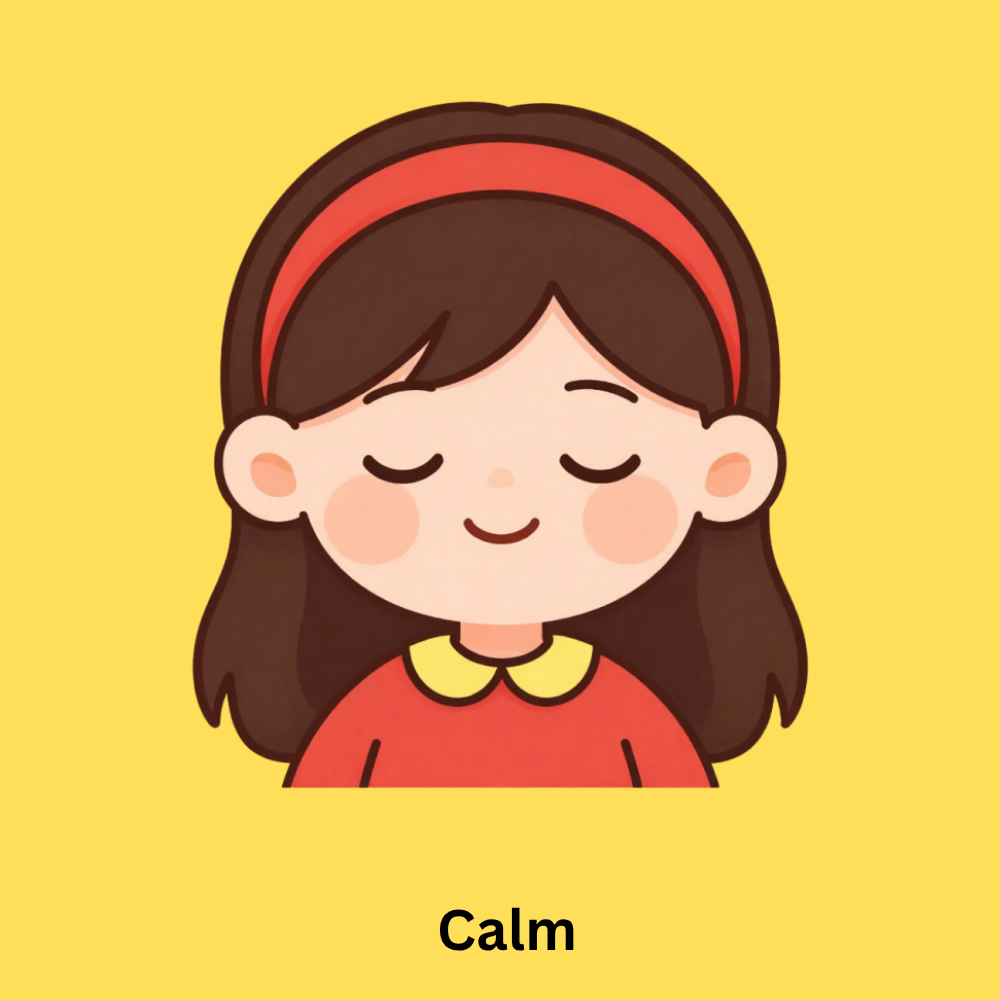
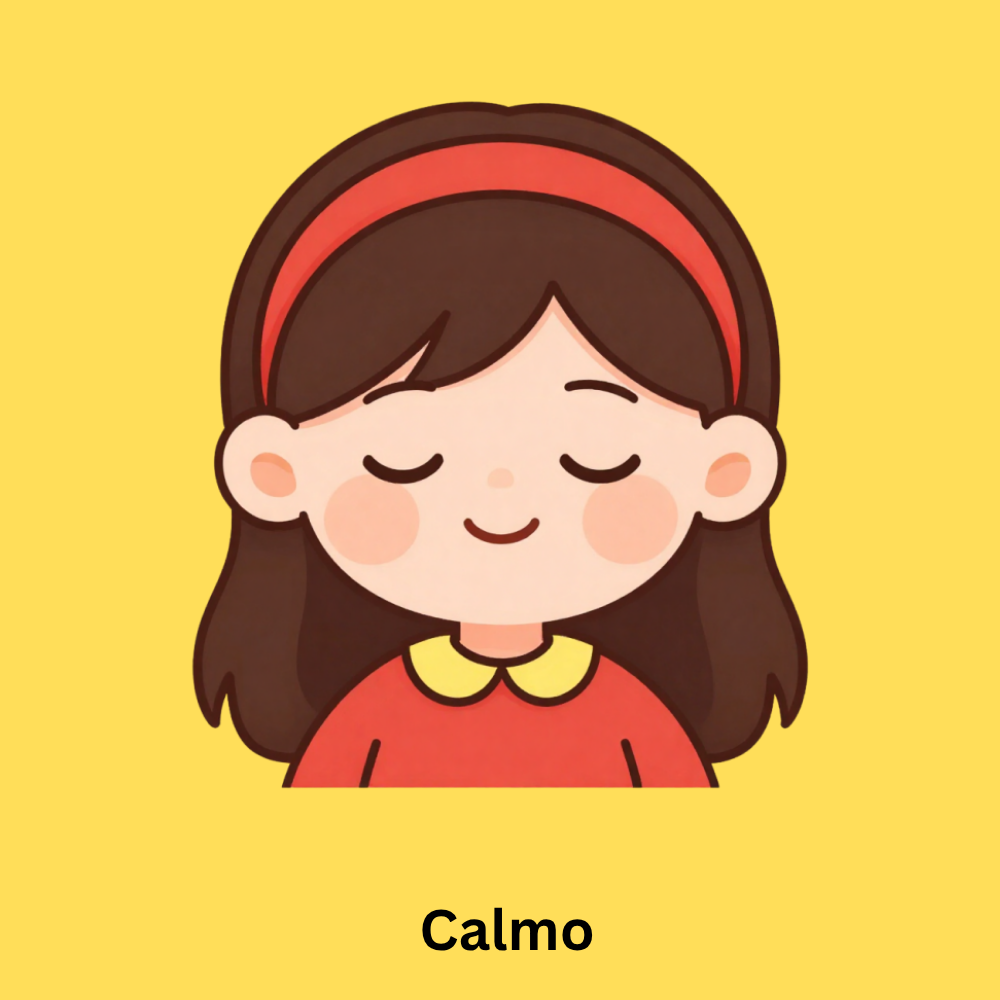
Emotions and Descriptive Words-Istituto comprensivo statale Picentia Pontecagnano Faiano Italy
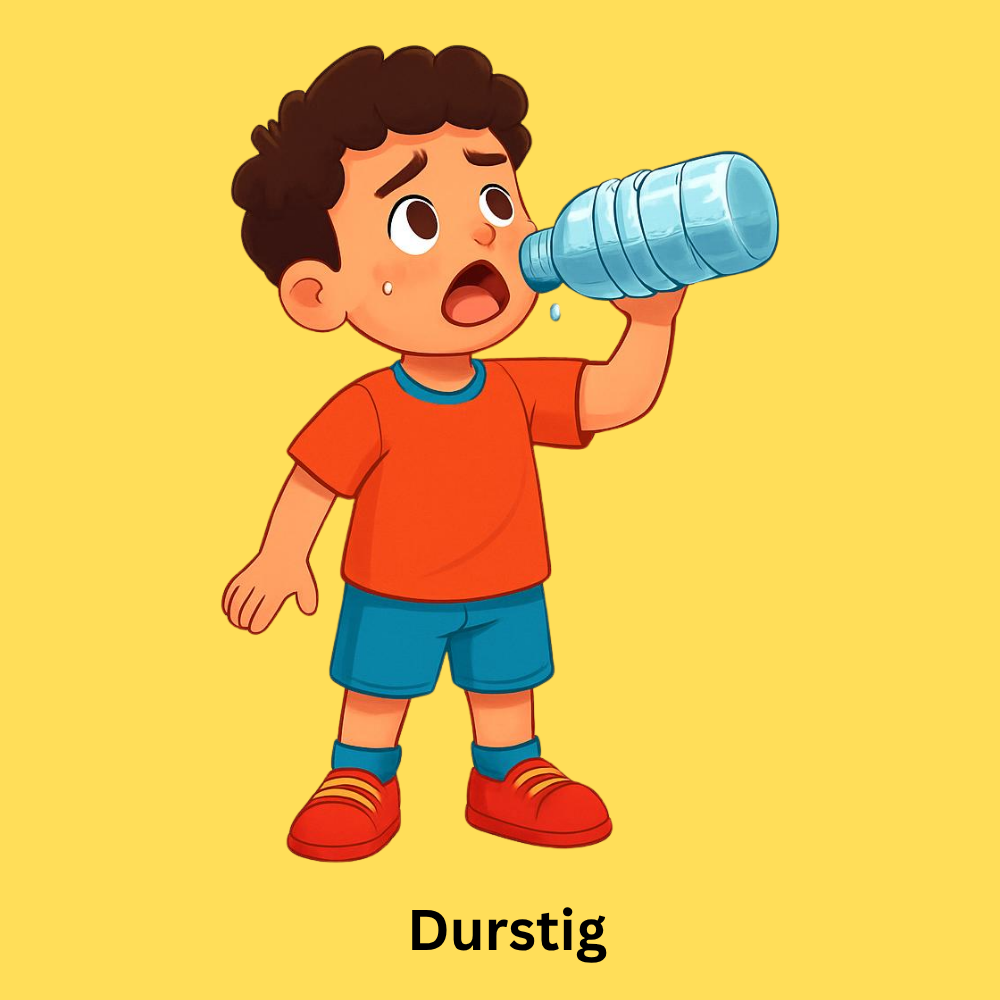
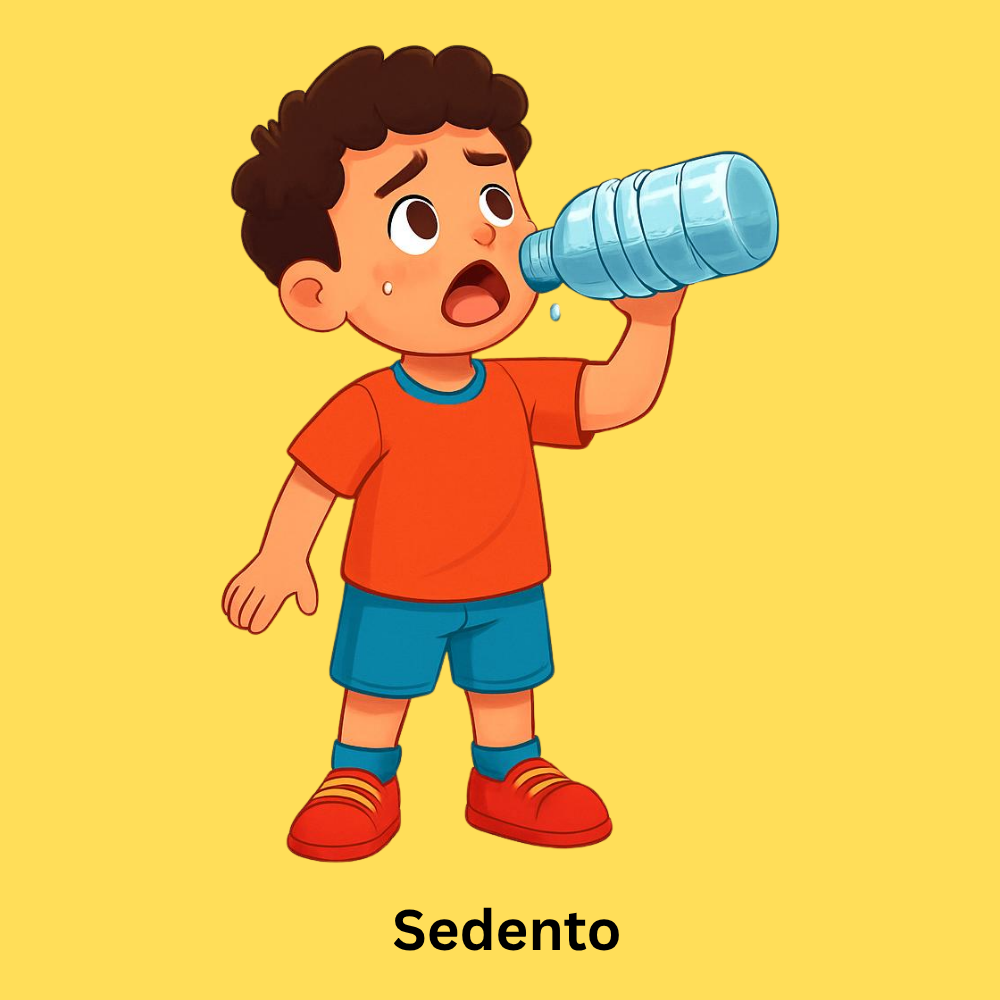
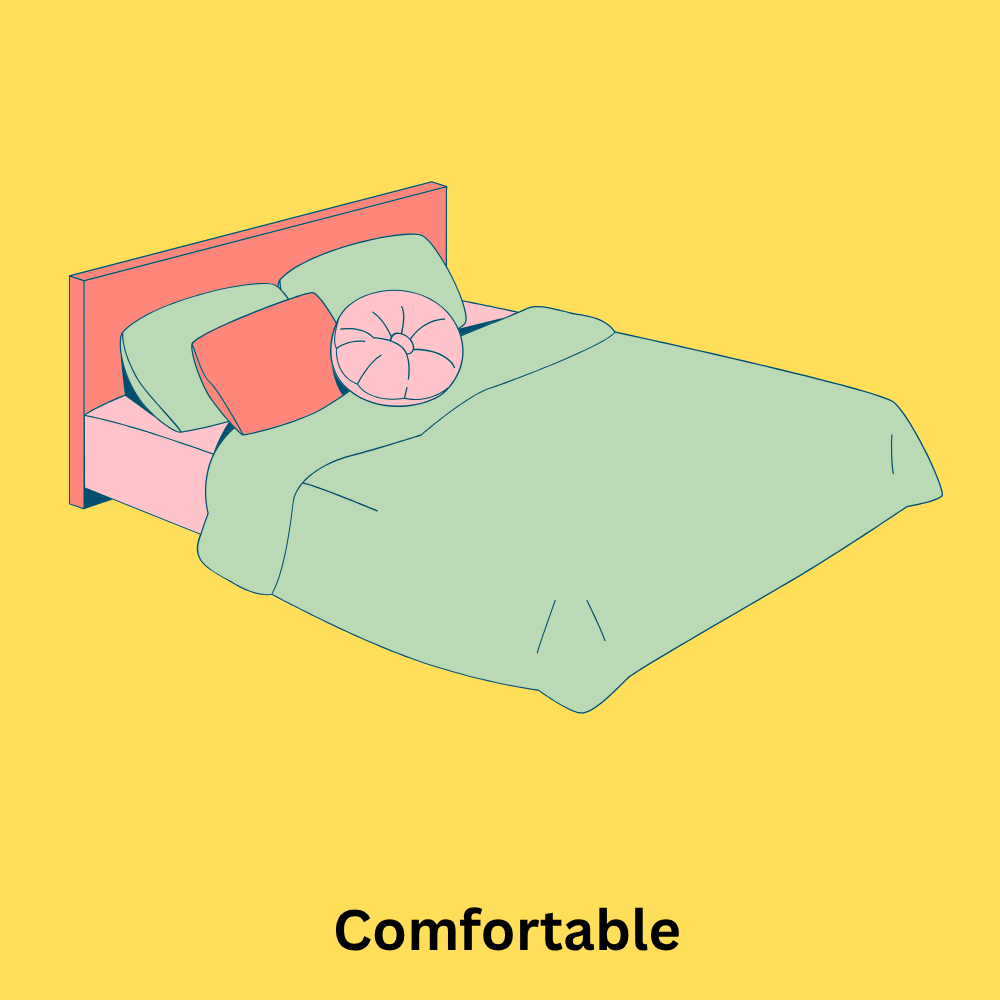
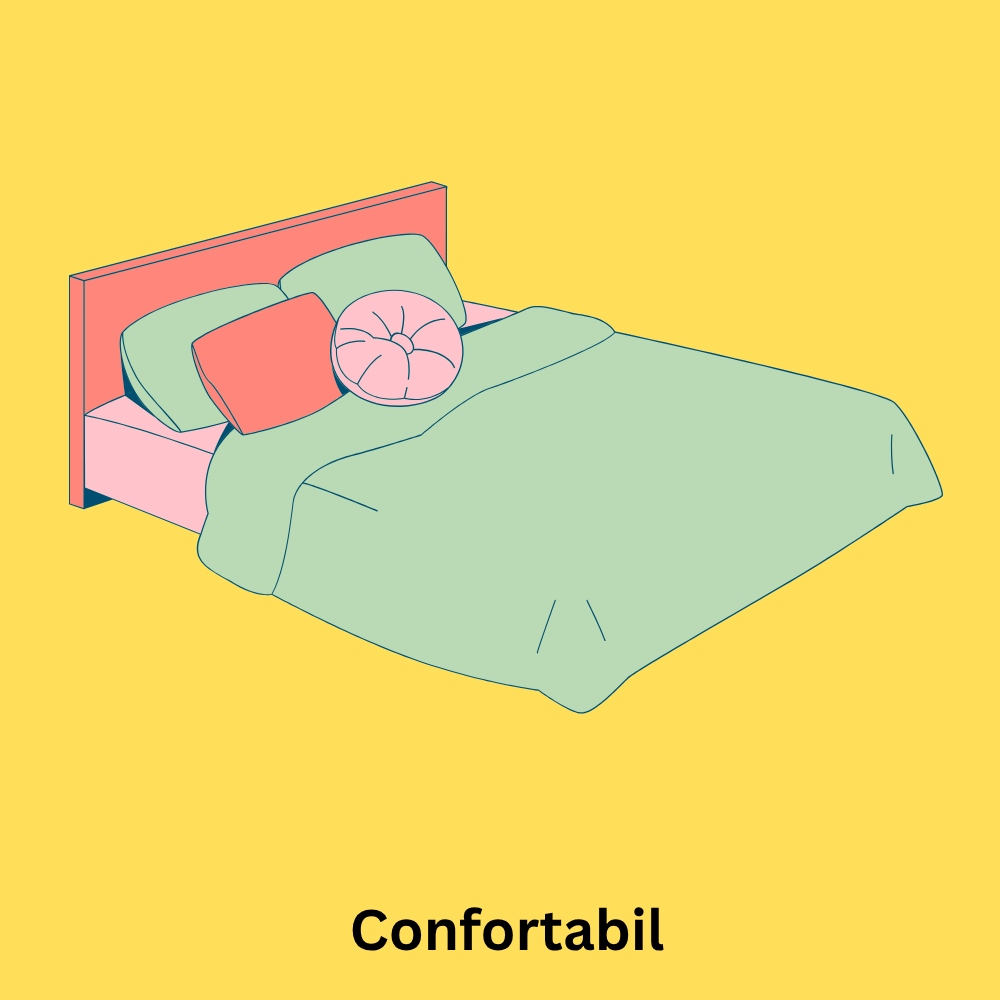
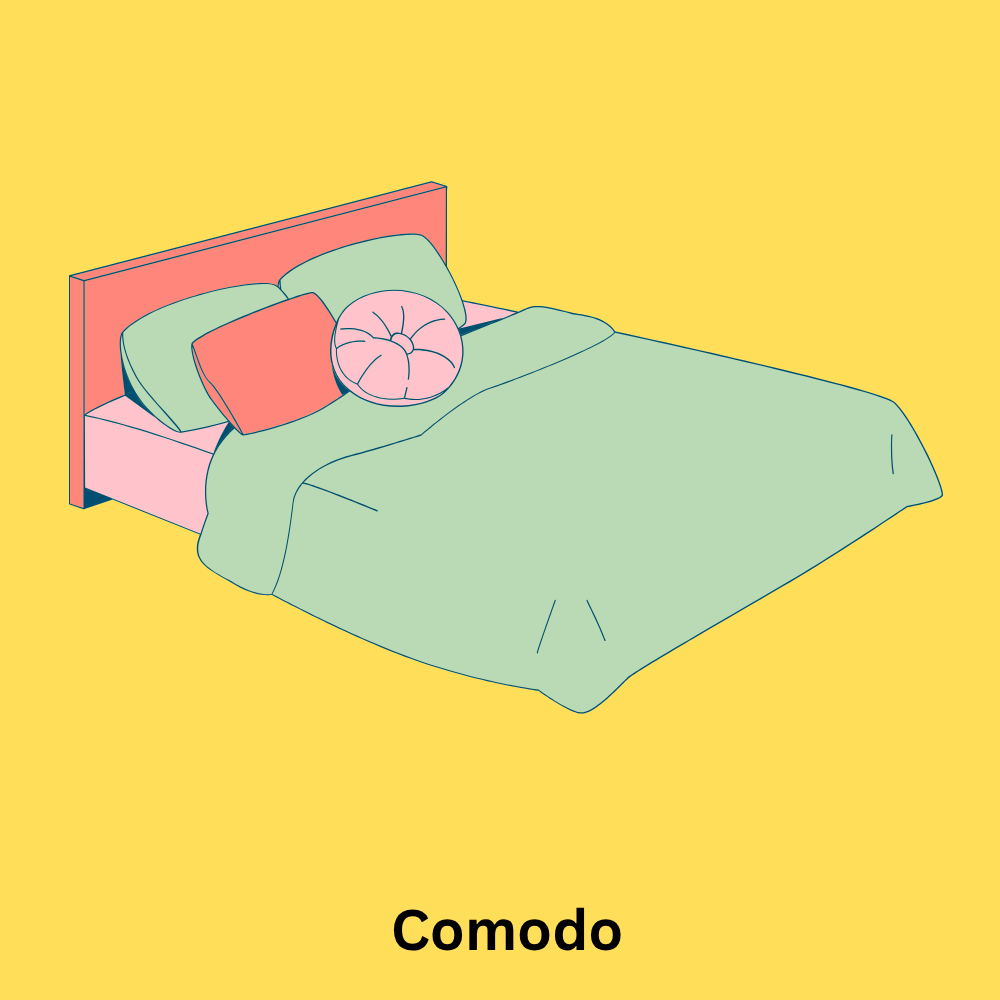
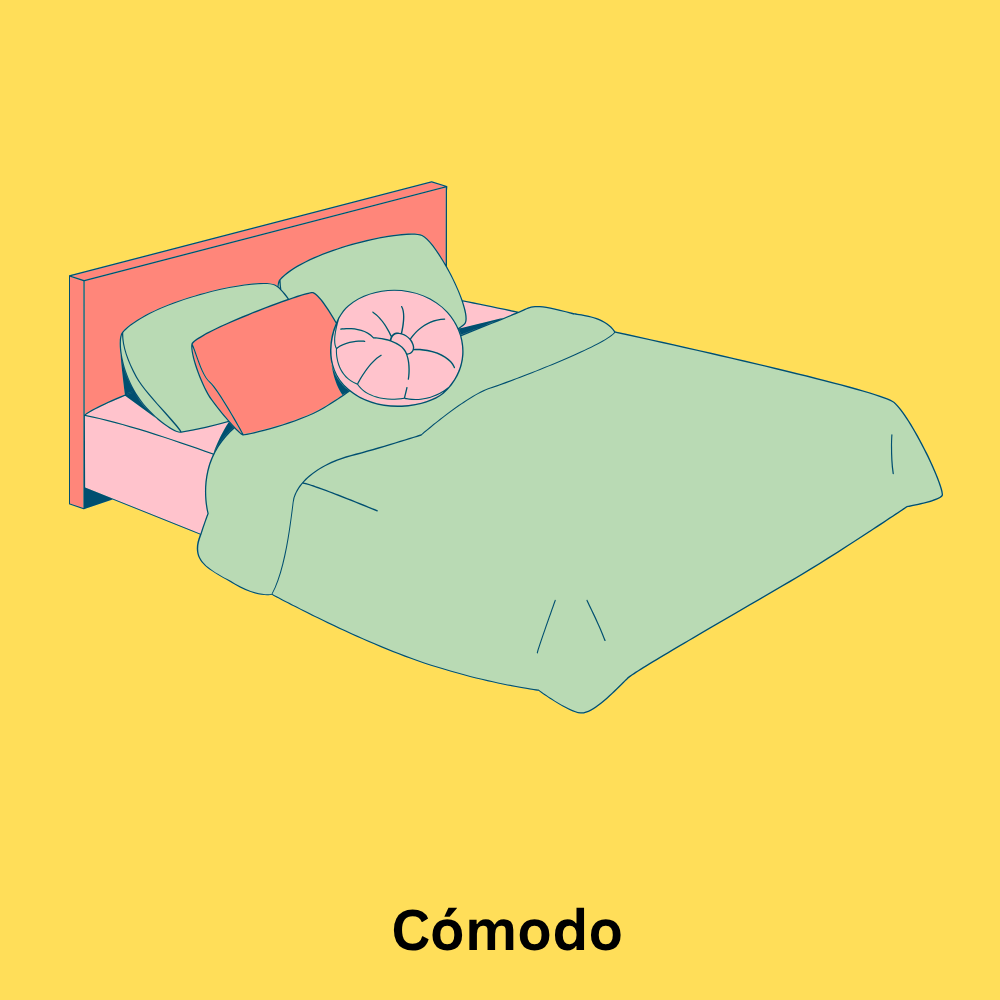
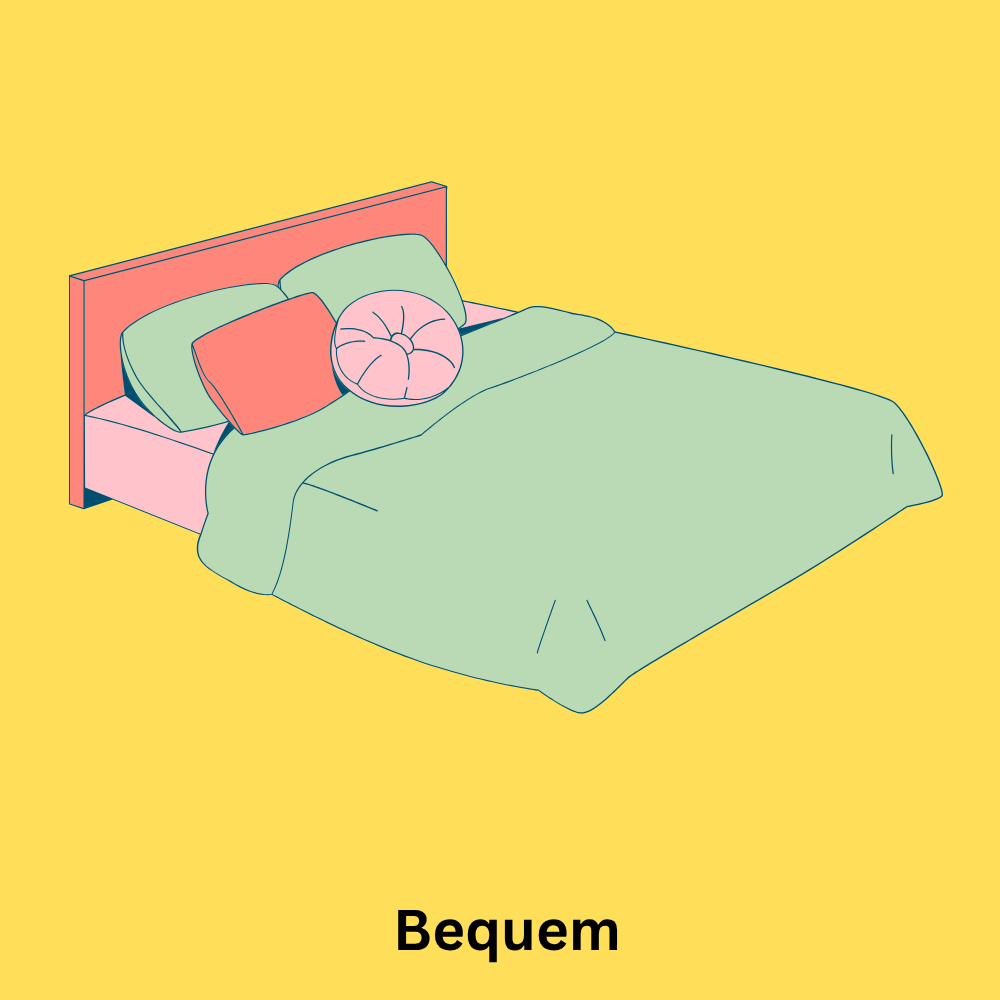
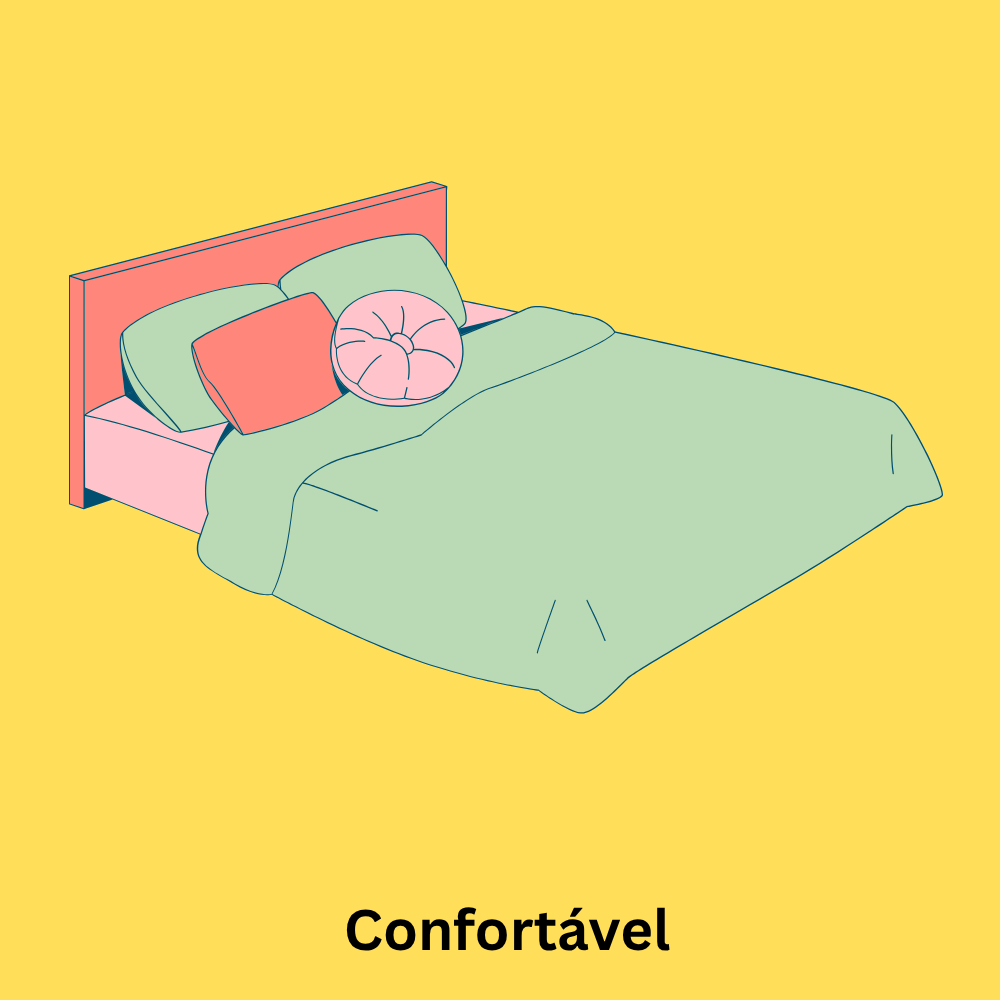
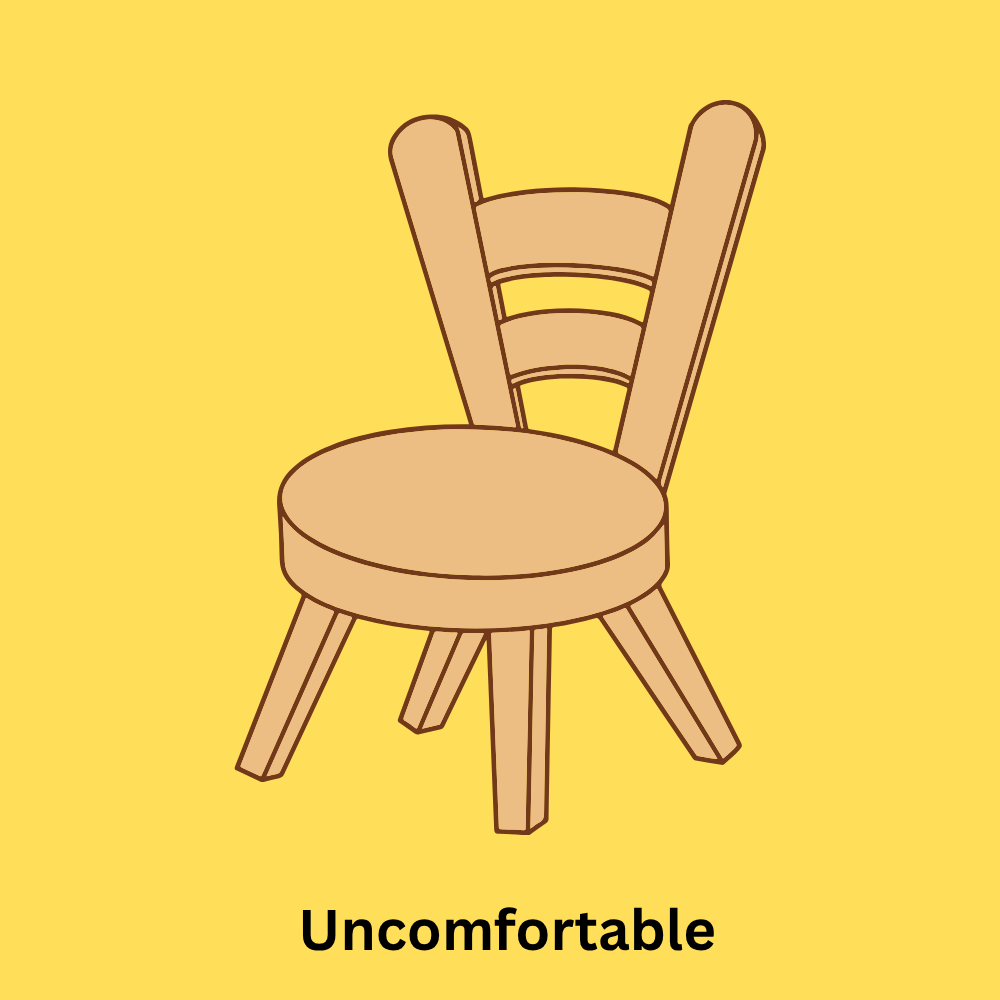
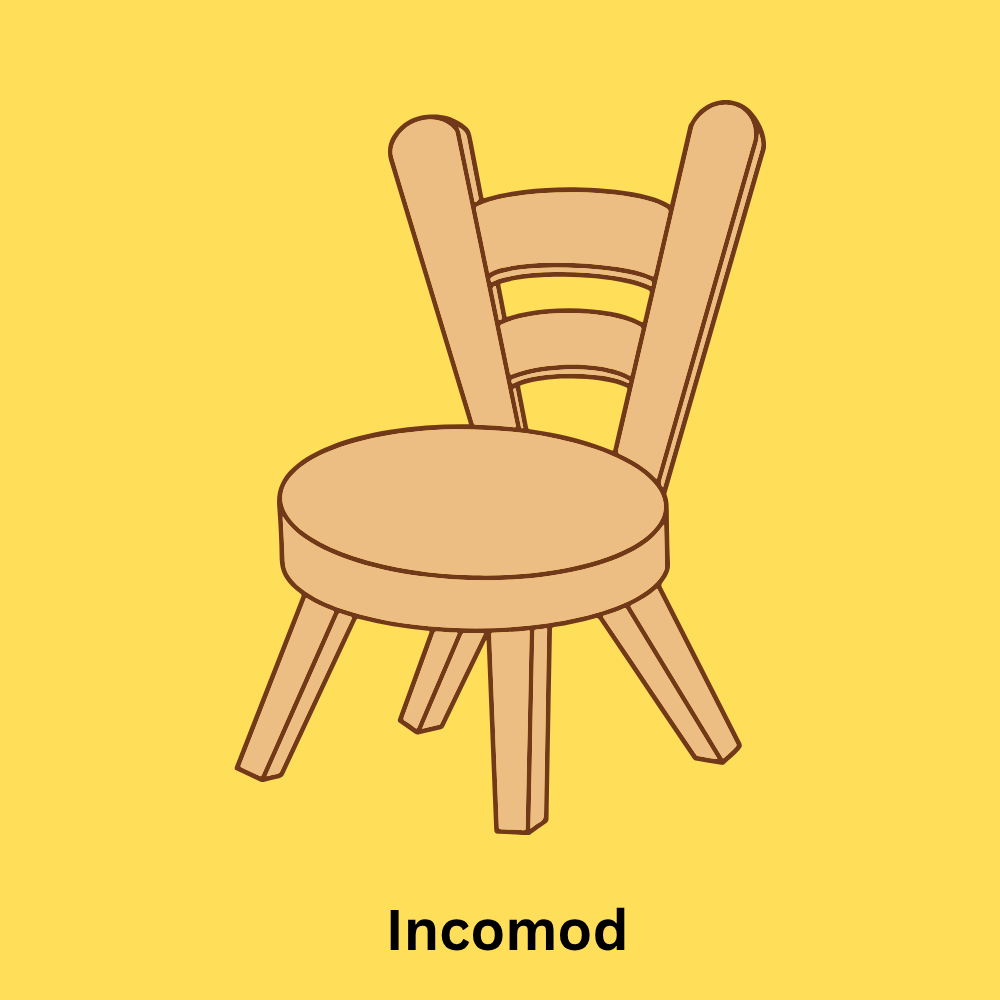
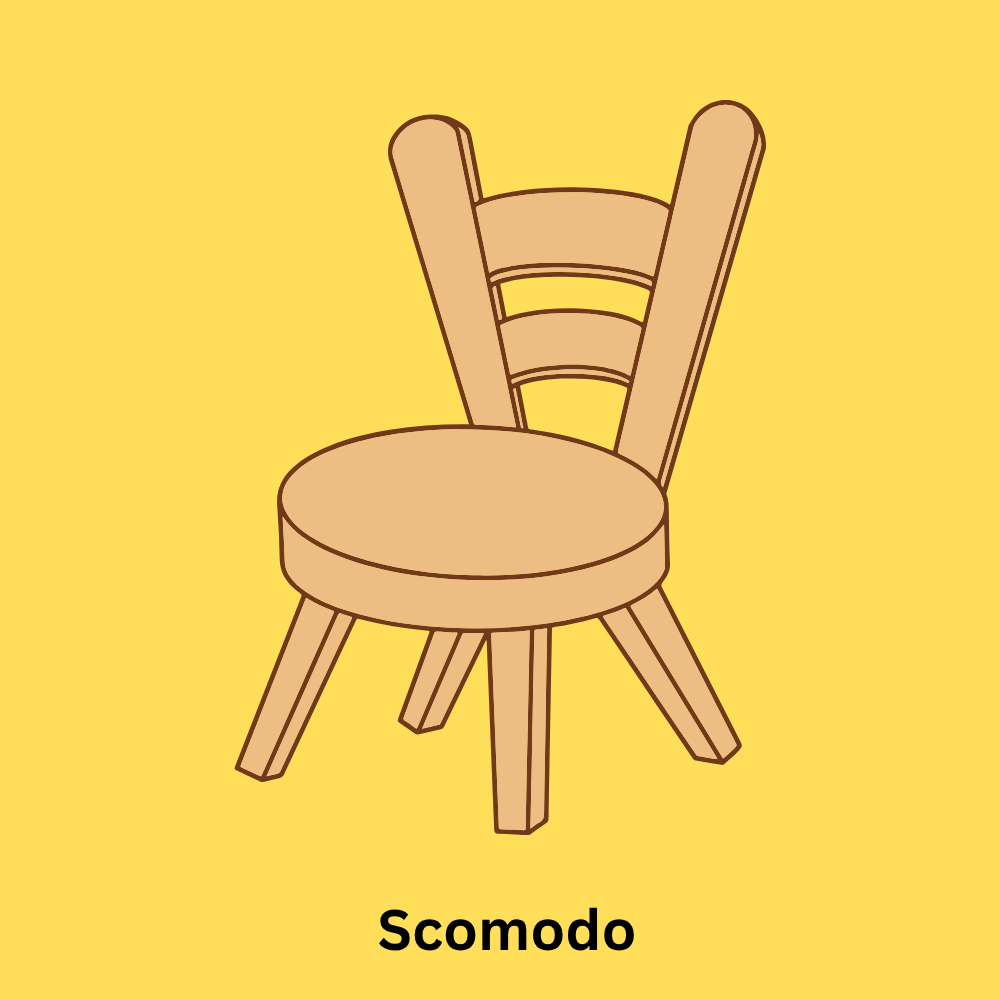
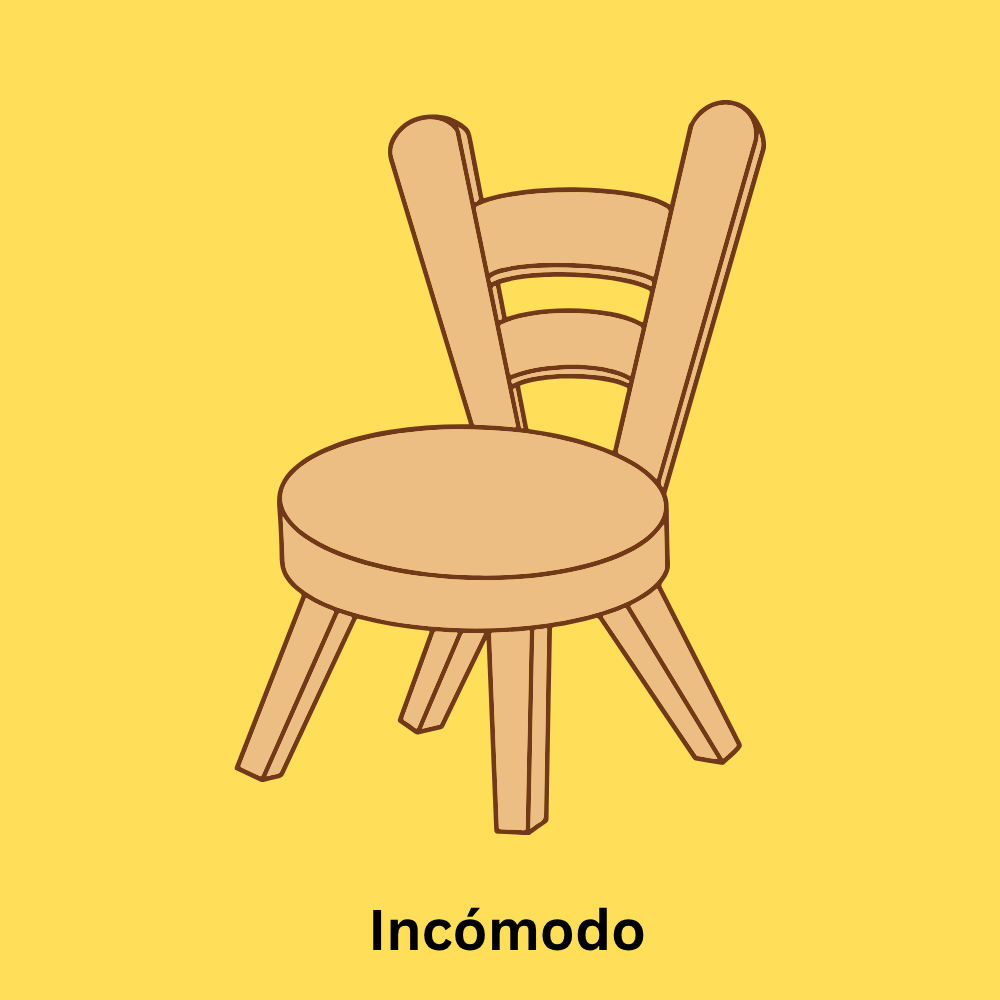
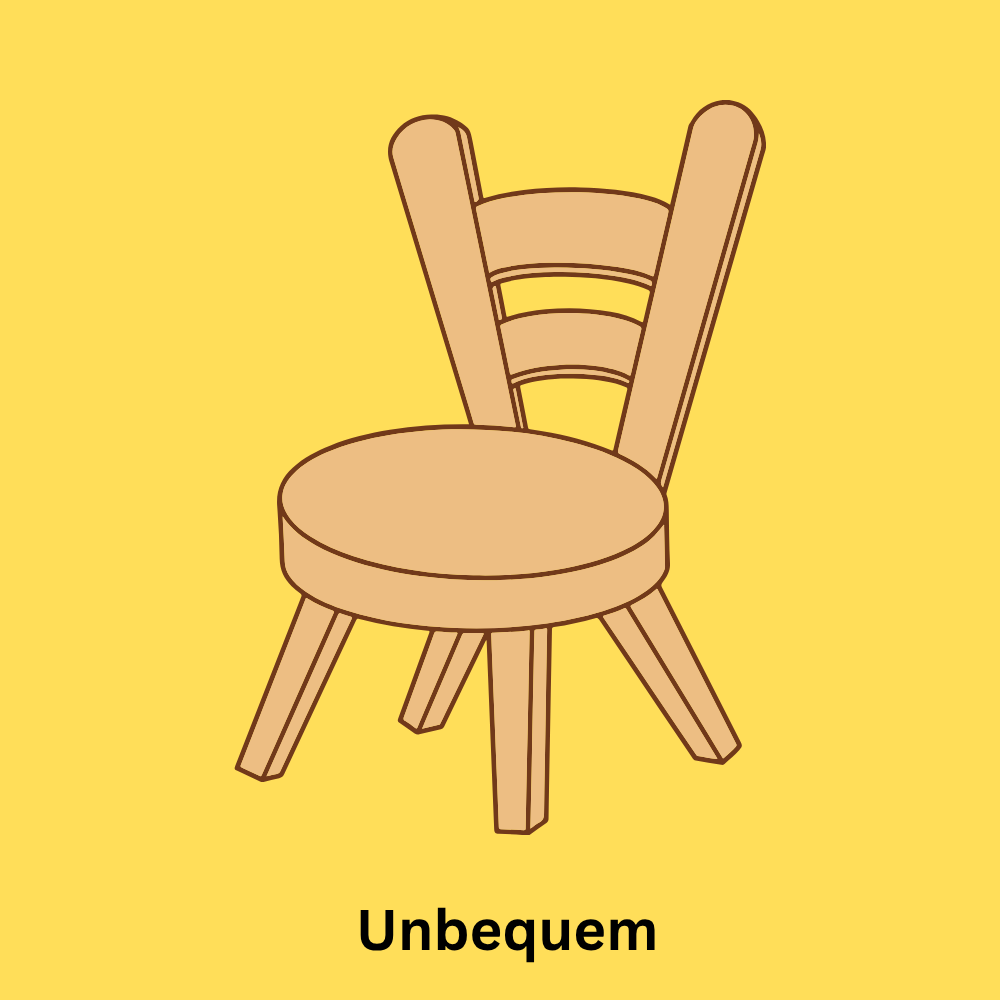
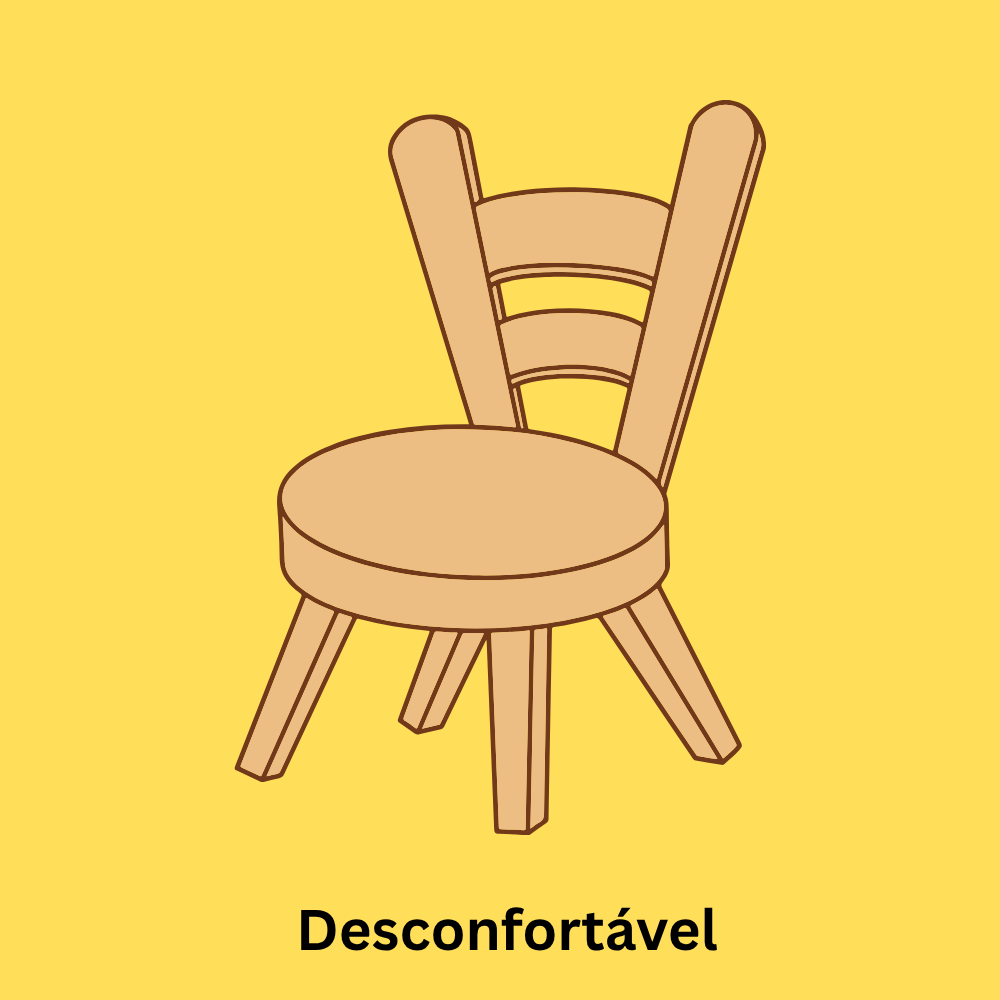
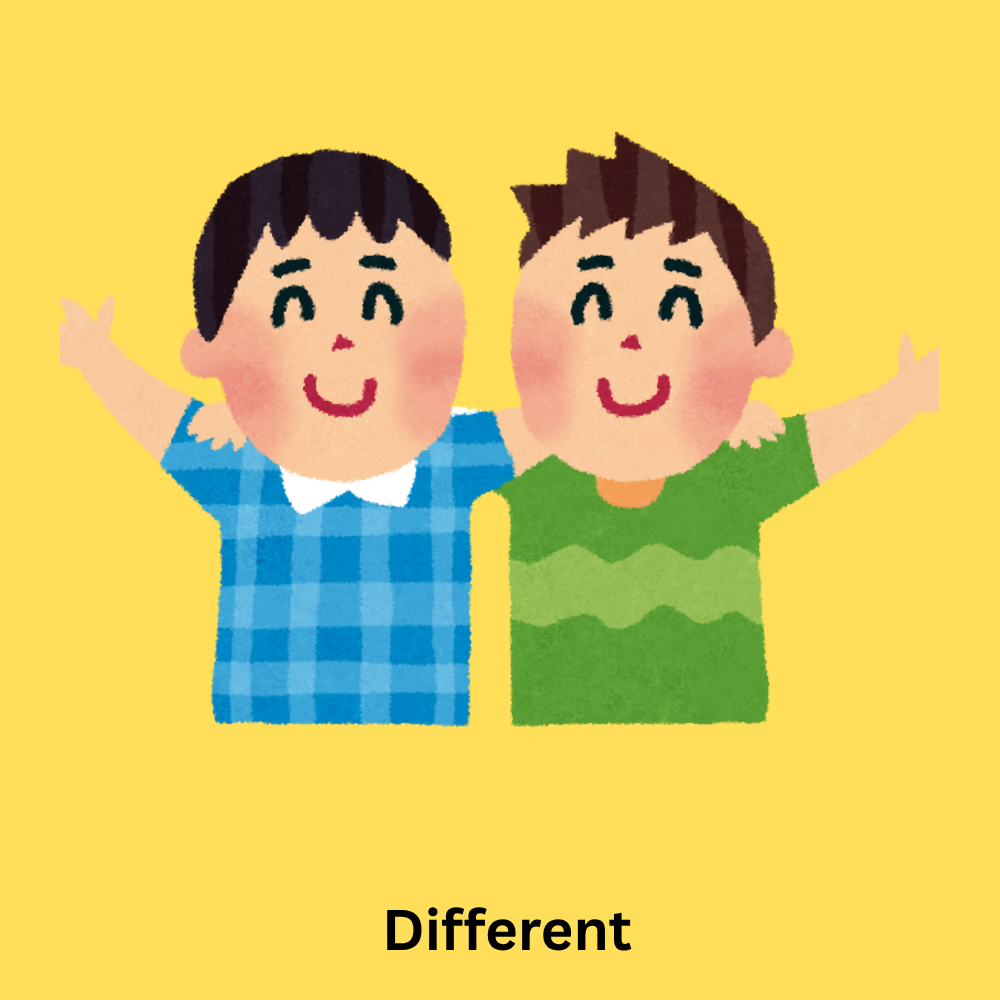
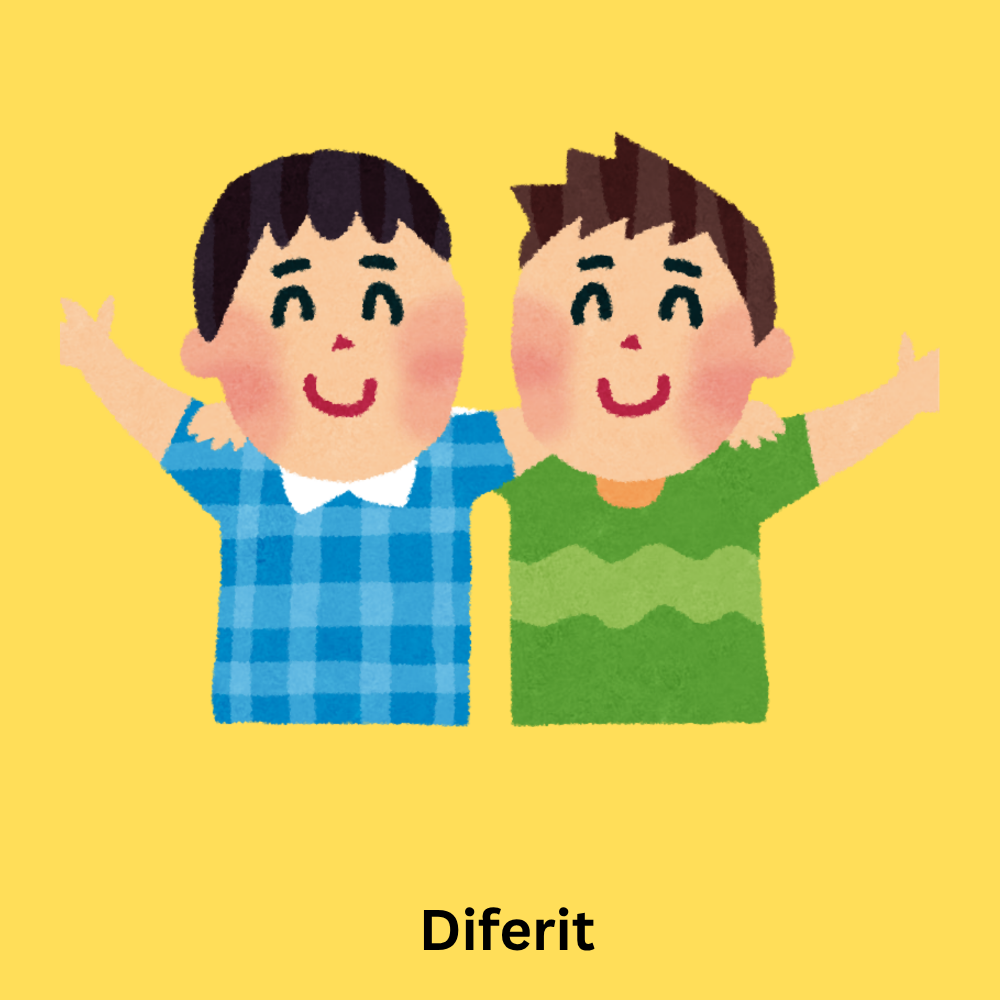

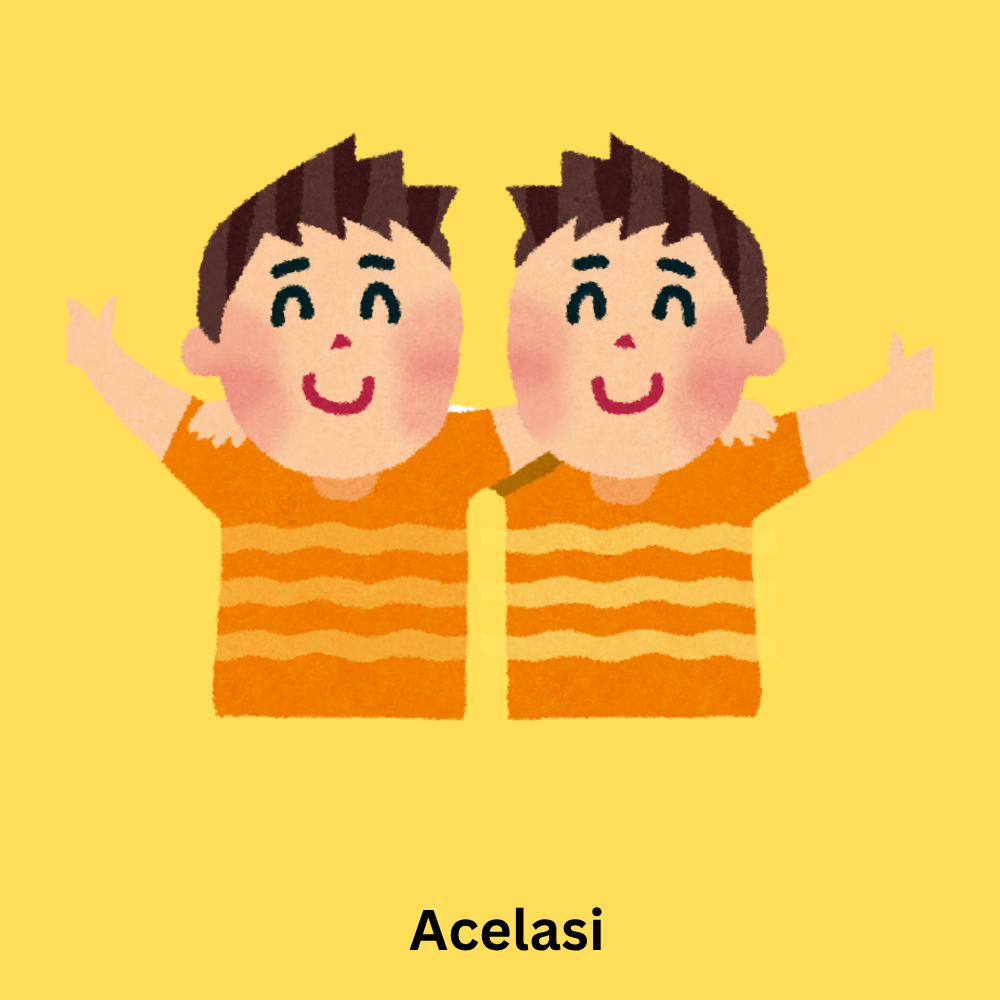
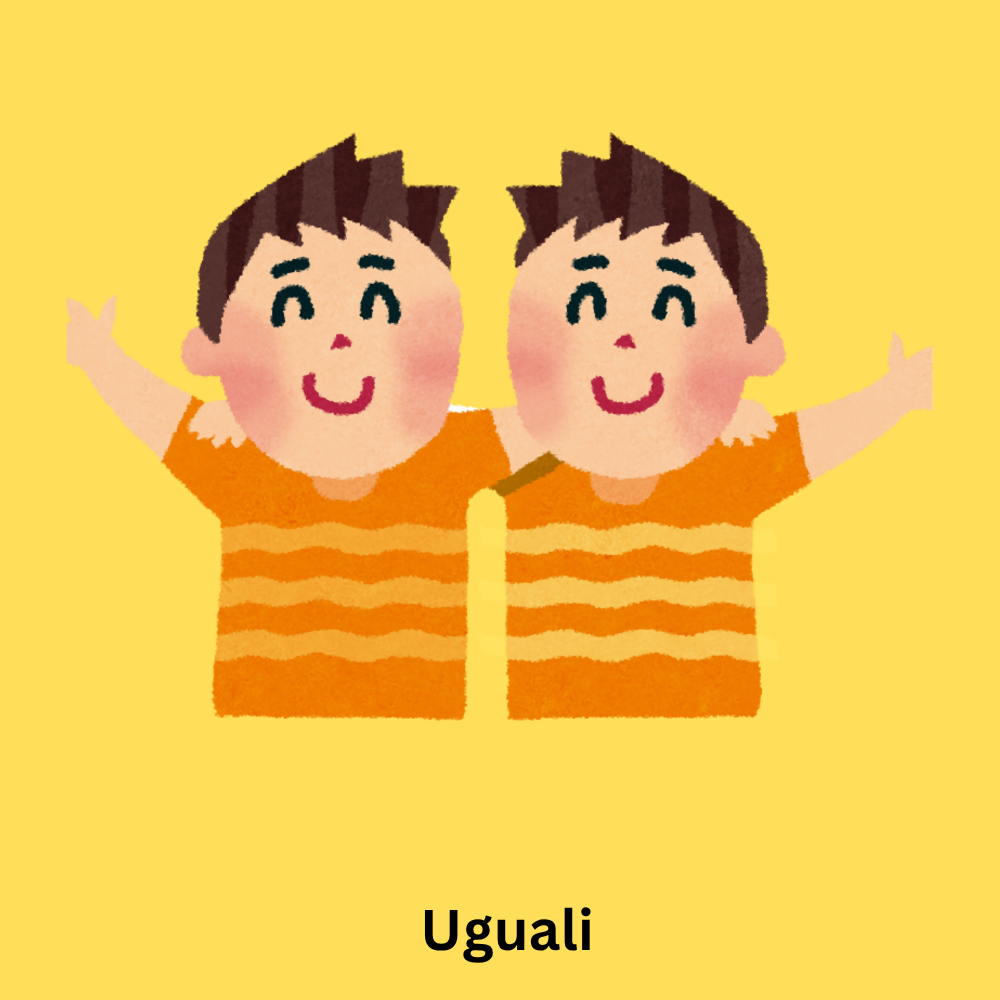
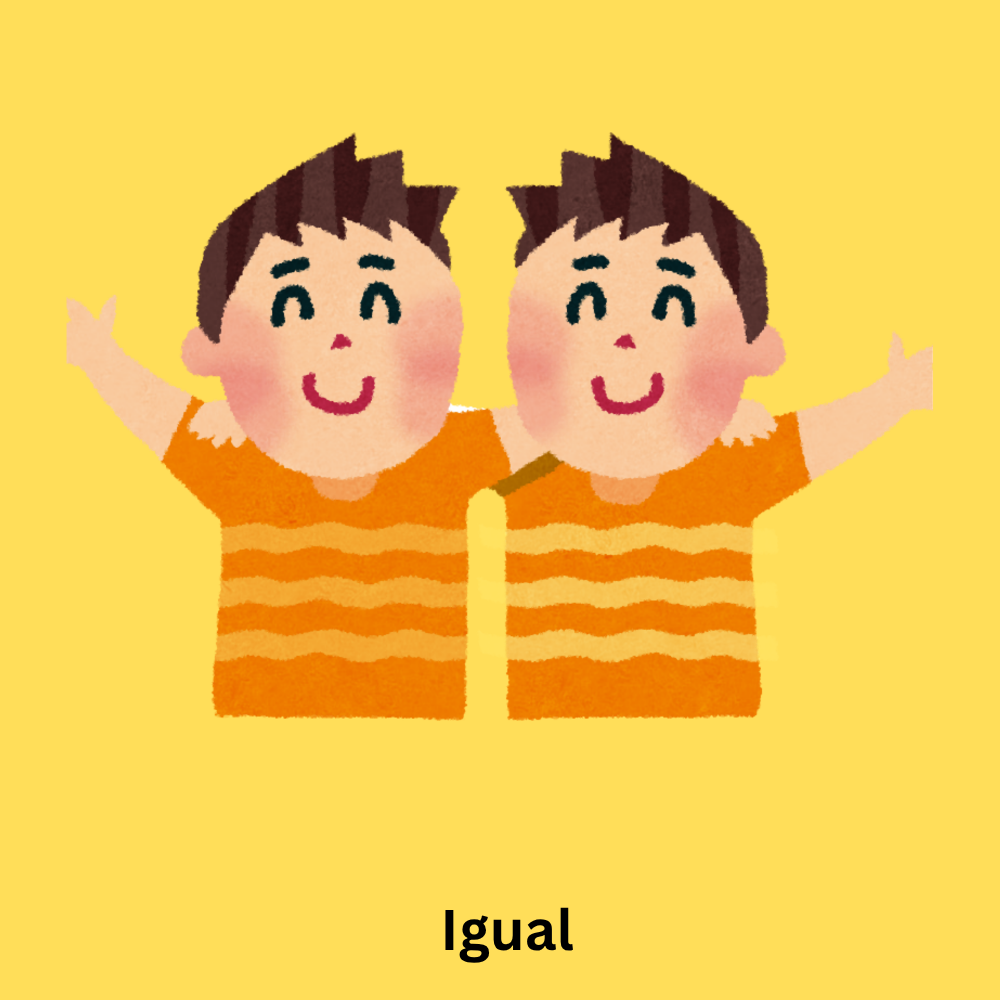

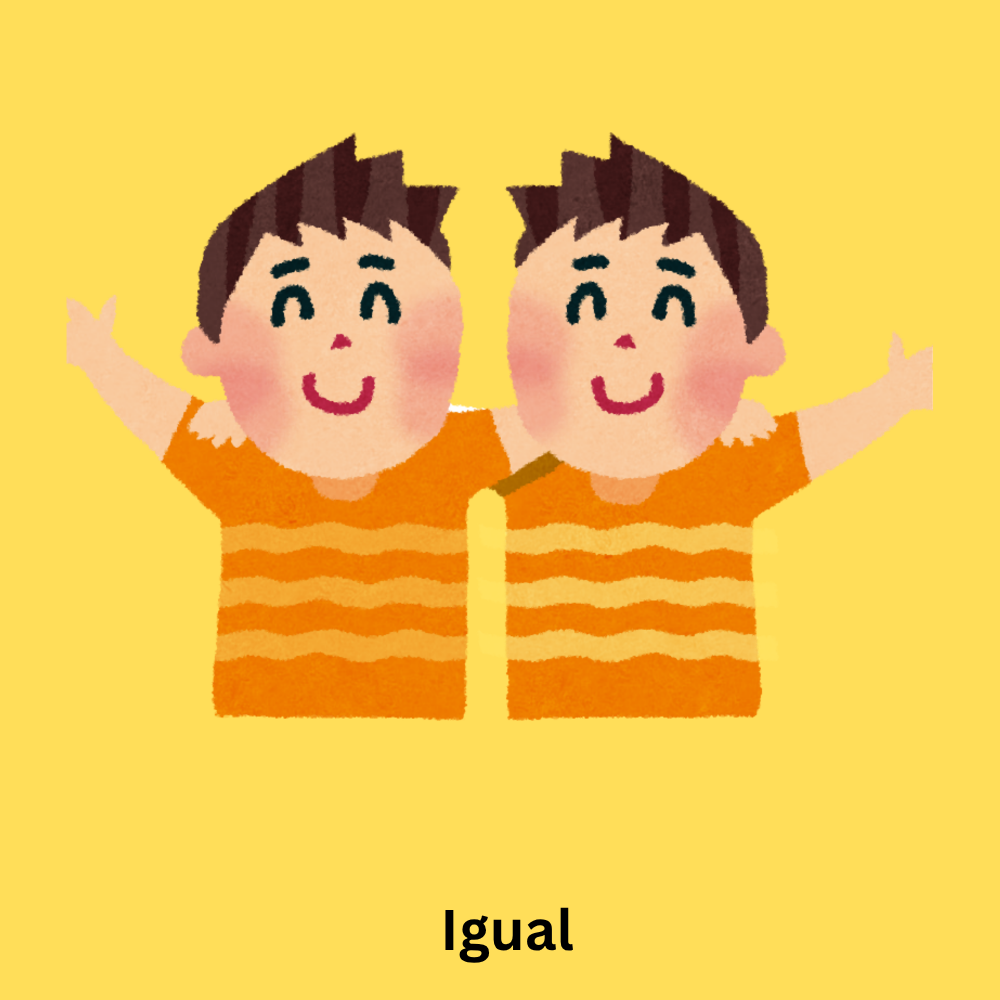






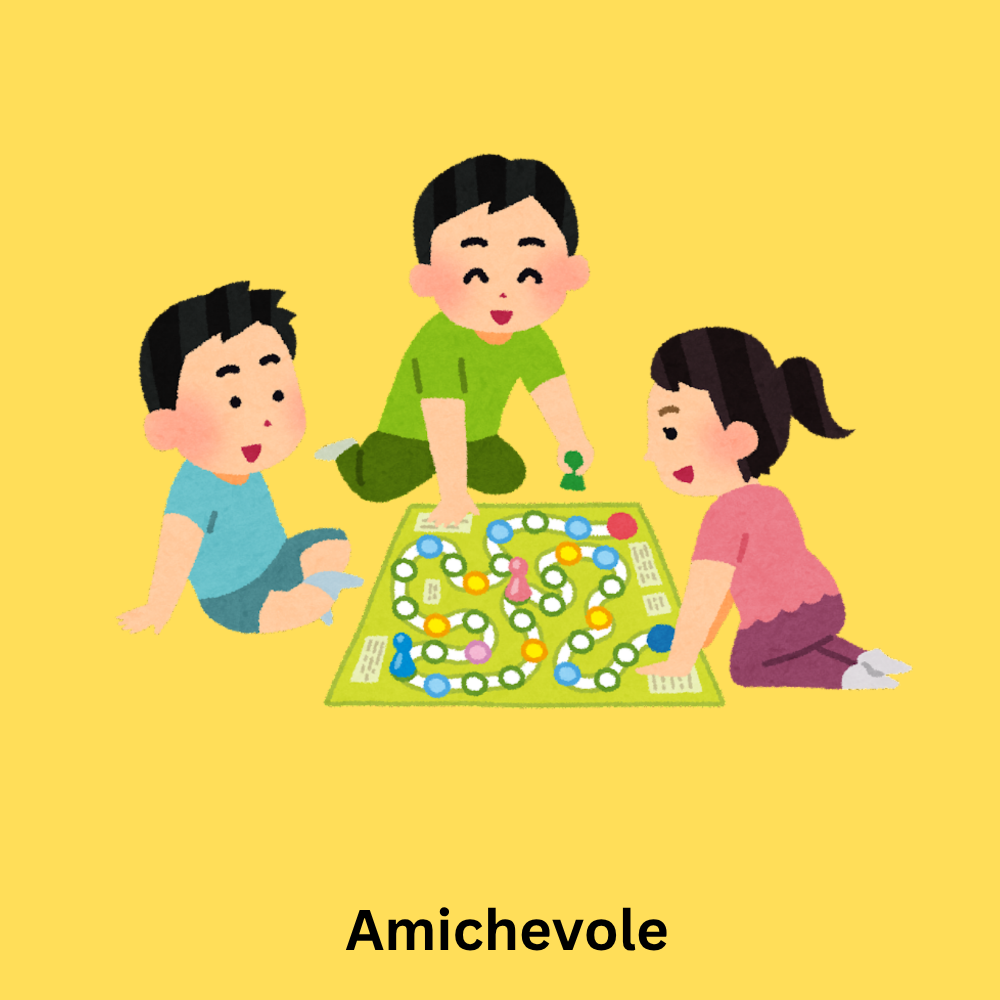
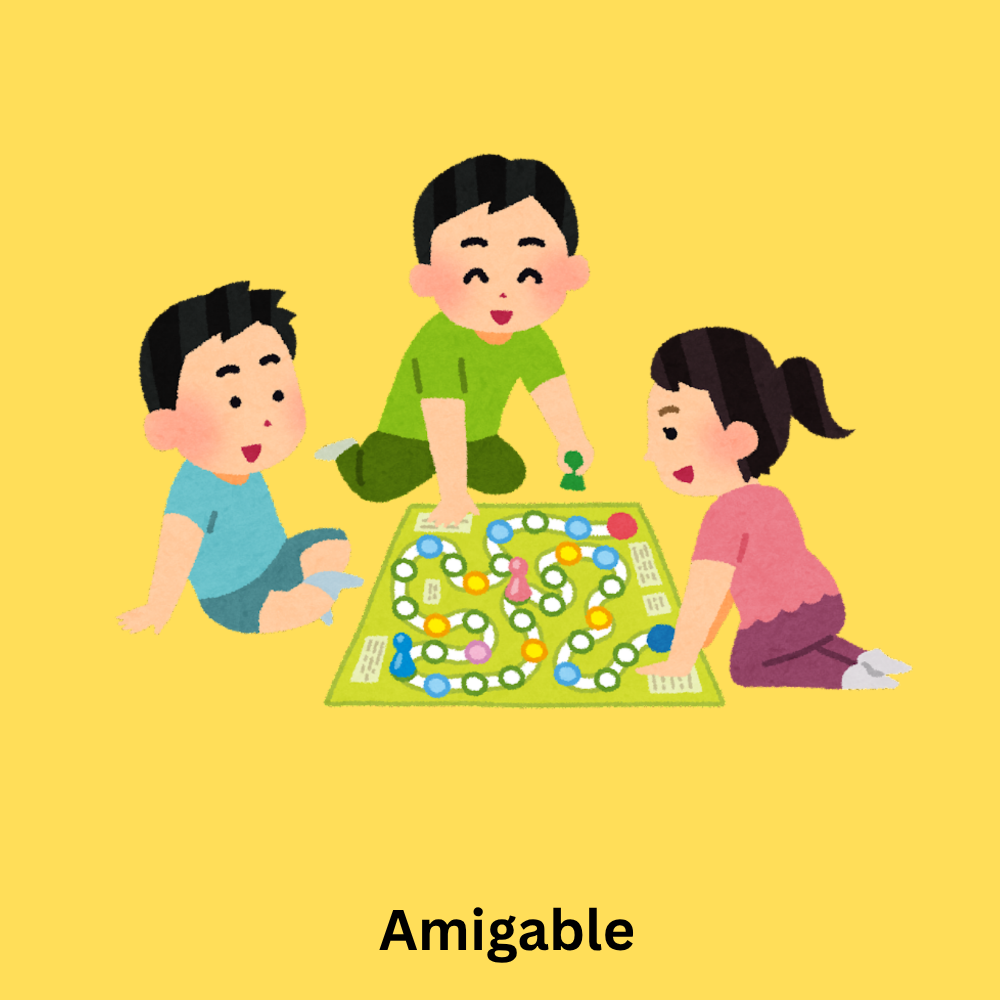
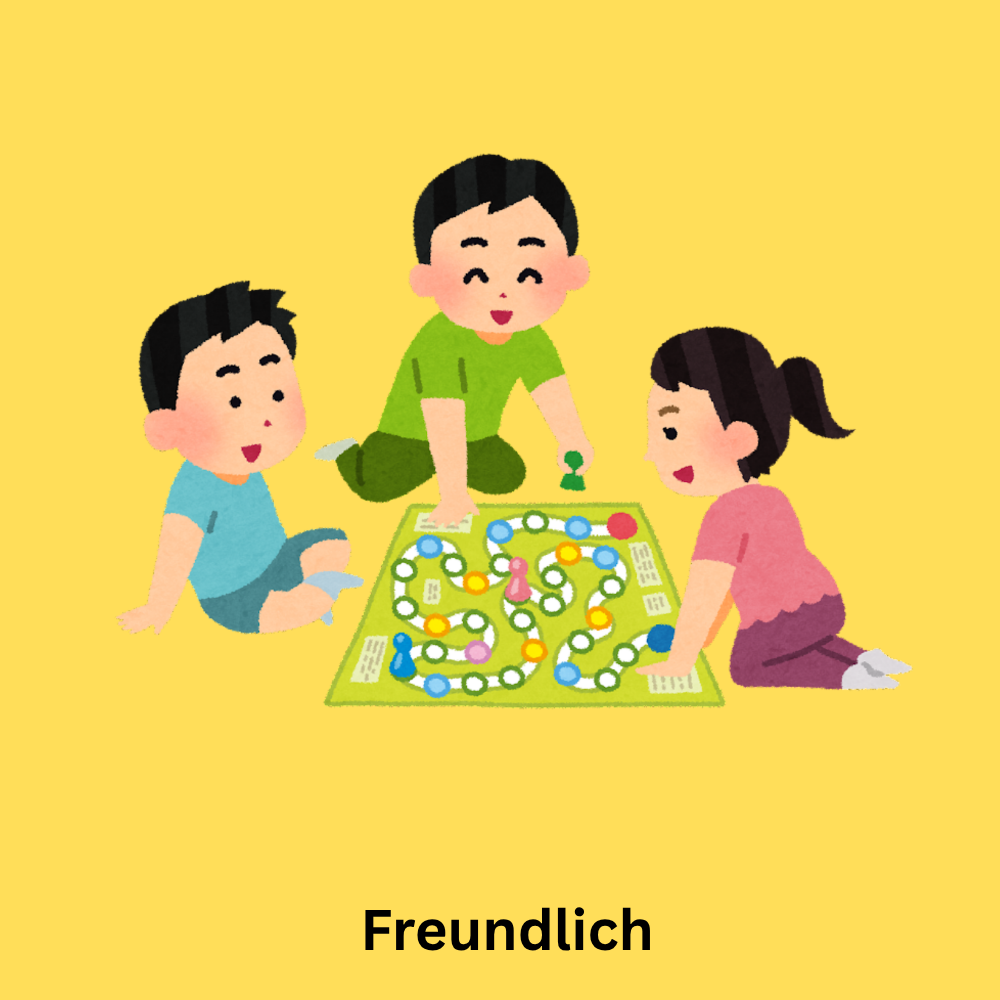
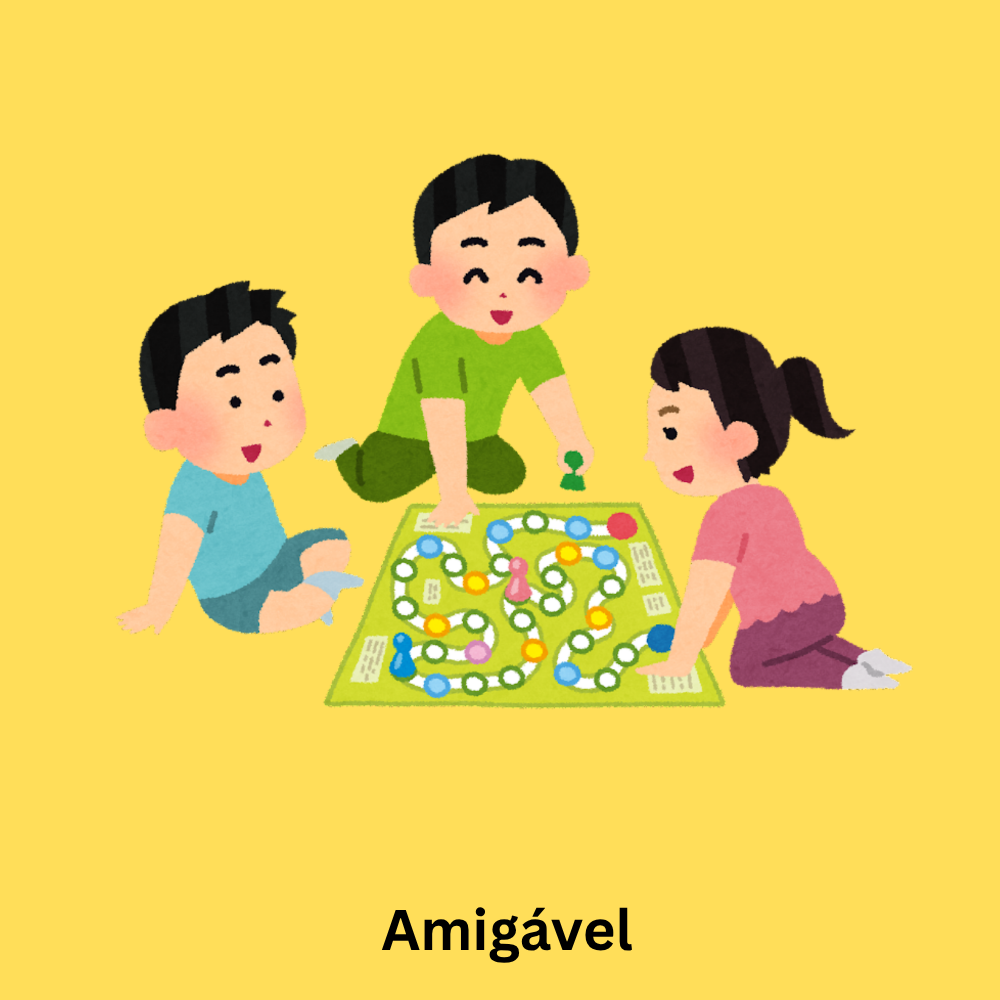
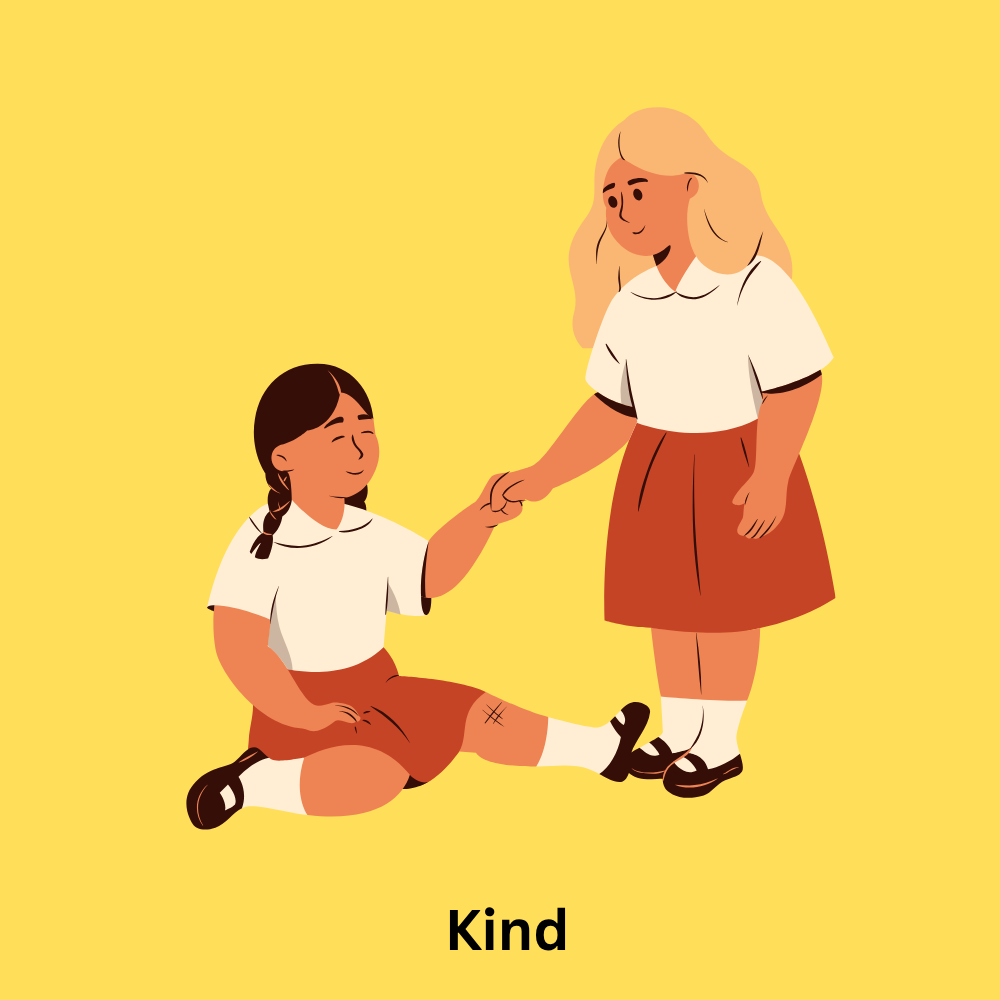
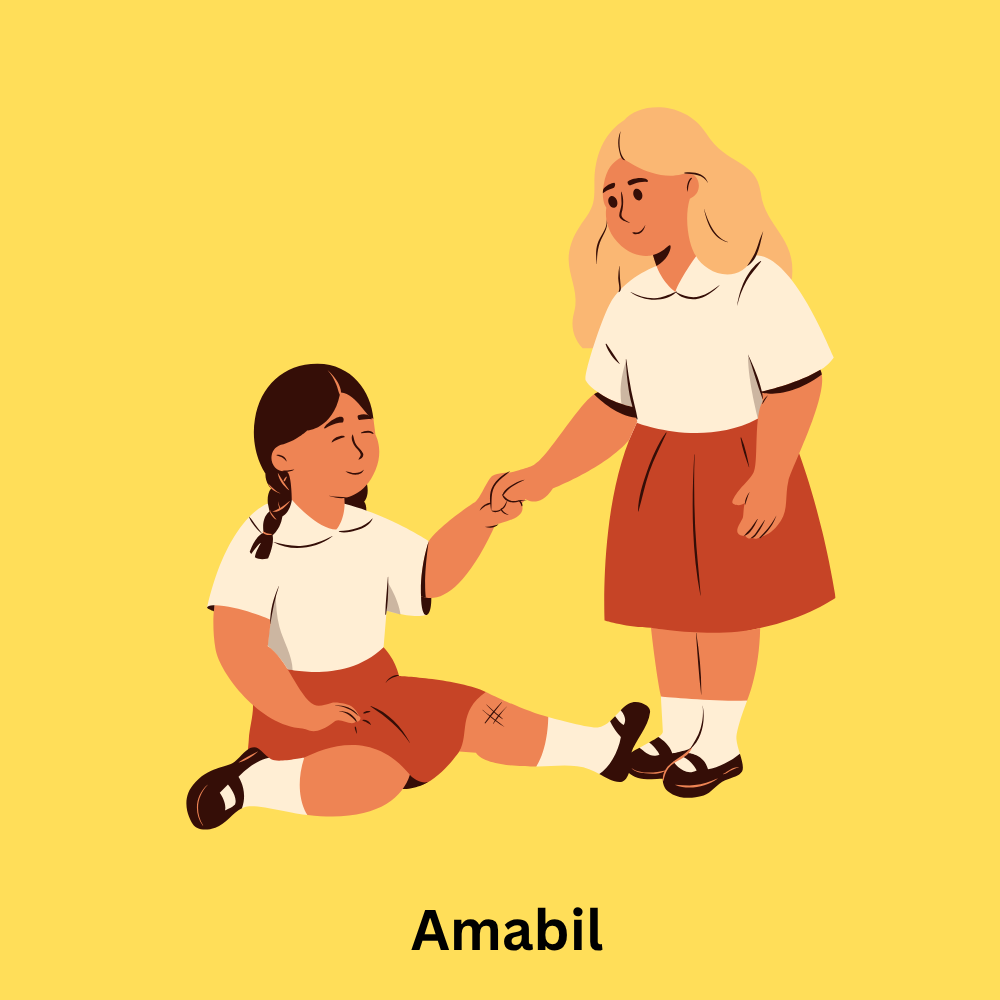
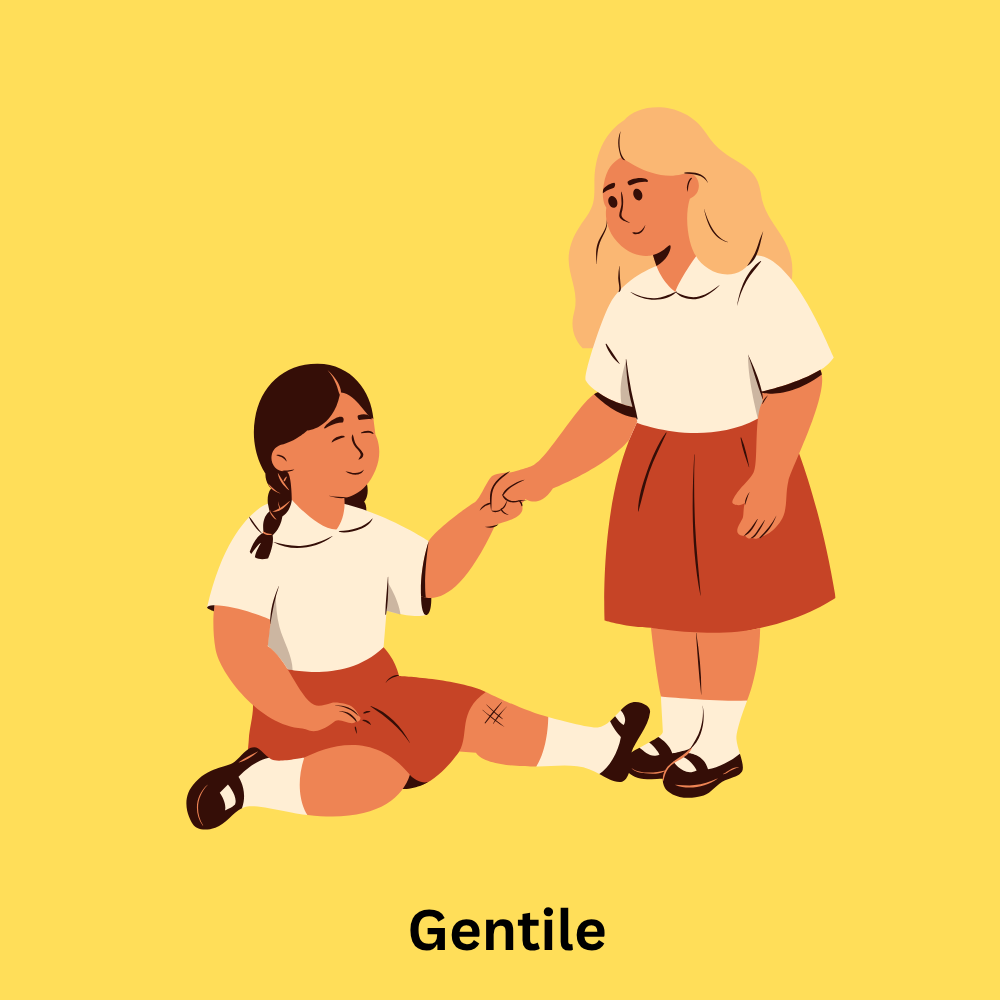
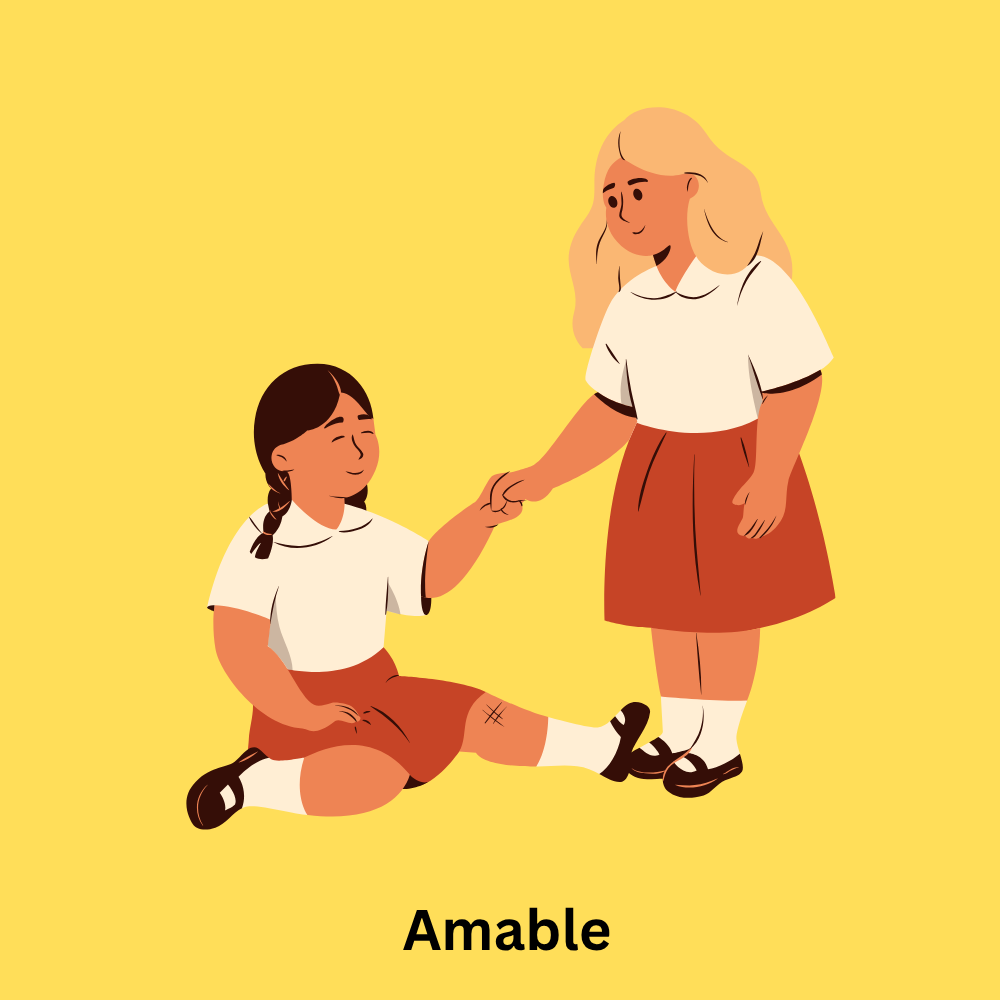
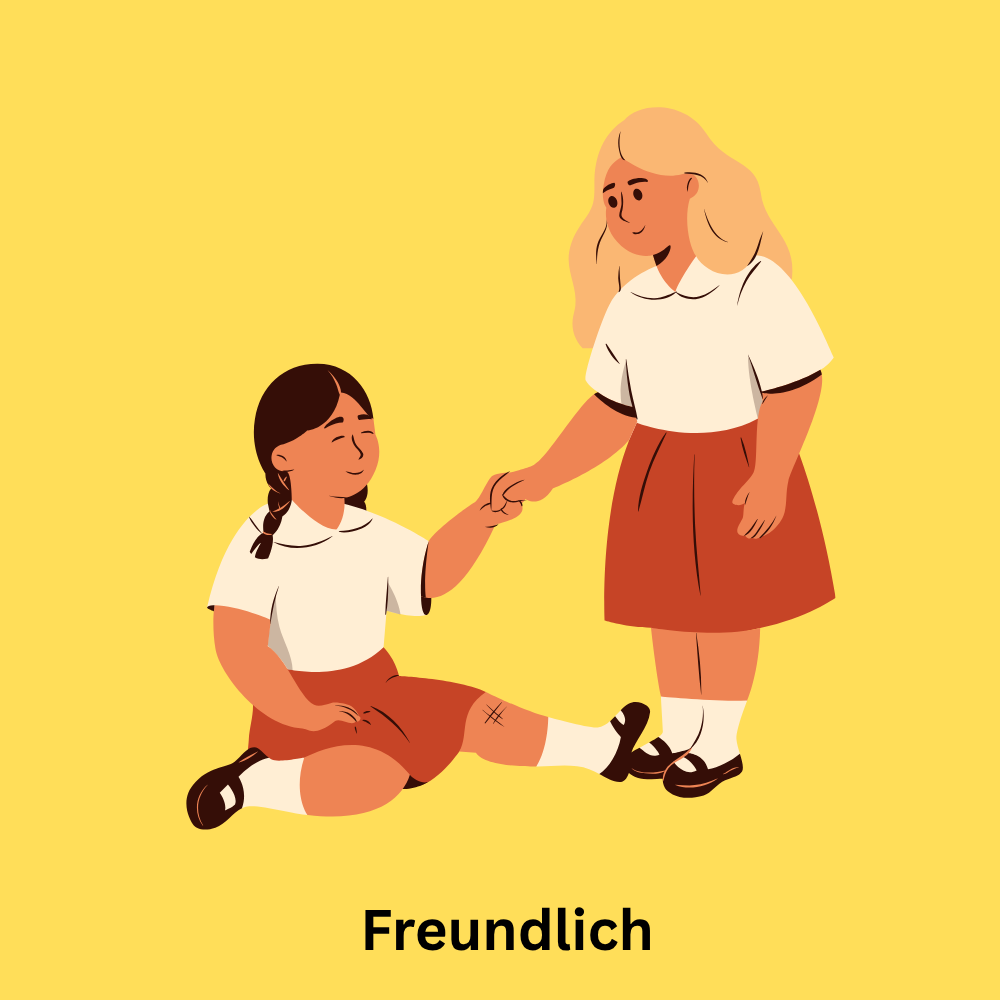

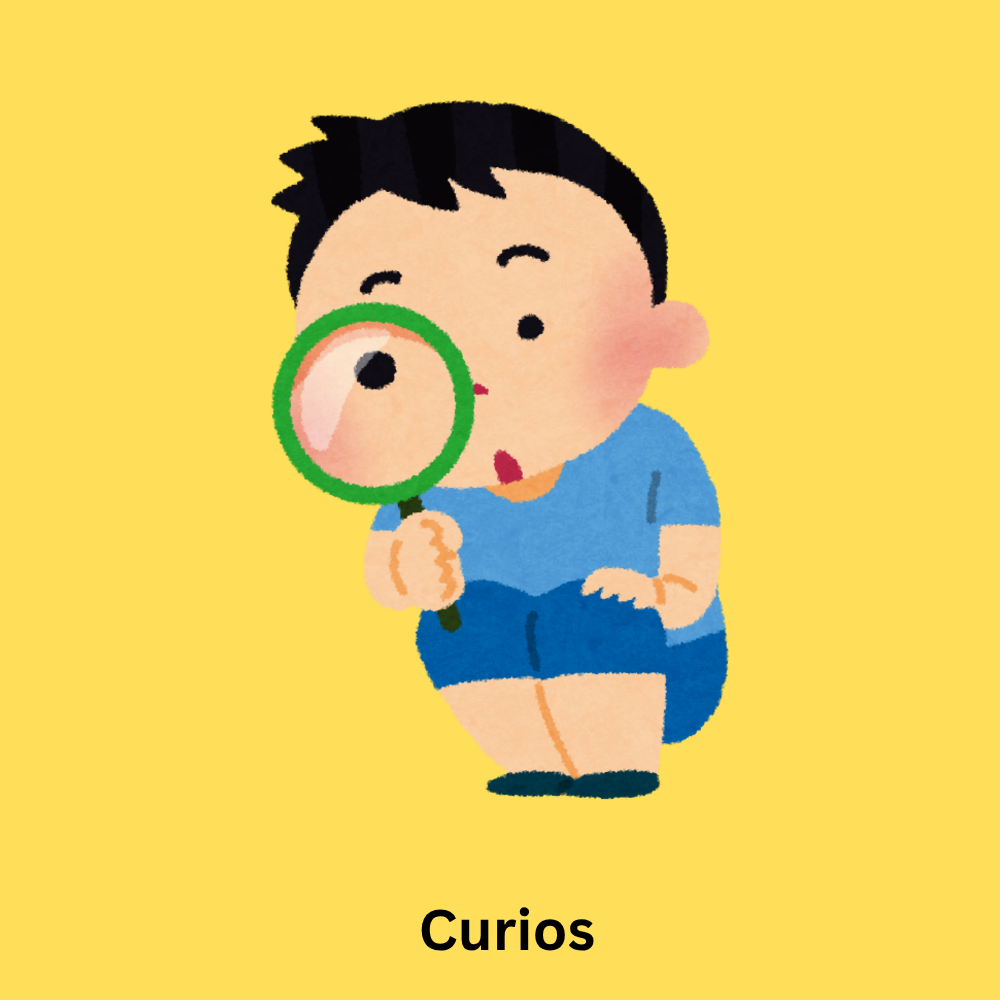
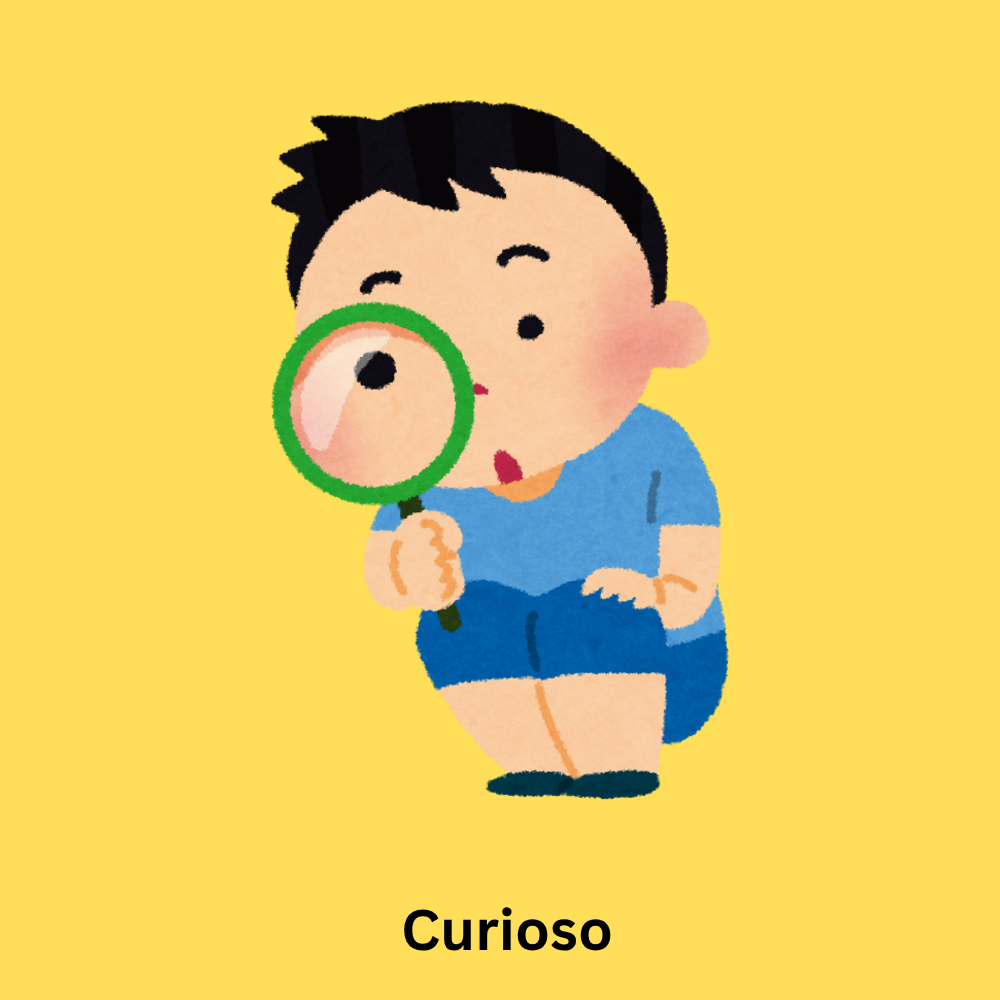
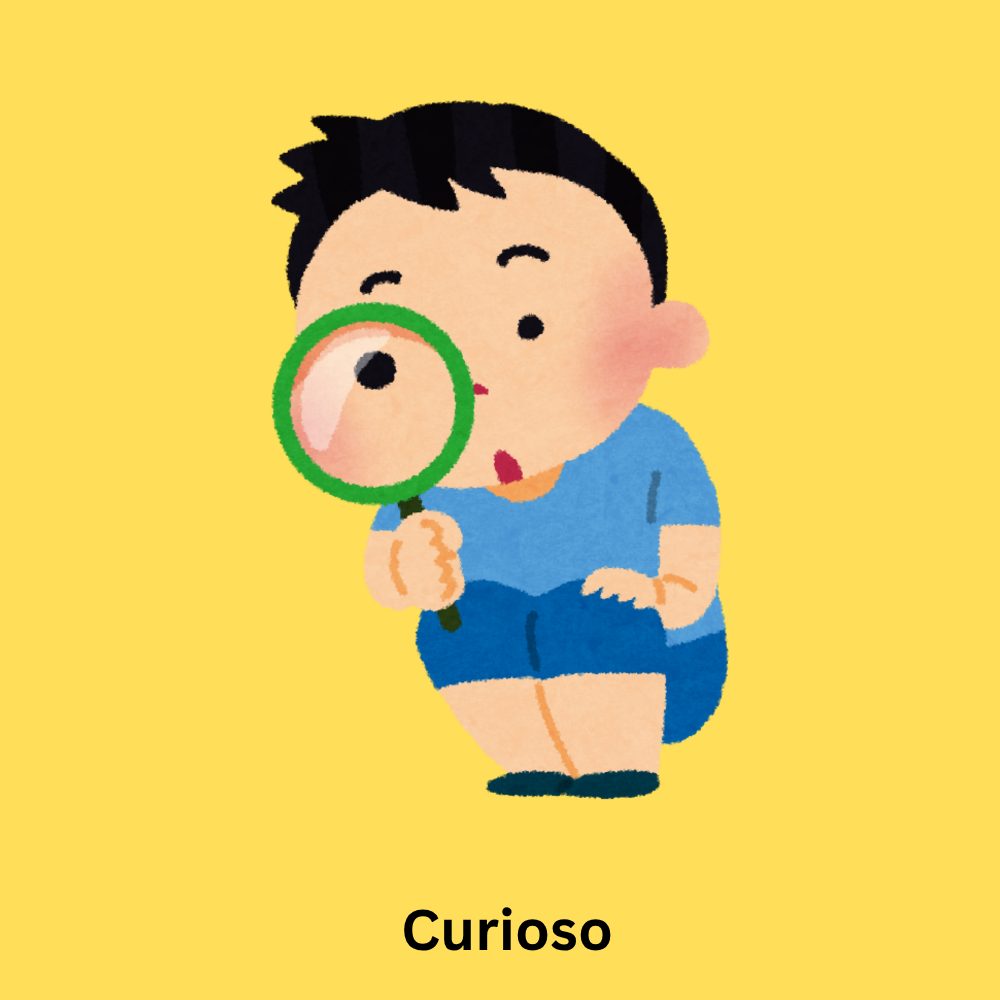
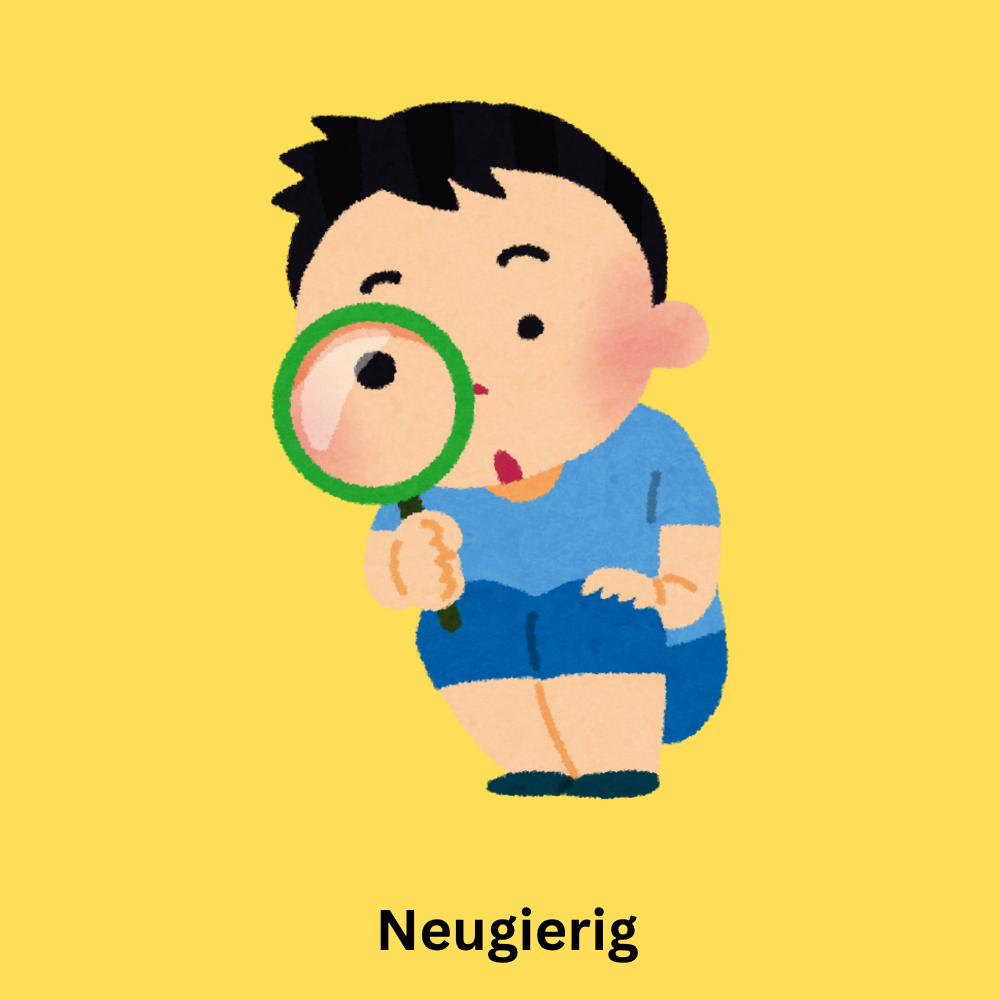
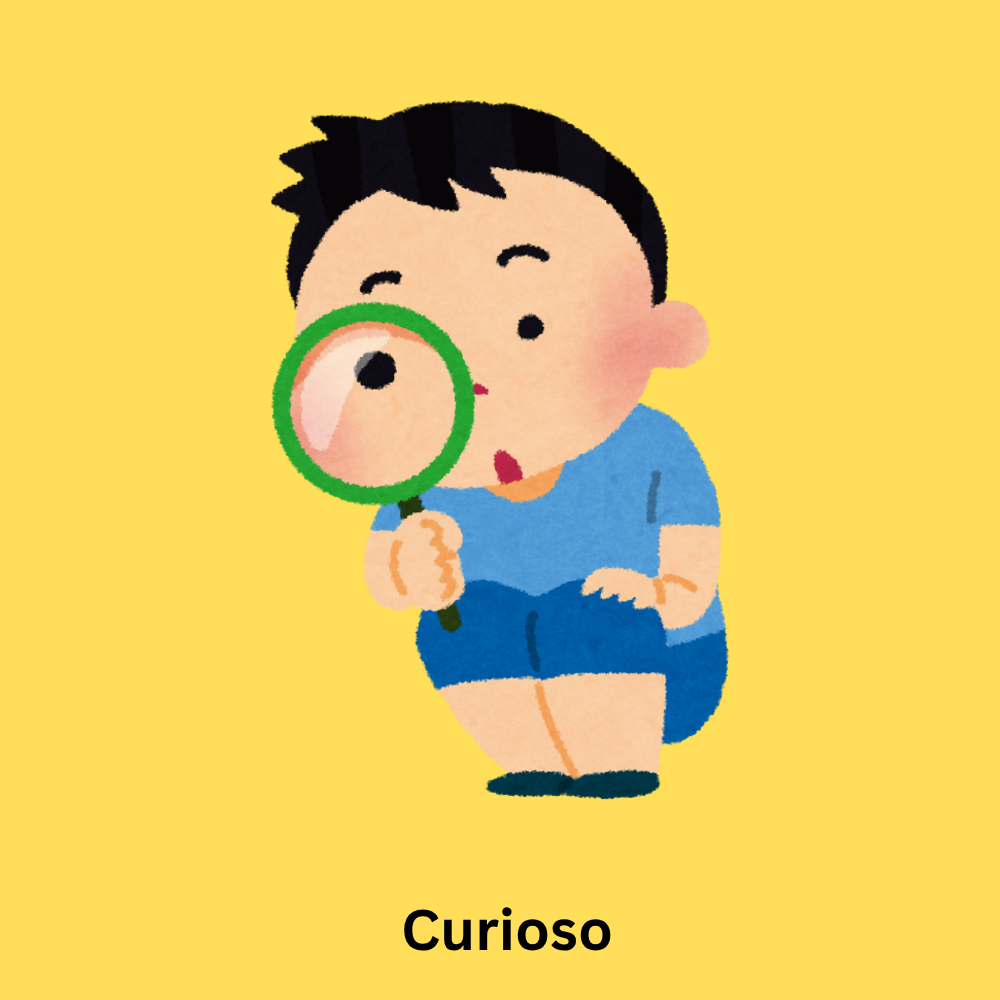
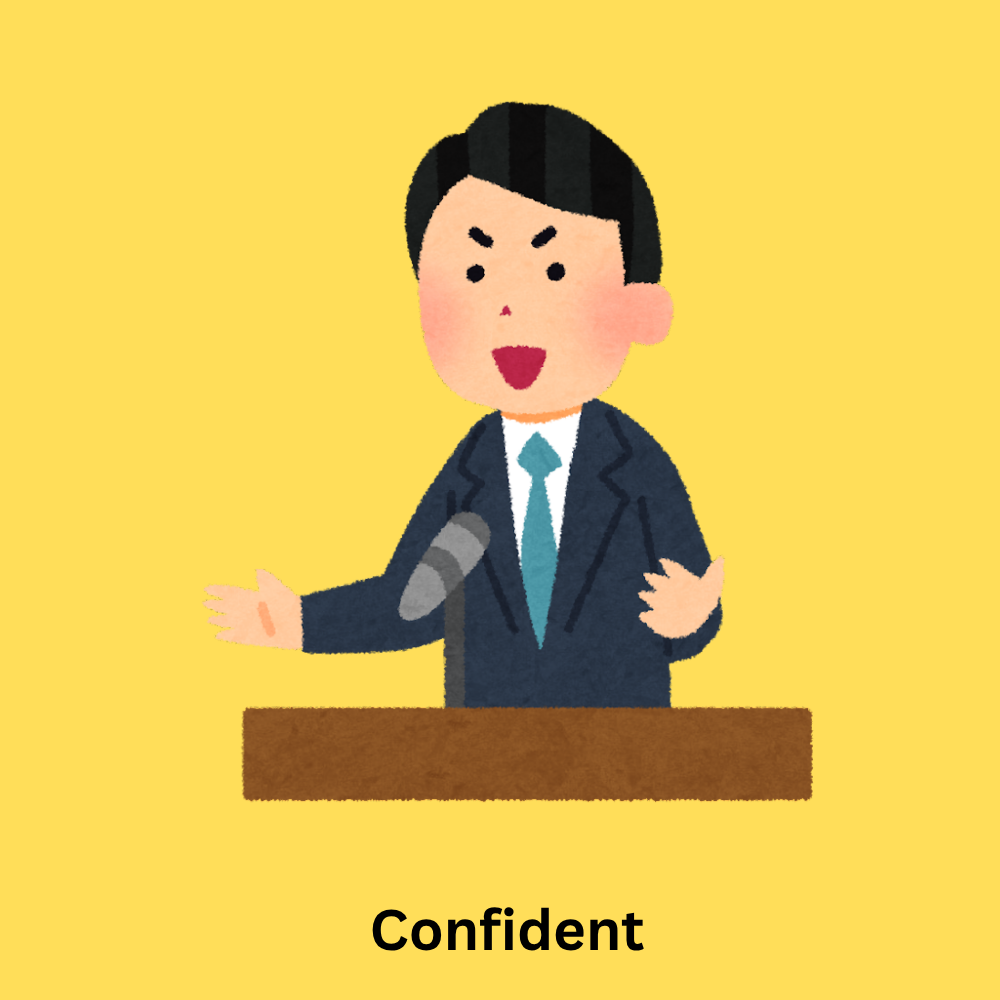
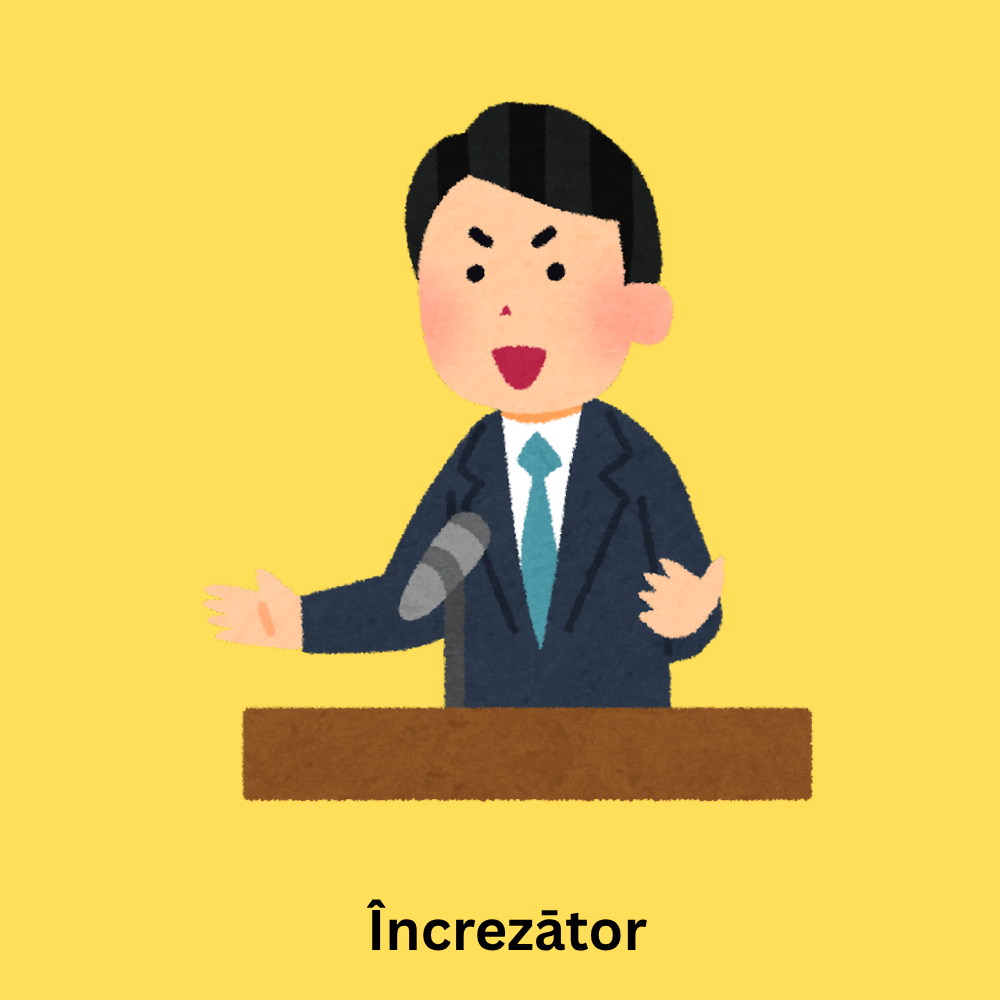
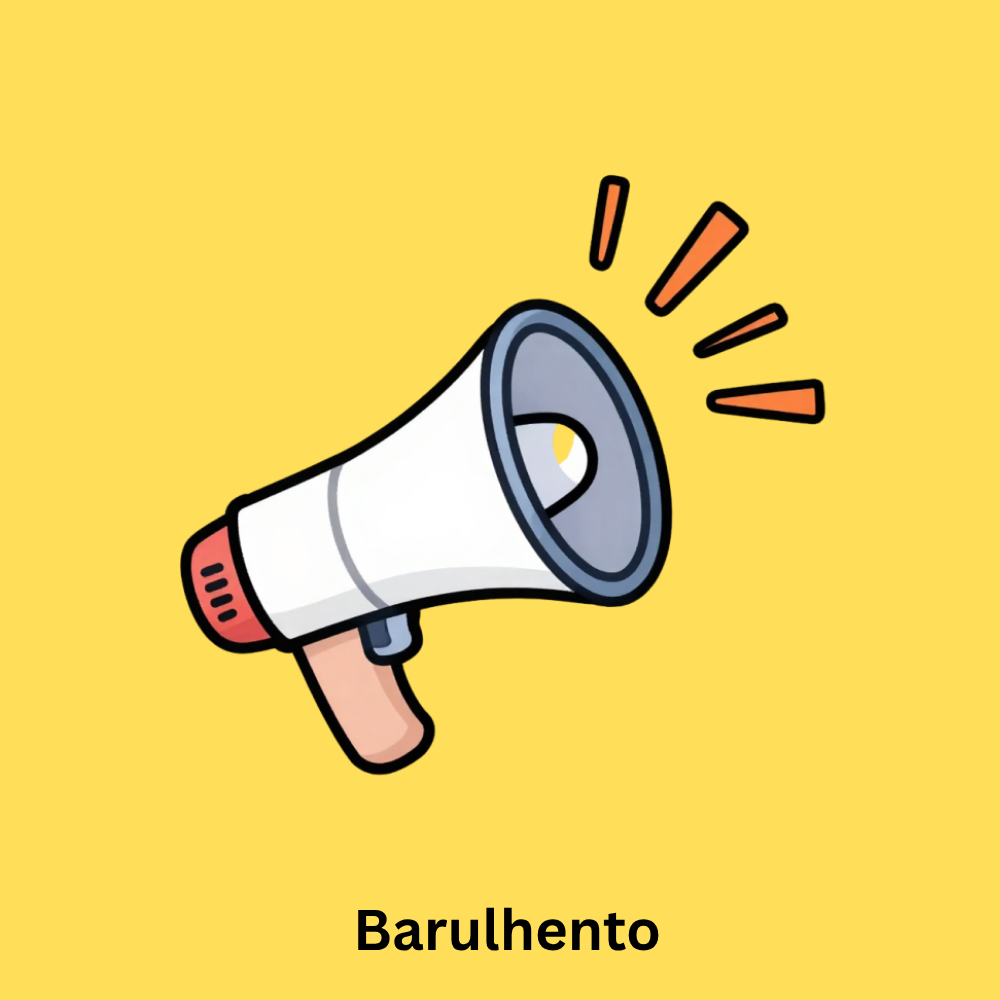
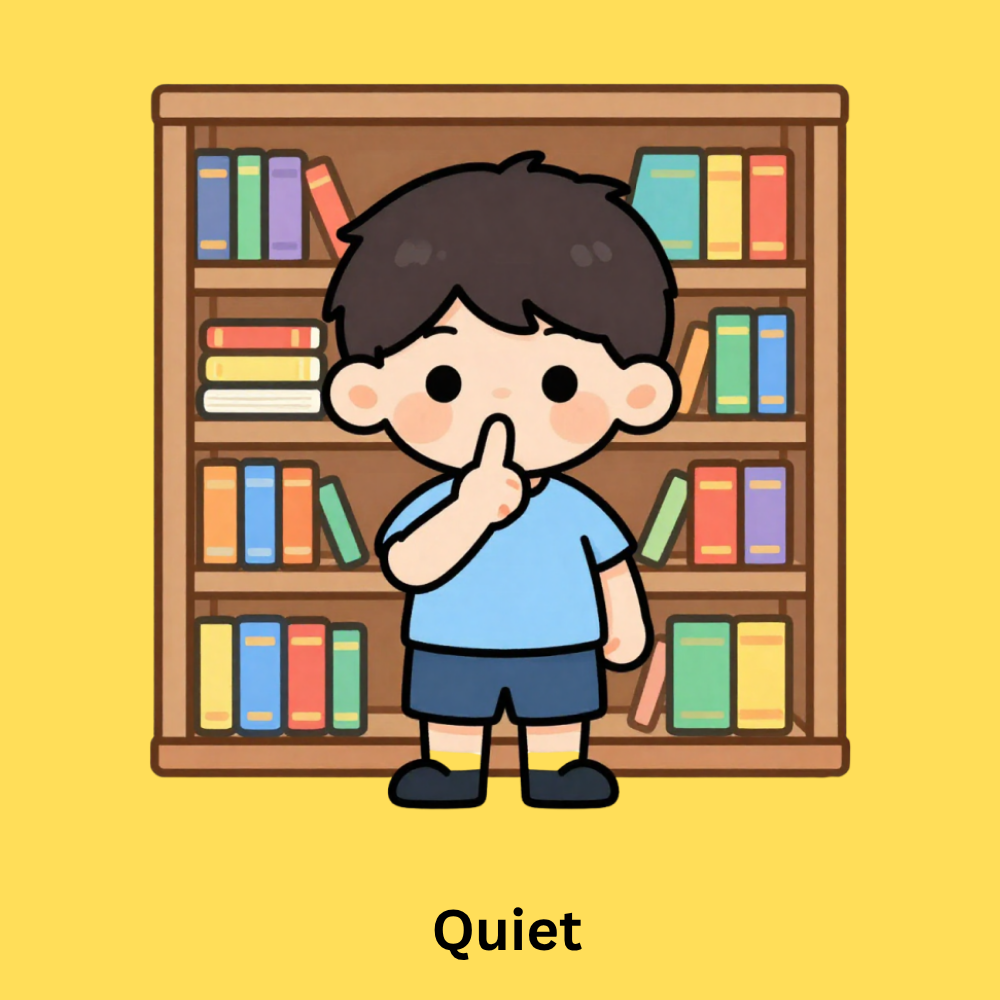
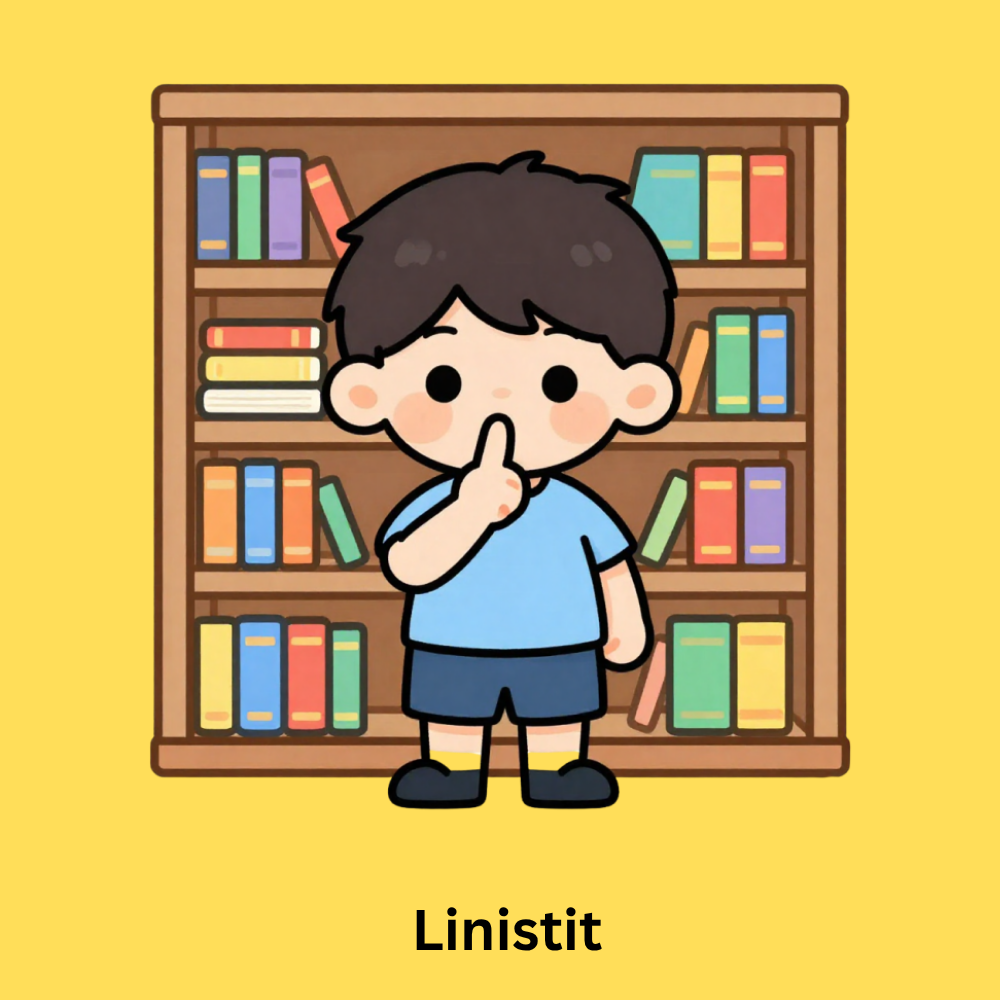
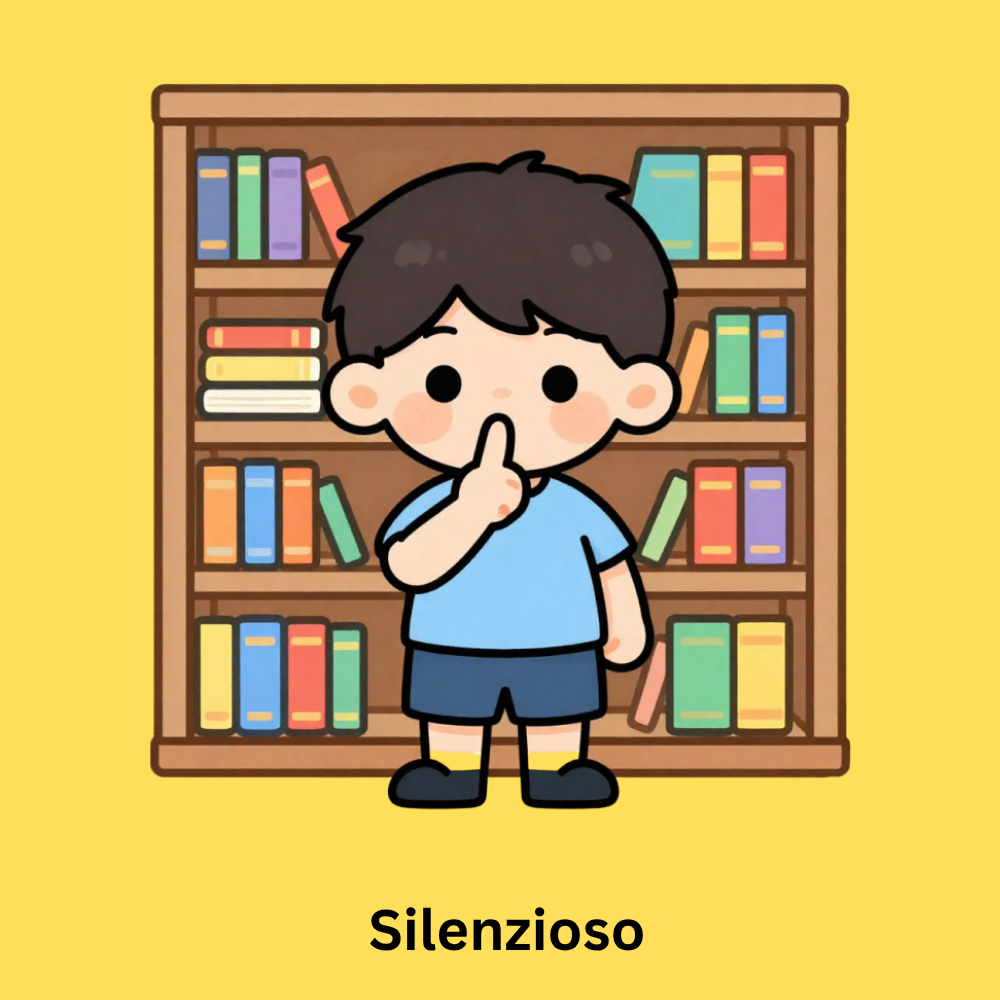
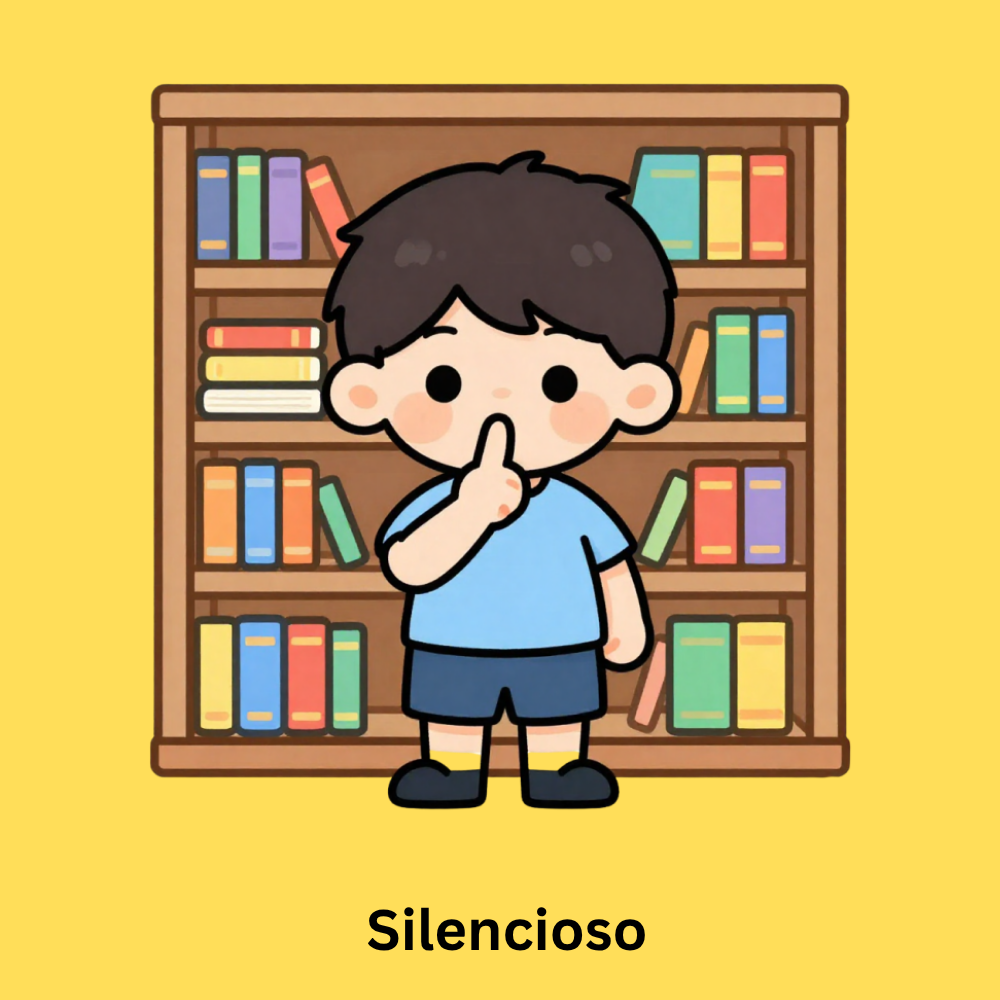
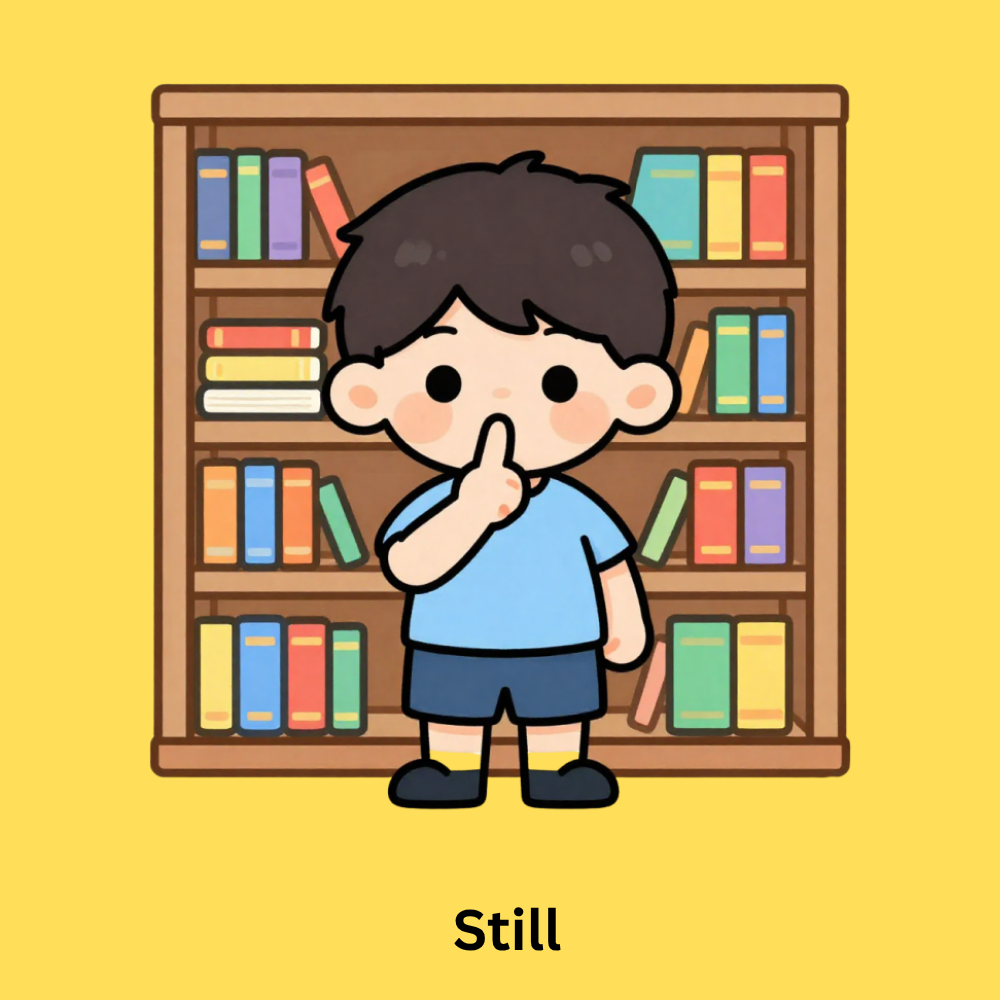
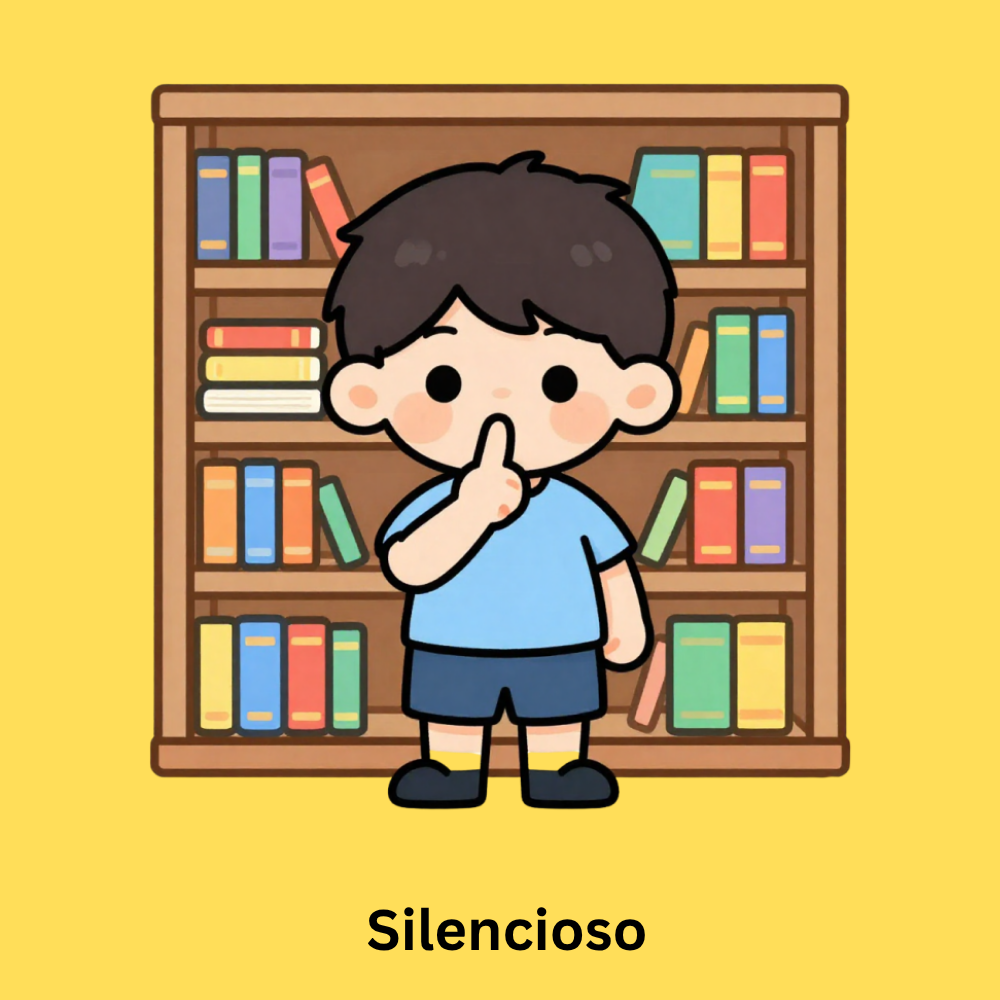
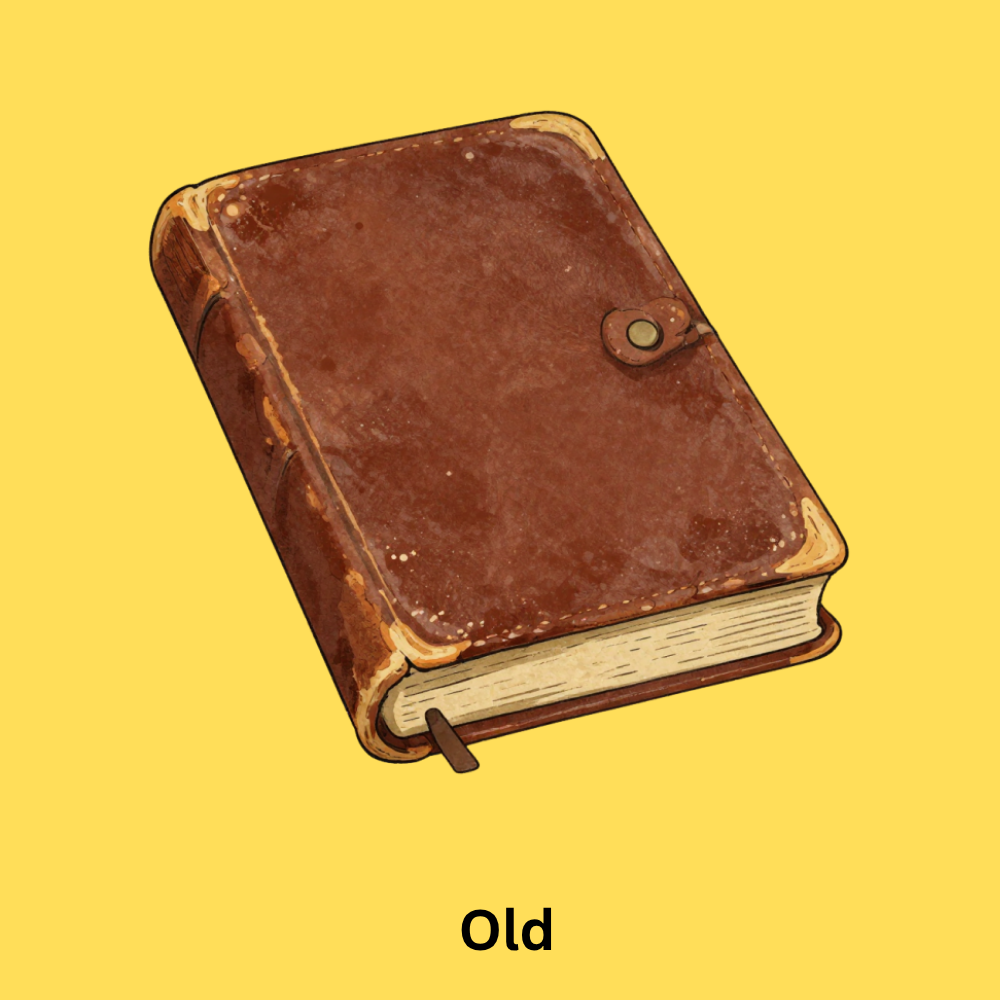
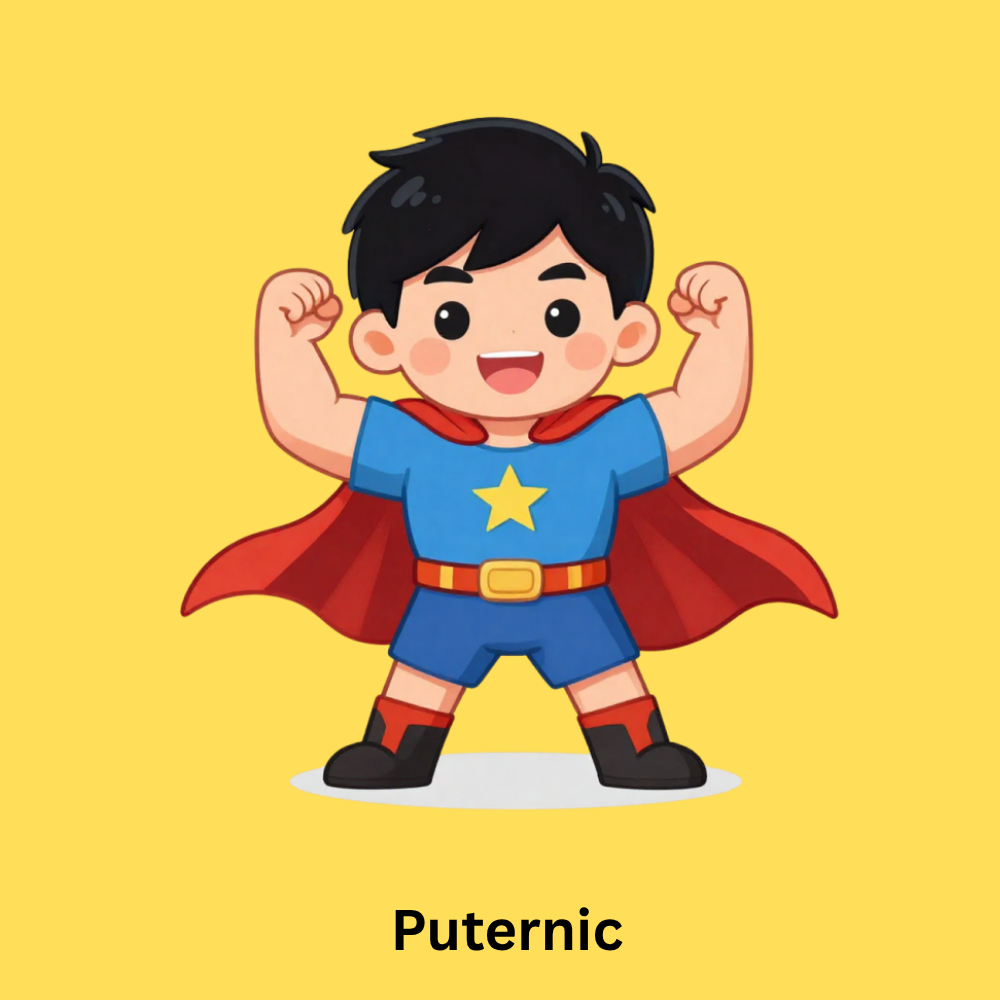
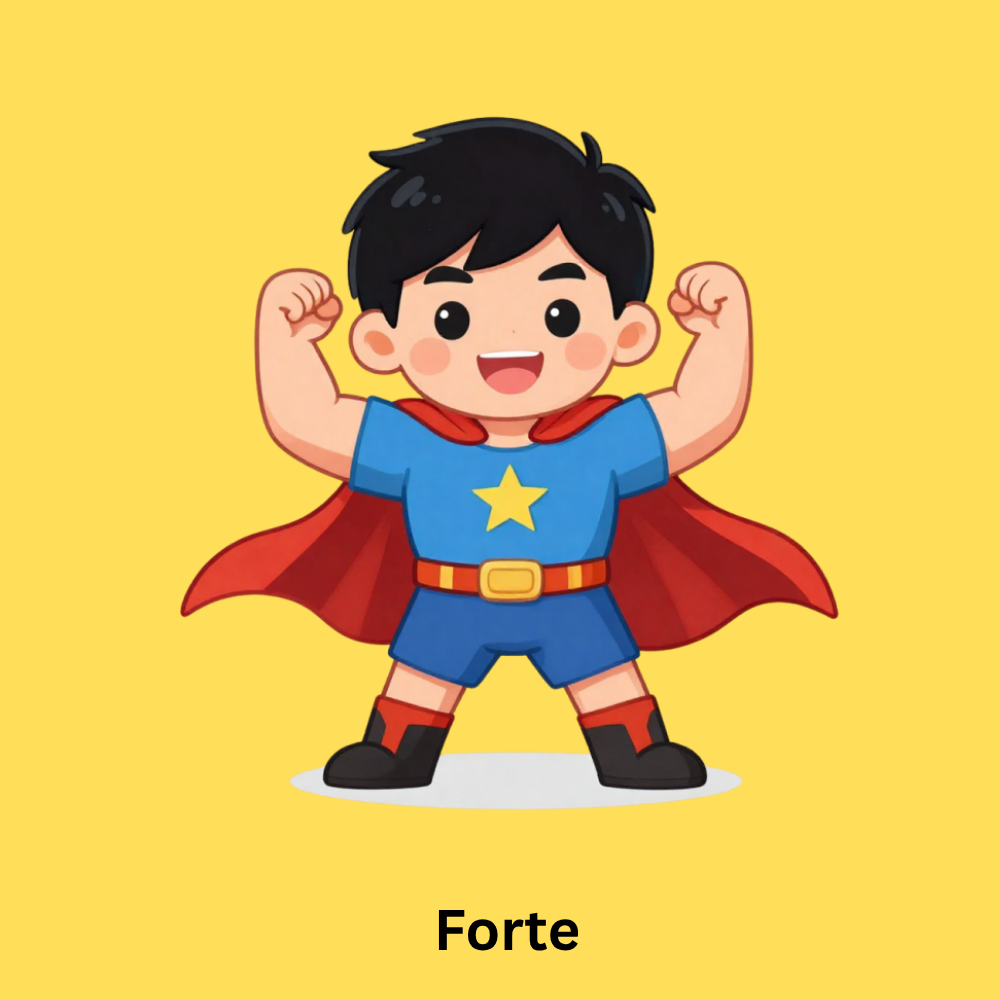
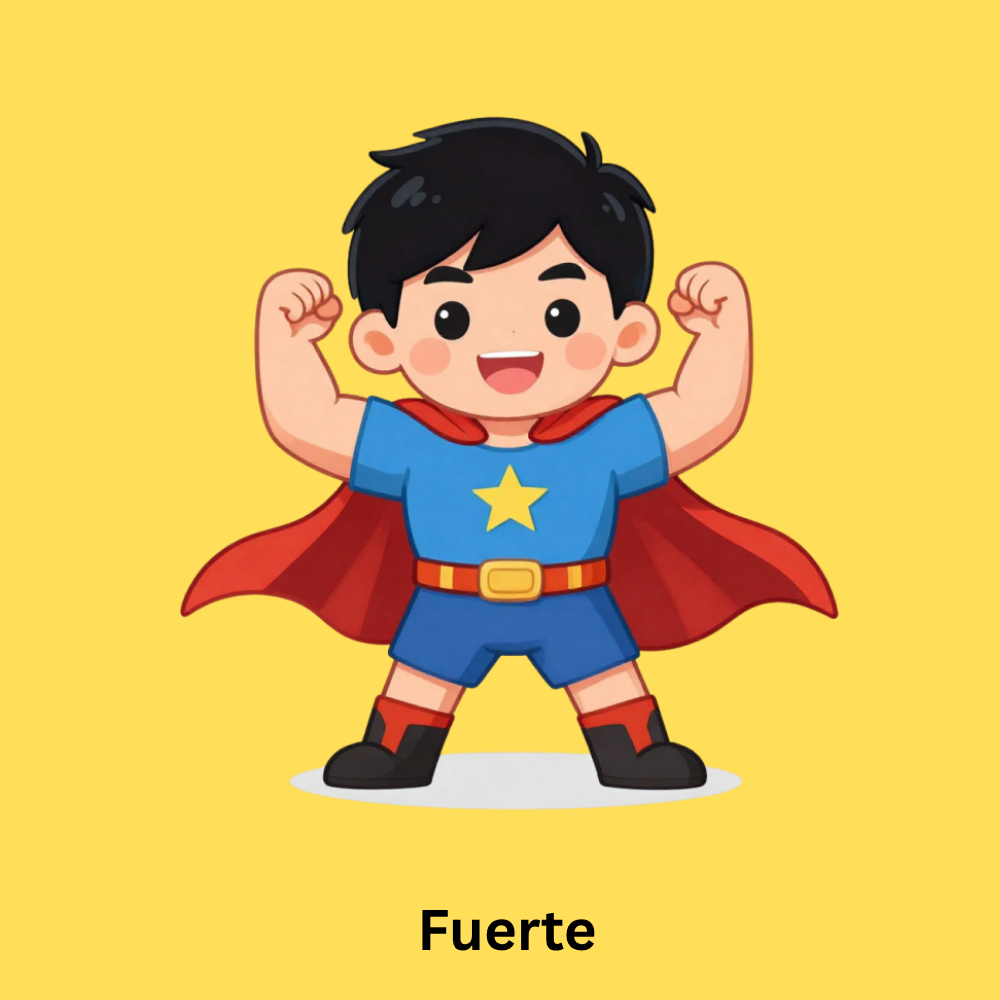
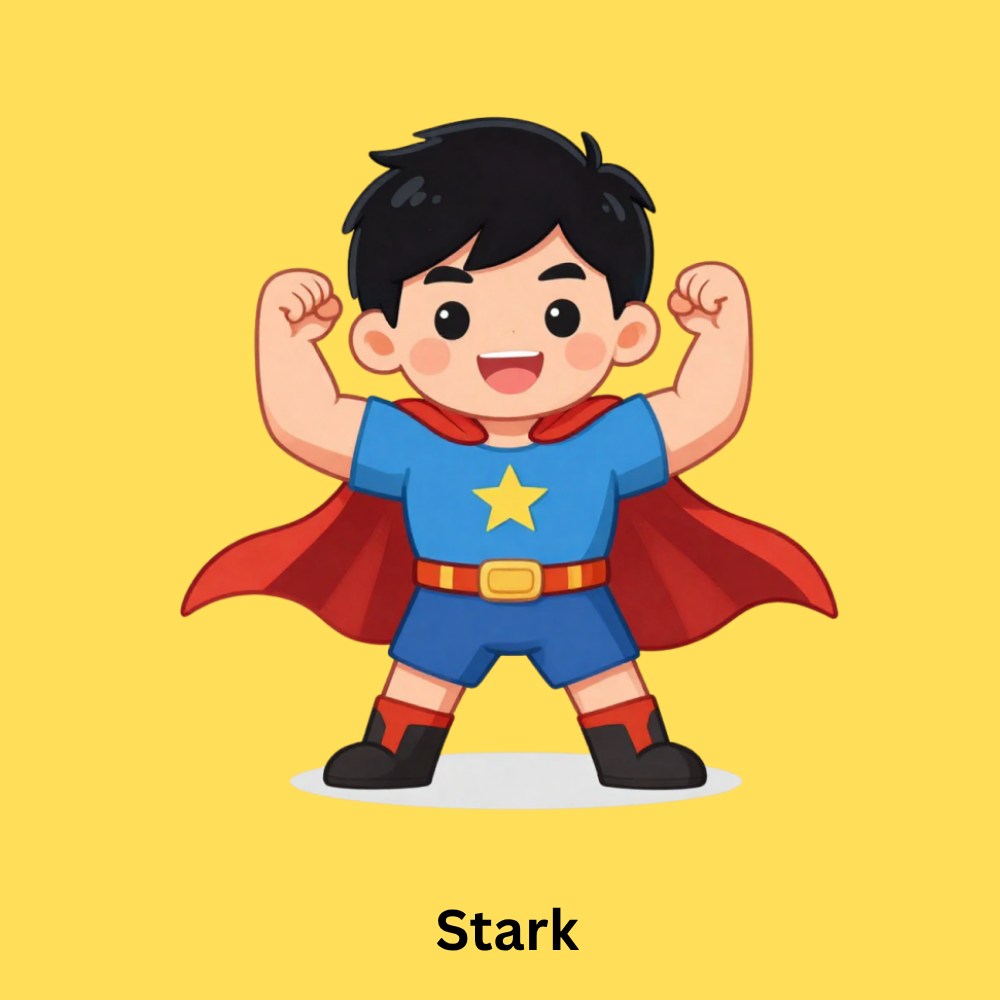
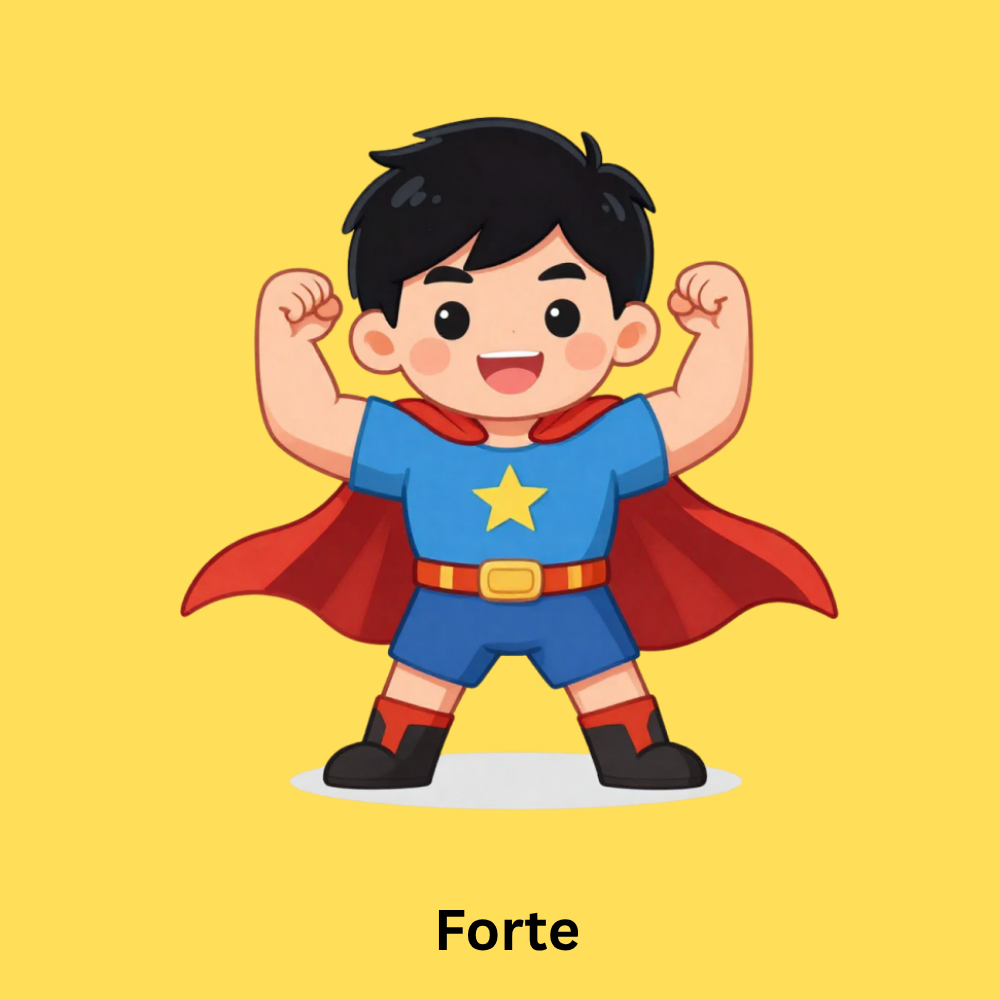
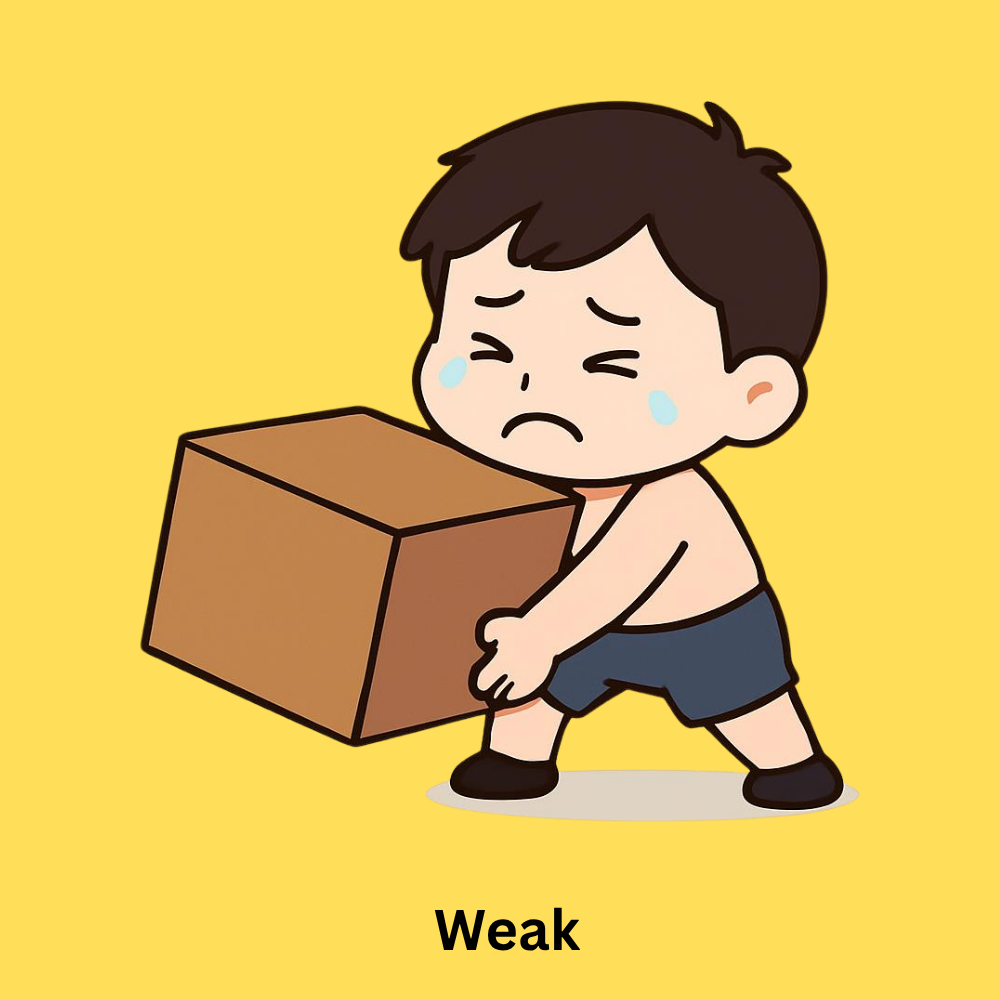
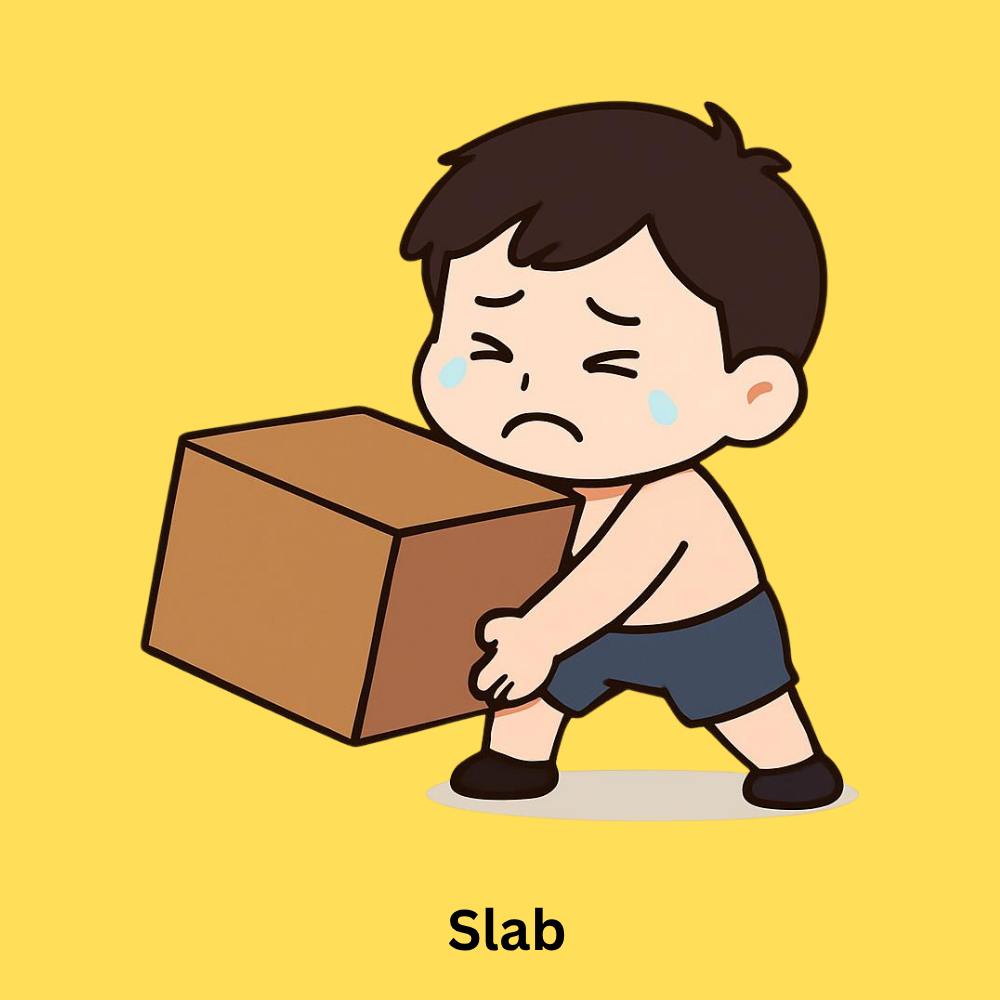
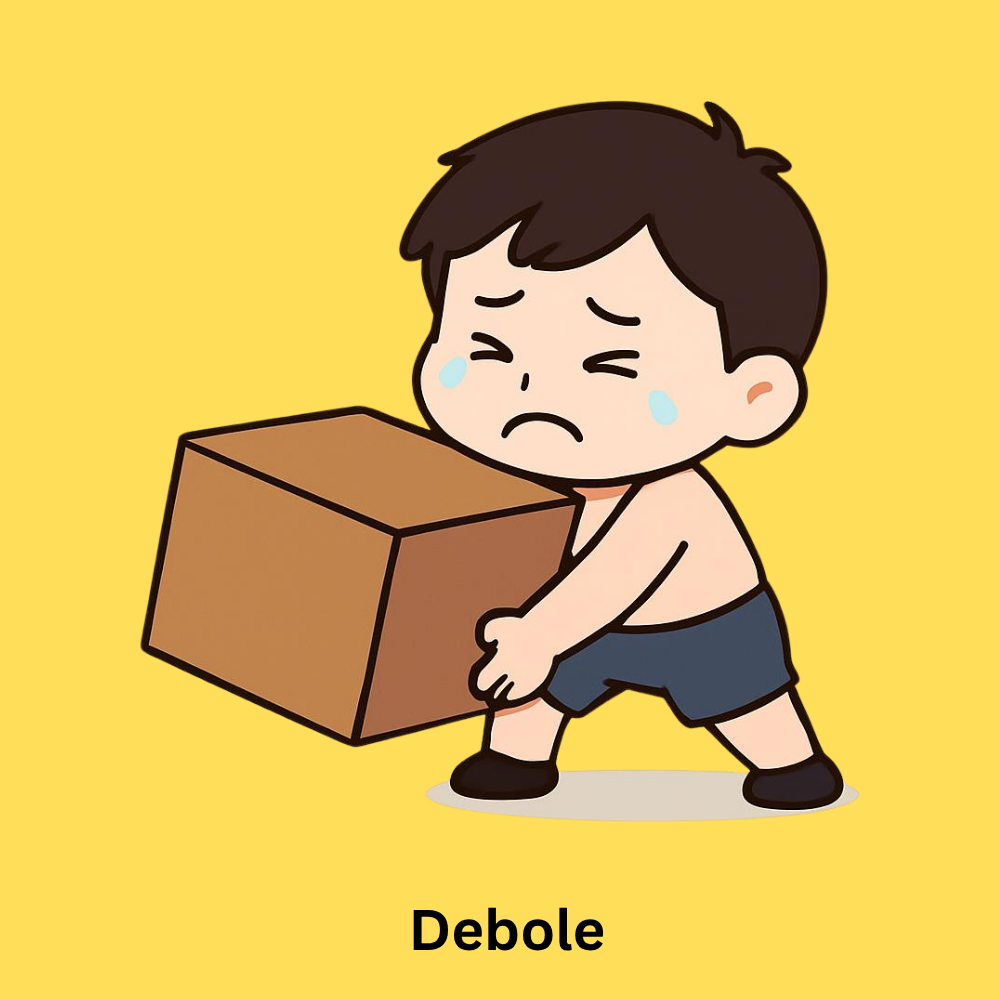
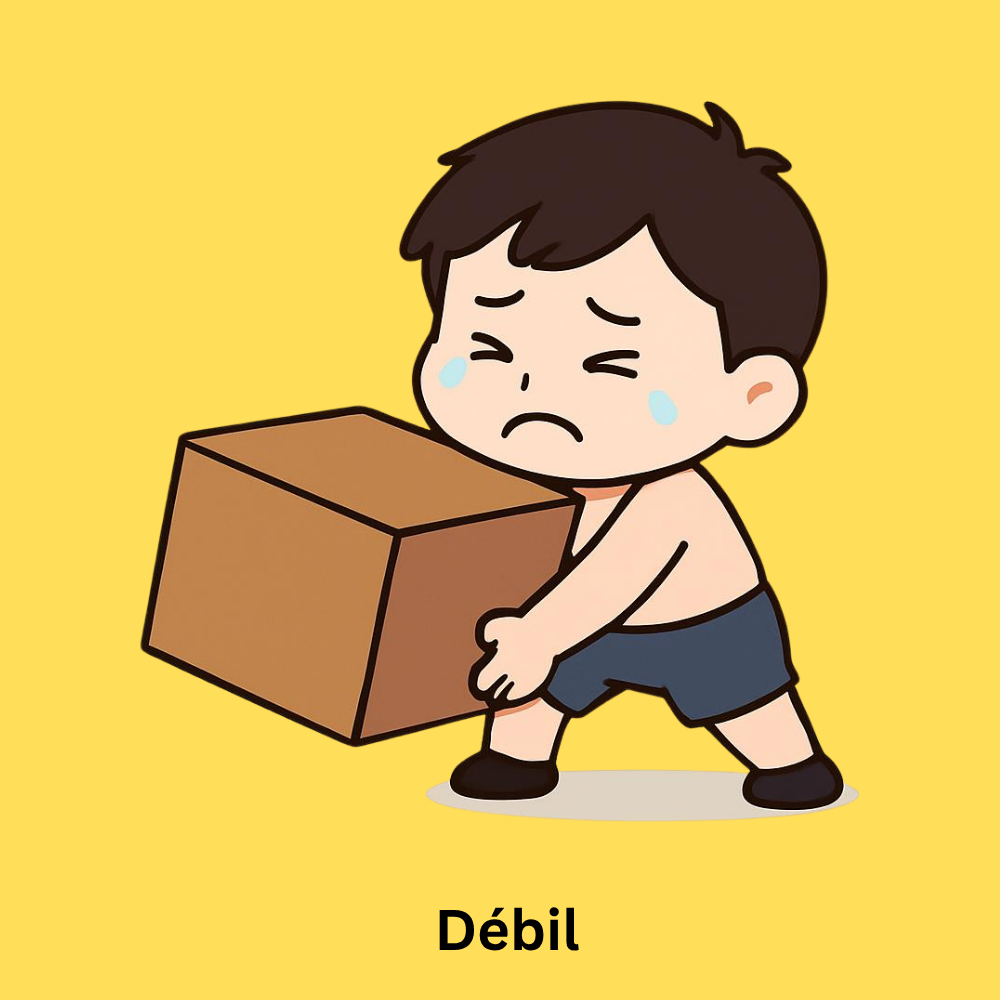
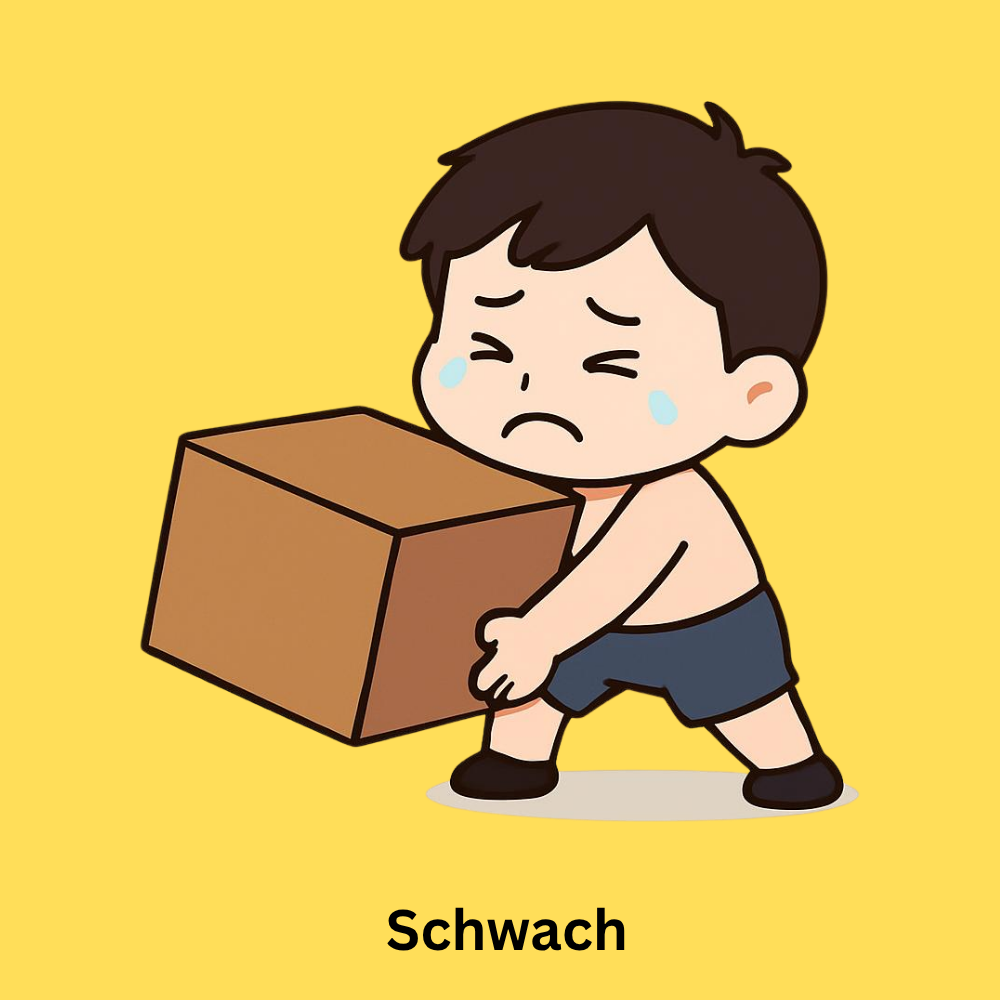
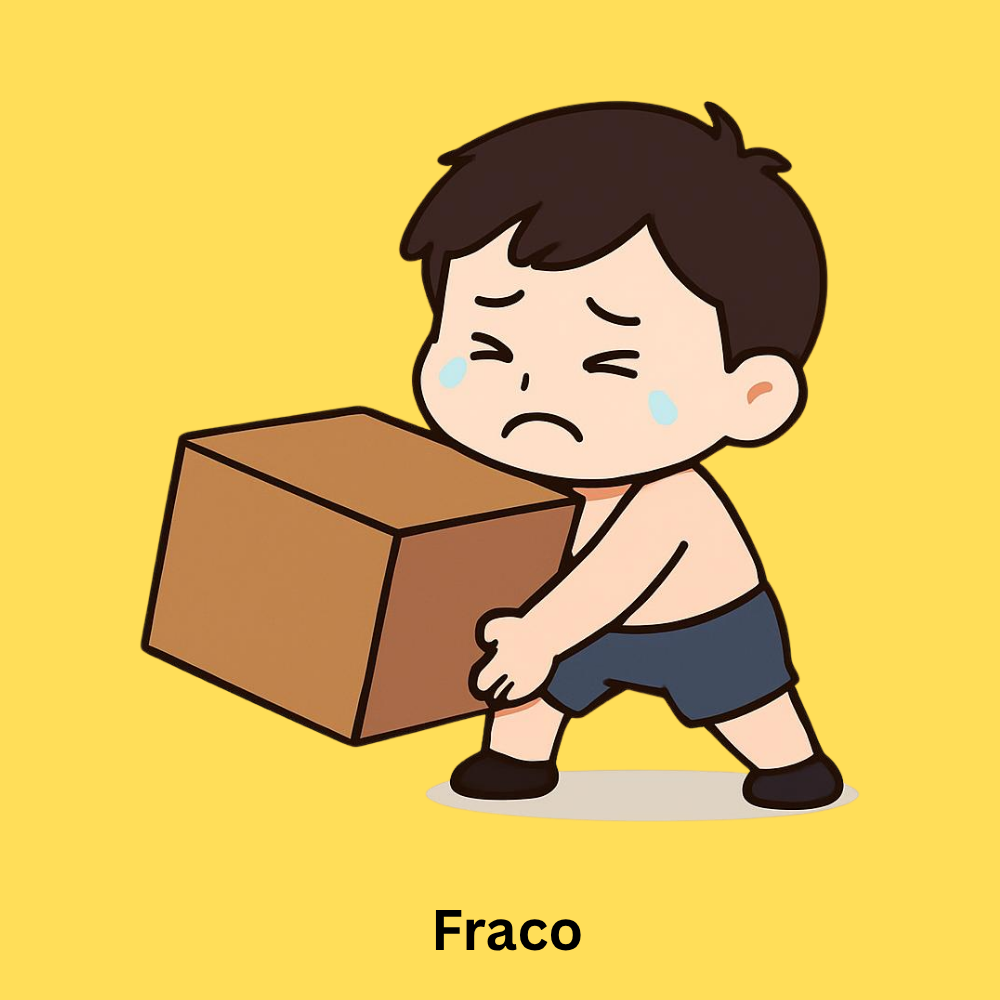

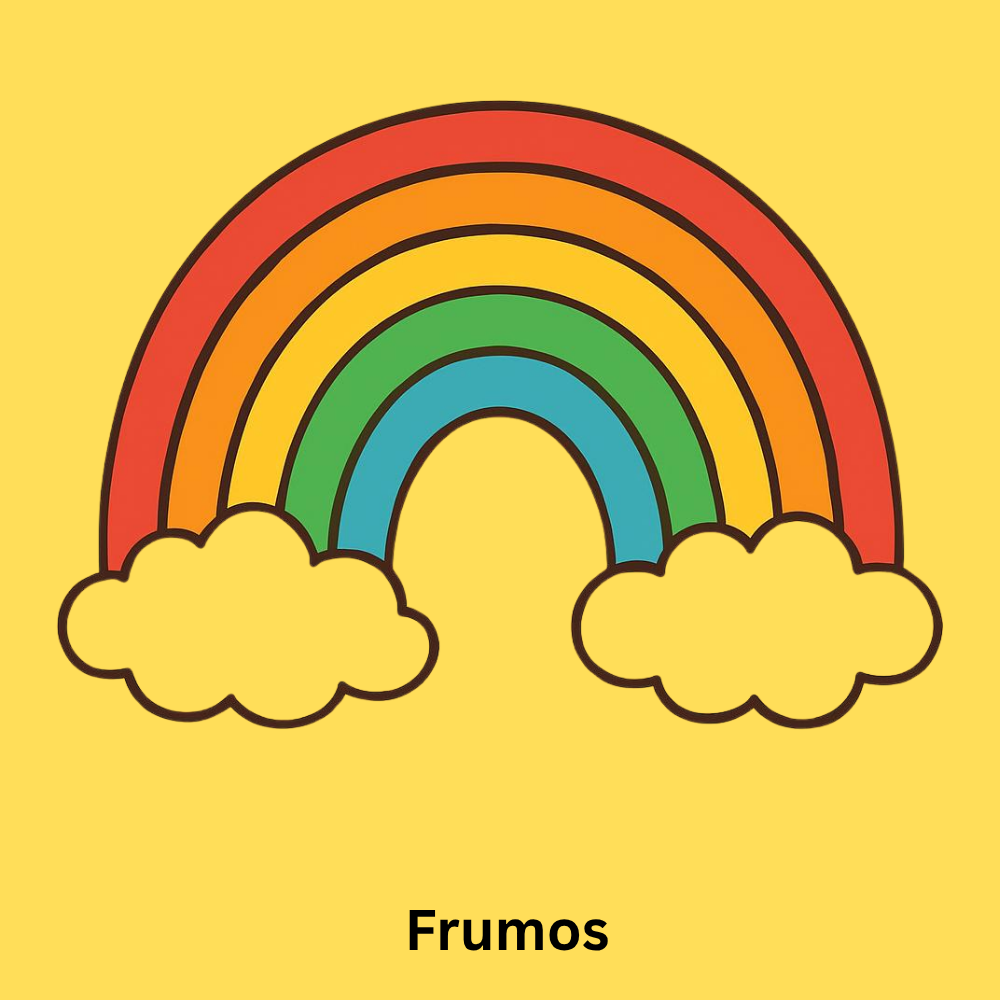

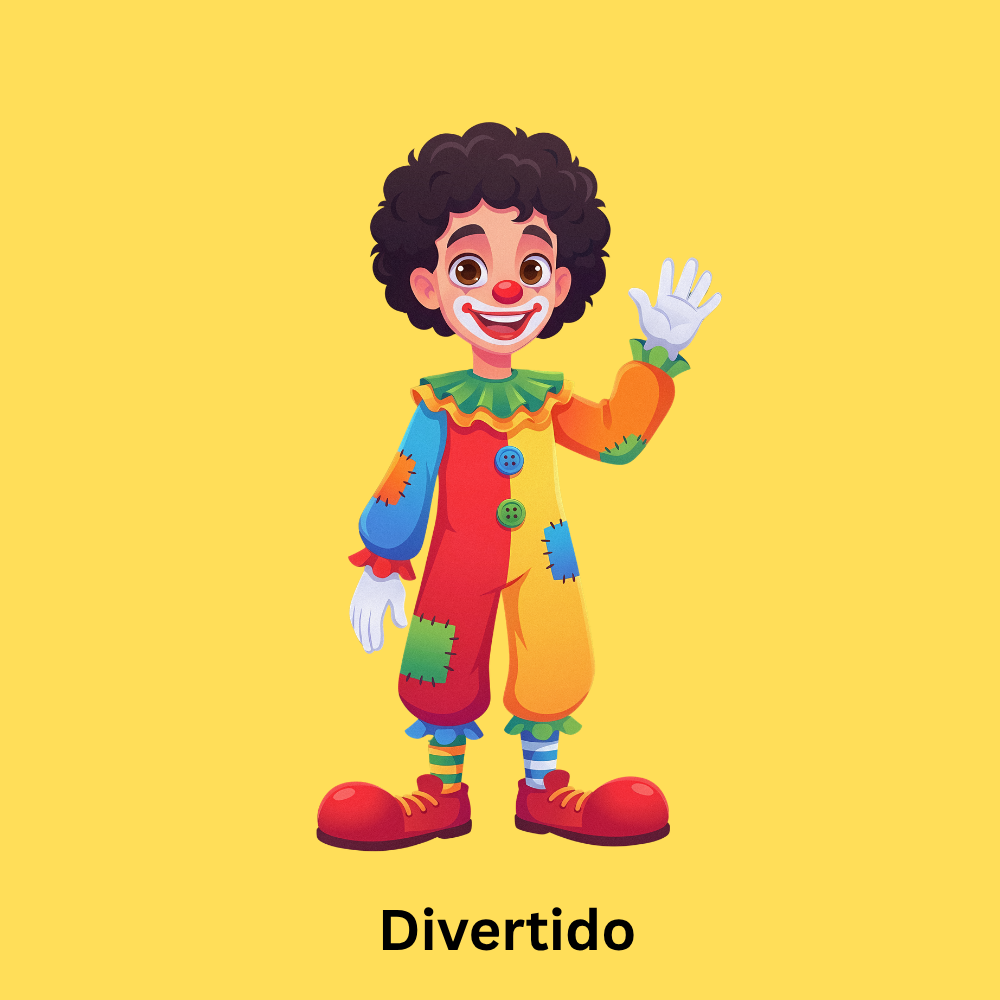
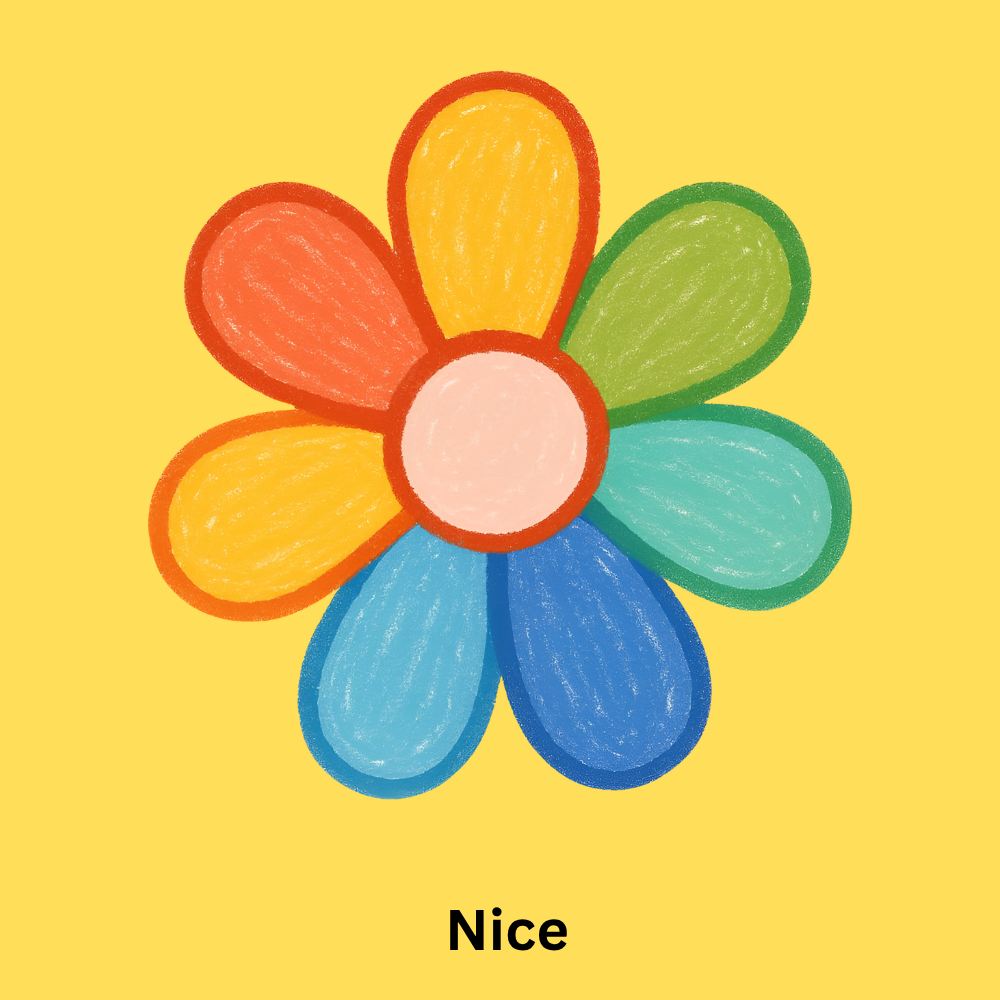
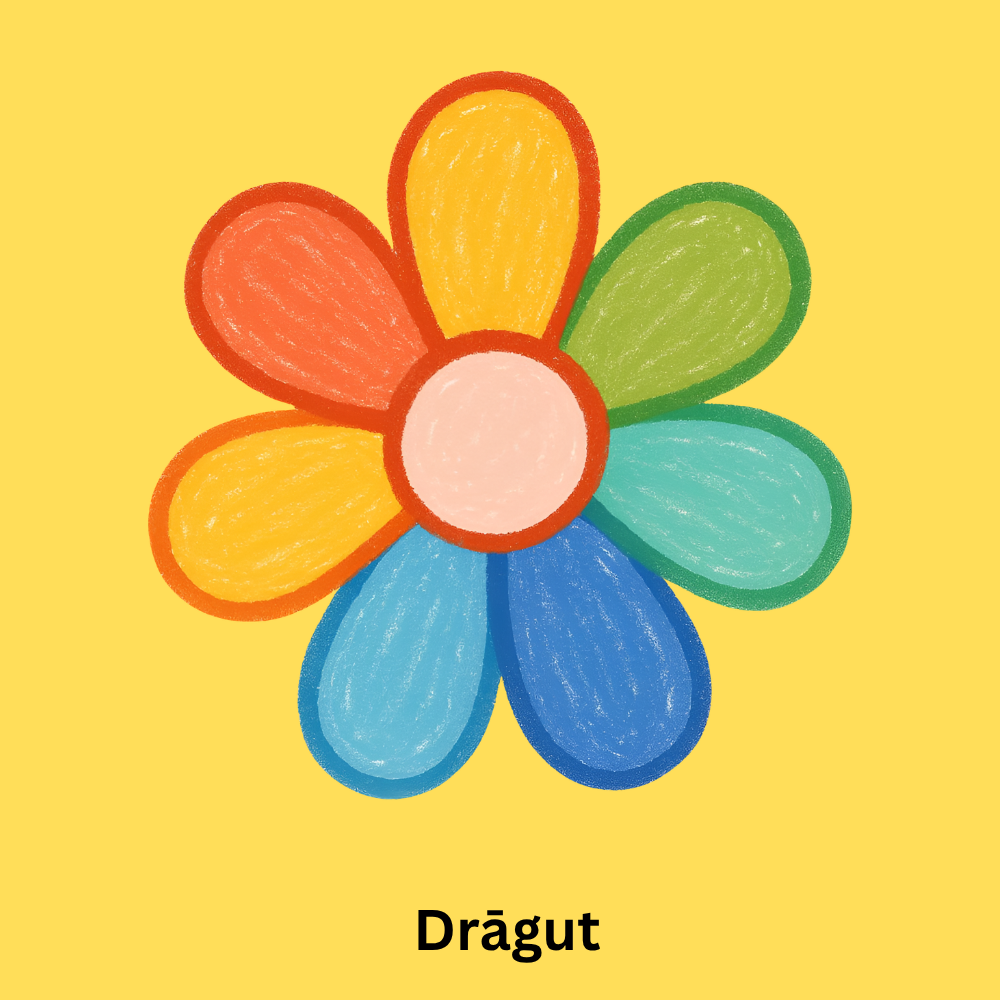
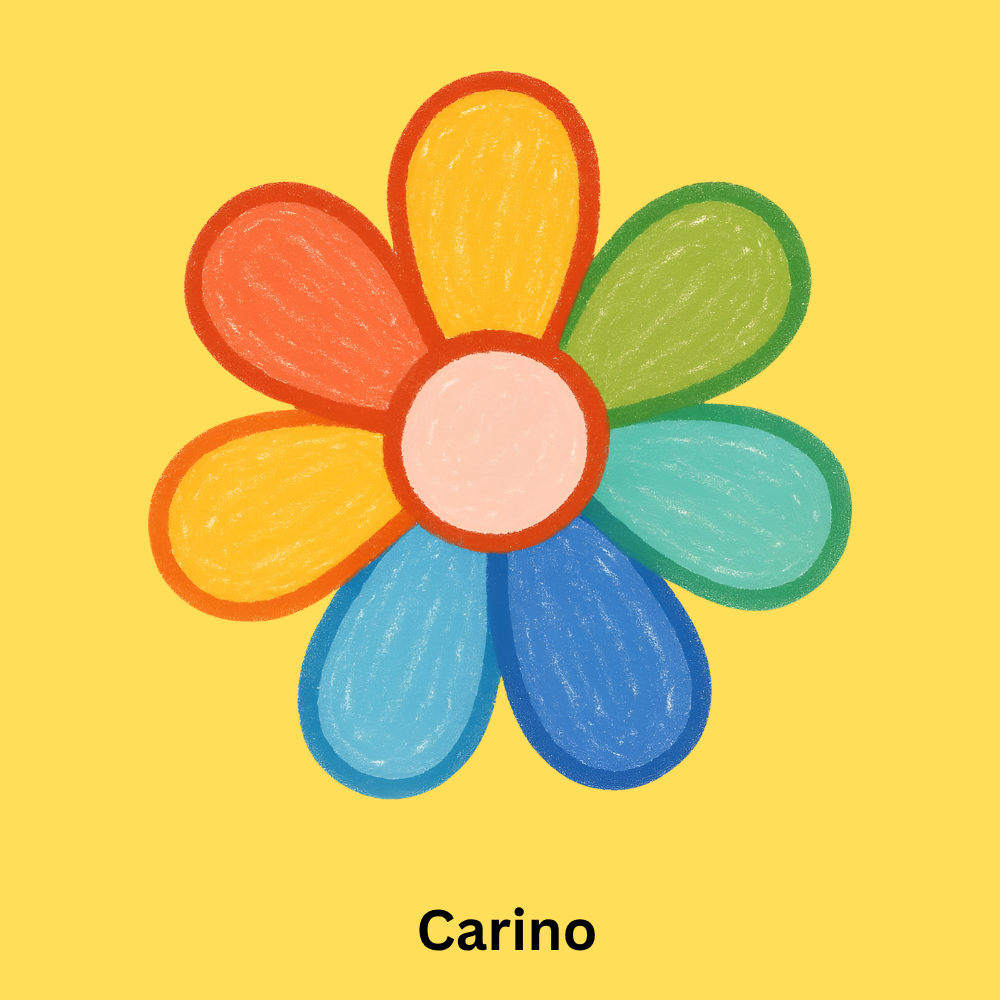
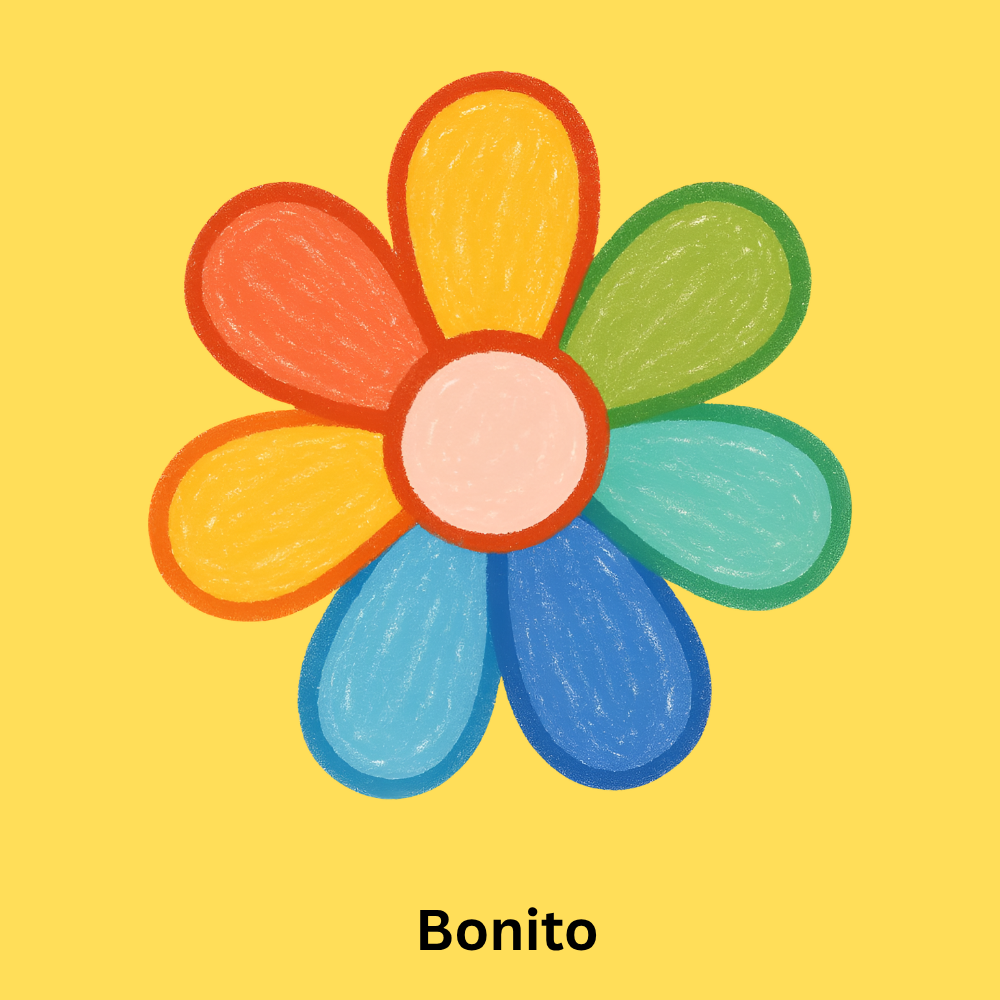
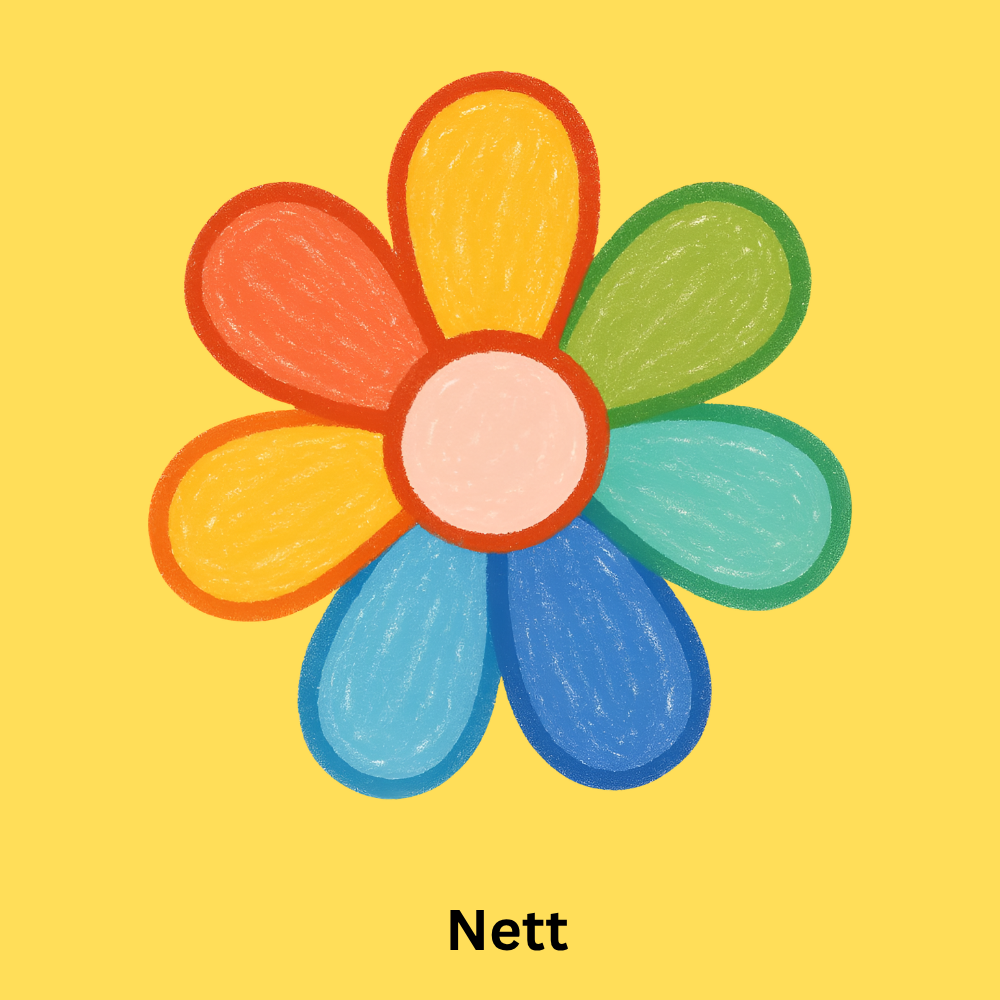
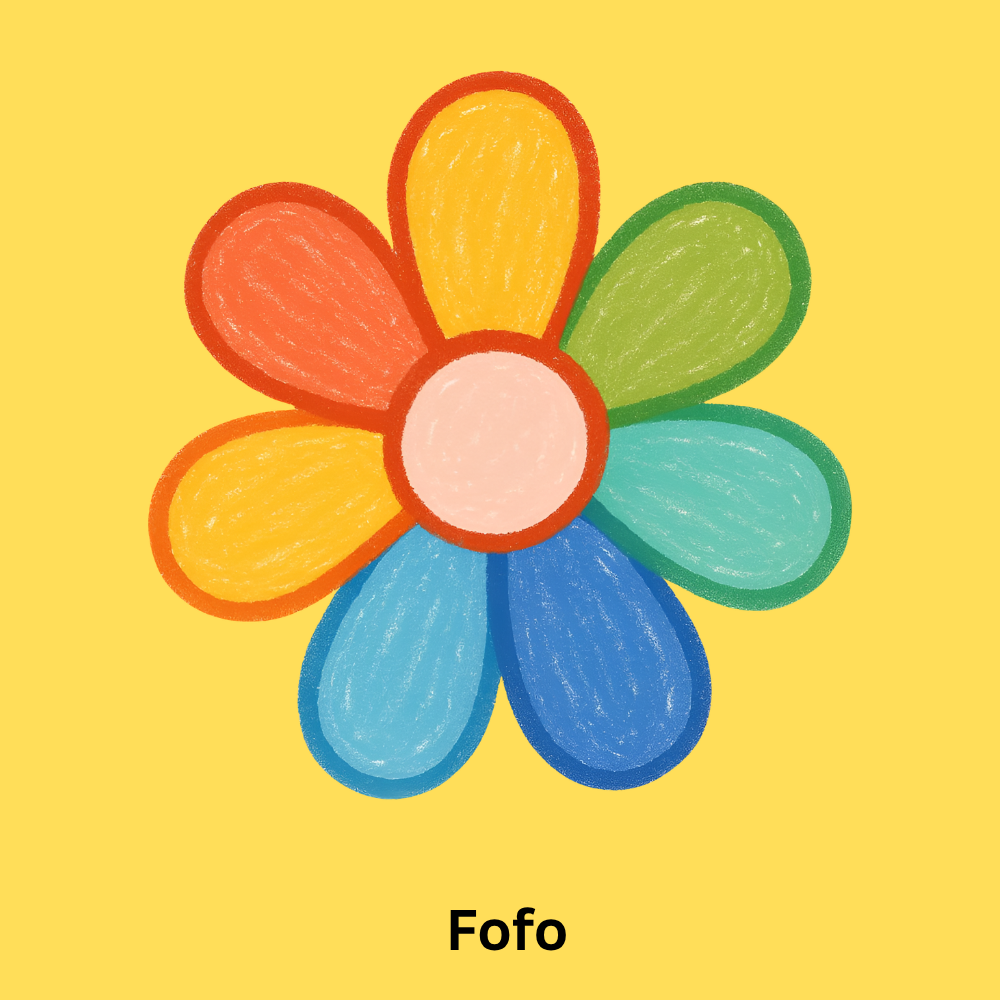
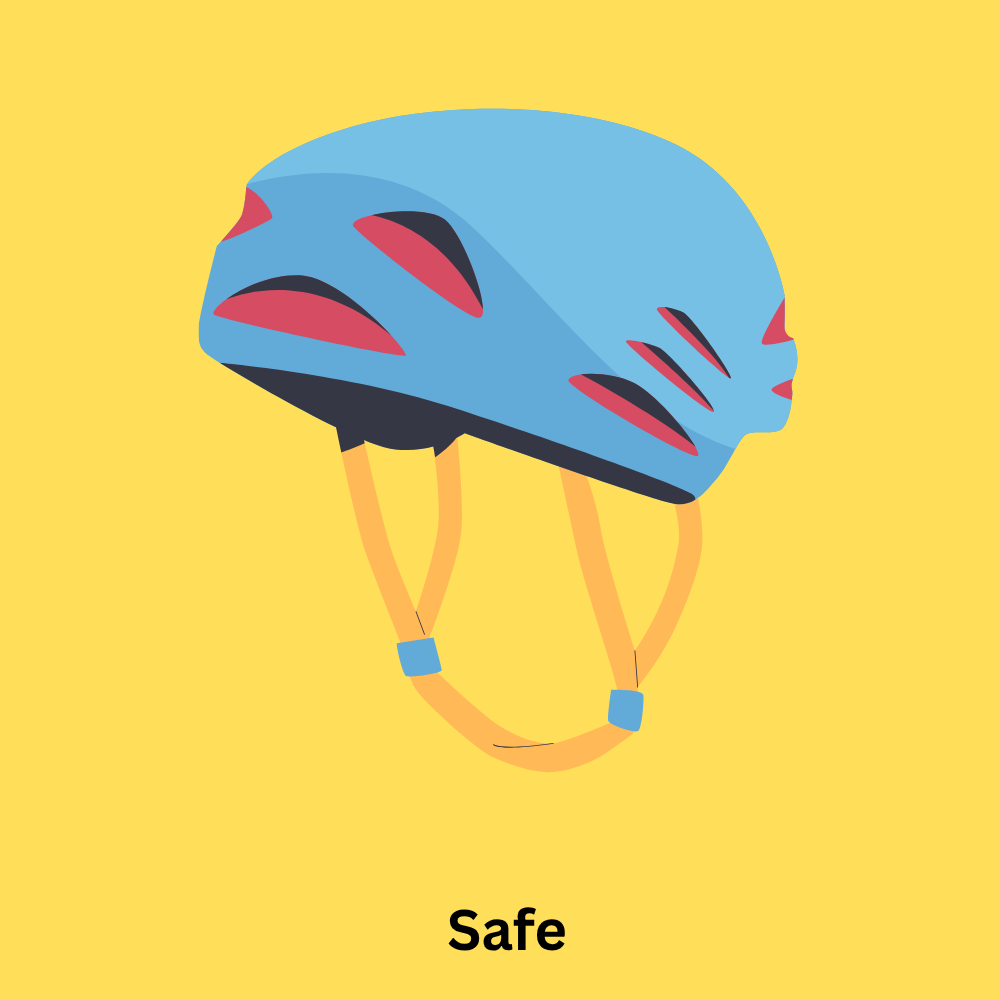
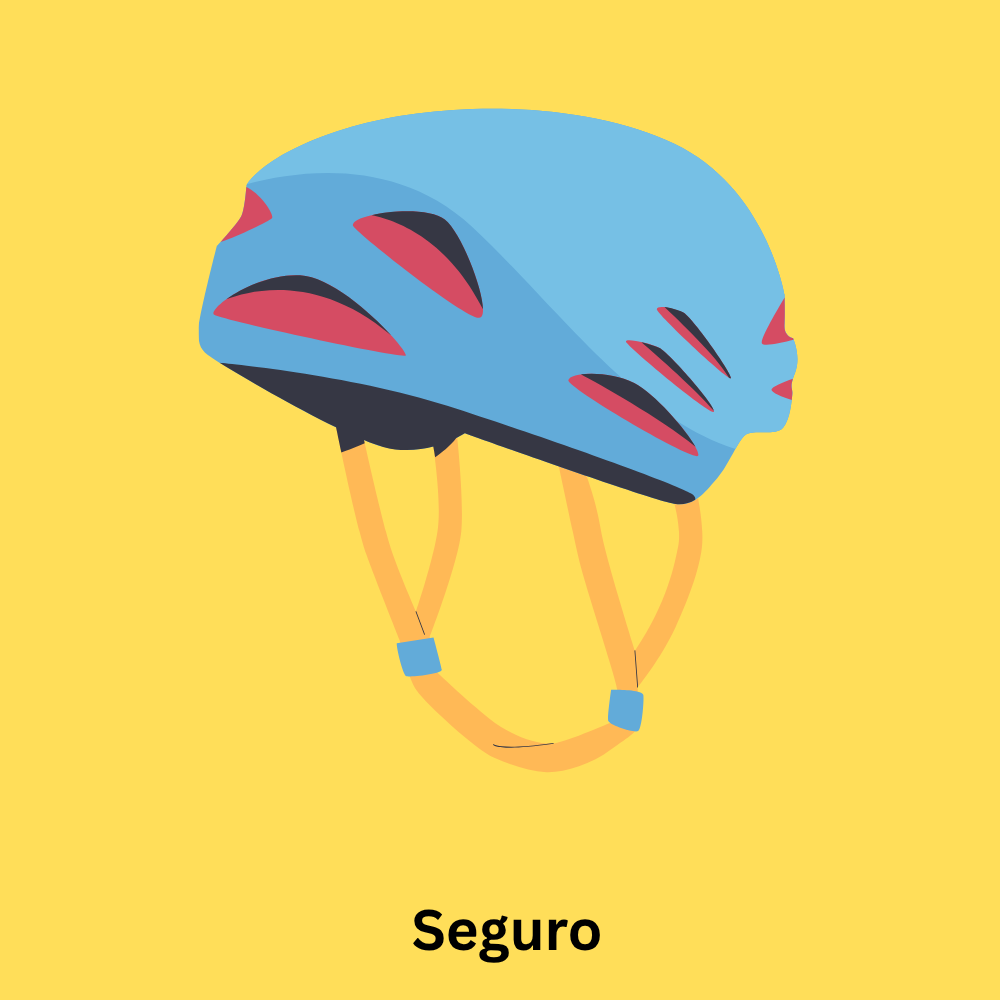
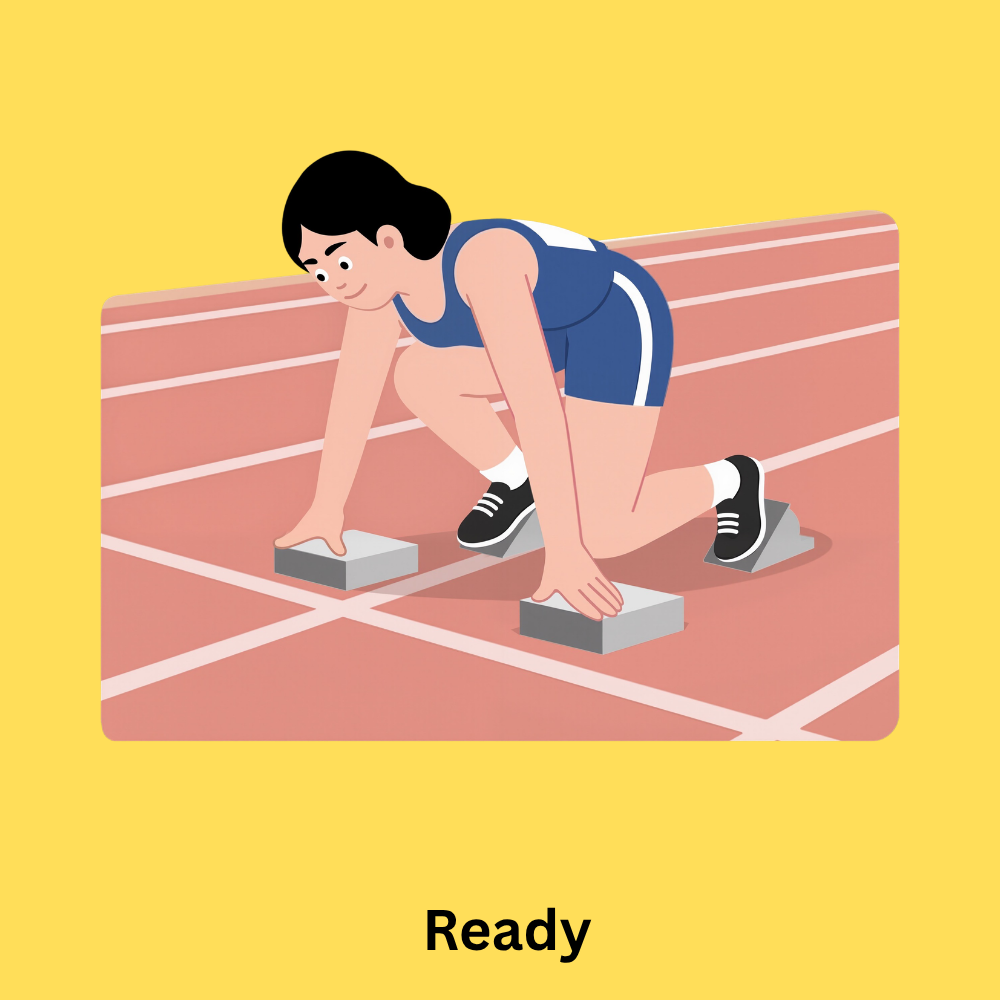
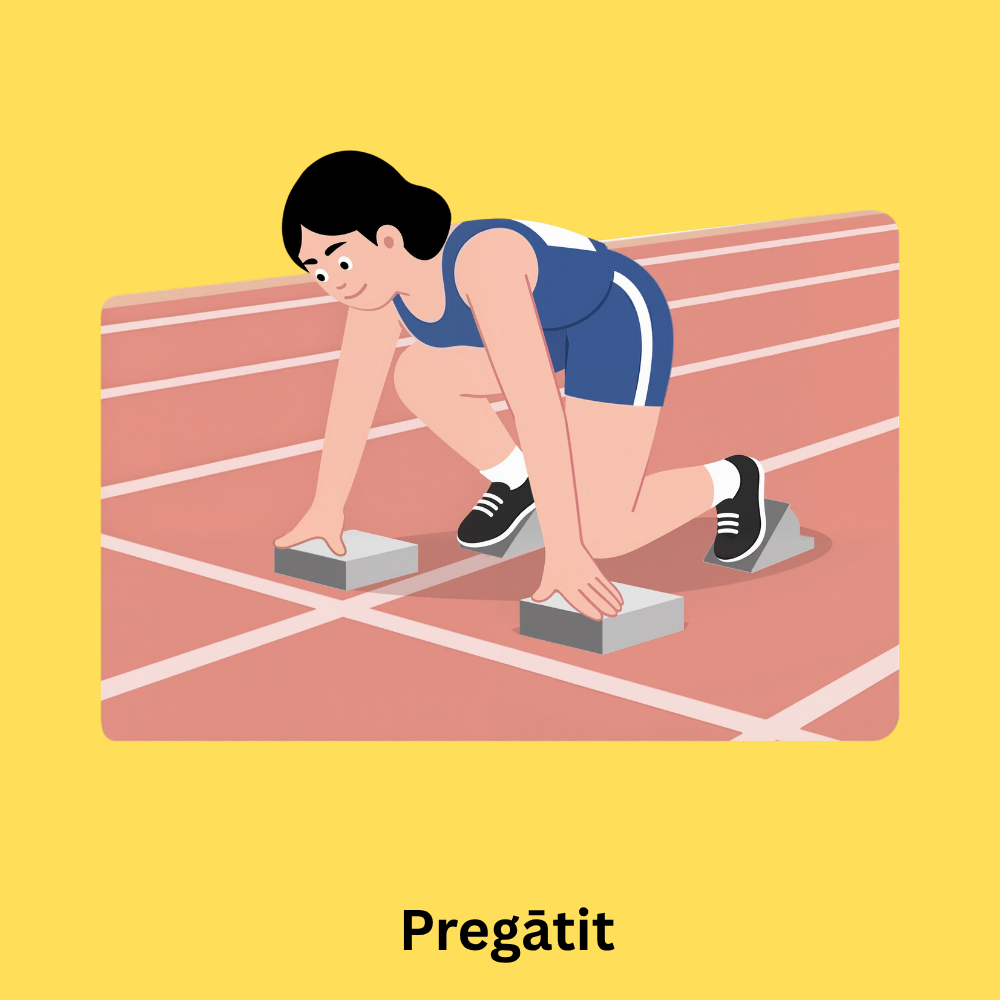
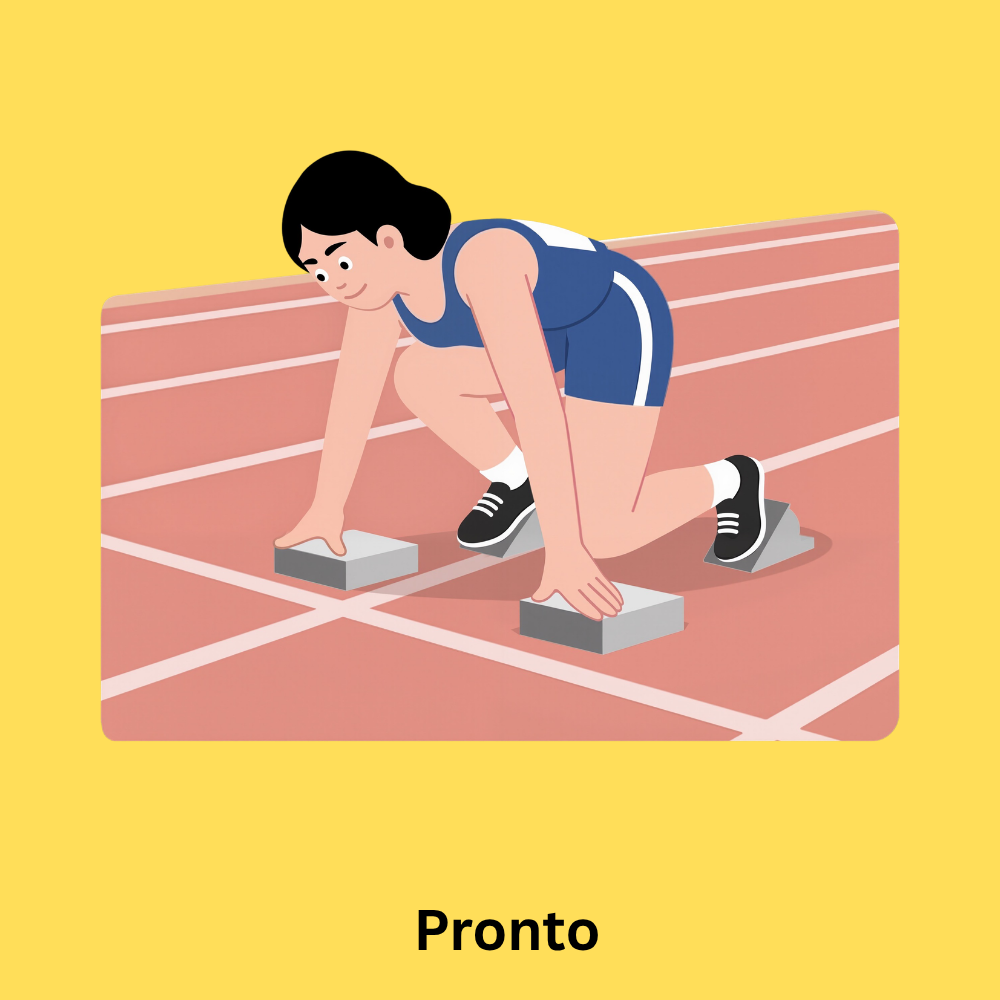
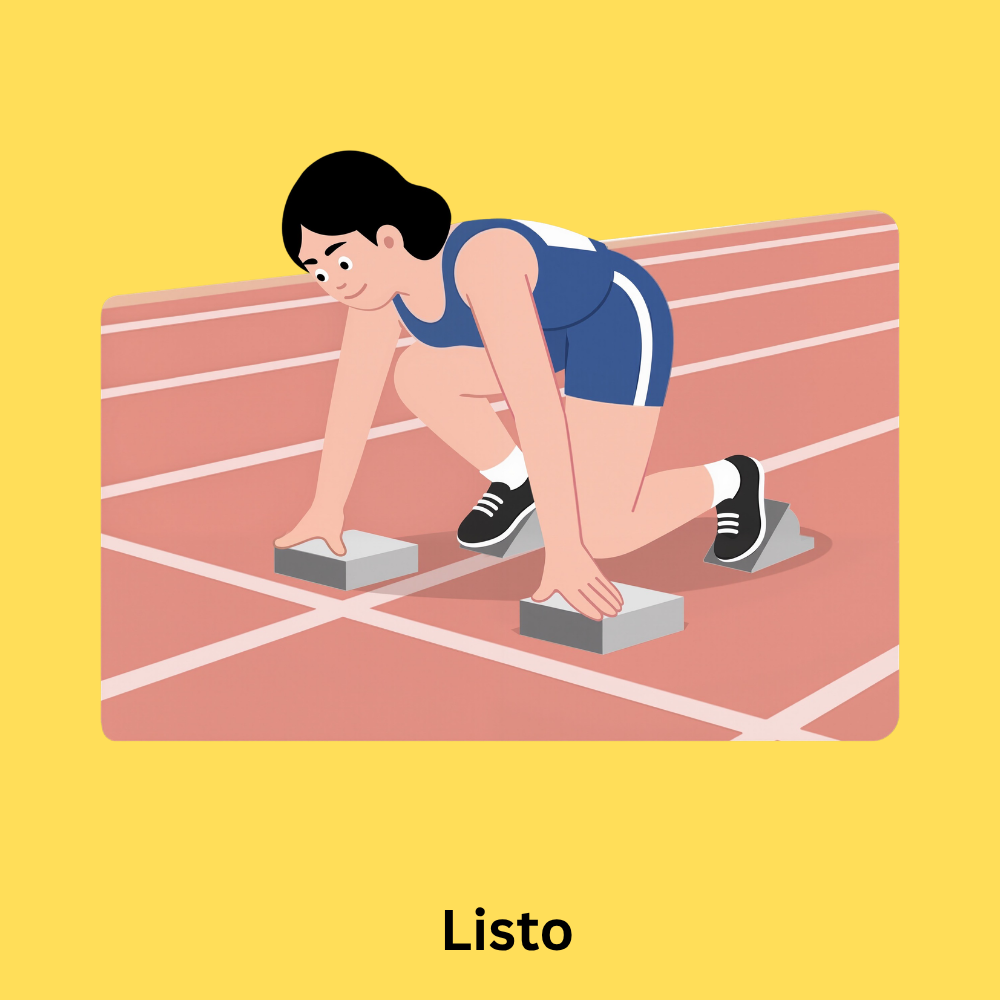
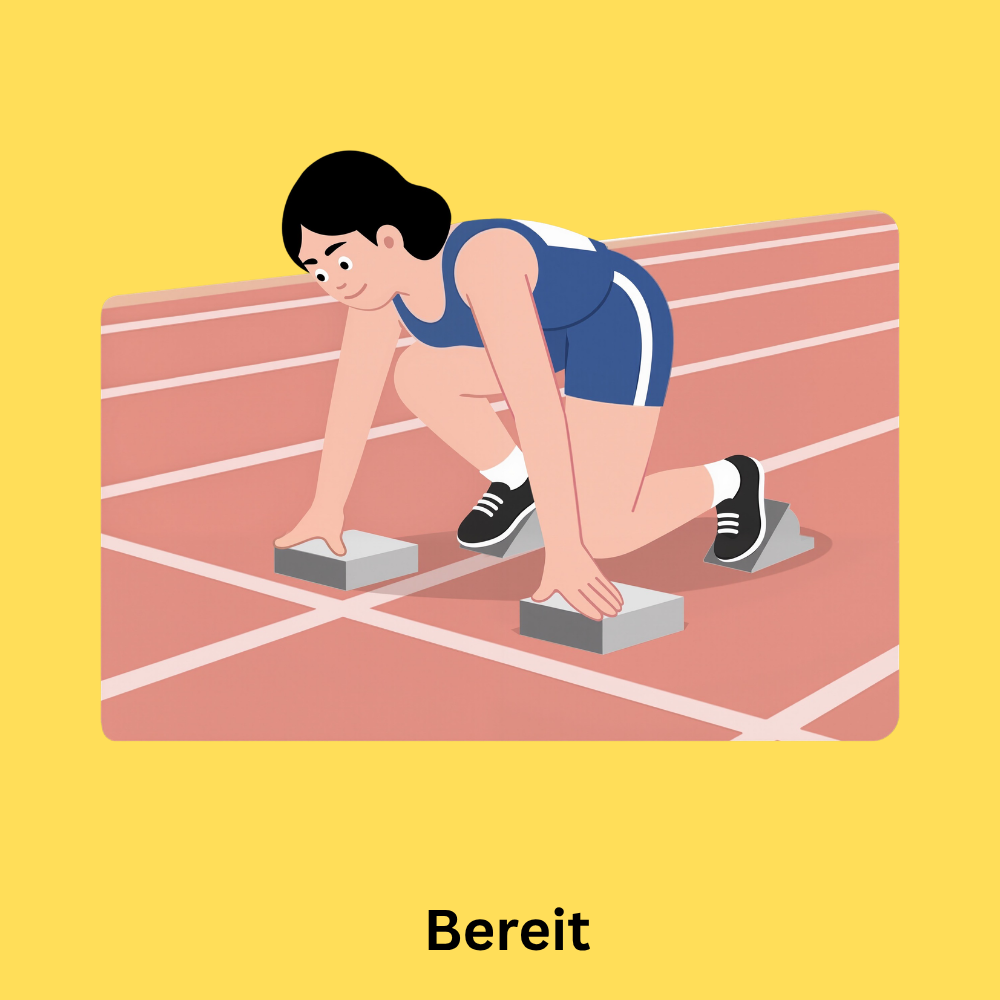
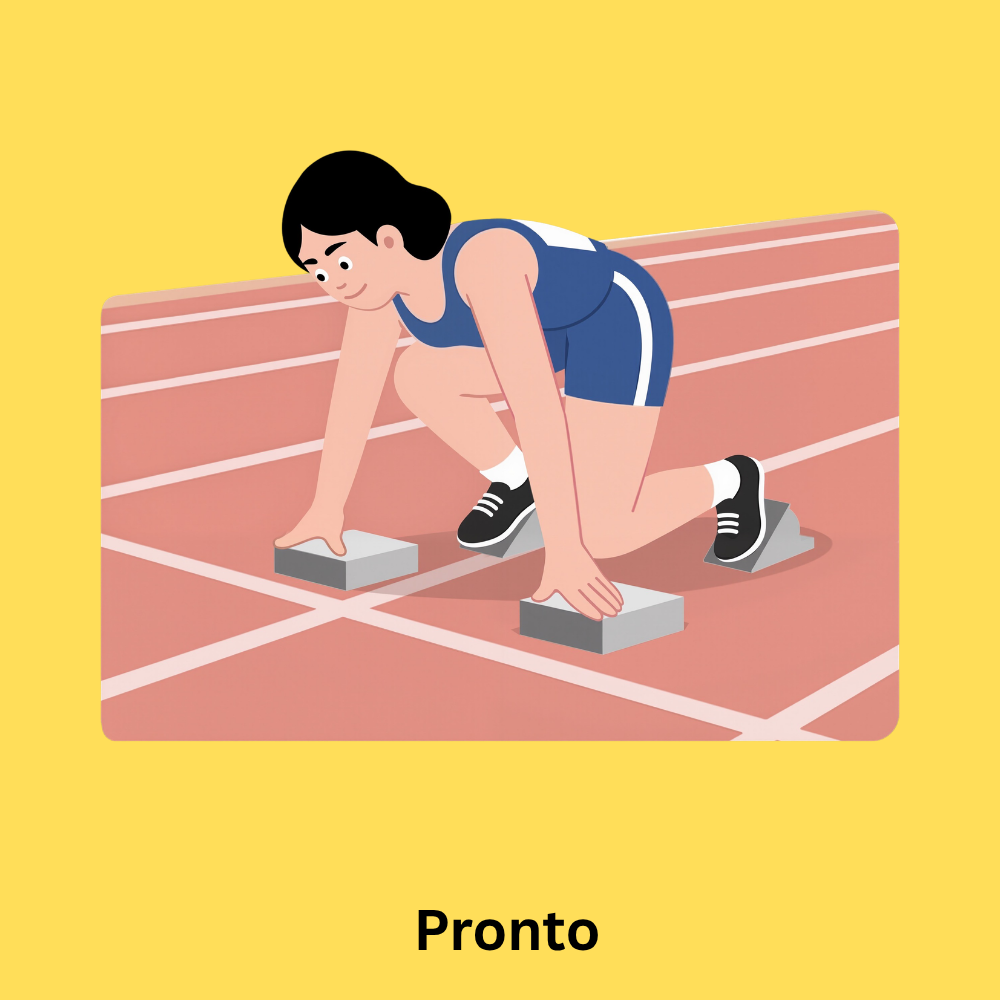
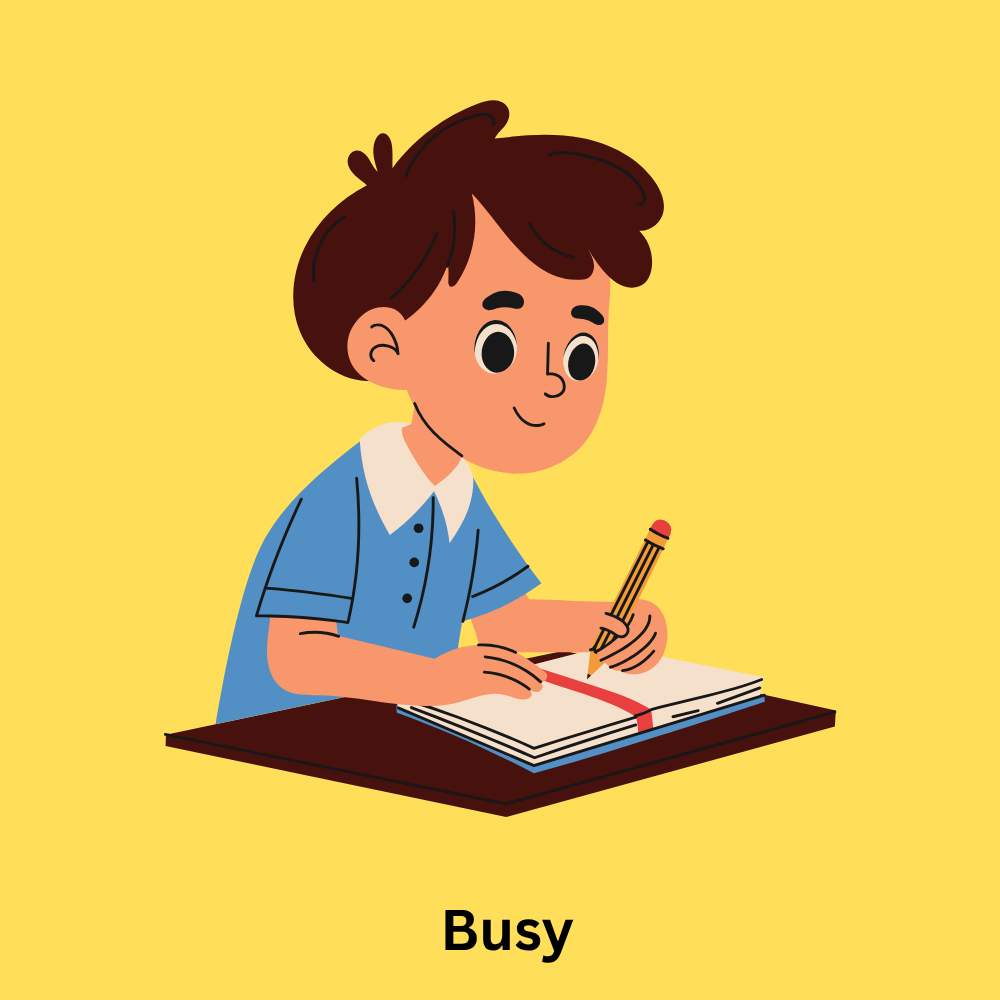
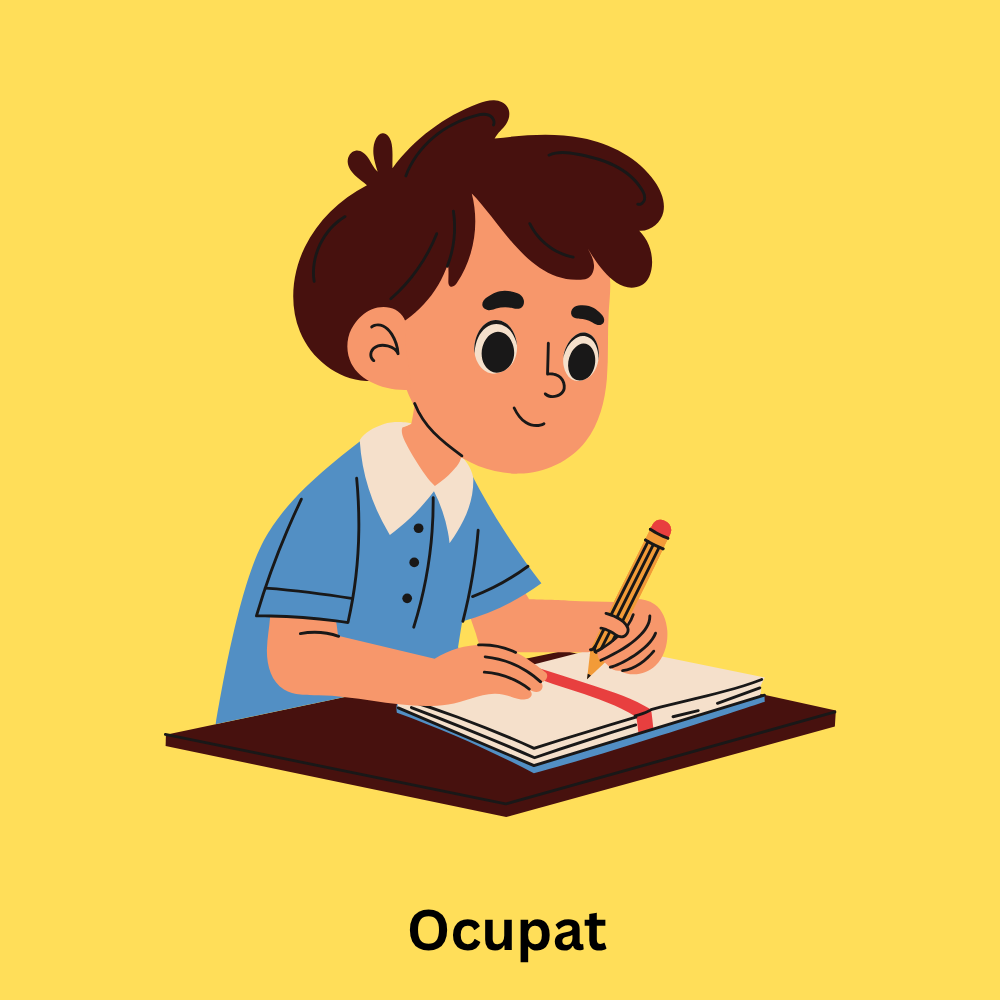
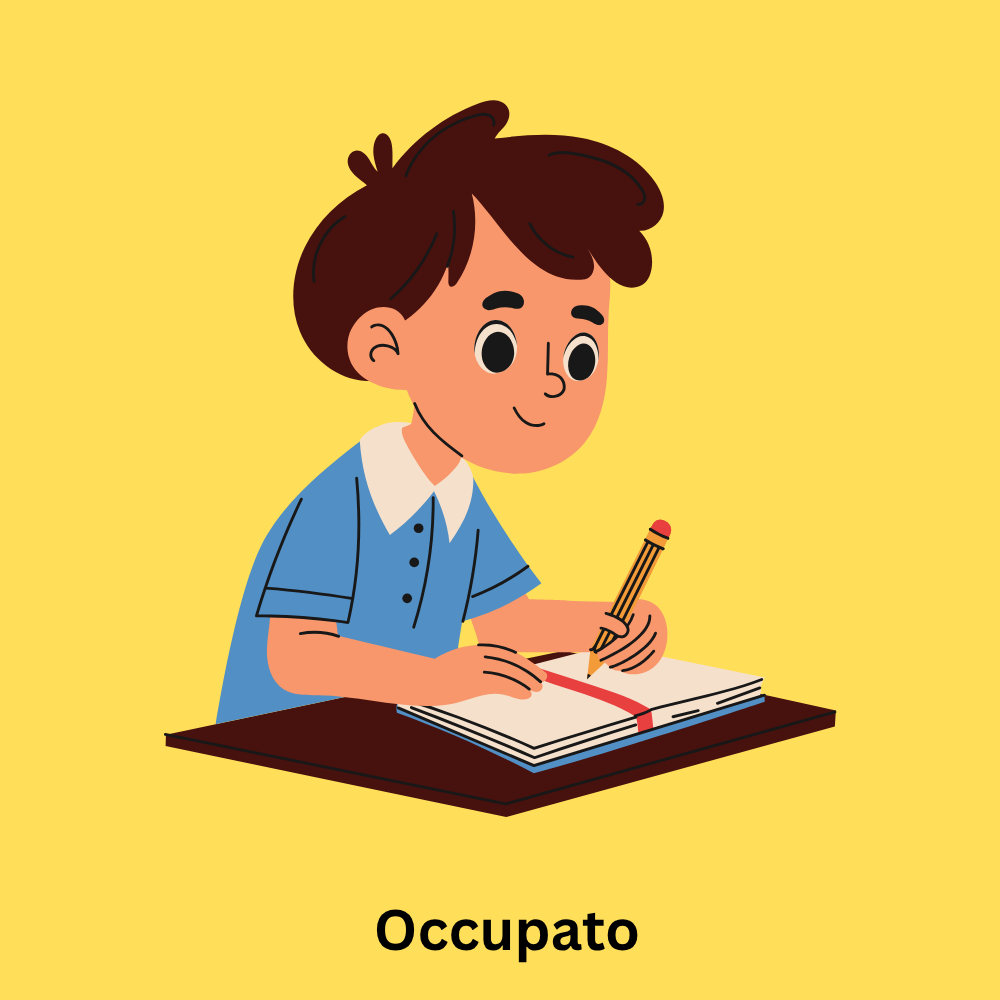
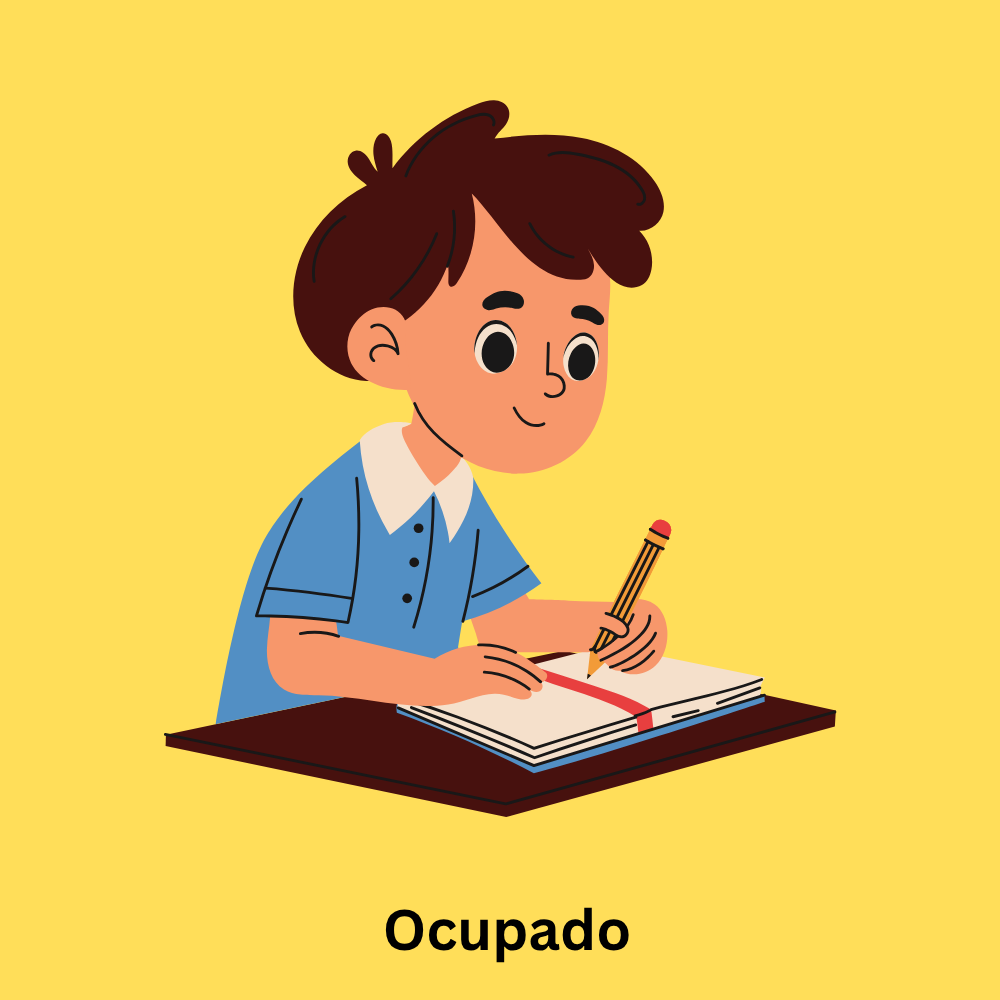
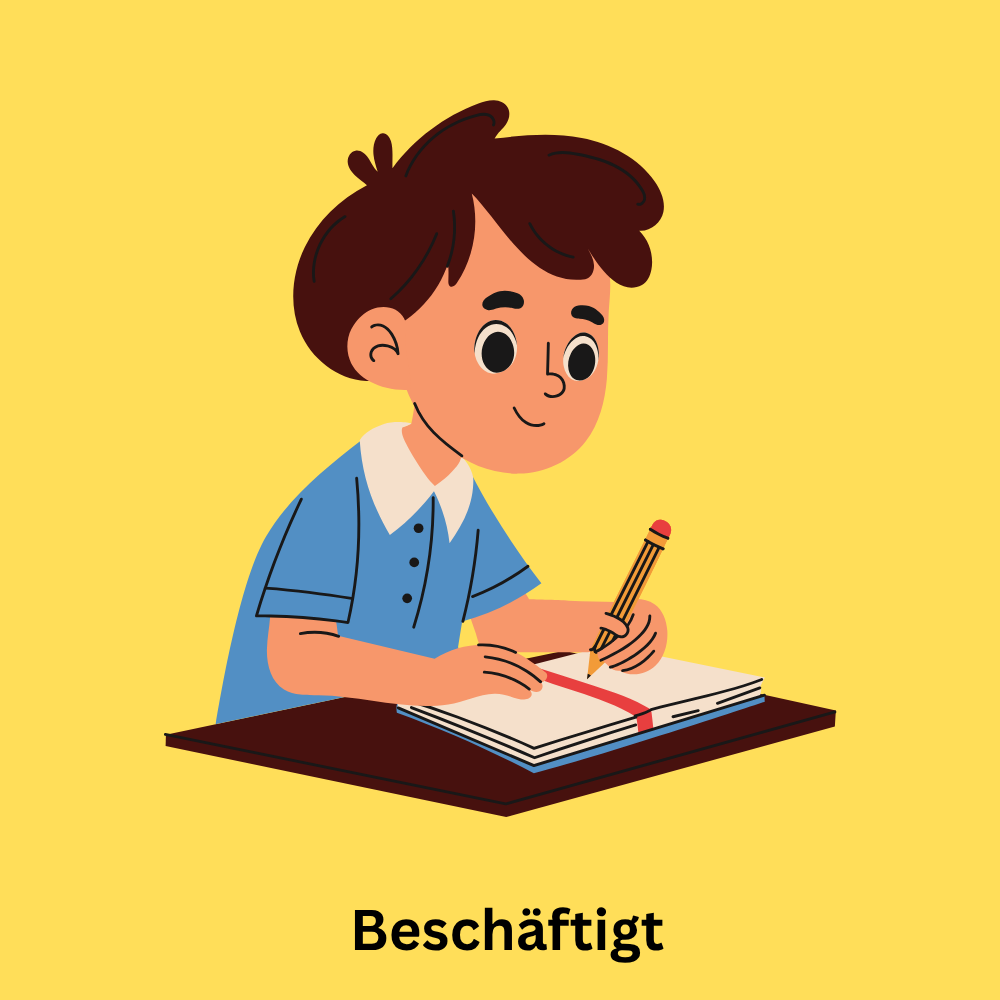
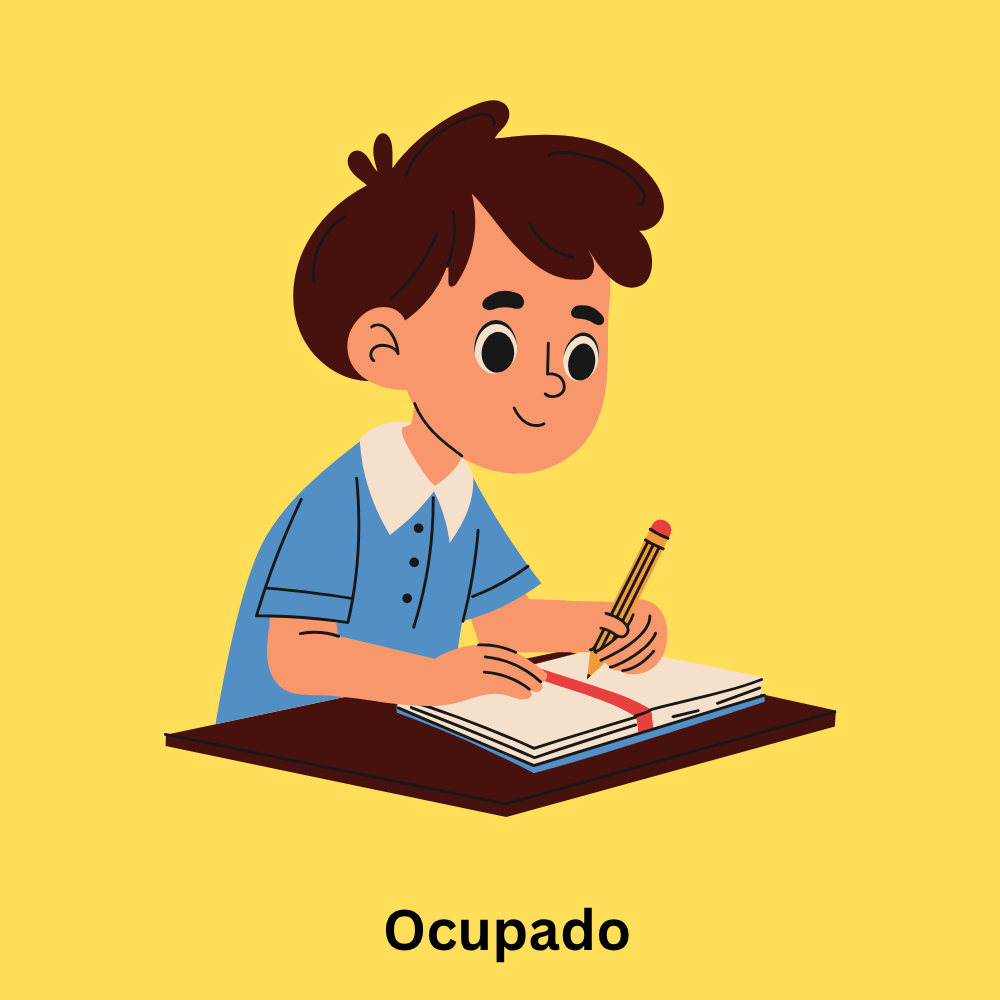
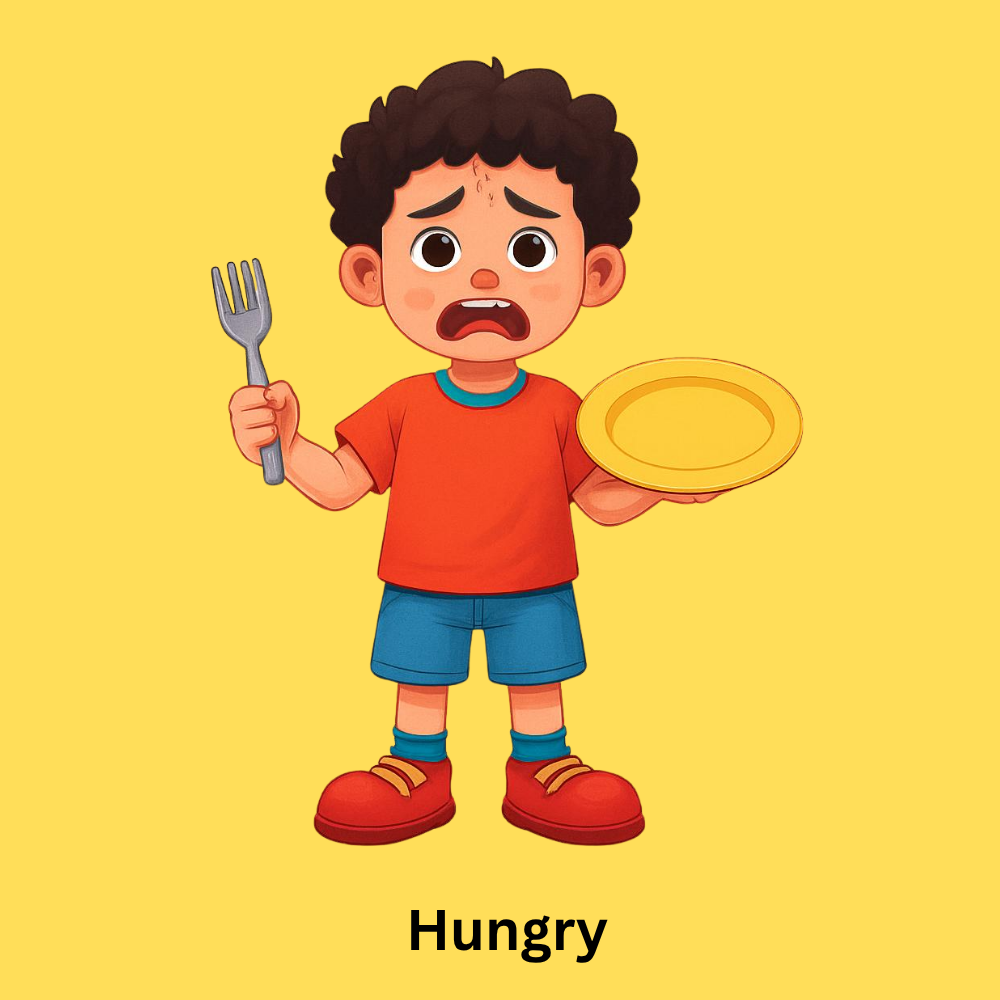
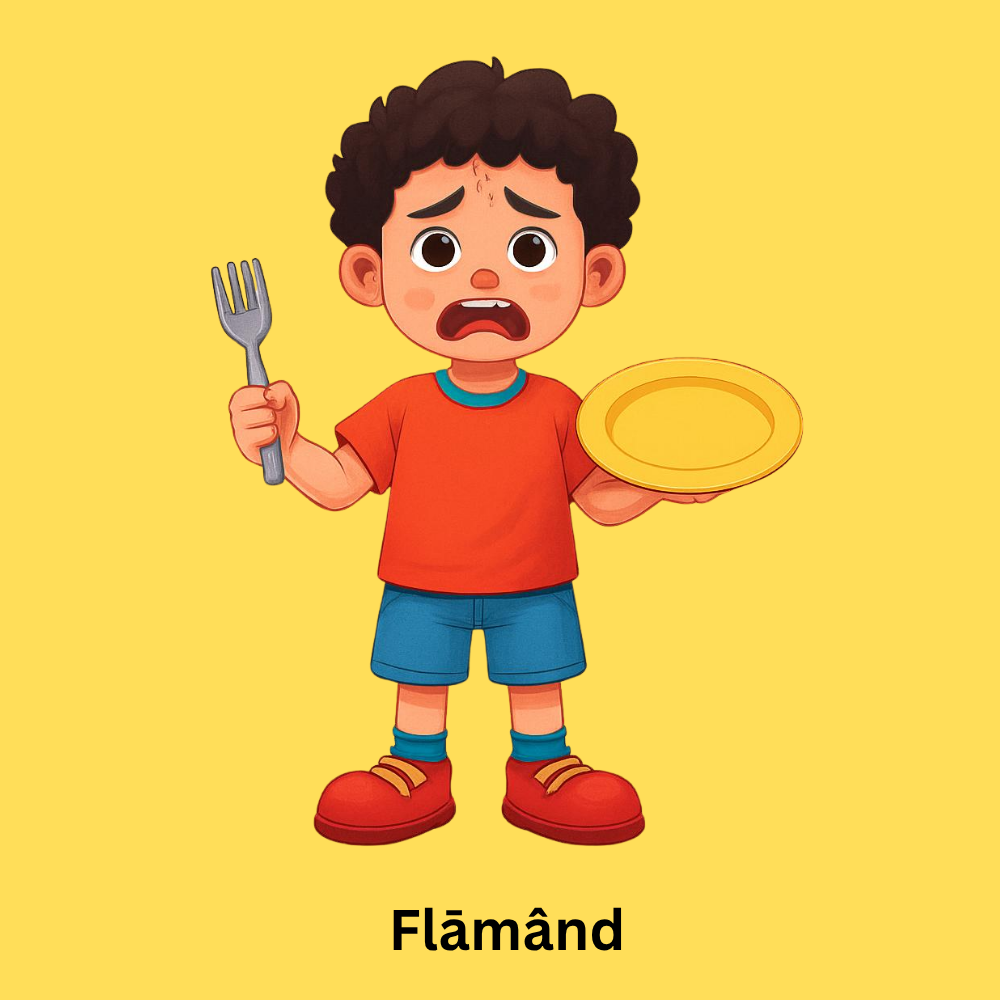
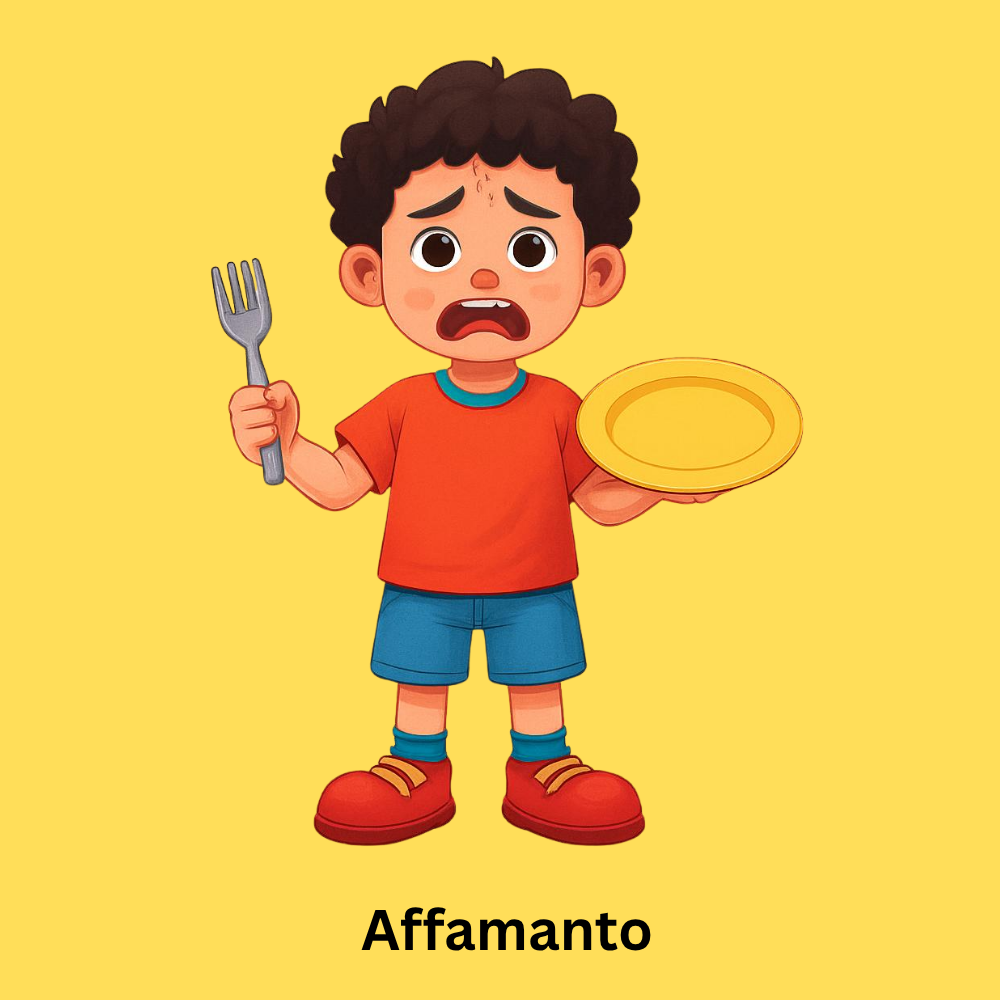
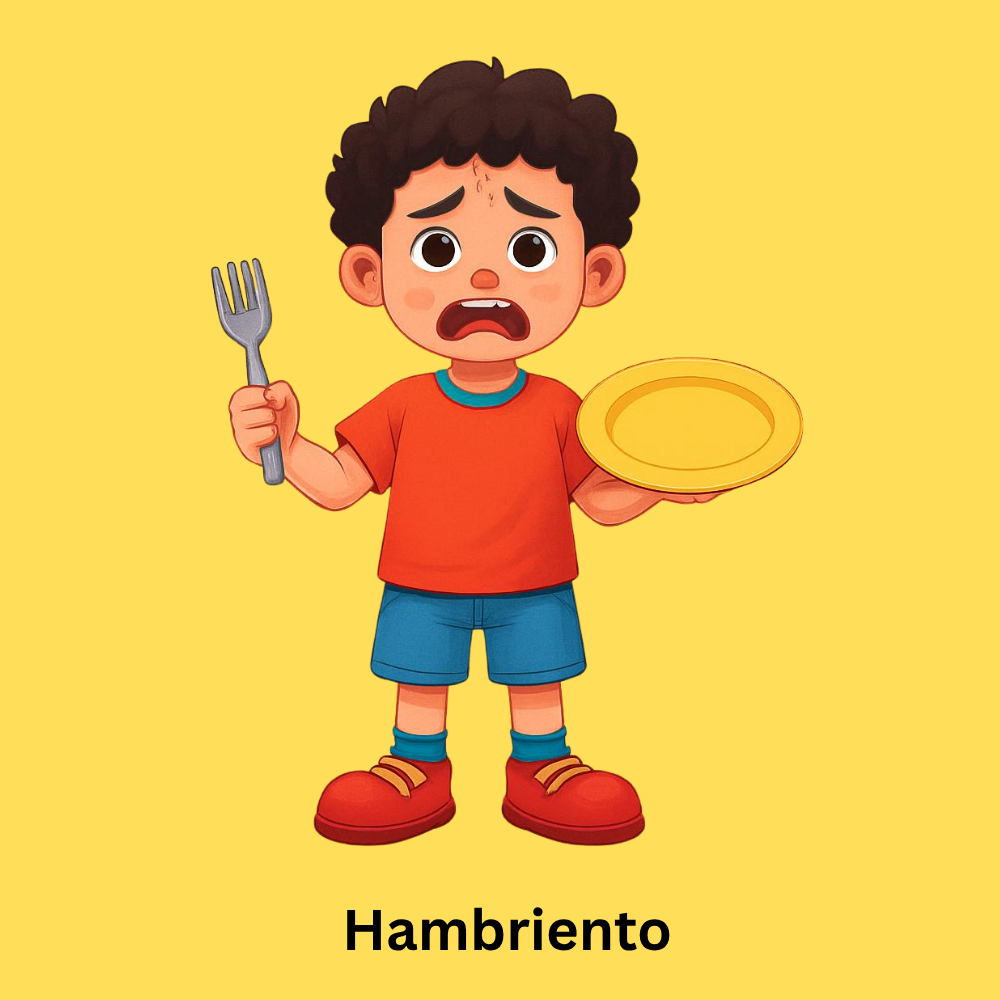
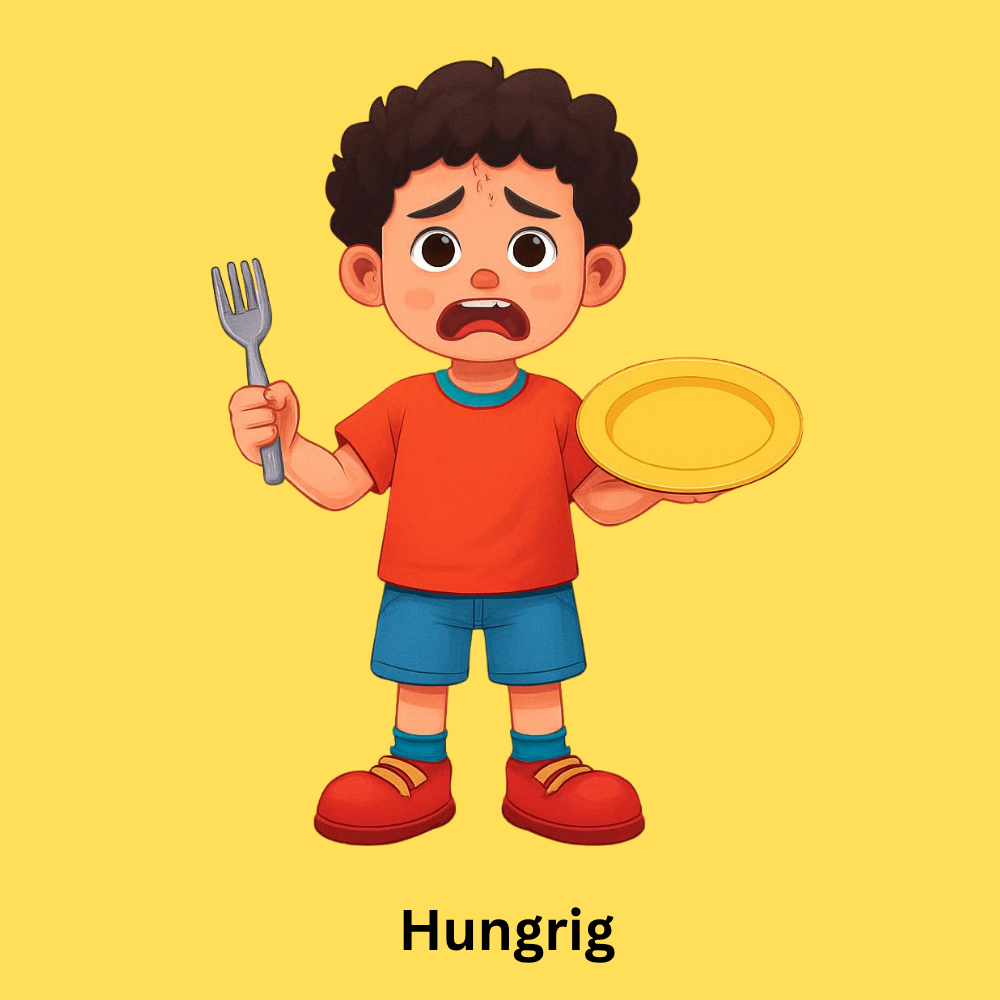
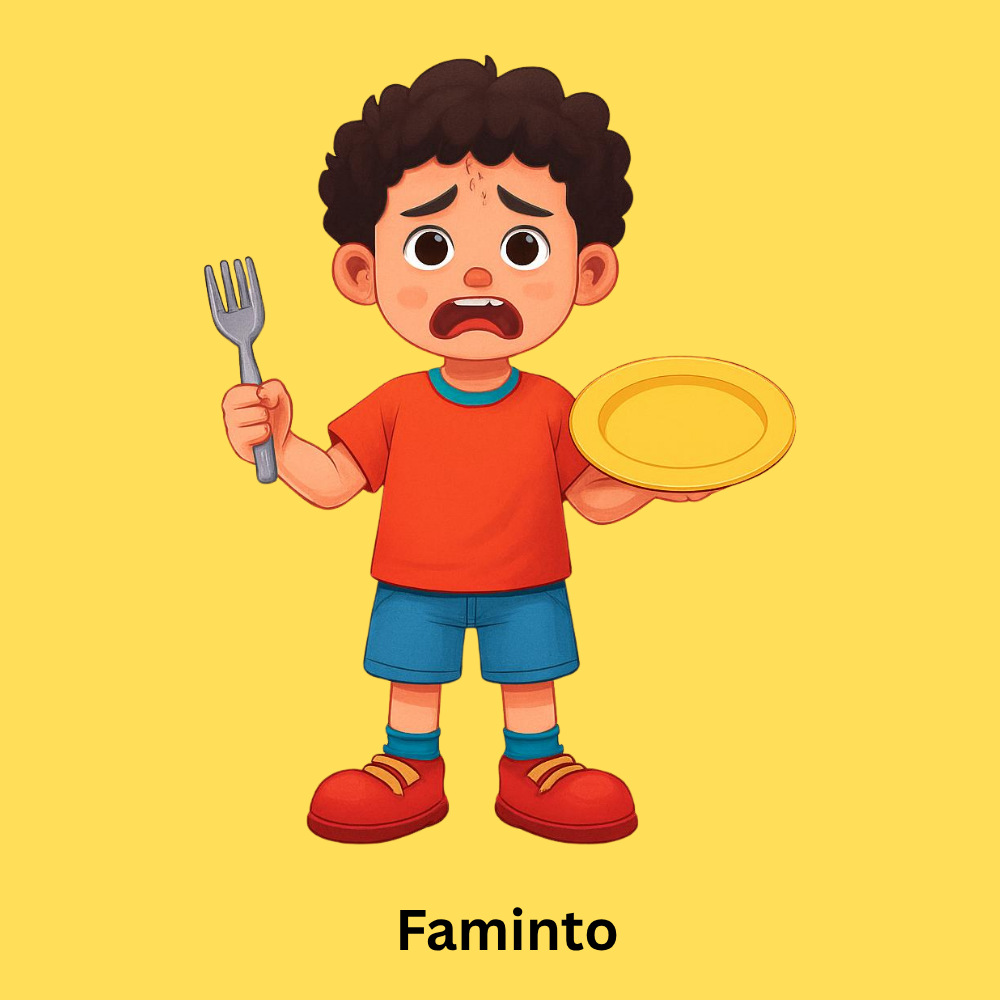
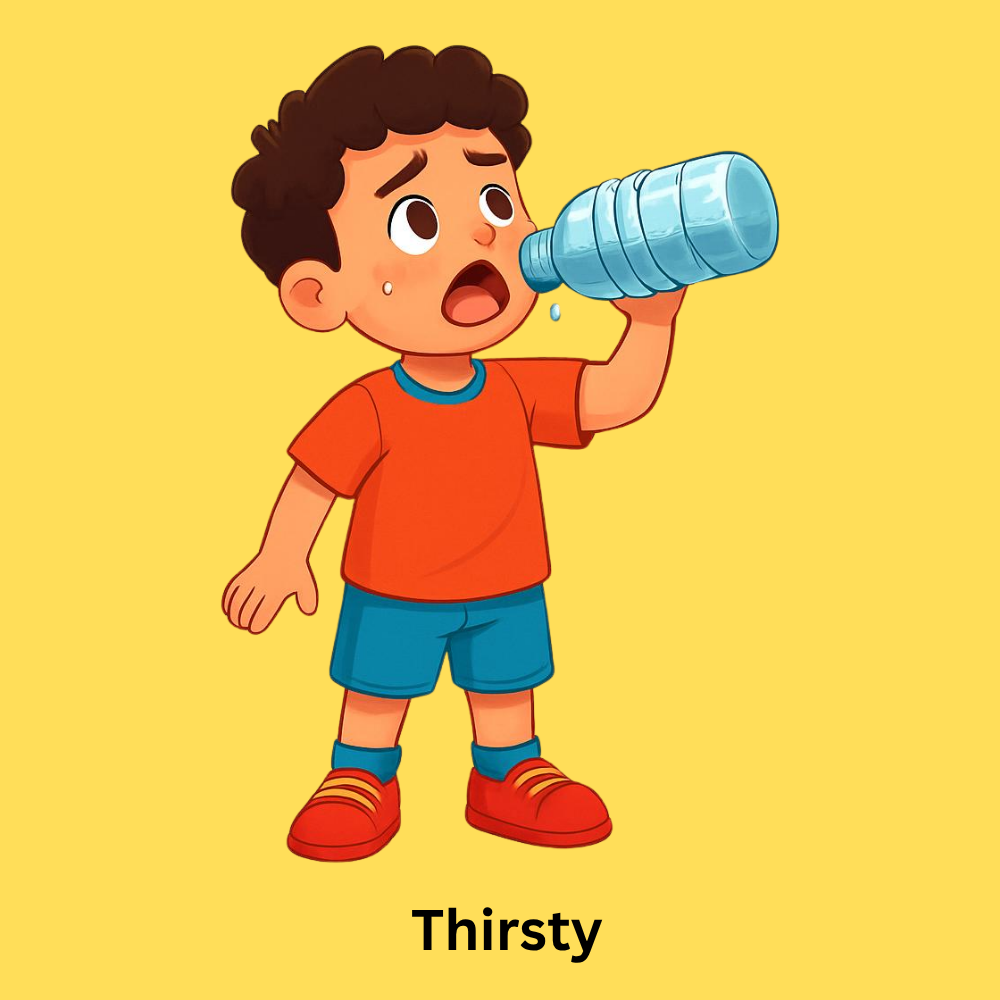
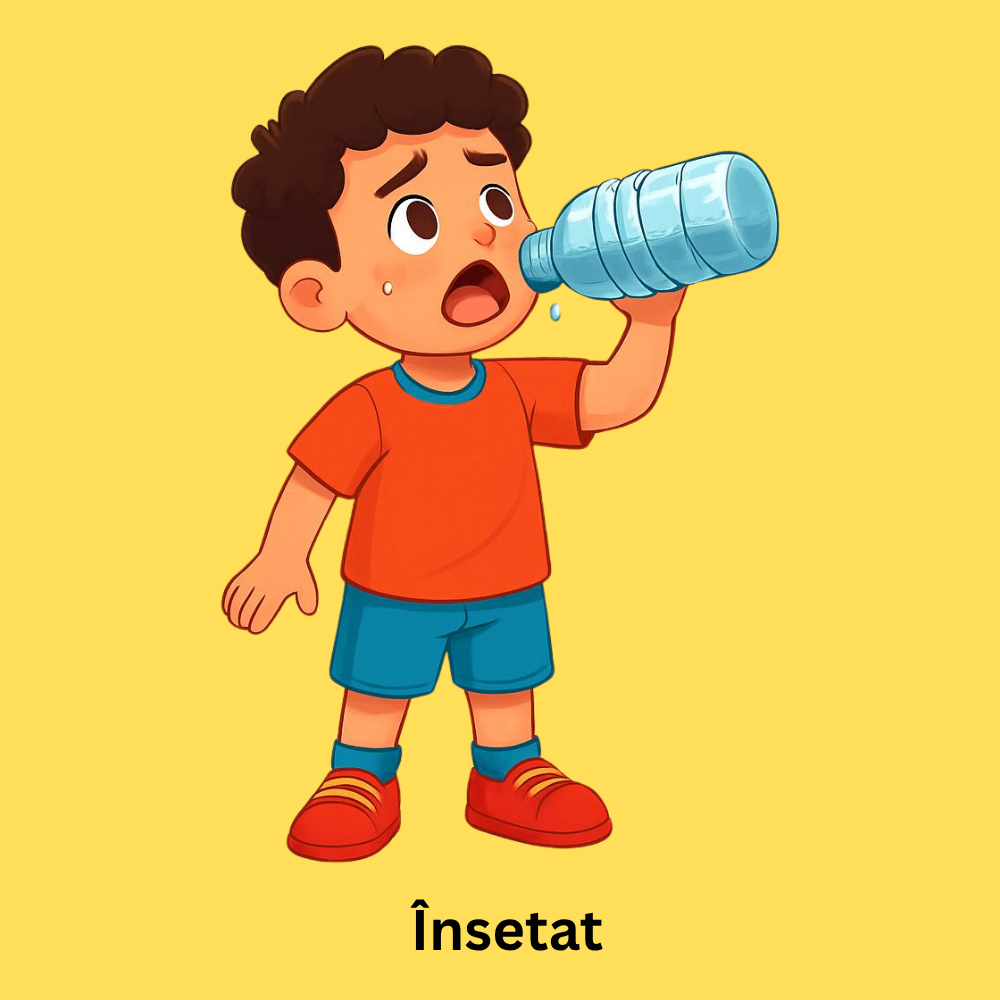
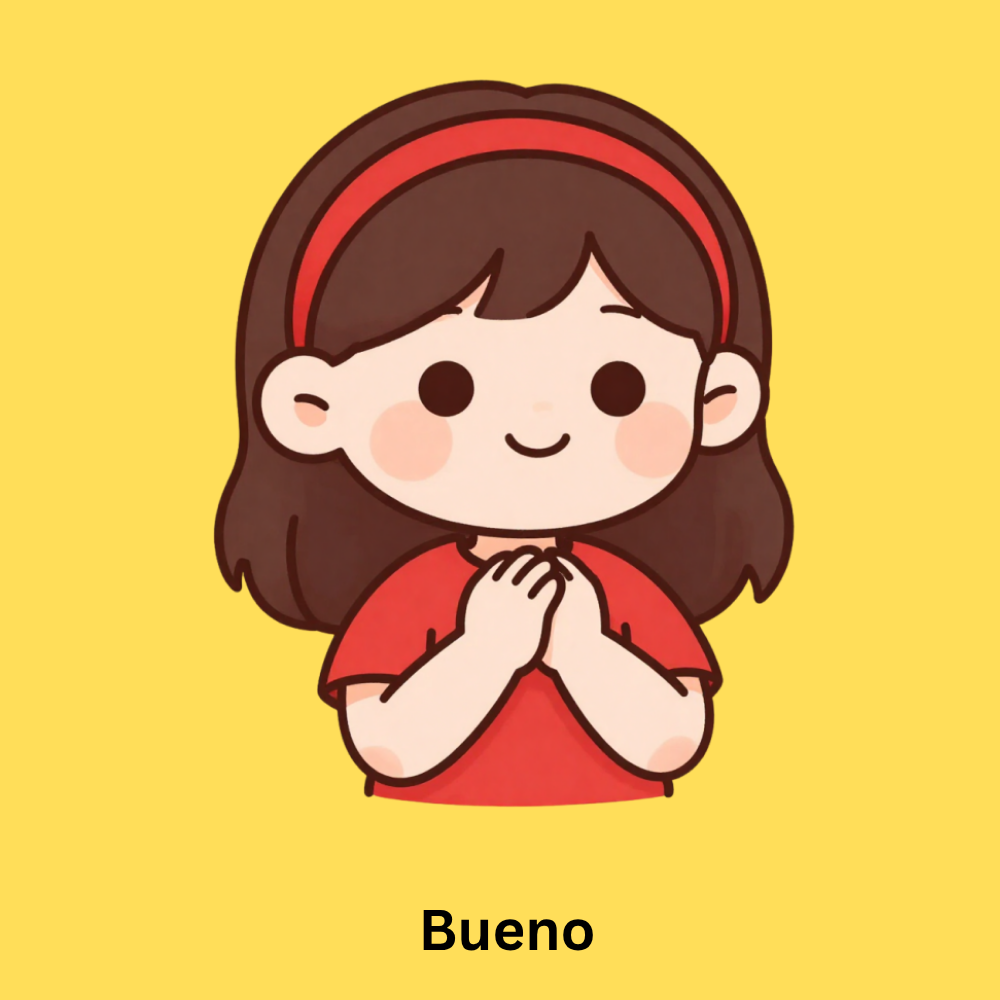
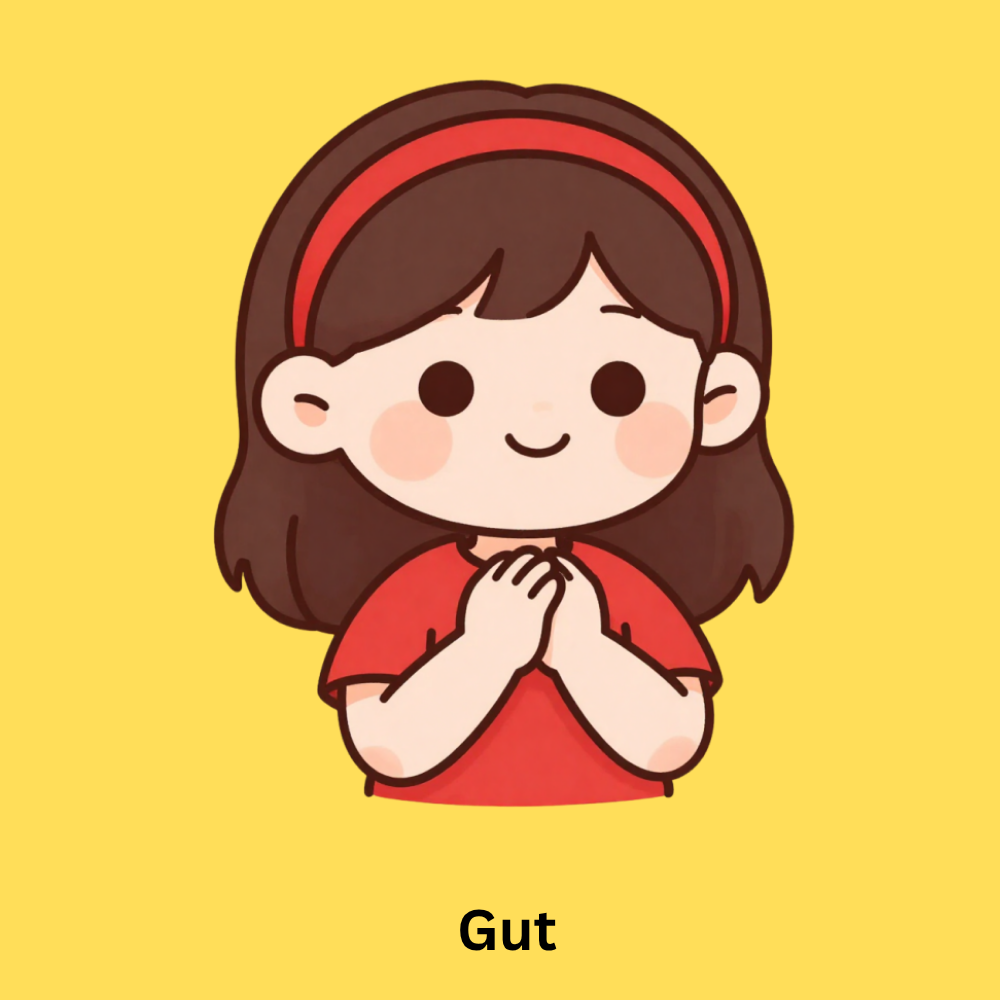
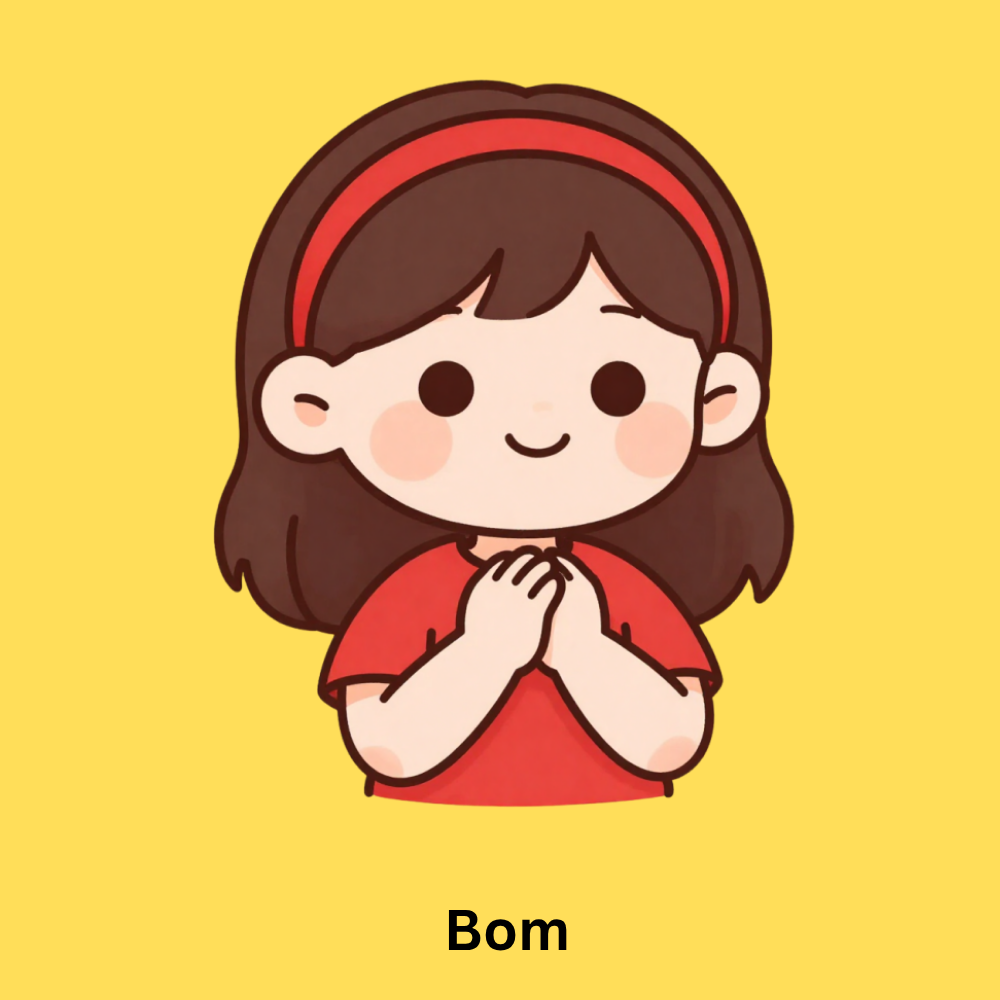
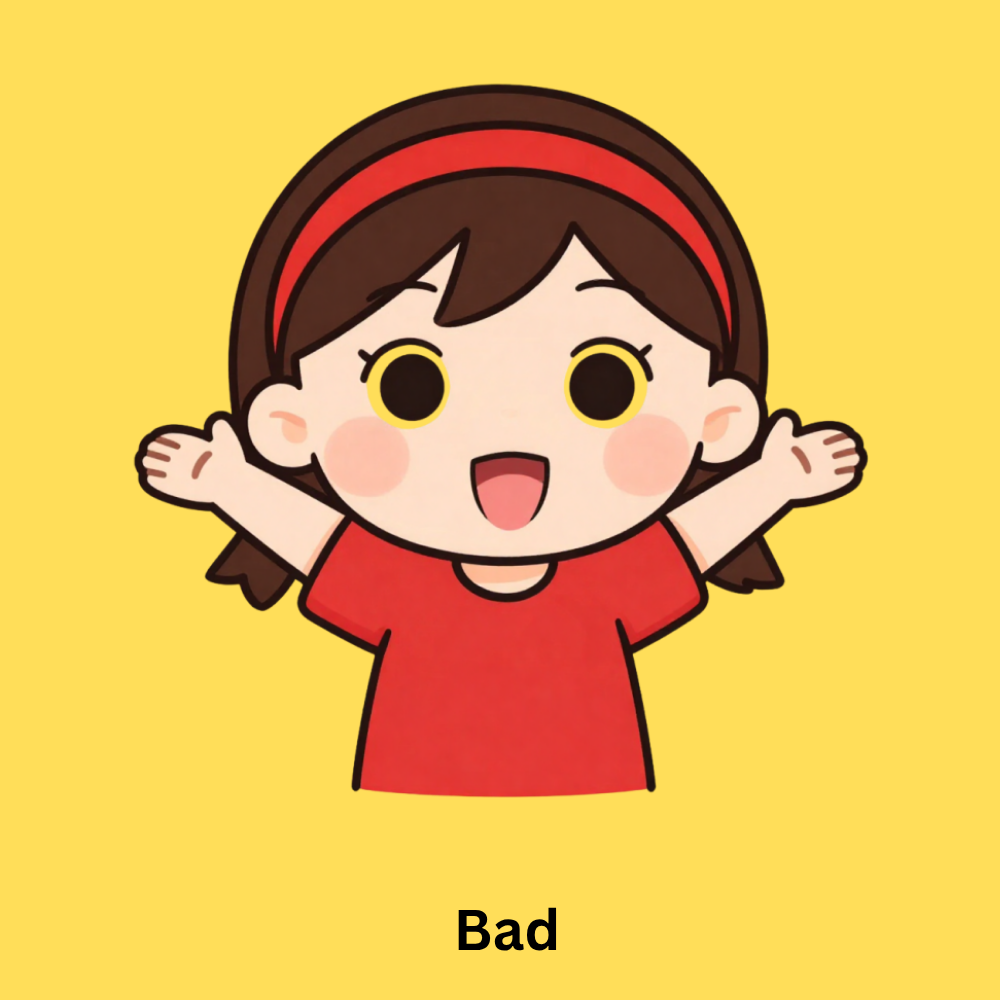
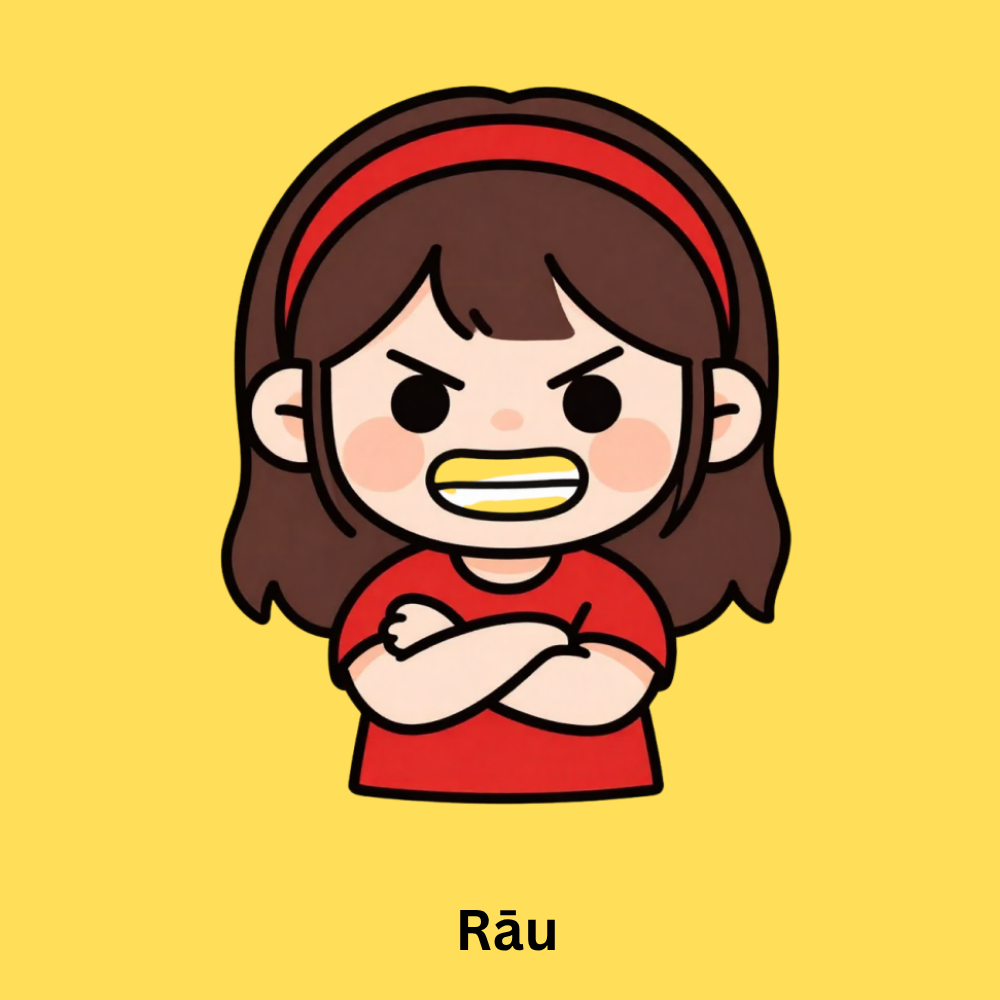
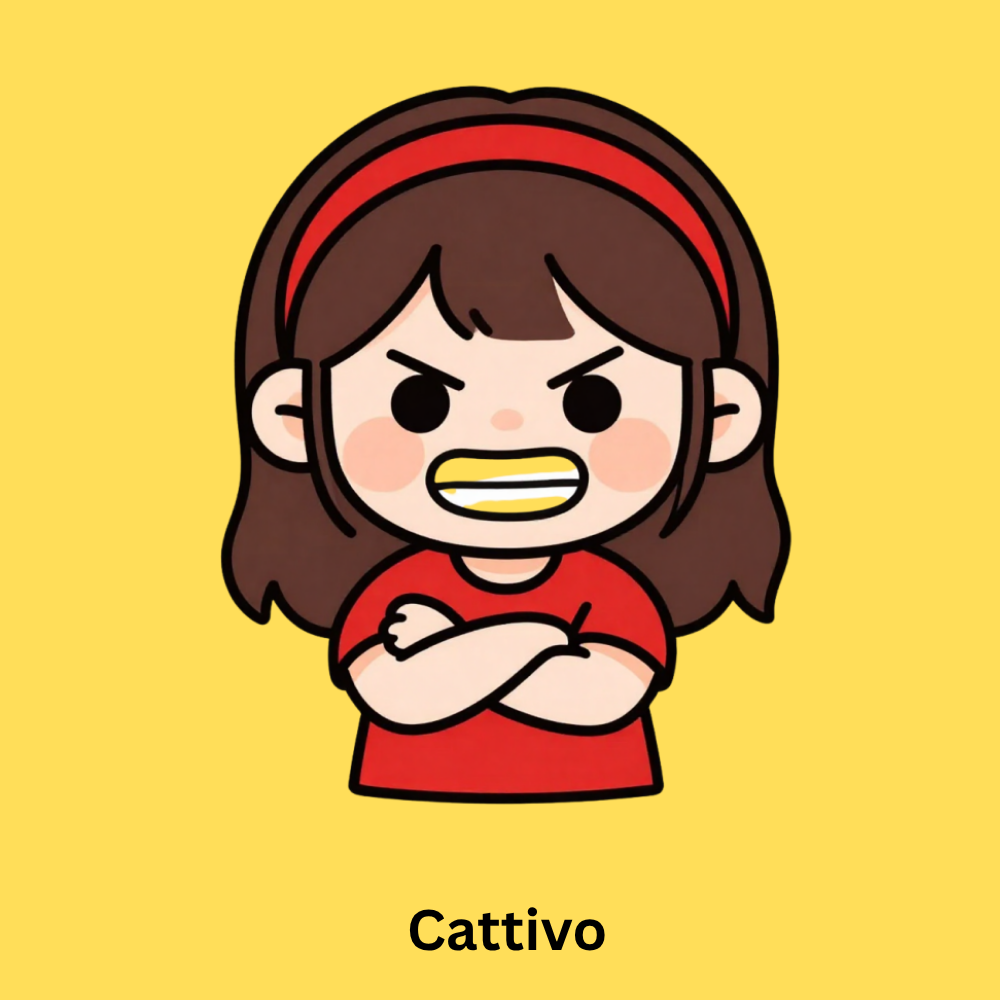
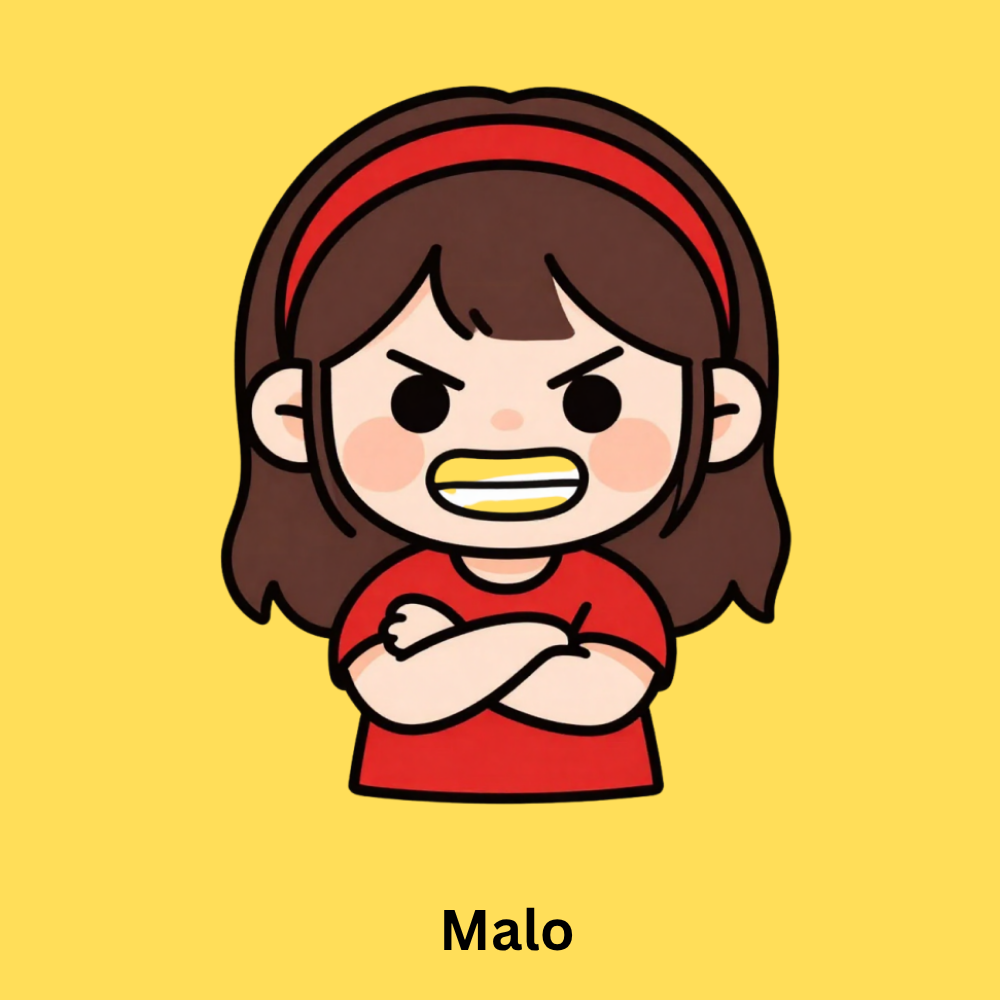
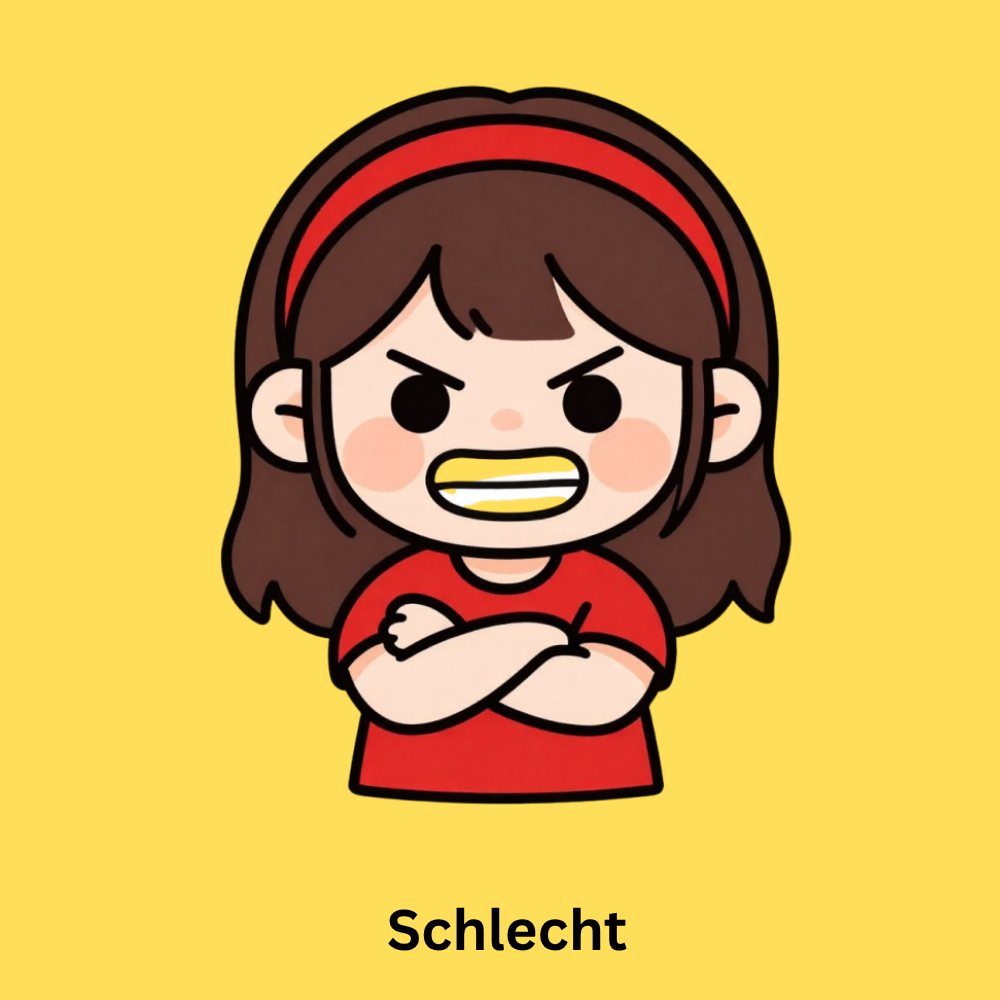
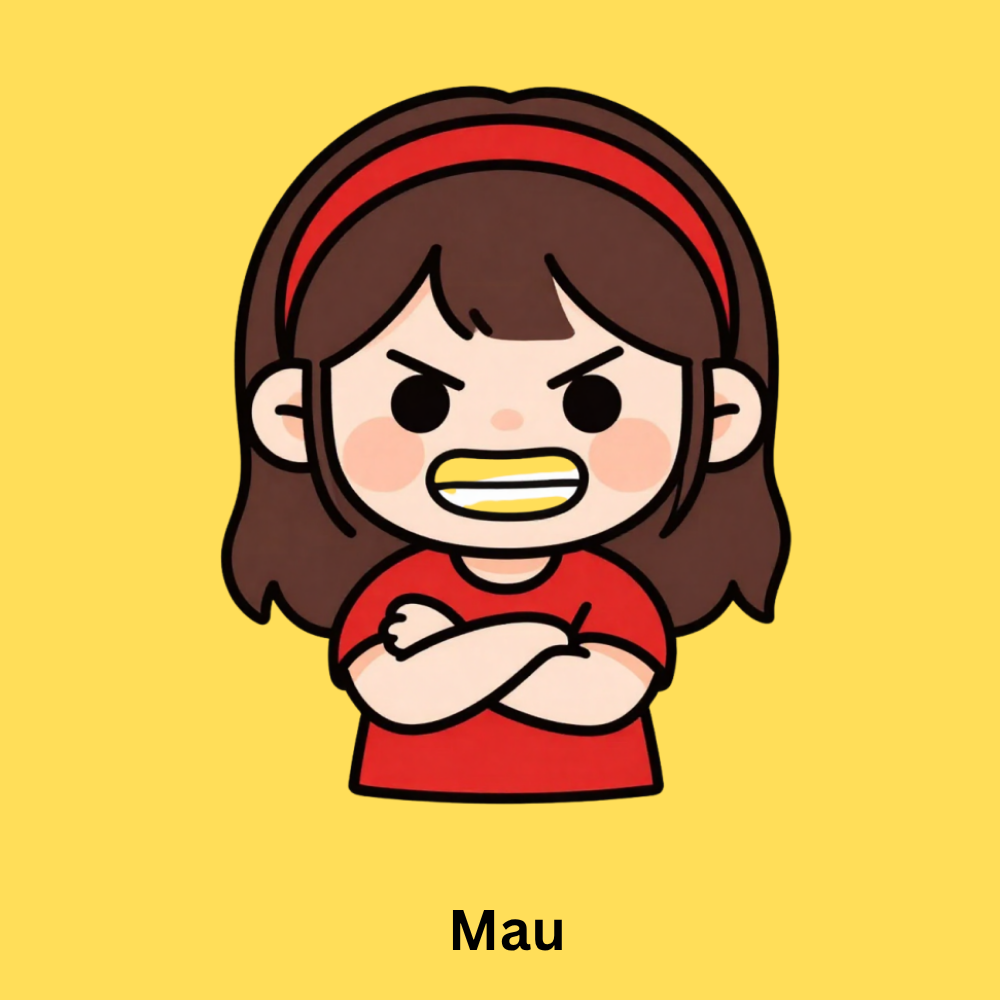

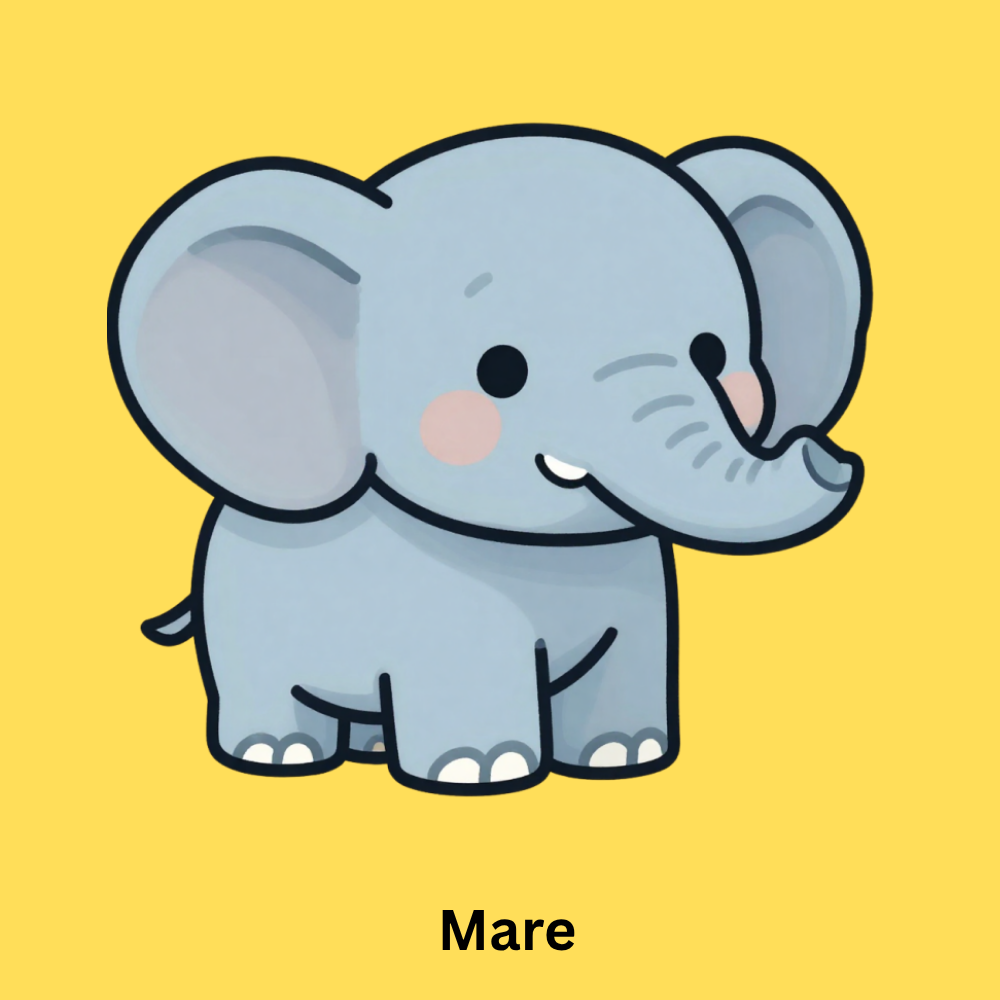
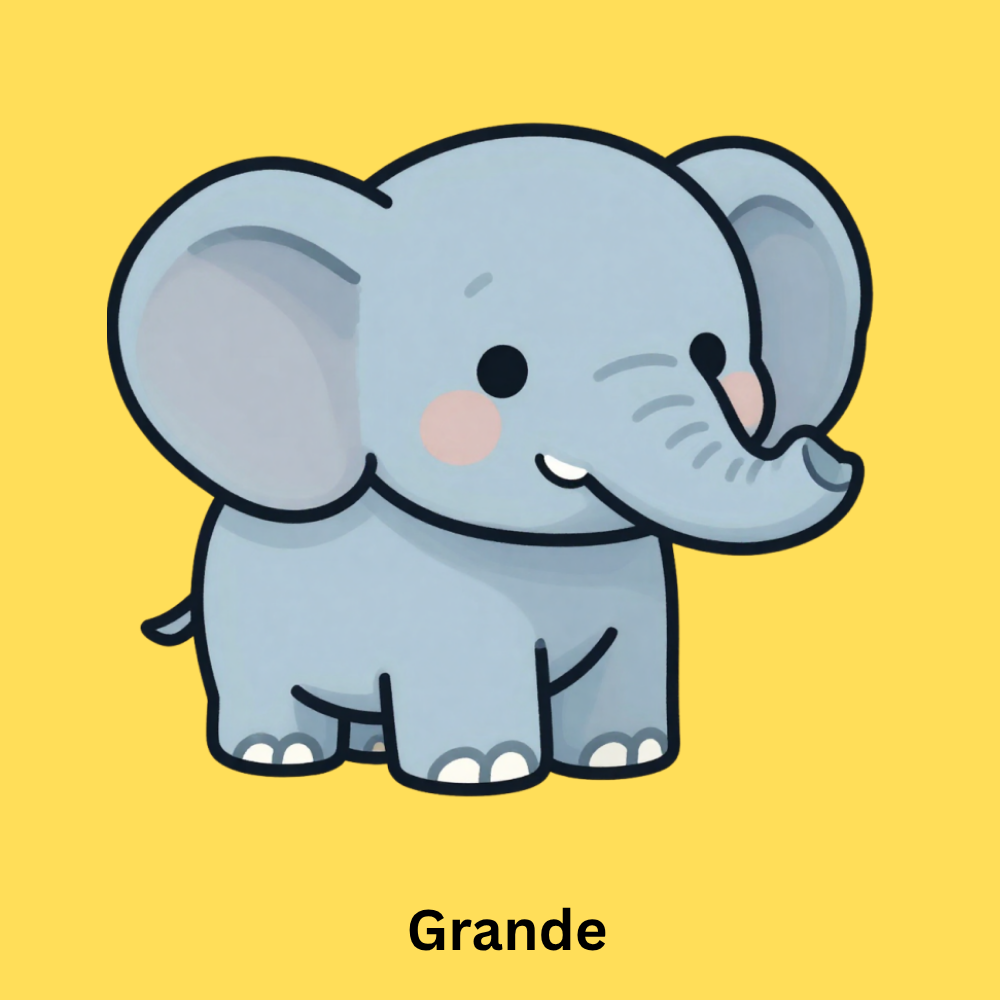
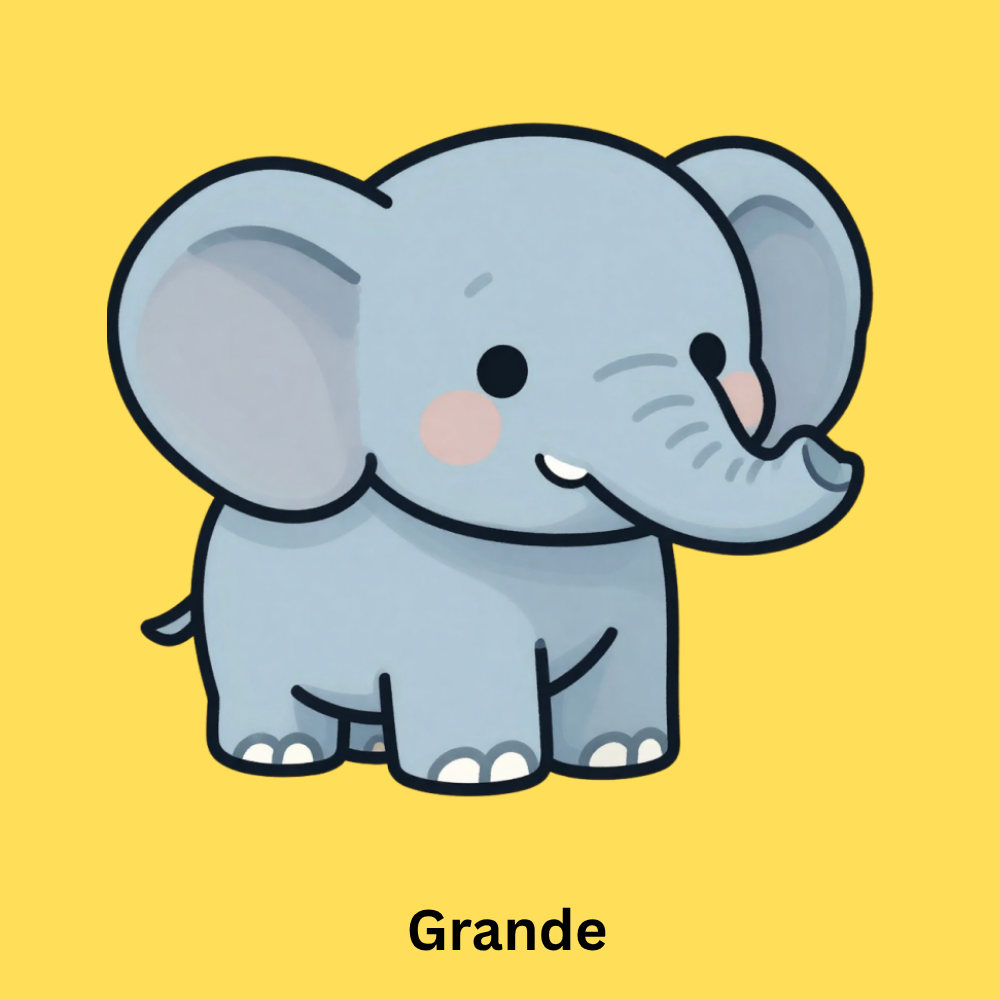

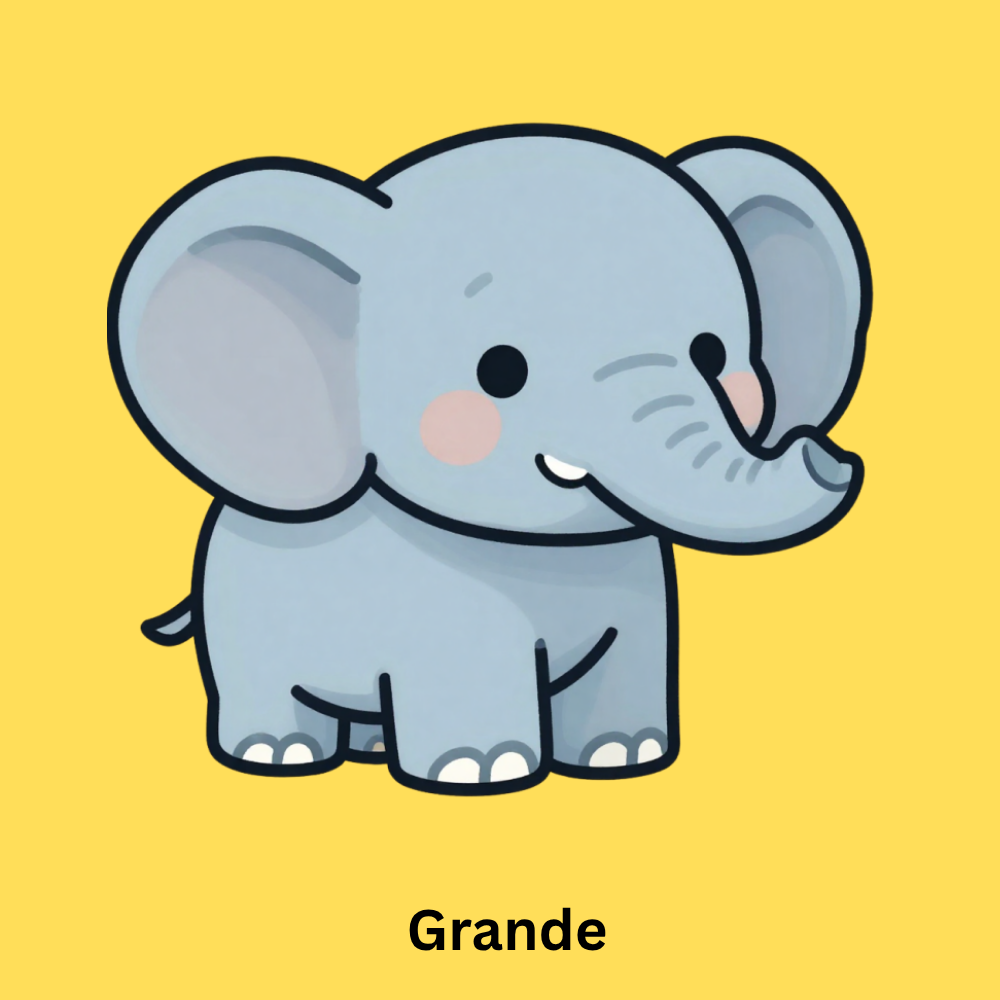
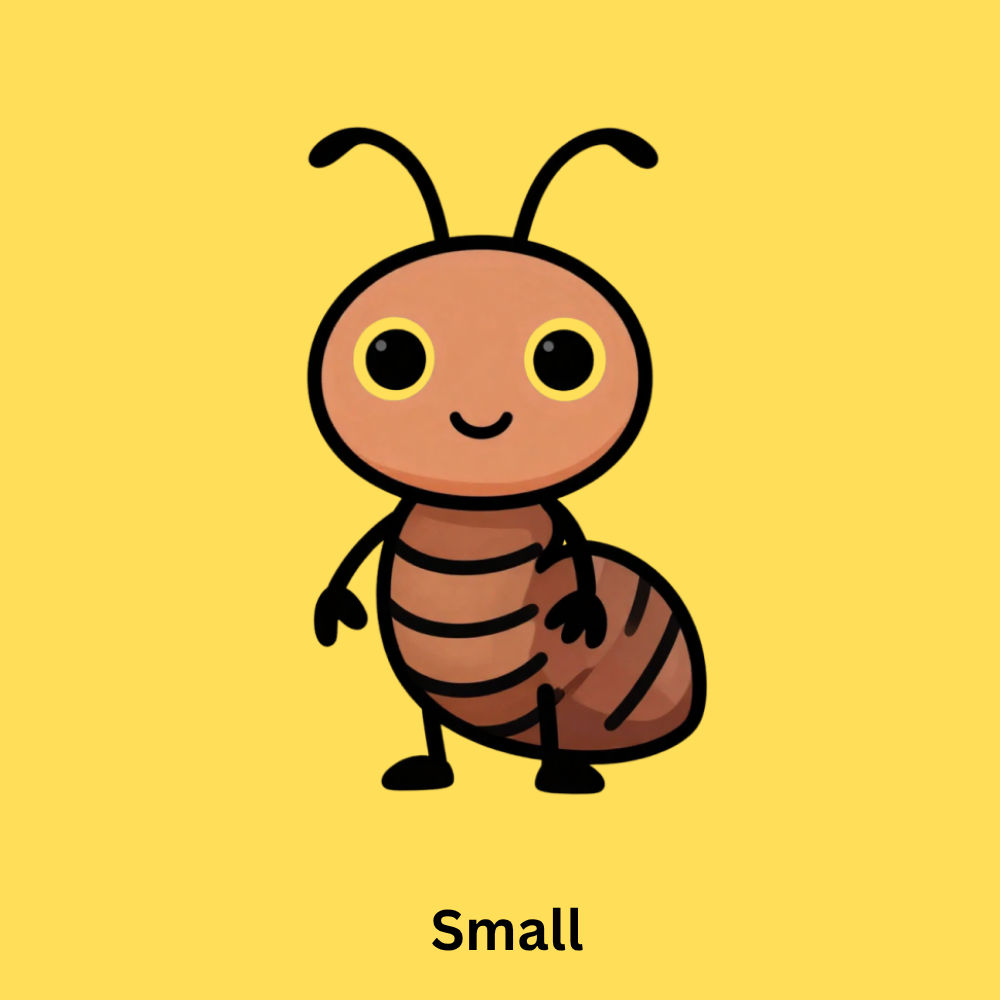
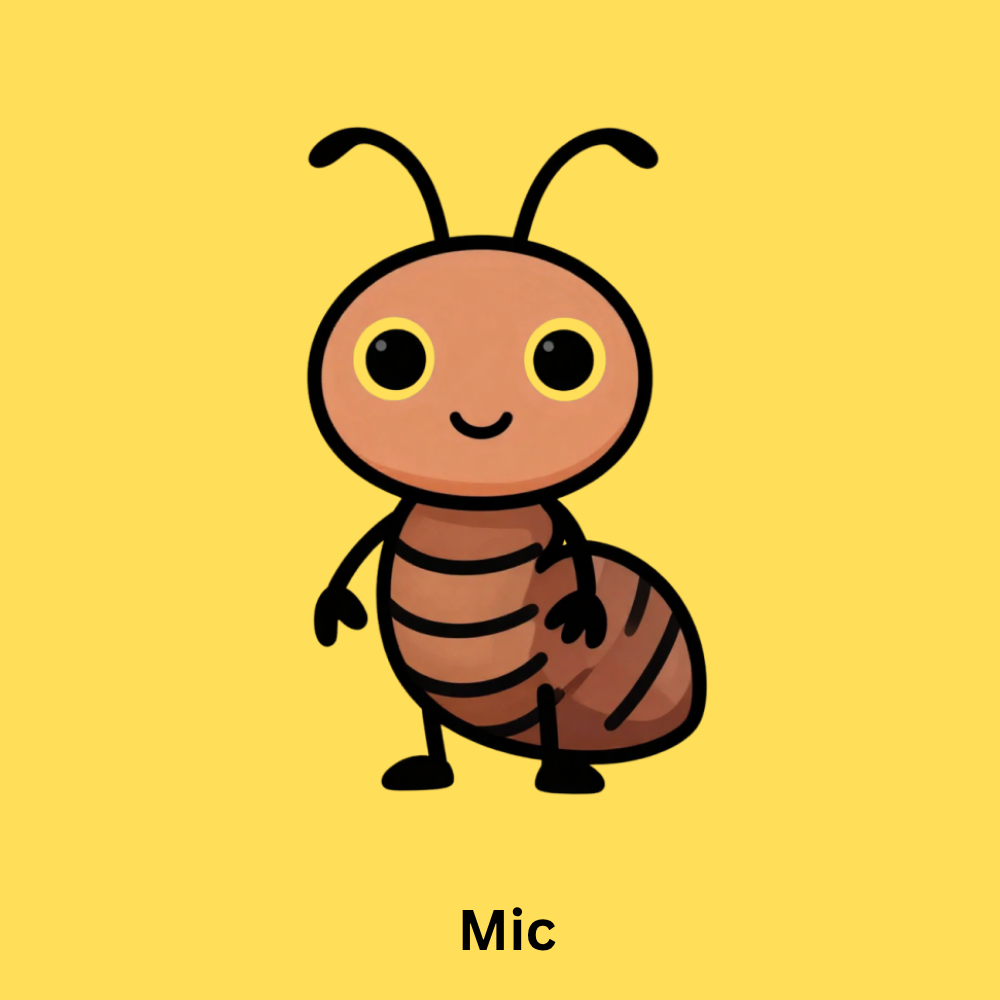
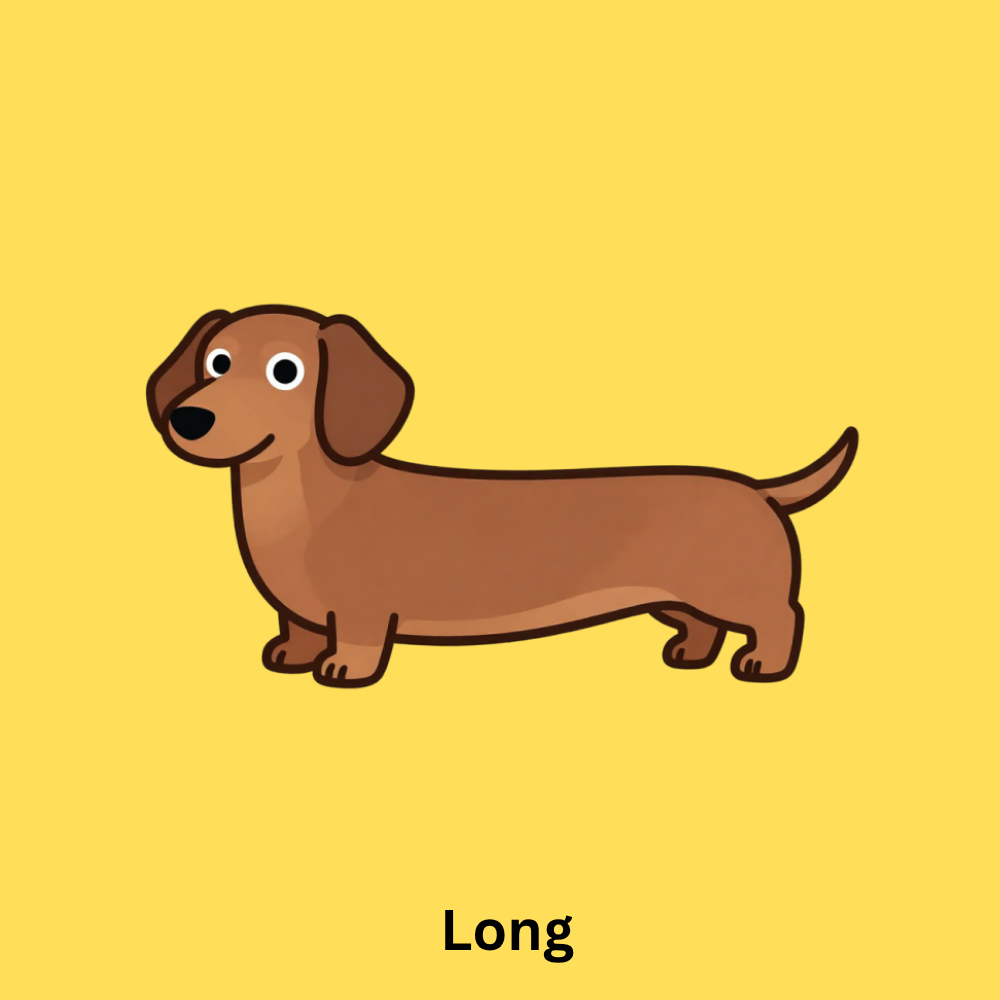
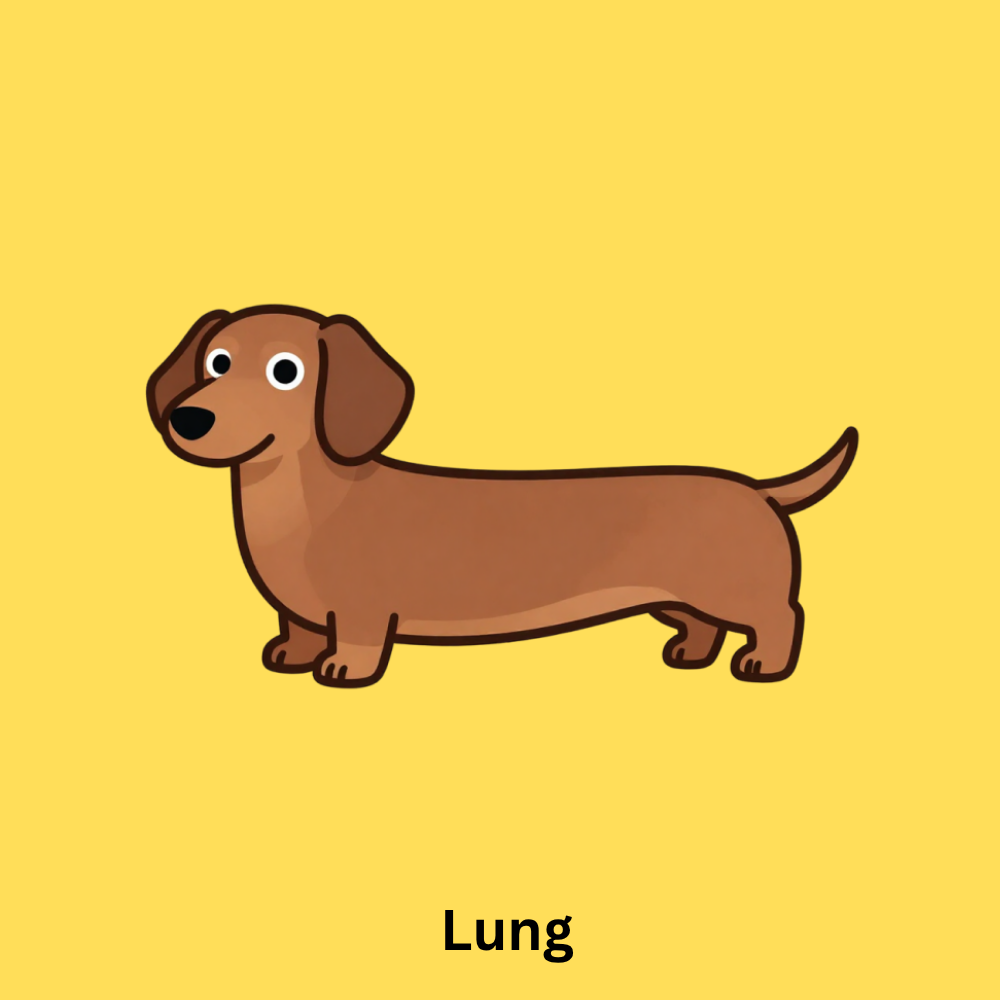
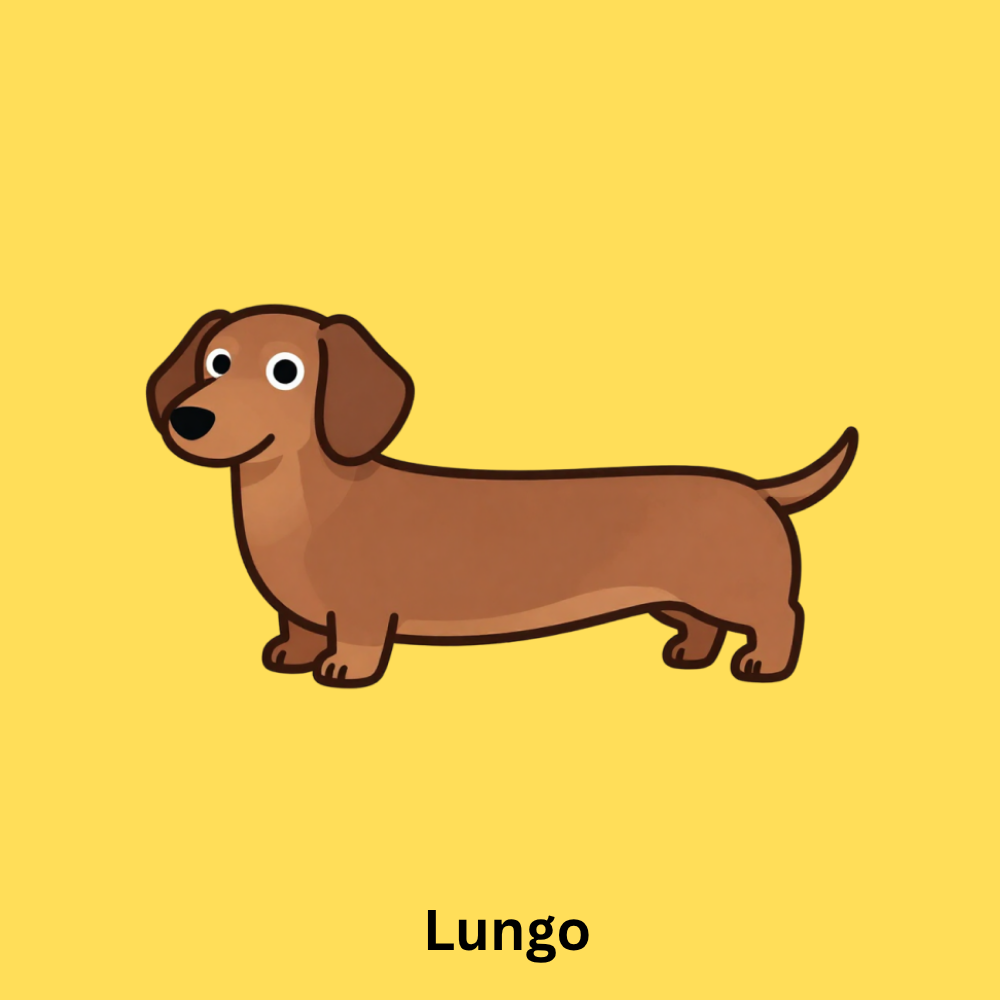
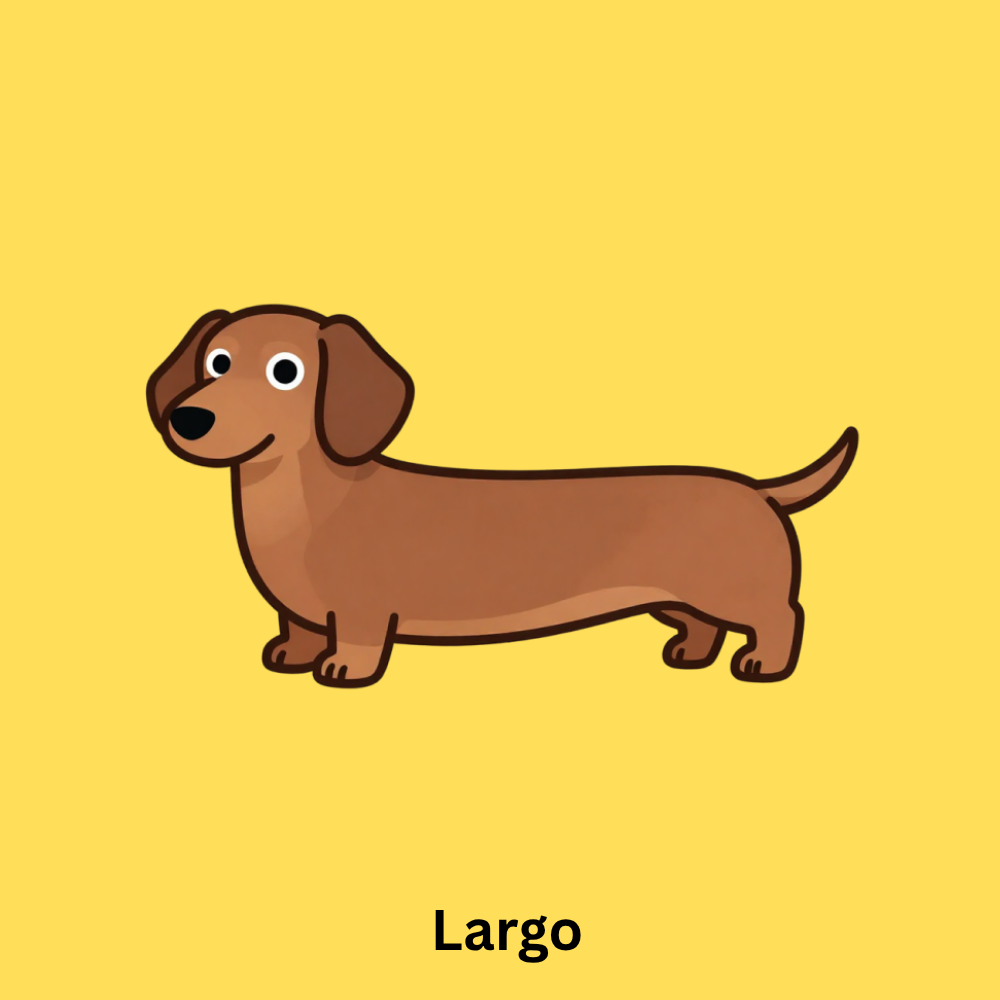

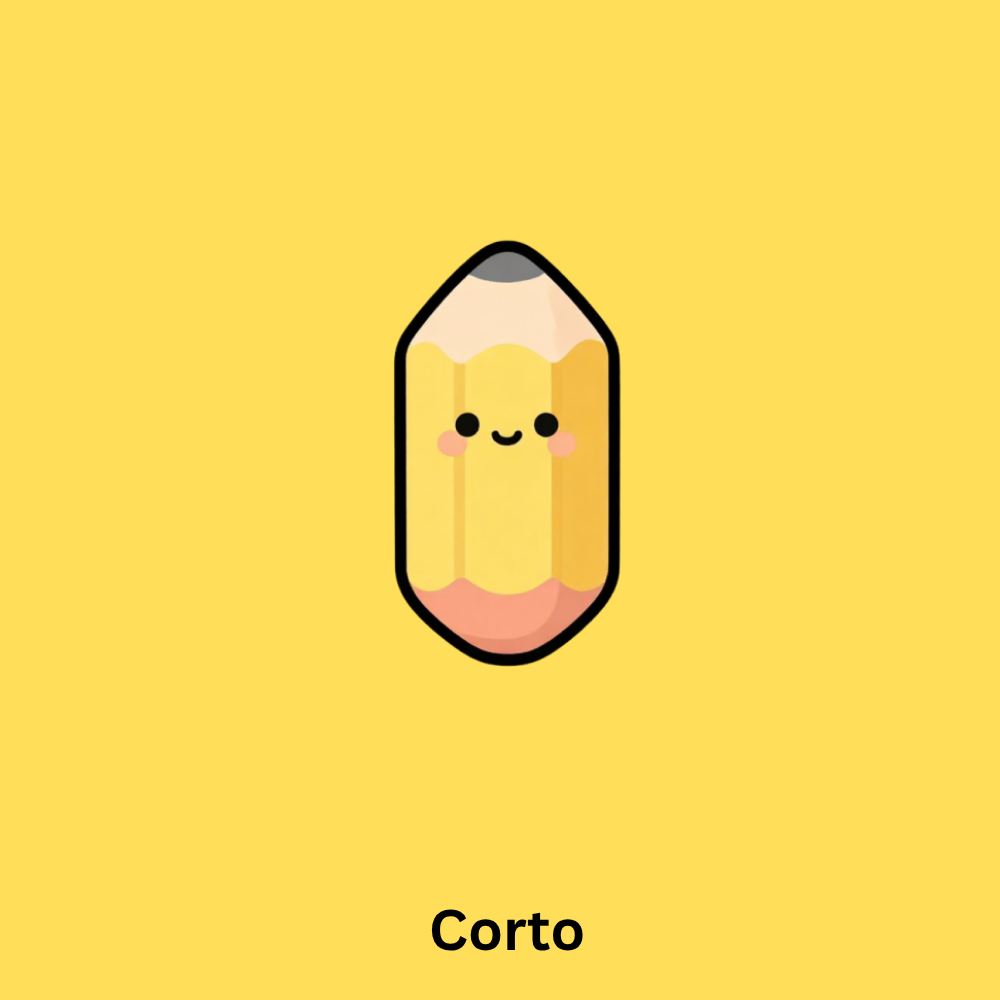
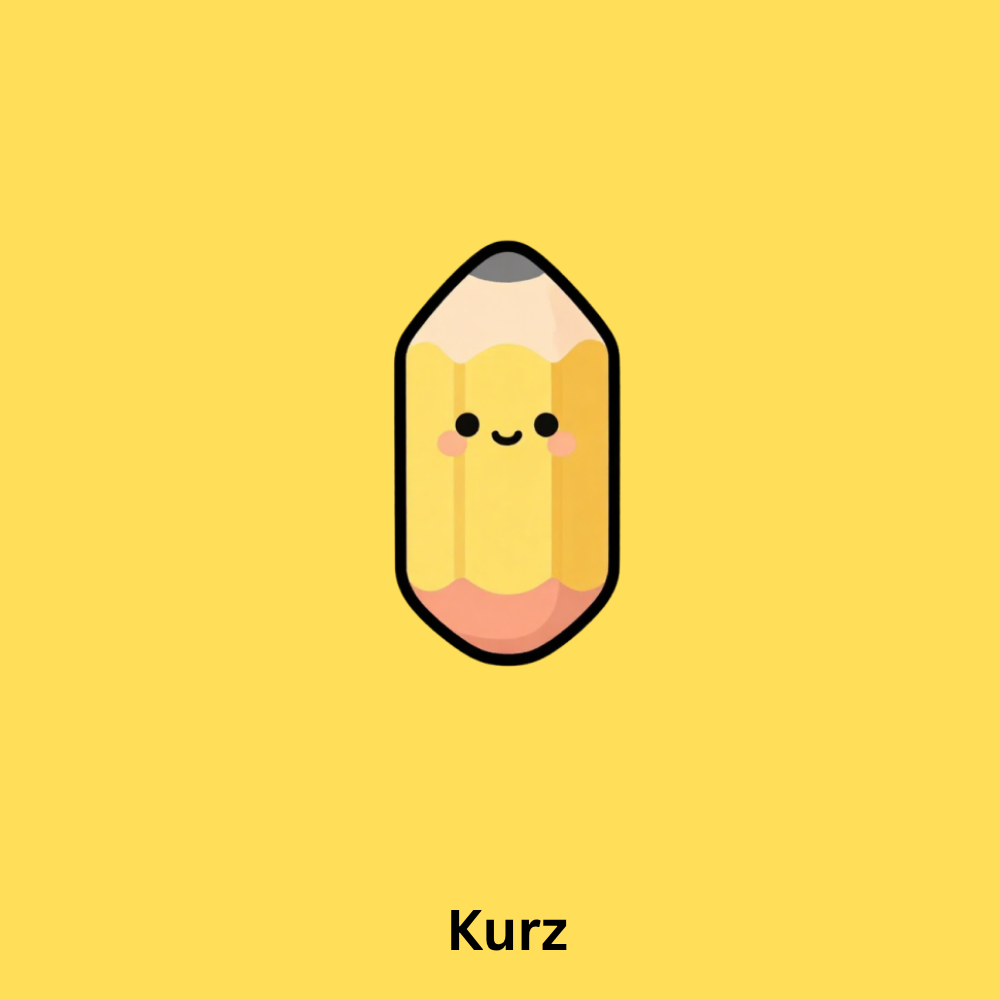
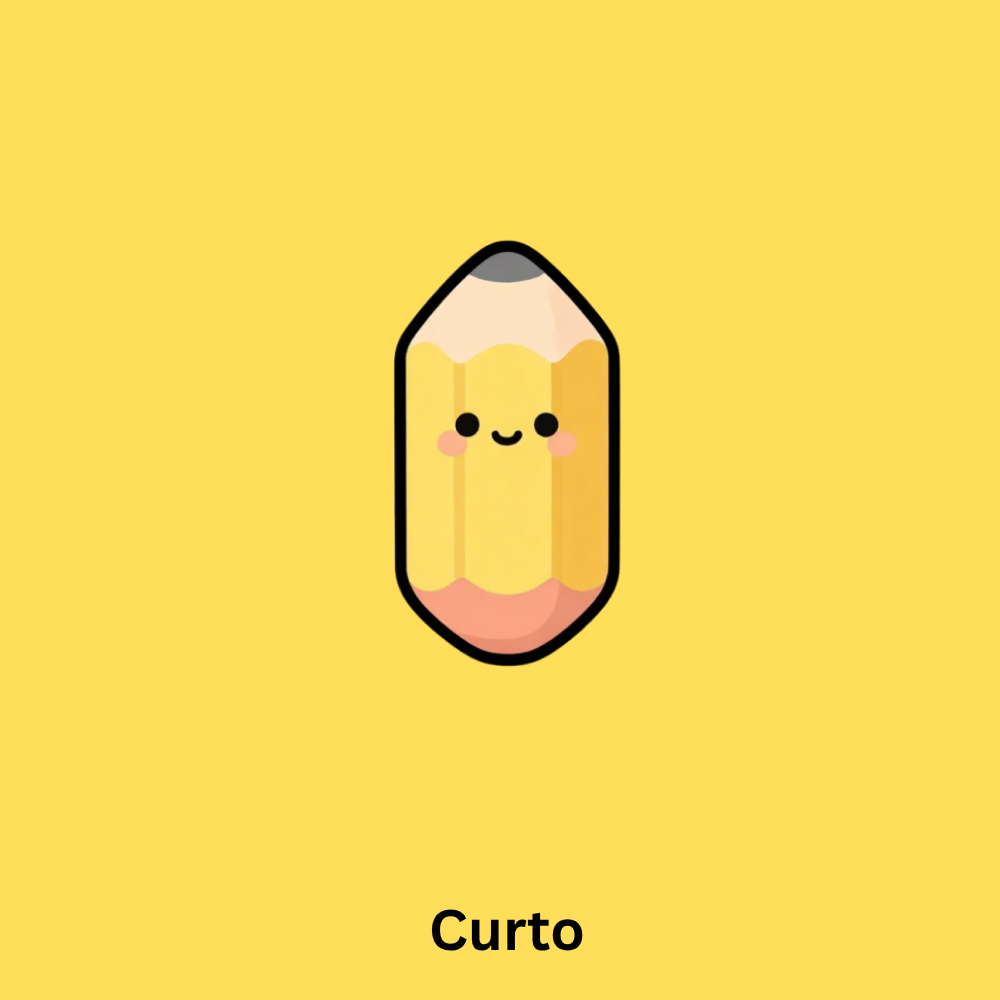
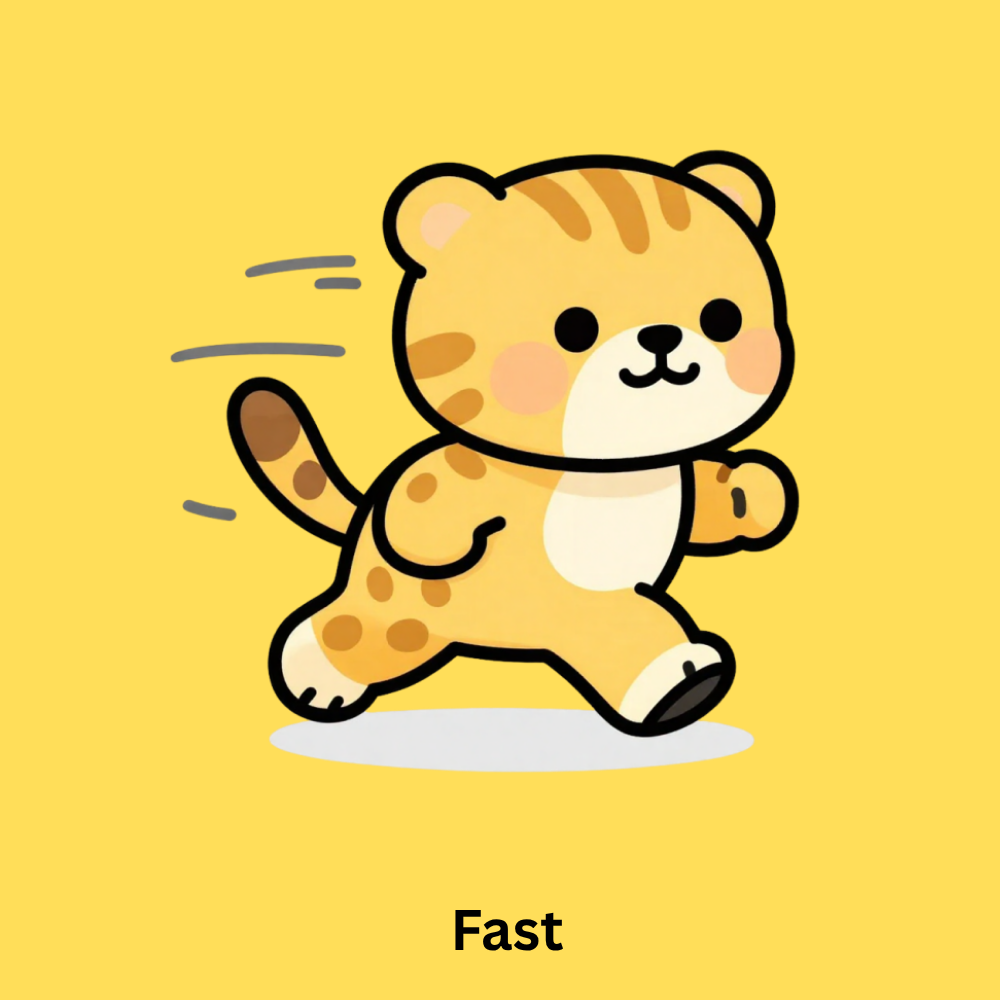
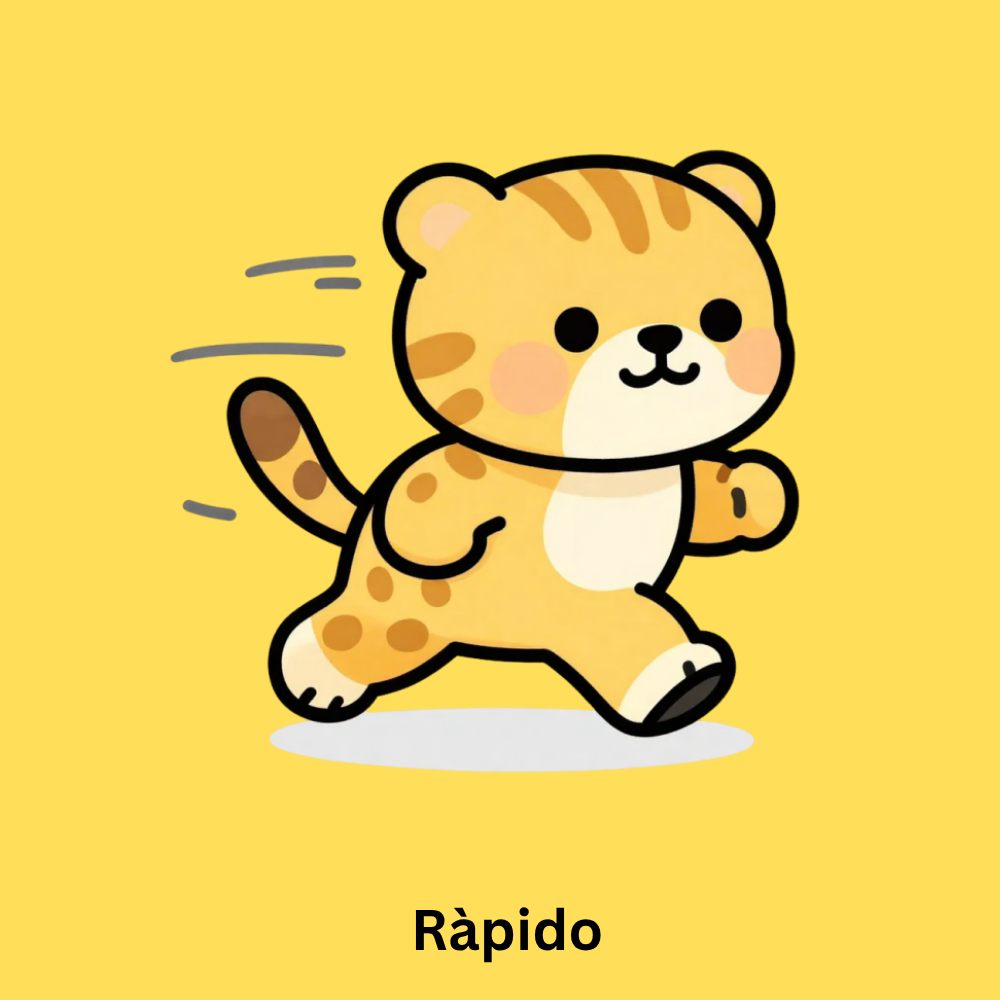
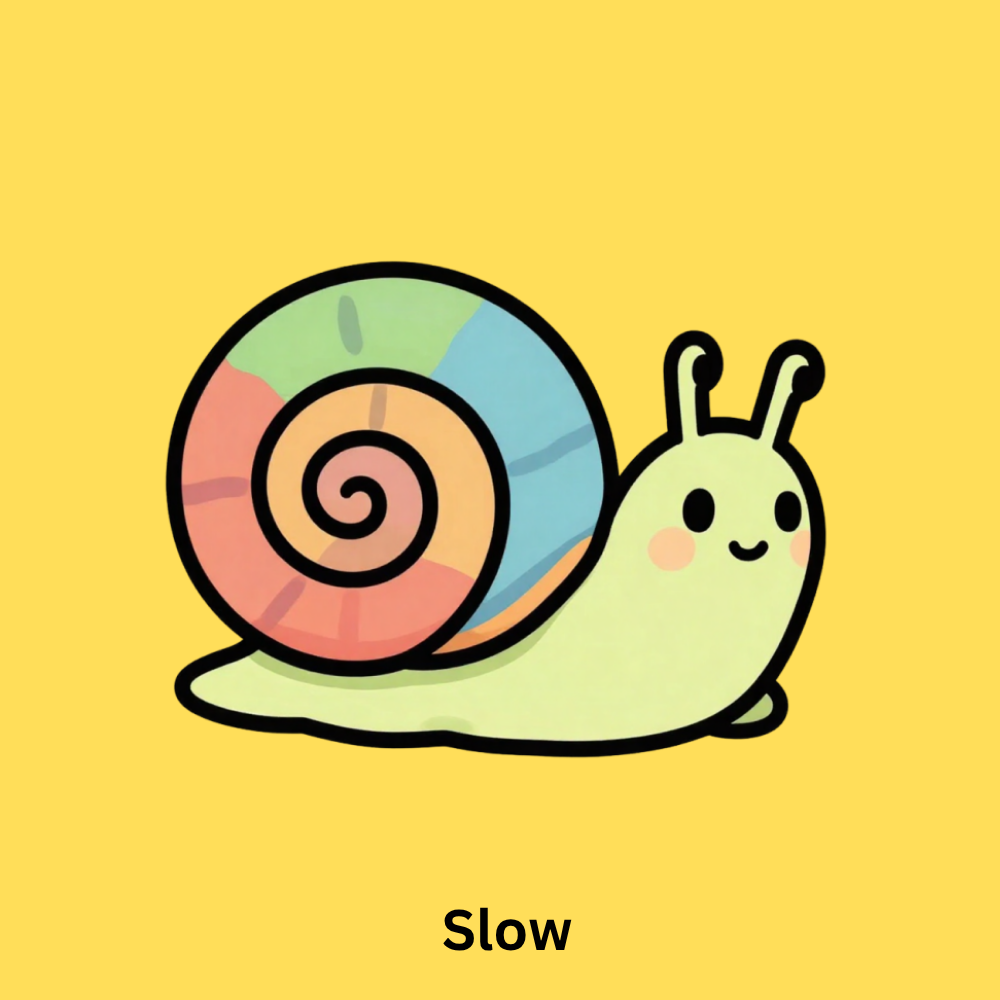
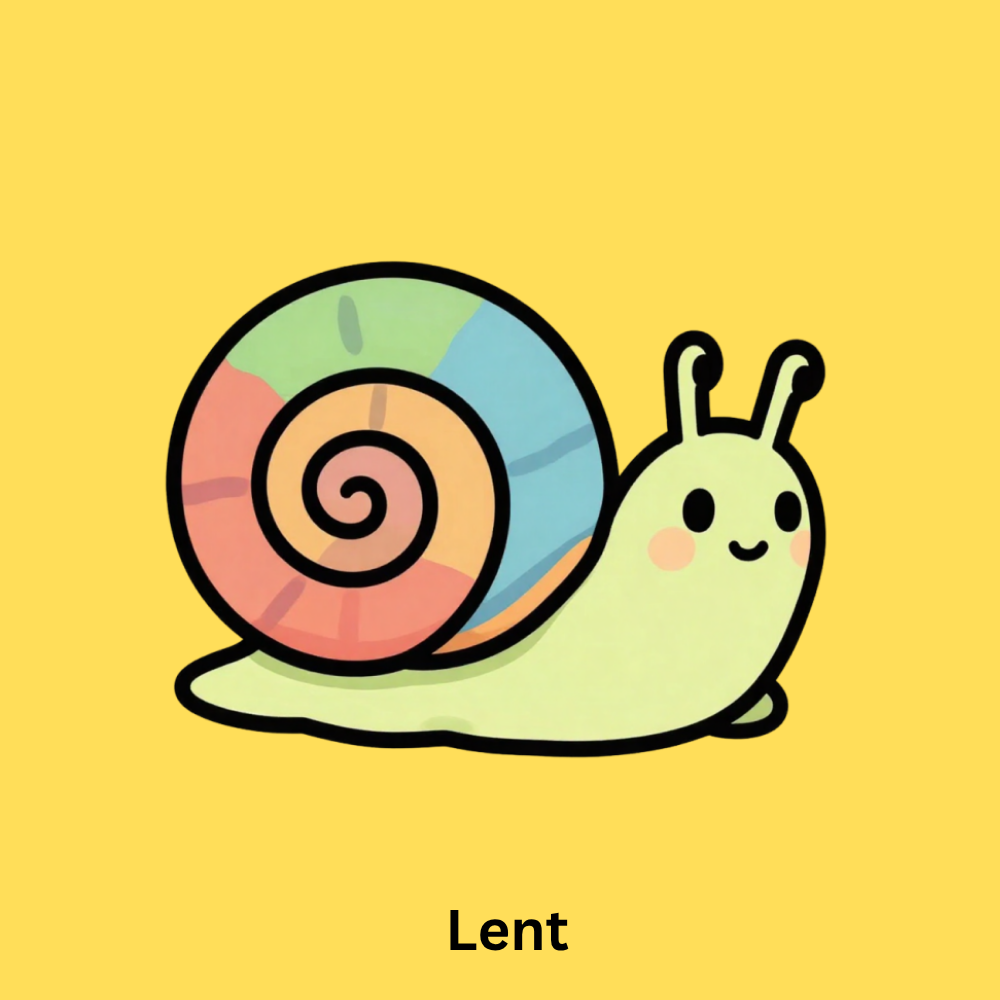
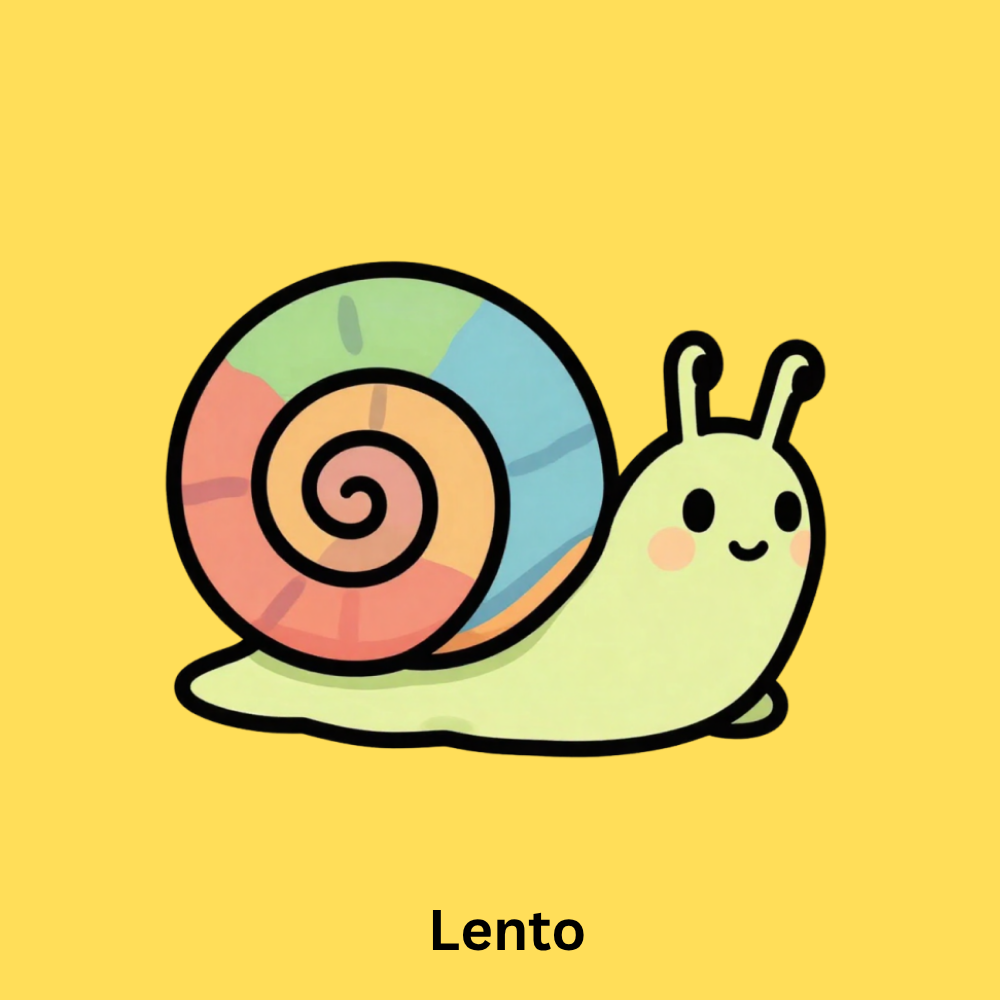




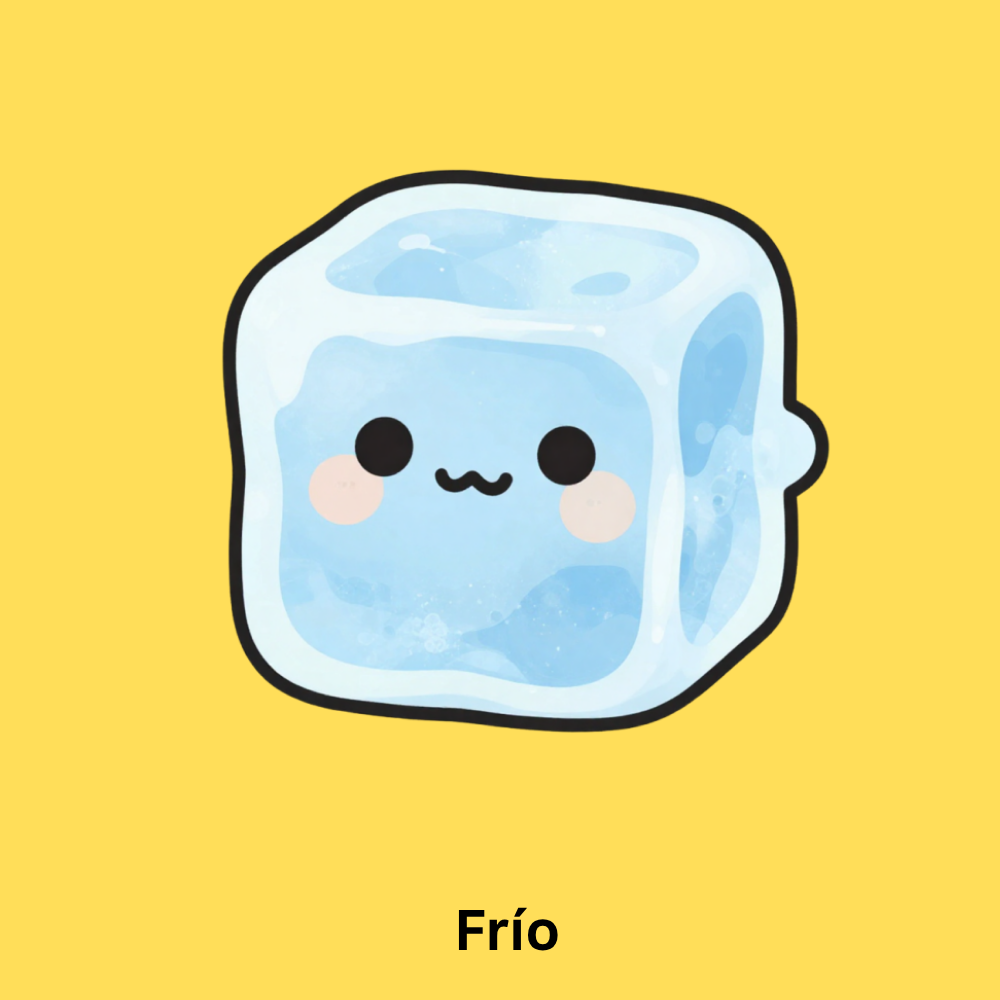


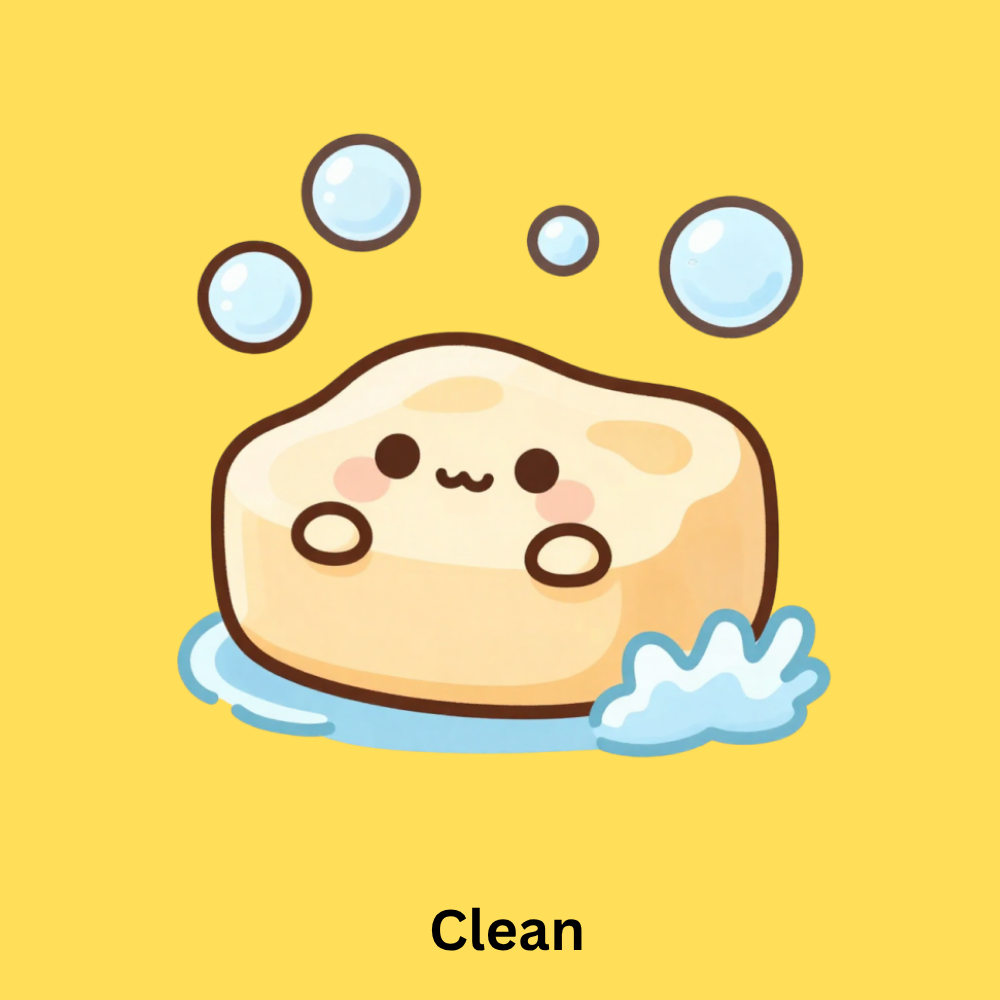
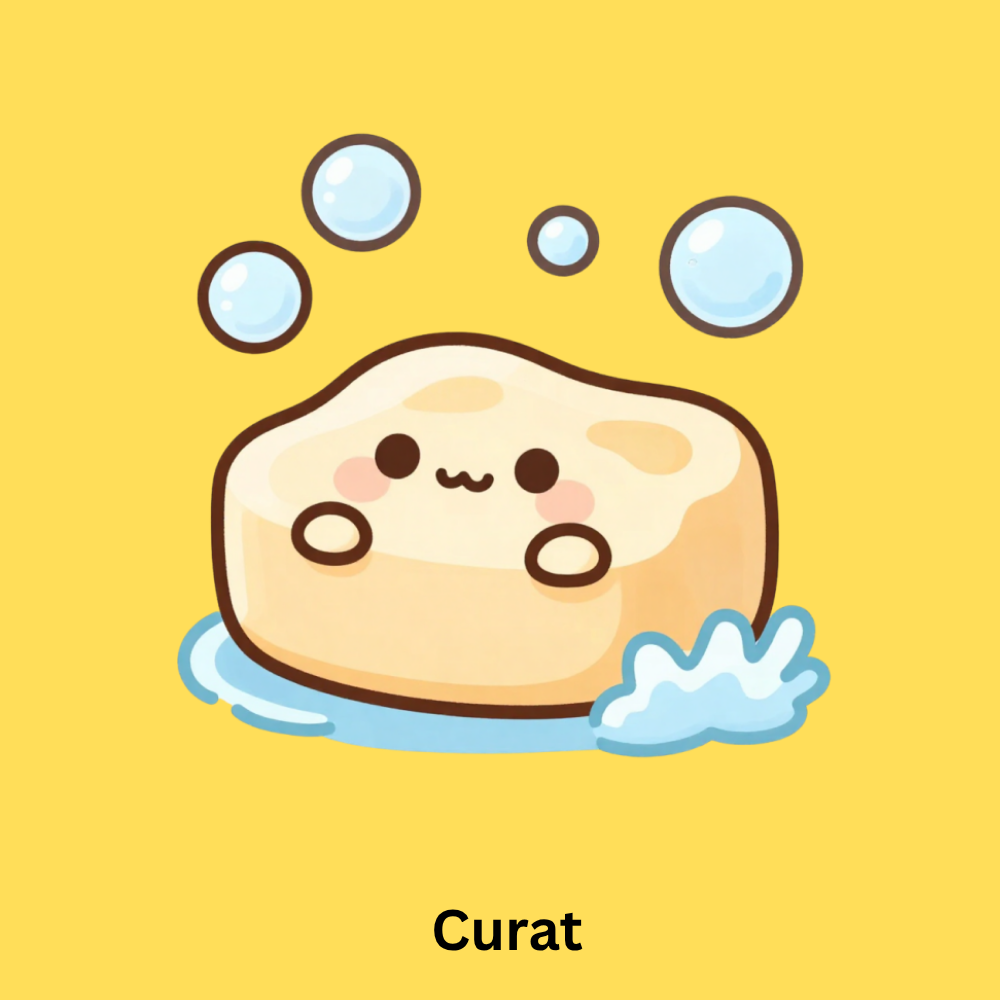
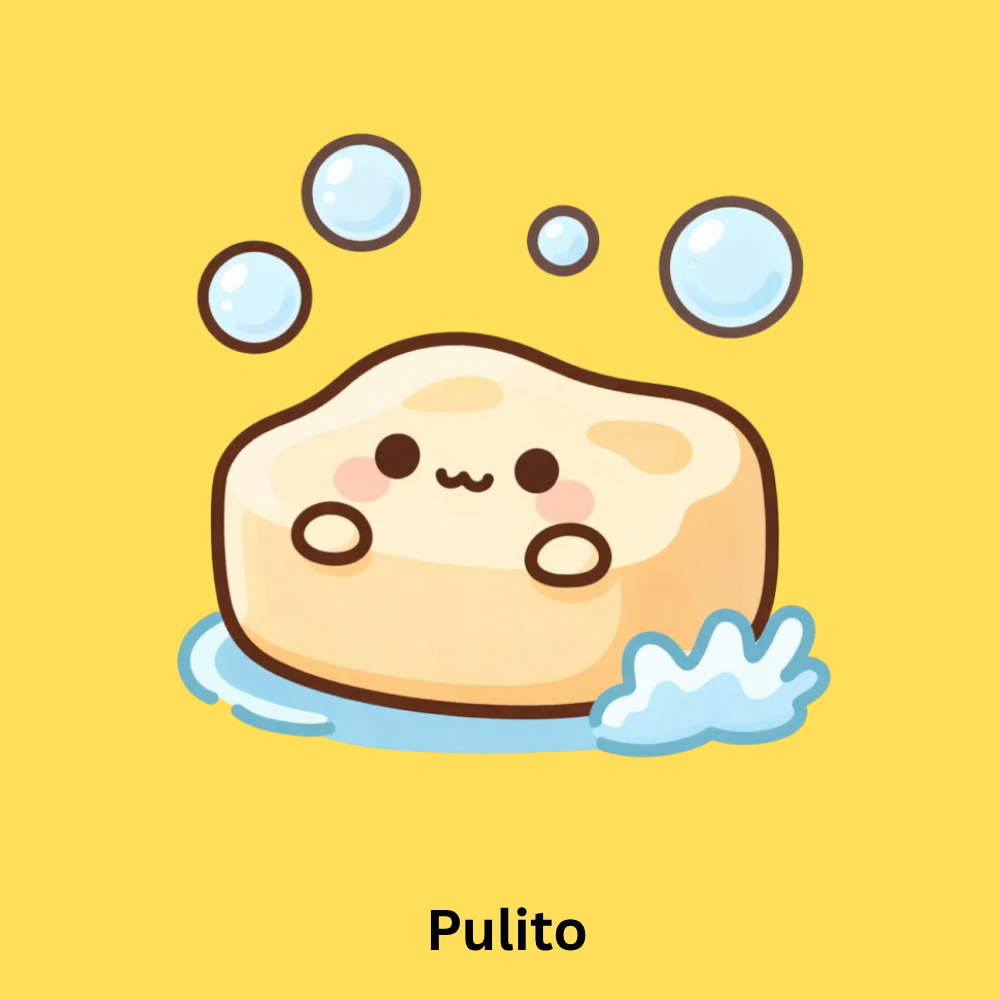
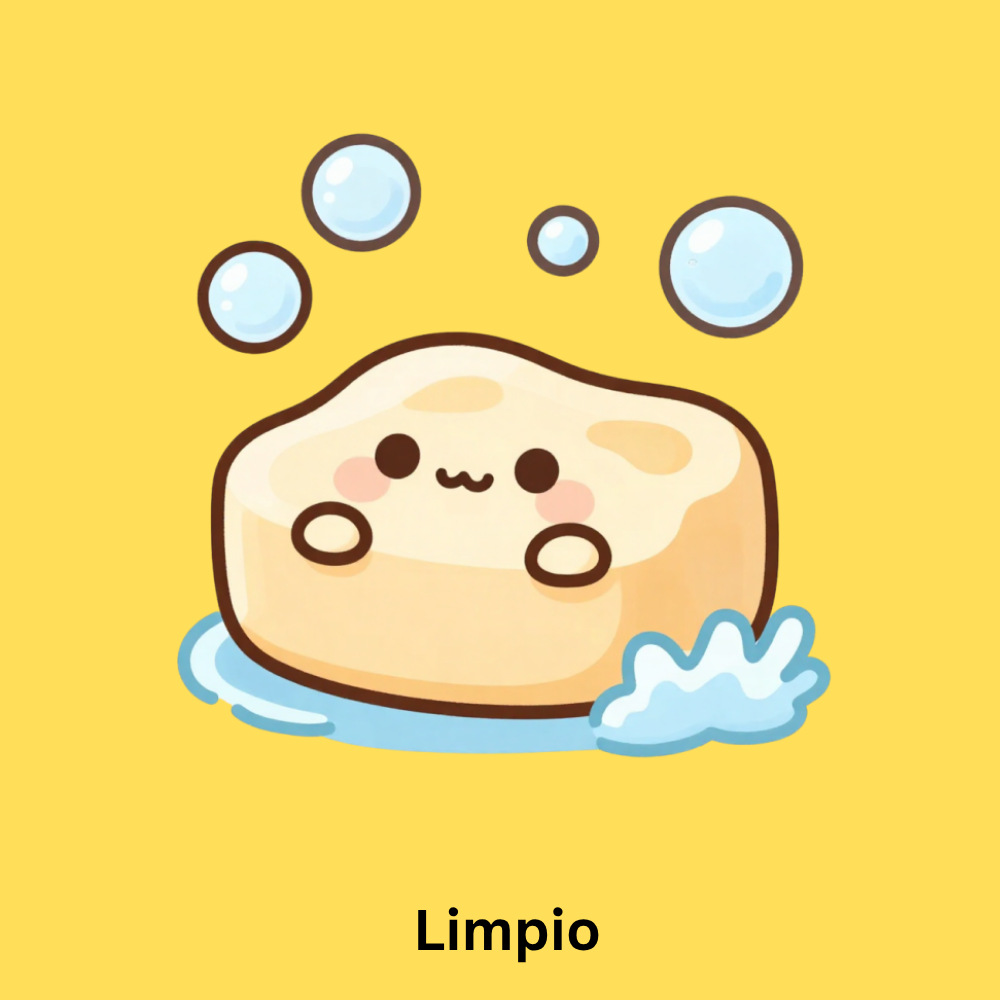
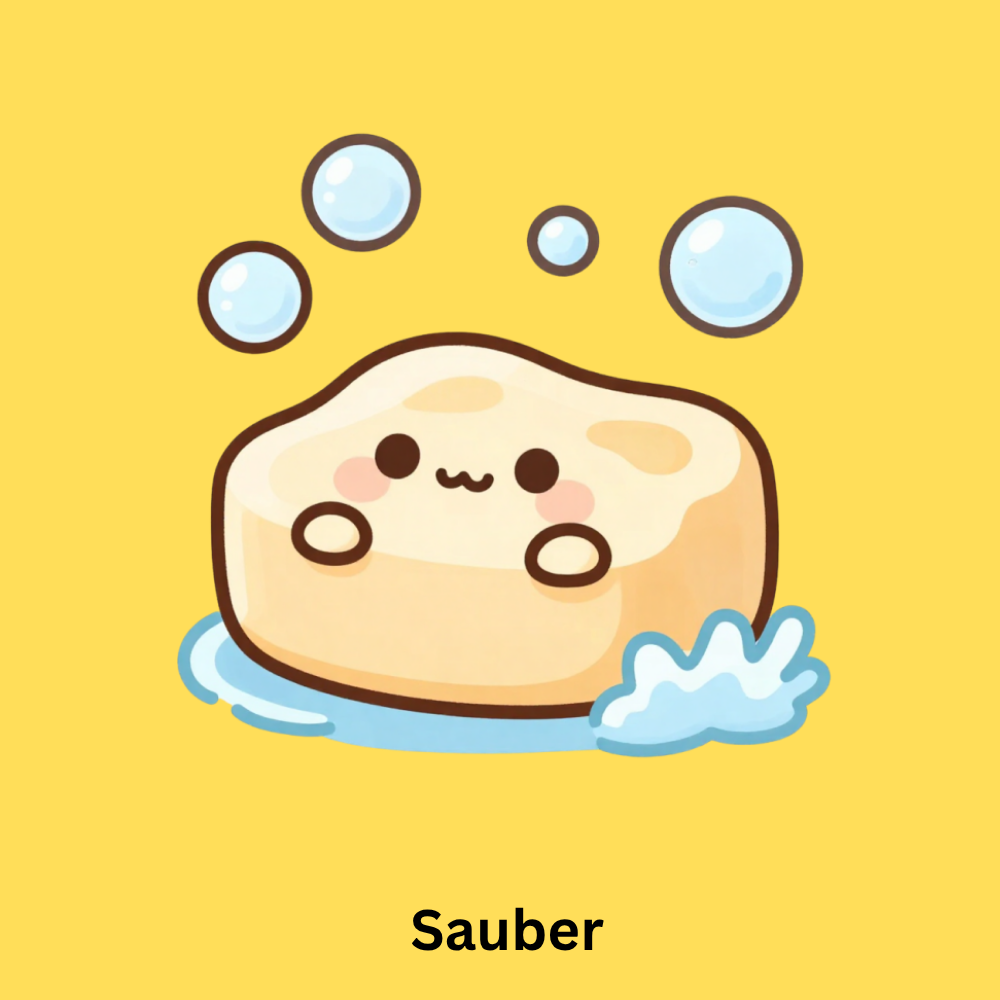
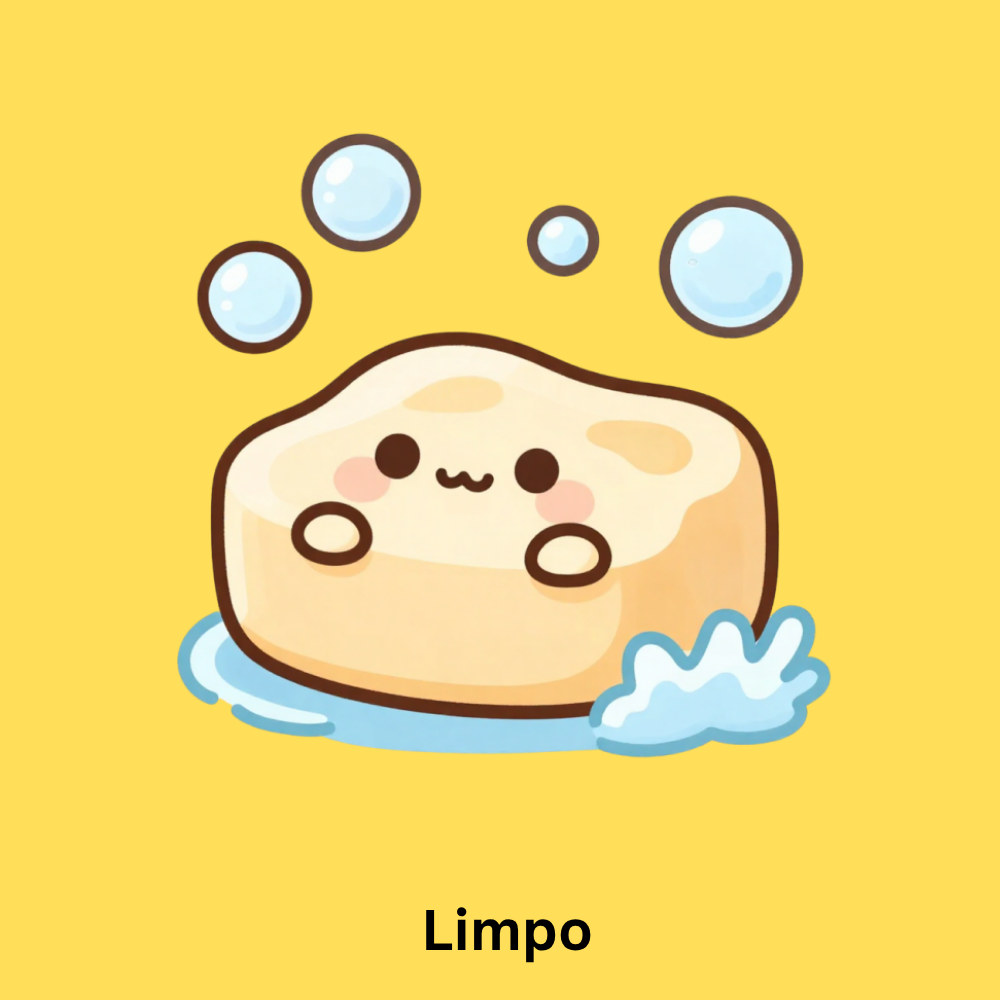


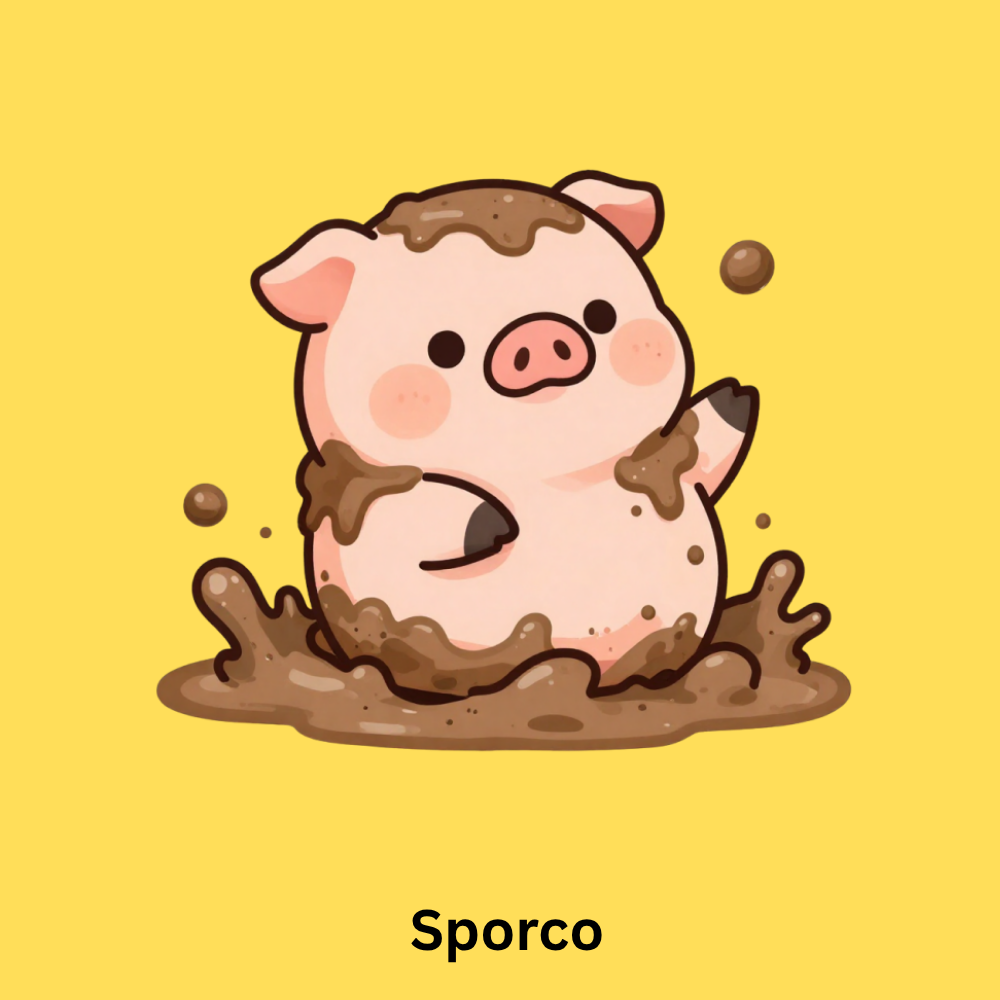
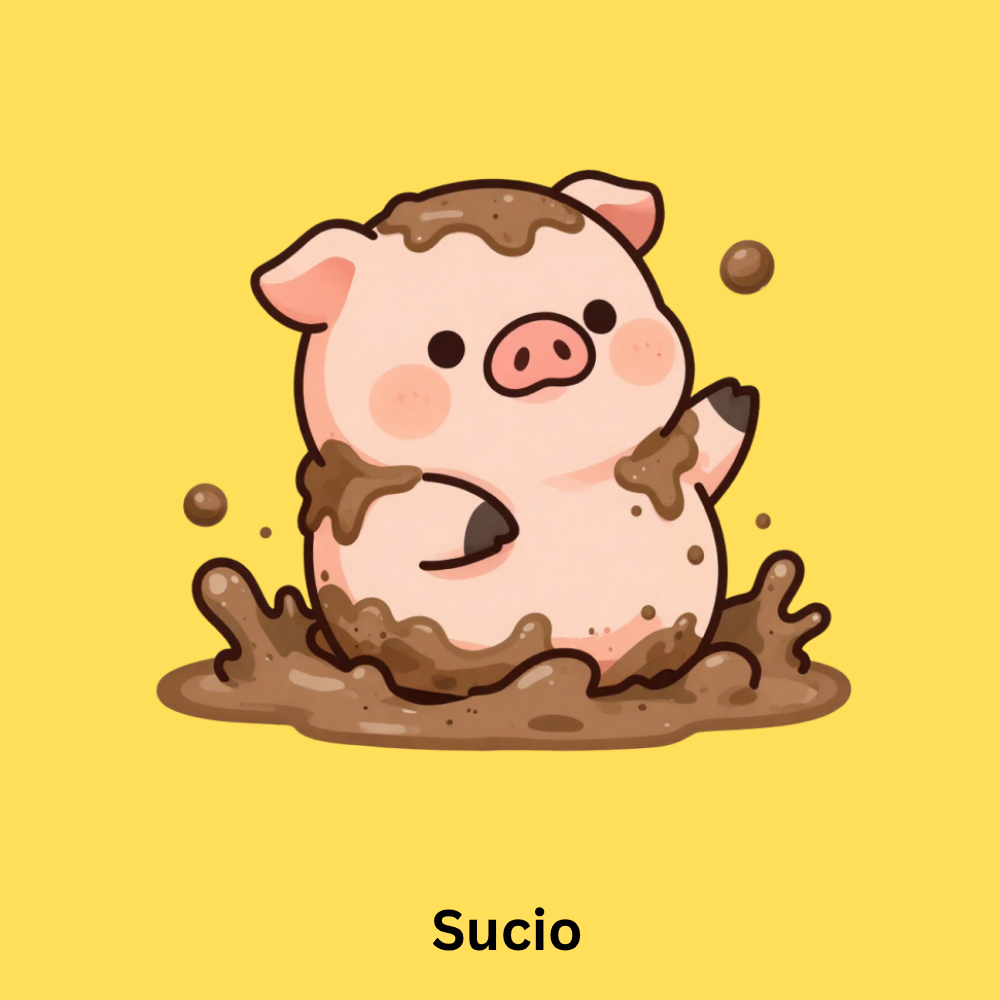
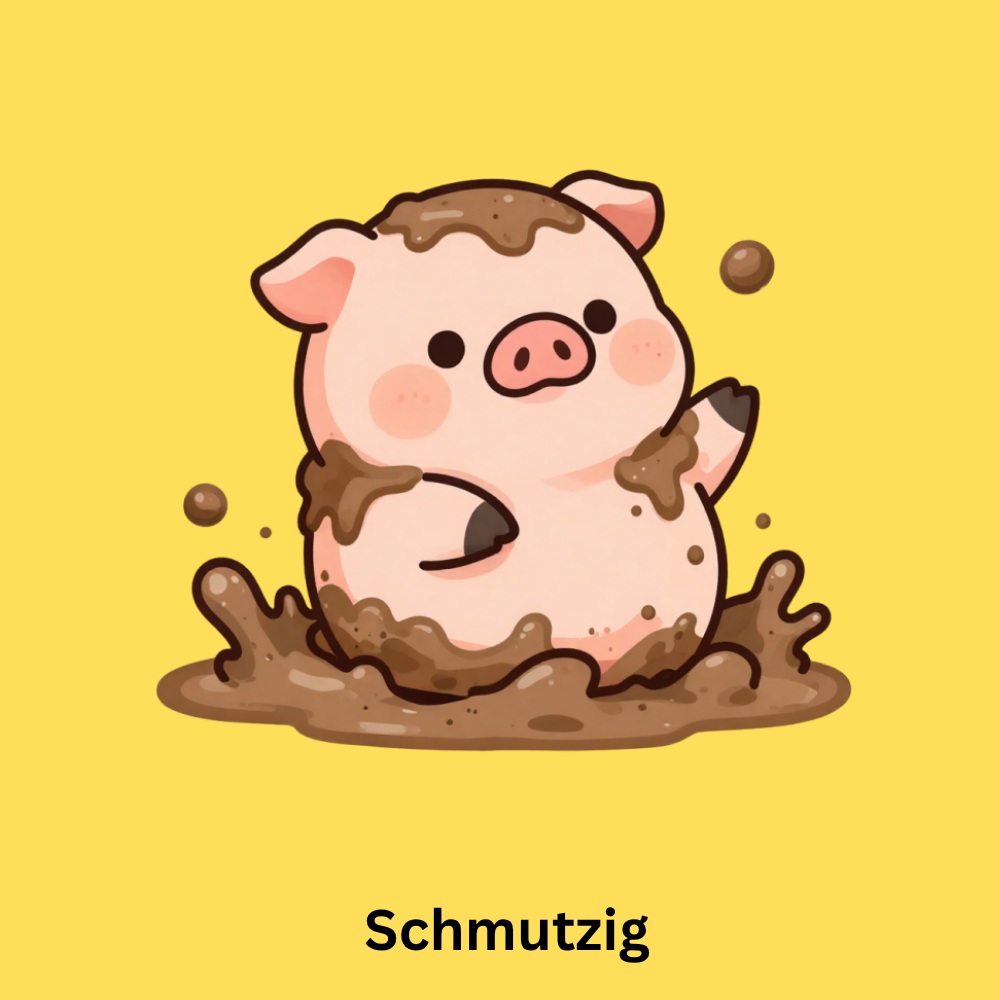
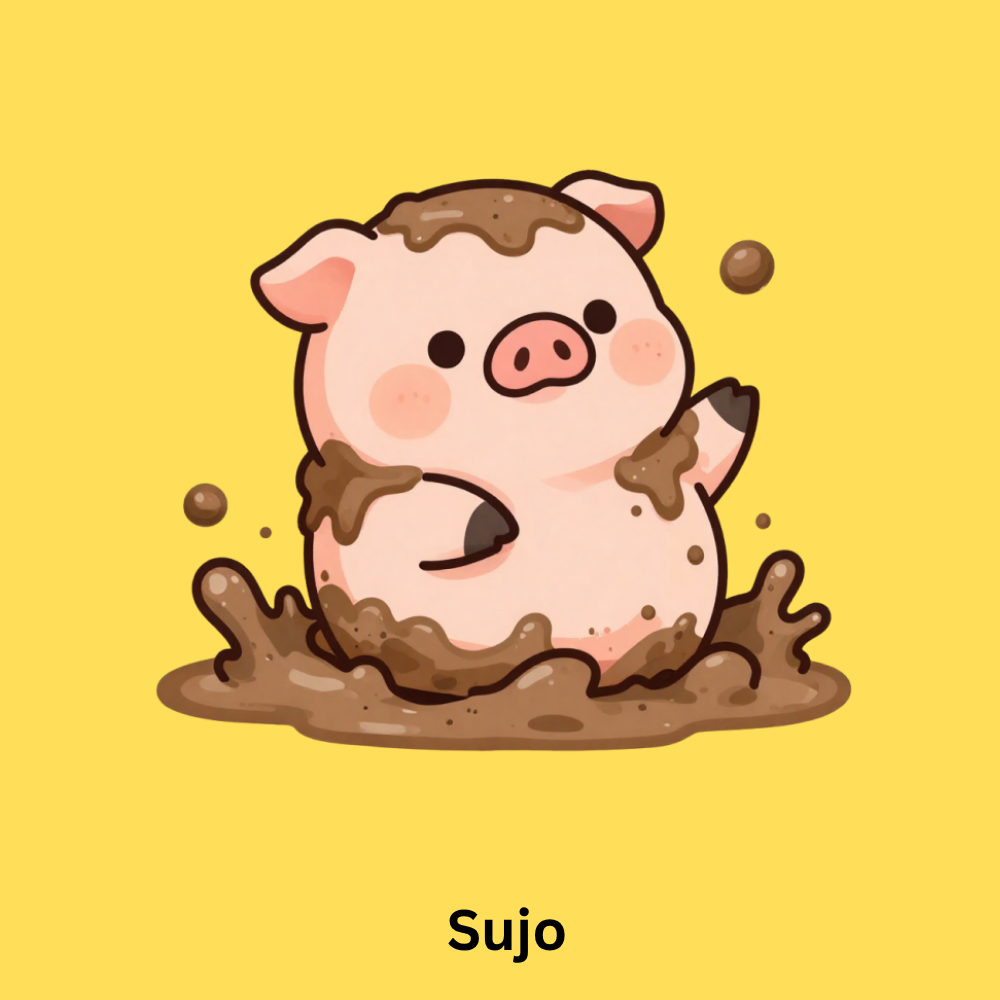
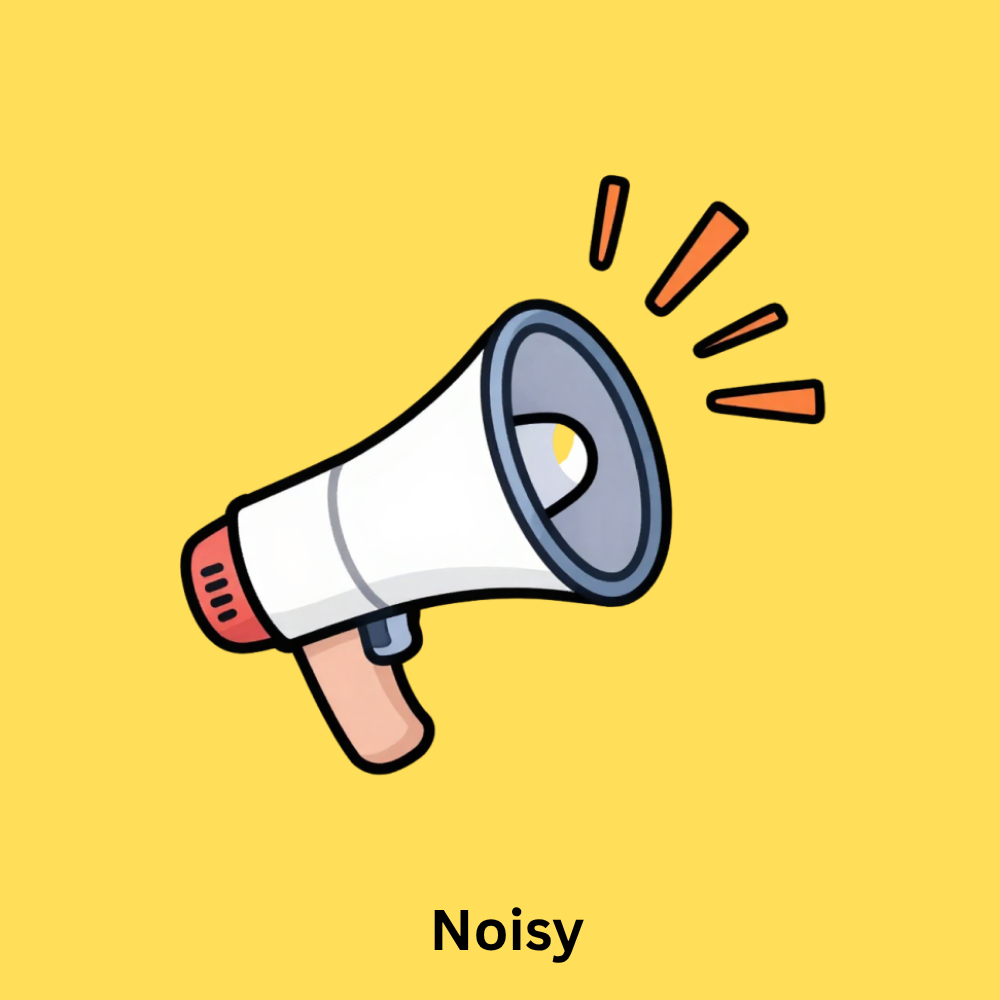

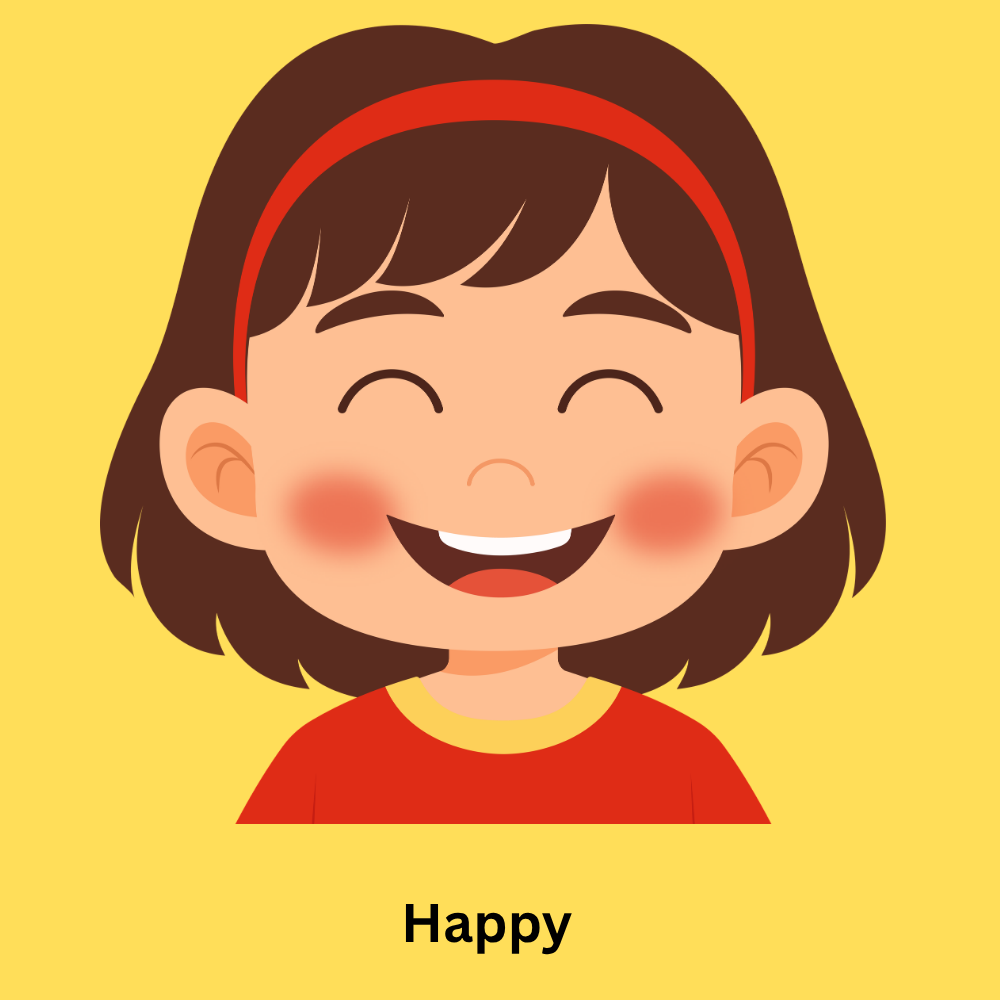
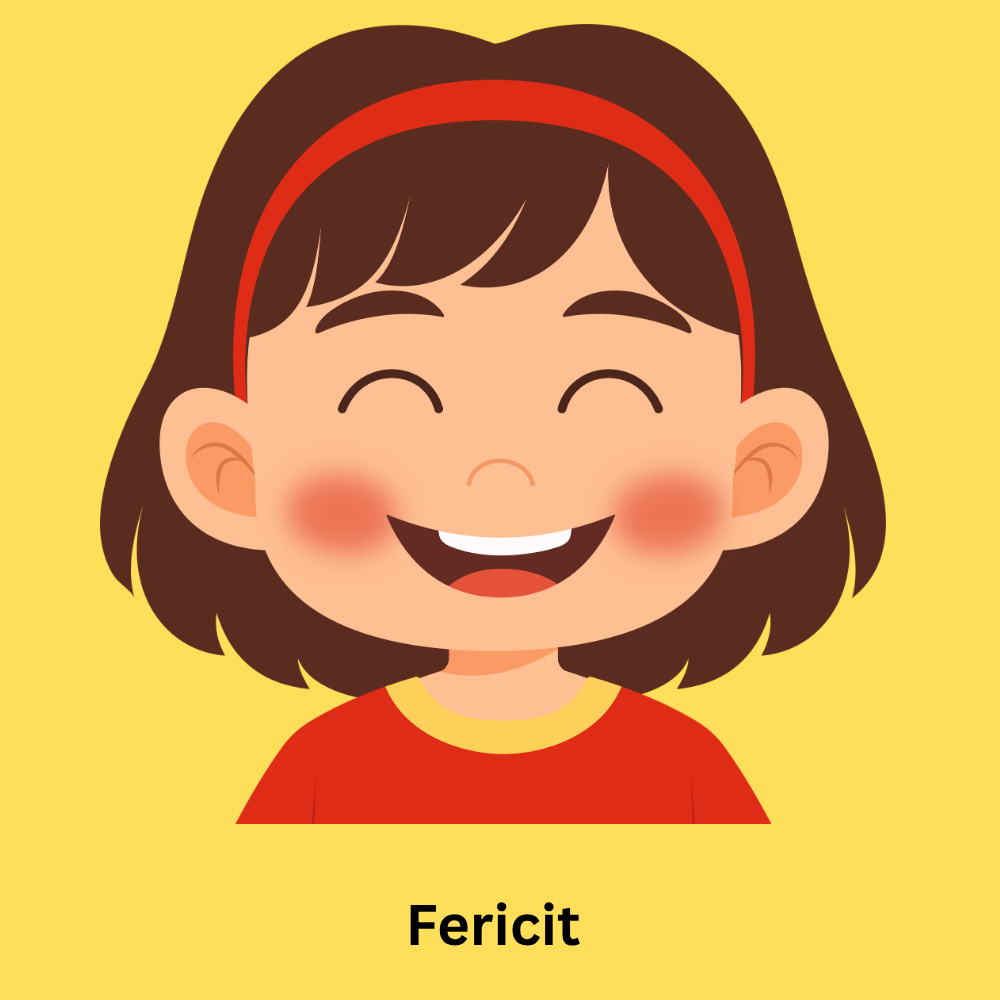
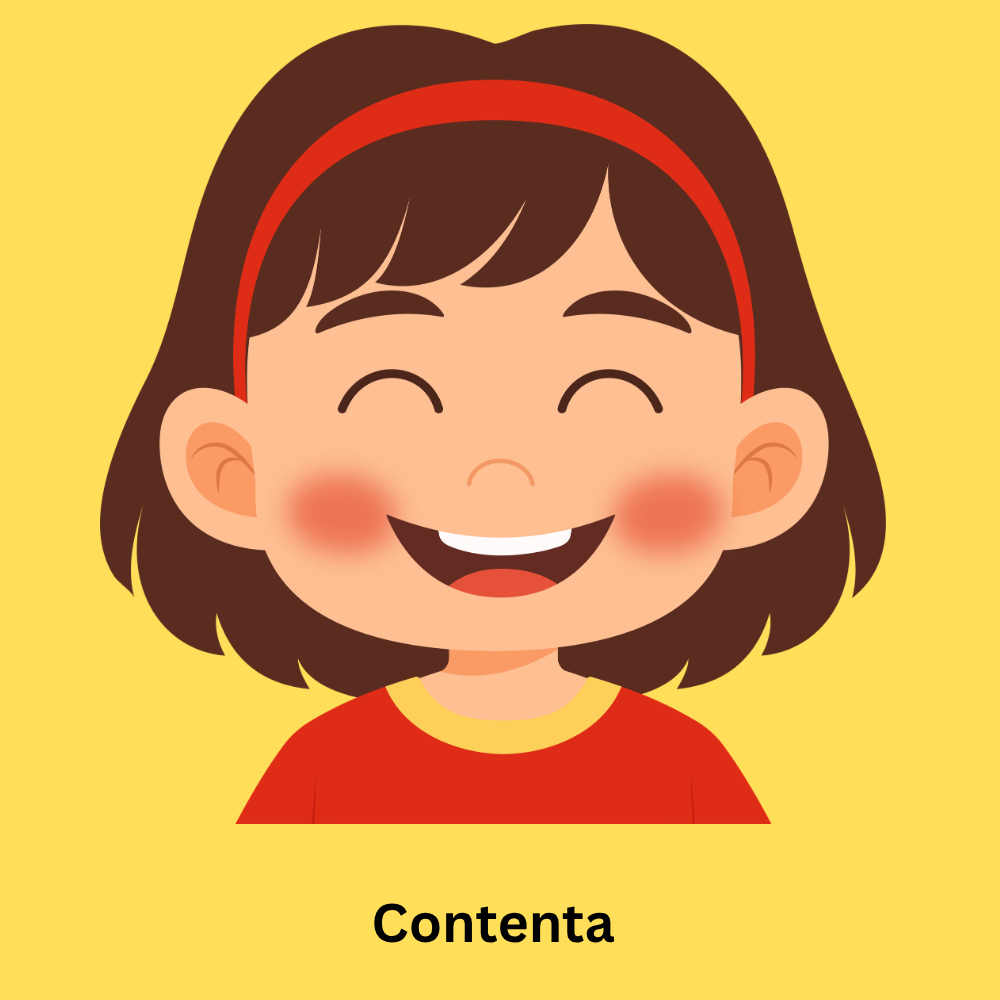
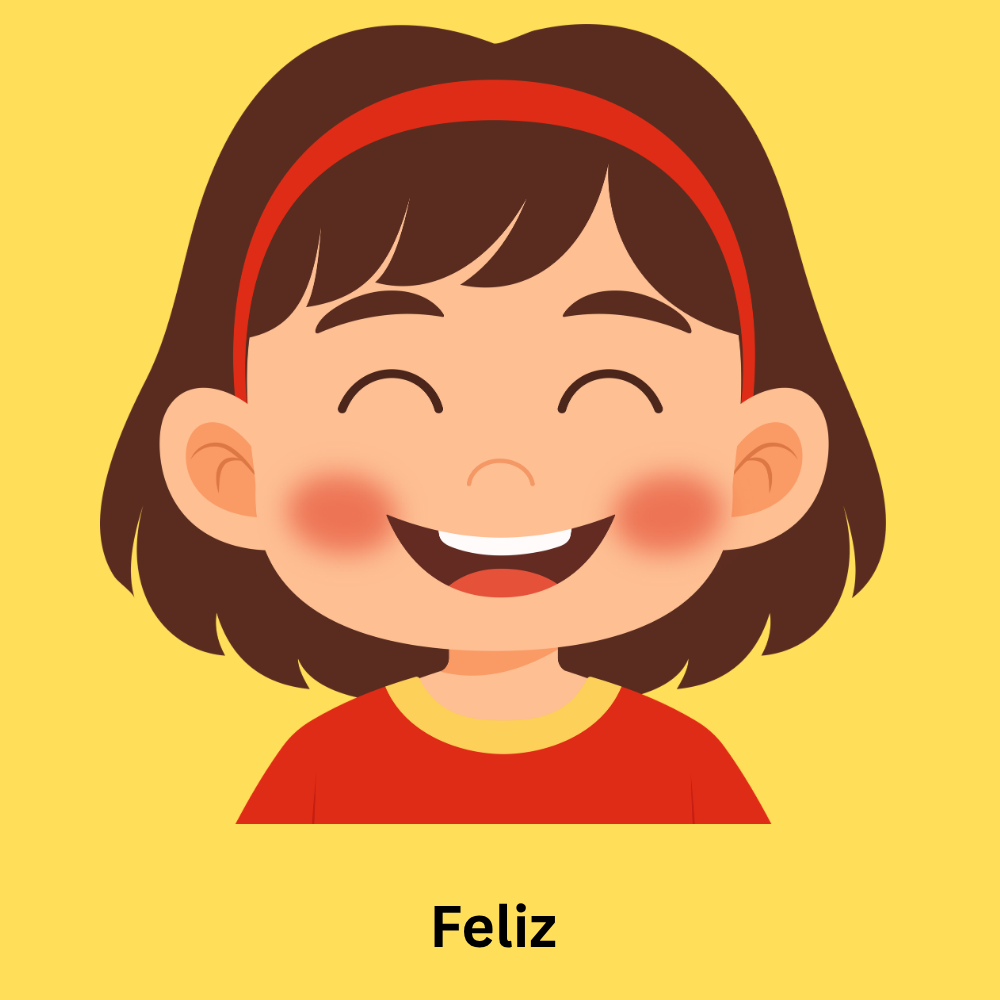
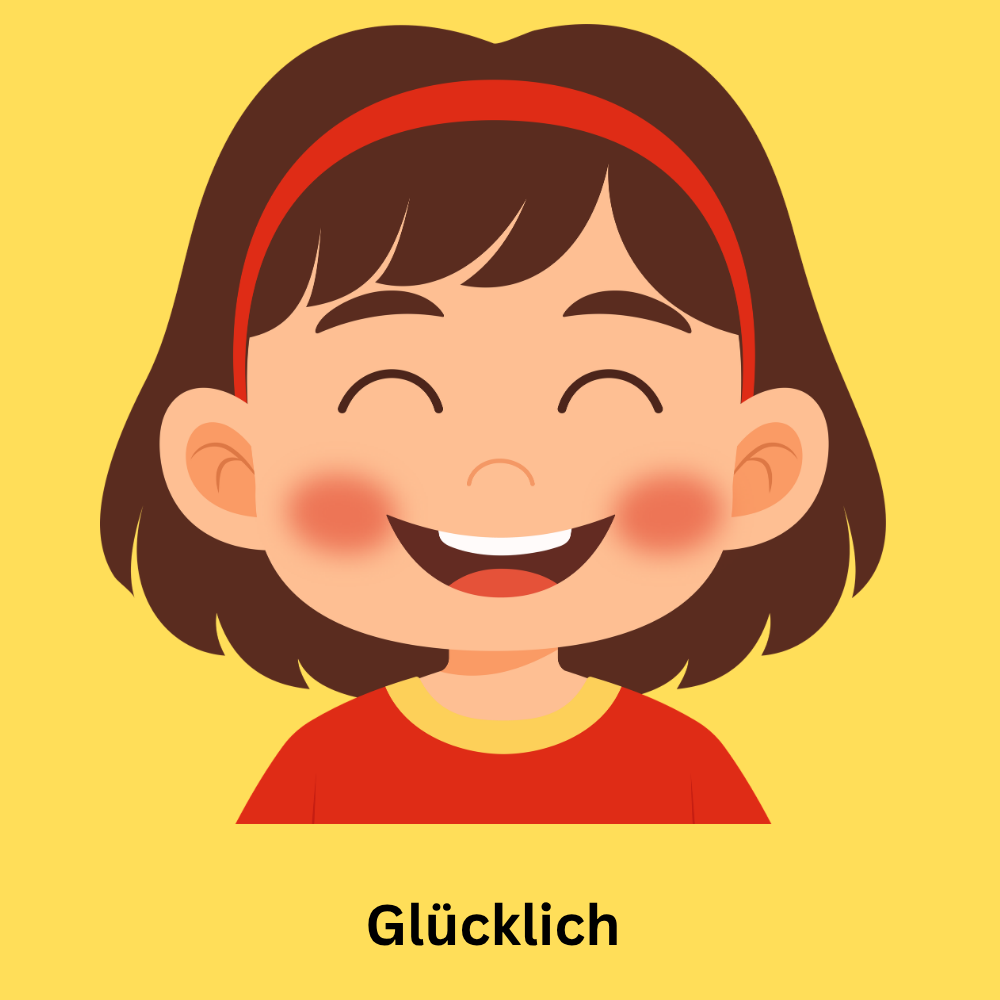
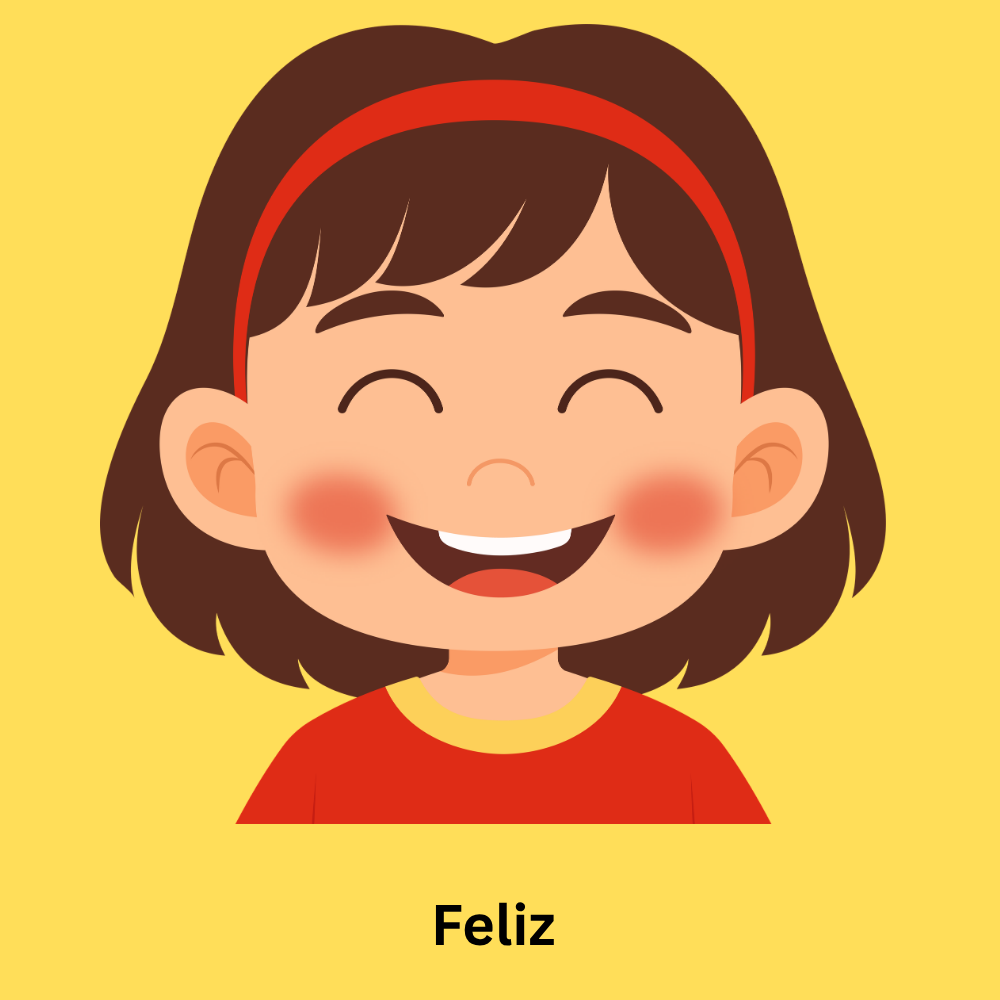
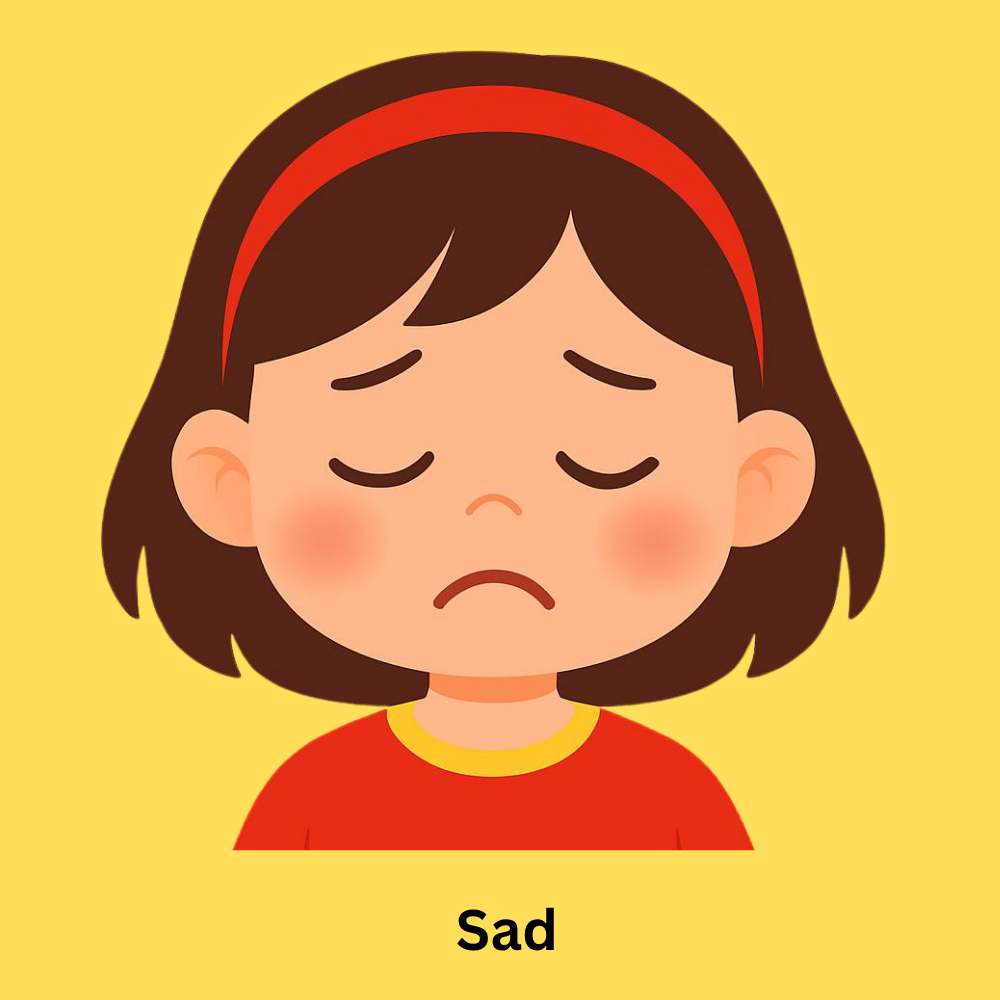
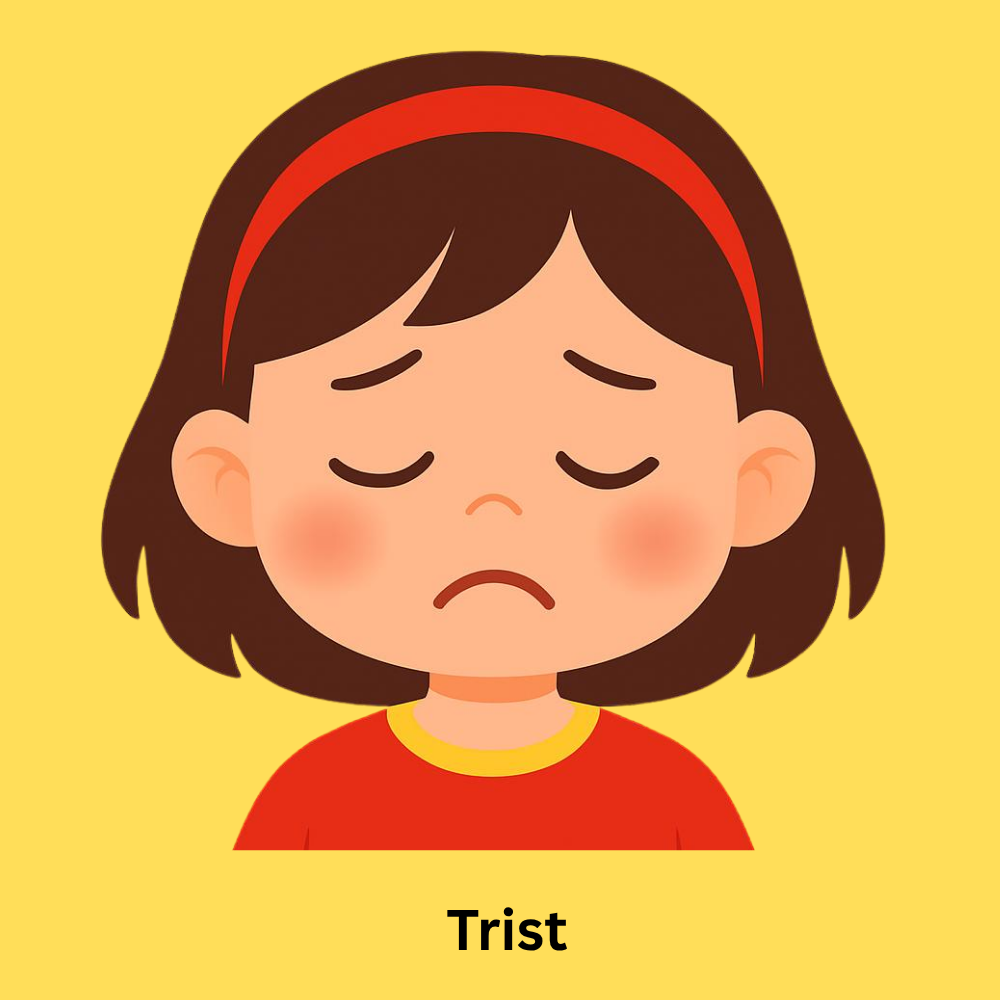
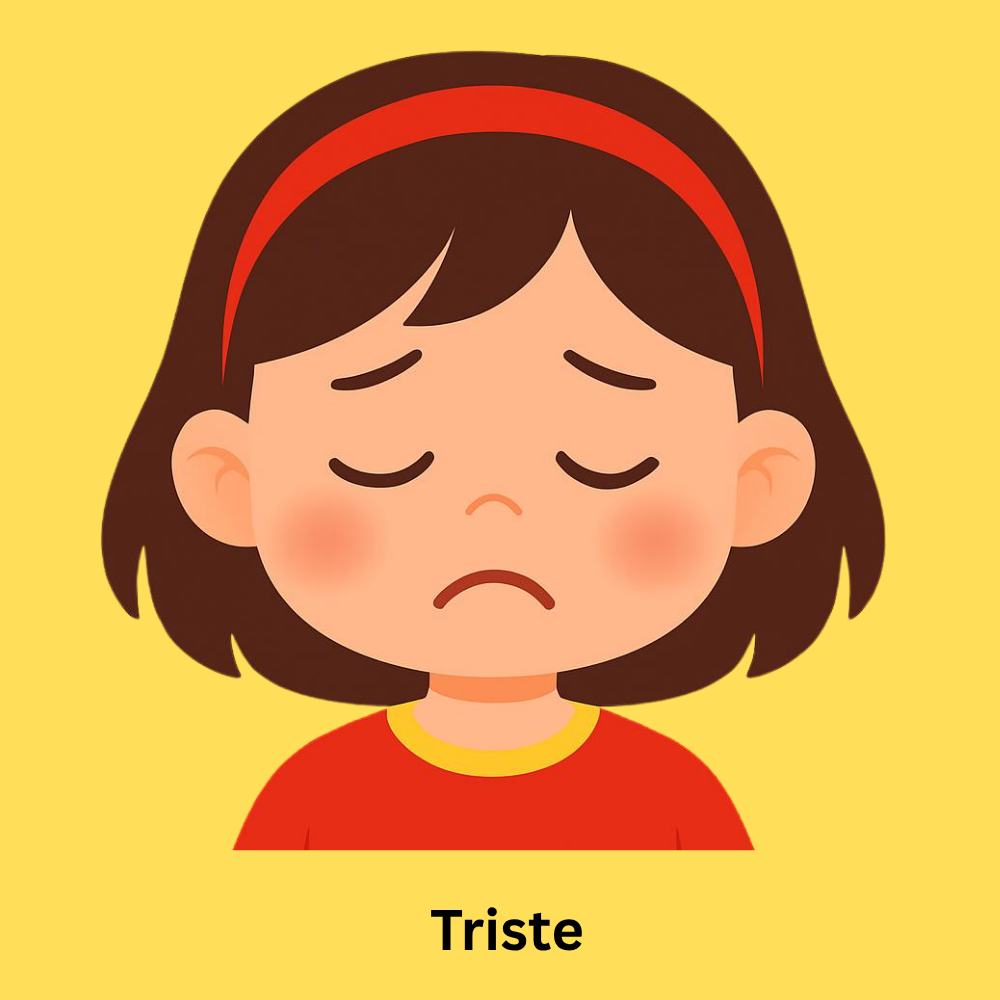
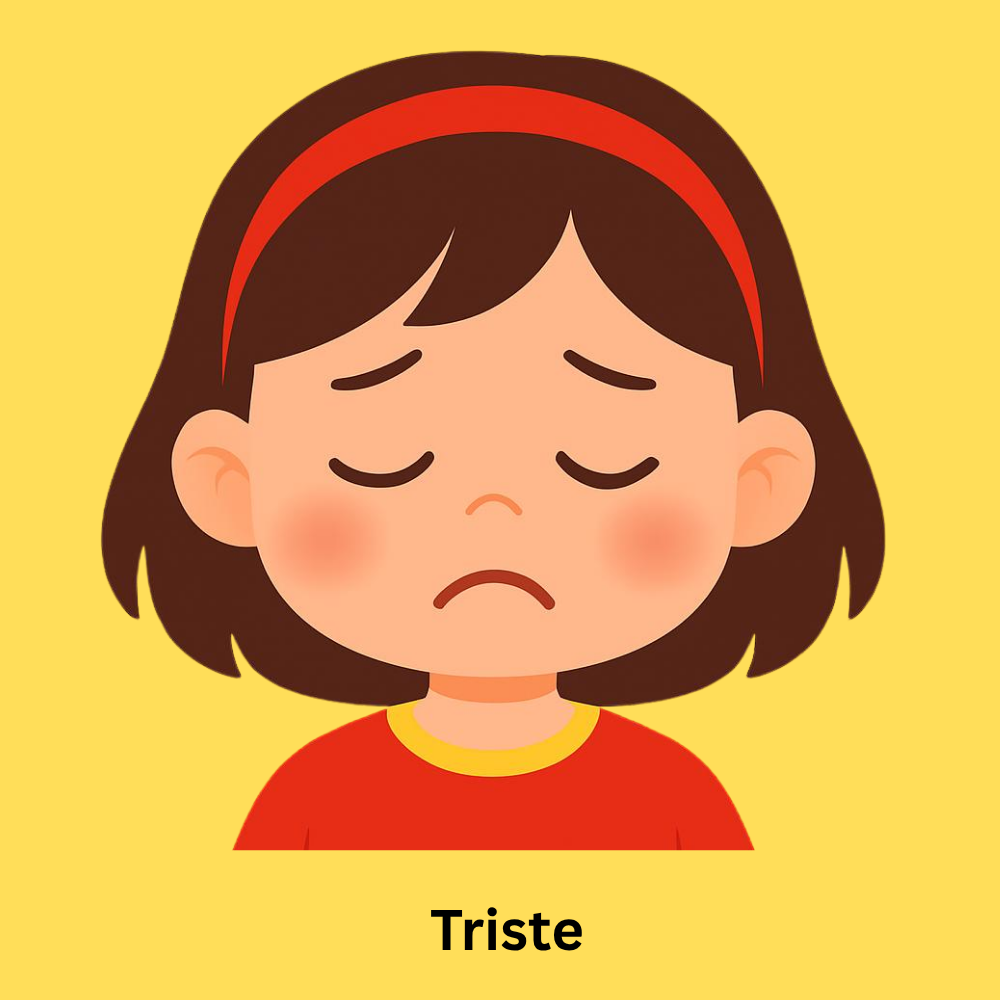
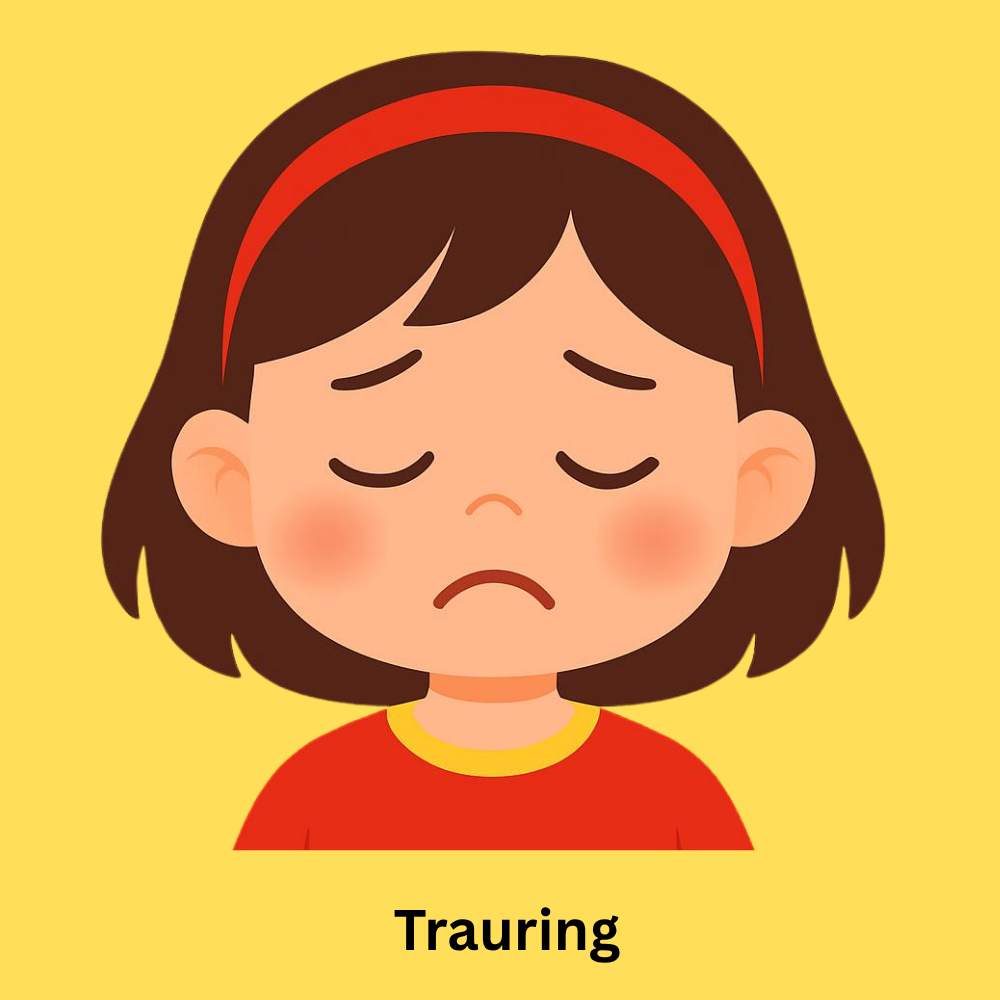
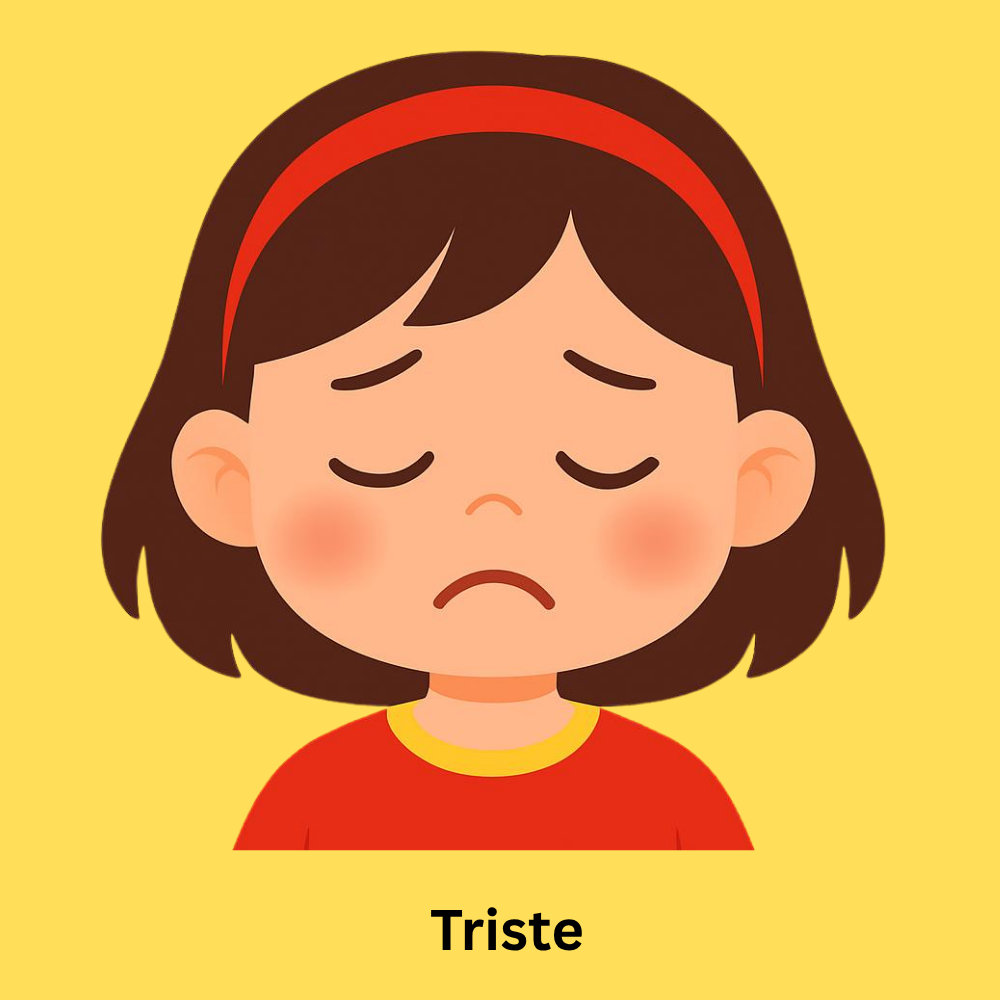
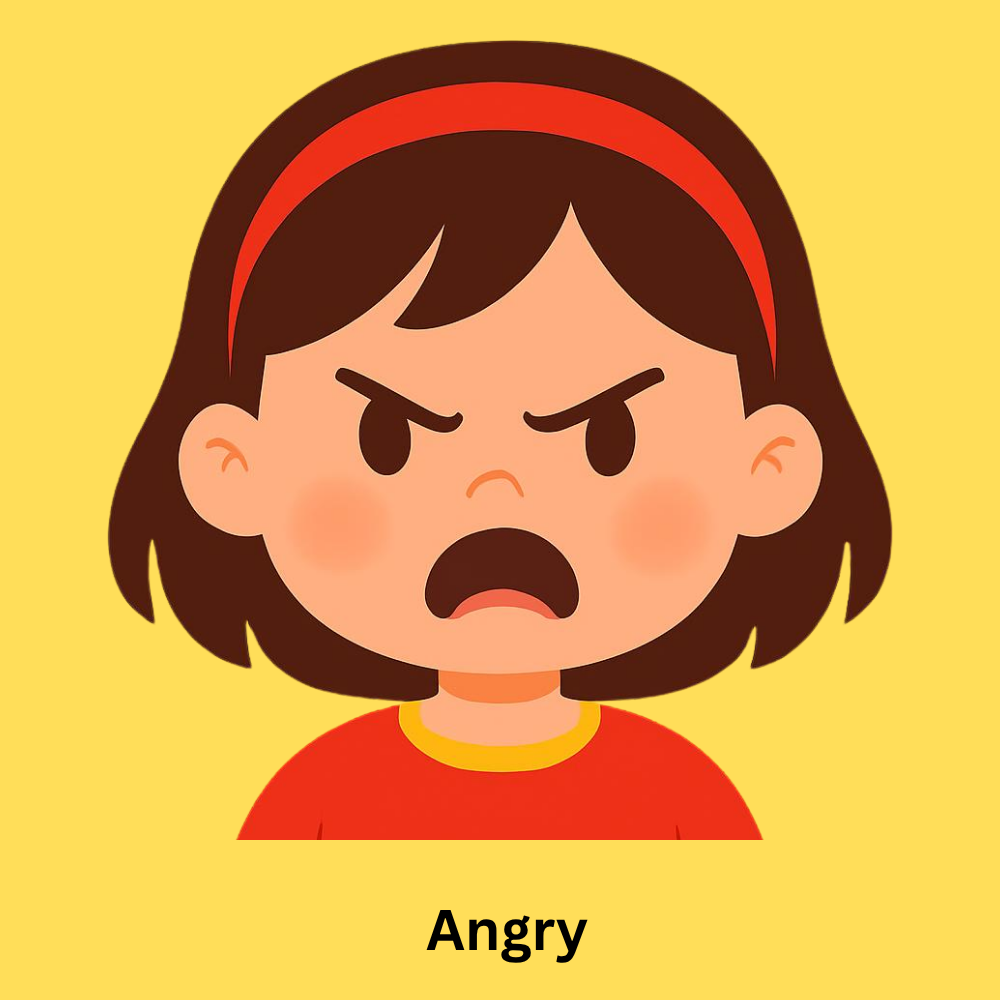
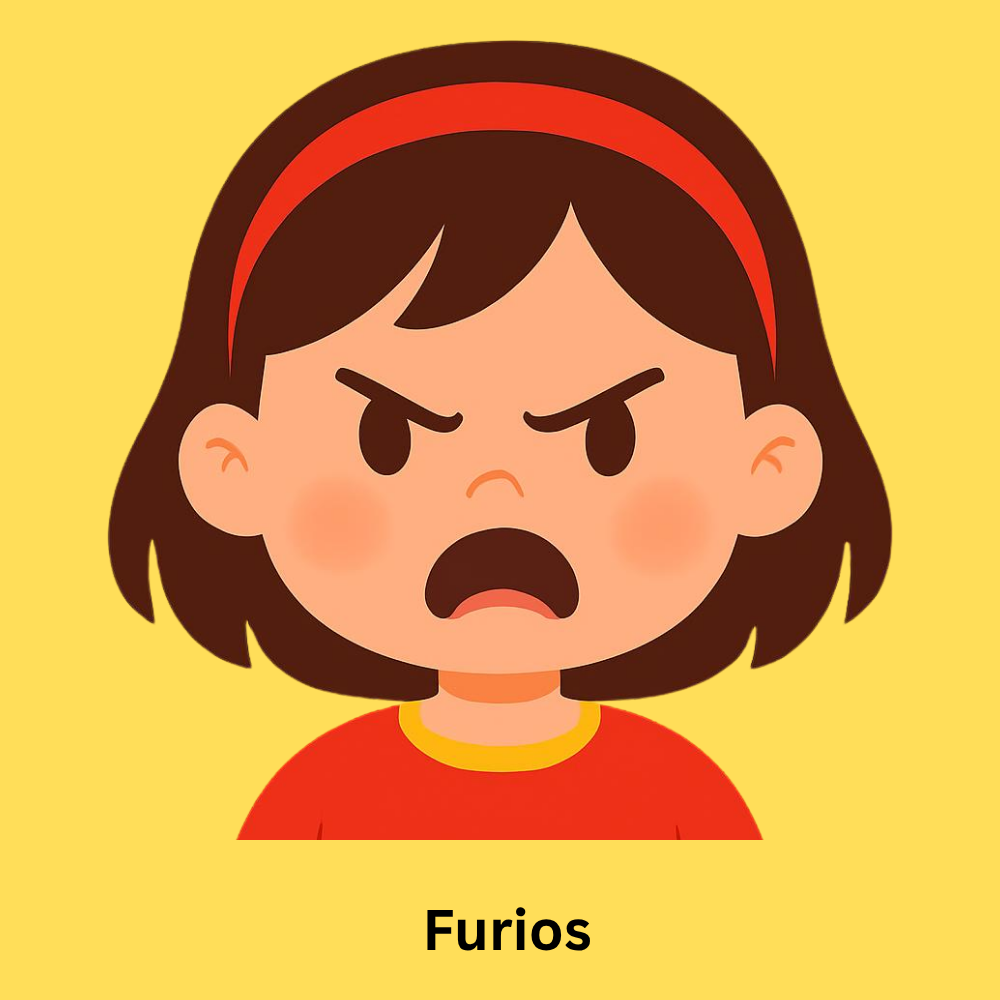
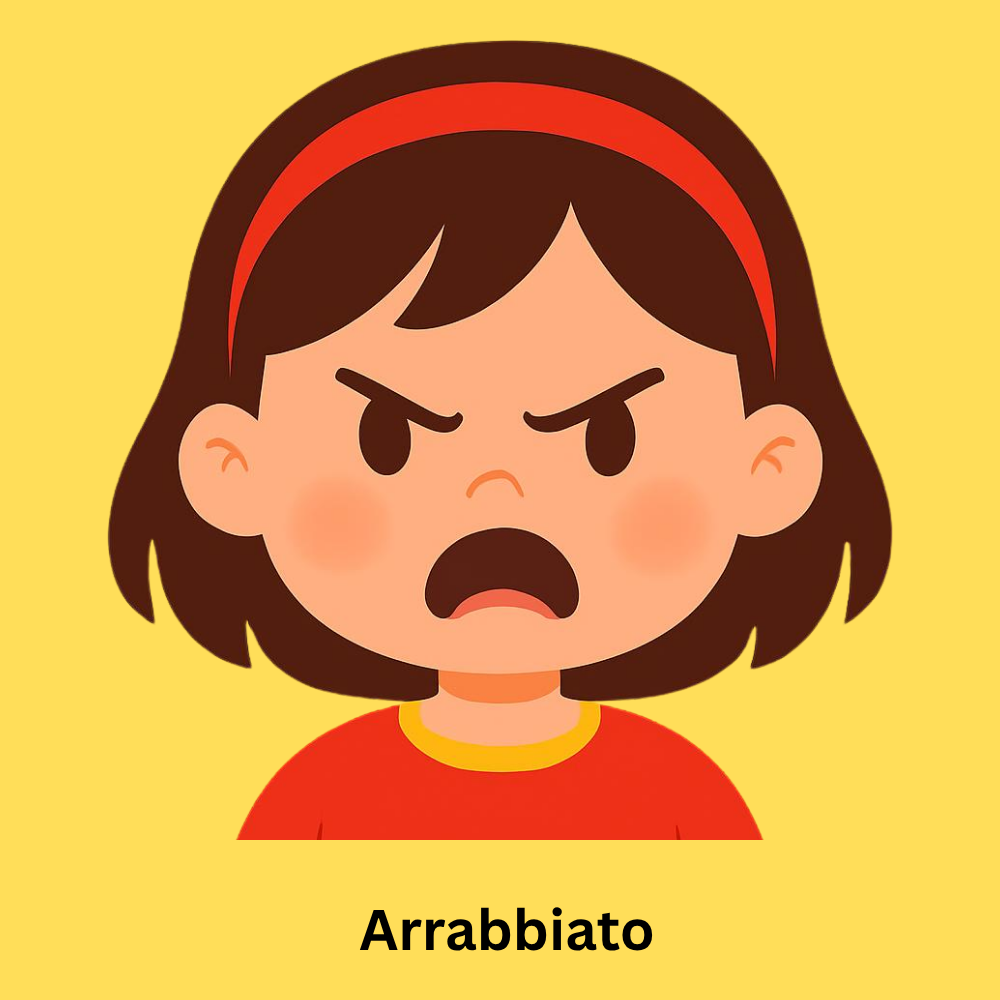
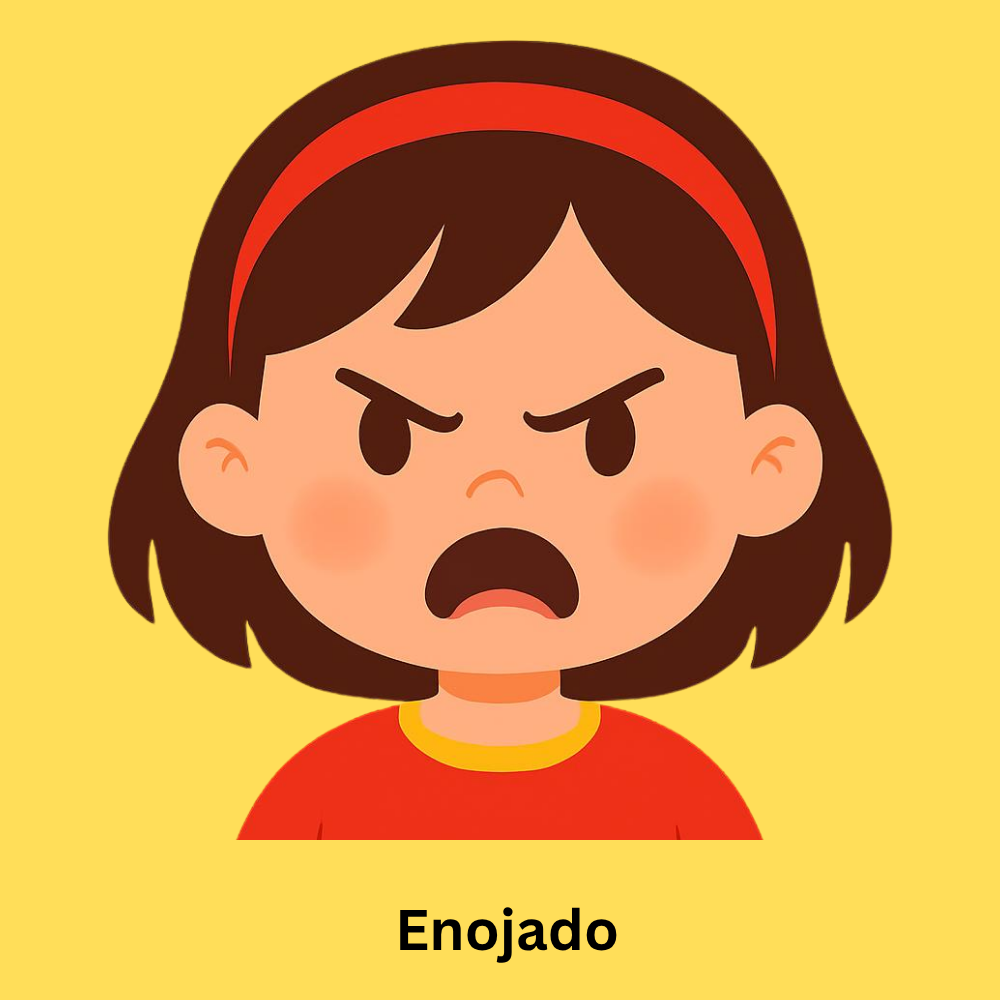
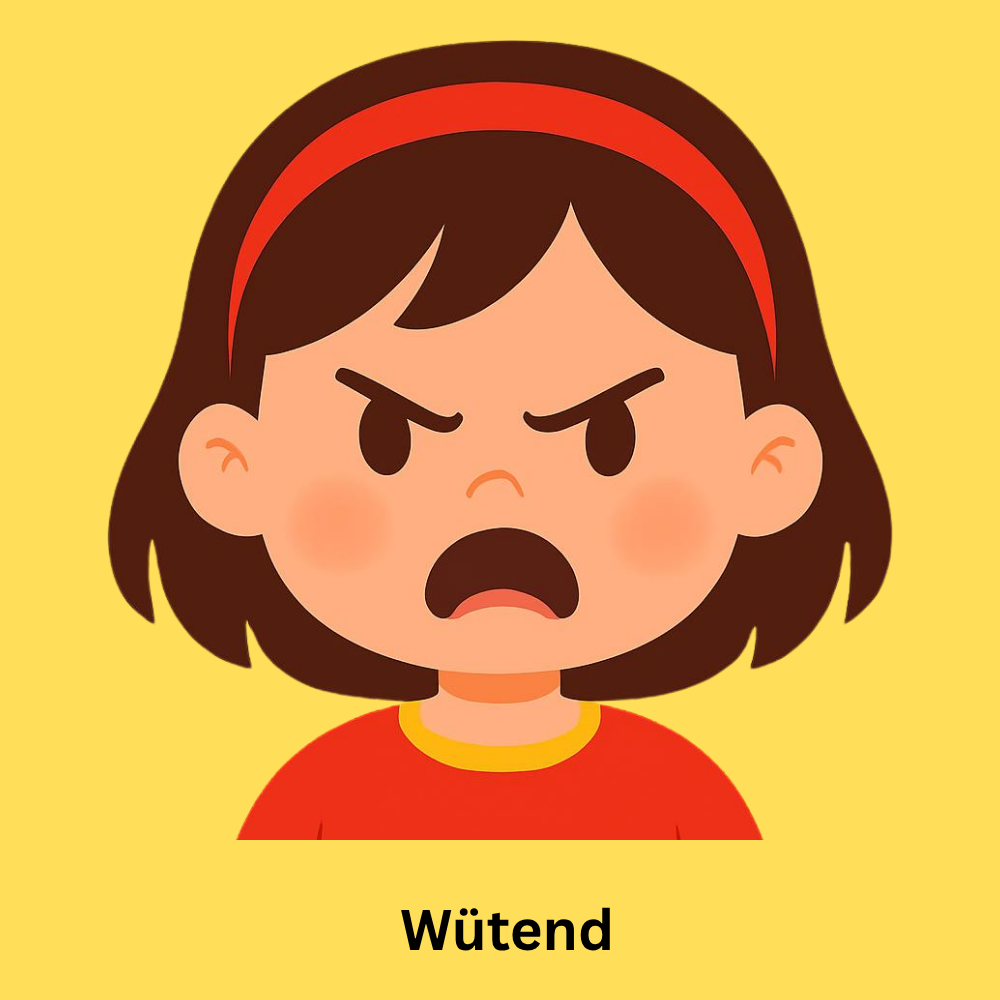
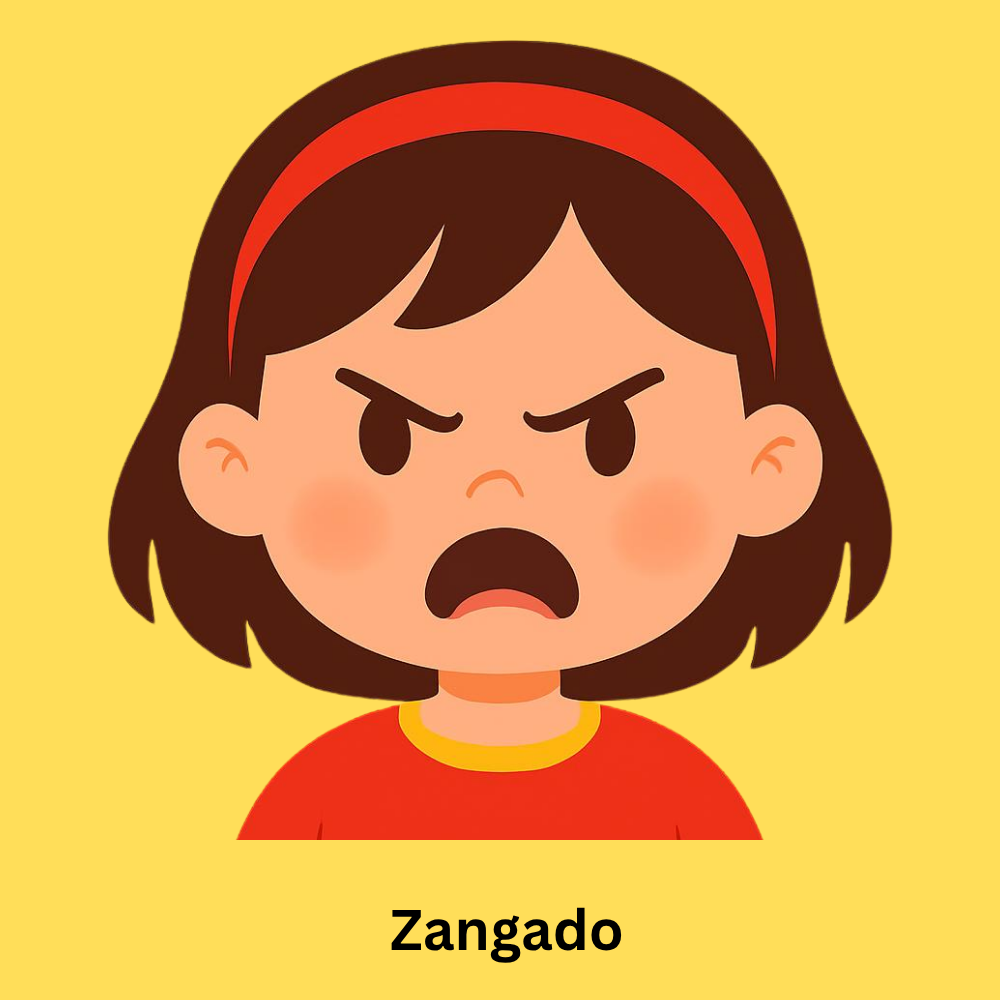
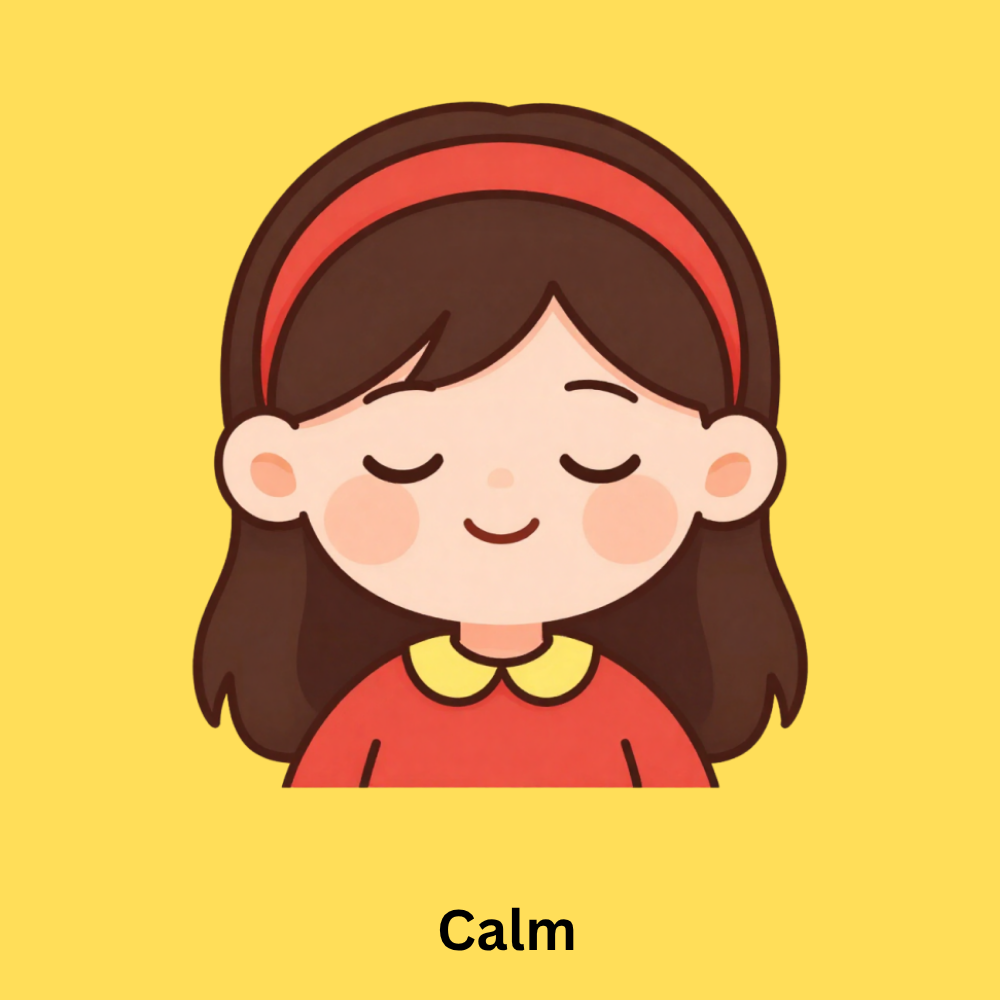
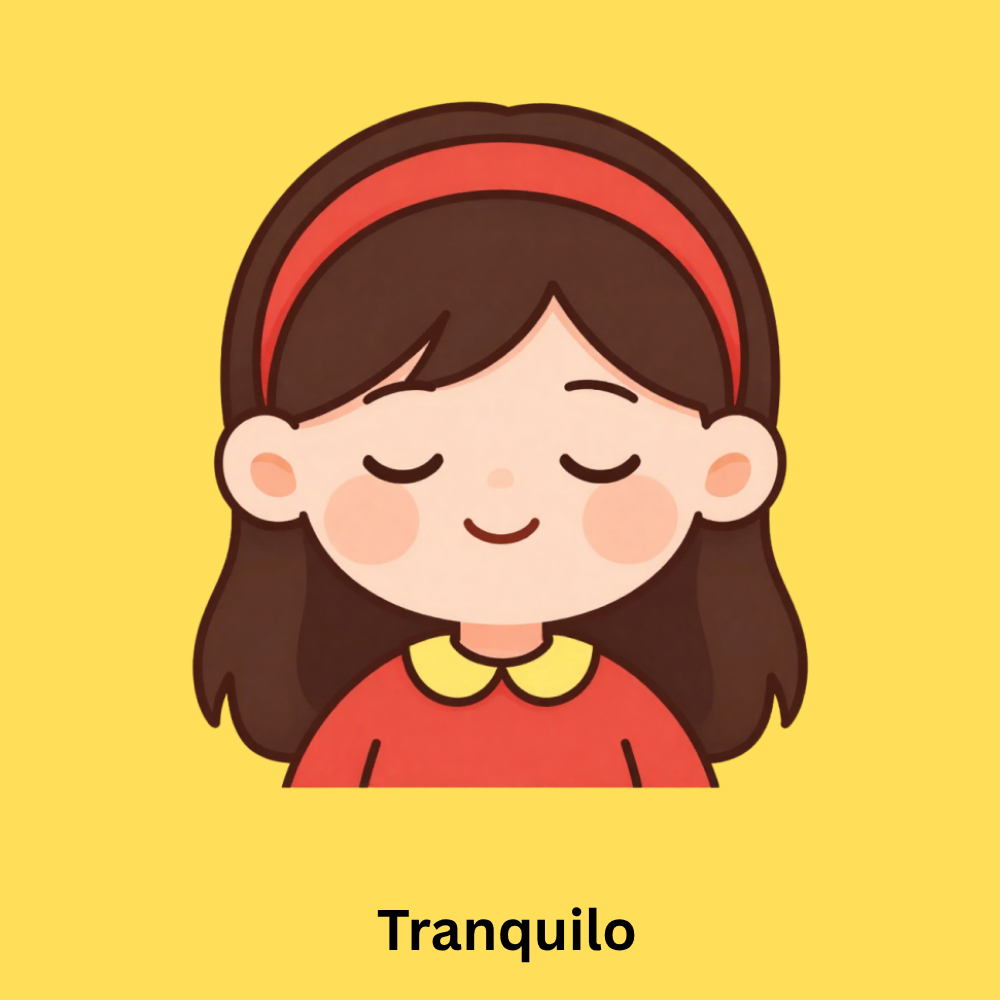
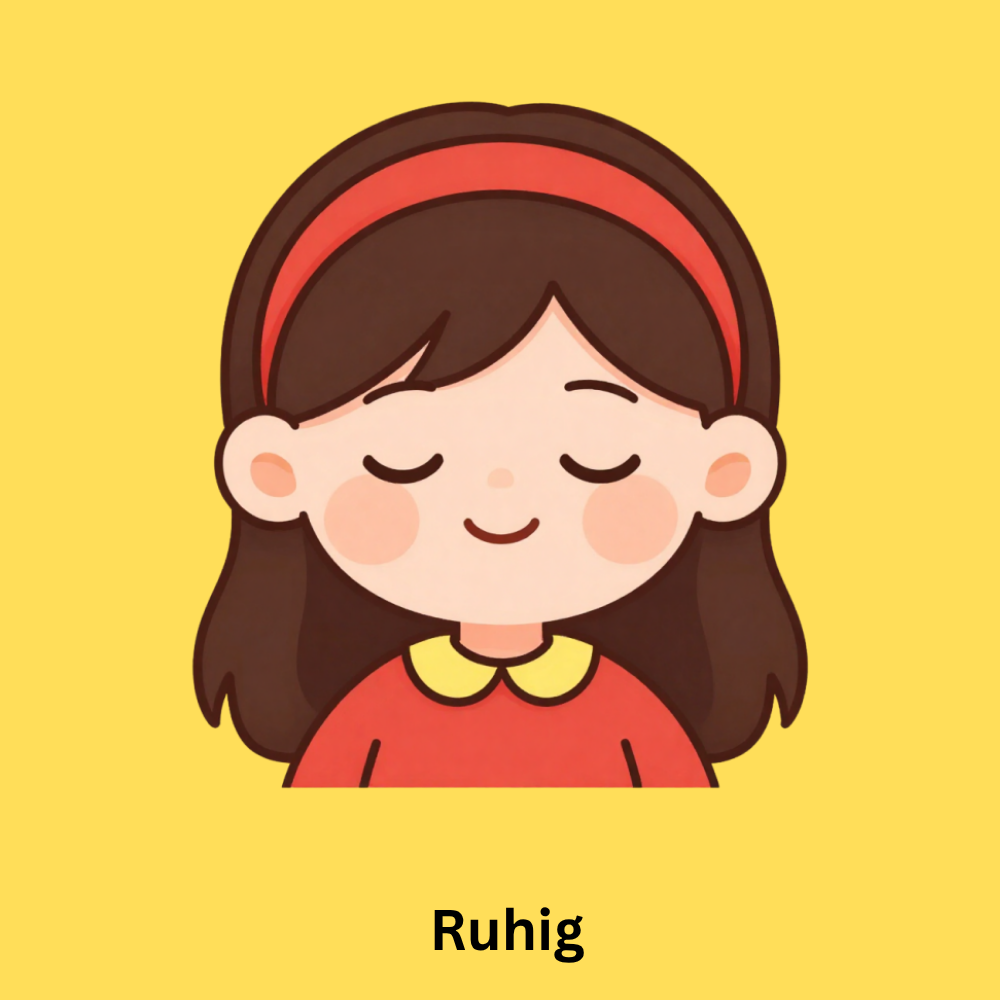
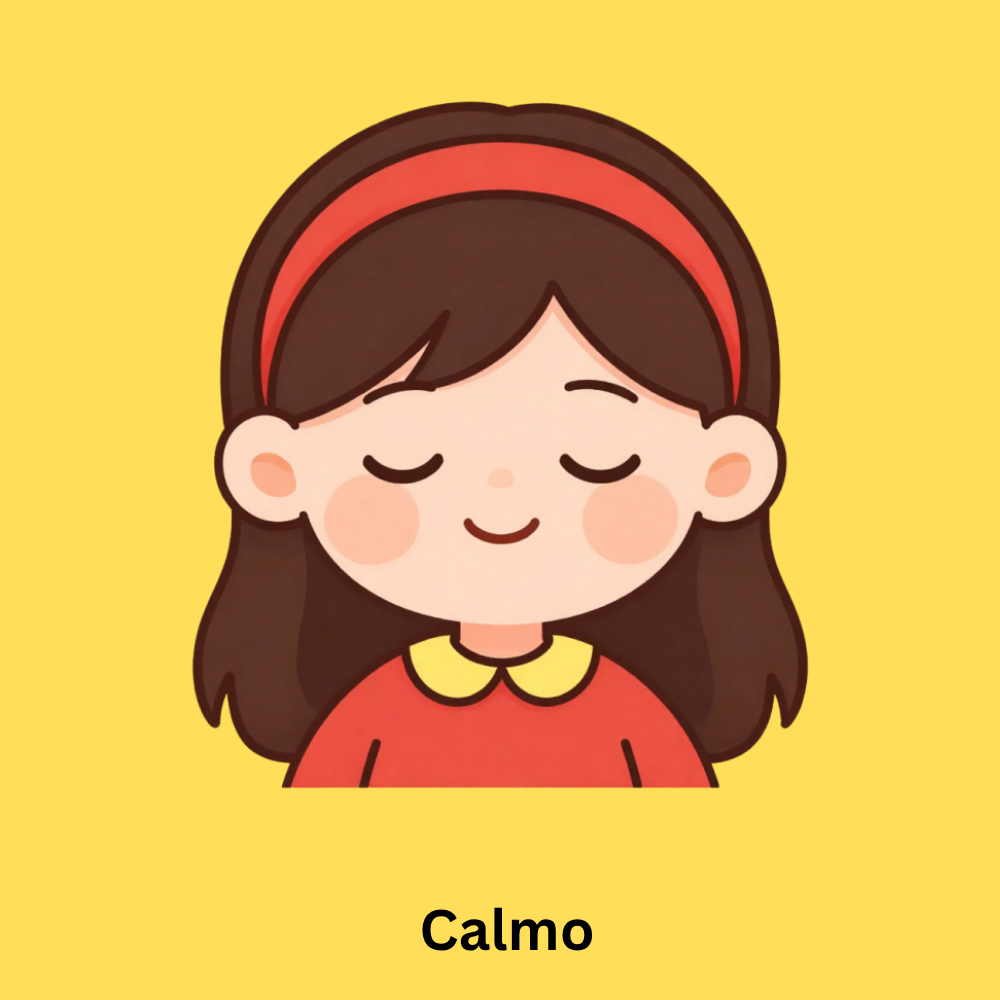

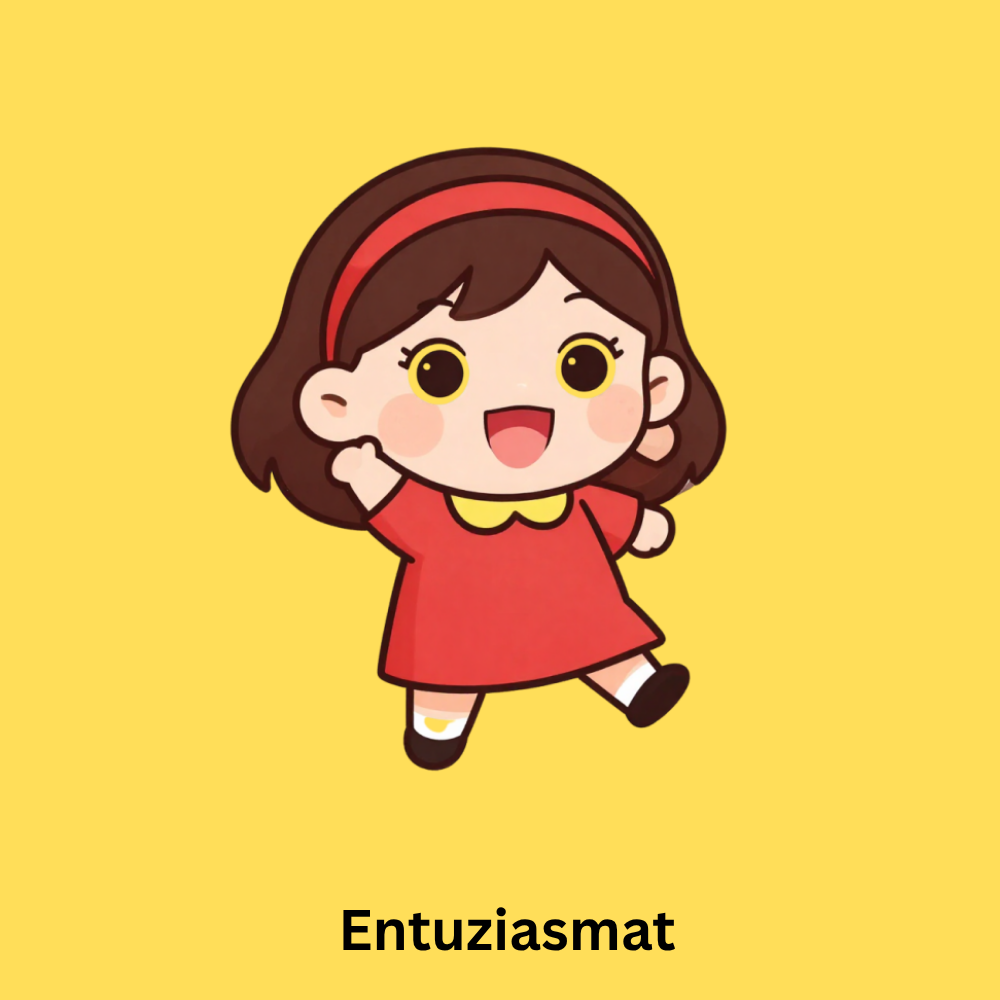
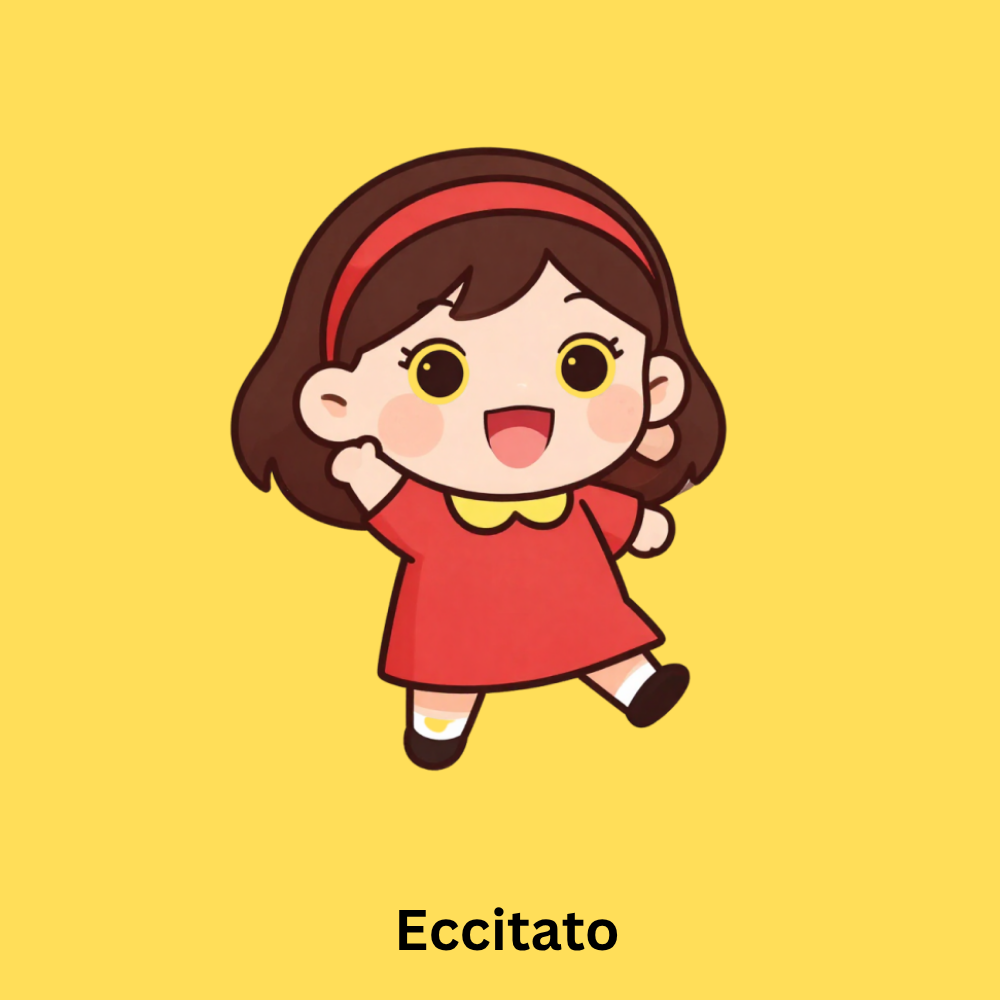
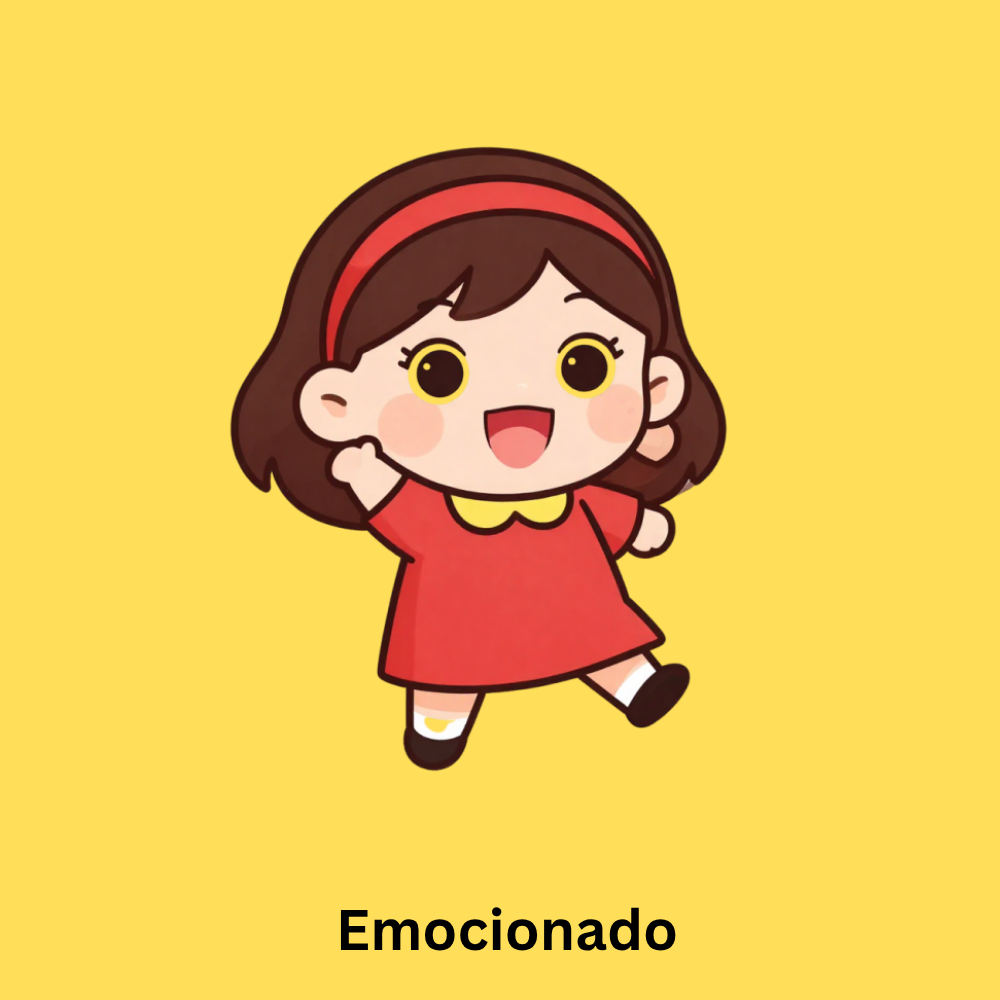
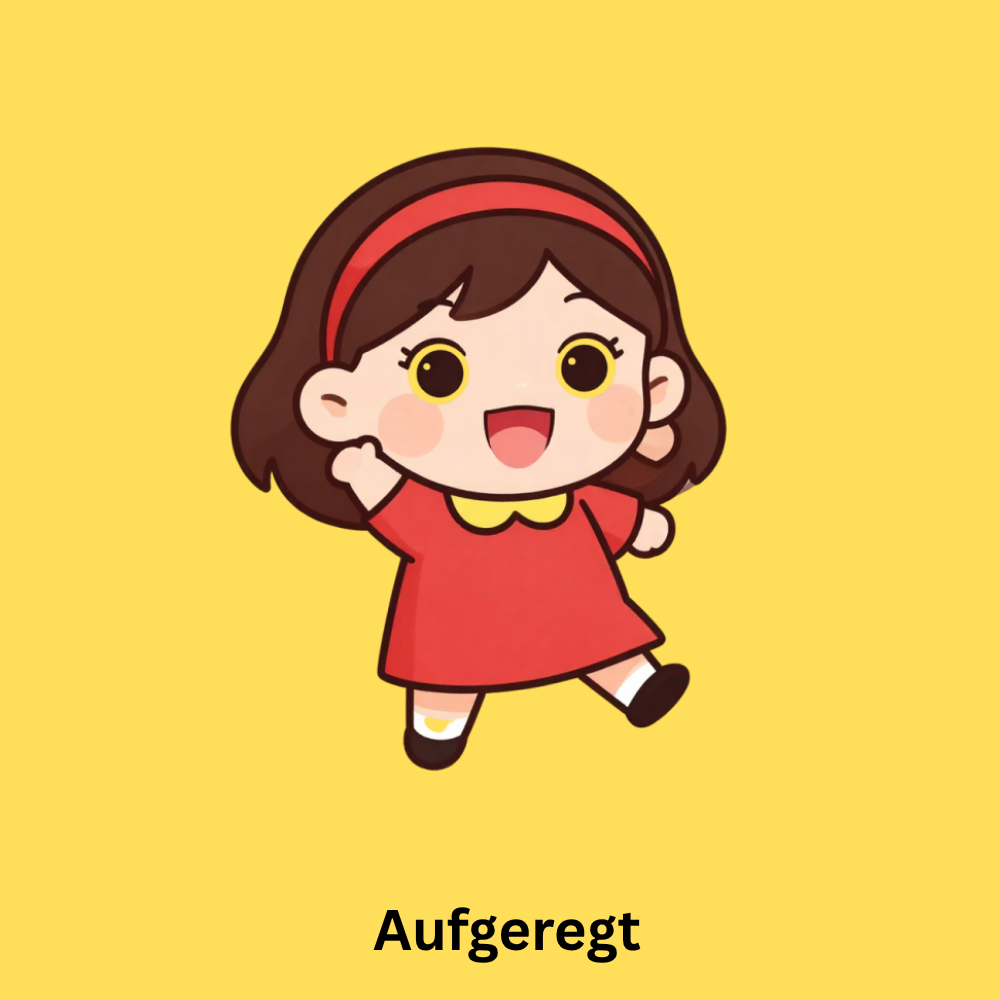
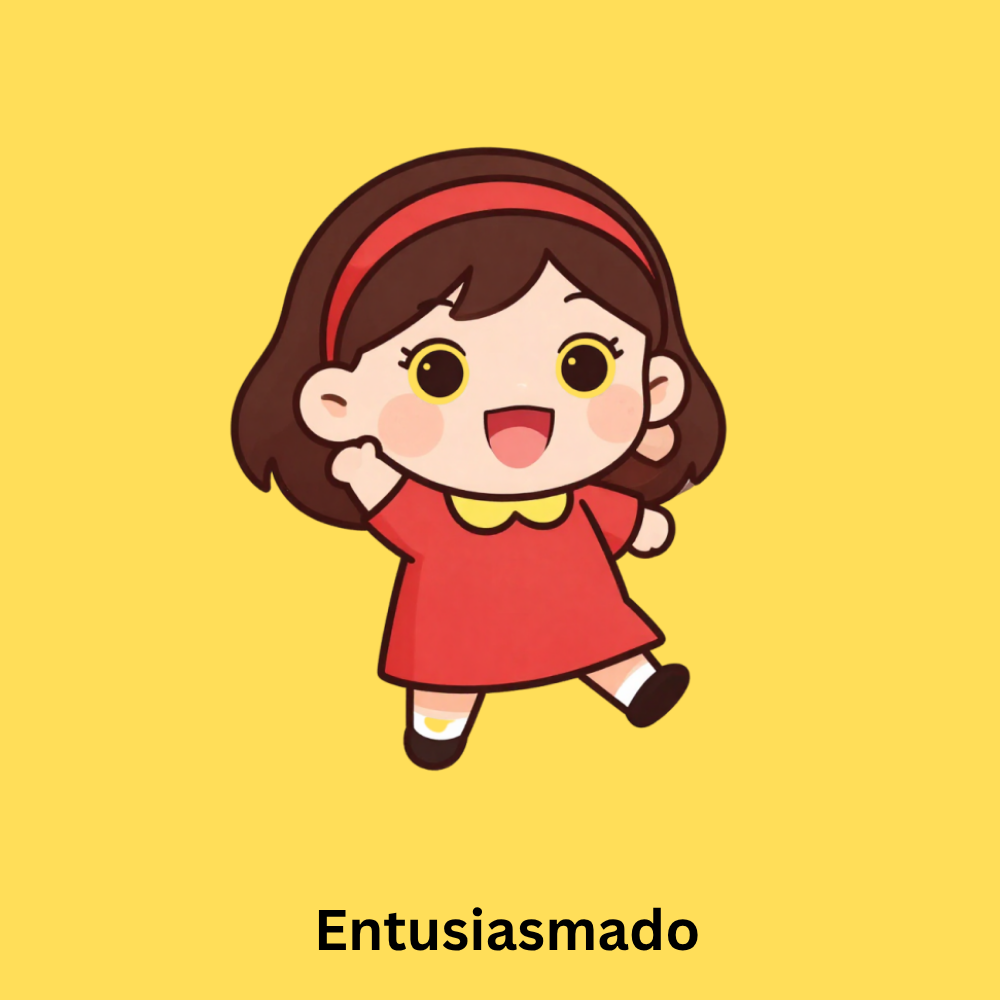
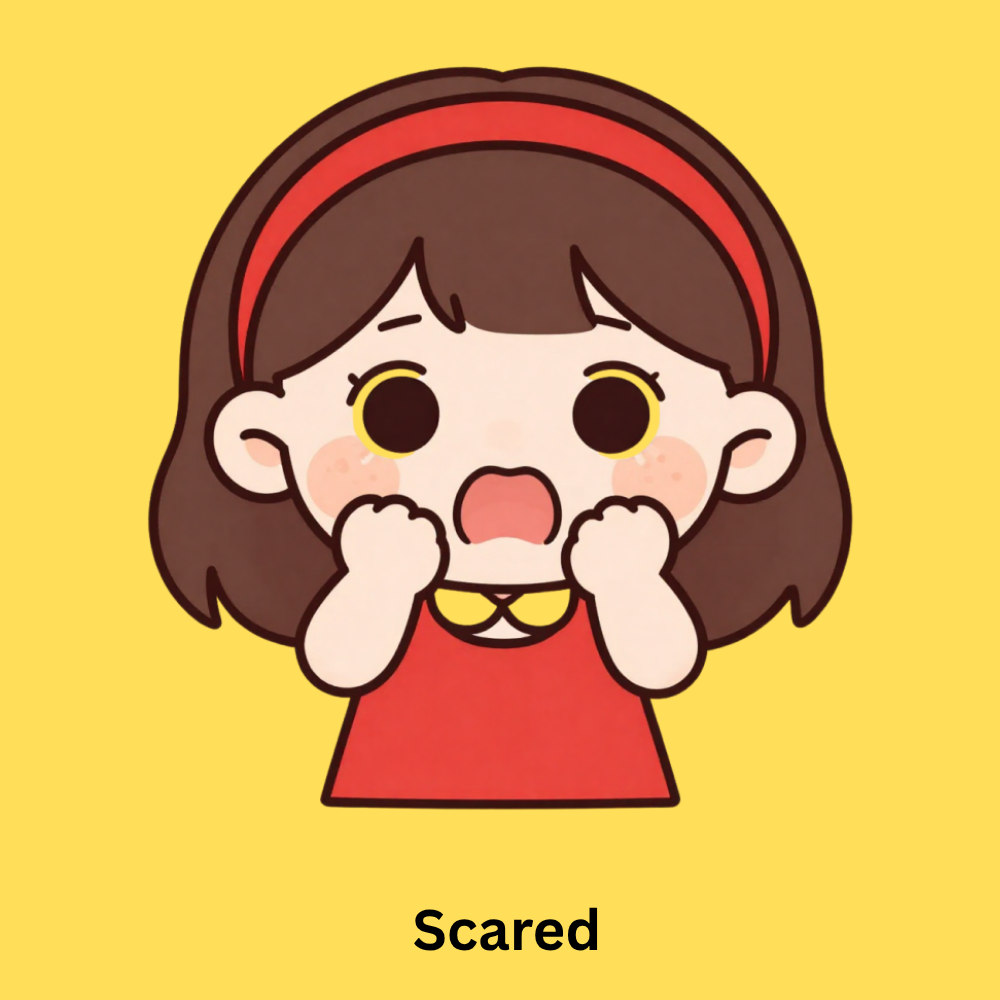
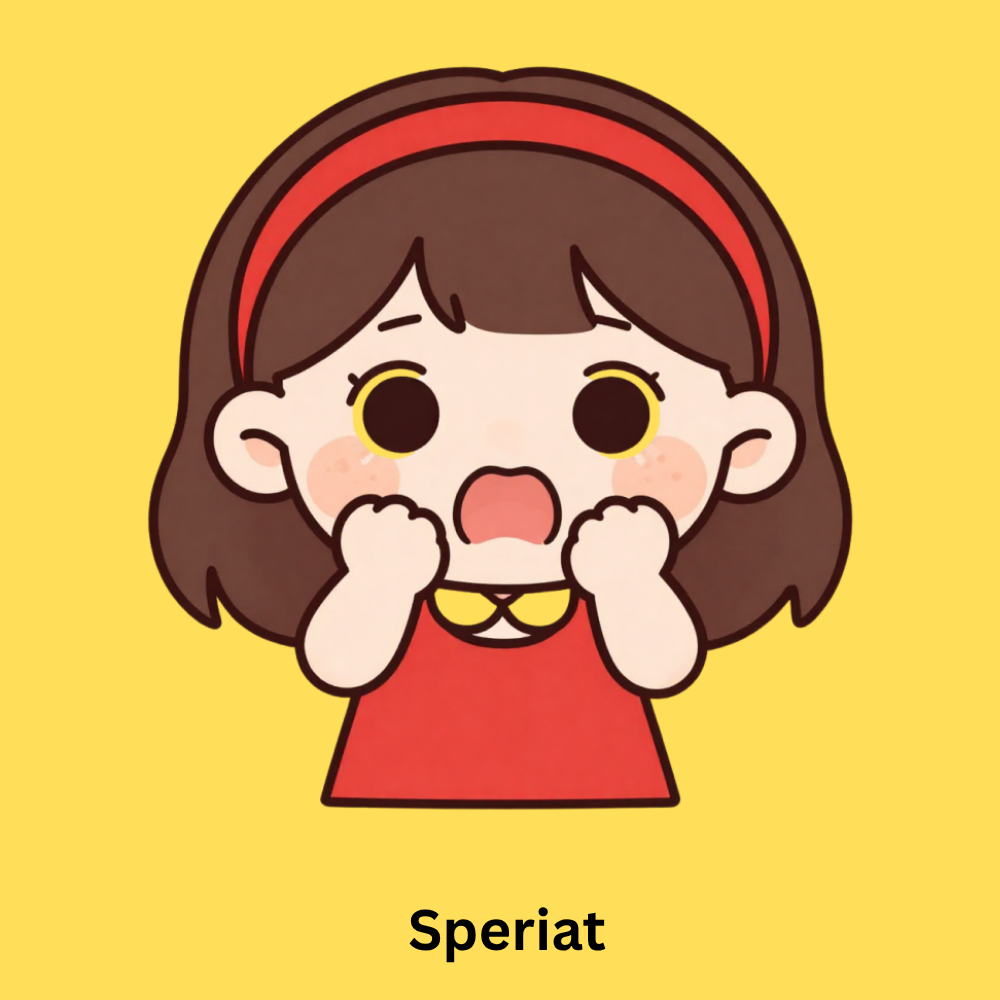
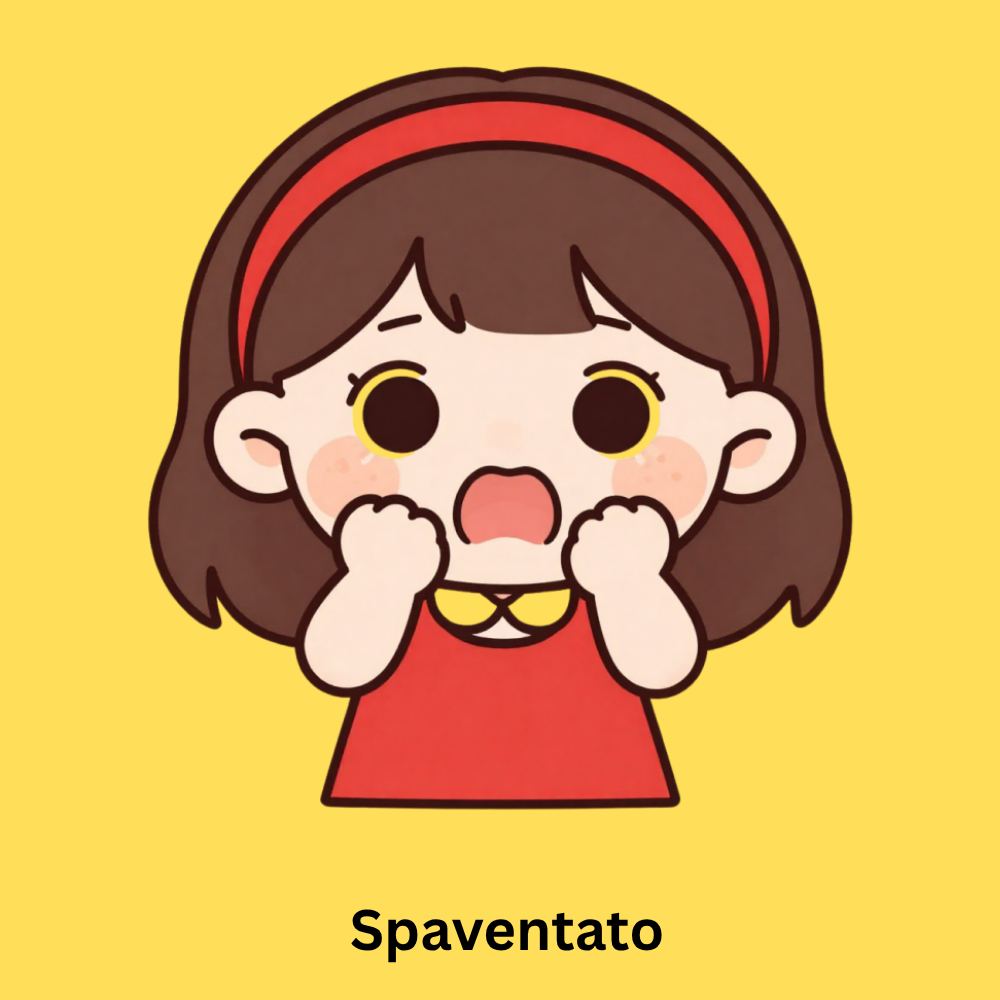
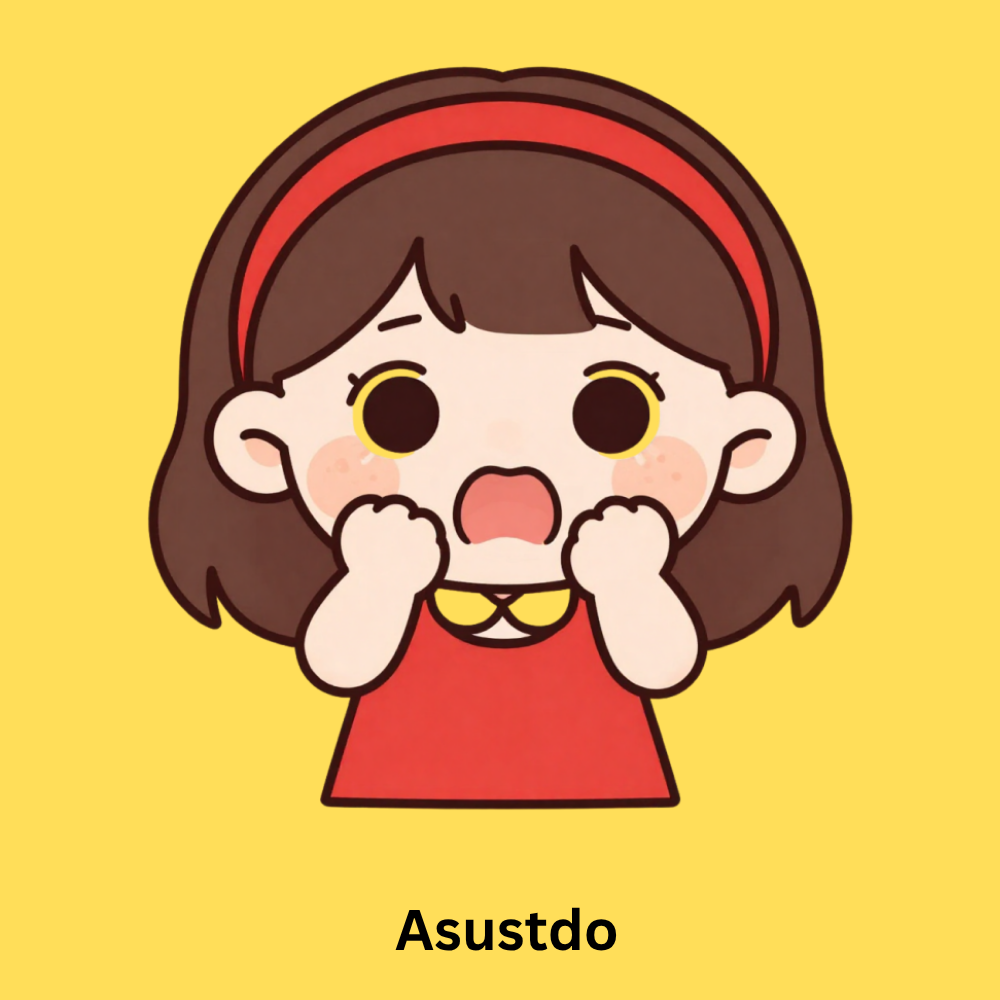
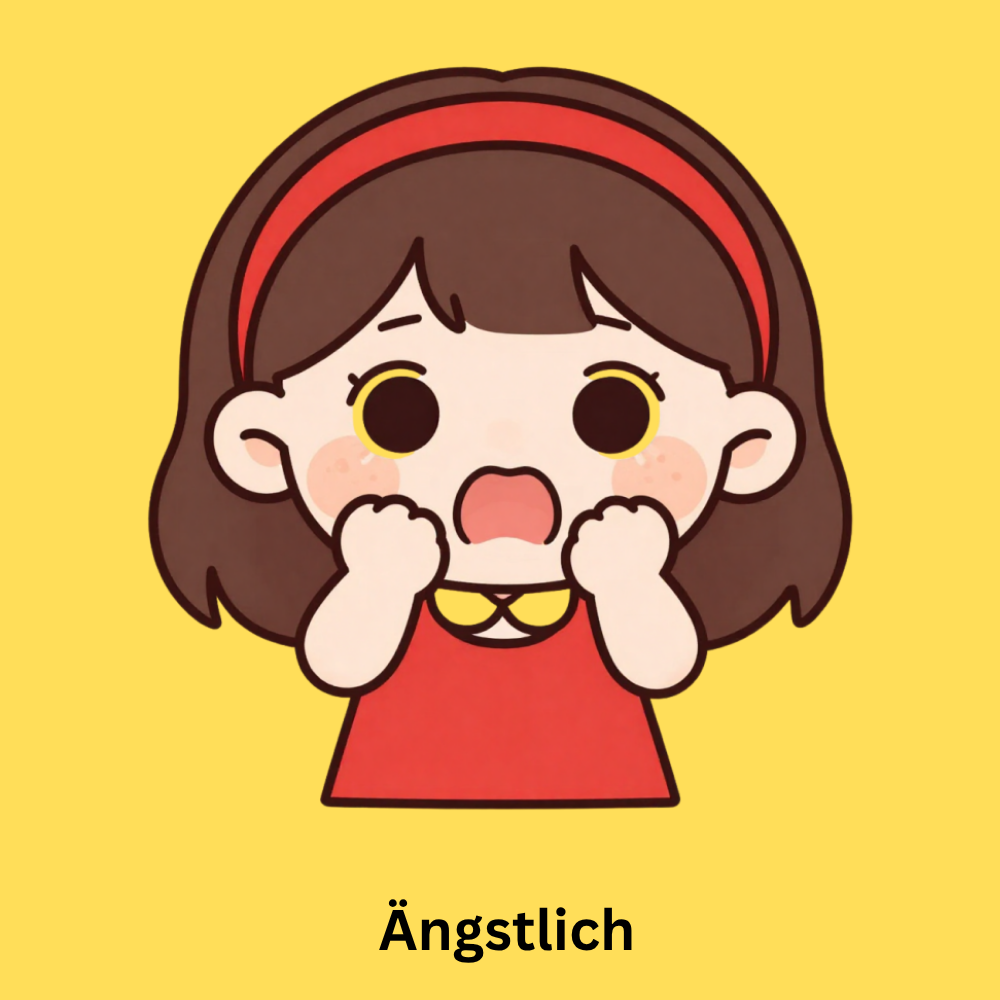
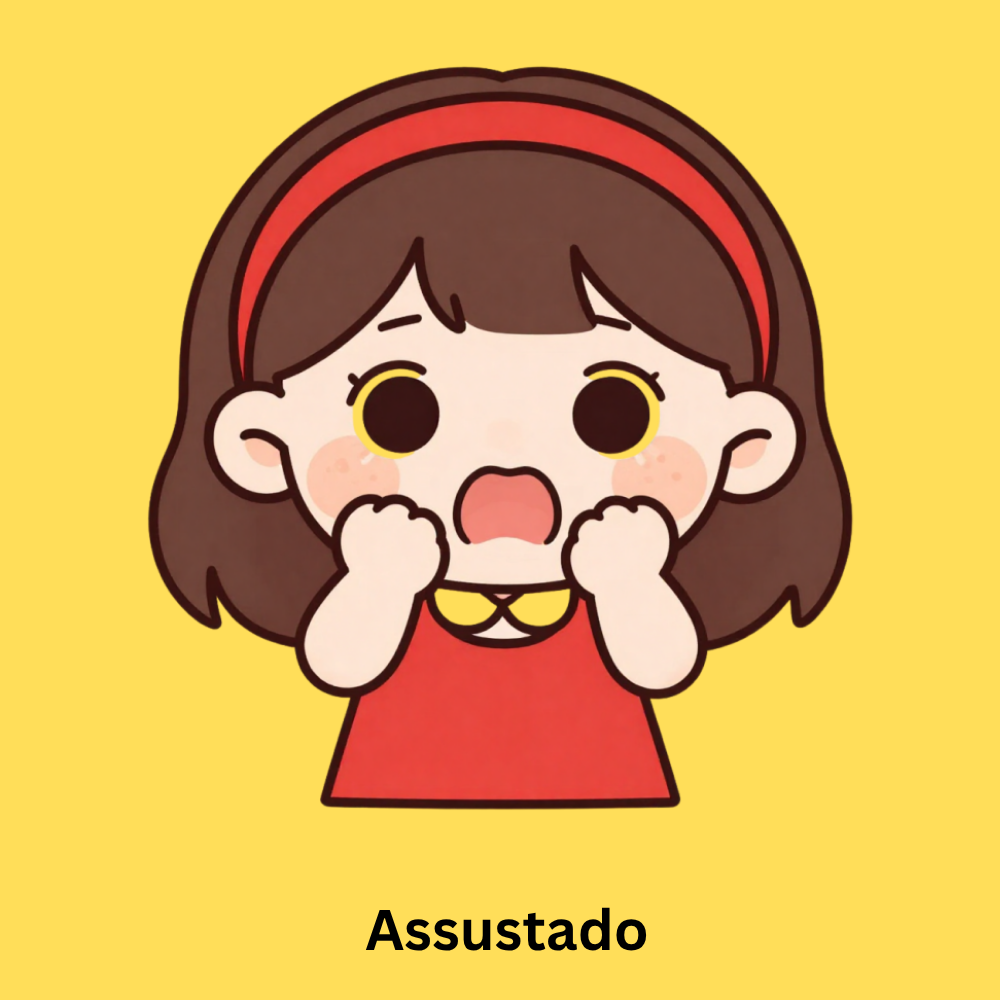
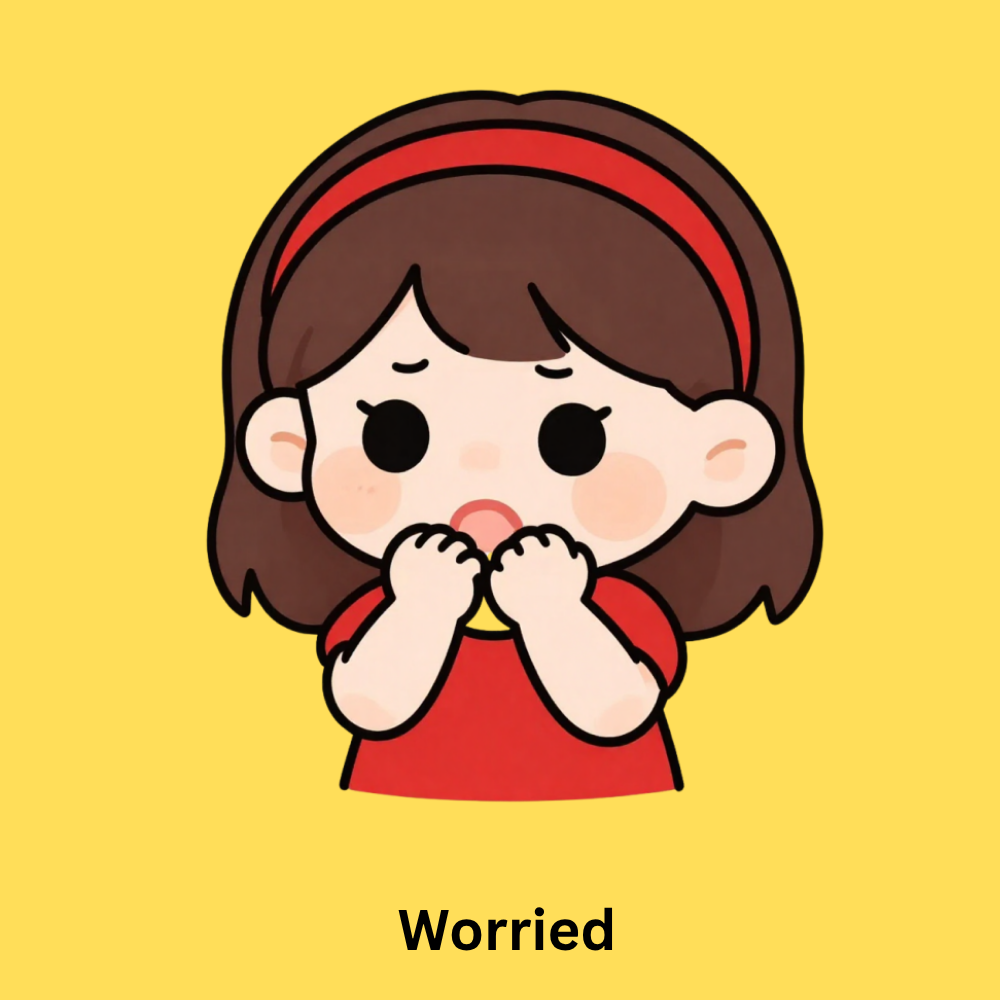
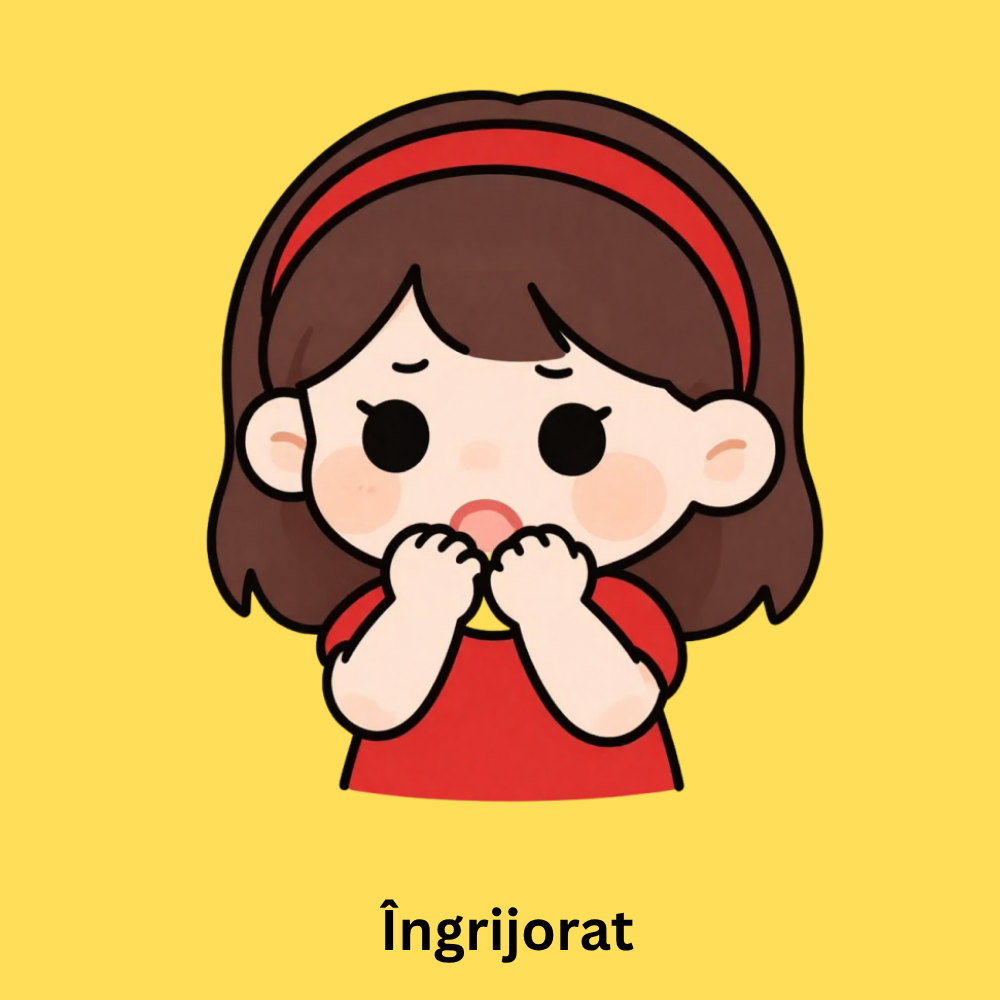
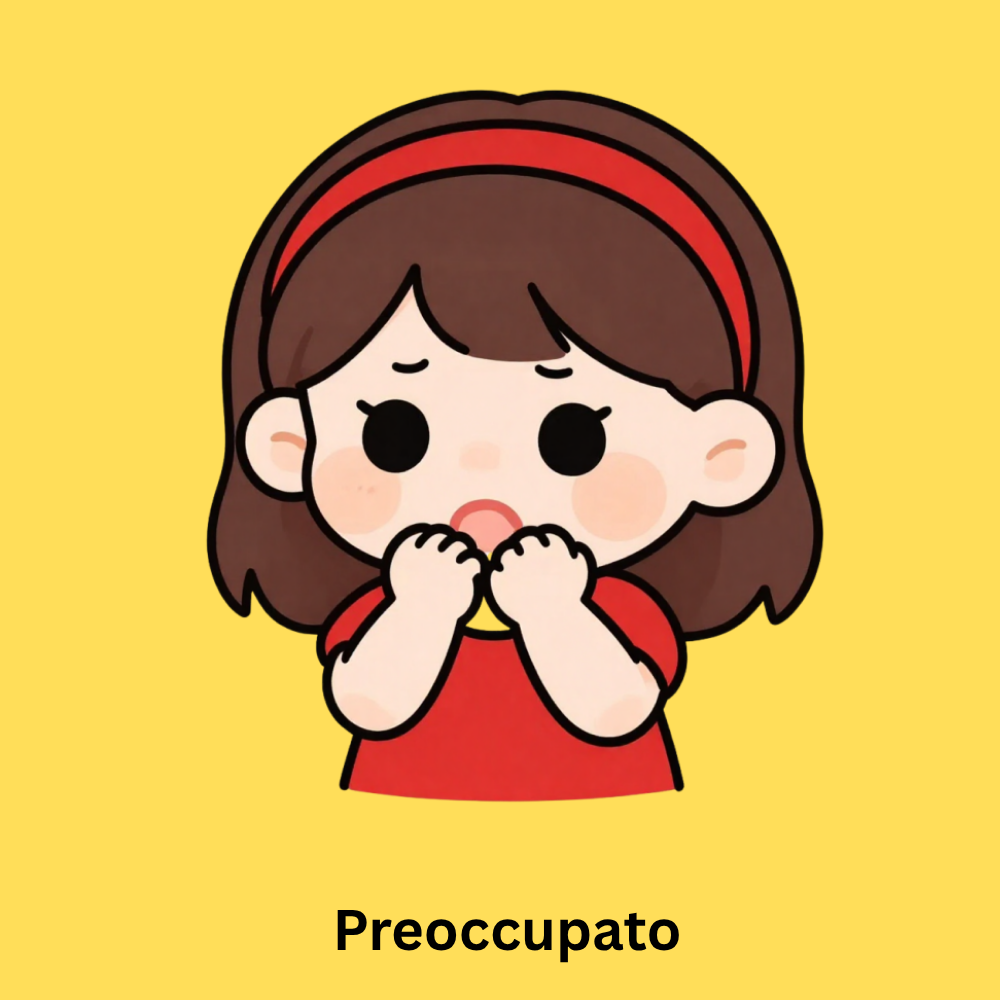
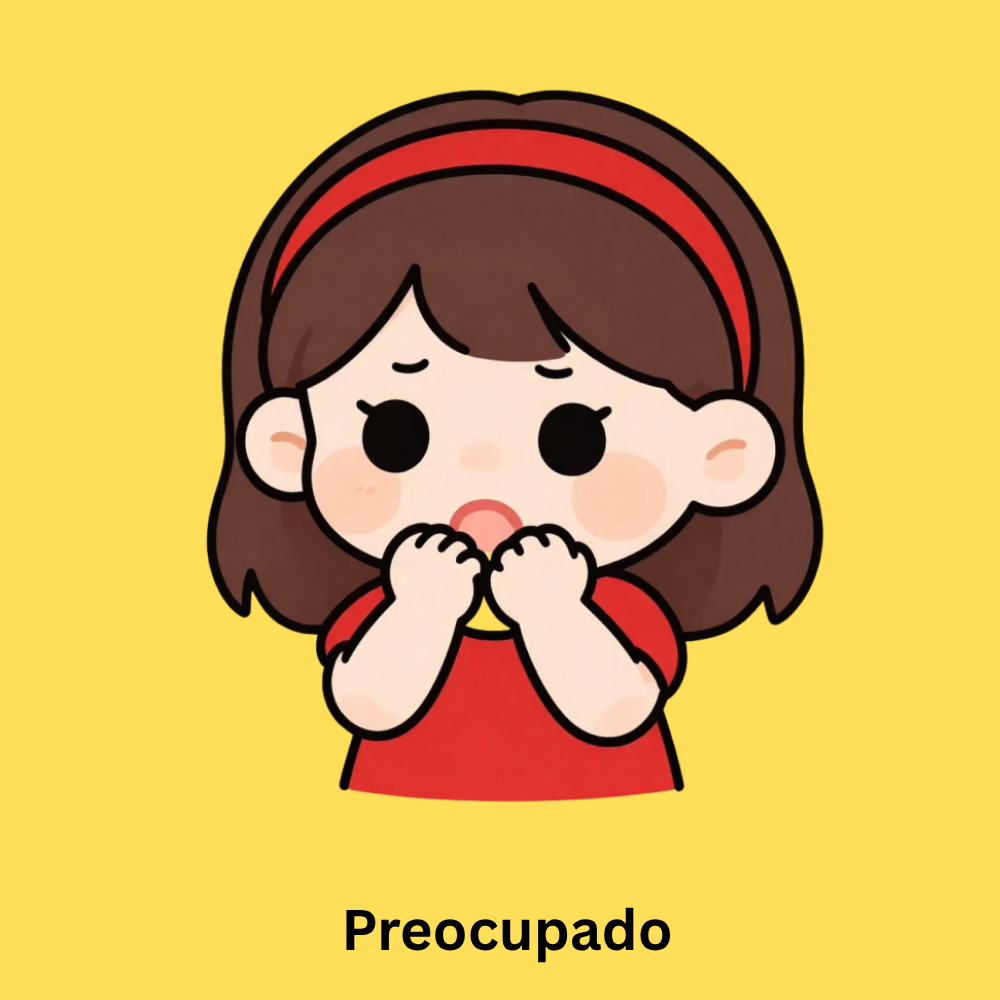
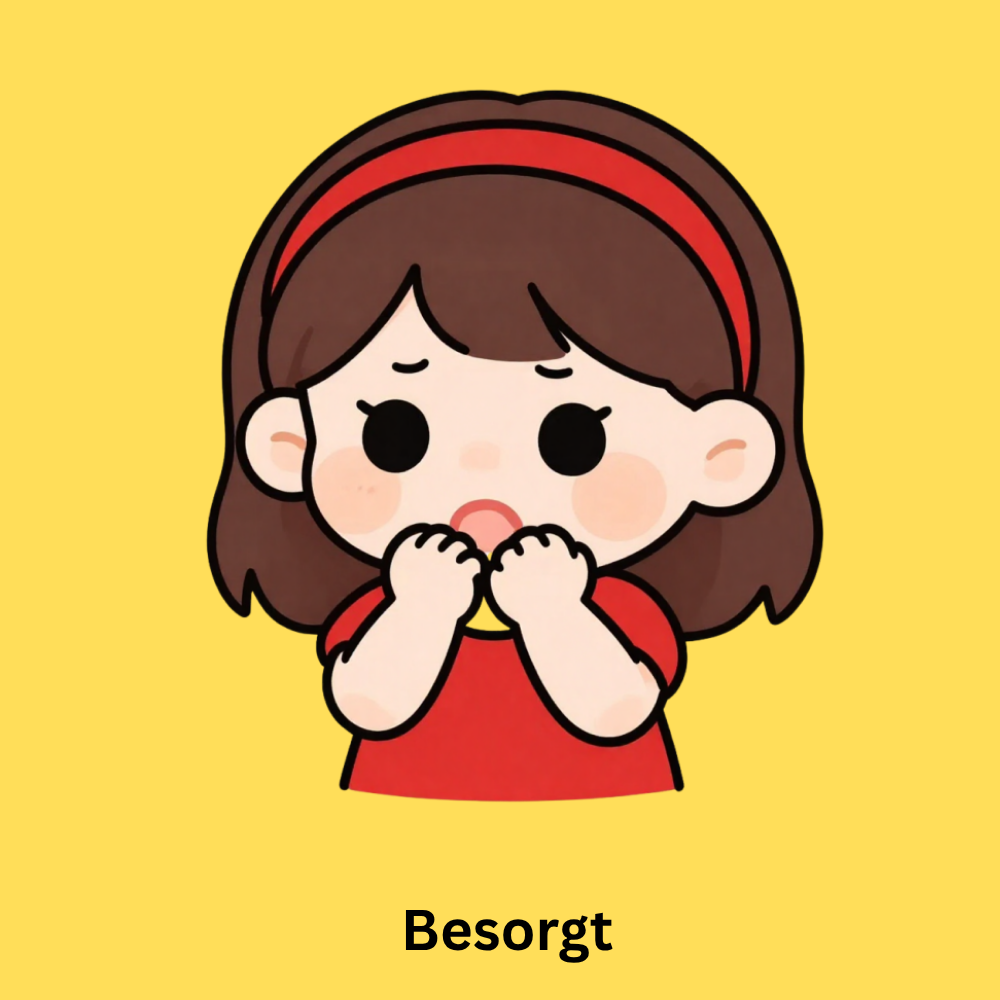
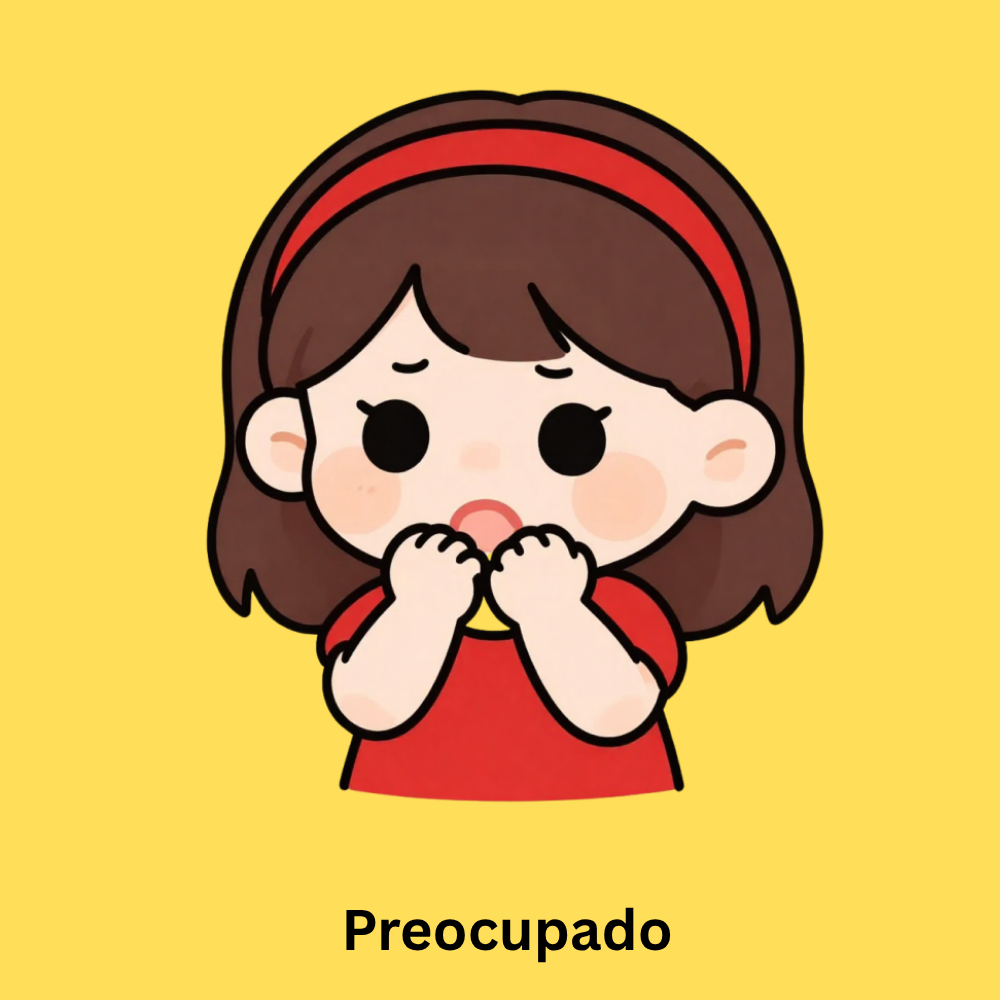
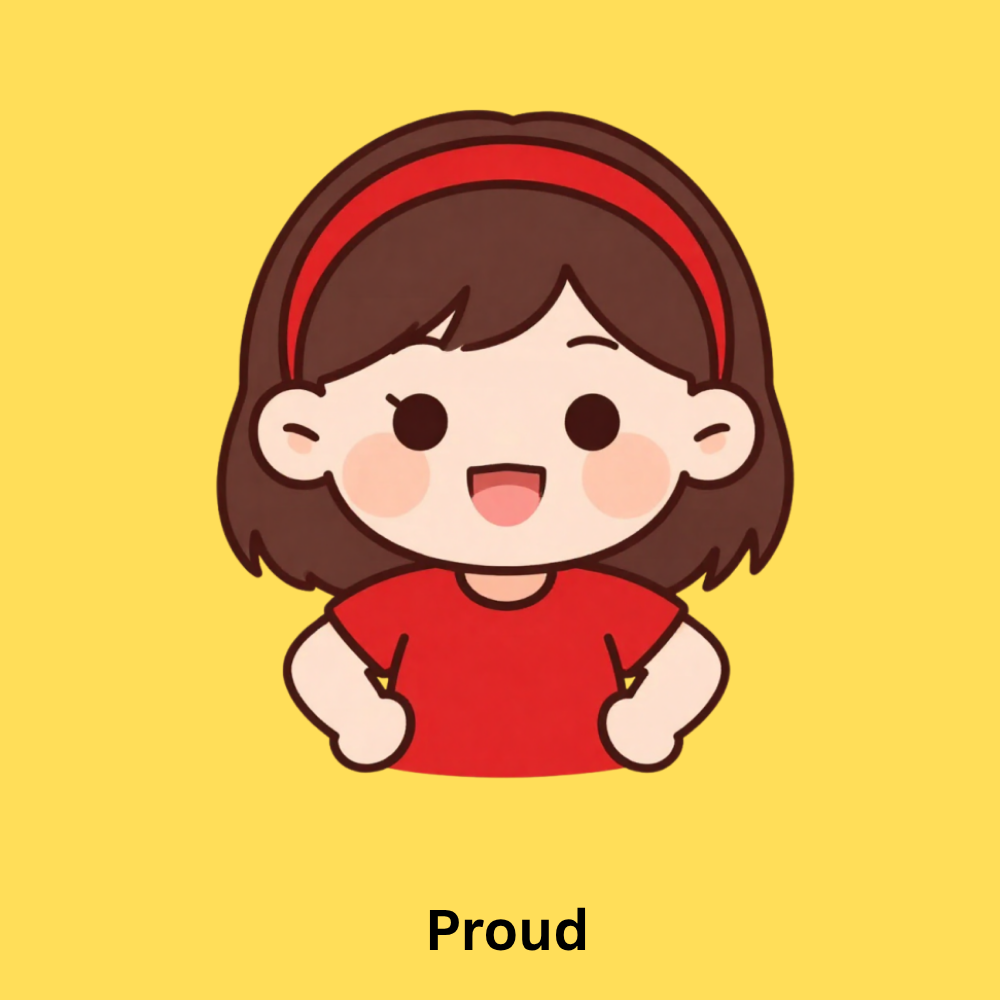
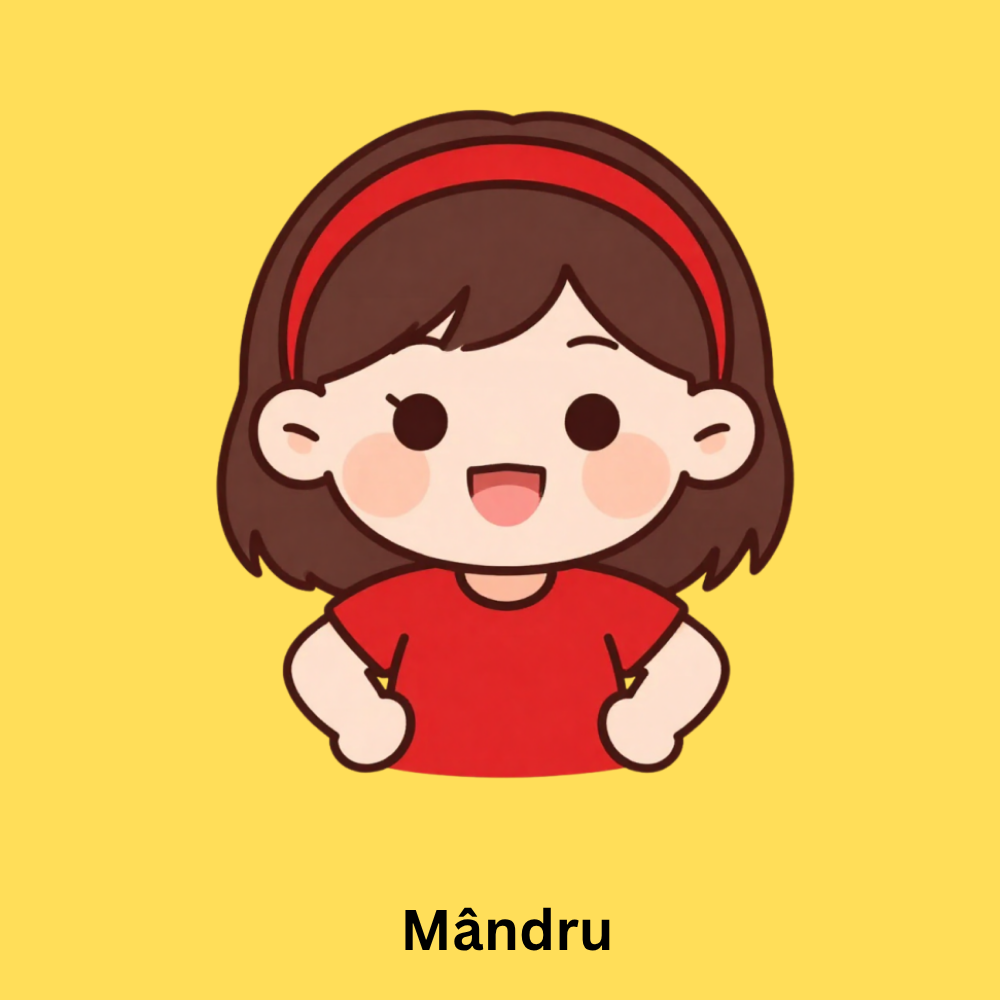
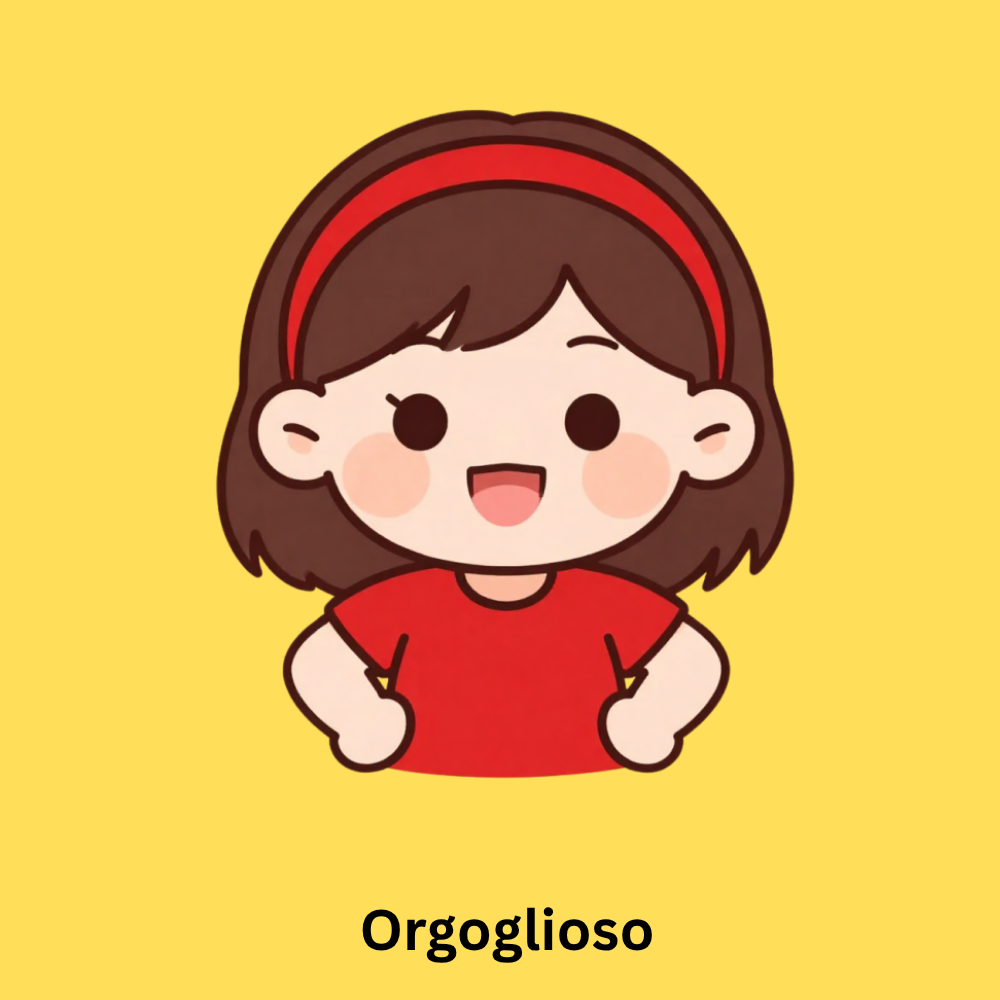
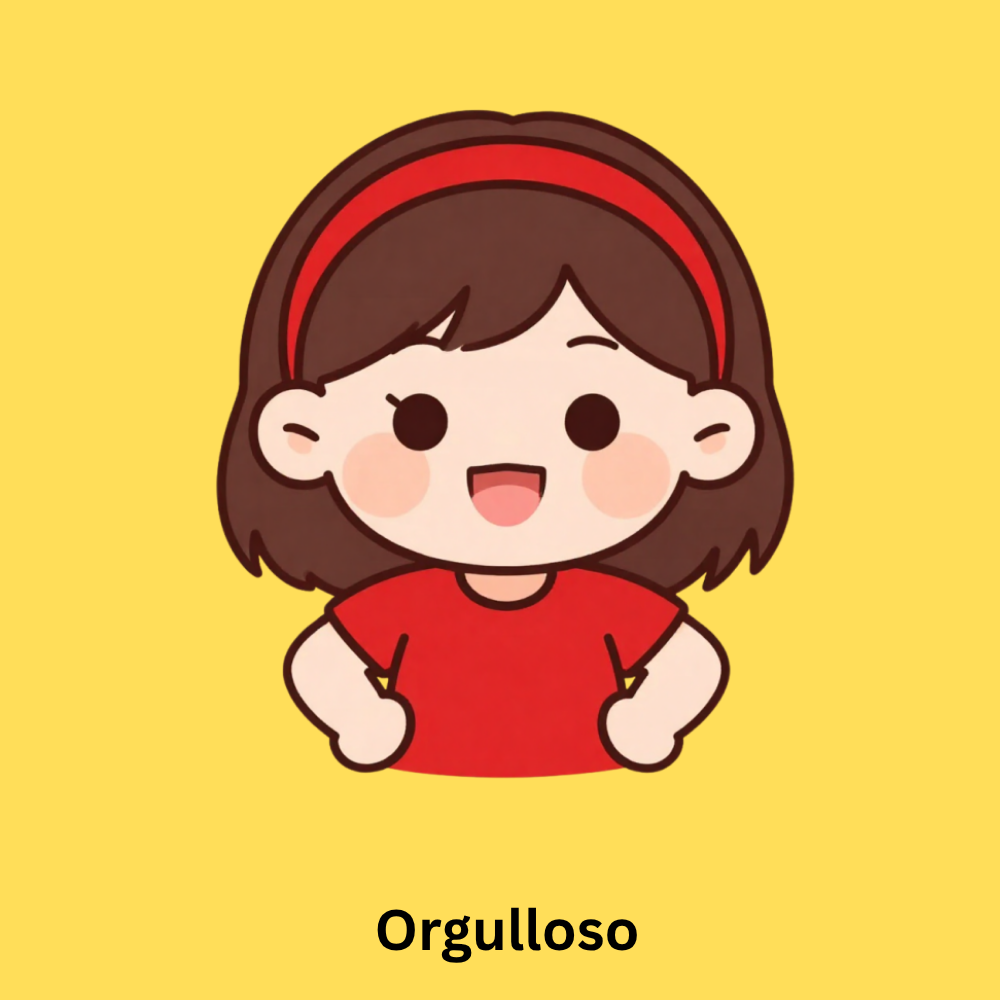
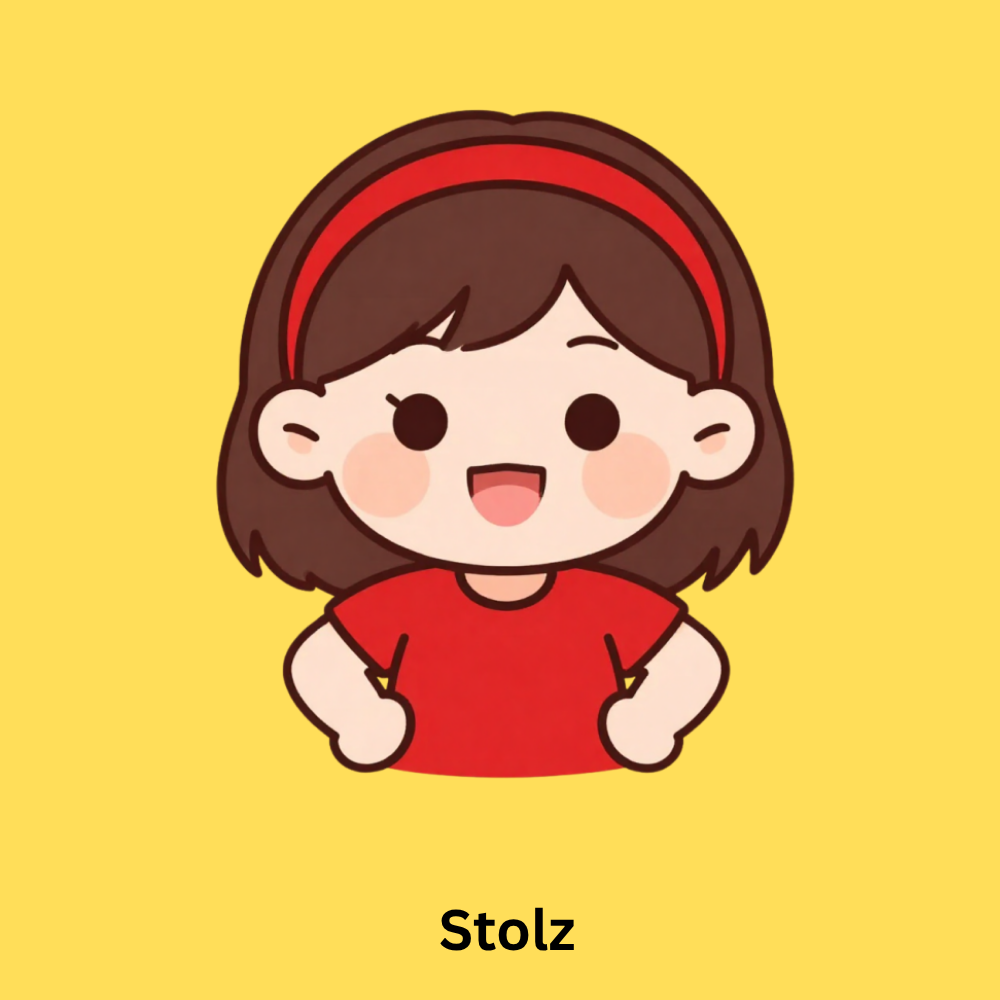
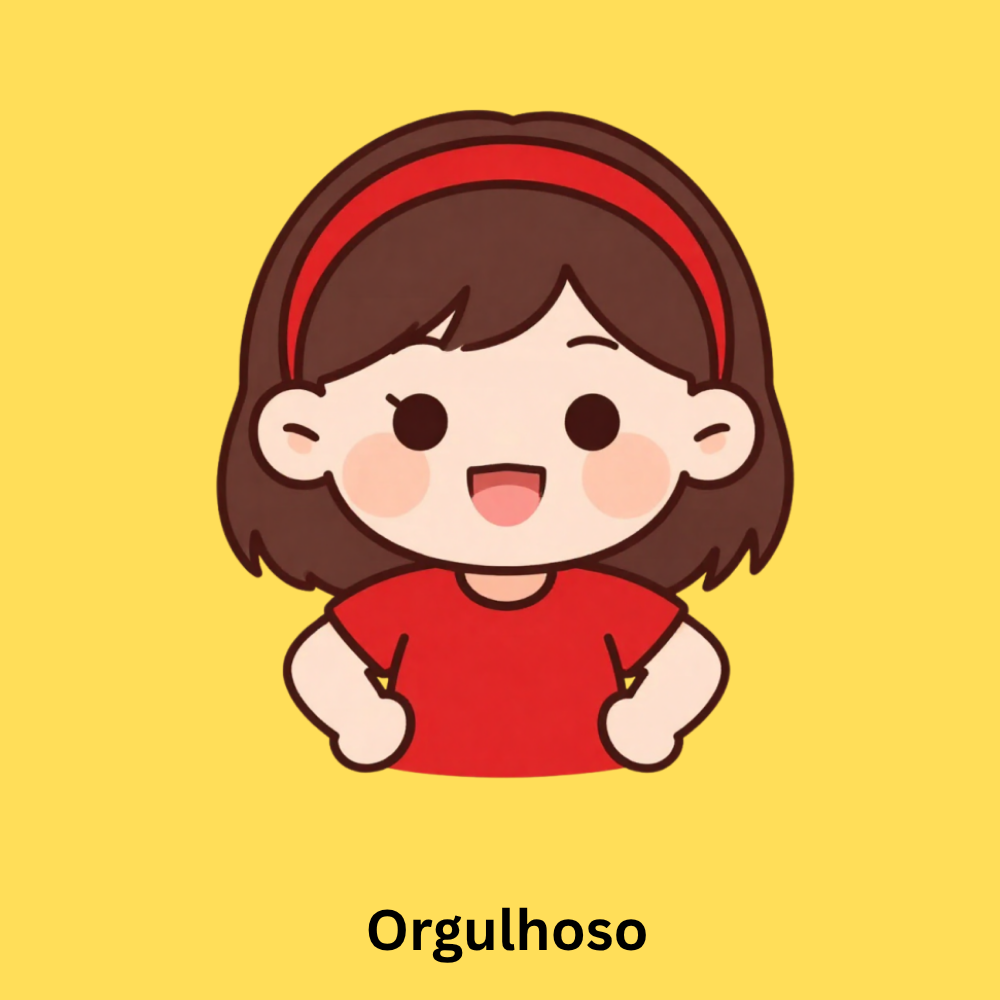
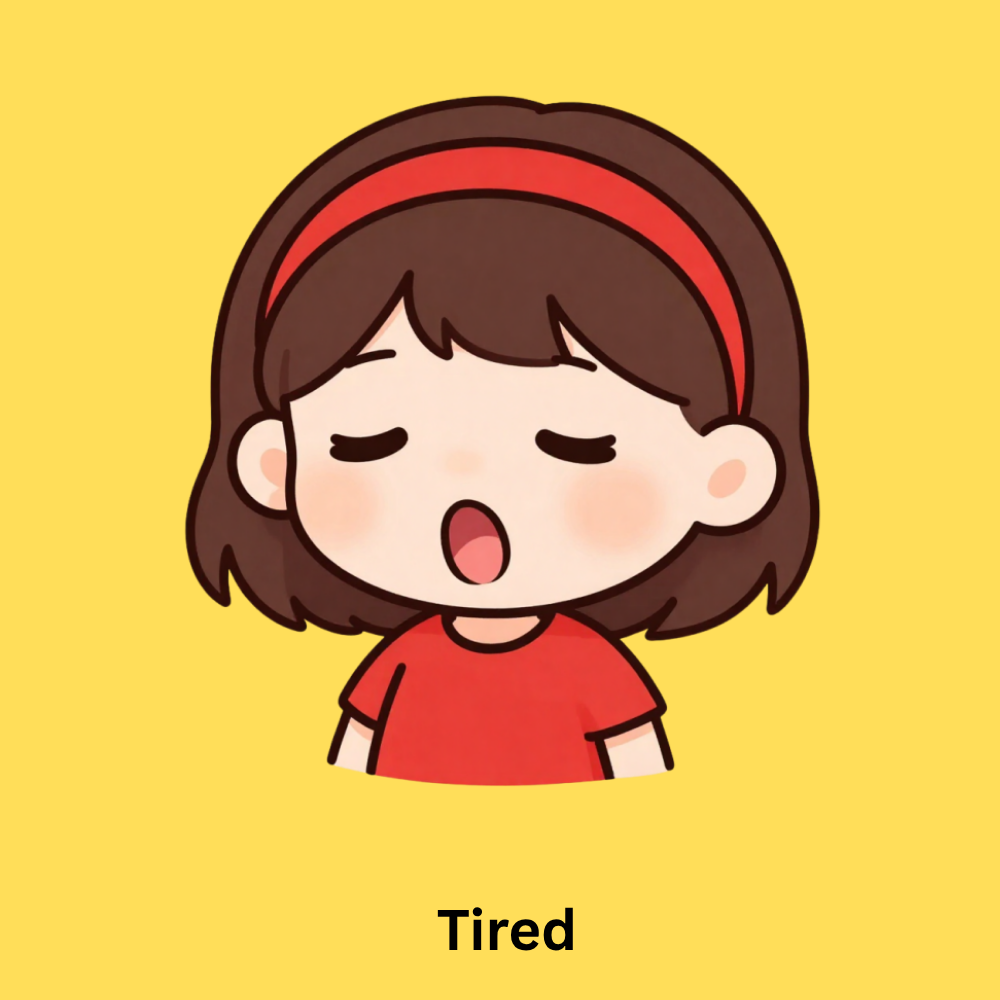
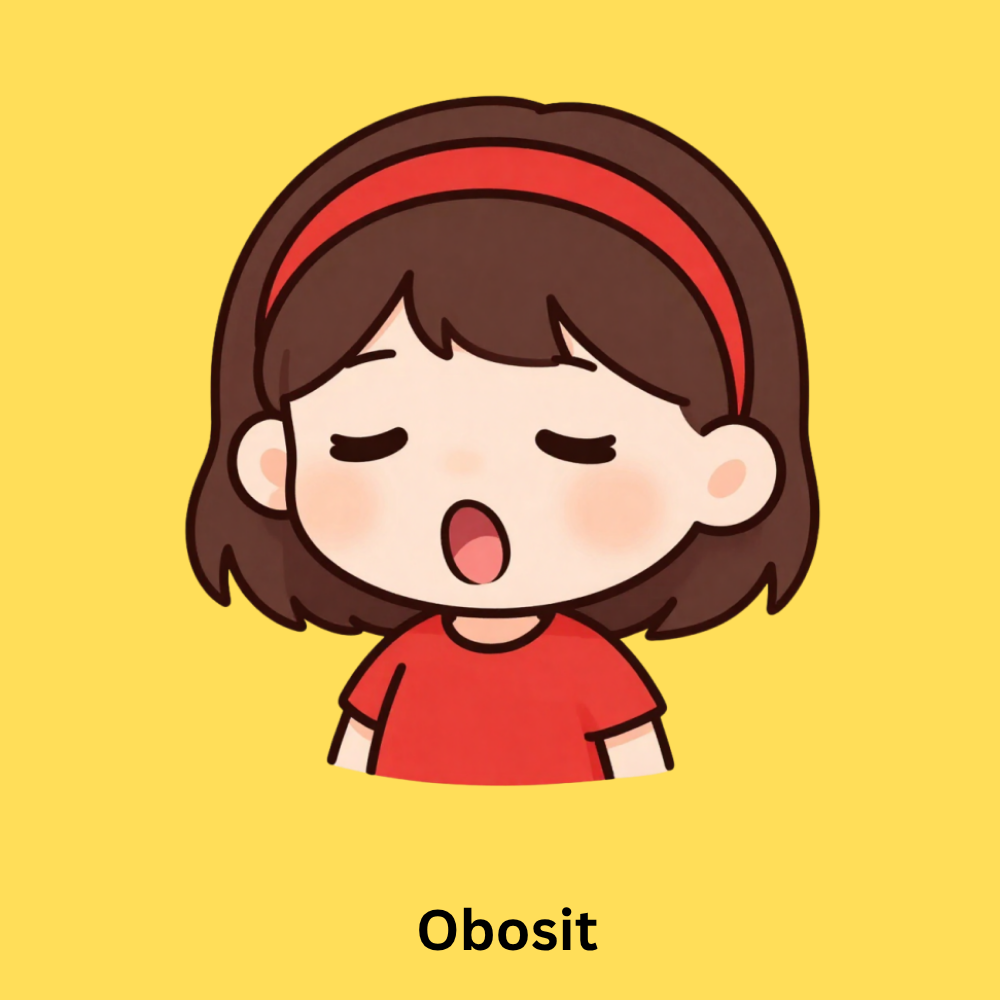
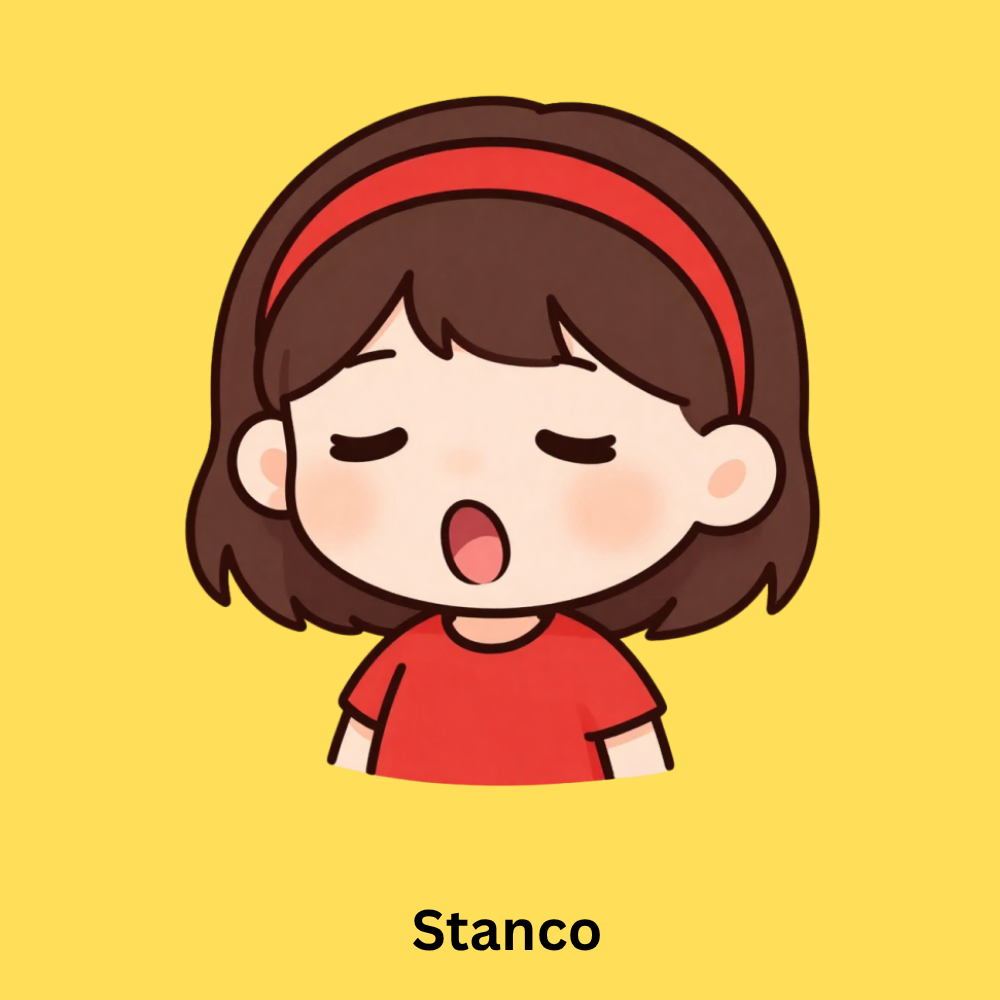
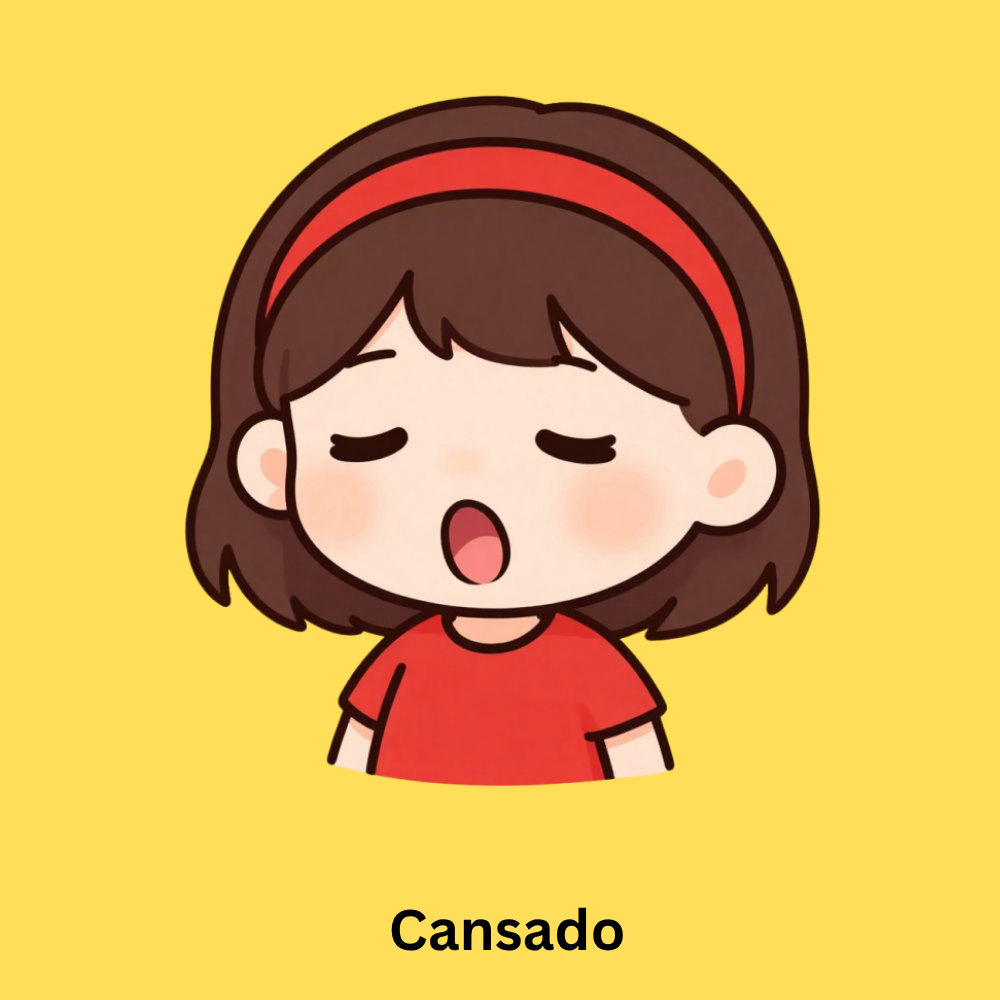
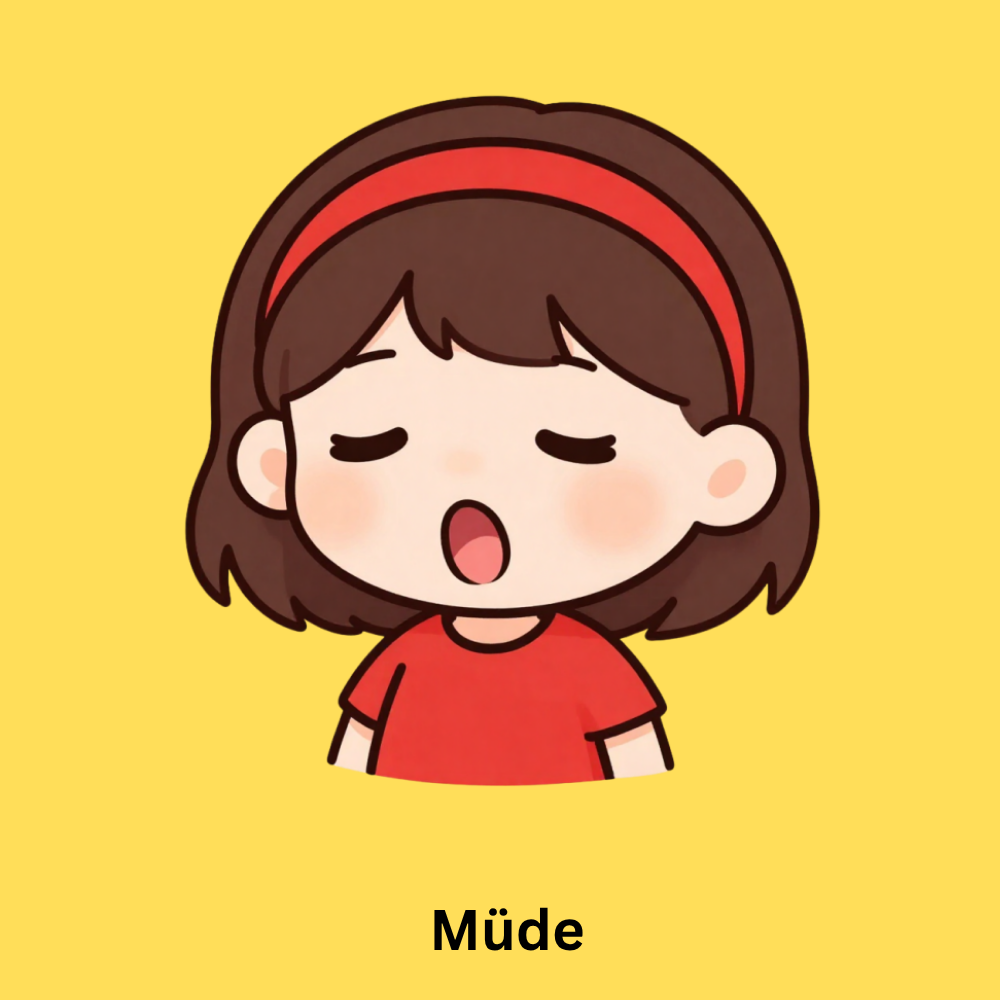
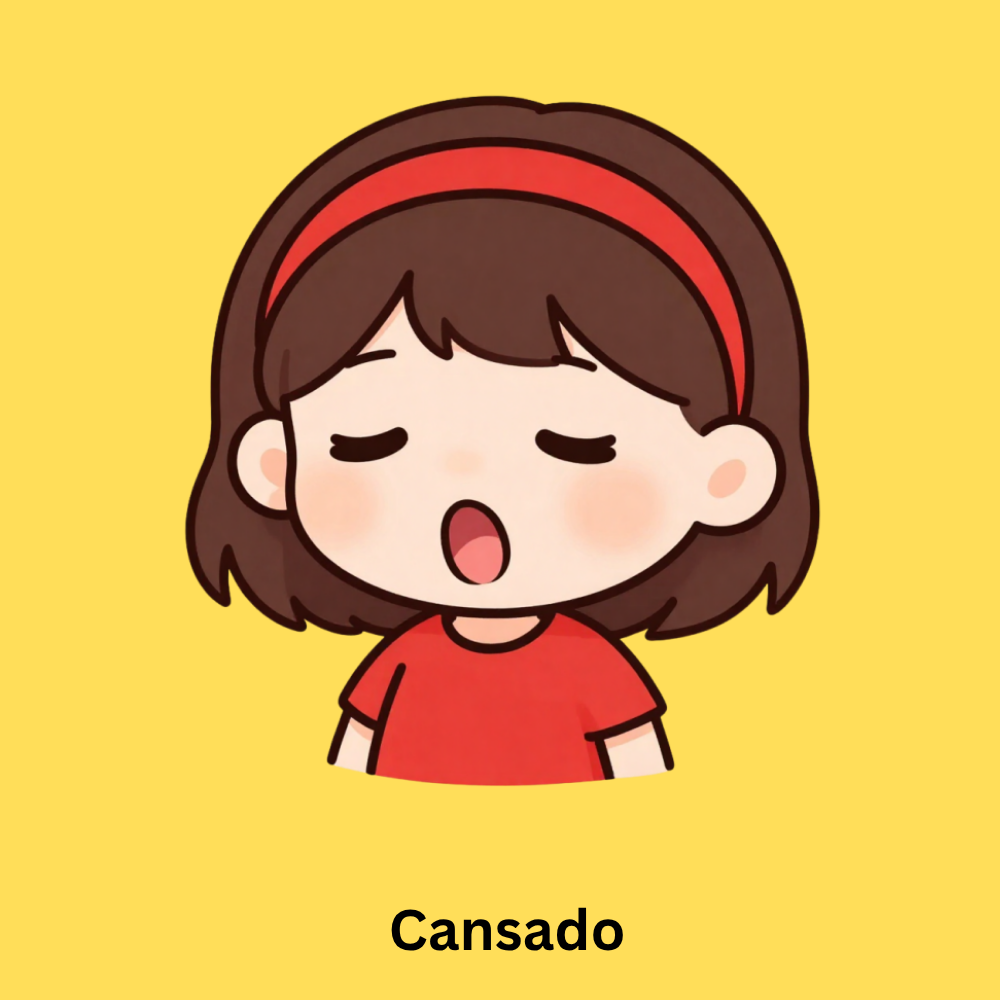
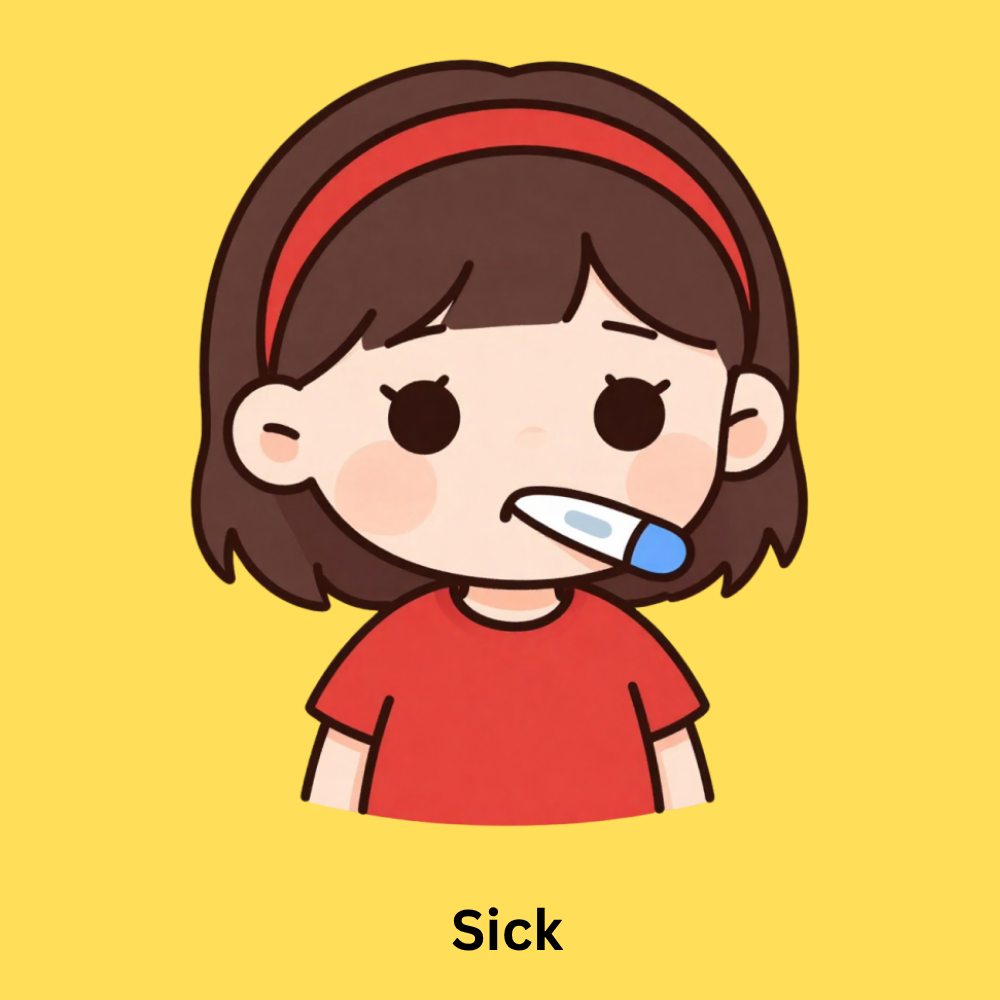
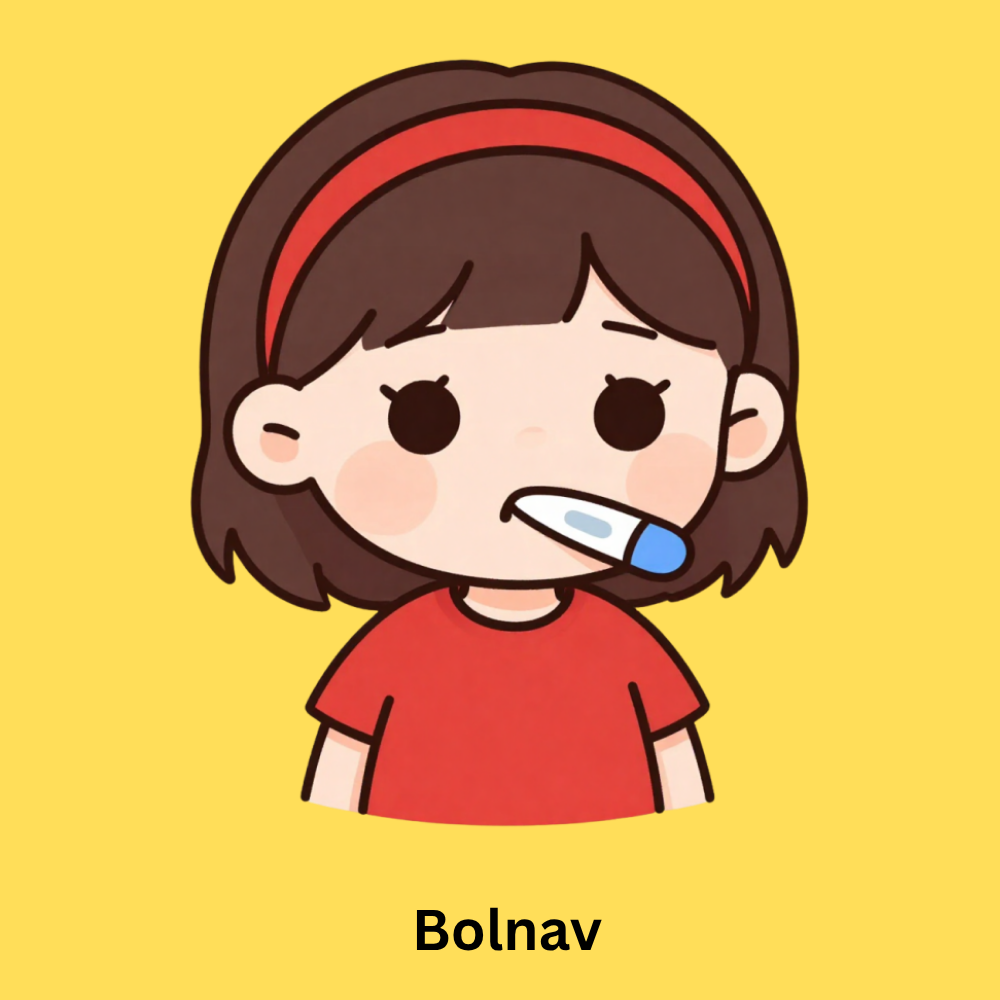
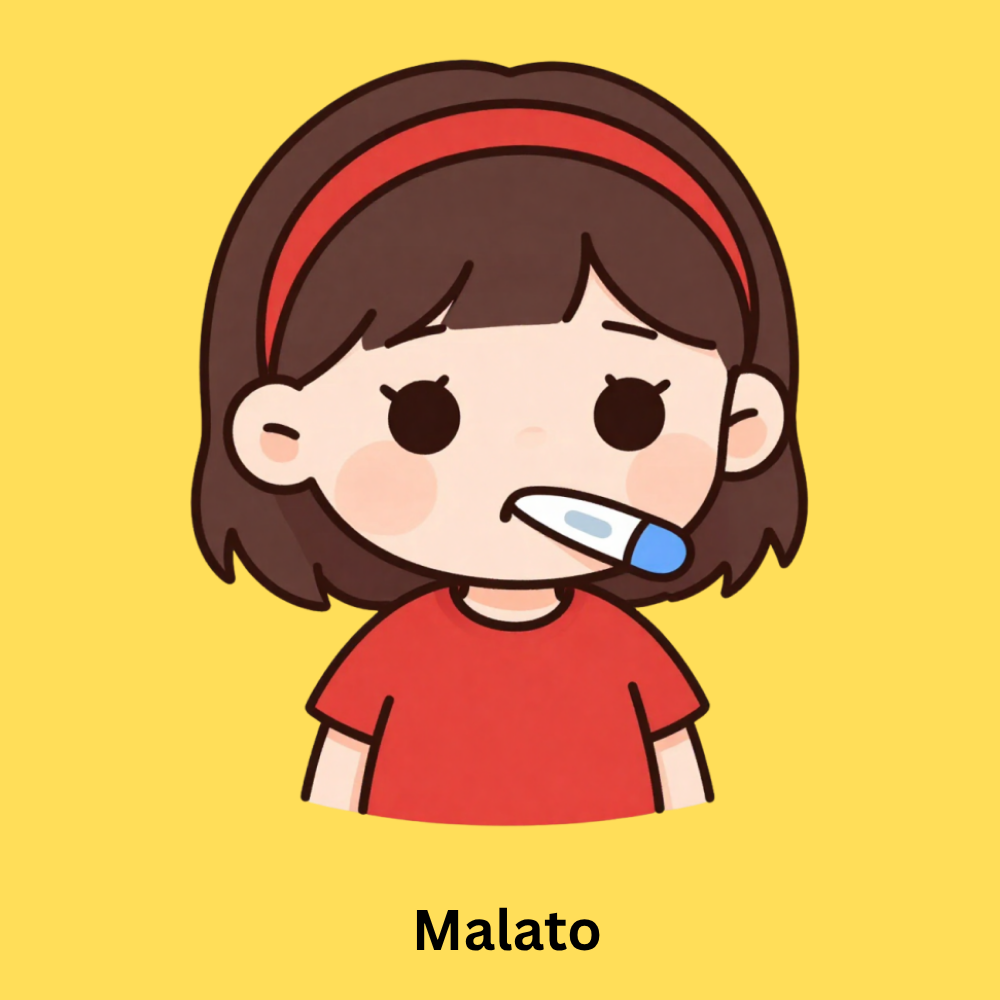
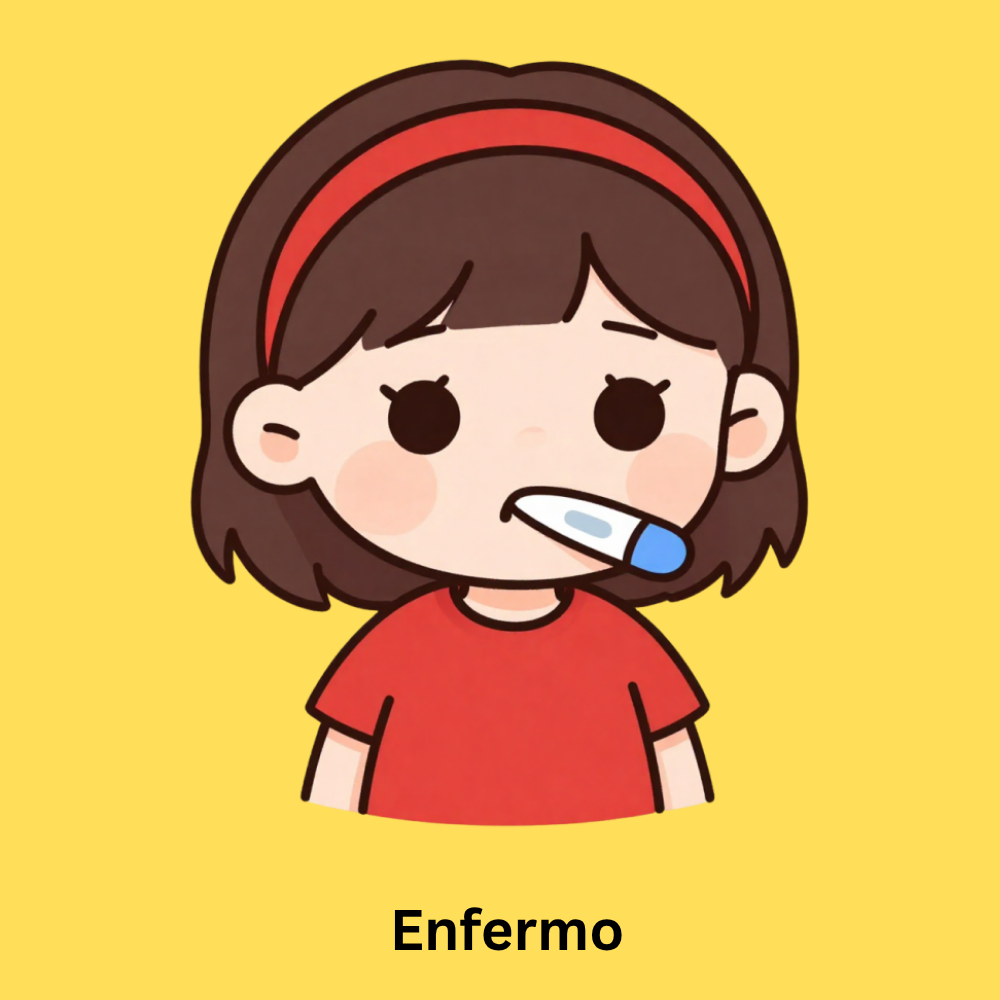
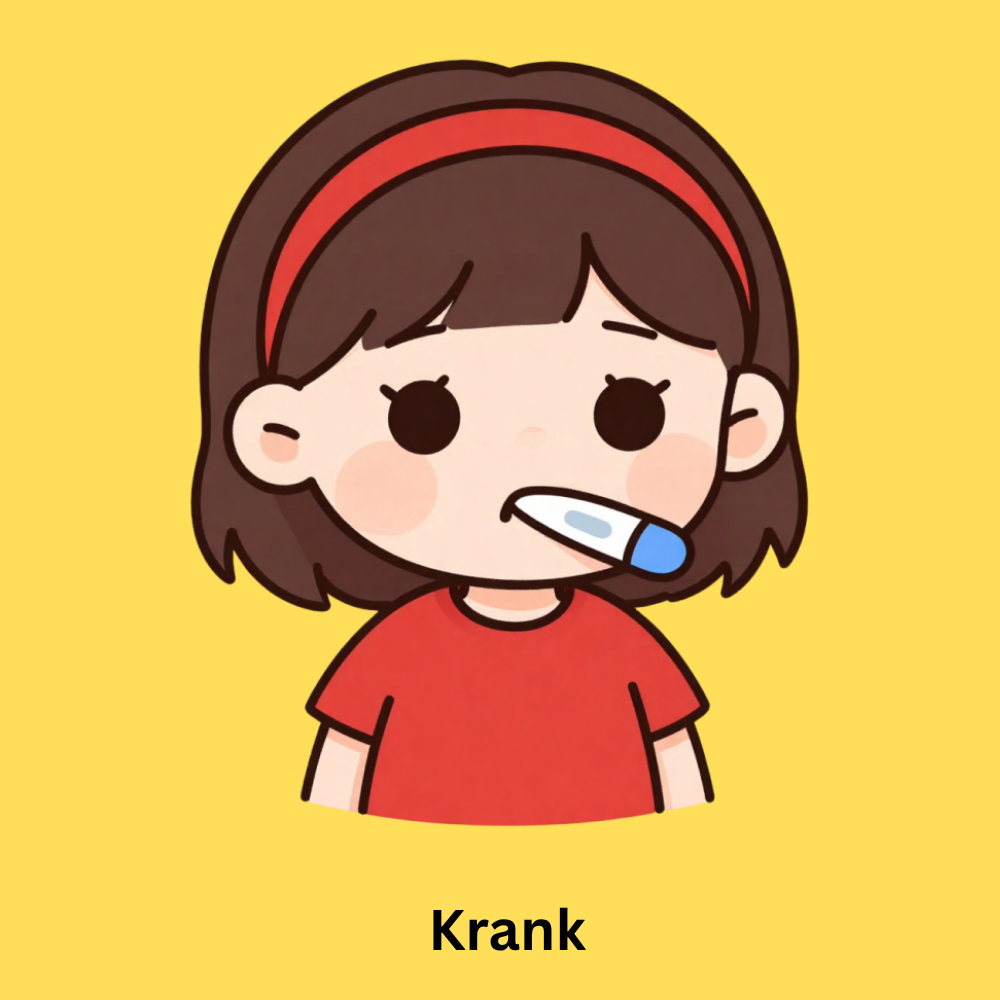
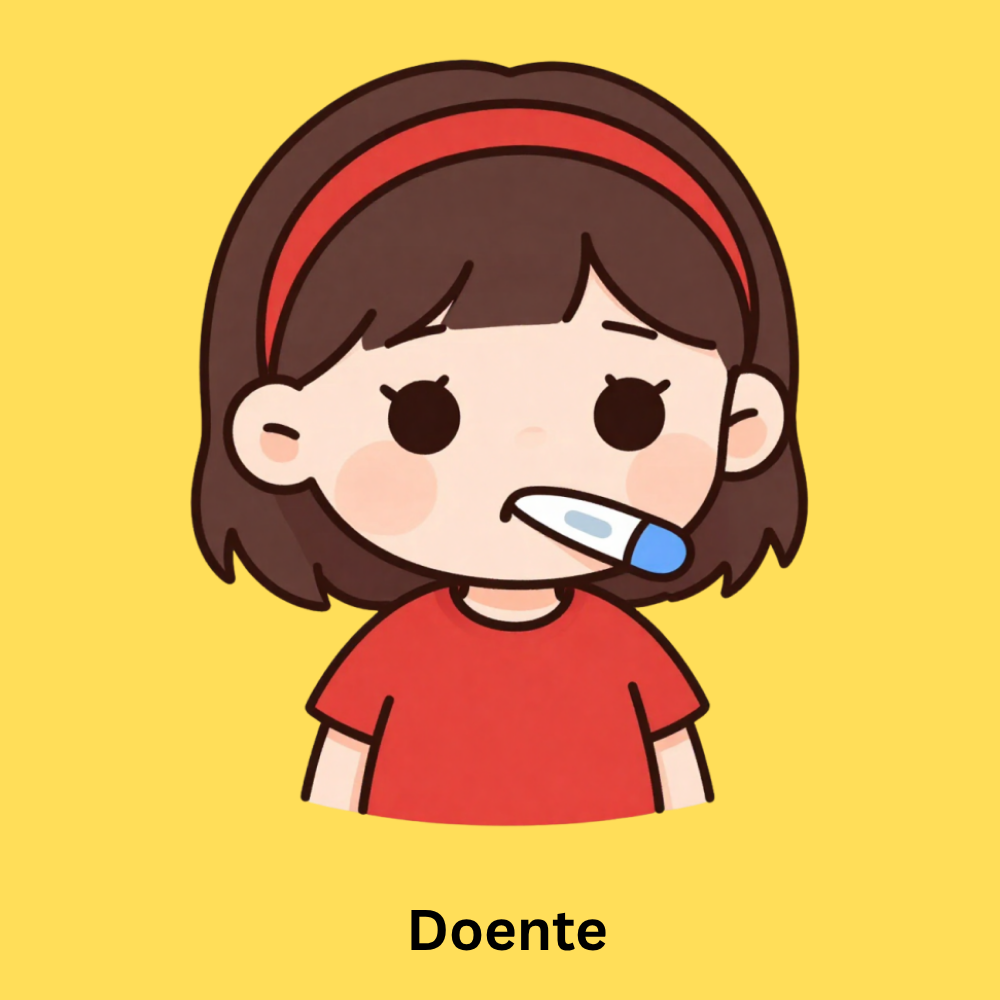


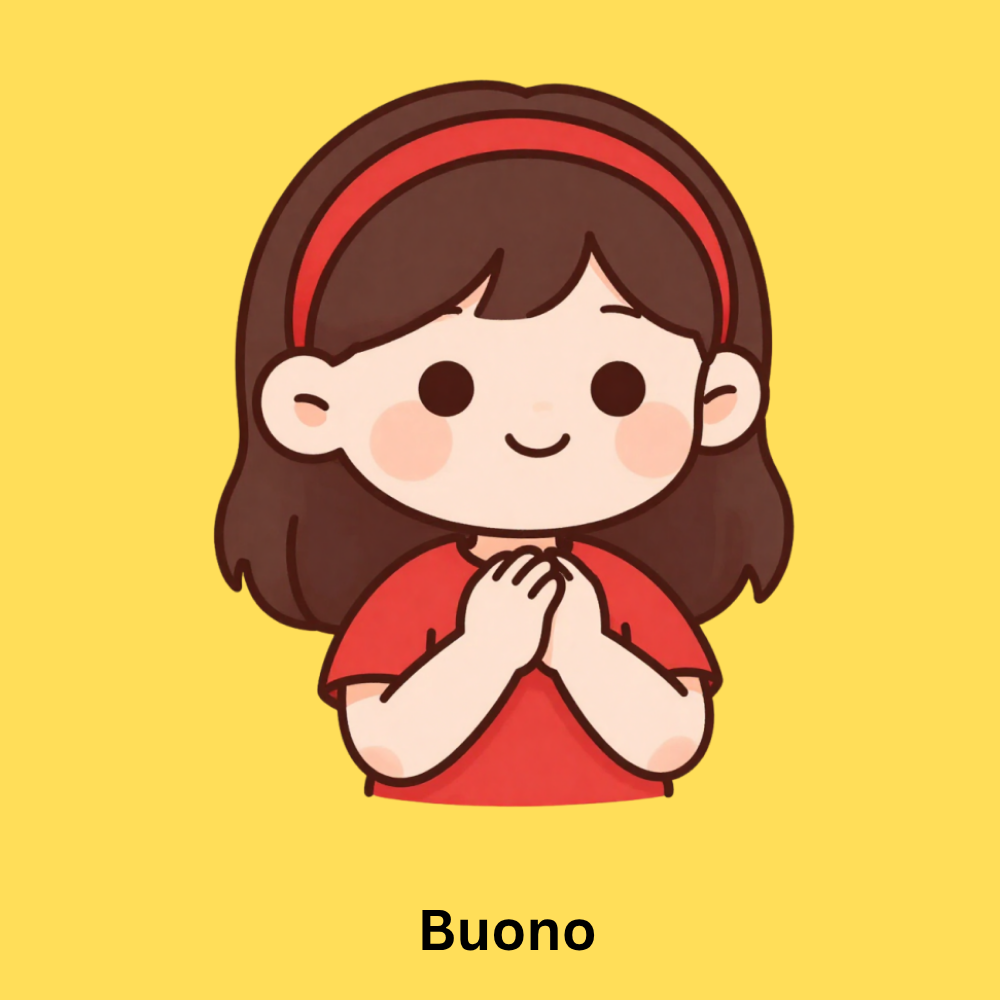
Daily Living and Independence-Escola Básica Integrada da Praia da Vitória Portugal
Social Communication and Community-Phoenix Knowledge Wings gGmbH Germany
School and Learning-Asociatia Zona Integrare Europeana Ronania